10 Tools That Are Useless Below Freezing
Photo credit: Fix It Homestead
Cold weather has a way of turning “handy” into “pointless” fast. Plastics get brittle, batteries get lazy, and anything that counts on a chemical reaction slows down. If you’ve ever stood in a dark driveway with a dead tool and numb fingers, you already know the feeling.
1. Cordless Tool Batteries Left Overnight

You grab the drill, squeeze the trigger, and it barely spins. Cold soaks into lithium packs and they act half-dead even when they were fully charged yesterday. Keep doing that and you’ll also shorten battery life, because charging a frozen pack is rough on it.
Store batteries inside the house, not in the truck or an unheated shop. If you need cordless tools outdoors, bring a spare pack in an inside pocket so body heat keeps it workable. Warm the battery before charging, and if a pack ever looks swollen or cracked, retire it.
2. Water-Filled Pump Sprayers and Misters

That one-gallon pump sprayer is great for weed killer in summer, then winter hits and it turns into an expensive plastic rattle. Water left in the tank, hose, or wand freezes, expands, and splits fittings you can’t easily replace. Even if it doesn’t crack, the trigger valve can freeze shut.
For any sprayer you want to keep, empty it, pump out pressure, and run a bit of RV antifreeze through the wand before storage. When you actually need to apply something in cold weather, skip the sprayer and use a watering can, a scoop, or a shaker jug depending on the product label. If chemicals are involved, follow the temperature range on the container, cold changes how they work.
3. Cheap Blue Tarps Used as Roofing

A tarp looks like a quick fix when a storm peels shingles back. Then the temperature drops and that stiff plastic weave turns brittle, flaps like a drum, and rips right where the grommets are. You end up with a bigger mess, plus shredded tarp pieces frozen into your gutters.
If you need temporary roof protection below freezing, spend the money on a heavy-duty poly tarp or a purpose-made roof tarp, and fasten it to furring strips, not just nails through grommets. Better yet, call a roofer if the area is steep, icy, or high. A fall on frozen ground is not a DIY learning moment.
4. Expanding Foam Used in Freezing Air
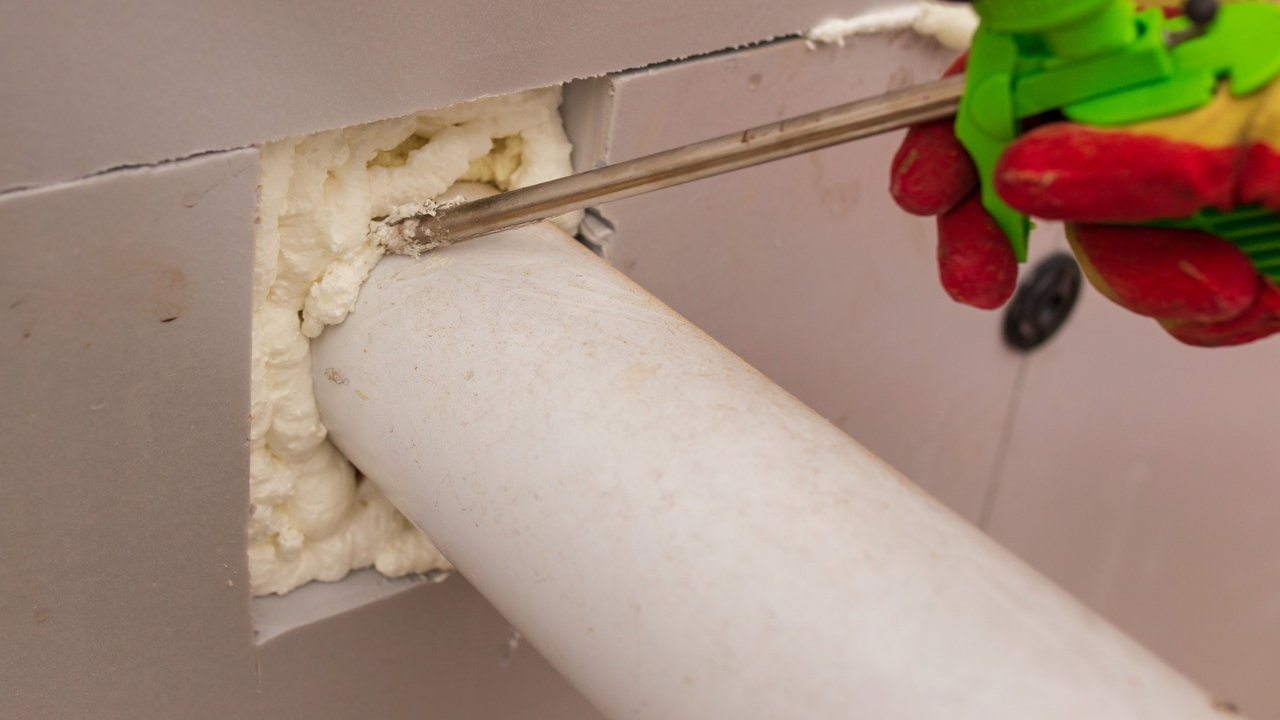
People reach for a can of spray foam to seal a drafty rim joist or a hole around a pipe, then wonder why it stays sticky, shrinks, or falls out. Most foam needs warmer temps to cure right, and cold surfaces make it worse. You can waste half a can and still end up with air leaks.
If you have to air seal in winter, use foam labeled for low temperatures and keep the can warm indoors until you’re ready. For wide gaps, cut rigid foam board and seal the edges with a cold-rated sealant, or use backer rod and caulk. Around chimneys, flues, or anything hot, skip foam entirely and use the correct fire-rated materials.
5. Standard Exterior Caulk in the Cold

Cold caulk comes out like toothpaste, then it beads up and won’t tool smooth. Even if you get it into the joint, it can lose adhesion and peel by spring, especially on metal or vinyl. That’s wasted effort you pay for twice, once in materials and again in time.
Wait for a warmer day when you can, or buy a caulk specifically rated for low-temperature application. Keep the tube inside until you use it, and warm the surface with sunlight or a gentle heat source if the manufacturer allows it. If the gap is actively wet or frosty, walk away and come back later, caulk does not bond to ice.
6. Basic Tire Inflators and Air Compressors
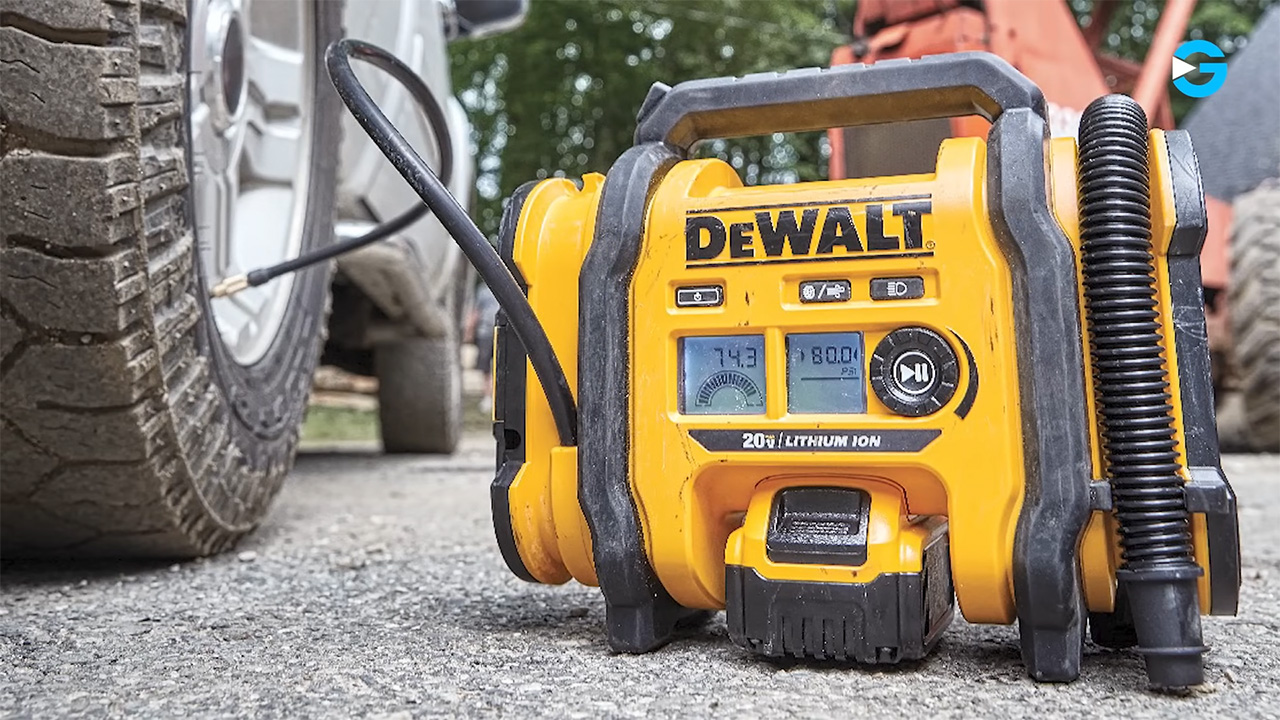
Winter is when tires need air the most, and it’s also when small inflators love to quit. The pump strains, the hose gets stiff, and the little pressure gauge lies. A pancake compressor can work, but the oil thickens, moisture in the tank freezes, and the regulator can act weird.
For quick top-offs, a simple manual gauge and a decent 12-volt inflator that clips to the battery tends to behave better than the plug-in cigarette-lighter style. If you run a compressor in an unheated space, drain the tank after use so water doesn’t sit and freeze, and use the oil type recommended for cold weather if your unit takes oil. If the compressor is making new noises or tripping breakers, stop and troubleshoot in warmth.
7. Garden Hoses and Expandable Hoses
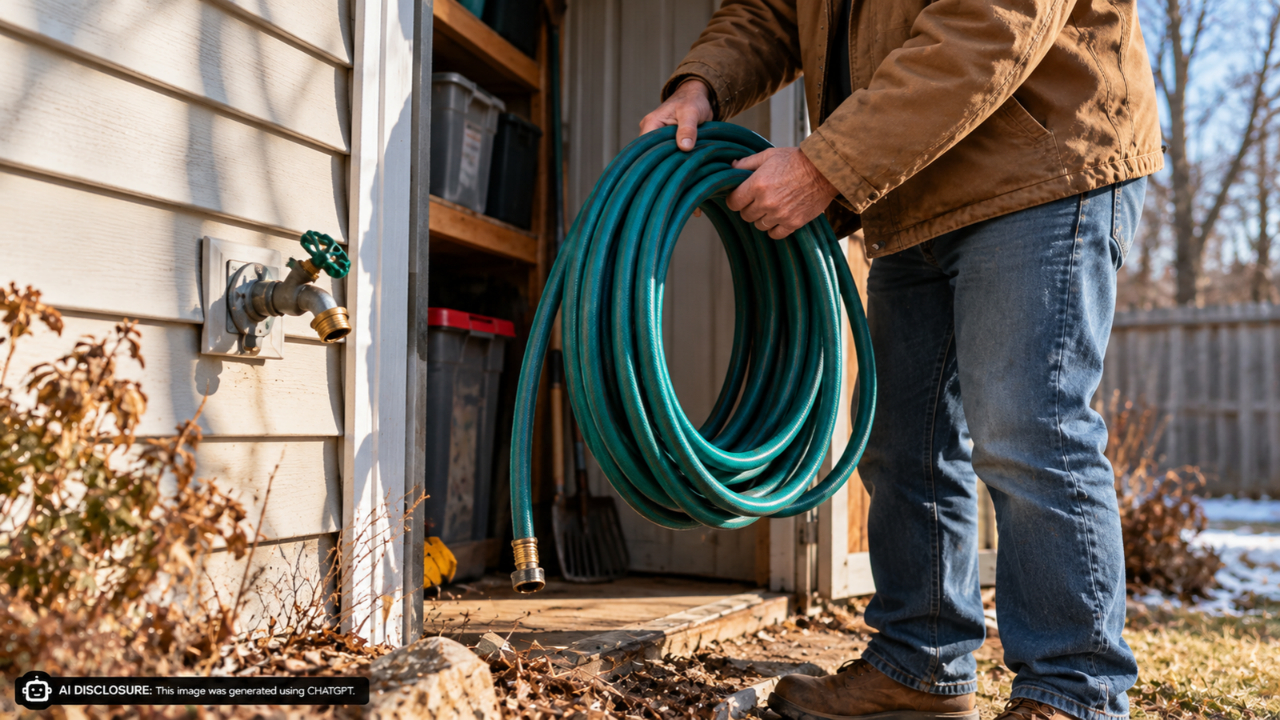
Dragging a hose across frozen ground is a good way to crack fittings and split the jacket. Expandable hoses are worse, the inner tube can tear and the fabric cover hides the damage until it’s a geyser. Then you’re dealing with ice where you didn’t want ice.
Below freezing, use a few buckets, a watering can, or a short length of heavy rubber hose you only bring out when you need it. If you must run water outdoors, set up a frost-free hydrant or an insulated spigot setup, and shut it down the right way. A hose that stays connected to a spigot can freeze the pipe back into the wall and that repair gets expensive.
8. Laser Levels With Cold-Soaked Displays
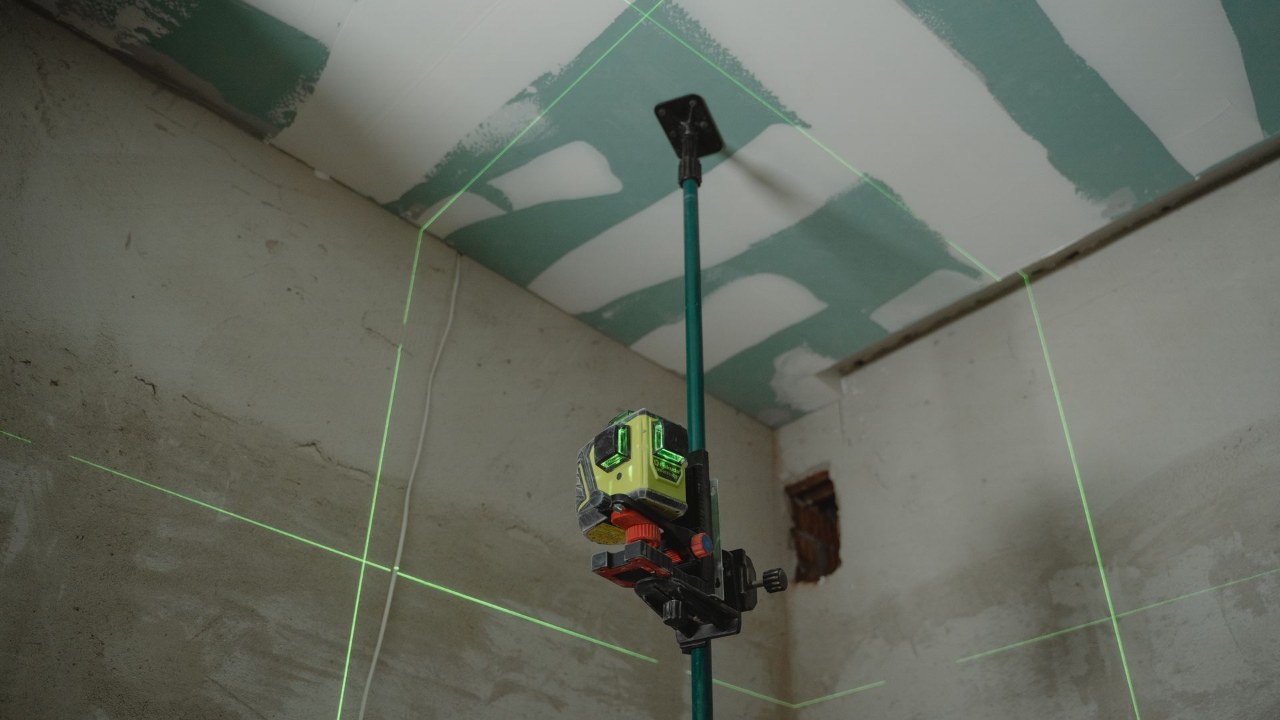
Lasers and cold don’t get along. The beam can get dim, the pendulum self-leveling can act sluggish, and the battery indicator can lie so you think it’s fine until it shuts off mid-layout. If you’re trying to set cabinets in an unheated garage or stake out a fence line in January, it wastes time fast.
Keep the laser inside until you’re ready to use it, and run it on fresh batteries stored warm. When accuracy matters, back it up with old-school checks: a string line for long runs, a quality spirit level for short work, and a tape measure you trust. For exterior grading, a builder’s level or rotary level rated for jobsite conditions will behave better, but renting one for a weekend often makes more sense than buying.
9. Most Water-Based Paints and Primers

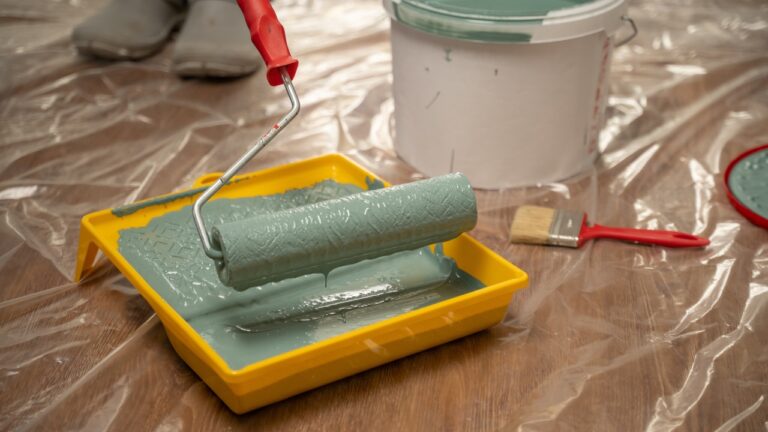
Late fall touch-ups feel productive until the paint flashes weird, won’t level, or never really cures. Many latex paints are ruined if they freeze in the can, and painting over a cold, damp surface makes peeling almost guaranteed. You can spend a whole afternoon and still be staring at a sticky mess the next day.
Read the minimum temperature on the label and take it seriously, including nighttime lows. If you have to coat something in cold weather, look for products specifically made for lower temps and keep the cans from freezing during storage and transport. Honest exception: small indoor repairs with the heat running are fine with regular latex, even when it’s below freezing outside, as long as the room stays warm and dry.
10. Hand Warmers Used as Tool Heaters
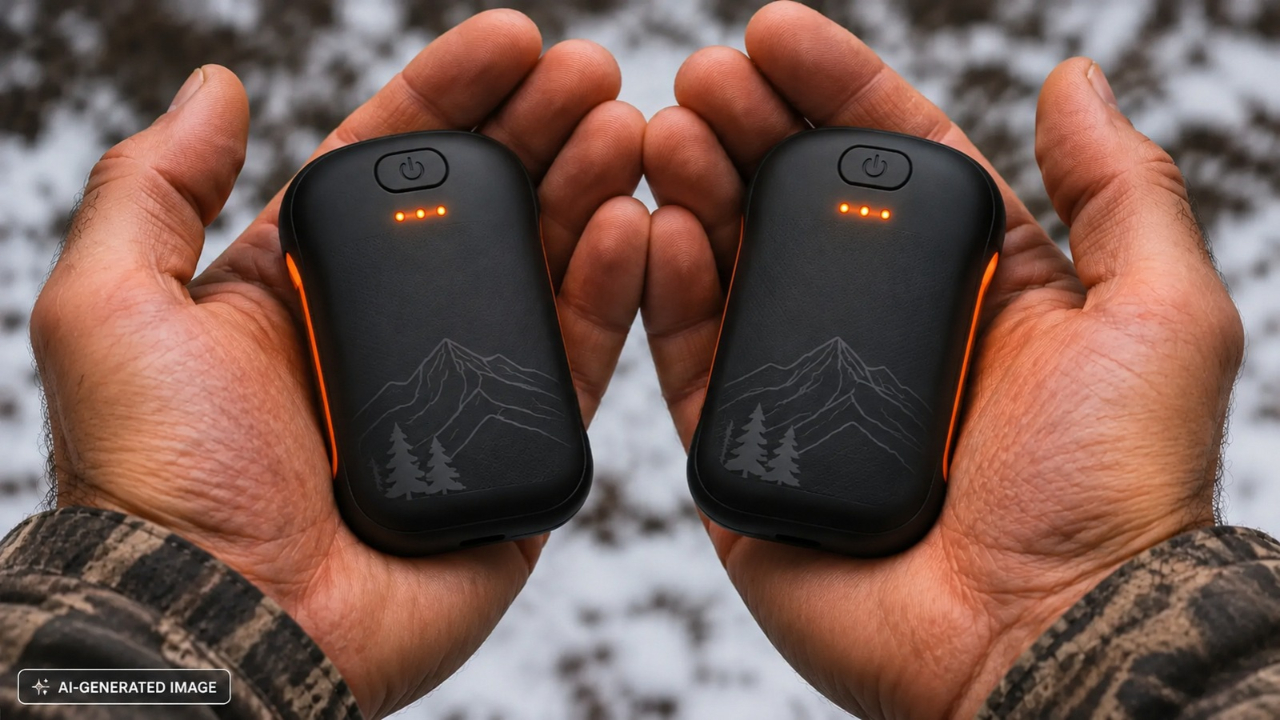
Tossing a couple hand warmers in a tool bag sounds clever, but it’s mostly wishful thinking. They don’t put out enough heat to warm a big battery, a can of caulk, or a frozen tape measure in real time. You end up burning through packets and still fighting stiff materials.
Use actual warmth: keep supplies indoors, run a small space heater where it’s safe and allowed, or set items in a cooler with a warm water bottle for gentle heat on the way to the job. Hand warmers are great for hands. Let them do that.
Winter work goes better when you plan around temperature instead of trying to bully through it. Store the sensitive stuff inside, pick materials rated for the conditions, and accept that some jobs are smarter to delay. Your tools will last longer, and you’ll spend less time wrestling frozen junk in the dark.
Like Fix It Homestead’s content? Be sure to follow us.