10 Reasons the Lights Flicker in an Old House
Photo credit: Thanyapat_4699/Shutterstock.com
Older houses have a lot of charm, and a lot of miles on their wiring. Flickering lights can be a small nuisance, or the first hint of a real problem hiding in a box or a wall. The trick is knowing which kind you’re dealing with before you start swapping bulbs and wasting Saturdays.
1. Loose Neutral In A Junction Box
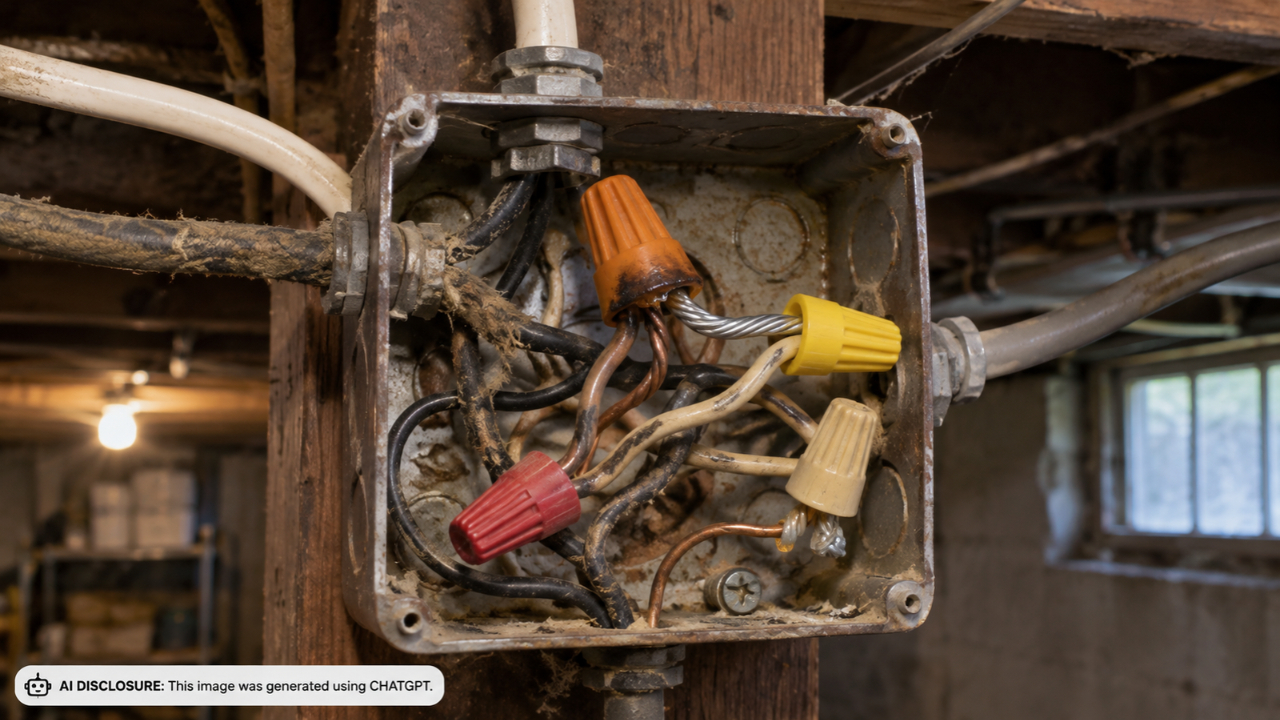
A loose neutral makes lights act haunted, bright one second and dim the next, sometimes with a faint buzzing. It can also make different circuits “share” weird voltage, so the kitchen light flickers when the bathroom fan kicks on.
This isn’t a “wiggle it and see” job. Loose neutrals can overheat and start arcing. If you can point to one fixture or one box and you’re comfortable turning off the breaker, verifying power is off with a non-contact tester, and re-making connections with proper wire nuts and tight screws, fine. If the flicker shows up across multiple rooms, call a licensed electrician to track it down.
2. Backstabbed Receptacles And Switches
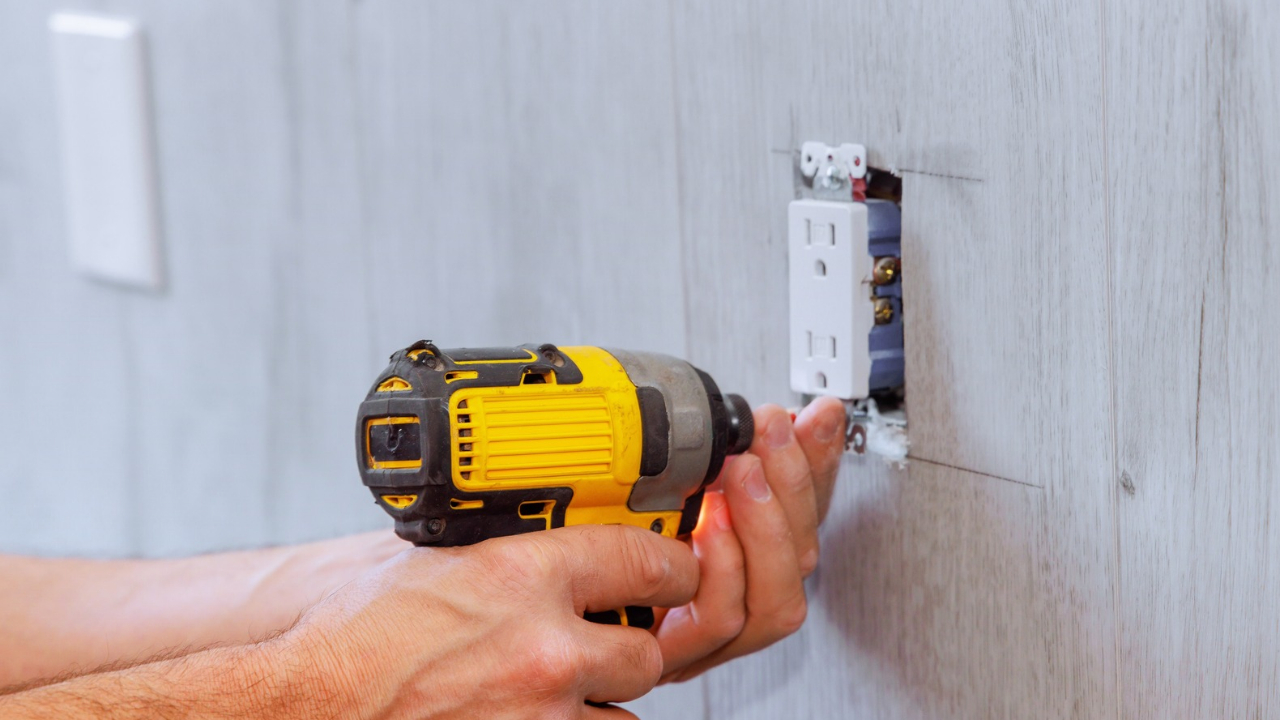
A lot of older homes have outlets or switches that were replaced cheaply at some point, and the wires got shoved into the backstab holes. Those spring clips loosen over time, especially on circuits that feed space heaters, window AC units, or big shop vacs.
You’ll notice random flicker when something draws load, plus warm plates or a crackle when you flip a switch. The fix is usually replacing the device and moving the wires to the side screw terminals, or using the clamp style “back wire” terminals on better grade devices. This is a reasonable DIY job if you know how to shut off the correct breaker and confirm the box is dead before touching anything.
3. Corroded Lamp Sockets And Fixture Contacts
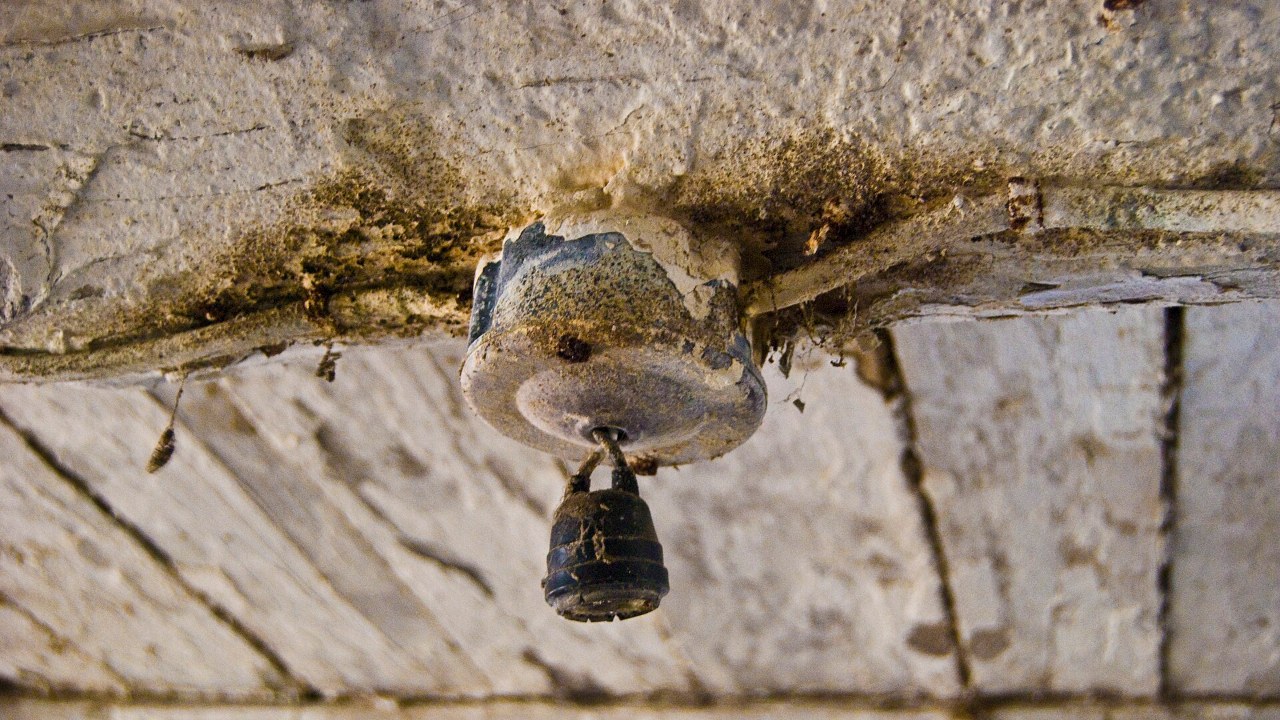
Sometimes the wiring is fine and the problem is right at the light. Old lamp holders get corrosion, soot, or a weak little tab at the bottom of the socket that no longer presses firmly on the bulb base. You see a flicker when the furnace starts, when you shut a door, or when the ceiling fan wobbles.
Kill power, pull the bulb, and look for scorching or a flattened center tab. Cleaning light corrosion and gently bending the tab up can buy time, but if the socket is brittle, cracked, or heat-damaged, replace the fixture or the socket. If you smell hot plastic or see black marks, don’t keep using it “for now.”
4. Old Dimmers On New LED Bulbs

LEDs don’t behave like the old incandescent bulbs your house was wired around. Put an LED bulb on a dimmer made for incandescents and you can get shimmer, strobe, or a low-level flicker that gives you a headache.
The cheap fix is trying a different bulb that’s actually labeled dimmable, and yes, sometimes that’s enough. The better fix is swapping in an LED-rated dimmer and keeping the load within the dimmer’s rating. If the flicker only happens when dimmed, and not at full brightness, this is one of the least scary items on the list.
5. Service Drop Or Meter Base Problems
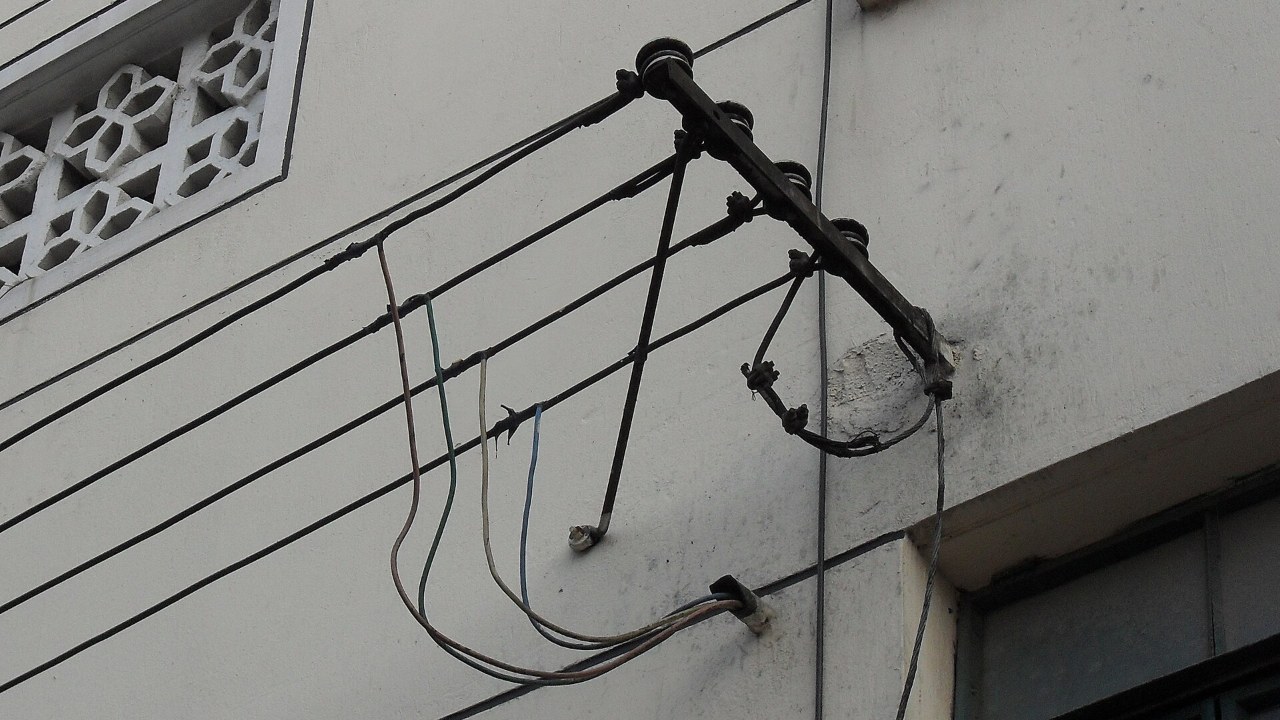
If the whole house flickers at once, especially on windy days or when branches slap the line, look outside. The connection from the utility to your weatherhead, or the meter base itself, can get loose or corroded after decades of sun, ice, and heat cycles.
Don’t mess with anything ahead of your main breaker, and don’t open the meter base. Call the utility first and describe what you’re seeing. Many utilities will check their side of the connection. If the issue is on your equipment, that’s when you bring in a licensed electrician, and in some areas it requires a permit and inspection.
6. Overloaded Circuits From Modern Living
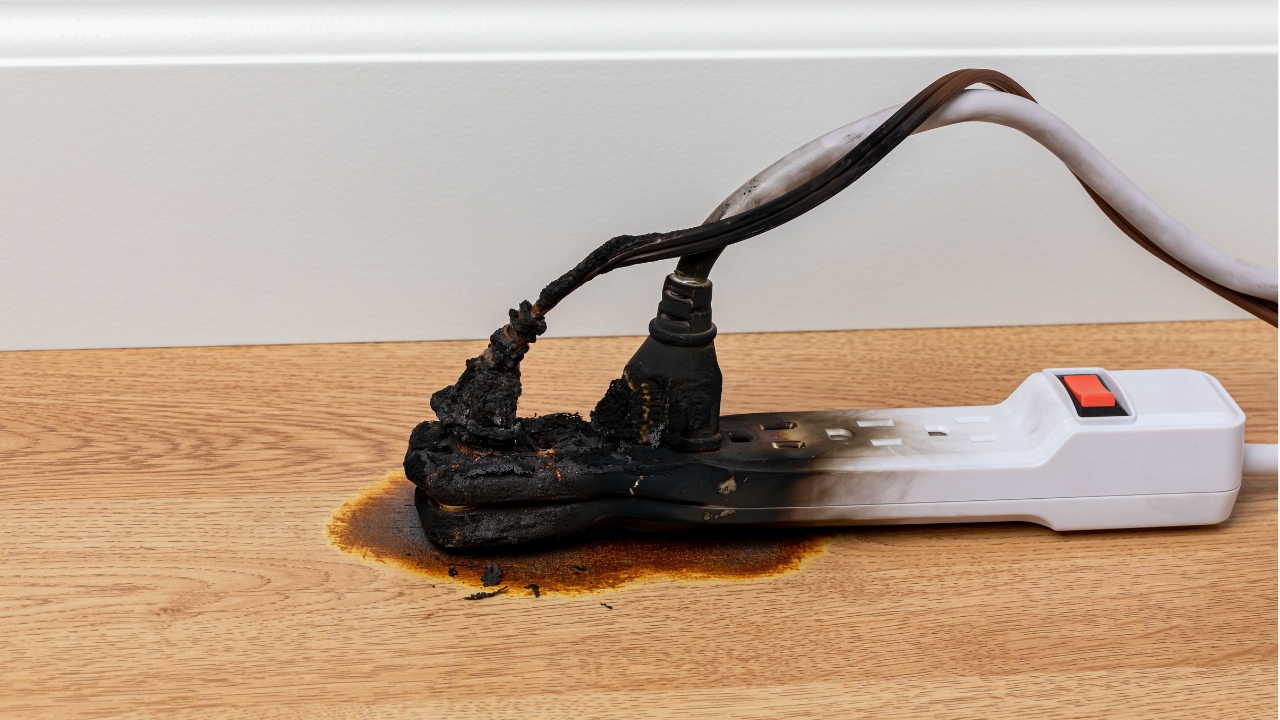
An old house might have one 15-amp circuit feeding half the first floor, because that’s all anyone needed when it was built. Then you plug in a microwave, a toaster oven, a coffee maker, and a phone charger, and the lights complain every time the compressor or heating element kicks on.
This kind of flicker usually lines up with a specific appliance starting. You can reduce it by spreading loads to other circuits, not running a space heater on the same line as lighting, and fixing any loose device connections. Long term, the real fix is adding dedicated circuits for heavy loads, which is often worth paying a pro for in an old house with crowded boxes and mystery splices.
7. Shared Neutral Or Multiwire Circuit Mixups
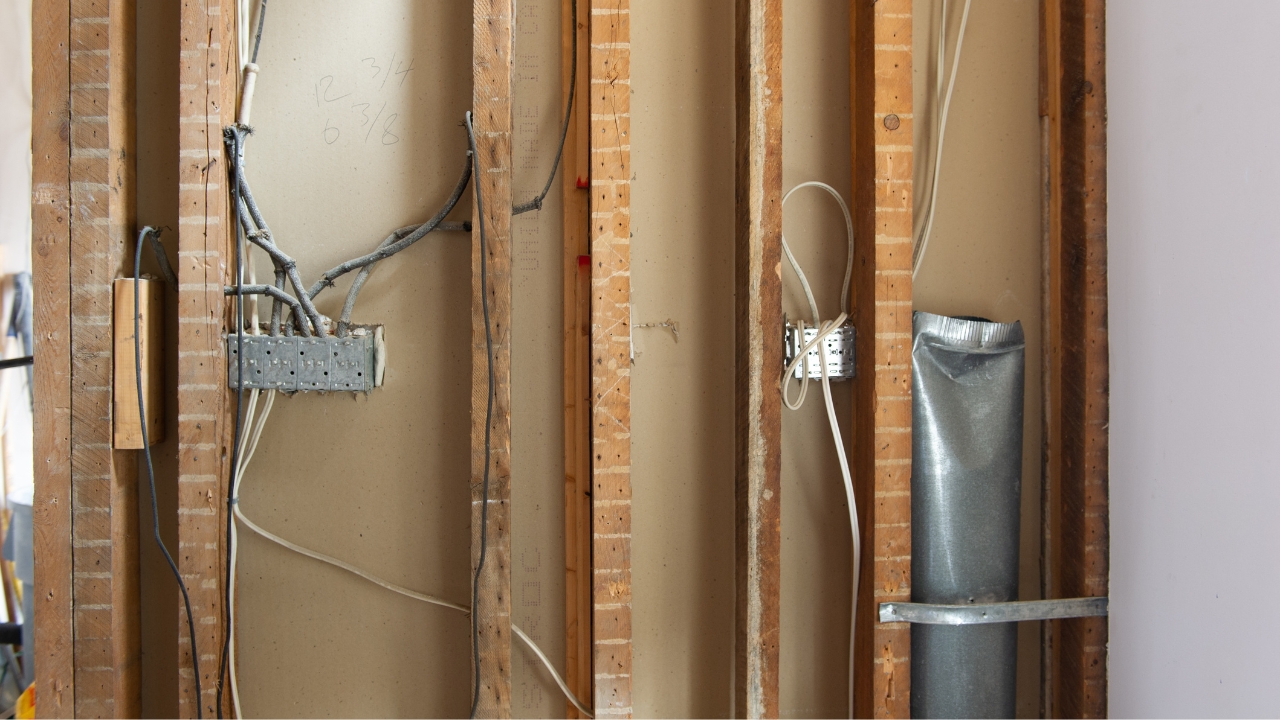
Older wiring sometimes uses multiwire branch circuits, two hots sharing a neutral. When it’s done right, it’s fine and code-compliant. When it’s been “updated” by someone who didn’t understand it, you can get flicker, tripping breakers, or hot neutrals that shouldn’t be hot.
This is where common advice goes wrong. People will tell you to just separate the neutrals or put the circuits on different breakers. That can make it worse or flat-out unsafe. A licensed electrician should verify the hots are on opposite legs, that the breakers are handle-tied or two-pole as required by local code, and that all splices are sound.
8. Bad Grounds In Metal Boxes
Ground problems don’t always cause visible flicker, but in some older homes they show up as touchy lights and nuisance behavior when other loads turn on. Metal boxes, armored cable, and old grounding methods can loosen up, rust, or get interrupted by a remodel.
If you open a box and see no ground connection, or you see a ground that’s just twisted in the back doing nothing, stop and think. Correct grounding can be straightforward, or it can turn into a bigger rework depending on the wiring method. This is one of those resale headaches too, because a home inspection will flag it fast.
9. Failing Main Breaker Or Panel Bus Issues
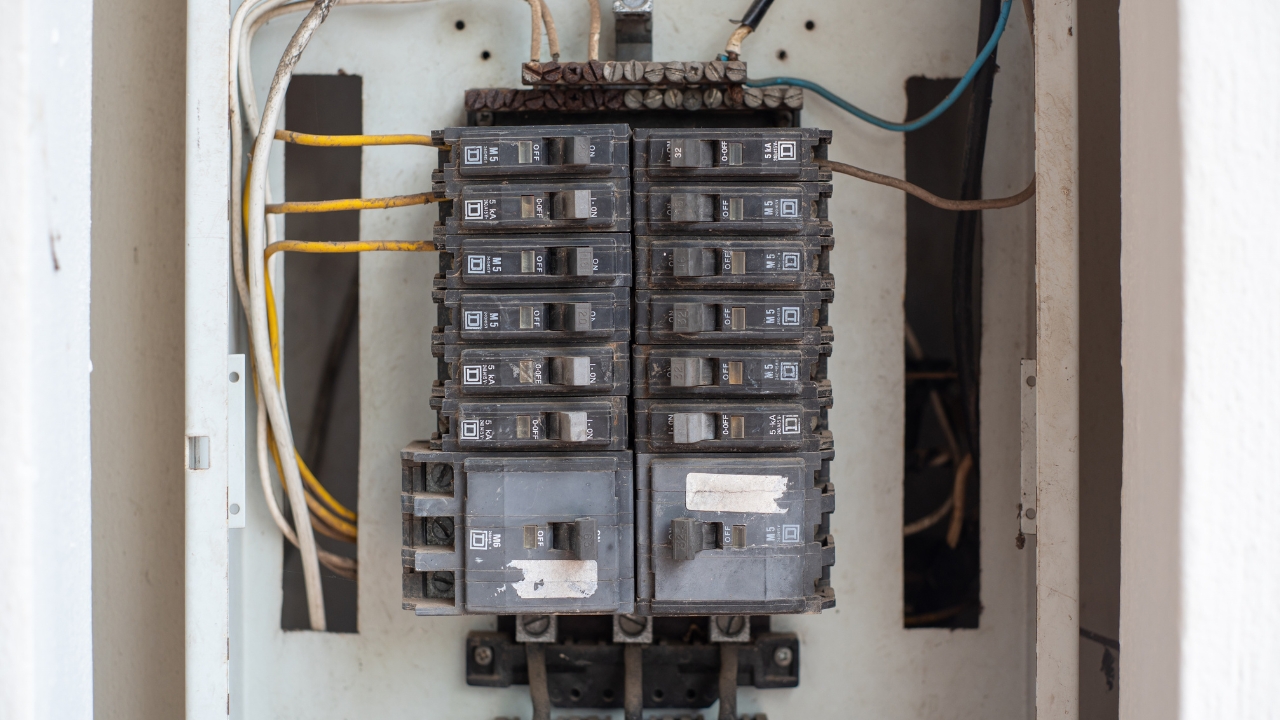
Flicker that comes with a hot electrical panel cover, a sharp buzzing, or breakers that don’t sit tight is a red flag. Old panels can develop poor contact at the breaker stab, corrosion on the bus, or heat damage from years of heavy load.
Don’t pull the panel cover if you’re not trained, and don’t “tap” breakers to seat them. This is a licensed electrician job, full stop. Panel work is where mistakes turn into burns and house fires, and it’s also where local code and permits matter.
10. Voltage Swings From Well Pumps Or Compressors
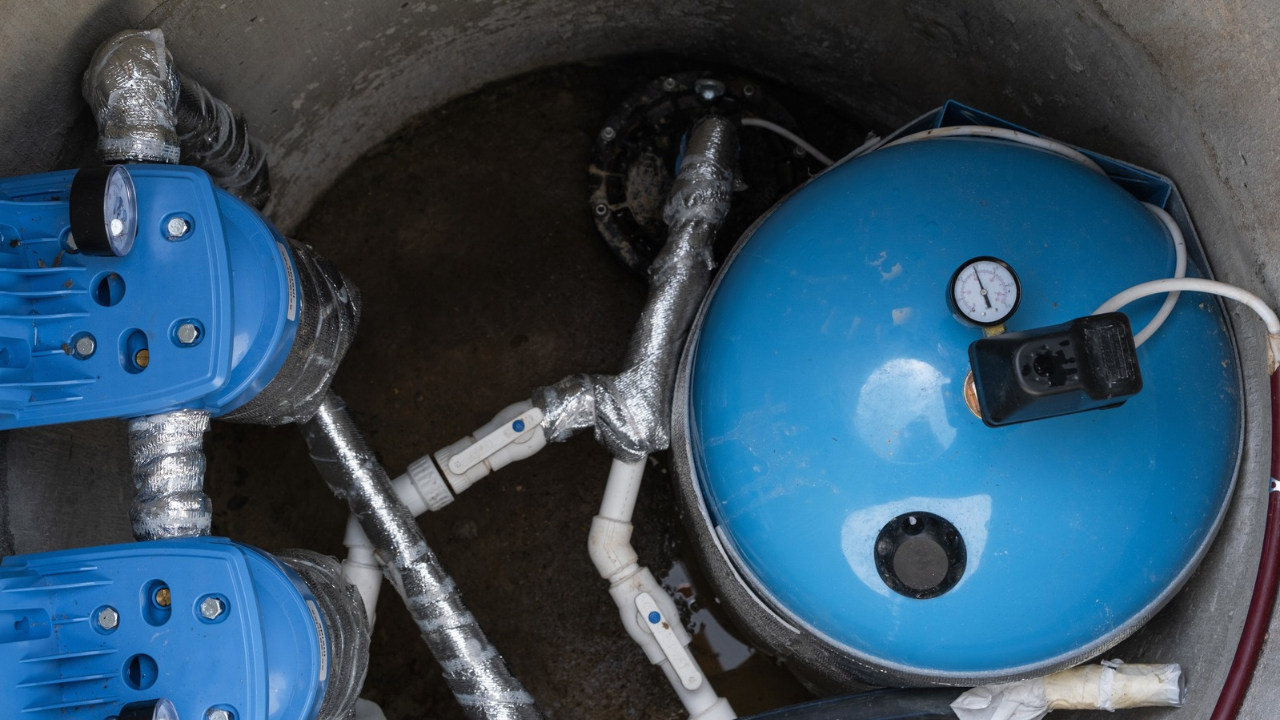
If you’re on a well, a big pump motor starting can dim or flicker lights, especially in a farmhouse with a long run from the panel to the pump. The same goes for older refrigerators, freezers in the garage, shop air compressors, and deep freezers that kick on in the heat of summer.
Sometimes this is just normal in a small electrical system, and a slight blink is nothing to lose sleep over. When it’s severe or getting worse, the fixes are checking motor health, verifying correct breaker and wire size, tightening terminations, and sometimes adding a dedicated circuit or soft-start equipment. Have a pro evaluate it if the lights dip hard enough to make electronics reboot.
If you want to play detective without tearing into walls, start with a simple log. Write down what flickers, when it happens, and what else was running at the time. That pattern will tell you whether you’re chasing one loose connection, one cranky fixture, or a problem that belongs in a pro’s hands.
Like Fix It Homestead’s content? Be sure to follow us.