
10 Livestock Breeds That Handle a Hard Winter Best
Photo credit: Jennifer Sophie/Shutterstock.com
Winter doesn’t just drop the temperature, it stretches your feed budget, freezes water systems, and turns small health issues into emergencies fast. Picking animals that stay sound, keep body condition, and stay calm in wind and snow makes the whole season easier. Shelter and good chores still matter, but the right breed gives you a head start when the forecast won’t quit.
1. Highland Cattle With Heavy Winter Coats

Highlands are built like walking sleeping bags. That long hair sheds rain and snow, and the undercoat holds heat so you’re not burning through hay just to keep a cow from shivering all day. They’re also good at browsing rougher forage, which can help when pasture is long gone and you’re stretching stored feed.
The practical win is fewer cold-stress problems, especially in open, windy lots where other cattle look miserable. You still need windbreaks and a dry place to lie down, since wet bedding is where “hardy” animals start getting sick. Plan your handling setup too, horns mean you want wider alleys and a little more space at the feeder.
2. Hereford Cows That Keep Condition

If you’ve ever watched cattle melt weight in January, you already get why Herefords stay popular. They tend to hold body condition well through cold snaps, and they’re usually steady and easy to manage when everything is frozen and you’re in a hurry.
They’re not magic. Give them dry bedding, block the wind, and keep water from turning into a skating rink. Where they shine is efficiency, you get a cow that doesn’t act like winter is a personal insult, which can mean less feed waste and fewer “why are you not eating?” moments.
3. Jacob Sheep For Cold, Wet Hills

Most people shopping “winter sheep” go straight to big commercial wool breeds and miss Jacobs. They’re smaller framed, often tough as nails, and they do well in rough terrain where ice and mud would beat up heavier animals. Their fleece handles cold and wet better than a lot of hair sheep.
They can be horned, and that changes your fencing and feeder game. Check gates for snag points, keep hay feeders spaced so they’re not hooking each other, and don’t pack them too tight in a small shed. If you want a low-drama winter flock on a mixed homestead, they fit.
4. Icelandic Sheep That Laugh At Wind

These sheep come from a place where winter is basically a lifestyle. Icelandics grow a double coat, an outer layer that sheds weather and an inner layer that insulates, so they don’t fall apart when the wind howls for a week.
The catch is fleece management. If you keep them for fiber, you’ll be dealing with a coat that can mat if bedding stays damp, so clean, dry packs matter. Their hardiness doesn’t replace a roof and good ventilation, because ammonia buildup in a closed barn will still knock them down.
5. Great Pyrenees Livestock Guardians In Deep Snow

Winter is when predators get bold and fences get weak, and that’s when a Great Pyrenees earns its keep. Thick coat, big feet, and the attitude to live outside with the stock makes them a solid cold-season guardian.
Don’t assume “cold hardy” means “no care.” Provide a dry dog house packed with straw, keep water liquid, and feed enough calories to match the weather and workload. One honest exception, that thick coat doesn’t mean they belong in a heated mudroom, indoor heat can make coat blow and skin problems worse, and you’ll pay for it in shedding.
6. Kunekune Pigs That Handle Cold Nights

Most pigs hate winter, especially the long-bodied lean types that chill fast. Kunekunes are different, smaller, rounder, and often carrying a decent coat, so they handle cold nights better than a lot of pasture pig setups.
You still need real bedding. Straw or deep wood shavings matter, and a drafty three-sided shed won’t cut it when the wind shifts. Keep the floor dry, because wet pigs get chilled and start piling, then you’re breaking up squabbles in the dark with a headlamp.
7. Tamworth Pigs For Outdoor Winter Lots

Tamworths aren’t as common, but they’re a strong pick if you insist on keeping pigs outside through winter. They grow a good coat, do well with foraging, and tend to stay active instead of turning into miserable, shivering statues.
Set them up for success with a tight shelter, deep bedding, and a windbreak that doesn’t become a sail in a storm. Watch the water situation closely. A heated bucket is fine for a couple pigs, but if you’re running a bigger pen, a heated trough or frost-free hydrant setup saves time and keeps you from hauling warm water twice a day.
8. Chantecler Chickens Built For Frost
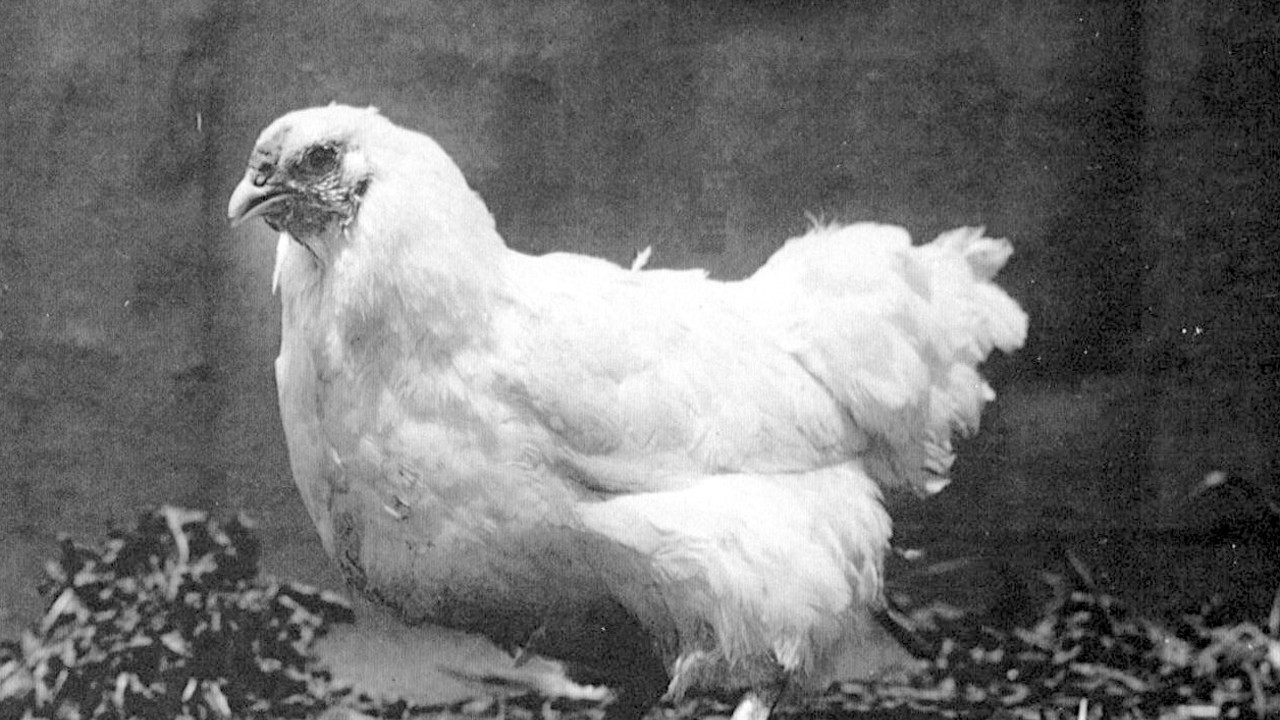
Big combs freeze, and that’s a winter headache nobody wants. Chanteclers were developed for cold climates, with small combs and wattles that don’t turn black the first time the temperature drops hard.
Keep the coop dry and ventilated up high, moisture is what makes frostbite more likely. Skip the heat lamp habit unless you have a real reason and a safe setup, fires start that way. A cold-hardy bird plus good airflow beats a damp, overheated coop every time.
9. Mangalitsa Pigs With Woolly Coats
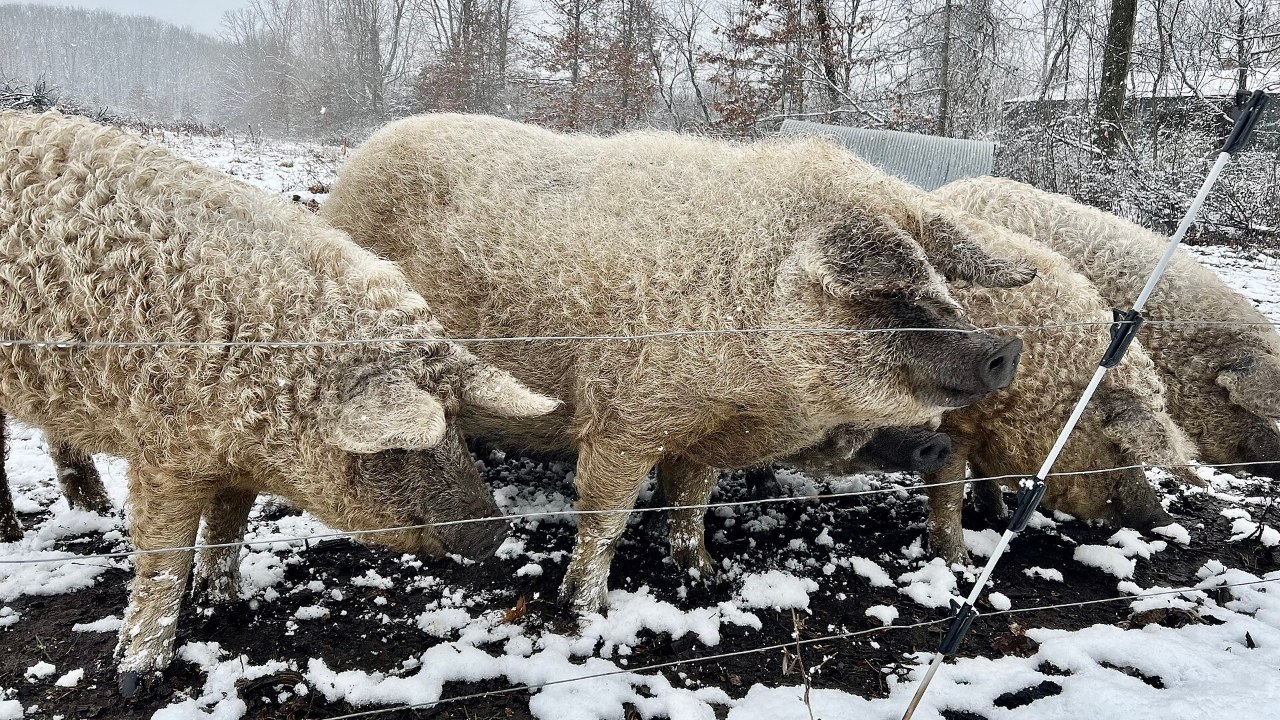
Yes, the “wool pig” look is real, and it’s useful. Mangalitsas can handle cold weather well because that curly coat is serious insulation, which takes pressure off your shelter situation when winter drags on.
They’re not the cheapest path to pork, and they’re not a fast grower compared to common commercial crosses. If you’re aiming for quick freezer fill, look elsewhere. If you want a pig that doesn’t mind snow and you’re fine feeding longer, they make winter less of a fight.
10. Cashmere Goats That Stay Warm Browsing

Goats get a reputation for hating rain and acting offended by snow, and plenty do. Cashmere-type goats grow a dense undercoat that helps them stay warm, and many keep browsing when other goats would rather scream at the gate.
Your job is to keep them dry and out of the wind, because wet coats steal heat fast. Build a shelter with a real roof, no drips, and enough space so low-ranking goats aren’t stuck outside. Hoof checks matter all winter, ice and packed manure can turn into limping problems before you notice.
Even the toughest animals burn extra calories in cold weather, so plan feed storage, water access, and bedding like winter will last a month longer than you hope. If you match the breed to your weather and your setup, chores get simpler, and you spend less time fixing preventable problems at 6 a.m. in the dark.
Like Fix It Homestead’s content? Be sure to follow us.