10 Winter Repairs Buyers Always Ask About
Photo credit: Mark van Dam/Shutterstock.com
Winter has a way of turning small flaws into loud problems. A buyer walking through on a cold, wet day will notice every draft, drip, and rattle. If you fix a few common winter pain points before the showing, the house feels cared for instead of patched together.
1. Ice Dams And Mystery Ceiling Stains
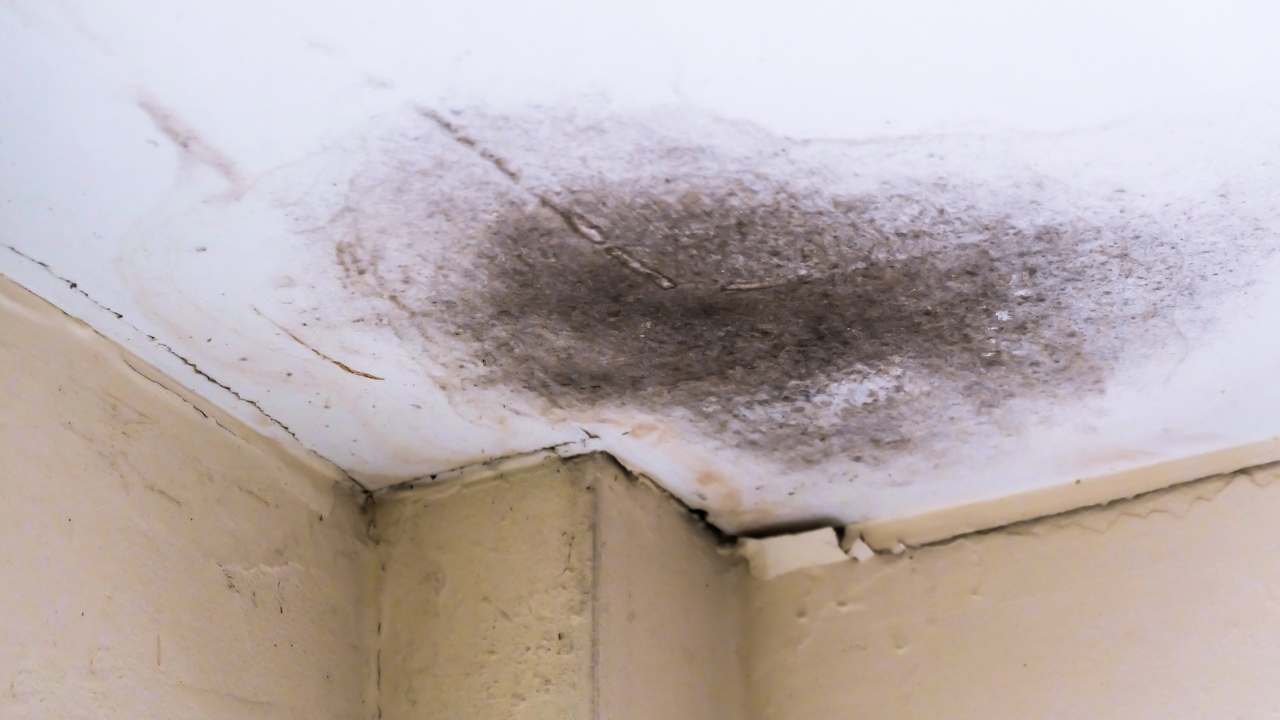
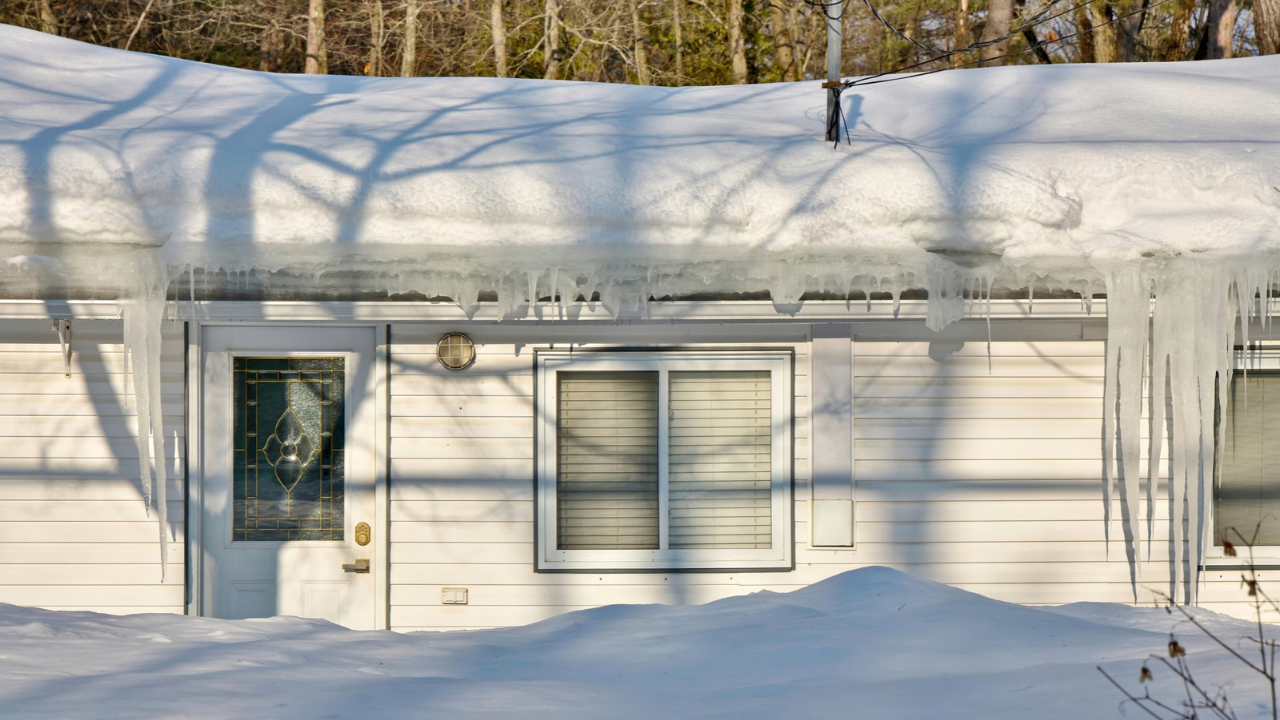
Buyers look up, especially after a storm. A brown ring on a ceiling, a bubbled paint spot, or water marks around a window header screams “ice dam,” even if the roof isn’t currently leaking. The repair can get expensive fast because the cause is usually heat escaping into the attic, not “bad shingles.”
Start in the attic with a flashlight: look for wet insulation, frosty nails, and darkened roof sheathing. Air seal around bath fans, can lights, attic hatches, and plumbing stacks, then add insulation to the right depth for your zone. If gutters are packed with debris, clean them, but don’t pretend that’s the whole fix. Roof rakes help in a pinch, yet the real buyer-friendly answer is better air sealing and ventilation.
2. Furnace Service Records And Odd Noises
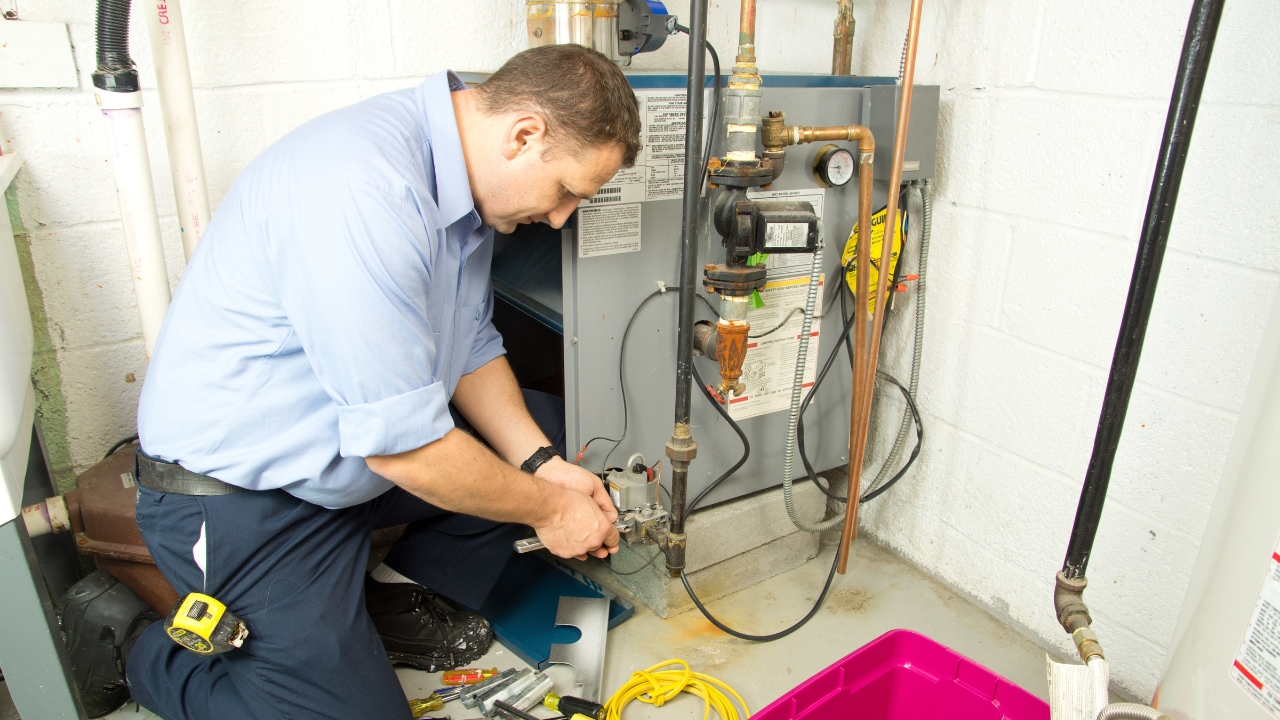
A forced-air system that squeals, bangs, or takes three tries to light makes people nervous. If the home has gas or oil heat, most buyers want proof it was serviced, not a promise it “works fine.” A dirty filter and a neglected burner also mean higher bills, and buyers know it.
Swap the filter, then run the heat and listen: whistling can mean a too-restrictive filter or a return leak, and a rumble after shutoff can mean burner issues. Basic filter changes and thermostat setup are DIY. Anything involving burners, gas pressure, flame behavior, or opening the service panel on a gas furnace is a licensed HVAC job, and paying for a tune-up often reads as responsible.
3. Drafty Doors And Worn Weatherstripping
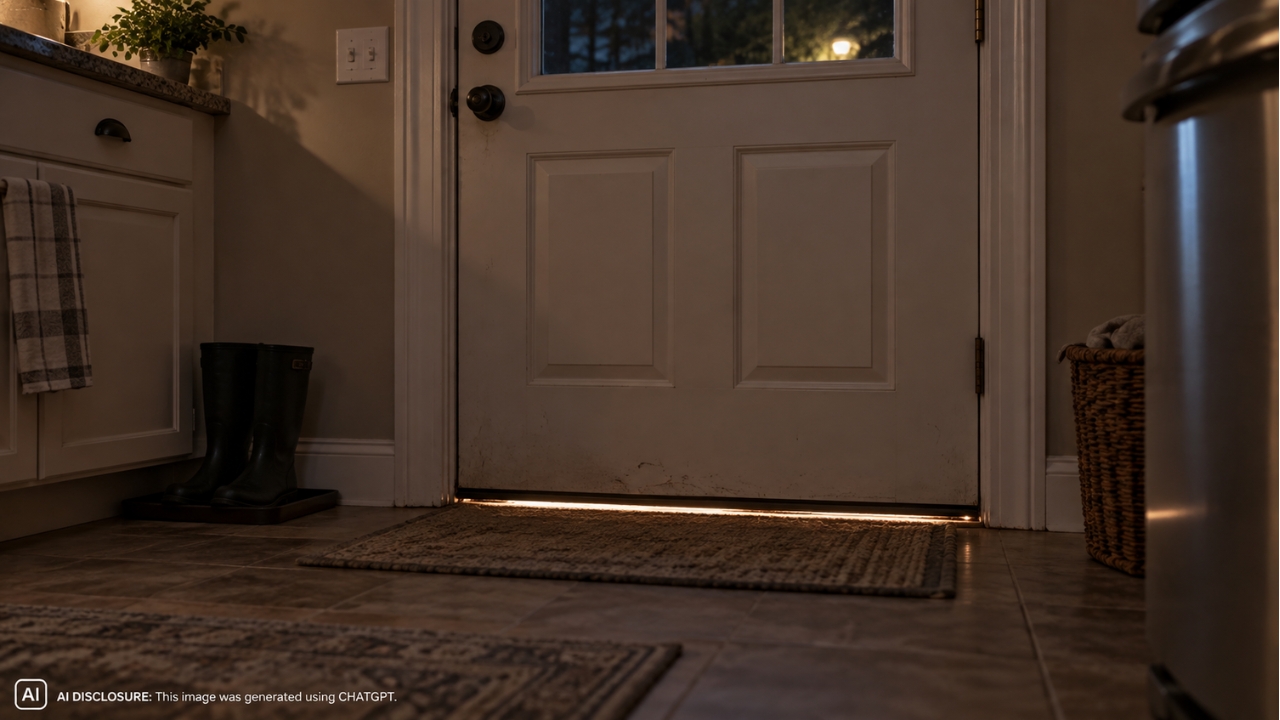
People don’t need a fancy energy audit to feel a cold stripe on their ankles. A loose sweep, cracked threshold, or missing corner pad at the bottom of a door will get mentioned in inspection notes and in casual buyer comments. This is one of those low-cost fixes that makes the whole place feel tighter.
Close the door on a strip of paper and tug. If it slides easily, adjust the strike or hinges, or replace the compression weatherstrip. For the bottom, a new door sweep takes a screwdriver and about 20 minutes. If the door is out of square and rubbing, plan on shimming hinges or adjusting the jamb, not just piling on thicker foam.
4. Window Condensation And Rot Starting
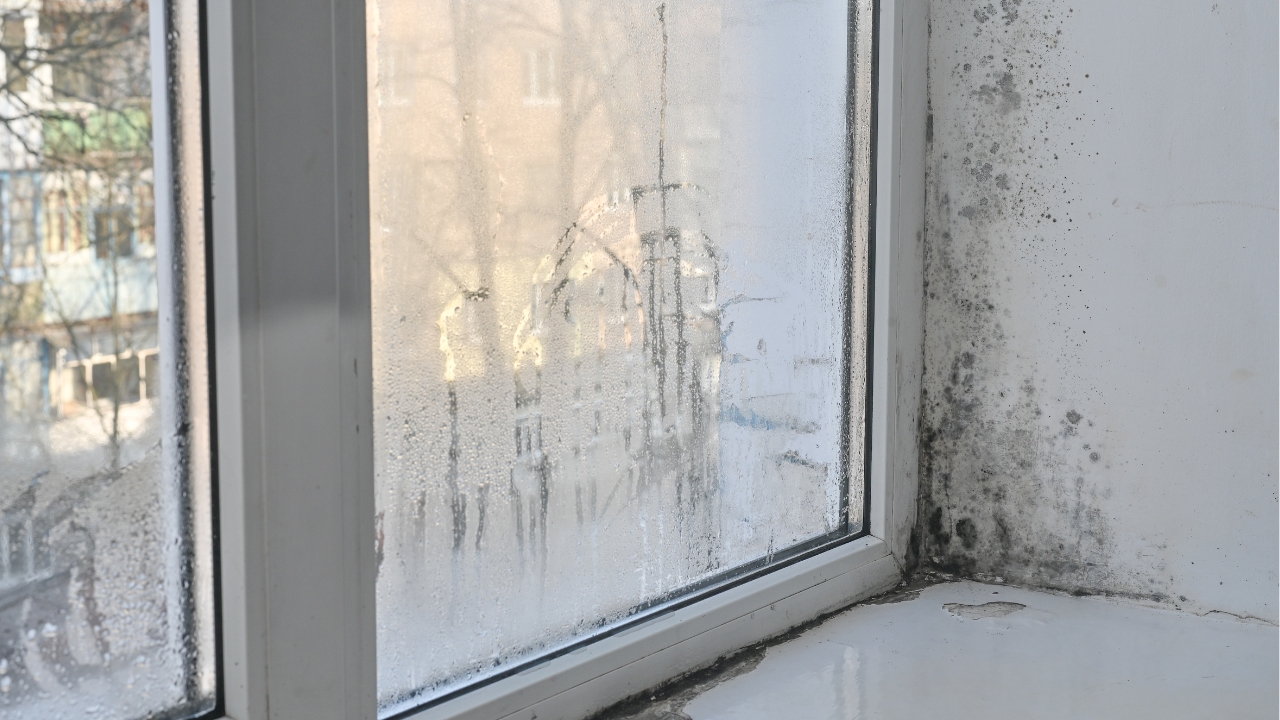
Some moisture on glass in deep cold is normal, but puddles on the sill are not. Buyers see condensation and think mold, rotten trim, and high humidity problems. The damage tends to hide until paint starts peeling and the wood turns punky.
Check the inside of lower sashes and sills with a screwdriver tip. Soft wood needs real repair, not spackle. If the house is just humid, run bath fans, fix any dryer vent issues, and make sure the kitchen hood actually vents outdoors. An honest exception: old storm windows that fog up between panes aren’t always a deal breaker, and they can still be doing their job if the frames are sound and the sills stay dry.
5. Frozen Hose Bibs And Split Pipes
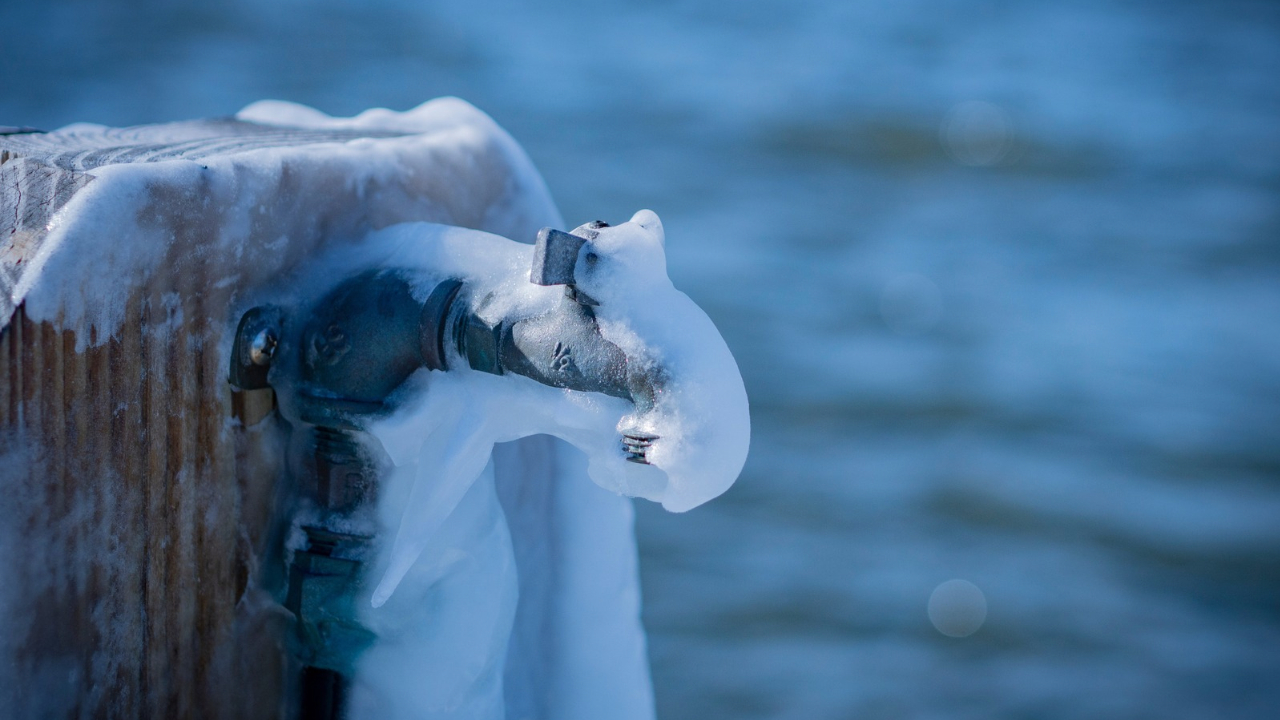
The classic winter call is a hose bib that won’t shut off or a pipe that split inside the wall. Buyers ask about this because it’s messy and it hints at other hidden freeze risks. Even a past leak, repaired, raises the question of whether the place is properly winterized.
If it’s not already done, disconnect hoses and install cheap insulated covers on exterior spigots. Better yet, add a proper shutoff inside with a drain-down, or replace the outdoor faucet with a frost-free sillcock. Soldering and plumbing inside a wall is doable for a skilled DIYer, but if you’re not confident, hire it out. A bad plumbing repair in winter can wreck cabinets and flooring in hours.
6. Gutters Overflowing Onto Walkways
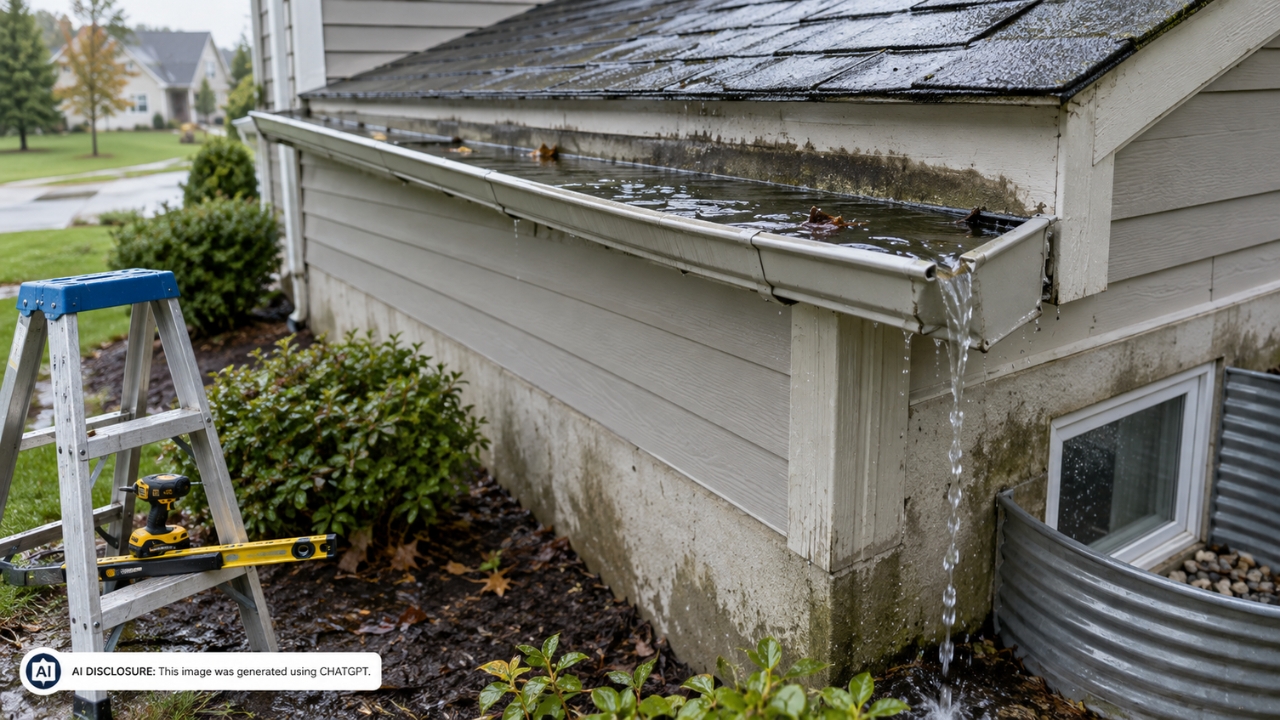
Nothing says “poor drainage” like a sheet of water pouring over the gutter edge and freezing where people walk. Buyers notice icy front steps and assume the whole exterior maintenance is behind. This is less about looks and more about safety and long-term foundation splashback.
Clean gutters, then check pitch with a level or by watching flow during a thaw. Add or extend downspouts so water discharges away from the house, and make sure the end isn’t buried in snow all winter. If ice forms only at one spot, look for a sagging gutter, a clogged drop outlet, or a downspout full of frozen leaves.
7. Chimney Draft Issues And Creosote Smell
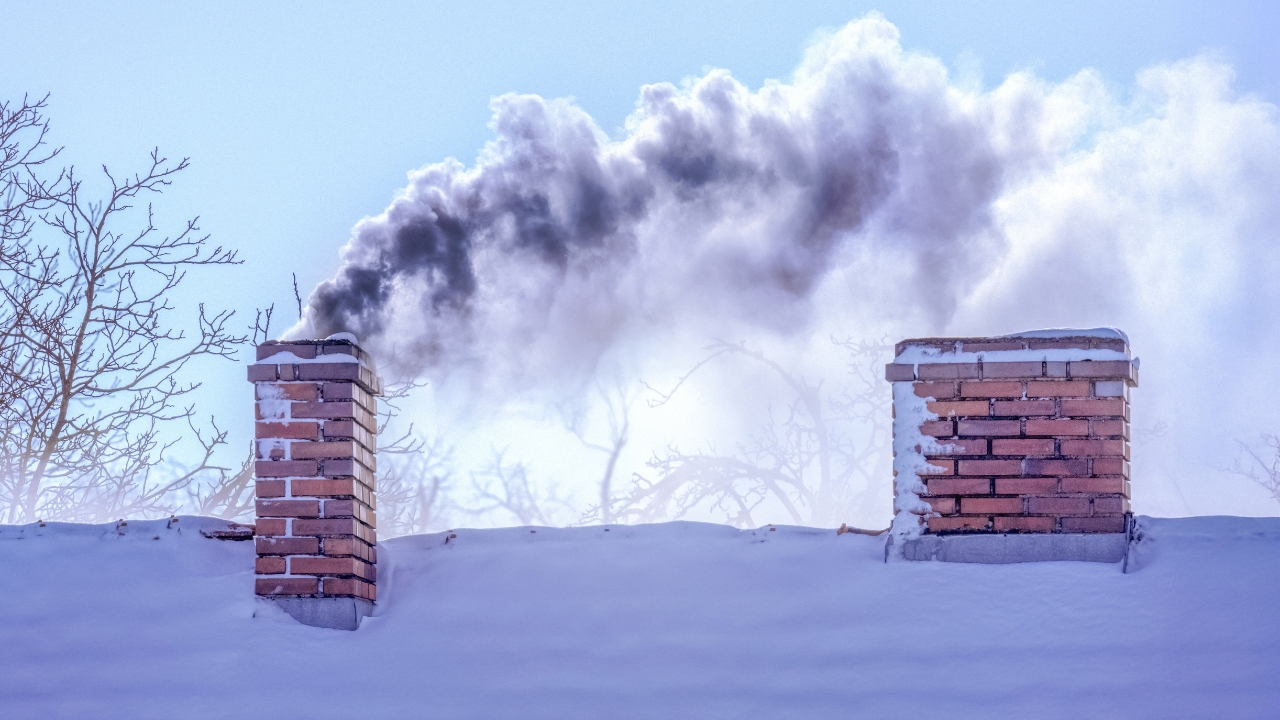
Light a fire for a showing and smoke rolls into the room, that’s a memorable problem. Even without a fire, a sharp creosote odor or a damp soot smell turns buyers off. They’ll ask if the chimney has been cleaned, lined, and inspected.
Have a certified chimney sweep inspect and clean if you use the fireplace or wood stove, especially if you can’t document the last service. DIY sweeping is possible with the right rods and brush, but buyers trust paperwork from a pro more than a receipt for a kit. If the damper doesn’t seal, replace or repair it, or install a top-sealing damper. Don’t mask chimney odor with air fresheners, it reads as hiding something.
8. Attic Fans And Bath Vents Dumping Moisture

This one surprises people because the bathroom fan runs and still causes trouble. If the duct dumps warm moist air into the attic, you get frost on the roof nails, damp insulation, and sometimes mold on the sheathing. Buyers won’t see the duct, but they’ll see the symptoms and ask why the attic looks “sweaty.”
Trace the fan duct and make sure it terminates outdoors at a proper roof or wall cap, not under the soffit and not loose in the attic. Use smooth metal duct where possible, keep runs short, and tape seams with foil HVAC tape, not cloth duct tape. If you find moldy sheathing or widespread moisture, bring in a pro to assess ventilation and air sealing, because quick fixes don’t last.
9. Garage Door That Won’t Seal Or Reverse
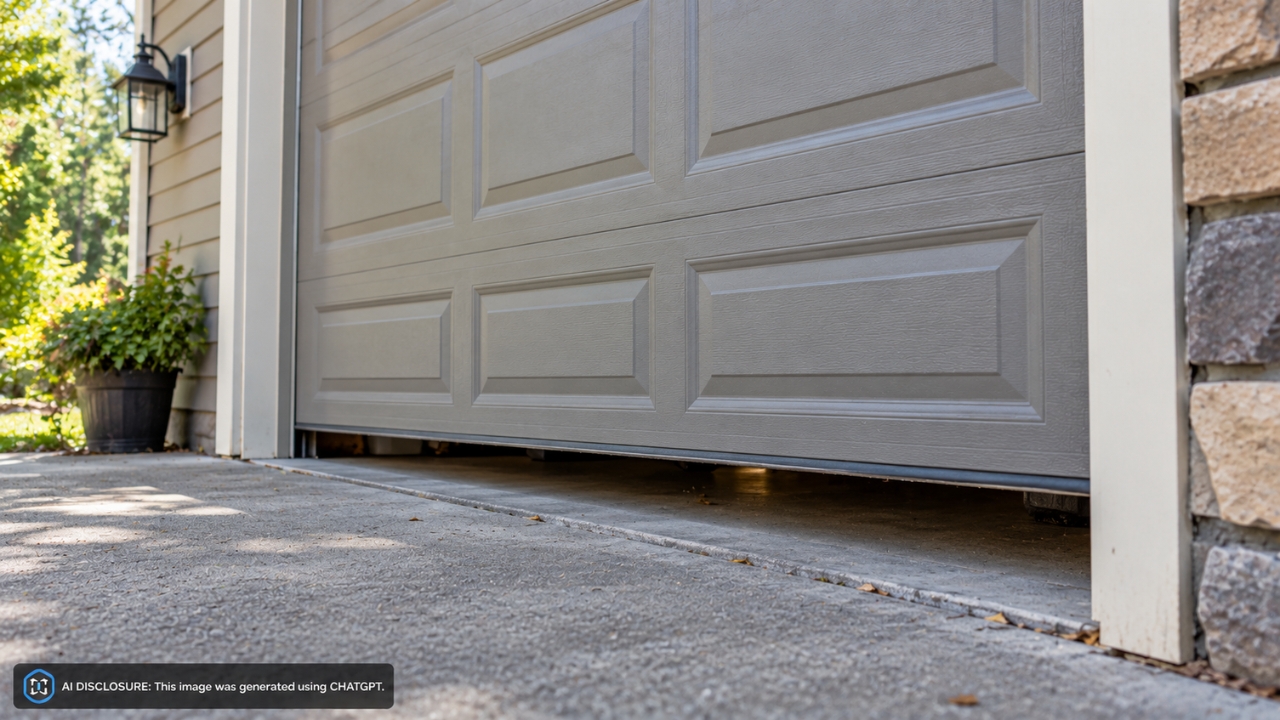
A garage door that bangs, hesitates, or leaves a 1-inch gap at the bottom gets attention in winter. It’s heat loss, snow drift, and critter access all in one. Buyers also watch the opener safety reverse because it’s a simple safety check.
Replace the bottom seal and worn side weatherstrip, and adjust the door travel limits if the opener is stopping short. Lube rollers and hinges with a garage-door-rated lubricant, not heavy grease that gums up in the cold. If springs are damaged or the door is off its tracks, stop and call a garage door tech. Spring work is not a weekend DIY project.
10. Driveway Heaving And Walkway Trip Spots
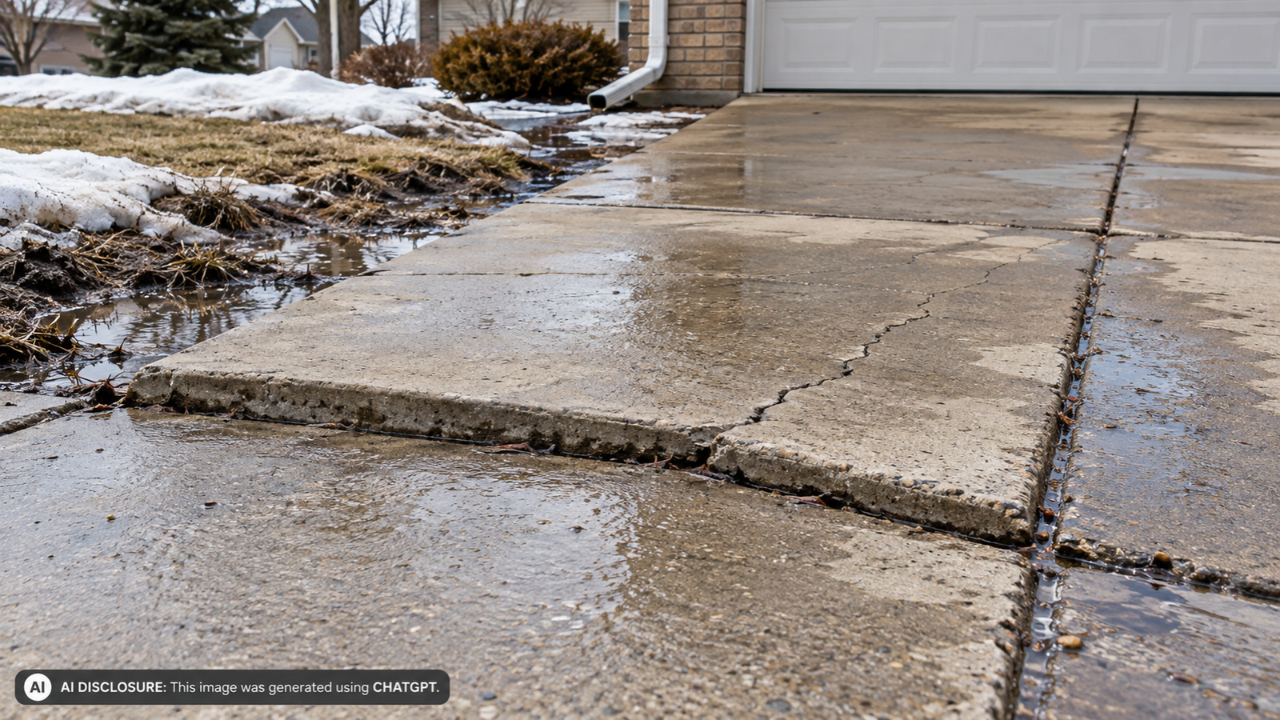
Freeze-thaw will lift pavers, pop a slab corner, and create a toe-catcher right where someone carries groceries. Buyers care because it’s an injury risk and a future cost. Inspectors also flag uneven walking surfaces.
For minor concrete lips, a grinder can knock down a sharp edge, but control the dust and wear eye and respiratory protection. Sunken slabs can often be lifted with mudjacking or foam lifting by a pro, which is usually cheaper than replacement. If pavers are the issue, pull and re-level the worst section with compacted base and bedding sand once the ground isn’t frozen, then mark it for repair if you’re selling mid-winter.
Winter repairs go over best when they look like steady upkeep, not panic fixes. Tackle the ones that change how the house feels on a cold day, and keep receipts and service notes where you can hand them over without digging through a junk drawer.
Like Fix It Homestead’s content? Be sure to follow us.