10 Signs the Insulation in an Old House Has Failed
Photo credit: Fix It Homestead
Old houses can be cozy, but they’re also good at hiding problems in the walls and attic. Insulation doesn’t last forever, and even “fine” insulation can fail once moisture, pests, air leaks, or sloppy old work get involved. You usually notice it in your comfort first, then in your bills, then in the building.
1. Drafts That Never Seem To Stop
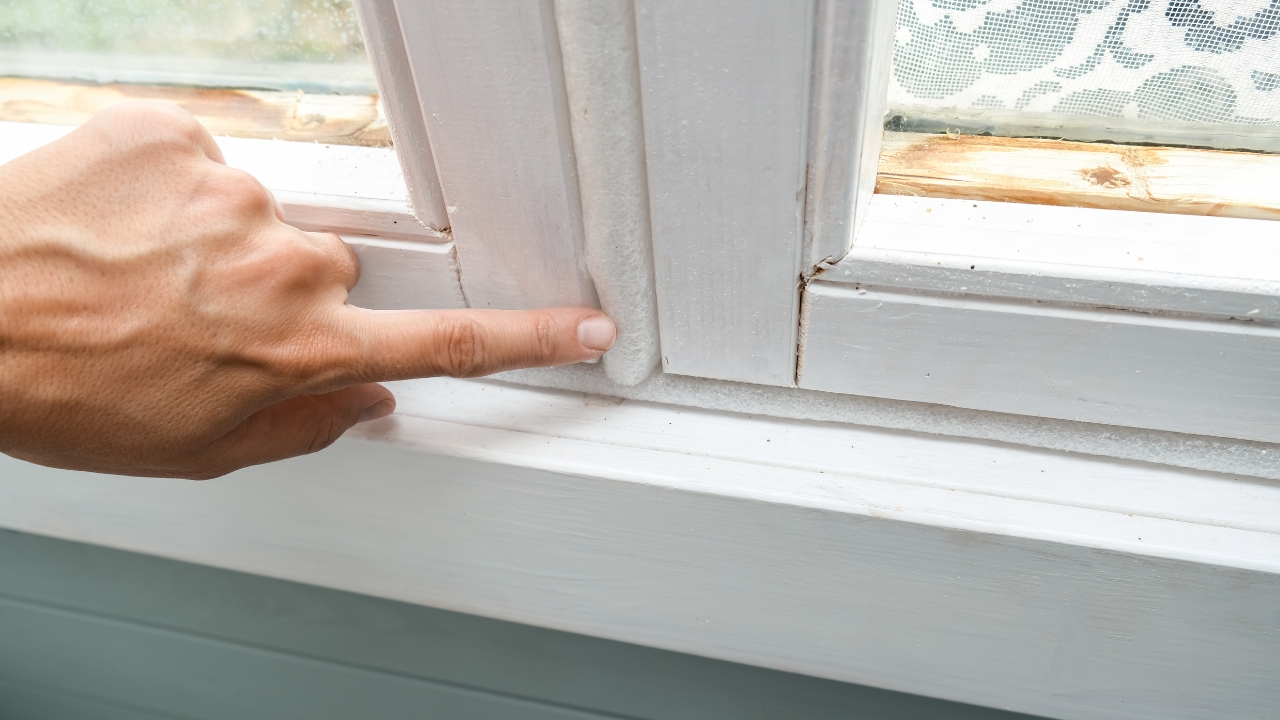
You patch a window, hang a heavier curtain, and the room still feels like it’s breathing on you. That steady cold (or hot) drift often means the insulation has settled, fallen, or was never installed tight to begin with, especially in knee walls, rim joists, and sloped ceilings.
Start with a simple check on a windy day: hold a stick of incense or a thin strip of toilet paper near baseboards, outlets, and trim. If it dances, air sealing is the first job, not new batts. Foam board and canned spray foam at rim joists can do more than stuffing more fiberglass into a leaky cavity.
2. Rooms That Won’t Match The Thermostat

The hallway reads 70, but the back bedroom sits at 62 unless you run a space heater. That’s a classic sign of insulation gaps, missing attic coverage over one wing, or a wall cavity that’s empty from a long-ago remodel.
Before you blame the furnace, check the easy access spots. Pull the attic hatch and look for thin areas, bare drywall, or insulation pushed aside around wiring and plumbing. If the problem is one stubborn room, an infrared thermometer can help you spot cold ceiling bays and exterior wall sections without guessing.
3. Ice Dams And Heavy Icicles
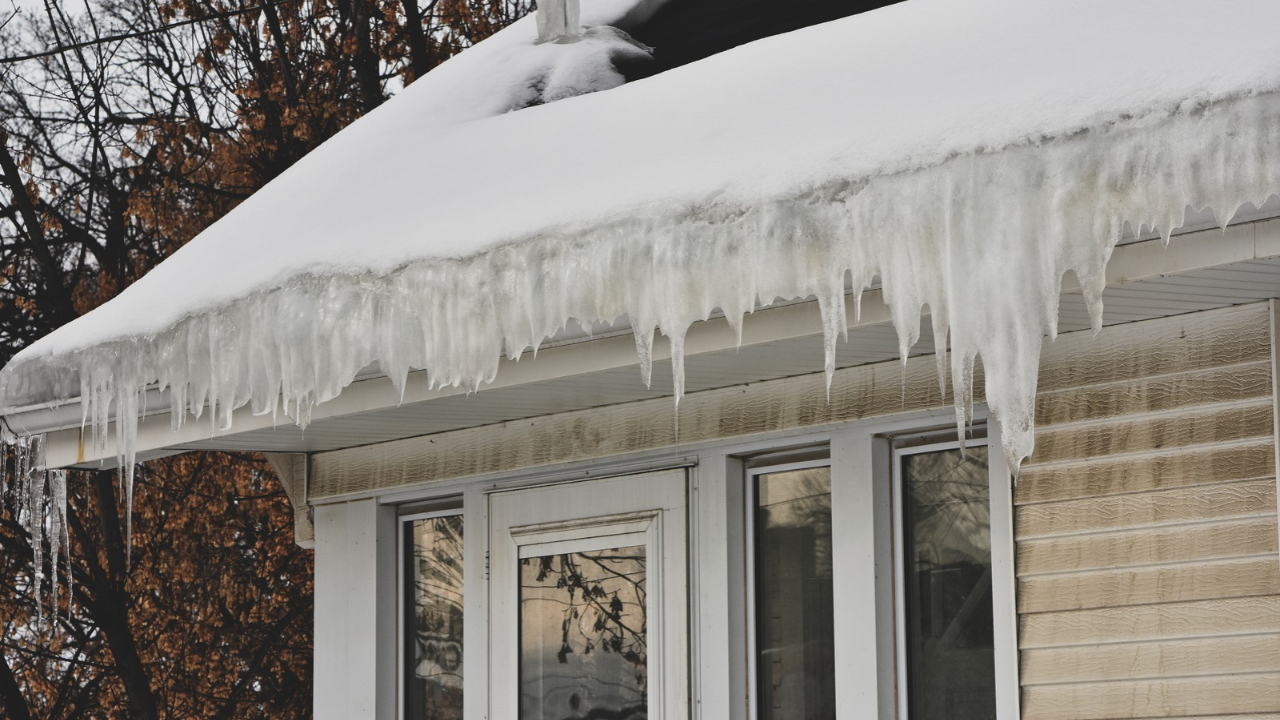
Big icicles look pretty until they bend gutters and soak your soffits. Ice dams usually mean heat is leaking into the attic, warming the roof deck and melting snow that refreezes at the colder eaves. That heat leak often comes from failed attic insulation and open bypasses around lights, chimneys, and plumbing stacks.
Fixing it is part insulation, part air sealing. Add baffles at the eaves so soffit vents can still breathe, then air seal the attic floor and bring the insulation depth up. If you’ve got knob-and-tube wiring, stop and call an electrician before adding insulation, local codes and safety rules matter here.
4. Summer Attic Heat That Won’t Quit
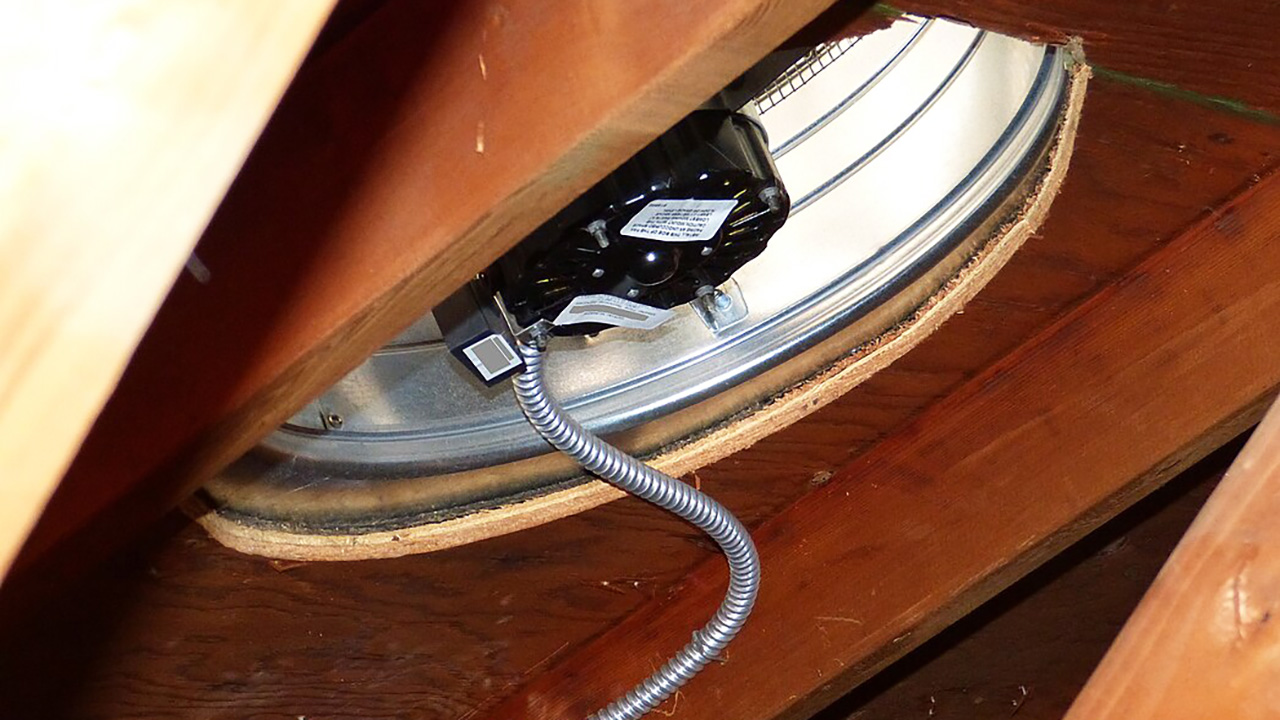
In July, some attics are hot. But if the second floor feels baked even at night, and the AC runs like it’s trying to cool the outdoors, the attic insulation and ventilation setup is probably a mess. Old batts get thin, wind-washed, and dirty, and once they’re compromised they don’t block much heat.
Pop the attic hatch in the morning and sniff around. A musty smell or dusty air movement across the insulation points to air leaks and poor airflow. Don’t waste money on powered attic fans until you’ve air sealed the ceiling plane and made sure soffit and ridge vents are actually open, fans can pull conditioned air from your house if the attic is leaky.
5. Damp Insulation Or A Musty Smell
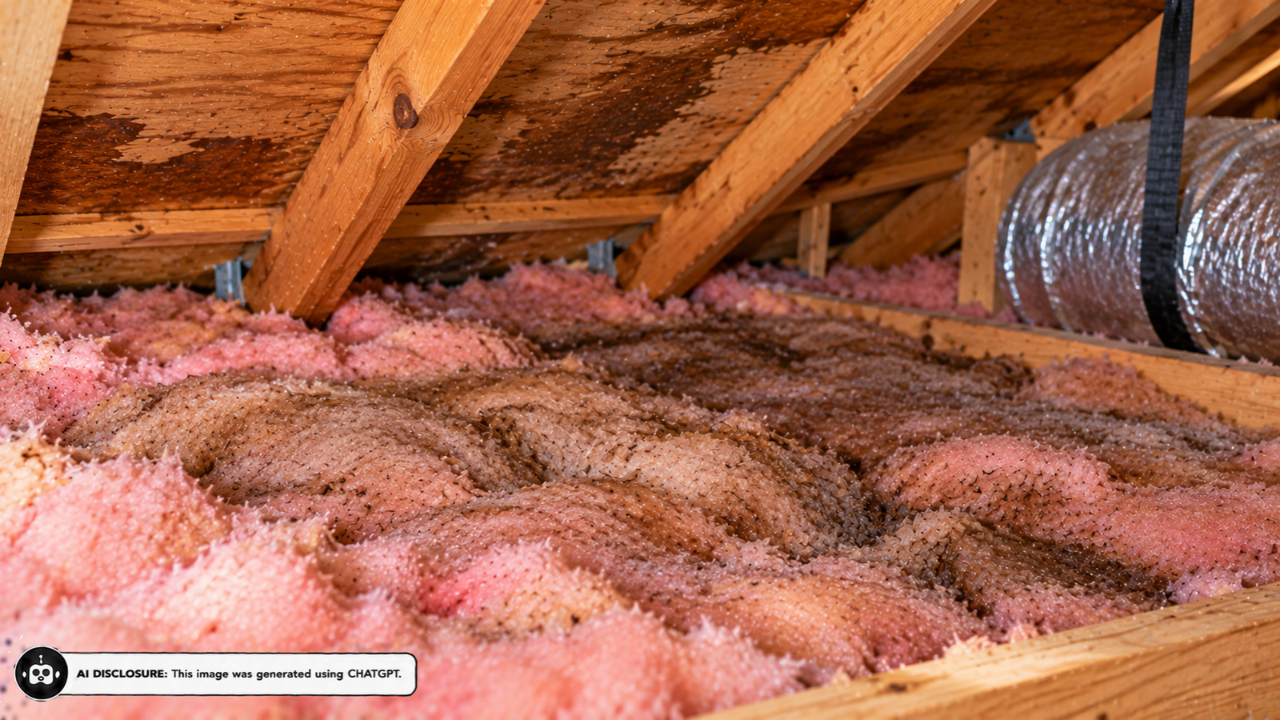
Wet insulation is failed insulation, full stop. Once fiberglass or cellulose gets damp, it packs down, loses R-value, and can hold moisture against wood. You’ll notice a basementy odor upstairs, or you’ll see staining on the attic side of the ceiling drywall.
Find the water source before replacing anything. Look for roof leaks, plumbing vents sweating, bath fans dumping into the attic, and crawlspace moisture coming up through the floor. After it’s dry, remove and replace the damaged material, then fix ventilation and air sealing so it doesn’t happen again.
6. Pest Trails, Nests, Or Tiny Tunnels
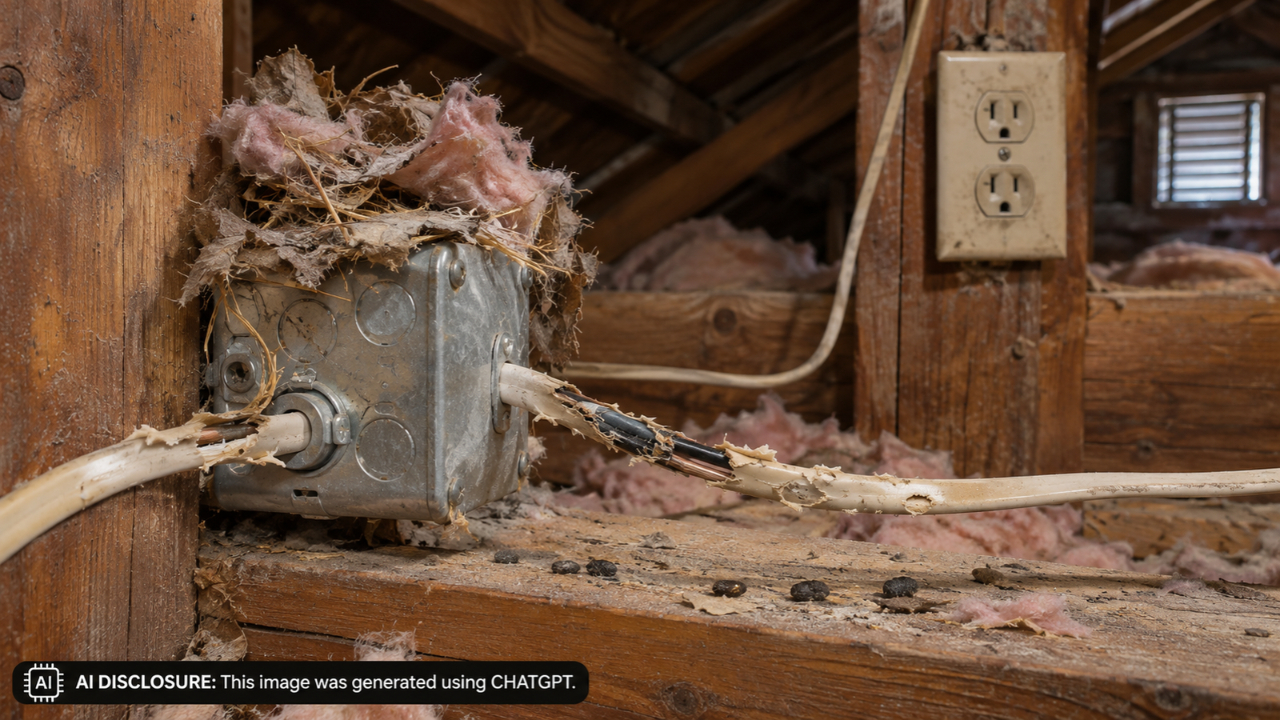
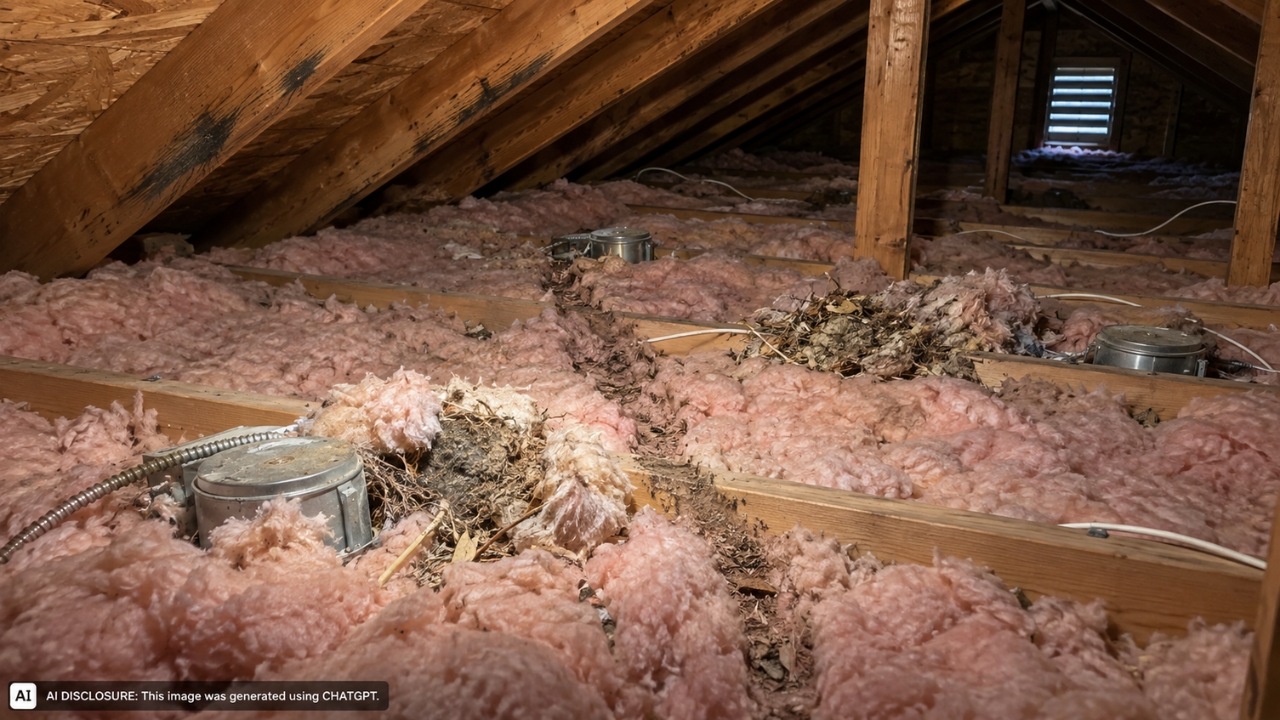
If you see little highways through blown-in insulation, or you find shredded paper and seeds in a corner, critters have moved in. Mice, squirrels, raccoons, and even birds turn insulation into bedding, and they compress it into useless clumps while leaving droppings behind.
Deal with the animals first, then the insulation. Seal entry points with metal flashing and hardware cloth, not spray foam alone, rodents chew through foam. When you clean up, wear gloves and a respirator, and bag contaminated insulation so it doesn’t spread through the house.
7. Cold Floors Over A Crawlspace

Cold feet on a calm day point to a crawlspace or basement insulation failure. Batts fall down, get soaked, or turn into mouse condos. Sometimes they’re installed backward, with the vapor retarder facing the wrong way for your climate.
A quick flashlight check can tell you a lot. If insulation is sagging or hanging by a few rusty staples, it’s done. The better long-term fix is often air sealing the rim joist and either insulating the crawlspace walls (if it’s a closed, conditioned crawlspace) or properly supporting floor insulation with mesh and fixing ground moisture with a sealed vapor barrier, local building practice matters, so check what’s standard where you live.
8. Condensation On Windows That Used To Stay Clear
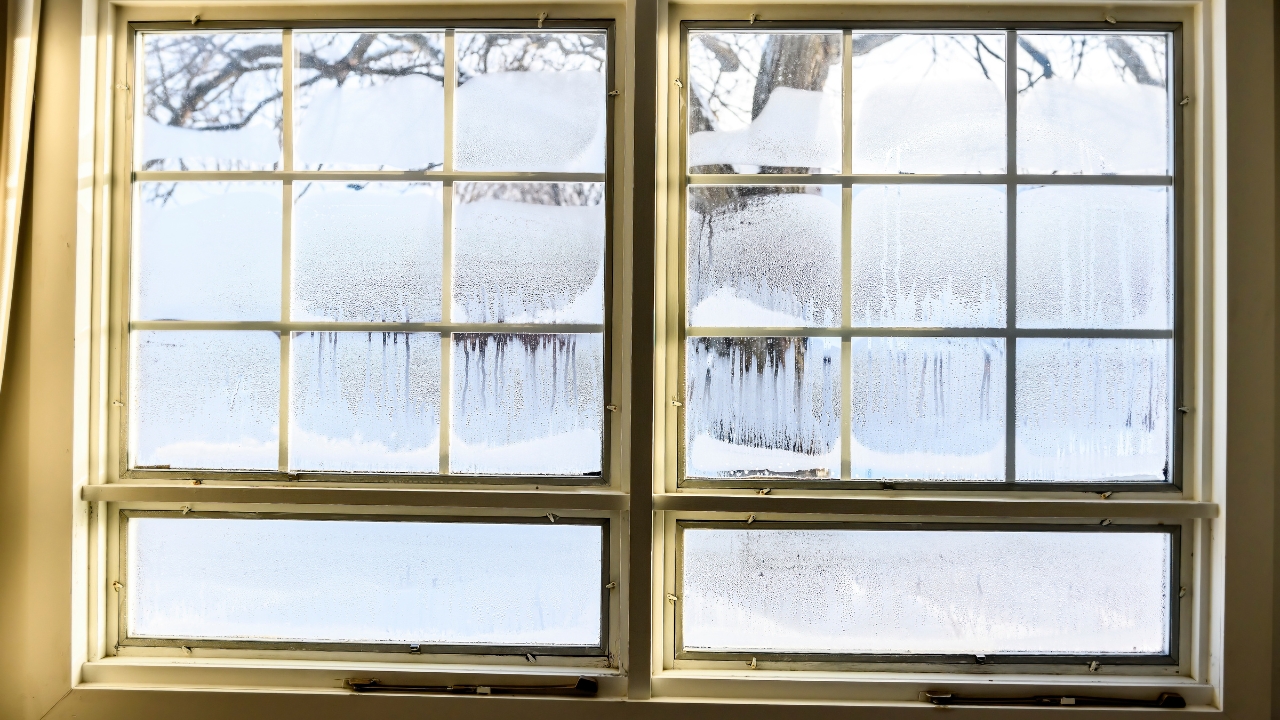
Window sweat isn’t always a window problem. When wall and attic insulation fails, interior surfaces get colder and indoor humidity hits dew point faster. You’ll see wet corners, damp trim, or frost at the bottom of panes during cold snaps.
Start by controlling moisture sources, run bath fans, vent the dryer outdoors, and don’t store firewood in the basement. Then look for cold spots in exterior walls, especially behind furniture on north sides. One honest exception: some condensation is normal during extreme cold if you keep the house humid for comfort, tightening insulation helps, but dialing back humidity can be the cheaper fix.
9. Dusty Air And Dirty Insulation Surfaces
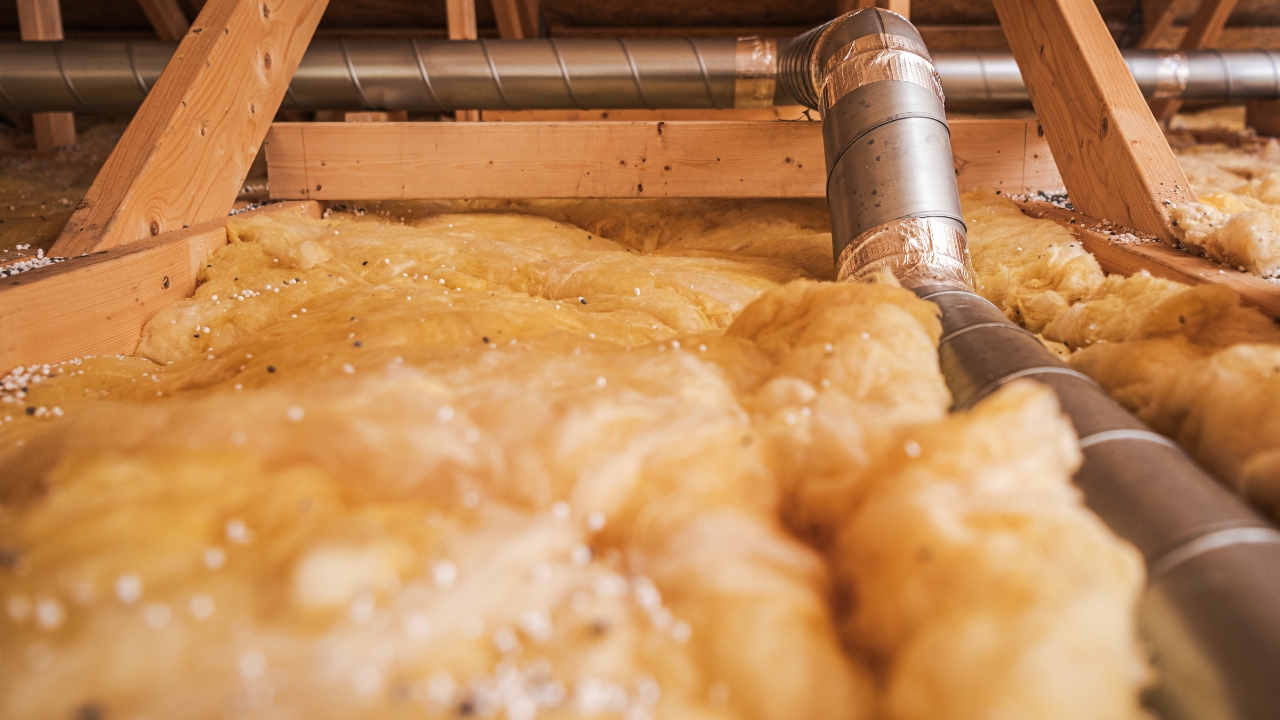
Old insulation that looks gray on top is often acting like a furnace filter. Air is moving through it, carrying dust and soot, which means you’ve got air leaks. You’ll notice more dust on shelves, and you might see dark lines at carpet edges along exterior walls.
Don’t just blow new insulation over the top and call it good. Seal the leaks first: top plates, plumbing and wiring holes, chimney chases (use proper metal flashing and high-temp sealant where required), and attic hatches. This is one of the few times a cheap caulk gun and a few cans of foam can beat a big insulation bill.
10. A Remodel Reveals Empty Wall Bays
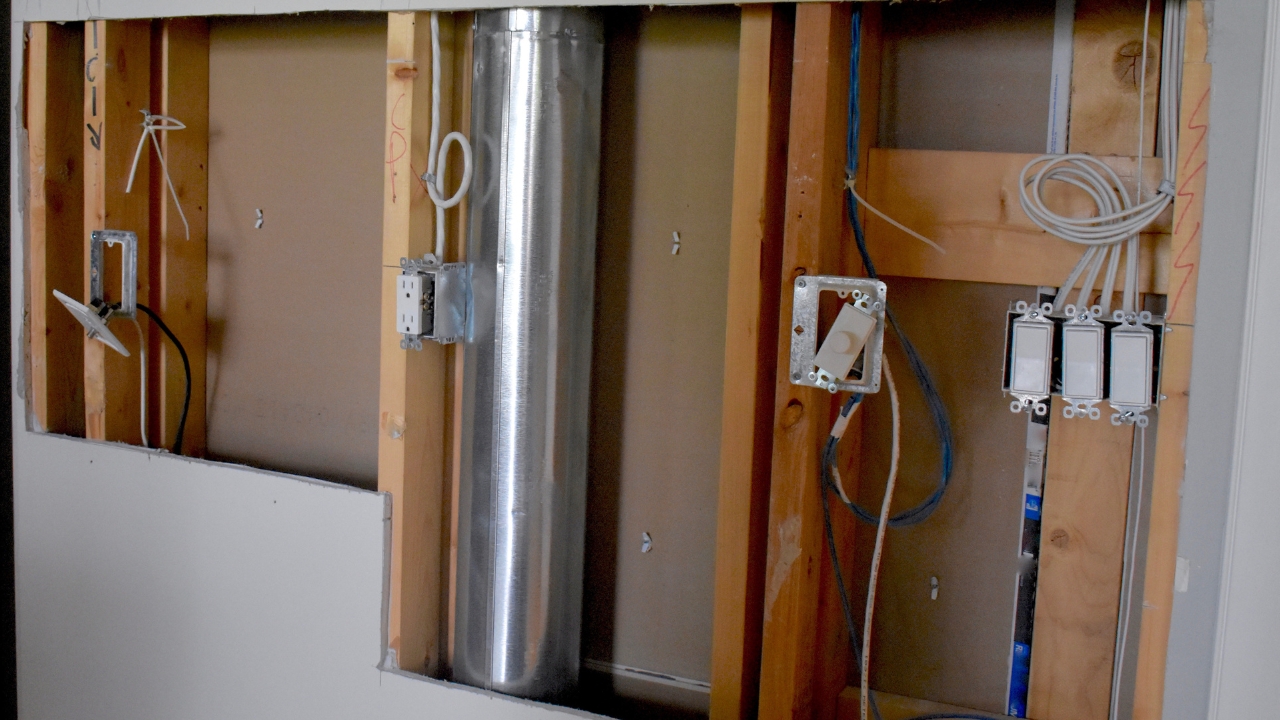
Sometimes you don’t find out until you open a wall and see nothing but lath and air. Old houses were often built with no insulation, or they had early materials that settled into the bottom third of the cavity over decades. If you’re pulling plaster, replacing siding, or opening a ceiling, you’ve got a rare chance to fix it right.
Pick the insulation method that matches the job. Dense-pack cellulose works well for closed wall cavities, but it’s usually a pro job with the right blower and technique. If the walls are open, batts can be fine as long as they’re cut to fit, not mashed behind wires, and paired with good air sealing, sloppy batts perform like no insulation at all.
If a few of these signs are stacking up, start with the simplest wins: stop air leaks, fix moisture, then add insulation where it’s accessible. Old houses respond fast to careful work, and you’ll feel it the next time the weather swings hard.
Like Fix It Homestead’s content? Be sure to follow us.