10 Appliances That Draw Far More Power Than People Think
Photo credit: Hisense Care & Support/Youtube
Your power bill rarely spikes because of one big mistake. It’s the steady draw from a few common machines, plus a couple “quiet” loads you forget are even running. Once you know what really eats electricity, you can change habits, fix a failing part, or decide an upgrade is finally worth it.
1. Electric Space Heaters In Small Rooms
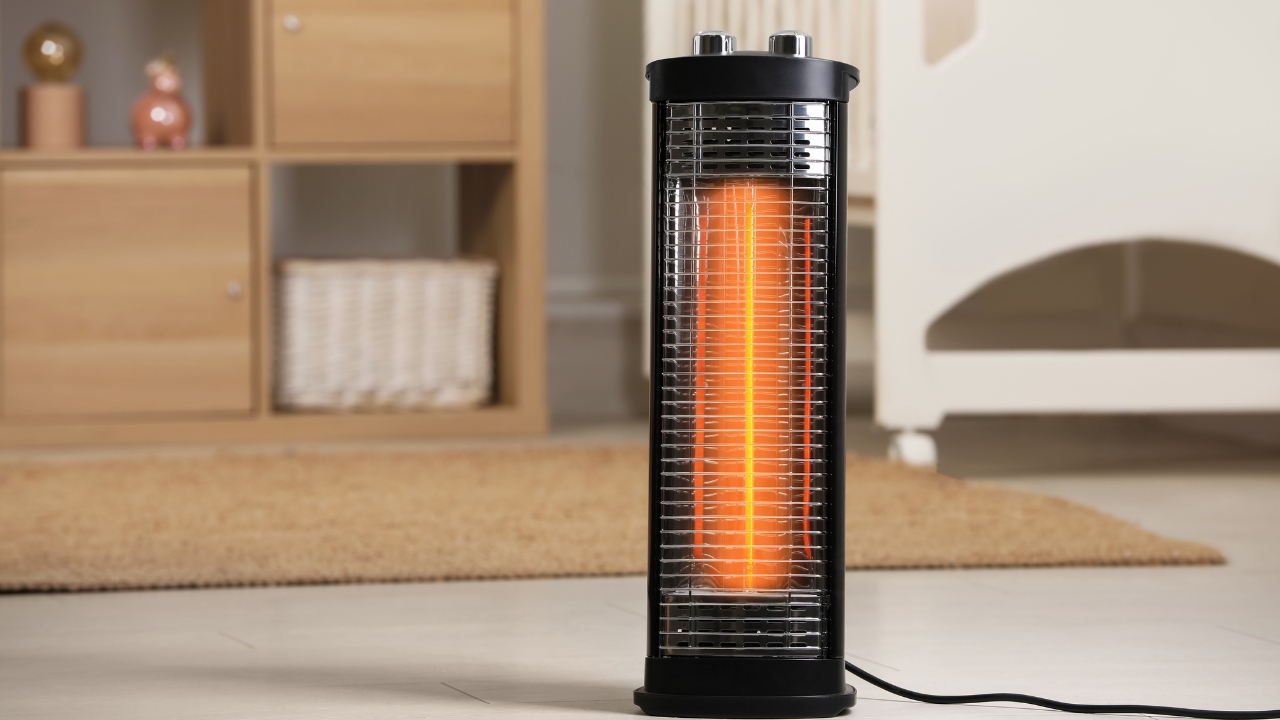
Space heaters feel harmless because they’re portable, but they’re basically small electric furnaces. If you run one under a desk or in a bedroom for hours, it can rival major appliances for total energy use. You’ll notice it most during the first cold snap, when the heater runs nonstop and the bill jumps a month later.
If you’re heating a whole room every evening, seal drafts first. Swap a worn door sweep, add a plastic window kit, and close off unused rooms. If you need steady heat in one area, a mini split heat pump is often a better long-term answer, but that’s a bigger project and sometimes a pro install.
2. Old Second Fridges In The Garage
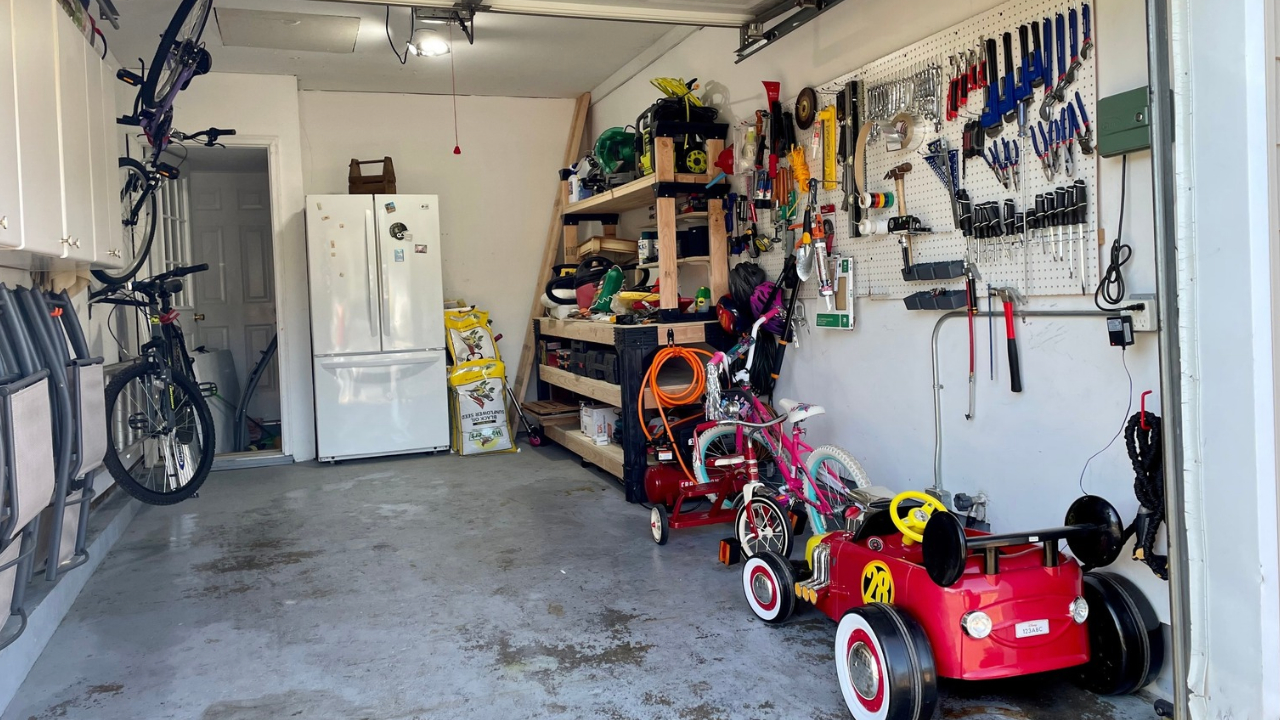
The “backup fridge” in the garage is a classic bill bloater. In summer heat or winter cold, an older unit works harder, cycles longer, and never seems to catch up. The outside may feel warm and the compressor may sound like it’s always humming, especially when the coils are dusty.
Start with the cheap fixes: vacuum the coils, clean the fan area, and check the door gasket with the dollar-bill test. If it’s from decades ago, the honest answer is often to unplug it and use a well-insulated cooler for party weekends, or replace it with an efficient model and keep it indoors where temps stay moderate.
3. Electric Water Heaters With Sediment
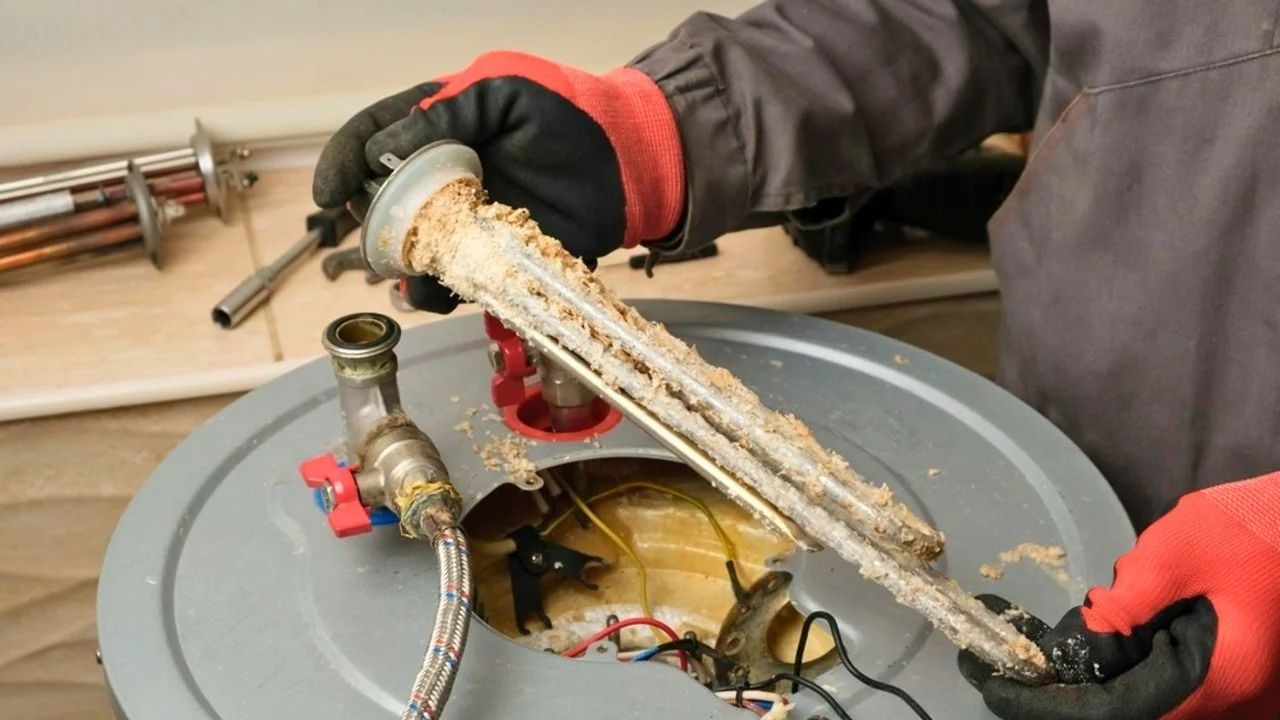
If hot water runs out faster than it used to, the heater may be burning power to heat a tank full of mineral buildup. Sediment acts like insulation in the worst way, forcing the elements to run longer. You might also hear popping or rumbling when it heats.
Flushing the tank can help, but this is one of those jobs where you follow the manufacturer steps and take it slow. If the drain valve is crusted or the tank is old and rusty, forcing it can create leaks. A plumber is money well spent if you’re not comfortable shutting off power at the breaker and dealing with water connections.
4. Well Pumps Fighting Leaks Or Short Cycling
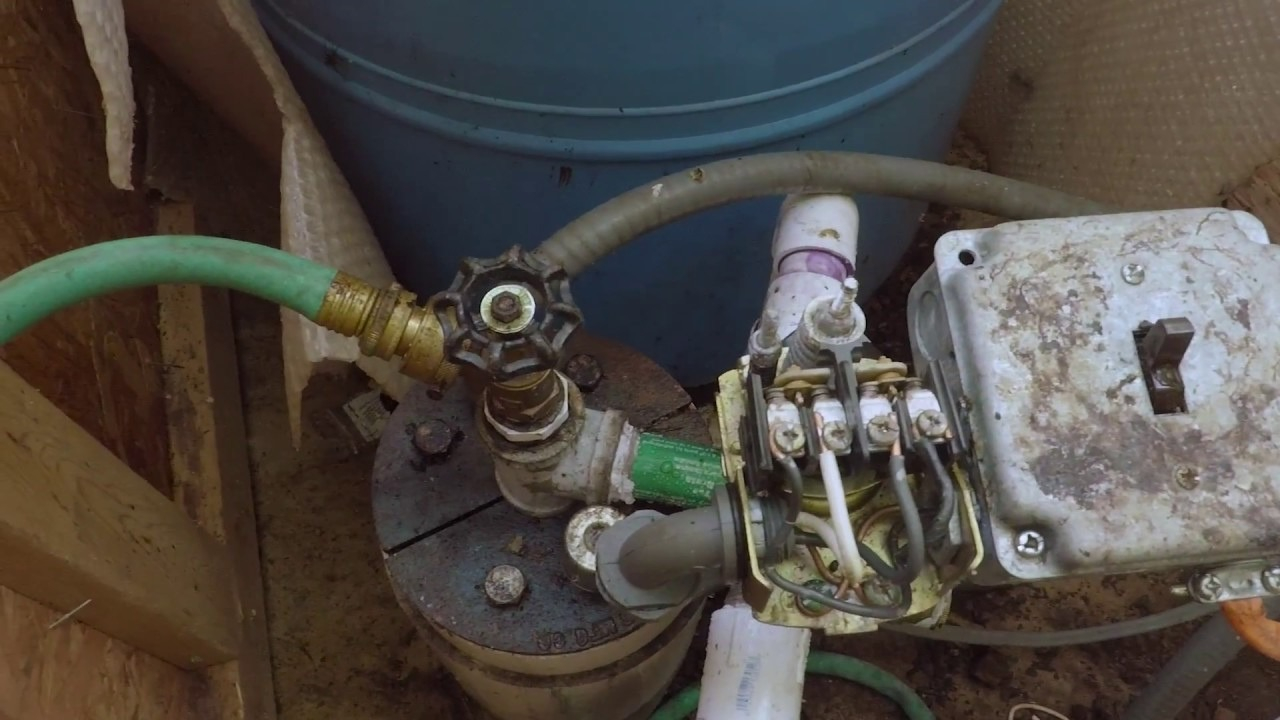
On a well, the pump is one of the biggest electric motors you own. A small leak in a yard line, a bad check valve, or a waterlogged pressure tank can make it short cycle, on for a few seconds, off, then back on again. That rapid cycling is hard on the pump and it eats power.
Pay attention to the pressure gauge. If it bounces fast when no one is using water, start looking for running toilets, dripping hydrants, and damp spots in the yard. If the problem points toward the well head, pressure tank, or underground line, call a well pro. Digging and pulling pumps is not weekend guesswork, and local rules can apply.
5. Dehumidifiers Running Like A Second AC
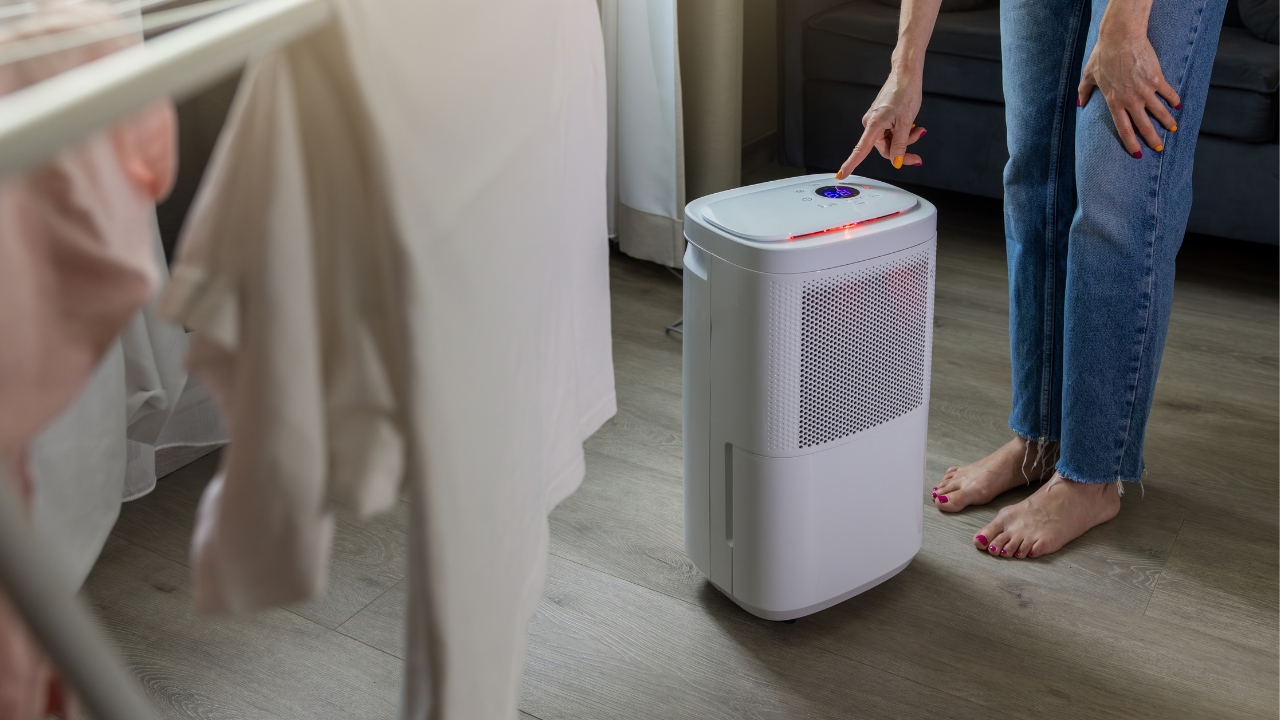
A dehumidifier can be a great tool in a damp basement, but it’s a power hog when it runs 24/7. People set it once and forget it, then wonder why the unit is hot to the touch and the room feels like a warm laundry closet. If the filter is clogged, it gets worse.
First, clean the filter and make sure the drain hose isn’t kinked so it can run continuously without filling the bucket. Then set a realistic humidity target, not “as dry as possible.” If the basement keeps climbing back to sticky levels, you’re dealing with water entry, poor grading, or missing gutters. Fixing the moisture source saves more than any setting change.
6. Portable Air Conditioners With Leaky Vents

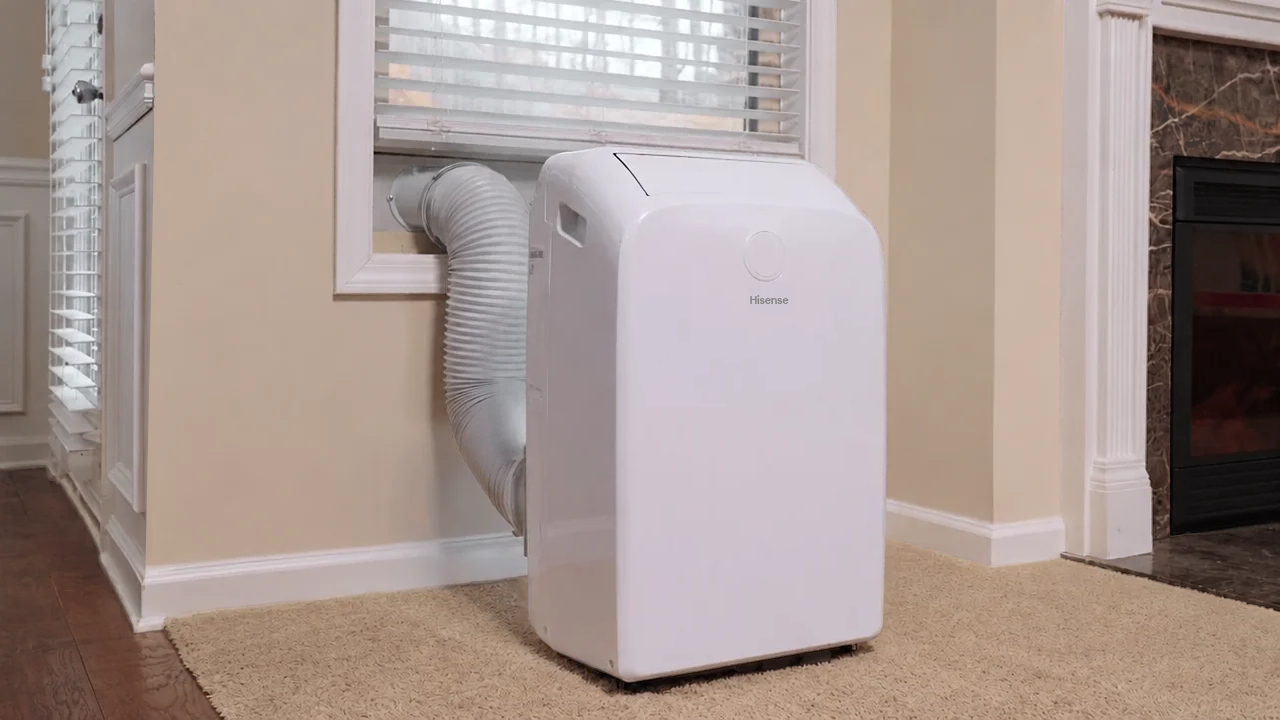
Portable AC units get sold as an easy fix, then they disappoint. The hose dumps hot air out a window, but the unit often pulls conditioned air from the room and can suck in more hot outside air through gaps. If the window kit is sloppy, you’re paying to cool the outdoors.
Seal the window panel tightly with foam tape and block any side gaps. Keep the hose short and straight, and clean the filter often. Honest exception: if you only need to cool a bedroom for a few nights a year, a portable unit can be “good enough.” For long heat waves, a window unit or a mini split usually wastes less power.
7. Hot Tubs And Spas Left Uncovered
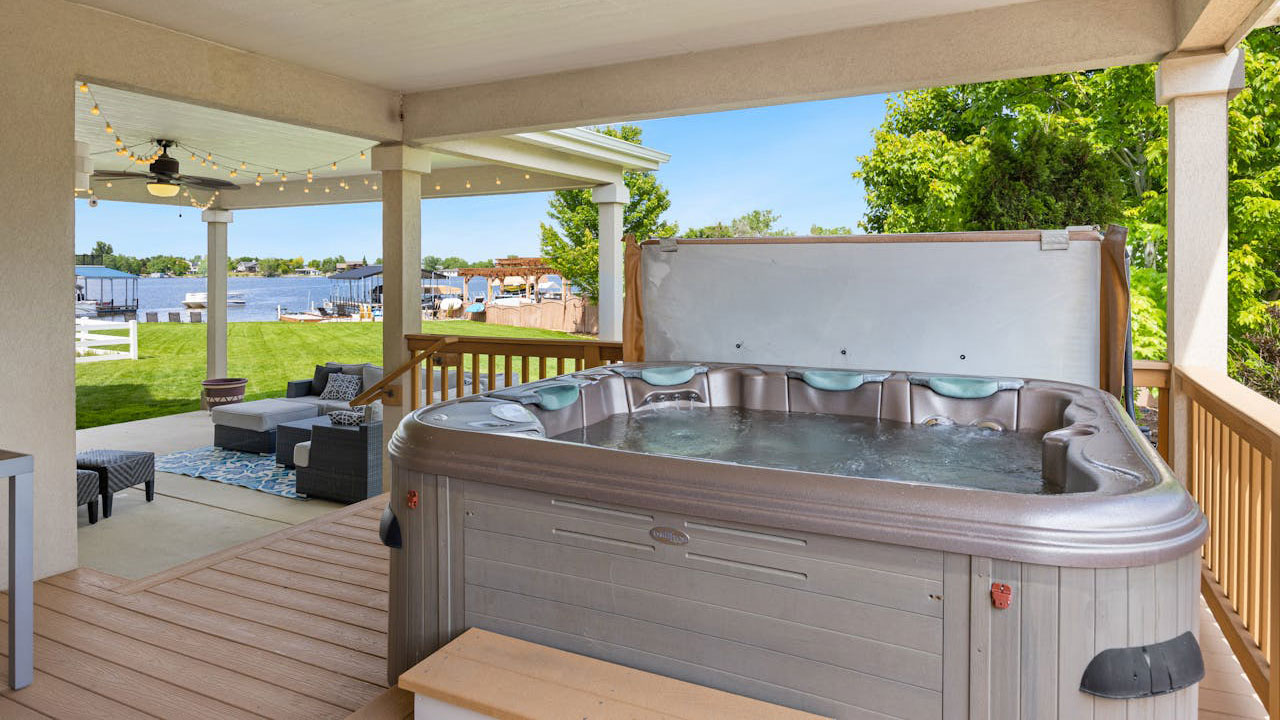
A hot tub is basically a heated water tank sitting outdoors, and heat loss is relentless. If the cover is waterlogged, cracked, or doesn’t latch down, the heater runs far more than you think. Windy nights make it worse, and you won’t notice until the next bill.
Keep the cover in good shape and make sure it seals all the way around. Check the temperature setting, too. A few degrees lower is a real savings if you soak on weekends, not every night. If you winterize and shut it down, follow the full blow-out procedure or hire a spa tech, frozen lines are expensive.
8. Heat Tape Left Plugged In All Winter
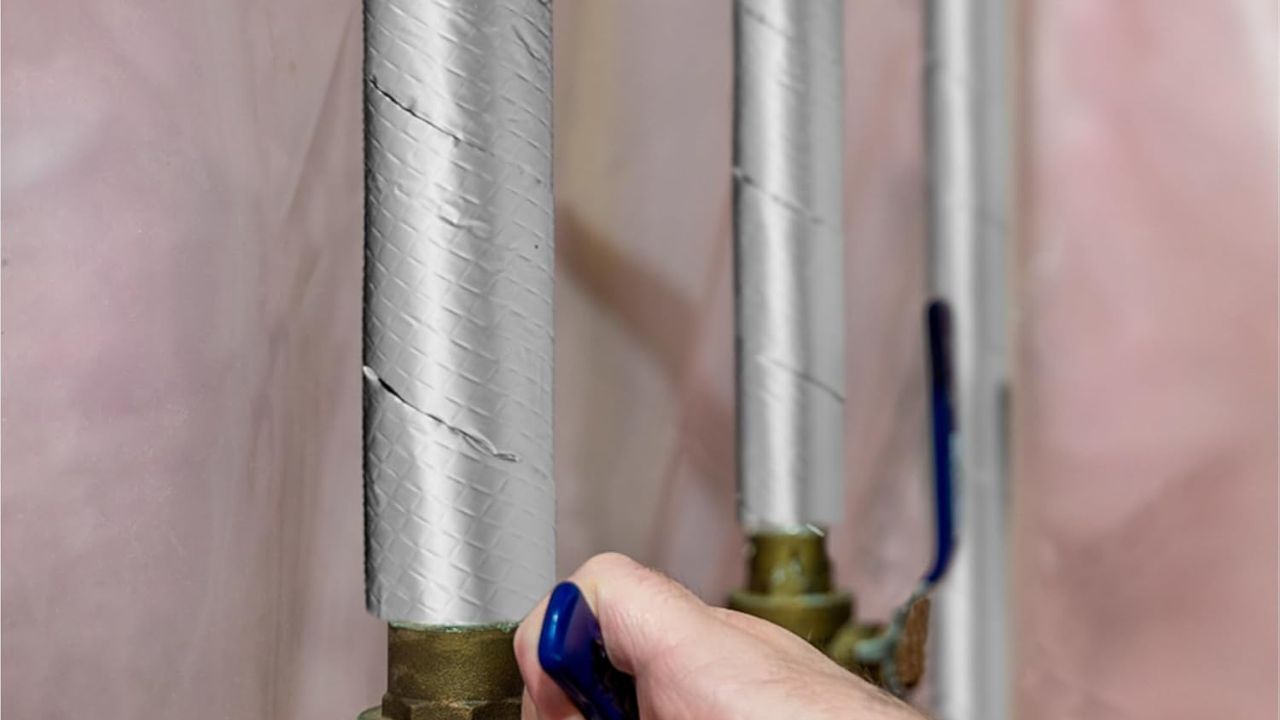
Heat tape is cheap insurance for pipes, until it stays on for months because you forgot it was there. Some types draw power any time they’re plugged in, even when it’s not that cold. On a long rural run of pipe, that adds up.
Use a model with a built-in thermostat, or put it on a plug-in thermostat rated for the load. At minimum, label the cord and plug it into an outlet you’ll see, not one buried behind storage. Inspect it every fall. Cracked insulation and sloppy overlaps are a fire risk, so replace damaged tape instead of wrapping it with more tape.
9. Incandescent Heat Lamps In Coops

The red bulb in the chicken coop feels old-school and simple, but it’s steady wattage for long winter nights. It also bakes dust and dander onto the bulb, and a knocked lamp can start a fire. Even when nothing goes wrong, it’s a lot of electricity for a little heat.
If you truly need supplemental heat, use a safer, purpose-built radiant panel designed for livestock and mount it securely. Better yet, tighten up drafts, add dry bedding, and focus on ventilation that doesn’t blow directly on roosts. Many adult birds do fine without extra heat if the coop is dry and not drafty.
10. Pool Pumps And Timers Set Wrong
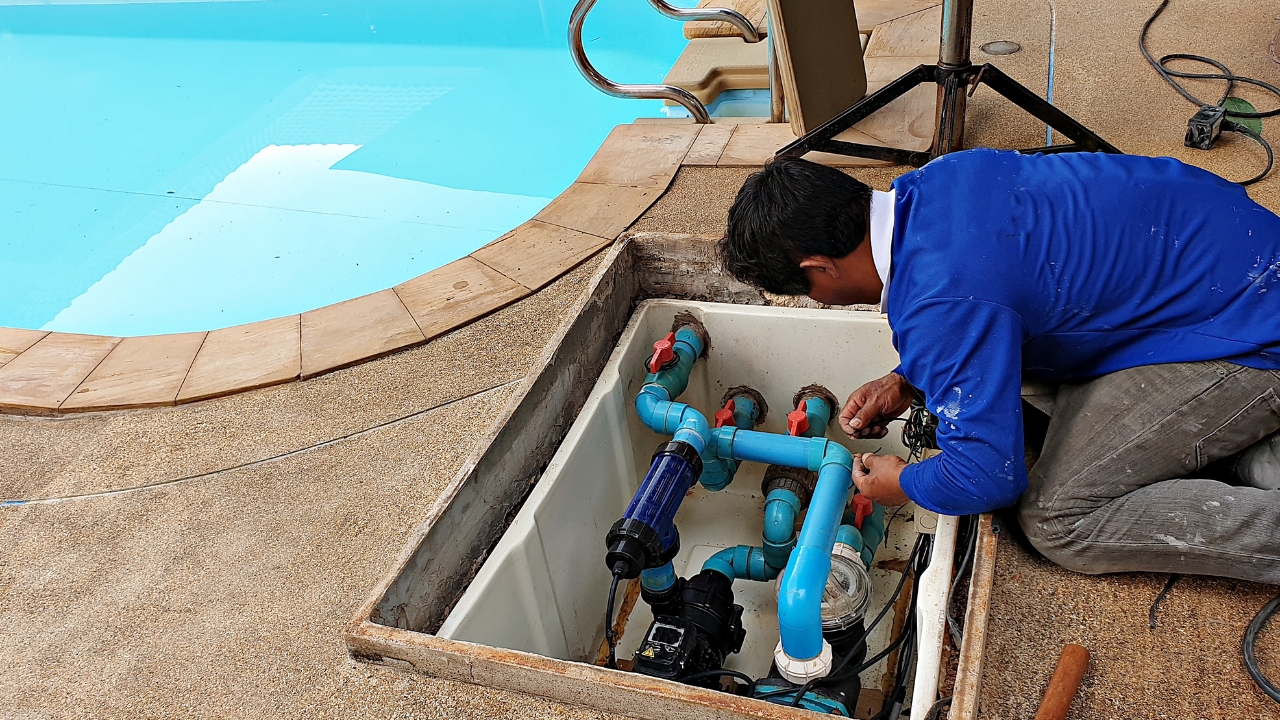
Pool pumps can quietly become one of the biggest electrical loads on a property. A timer that got bumped, a stuck manual override, or a schedule that runs all day “just to be safe” will cost you. You’ll hear it in the background, a constant motor hum you stop noticing.
Set the timer to match your season and actual use, and clean the skimmer and pump basket so the motor isn’t straining. If you have an older single-speed pump, a variable-speed pump often pays back over time, but only if it’s set up correctly. Electrical work at the breaker or panel is a job for a licensed electrician, and some areas require permits.
If your bill feels out of control, walk your place once in the evening and once in the morning and listen for what’s running. A simple plug-in power meter can help with smaller plug loads, but big savings often come from fixing a leak, sealing a gap, or correcting a timer you haven’t looked at in years.
Like Fix It Homestead’s content? Be sure to follow us.