Homeowner Lets a Neighbor Use the Shared Driveway After He Promises to Help With Gravel and a Curfew — Then He Never Contributes a Dime and Keeps Tearing Up and Down It All Hours of the Day
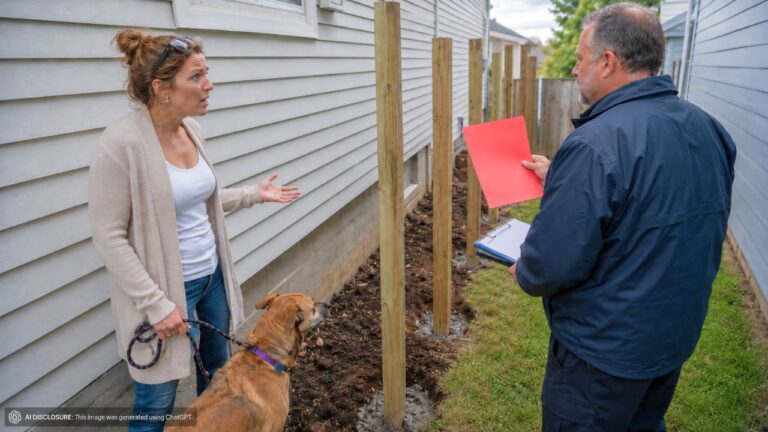
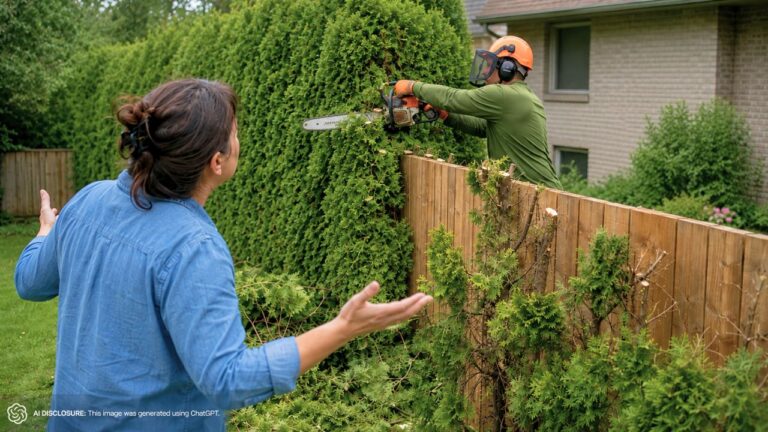
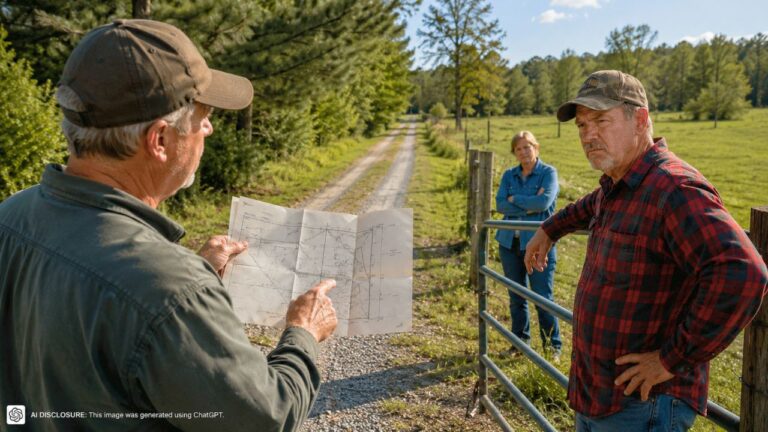
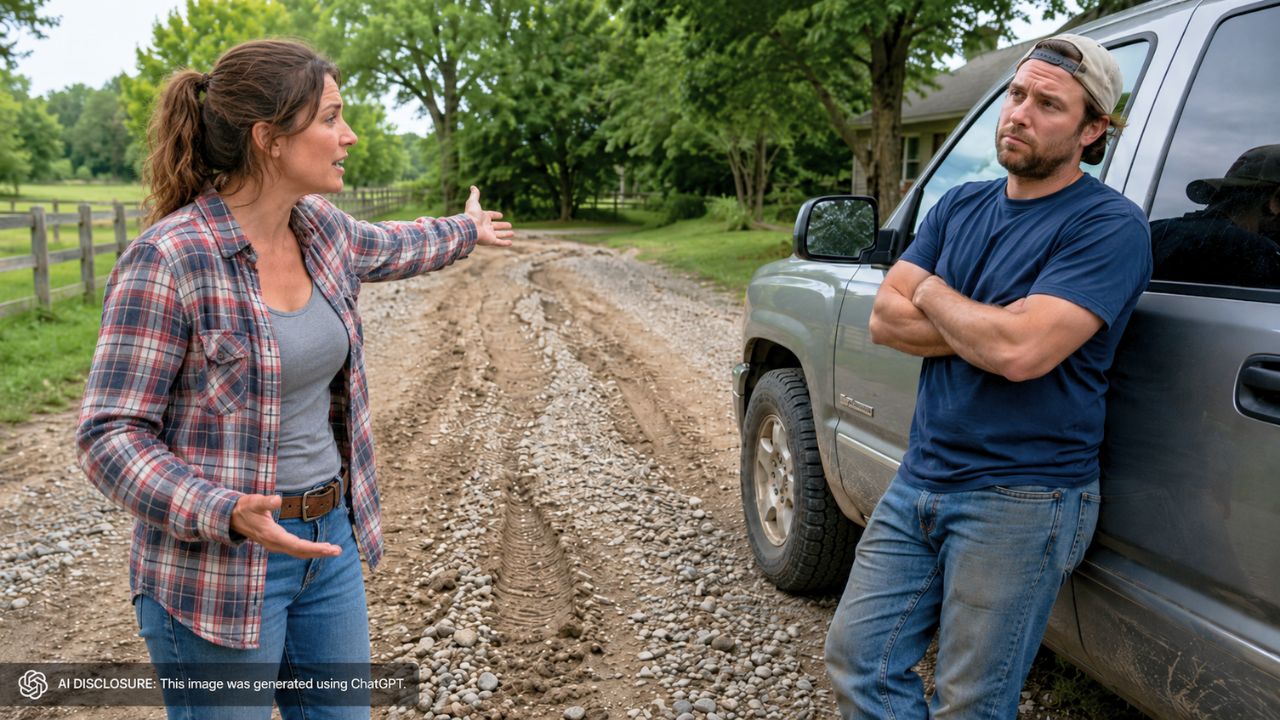
Photo credit: AI-generated image created using ChatGPT. Illustrative only.
It started like a lot of shared-access problems do: a driveway that looks like it “kind of” serves more than one lot, and neighbors who treat that as an open invitation. A Tennessee homeowner said their driveway runs to two properties—their own home and a vacant parcel next door—and soon they noticed people from the opposite side of that vacant lot using the driveway constantly to get to the back. The full account is laid out in the original post, and the details only get messier from there.
At first, the homeowner tried the polite route. They parked in the driveway to force a conversation, figuring nobody had asked permission and nobody was offering to help maintain a drive that already “desperately needed” attention. When a neighbor finally knocked to ask what was going on, the homeowner offered a deal: help pay for gravel, help maintain the drive, and agree to a curfew so there wouldn’t be vehicles flying up and down “all hours of the day.” The neighbor agreed. Then, a year went by and the neighbor contributed nothing.
The driveway looked shared, but the paperwork didn’t
The homeowner’s frustration wasn’t just about noise or manners—it was about rights. They said there was no easement or right-of-way for the neighbor’s use of the driveway, not even for the vacant lot it leads to. The homeowner also pointed to their closing paperwork, which they said included language acknowledging a shared driveway with the vacant property and noting that a formal sharing agreement would be needed if that property ever became inhabited.
That detail matters because a driveway can feel “shared” in practice while being very specific on paper. If it’s on your property and there’s no recorded easement granting others access, letting people use it can be a favor—not an obligation. The homeowner said the neighbor insisted he had an easement with the vacant property beside them, but the homeowner’s documents didn’t match that claim.
A handshake agreement turned into a one-way favor
The homeowner said they were willing to be flexible at the beginning. They weren’t demanding perfection—just some buy-in and a basic boundary: no tearing through the drive at all hours, and some help paying for gravel. But after a year, they said there had been “absolutely no effort” from the neighbor.
Meanwhile, the wear and tear didn’t pause. The homeowner described “big” trucks using the driveway and damaging it, and said they ended up buying gravel and paying to have it spread entirely out of their own pocket. That’s the part that tends to flip the emotional switch for homeowners: it’s one thing to tolerate an inconvenience, another to fund it.
They told the neighbor to stop using the driveway. They tried the simple fix again—parking to block access. And they started looking at more permanent measures, including building a fence near the end of their property around the driveway.
The real kicker: the “vacant” lot was being used like a junkyard
Then came the detail that makes this feel less like an innocent misunderstanding and more like a slow-motion property nightmare. The homeowner said the only reason the neighbor was driving behind the vacant property was to use the backyard as a junkyard for old cars and car parts.
That changes the stakes. It’s not just pass-through traffic anymore; it’s heavy use connected to storage and hauling. Even if the neighbor had a legitimate way to access that rear area (which the homeowner disputed), using another person’s driveway as the main route for junkyard-style activity is the kind of thing that can spiral quickly—more vehicles, more ruts, more noise, more risk.
And it also raised a bigger question: who is responsible for what happens on the vacant property? Because once the homeowner started digging, they found the record owner had been dead since 2014.
County calls and satellite views raised the temperature
Trying to avoid making a bad move, the homeowner began calling offices to confirm what they could and couldn’t do. They said they contacted the planning commission, only to learn they weren’t within city limits. Still, the person they spoke with looked at satellite imagery, said the neighbor was “100% trespassing,” and could see the junkyard area. The advice was blunt: take it to the sheriff’s office.
The homeowner didn’t rush straight into a confrontation. Instead, they said they planned to wait until security cameras arrived so they’d have constant recording “for not only my safety, but to show the sheriff” when they called.
They also contacted the trustee’s office about the vacant property taxes. The homeowner was told taxes had been paid the previous year but not yet for the current year, and that the owner on file was still the deceased woman. The person on the phone couldn’t say who was paying the taxes. That left the homeowner considering a move that feels both practical and awkward: messaging the deceased owner’s daughter on Facebook to warn her that the property was being trashed and to ask who is handling the bills.
People pushed documentation first—and warned against escalating blind
In stories like this, the most common advice from other homeowners is usually less about dramatic fencing and more about proof. The homeowner’s decision to pause until cameras are up fits that mindset. When a neighbor is claiming rights they may not have, and when property boundaries and access routes are in dispute, a clean timeline matters: dates, footage, photos, copies of closing documents, and any written communication.
That’s especially true here because the neighbor didn’t just keep using the driveway—he allegedly ramped up the activity. In the final update, the homeowner wrote that the neighbor had brought in an excavator and was digging a path from his property to the vacant property. That’s the kind of move that can feel like someone trying to make a “new normal” before anyone stops them, and it can also physically alter drainage and soil in ways that are expensive to undo.
Even without a courtroom angle, the practical reality is that a driveway dispute can turn into a safety dispute fast: fast-moving trucks, late-night traffic, and a confrontation risk when one side feels entitled and the other side feels taken advantage of.
One driveway, two lots, and a third neighbor acting like it’s theirs
By the time the homeowner started thinking about fencing and law enforcement, this was no longer about being neighborly. It was about control of access, damage to a driveway they paid to repair, and what sounds like ongoing misuse of a vacant lot that doesn’t even have a living owner on record.
The homeowner’s next moves—cameras, calling the sheriff, tracking down who’s legally responsible for the vacant parcel—show how these property problems often end up being solved: not with a single big gesture, but with a stack of small, documented steps. The tension is still there, though. When one neighbor keeps using what isn’t theirs, and then brings in heavy equipment to make that use easier, it stops feeling like a misunderstanding and starts feeling like a test.
Like Fix It Homestead’s content? Be sure to follow us.