Homeowner’s Survey Confirms a Falling-Down Fence Sits Entirely on the Neighbor’s Property — Then the Neighbor Demands They Pay for It and Mocks Them for Being Poor
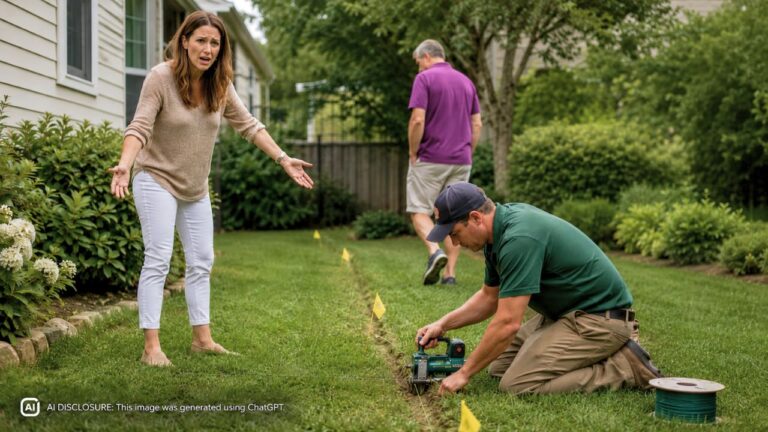
Photo credit: AI-generated image created using ChatGPT. Illustrative only.
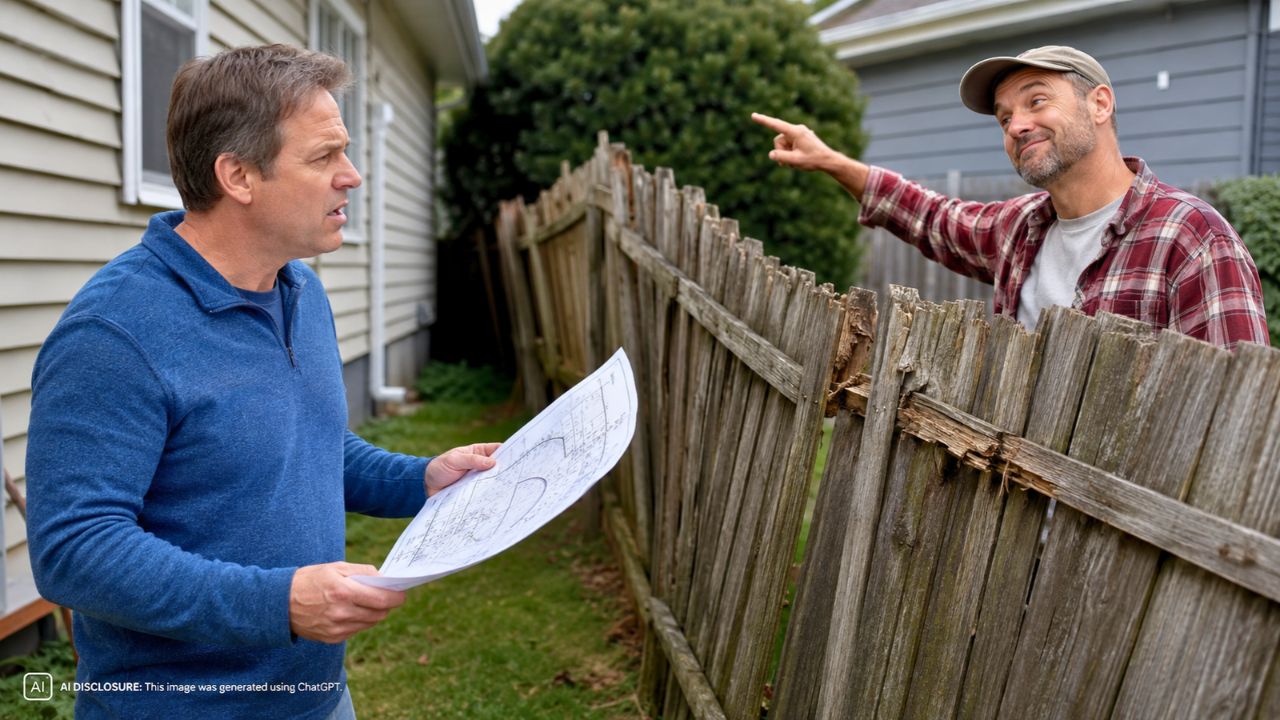
The homeowner thought they were doing everything the right way: get a survey, get a contractor lined up, put down a deposit, and finally solve the backyard chaos that comes with old fencing and dogs that don’t respect boundaries. Instead, the moment the property stakes went in, the neighbor’s texts started flying.
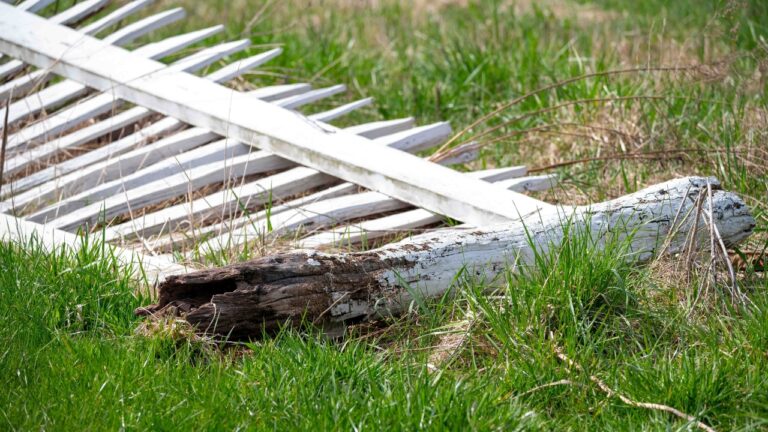
In the original post, the homeowner explains they’re preparing to install a 6-foot privacy fence around their entire property. The existing fence line is in rough shape, and another nearby neighbor’s dogs have been jumping it—setting off “a riot between all our dogs.” The goal was simple: more privacy, safer pets, fewer daily flare-ups.
The first blow-up wasn’t even about the fence
This wasn’t a one-off disagreement that suddenly appeared with a new home project. The homeowner says the tension started soon after the neighbor moved in last year, when a tree company was hired to remove a limb the neighbor complained about.
After the work, the tree company left a couple of small oil stains in the neighbor’s driveway. The homeowner says they tried to clean the stains as a goodwill gesture, but it didn’t de-escalate anything. The neighbor allegedly responded with hateful texts, name-calling, and mockery—fixating on calling them “gamers and dorks” as insults.
From there, the household shifted into avoidance mode. Even when the neighbor went out of her way to yell at the homeowner’s husband during a dog walk, they largely ignored it and kept to themselves.
A survey changed the tone overnight
When the homeowner decided it was time to replace the old fencing, they didn’t just eyeball the lot line. About a month before the latest flare-up, they hired a survey to identify the property lines, and the stakes were still visible in the yard.
They also had the next step in motion: a deposit paid to the fencing company, with work expected to start around the end of April. In other words, this wasn’t a spur-of-the-moment build. It was a planned, budgeted project years in the making.
Then, “out of nowhere,” the neighbor launched into hours of text messages about the existing fence, insisting it was the homeowner’s responsibility to repair or replace. The homeowner’s view was straightforward: the survey indicates the failing fence sits on the neighbor’s property line, not theirs.
“Fix it” turned into “pay for it,” with a side of insults
The homeowner says they normally ignore the neighbor’s messages, but this time they answered with a calm update: they’re already installing a new privacy fence, and the neighbor is welcome to contribute money toward it.
That’s when the conversation allegedly went from demanding to cruel. The neighbor again called them names and mocked them for being poor, specifically because it took them 12 years to save $8,000 for the fence.
The homeowner’s response, at least internally, was blunt: they do have the money, and it was never an issue until this neighbor moved in. Still, the accusation hit a nerve. There’s something particularly aggravating about being told to pay for something you don’t own—then being ridiculed for the way you budgeted for your own improvement project.
After that, the homeowner blocked the neighbor’s phone number.
The fence line isn’t just drama—it’s liability and leverage
In neighborhood disputes, a fence isn’t just wood and wire. It’s a physical boundary that quickly turns into a question of control: Who owns it? Who touches it? Who pays when it fails? And who gets blamed when something goes wrong?
The homeowner says they’re not removing anything that’s on the neighbor’s property. That’s not just stubbornness—it’s self-protection. Removing or altering a structure that isn’t on your lot can open the door to accusations of trespass or property damage, even if the fence is falling down.
They also point to a detail that matters in many municipalities: the fence posts face inward toward the neighbor’s yard. The homeowner says their city statutes state that posts need to face the owner’s property, which (in their mind) further supports the idea that the existing fence belongs to the neighbor.
So now the homeowner is preparing to install a new privacy fence “against the current chain link,” expecting the neighbor to “lose her mind” when construction begins.
They already installed cameras, and the contractor has been warned
This is where the story shifts from annoyance to preparation. The homeowner says they installed cameras last year after the neighbor first started acting out. Now, with fencing work scheduled, those cameras feel less like a general security upgrade and more like insurance against a confrontation in the yard.
The homeowner also says they’ve already warned their contractor that the neighbor may try to interfere. Anyone who has managed a home project knows how quickly a combative neighbor can derail a timeline—stopping workers to argue, claiming boundary violations, or trying to provoke a reaction that turns into a complaint.
Even if nothing physical happens, the stress is real. A fence project is loud, disruptive, and visible. It gives a hostile neighbor a front-row seat and a new reason to escalate.
Most readers focused on documentation, not debate
While the post itself is a vent, the practical theme running through it is proof. The homeowner already did the two things people usually beg others to do before a property-line dispute gets ugly: get a survey and document behavior.
The survey stakes in the yard are more than markers—they’re a line in the sand that’s hard to argue with in a text message. The cameras, meanwhile, create a record if the neighbor approaches workers, tampers with materials, or tries to claim the crew damaged her property.
And the homeowner’s decision to stop engaging—blocking the number instead of continuing to argue—shows they’re treating this like a long game. If the neighbor is looking for a reaction, silence can be the most frustrating answer.
For now, the homeowner is still looking forward to what started this whole thing: privacy, calmer dogs, and a yard that feels like their own again. But they’re also realistic. When a neighbor is already angry about oil stains, tree work, and a fence that apparently sits on her own property, a brand-new 6-foot barrier might not end the conflict. It may just change the battlefield.
Like Fix It Homestead’s content? Be sure to follow us.