How to Start Living More Sustainably Without Going Off-Grid
You don’t have to be off-grid to live more sustainably. Most of the impact comes from everyday habits—what you buy, what you throw out, and how much you rely on outside systems. Making a few changes at home can cut down your waste, lower your bills, and make you more prepared when things go sideways.
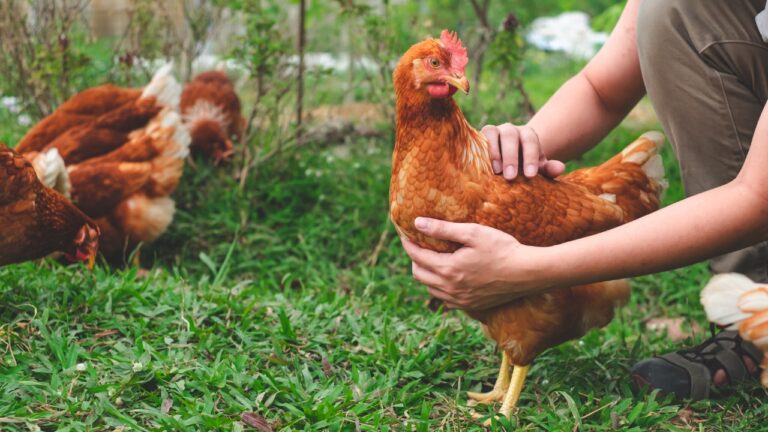
Sustainability isn’t all-or-nothing. It’s about working smarter with what you already have. These tips are geared toward real life—whether you’re in a city apartment or out in the country with a few chickens.
Cut Down on Single-Use Products
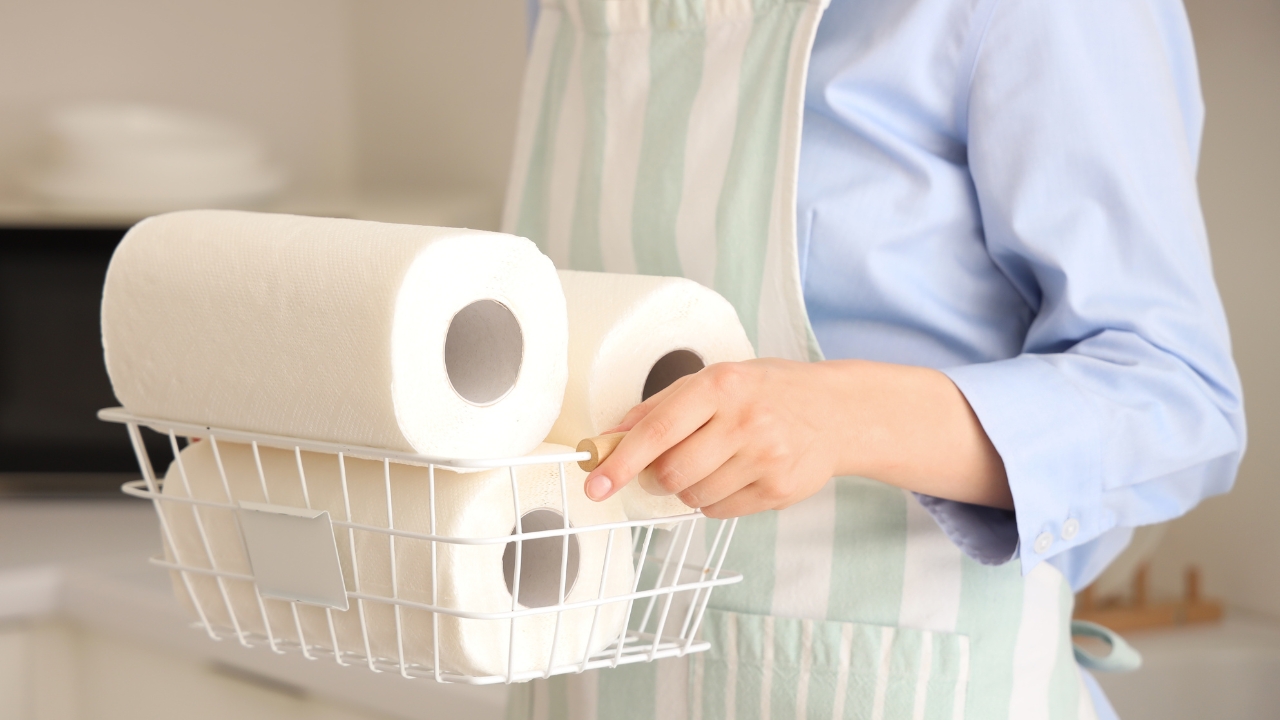
Start by looking at what you throw away the most. Paper towels, plastic bags, takeout containers—it adds up fast. Swapping a few of those for reusable versions makes a real difference over time.
You don’t have to change everything overnight. Replace one thing, then move on to the next. Reusable grocery bags, cloth napkins, and refillable water bottles are easy places to start. They work, they last, and you don’t have to keep buying them.
Start Cooking More From Scratch
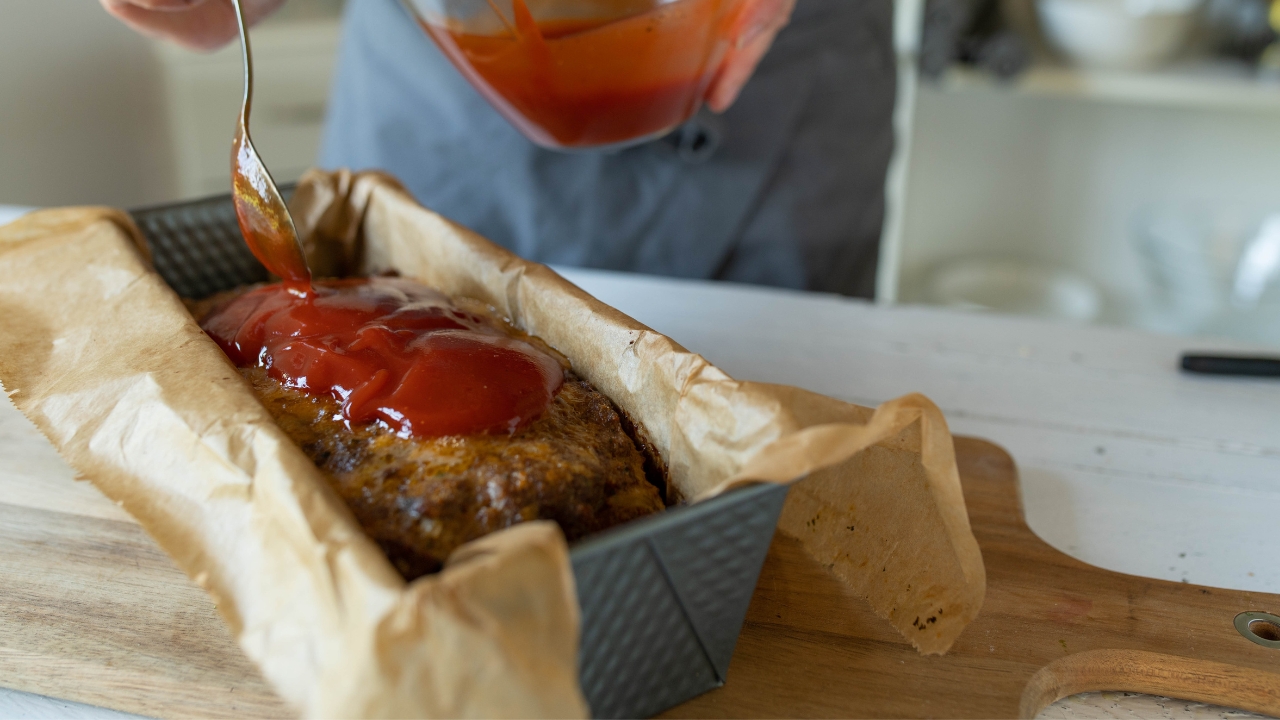
Processed foods come with a lot of waste—packaging, shipping, and ingredients you can’t pronounce. Cooking from scratch cuts all that down. It also gives you more control over what’s in your food and where it came from.
You don’t need to make every meal from scratch, but learning a few basics helps. Bread, broth, and simple meals go a long way. It’s better for your wallet and less dependent on the supply chain.
Buy Less—and Buy Used When You Can

Every new item takes energy and resources to make. Buying less—and buying secondhand when it makes sense—is one of the easiest ways to lower your footprint without changing your whole life.
Check thrift stores, yard sales, or local listings before heading to a big box store. You’ll save money, and a lot of that older stuff is made better anyway. If it still works, use it.
Use What You Have Before Buying More
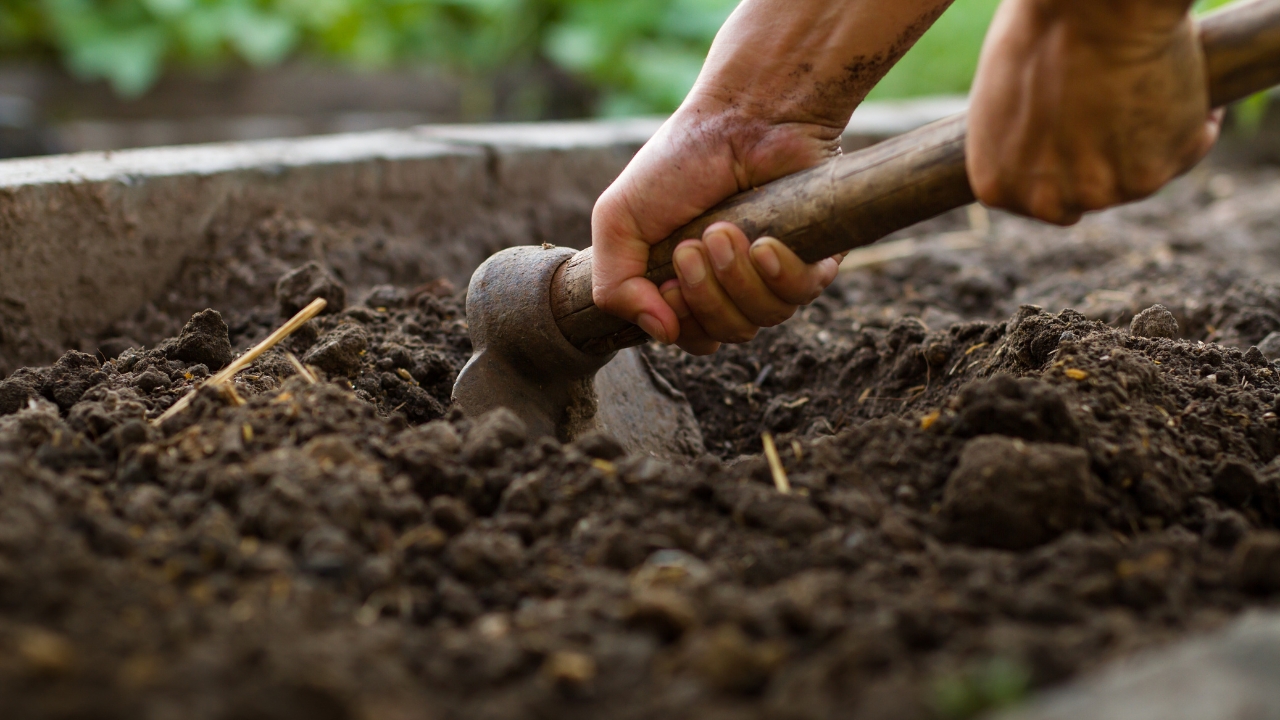
It’s easy to fall into the trap of stocking up on “sustainable” products when you already have things that work. The most eco-friendly option is usually the one you already own.
Use up what you’ve got before replacing it. That includes old T-shirts as rags, glass jars for storage, or worn-out tools you can sharpen. It’s not about perfection—it’s about being practical with what’s in front of you.
Grow Something—Even if It’s Just Herbs

You don’t need acres to start growing food. A pot of basil in the window or a few tomato plants on the patio is a good first step. It cuts down on packaging, saves trips to the store, and gives you a small taste of self-reliance.
If you’ve got space, scale up. But even a small grow setup builds confidence and teaches you what it takes to raise your own food. Plus, fresh-picked anything tastes better than store-bought.
Fix Things Instead of Tossing Them

We’ve gotten used to throwing stuff out the second it breaks. But a screwdriver, a patch kit, or a little glue can keep things going a lot longer. Most repairs aren’t that hard—you just have to take the time.
Look up a video, get your hands dirty, and learn as you go. Fixing something yourself keeps it out of the landfill and gives you skills that’ll keep paying off.
Switch to Reusables Around the House

Swapping disposables for reusables makes a big difference over time. Things like cloth napkins, washable mop pads, and reusable food wraps are easy switches that cut down on trash.
Start where it’s easiest for you. You don’t need to ditch everything at once. The goal is to build habits that stick—not burn out trying to do it all in a week.
Get Smart About Water Usage
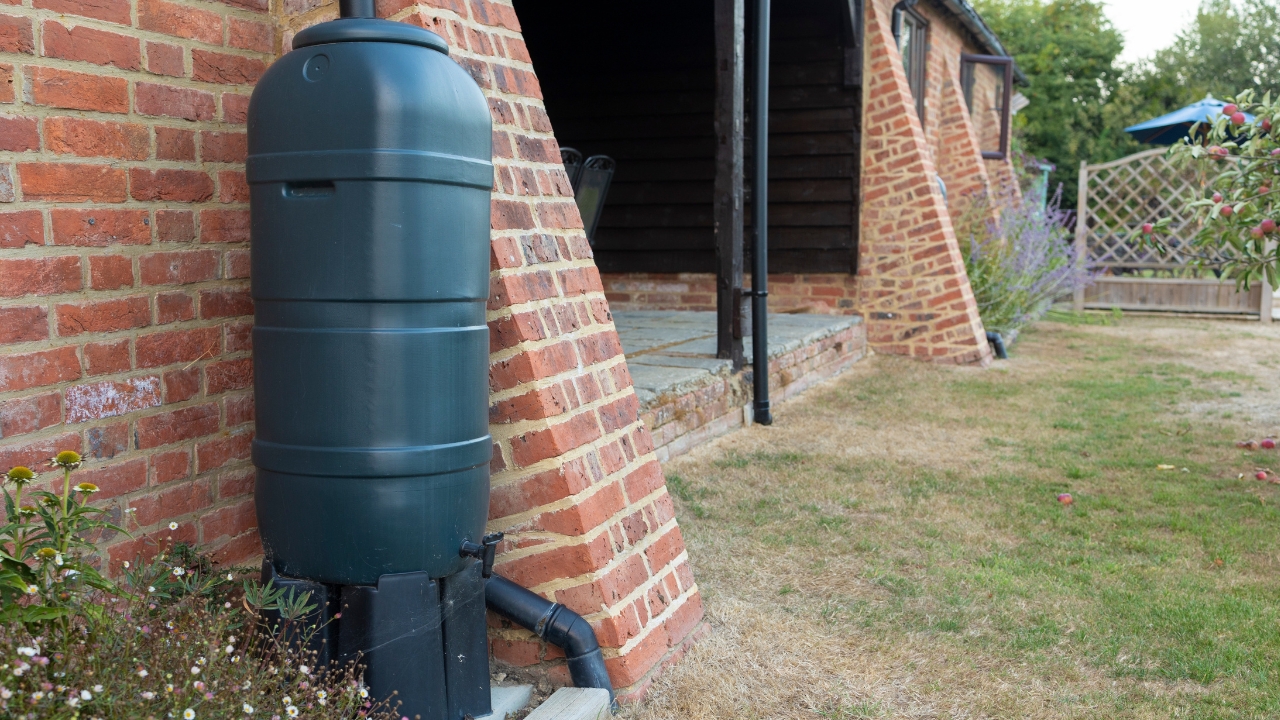
You don’t need to live in a desert to care about water. Fixing leaks, turning off the tap while brushing your teeth, and using rain barrels are small things that add up.
Water your garden in the morning or evening to cut down on evaporation. Use mulch to hold in moisture. It’s not doing without—it’s using what you’ve got wisely.
Stop Wasting Food
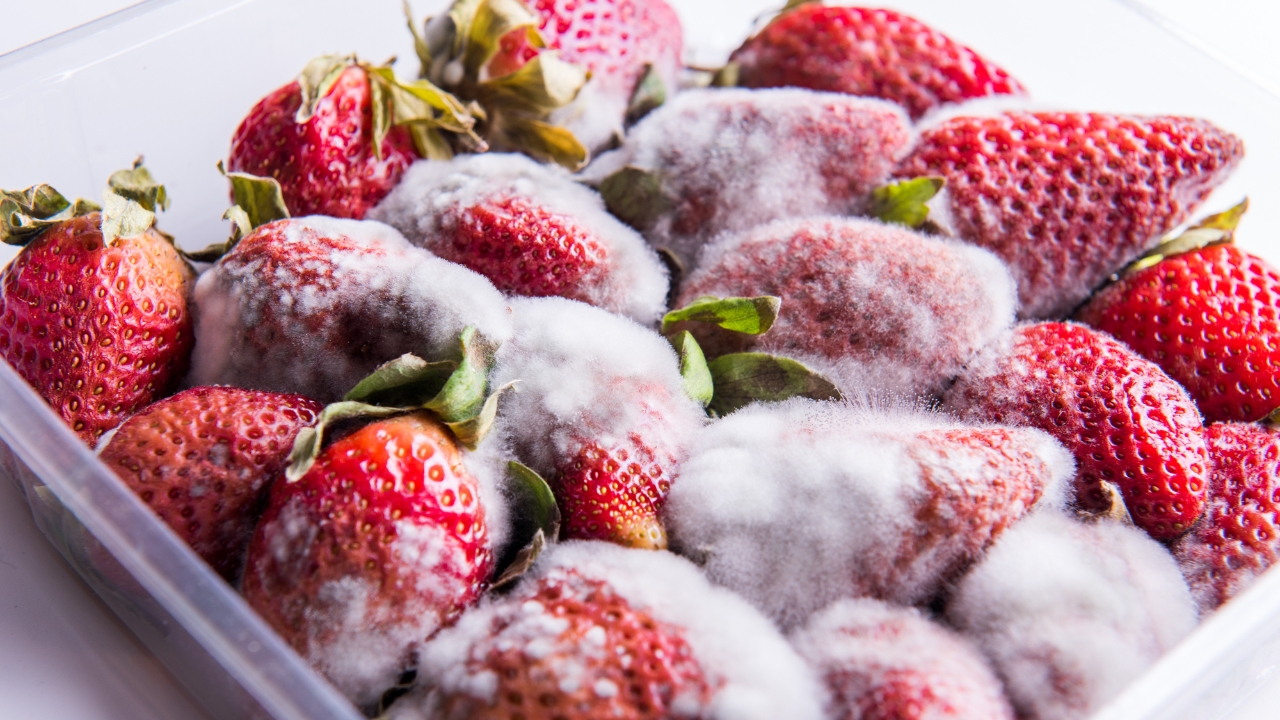
Food waste is a huge problem, and most of it happens in the home. Leftovers get pushed to the back of the fridge, produce goes bad, and we toss more than we realize.
Plan your meals, freeze what you can’t use, and learn how to store food so it lasts longer. Compost the scraps if you’re able. It’s less waste, less money down the drain, and more respect for the food you worked to buy or grow.
Support Local Whenever Possible
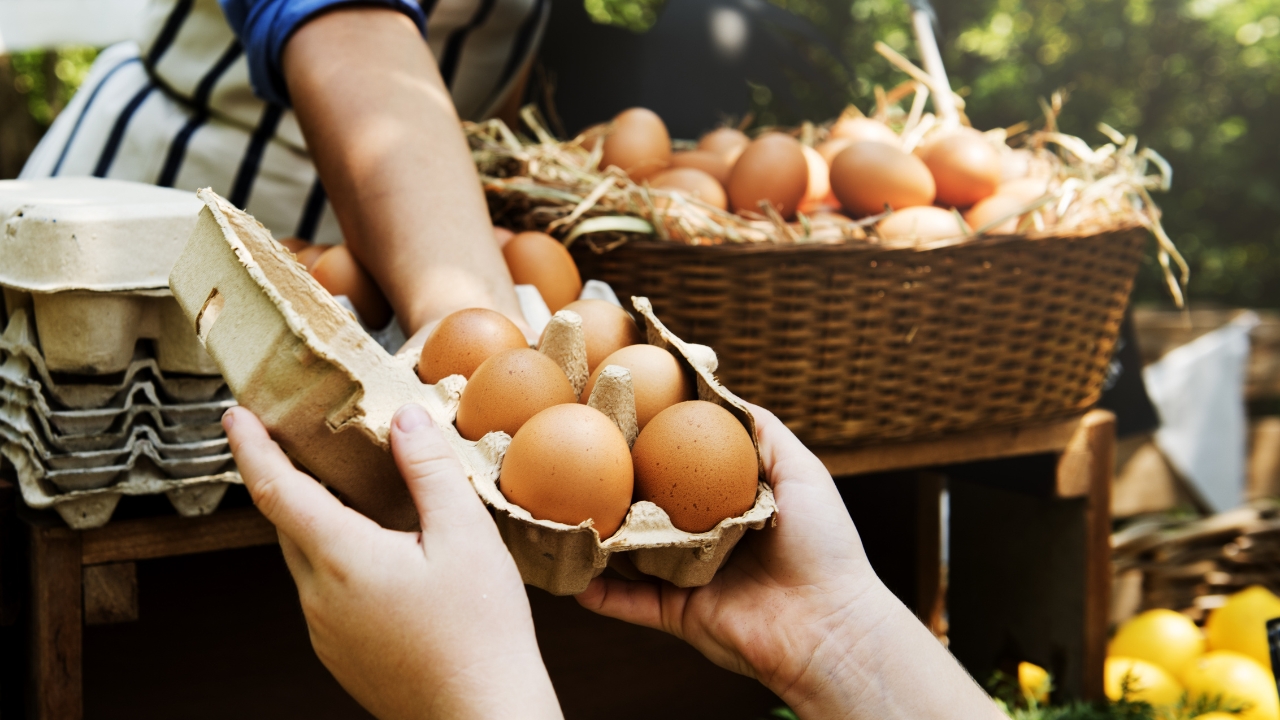
Buying from local farms, markets, and small businesses keeps your dollars close to home and cuts down on shipping and packaging. You’re also more likely to get food that’s fresh and in season.
You don’t have to buy everything local—but every bit helps. Even picking up eggs from a neighbor or meat from a local butcher is a step in the right direction.
*This article was developed with AI-powered tools and has been carefully reviewed by our editors.