New Buyer Under Contract on a First Home Finds the Backyard Fence Sits Five Feet Onto the Neighbors’ Land — Then Learns the Sellers Knew and Never Disclosed It
Photo credit: AI-generated image created using ChatGPT. Illustrative only.
Buying your first home is supposed to feel like stepping onto your own patch of ground. For one New York buyer, it turned into a sudden lesson in just how literal that “ground” question can get—because the backyard they thought they were getting wasn’t fully theirs.
While under contract, the buyer learned the backyard fence line was off by about five feet—pushing onto the neighbors’ property. The details came out in the original post, where the buyer said the sellers knew about the fence placement but never disclosed it. The only reason the buyer found out, they wrote, was because their agent happened to know the neighbors.
The fence wasn’t just “a little off”—it changed the yard
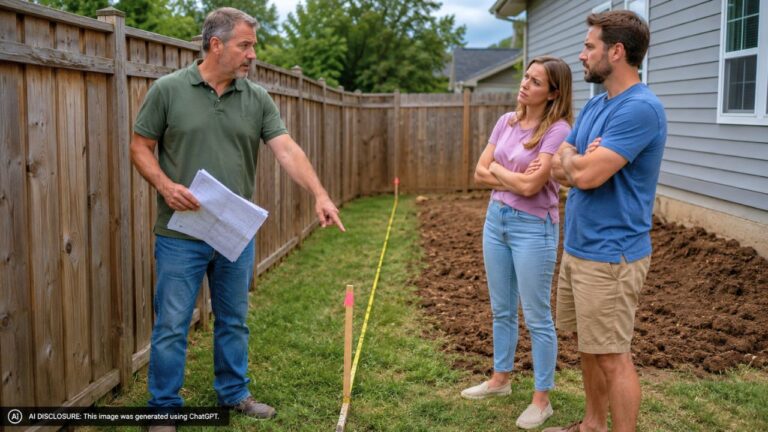
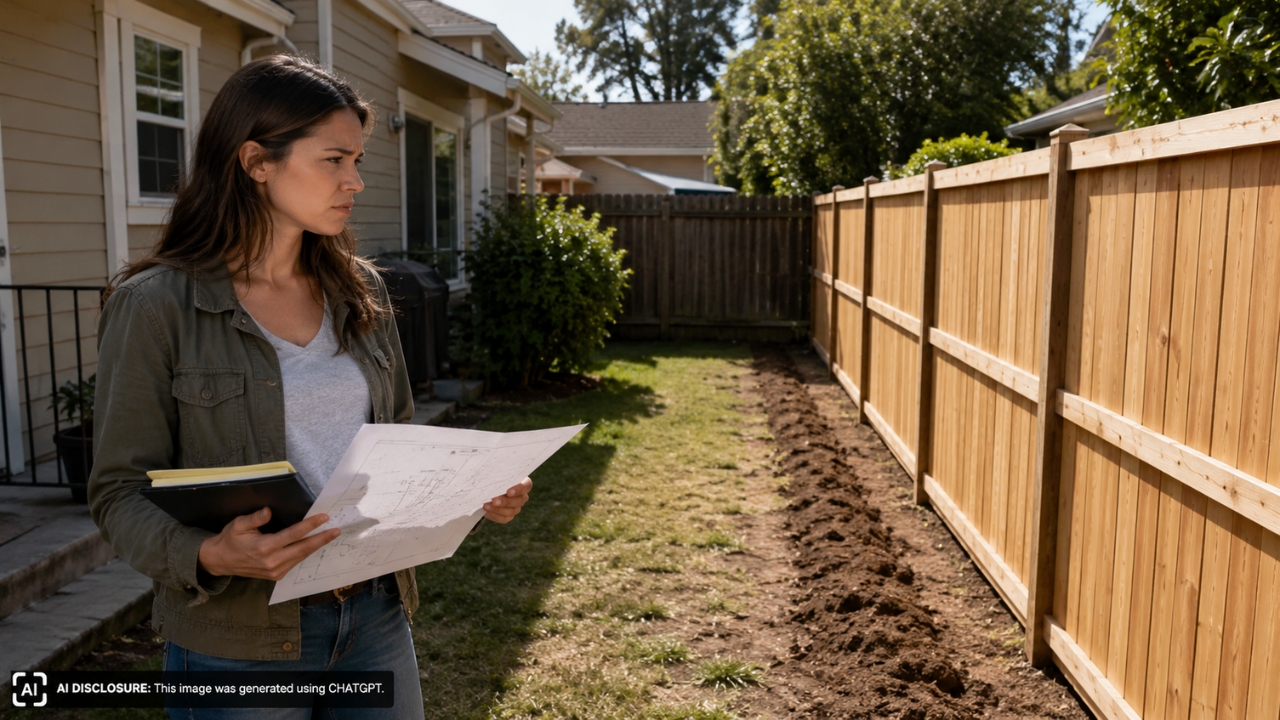
This wasn’t a case of a fence drifting an inch over with time or a vague disagreement over where a corner pin should be. The buyer described it as roughly five feet onto the neighbor’s land—enough to noticeably reshape the backyard and to matter emotionally, not just on paper.
Then came the gut punch: the buyer said the neighbors had already reclaimed the property by moving the fence. A shed had been removed, and the fence line changed. So by the time the buyer is heading toward closing, the yard appears about 300 square feet smaller than when the offer was made.
What made it worse wasn’t only losing that strip of space. It was the feeling of being played. The buyer wrote that the sellers still hadn’t mentioned any of it, even as the physical reality of the yard was changing.
The “final walkthrough” fear: you fall in love with one yard and get another
Most first-time buyers picture the final walkthrough as a victory lap: confirming appliances are there, checking for new damage, making sure the house is in the agreed condition. Here, the buyer was staring down a different kind of walkthrough—one where the boundaries of the property as experienced during the showing no longer match what’s behind the house.
The buyer’s question was straightforward and practical: is there any recourse if the backyard is noticeably smaller at the final walkthrough than it was when the offer went in?
That question carries real stakes. Backyard space is part function—where you put a garden, a playset, a fire pit, a dog run—and part value. Even if the legal description never promised that extra five feet, it’s hard not to feel like you offered based on what you saw: a fenced yard that looked complete and private.
And then there’s the neighbor factor. A fence move isn’t just a measurement correction. It can reset the mood of the block before you ever move in—especially if it feels like you’re inheriting a tense history you didn’t create.
Then the second shoe dropped: unpermitted additions tied to “low taxes”
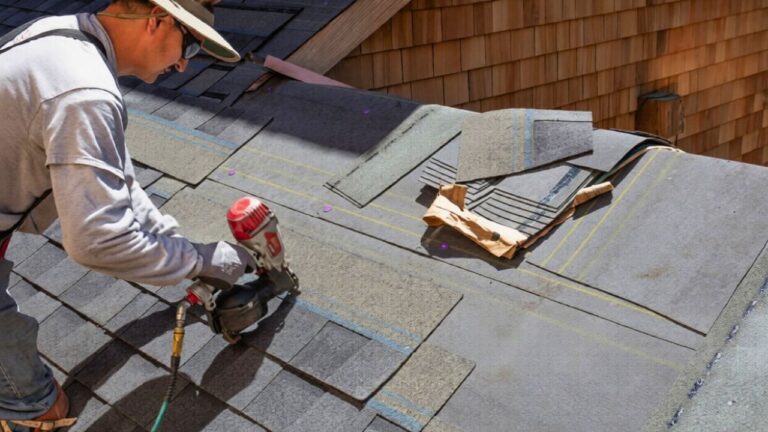
As if the fence surprise wasn’t enough, the buyer described another discovery: a “slew of unpermitted” work, including bump-outs, extensions, and attaching a previously detached garage.
This wasn’t presented as a minor oversight. The buyer said the sellers made a huge deal—both in the listing and at showings—about how low the property taxes were. Low taxes can be a selling point, especially for first-time buyers trying to keep monthly costs predictable.
But unpermitted expansions have a way of keeping taxes artificially low—until someone pulls permits, the municipality catches up, or a sale forces questions. The buyer wrote that the sellers were in the process of obtaining permits, which suggests the work was being brought into compliance. But that also suggests a future bill: once the improvements are officially recognized, taxes can climb.
So the buyer wasn’t just asking about a surprise at the property line. They were looking at a potential long-term cost increase tied to improvements that were used to market the home, but not properly documented at the time.
What “knowing but not disclosing” feels like from the buyer’s side
There’s a particular kind of stress that comes from learning a seller knew something and stayed quiet. With many home problems, you can chalk it up to ignorance, disagreement, or a contractor who cut corners years ago. Here, the buyer framed it as the sellers being aware the fence sat over the line and still not disclosing it.
That turns the story from “oops, property lines are confusing” into something that feels more deliberate. It also leaves the buyer wondering what else is waiting—because once you catch one non-disclosure, every other detail starts to look suspicious.
The timing matters too. Discovering these problems while under contract puts the buyer in a painful squeeze: you’ve likely spent money on inspections, maybe started imagining furniture placement, maybe told family you’re buying a house. Walking away hurts. Continuing forward feels like accepting someone else’s mess.
In this case, the buyer wasn’t describing damage hidden behind walls. They were describing a moving fence and a paper trail problem—issues that can be even more exhausting because they involve other people: neighbors, permitting offices, and whatever the sellers decide to admit.
How readers tend to react when fences and permits collide
Posts like this usually split people into two camps: those who say “this is exactly why you get surveys and verify permits,” and those who focus on the emotional reality—most first-time buyers don’t expect to need a crash course in boundary disputes and code compliance just to get a backyard.
When a fence has been in the wrong spot, people often zero in on proof: surveys, property maps, and the exact legal description of what’s being sold. The buyer’s story already shows how informal knowledge travels—an agent knowing the neighbors was the key piece. In a normal transaction, that kind of information should not be dependent on who happens to know whom.
On the unpermitted-work side, reactions typically get even sharper. Unpermitted additions can create a chain of headaches: appraisals, insurance questions, safety concerns, future resale issues, and the simple fact that “low taxes” may not stay low once the property is evaluated as it actually exists.
Even when permits are “in process,” the uncertainty can feel like the worst part. The buyer isn’t only worried about a higher tax bill—they’re staring at the possibility of delays, documentation gaps, and the risk that the work won’t be signed off cleanly.
A first home that suddenly feels like a boundary dispute waiting to happen
The tension running through the buyer’s questions is easy to understand: they offered on a home with a certain yard and a certain cost picture. Under contract, they learned the yard line was wrong and the taxes were likely low for reasons that won’t last.
There’s also a quiet, practical worry beneath it all: if the neighbors already moved the fence once, the buyer may be moving into a place where the neighbors are watchful and protective of their line—and understandably so. That’s not necessarily bad. But it’s a hard way to start a new chapter, especially when the sellers appear to be staying silent about what they knew.
For now, the buyer is left doing what no one wants to do in a first purchase: weigh whether the home is still worth it after the “yard” and “low taxes” selling points started to unravel. And they’re trying to figure out how to protect themselves before signing the final papers on a property that’s already changed shape once.
Like Fix It Homestead’s content? Be sure to follow us.