Ohio Homeowner’s Purchase Survey Shows a Neighbor’s New Fence Crossing Several Feet Onto the Property — Then the Neighbor Insists It’s Correct and Refuses to Discuss It Further
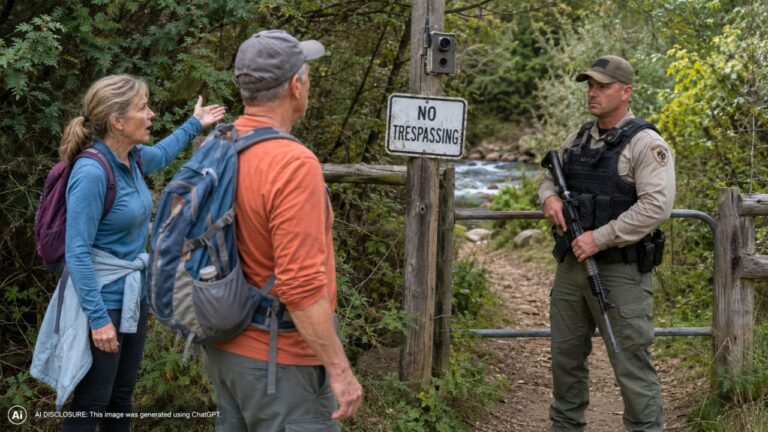
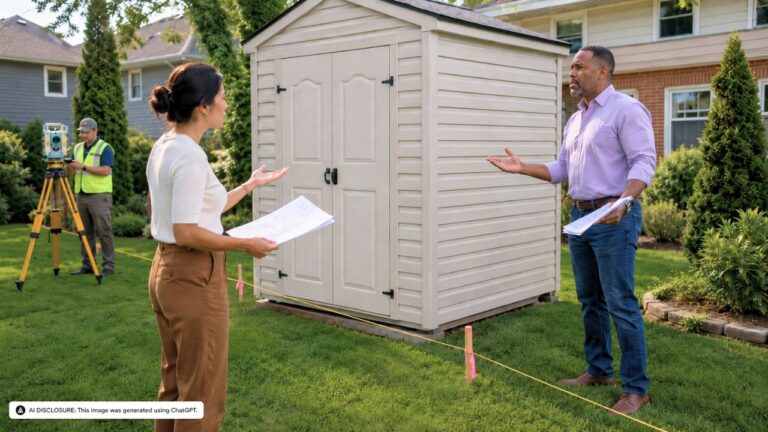
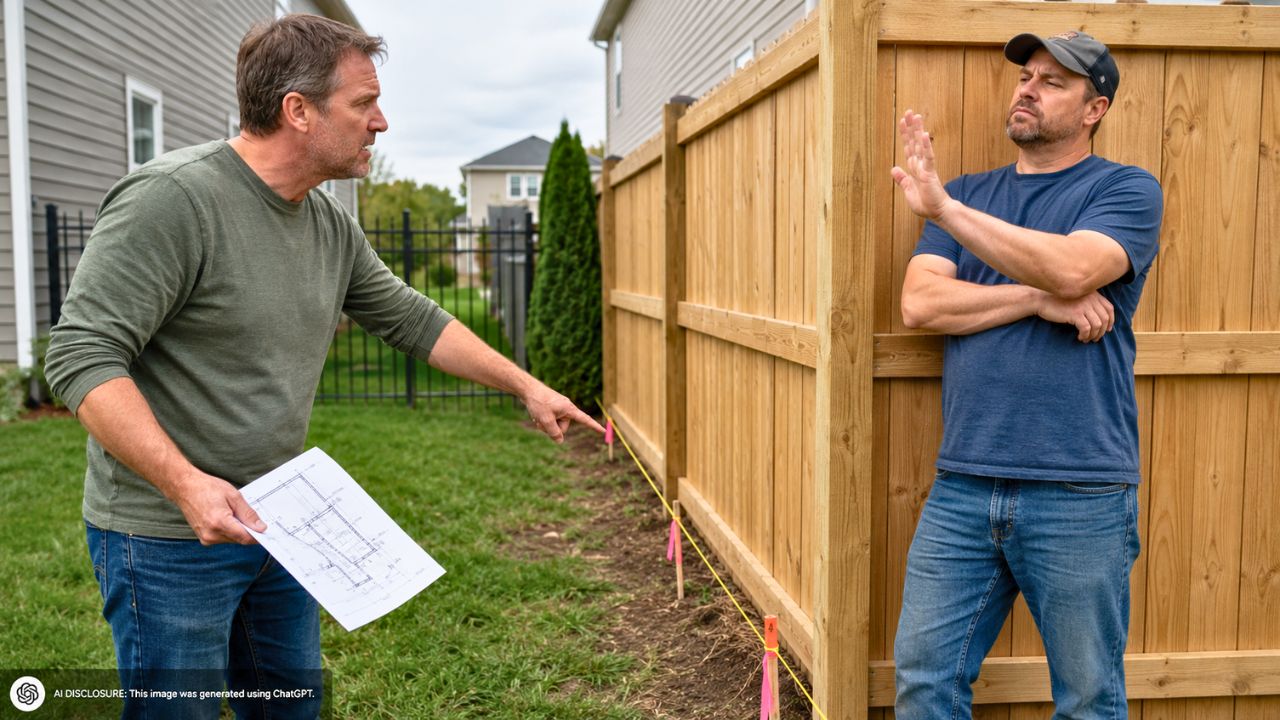
Photo credit: AI-generated image created using ChatGPT. Illustrative only.
The fence went up fast—new boards, straight lines, that fresh-lumber look that makes a yard feel “finished.” Then the homeowner stood back and got that uneasy feeling: the line didn’t look like it matched the way the property had always read in their head. A few feet doesn’t sound like much until it’s several feet of your yard suddenly on the other side of someone else’s fence.
So they did what a lot of people do when the stakes feel real: they pulled out the paperwork from closing day. In the original post, the Ohio homeowner says the survey from when they bought the house doesn’t line up with where the neighbor’s new fence sits. When they tried to talk it out calmly, the neighbor insisted the fence was correct—and then refused to discuss it any further.
The fence didn’t just change the view—it changed the math
Fences are supposed to be simple. They’re privacy, dog control, a clean border. But when a fence lands in the wrong place, it stops being a weekend project and turns into a property question with a price tag.
The homeowner’s worry wasn’t only about losing a strip of grass. A few feet can mean losing access along the side of a house, changing where you can run a mower or place a shed, or complicating future repairs and drainage. And once a fence is set, it has a way of making people “see” the boundary differently—especially when it’s brand new and looks official.
The survey from purchase day felt like a lifeline. It was the one concrete thing the homeowner could point to that wasn’t based on memory, assumptions, or the way the yard looked when they moved in.
When the neighbor shuts the conversation down, everything gets harder
There’s a big difference between a neighbor who says, “Let’s check the line,” and one who says, “It’s correct,” then won’t talk. The homeowner describes trying to keep it calm, but the door to a simple resolution closed fast.
That refusal matters because fence disputes often get solved in the “easy zone” before anyone spends more money: compare surveys, walk the line together, agree on a stake placement, and move a section if needed. Once someone plants a flag and stops engaging, the practical next steps tend to get more formal and more expensive.
And emotionally, it flips the mood. Instead of two households trying to share a boundary, it starts to feel like one person has made a decision for both properties.
The real fear: leaving it alone could create long-term headaches
The homeowner’s post makes it clear they’re thinking past this month’s annoyance. They’re worried about what happens if the fence stays where it is—year after year—until it becomes “normal.”
That’s a common fear in property-line disagreements: the longer a wrong placement sits unchallenged, the more complicated it can feel to unwind. Even if the law doesn’t magically change overnight, time has a way of hardening positions, burying old records, and making the eventual fix more disruptive.
It also affects resale. Even homeowners who never plan to move often think about the day they have to answer a buyer’s questions. A fence that appears to encroach can become a disclosure problem, a negotiation problem, or a “get this sorted before we close” problem—right when you least want an extra crisis.
Ohio property lines: why a survey is the starting point, not the finish line
The homeowner asked what Ohio law generally says about fence-and-boundary disputes and what steps are typically required. The details can hinge on local rules and the specific facts, but the path usually starts with proving the line, not debating it.
A purchase survey is helpful, but neighbors in these disputes often end up needing a current boundary survey or a surveyor to re-mark corners—something that can stand up when someone pushes back. If the fence truly crosses over, the next steps tend to involve written notice and documentation rather than another driveway conversation that goes nowhere.
In plain terms: paper matters, but clear, updated, professionally marked boundaries matter more when the other side won’t cooperate. And because fences are physical structures, the question usually becomes less “Who’s right in theory?” and more “What can be enforced, and how do we get the structure moved without triggering a bigger war?”
What people tend to recommend in this spot
Even with limited details in the post, the playbook most homeowners recognize is about building a record and keeping emotions out of it. When a neighbor won’t discuss it, the smart move usually isn’t to escalate face-to-face—it’s to get the boundary clarified and communicate in a way that can’t be twisted later.
Homeowners in similar disputes often focus on a few practical themes: confirm the property corners with a licensed surveyor, photograph everything before the fence weathers and the ground changes, and keep a timeline of when the fence went up and when you raised the issue. The goal isn’t to “win an argument.” It’s to be able to prove what is where.
Another common point in fence disputes is avoiding self-help fixes. Cutting panels, pulling posts, or “moving it back” yourself can create a new problem—damage claims, trespass claims, or a fast escalation that turns a boundary disagreement into something uglier.
One fence, two yards, and a lot of leverage
The tension in this homeowner’s story is that the fence is already standing, and the neighbor is acting like the conversation is over. That posture can make the homeowner feel boxed in: accept the new boundary as-is, or spend time and money to challenge it.
And that’s why these disputes can linger. A fence is not just wood and posts—it’s leverage. It blocks sightlines, changes how you use your own space, and dares you to take the next step.
For now, the homeowner is stuck in that uncomfortable in-between stage: sure enough to worry, not sure enough to ignore it, and facing a neighbor who won’t even entertain the possibility of being wrong. When the line between two homes turns into a standoff, the only thing that feels certain is that waiting rarely makes it simpler.
Like Fix It Homestead’s content? Be sure to follow us.