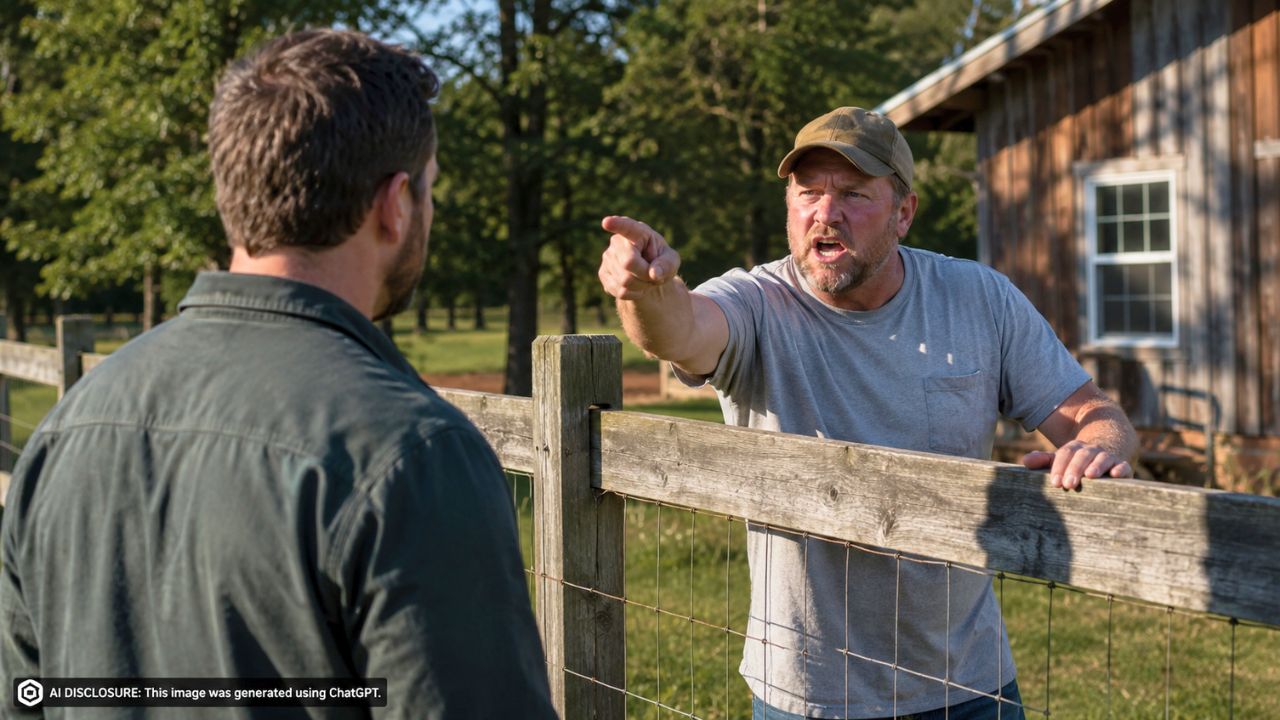
Rural Property Owner Finds an Angry Neighbor Waiting at the Fence Line After Buying Fifteen Acres — Then the Neighbor Refuses to Even Discuss the New Survey
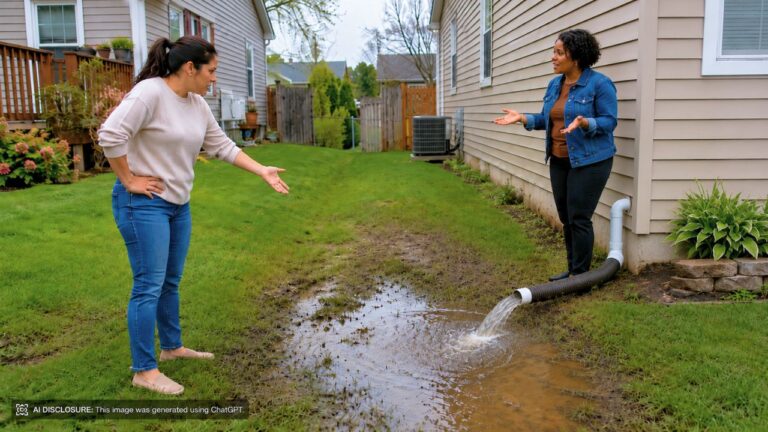
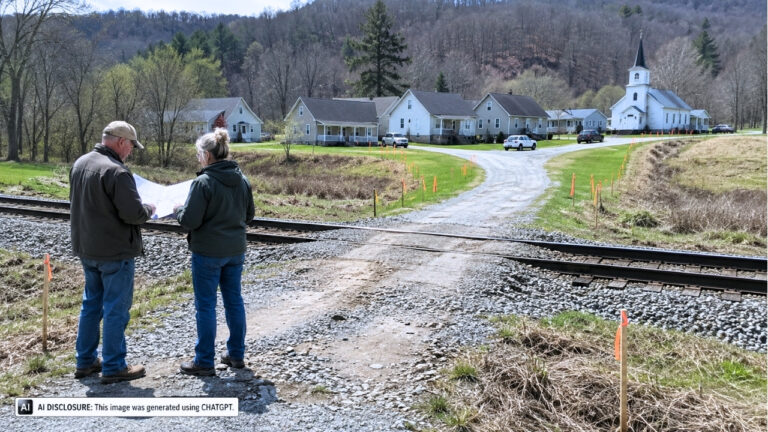
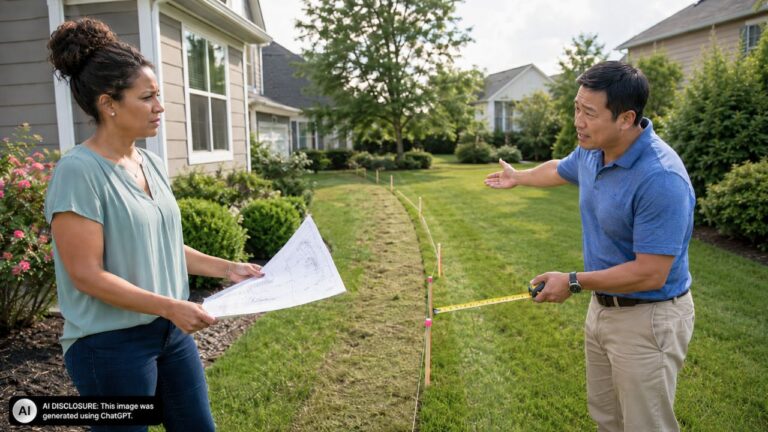
Photo credit: AI-generated image created using ChatGPT. Illustrative only.
Fifteen acres sounds like breathing room—room for a garden, a shop, maybe a little privacy that’s hard to find these days. But for one would-be rural buyer, the “welcome” came in the form of a neighbor who was already angry before the ink was dry, and a chunk of land that didn’t seem to be treated like it belonged to the seller at all.
In the original post, the buyer explained that the current owner was selling for a blunt reason: every time he showed up at the property, the neighbors would “get angry and yell.” The buyer also said a survey showed the disputed area was, in fact, the seller’s—yet the neighbor had built on part of it anyway.
A big slice of land… with a built-in boundary war
There’s a particular kind of dread that comes with property-line drama in the country. In town, you can point to a sidewalk or a row of mailboxes. Out on acreage, boundaries are often “where we’ve always mowed,” “where the old fence used to be,” or “where my granddad said it ran.” That’s how small assumptions turn into permanent behavior.
This buyer wasn’t asking about cosmetic issues or whether the driveway needed gravel. The red flag was people—specifically, neighbors who apparently took the seller’s mere presence as a provocation. That kind of hostility doesn’t stay contained to one conversation. It tends to become the background noise of daily life.
And then there was the more concrete problem: the neighbor had built on land that the buyer believed was included in the purchase.
When the survey says one thing and the neighbor acts like it’s theirs
The post makes one detail clear: a survey of the land showed the property in question belonged to the seller. Surveys are supposed to be the end of the argument—the measured, documented version of reality that can be referenced when memories and handshake agreements fall apart.
But the fact that the neighbor had already built on the land changes the tone from “misunderstanding” to “entanglement.” A structure, a pad, fencing, a shed—whatever it was, it represented time, money, and a decision made with enough confidence that they felt comfortable placing it there.
That’s where the buyer’s question got real: “What should I do about this? Any advice?” Because buying the land would mean buying the dispute, too.
Why sellers walk away when the land is technically theirs
The seller’s reason for listing wasn’t subtle. If every visit ends with yelling, you’re not just managing a boundary; you’re managing a relationship that’s already broken. In rural areas, where you might share a long frontage, a back corner, or an access route, a bad neighbor can make property feel smaller than it is.
It also signals something else: the seller may have already tried, in their own way, to draw the line—verbally, with stakes, with paperwork—and it didn’t stick. If the seller had the advantage of time and still ended up selling to escape the tension, that says a lot about how entrenched the neighbor might be.
Even if the law is on your side, living next to someone who believes you stole from them is exhausting. It’s not just fence-line conversations. It’s drive-bys, tense waves, and the feeling that any improvement you make will be interpreted as a provocation.
The part that can get expensive fast
“Built on some of the property” is the kind of phrase that sounds simple until you imagine what unwinding it could look like. If you buy the land and want it back, you might be staring at the cost and friction of removal, relocation, or a drawn-out dispute over ownership and use.
And it’s not only the structure itself. It’s access. It’s whether utilities cross over. It’s whether the neighbor has been treating a path, a gate, or a clearing like it’s theirs for years. It’s whether you can even put up a fence without triggering another blowup.
On acreage, a boundary fight can become a daily logistics problem. You don’t just “avoid that side.” That side might be where you planned to run animals, cut trails, harvest firewood, or place a future building site. If you have to design your life around a hostile border, you’re paying for land you can’t comfortably use.
Commenters leaned toward proof, distance, and not “moving in” to a feud
The post itself doesn’t include detailed replies, but the tone of the question tells you what most experienced homeowners tend to focus on in these moments: documentation and consequences. When someone is yelling at the current owner and refusing to accept a survey, it’s a sign that a friendly fence-line chat may not be the tool that fixes it.
In these kinds of property-line messes, people often urge buyers to think like risk managers. Not because every dispute turns into a courtroom drama, but because the stress and cost can show up in quieter ways—time off work, constant anxiety, projects delayed, and a property that never feels fully yours.
There’s also the practical reality that, even if you’re right, you’ll be the one living next door after the dust settles. That’s a long time to share a horizon with someone who has already been shouting at the previous owner for simply showing up.
The buyer’s update: a joke, then a decision to walk
After taking in the feedback, the buyer returned with an update that mixed humor with relief. They wrote: “Update: I bought the property and challenged the neighbors in a fight to the death for rights to the land..Jk.”
Then came the real ending: they “left it alone” and decided to keep searching.
It’s not the dramatic ending some readers might expect, but it’s a familiar one for anyone who has shopped for rural property. Sometimes the smartest move is recognizing that the land isn’t the whole purchase—neighbors, history, and lingering grudges come with it. Fifteen acres can be a dream, but not if the first thing waiting at the fence line is a fight you never asked for.
Like Fix It Homestead’s content? Be sure to follow us.