What Actually Keeps Squirrels Out of the Attic
Photo credit: Christine Kuchem/shutterstock.com
You hear it first at dawn, a fast scratch-scratch above the ceiling, then a hard thump like somebody dropped a boot. A squirrel in the attic isn’t cute for long. It chews, it soils, and it turns insulation into a nest.
Most “repellents” don’t fix the real problem, which is access and timing. If you want them gone and staying gone, you have to treat the attic like a building envelope problem, not a wildlife mystery.
1. One-Way Door, Then Permanent Seal
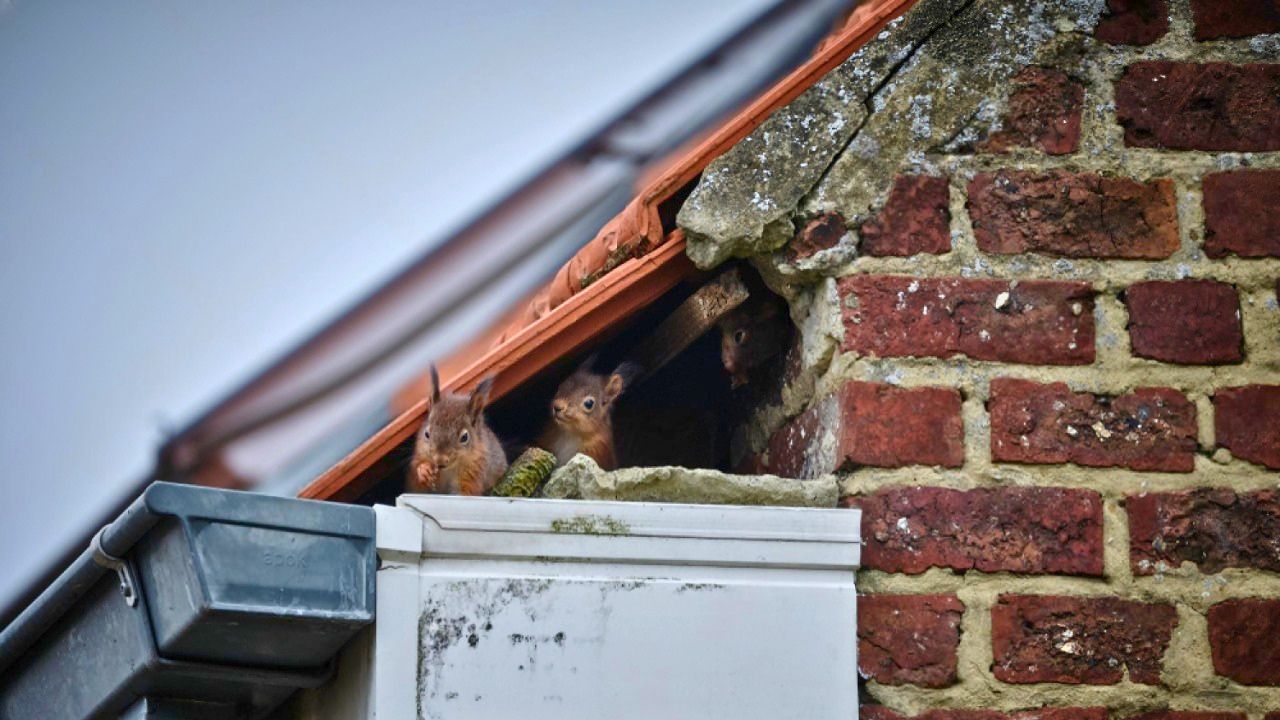
People jump straight to plugging holes, then wonder why the noise gets worse. If you seal an active entry with an animal inside, it’ll look for the next weak spot, sometimes right into your walls. You want them out first, then you lock the place up.
A one-way exclusion door on the main entry is the clean way to do it. Set it for a few days of fair weather, then remove it and close the opening with hardware cloth and solid flashing, not foam. If you’re dealing with a mother and babies in spring, call a wildlife pro instead of trying to force the issue.
2. Metal Over Foam Every Time
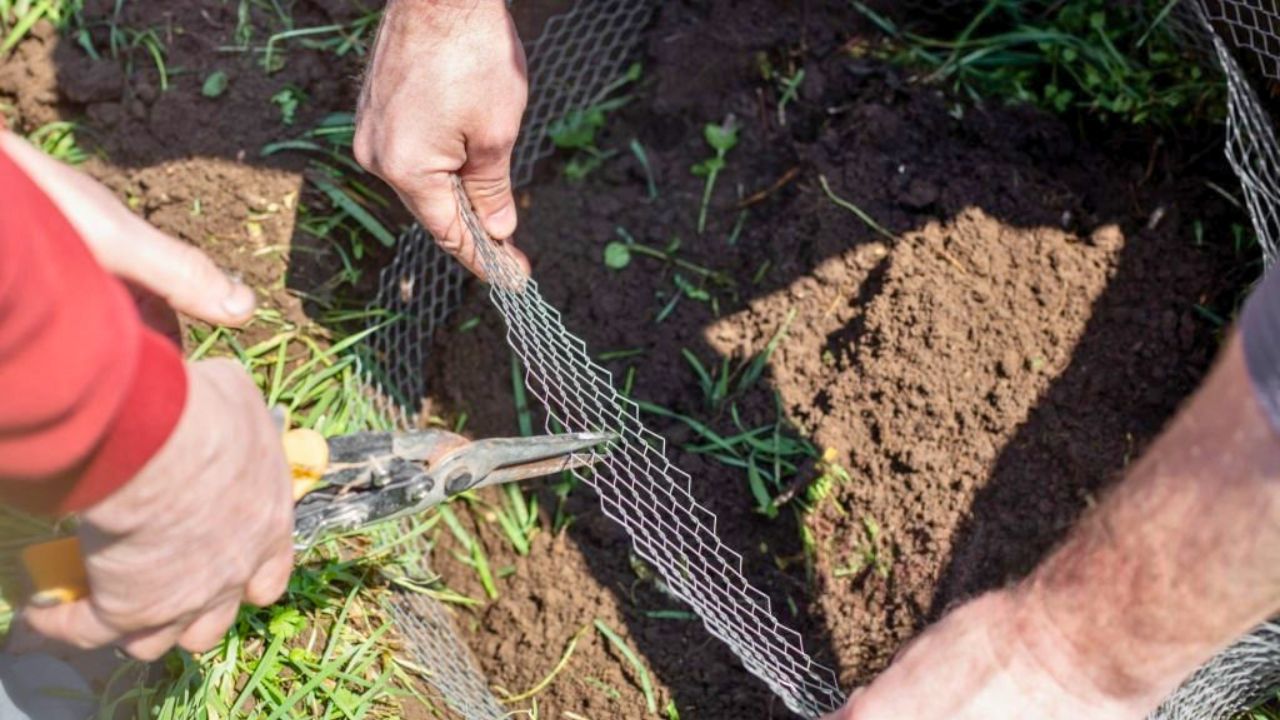
Expanding foam feels like a fix because it’s quick and cheap. Squirrels treat it like a snack, then you’re right back where you started, only messier. The same goes for plastic vent covers and thin “critter tape.”
Use metal that can’t be shredded. Galvanized hardware cloth, steel wool packed behind a metal patch, and aluminum flashing screwed into framing work. When you patch, overlap solid material over the edge of the hole so there’s nothing to grab and peel back.
3. Fix The Roof Edge And Fascia Gaps
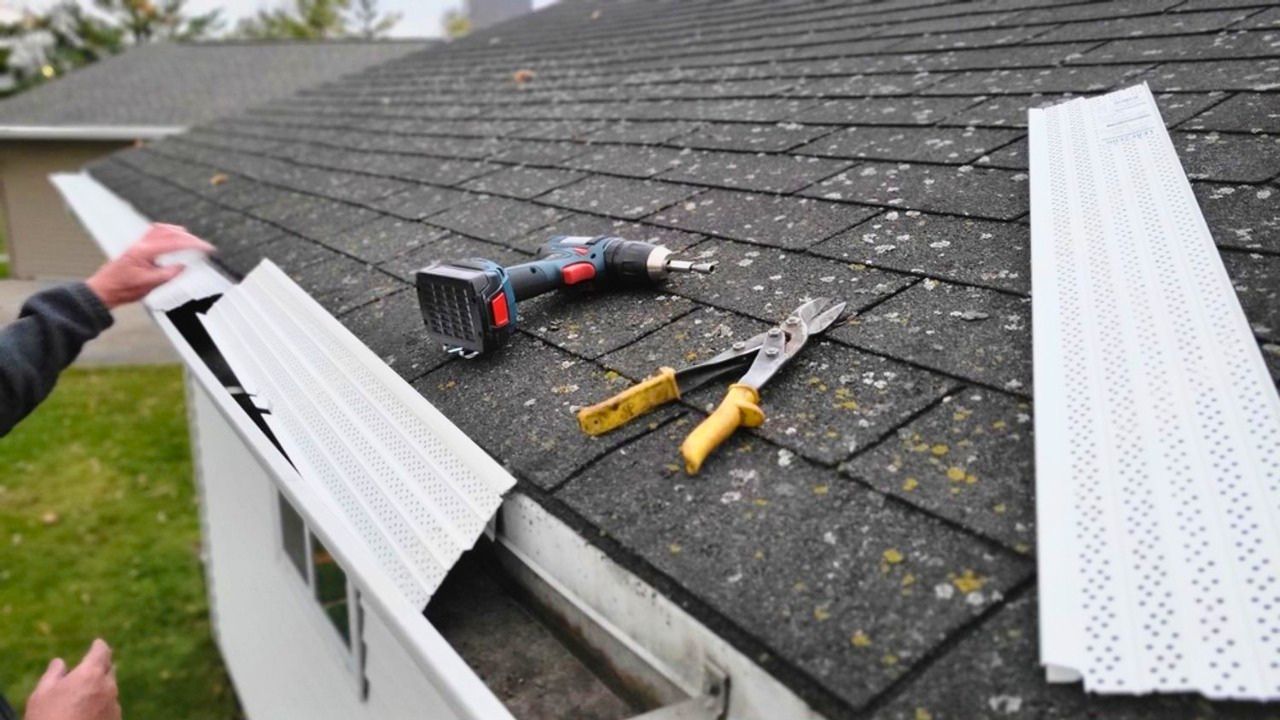
Most attic entries aren’t big holes in the middle of nowhere. They’re tiny gaps at the roofline, where fascia meets decking, where drip edge is missing, or where a board has rotted and pulled away. You’ll often see dark rub marks and little claw scuffs right at the corner.
Get up there on a dry day and look along the eaves with a bright flashlight. Replace punky fascia, add drip edge if it’s missing, and close gaps with flashing tucked tight, then fastened. If you’re not comfortable on ladders or your roof is steep, pay a roofer. A fall costs a lot more than a service call.
4. Screen Gable And Roof Vents Properly
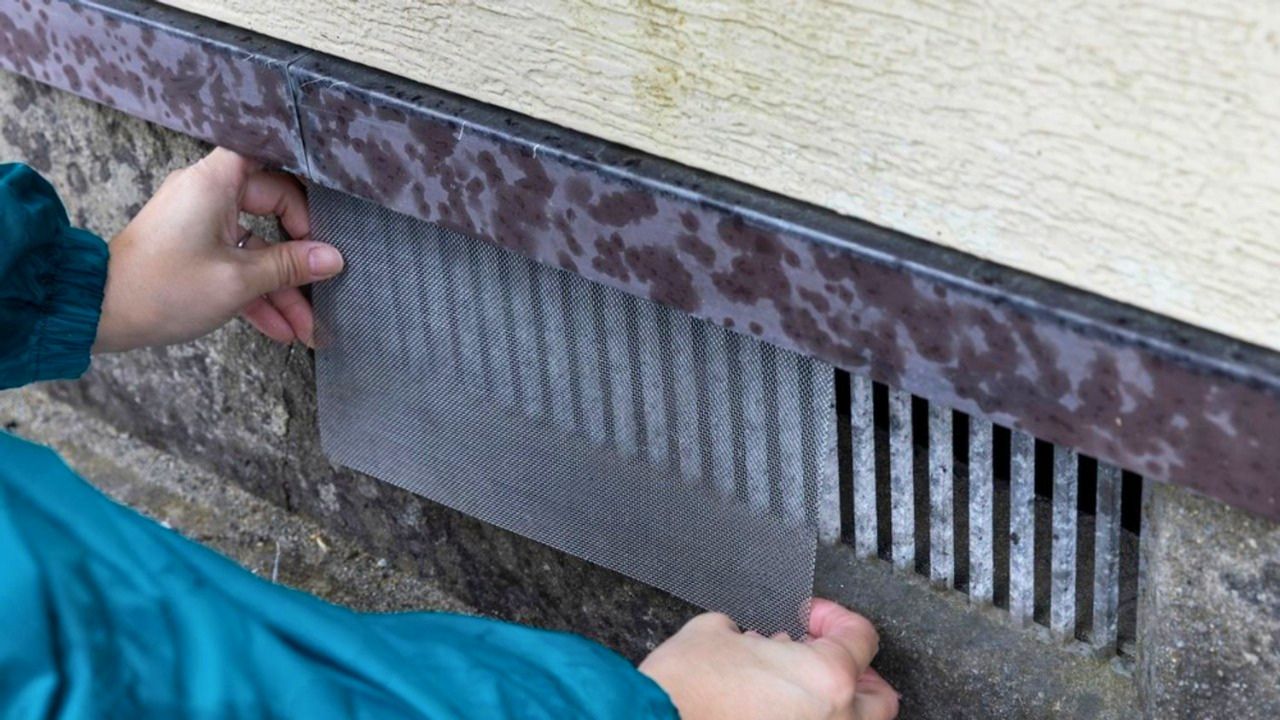
Those louvered gable vents look protected, but many are just thin slats with flimsy screen behind them. A squirrel can tear old screen and flex louvers until it pops through. Roof vents and ridge vents can also be pried open at the edges if the install is sloppy.
Add 1/2-inch hardware cloth from the inside when you can reach it, and fasten it to framing, not just the vent plastic. Keep attic ventilation working, don’t seal vents shut and create a moisture problem. If you need more airflow after adding screen, upgrade venting the right way instead of “opening it up” for critters.
5. Trim Branches Away From The Roof
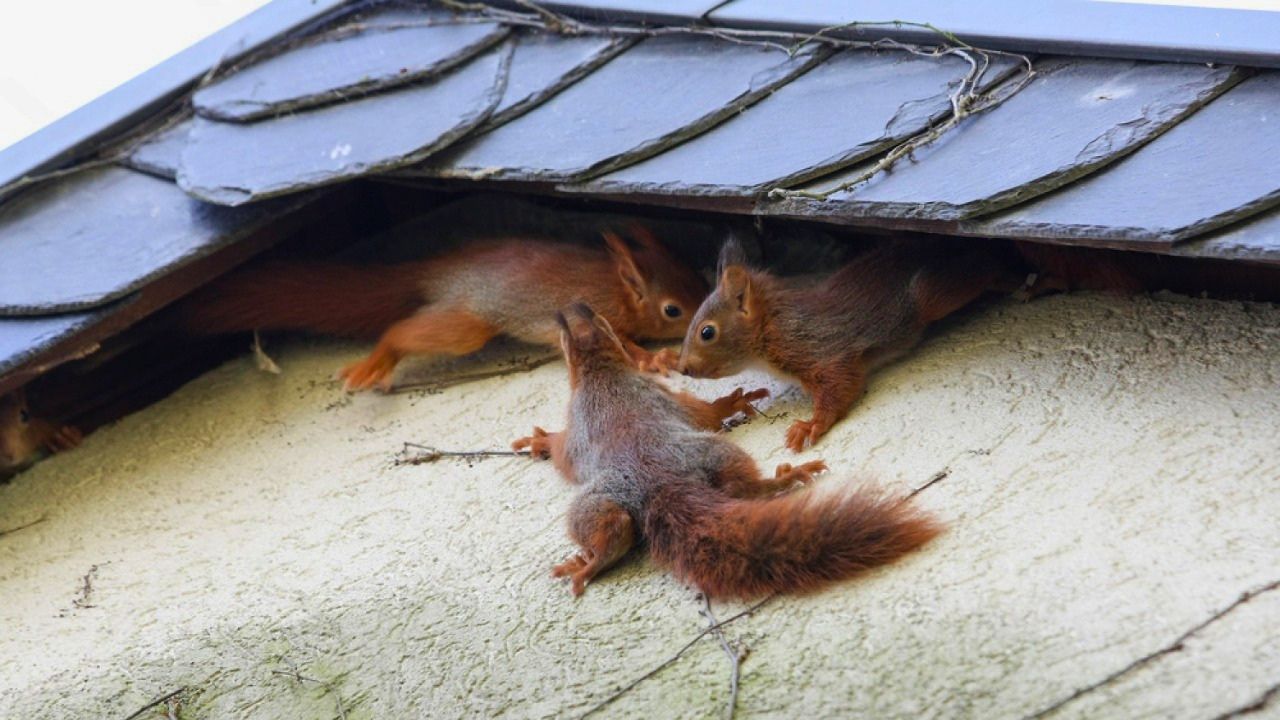
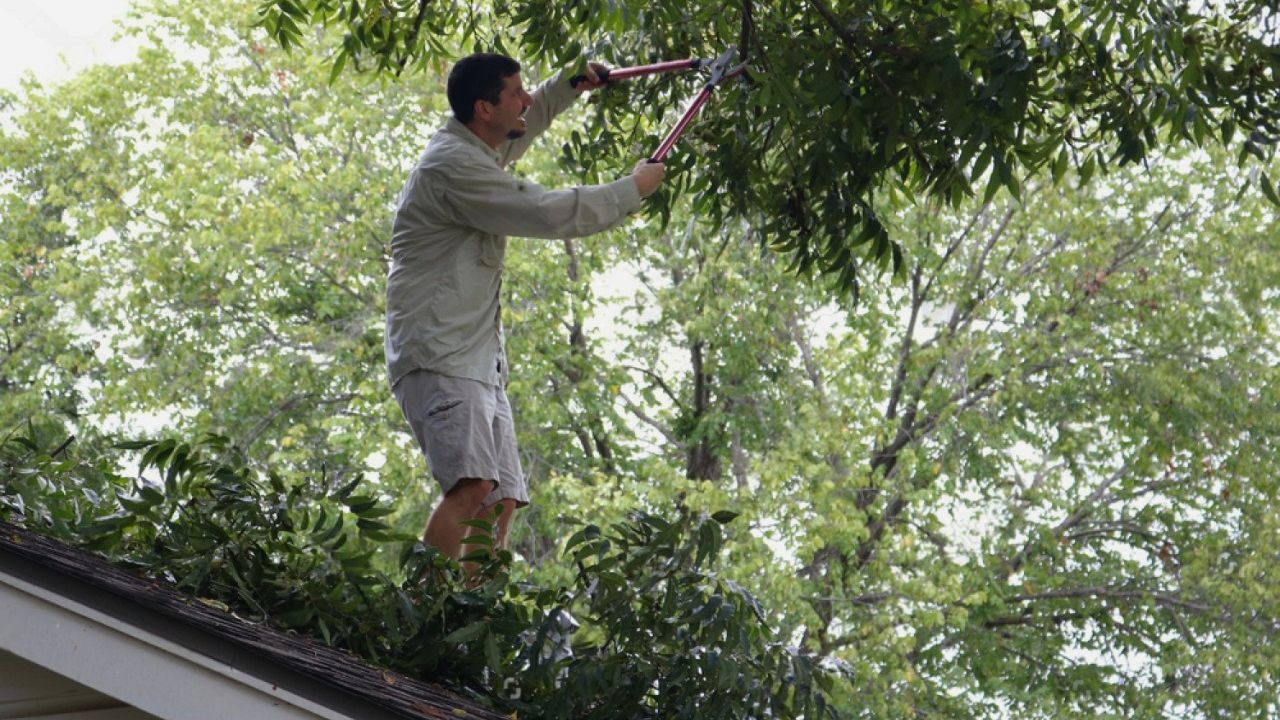
If a squirrel can jump from a branch to your shingles, it will. Overhanging limbs are basically a ladder, and they make every small gap at the eaves easier to find. This gets worse in late summer and fall when young squirrels are roaming and testing new nesting spots.
Cut branches back so they don’t touch or hover right over the roofline. Use proper pruning cuts so you don’t kill the tree, and call an arborist for anything near power lines or too big to handle safely. Trimming doesn’t “solve” an attic problem on its own, but it cuts down the traffic fast.
6. Stop Feeding Them Near The House
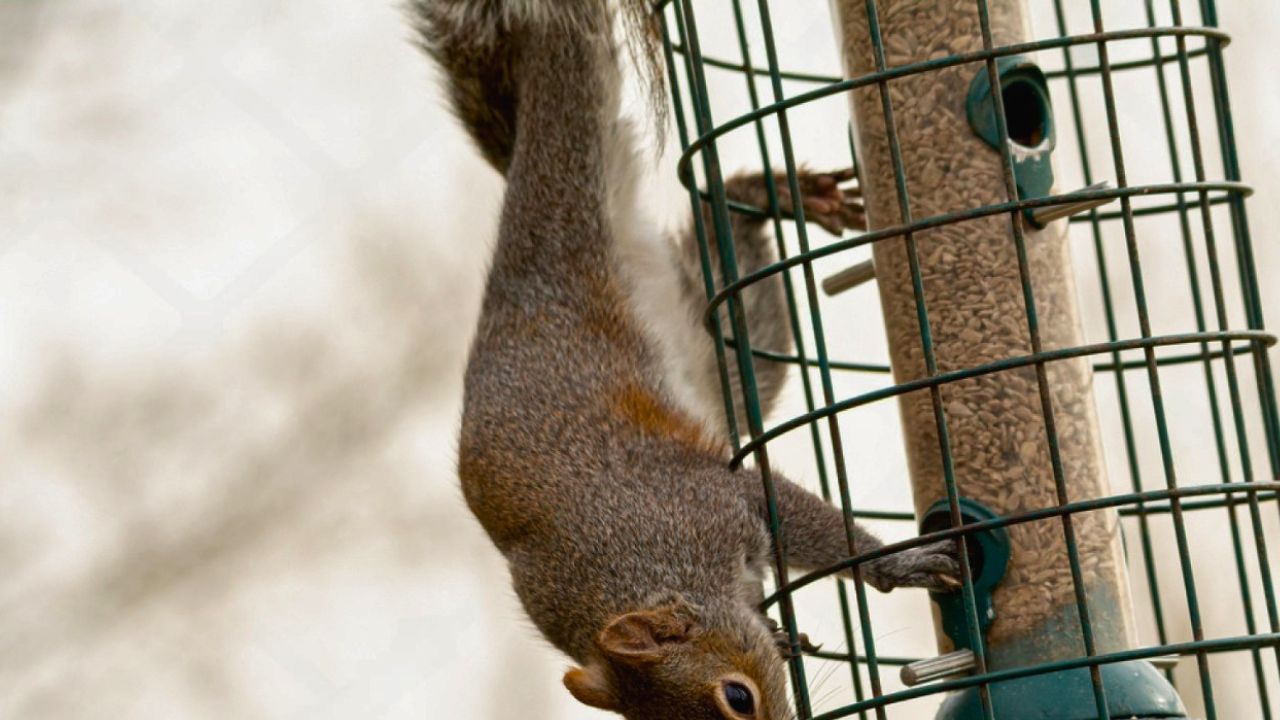
Bird feeders, corn piles, and “cute” peanut tosses train squirrels to hang around your siding all day. Once they’re on the porch roof and gutters daily, the attic becomes the next step. You can do perfect exclusion work and still have squirrels chewing at the edges because you’re running a snack bar.
Move feeders well away from the house or take them down for a few weeks while you seal up. Use baffles on poles if you keep feeding birds, and clean spilled seed off the ground. If you’ve got a compost area, keep lids tight and don’t toss whole corn cobs or bread where animals can drag it.
7. Ignore Ultrasonic And Smell Repellents
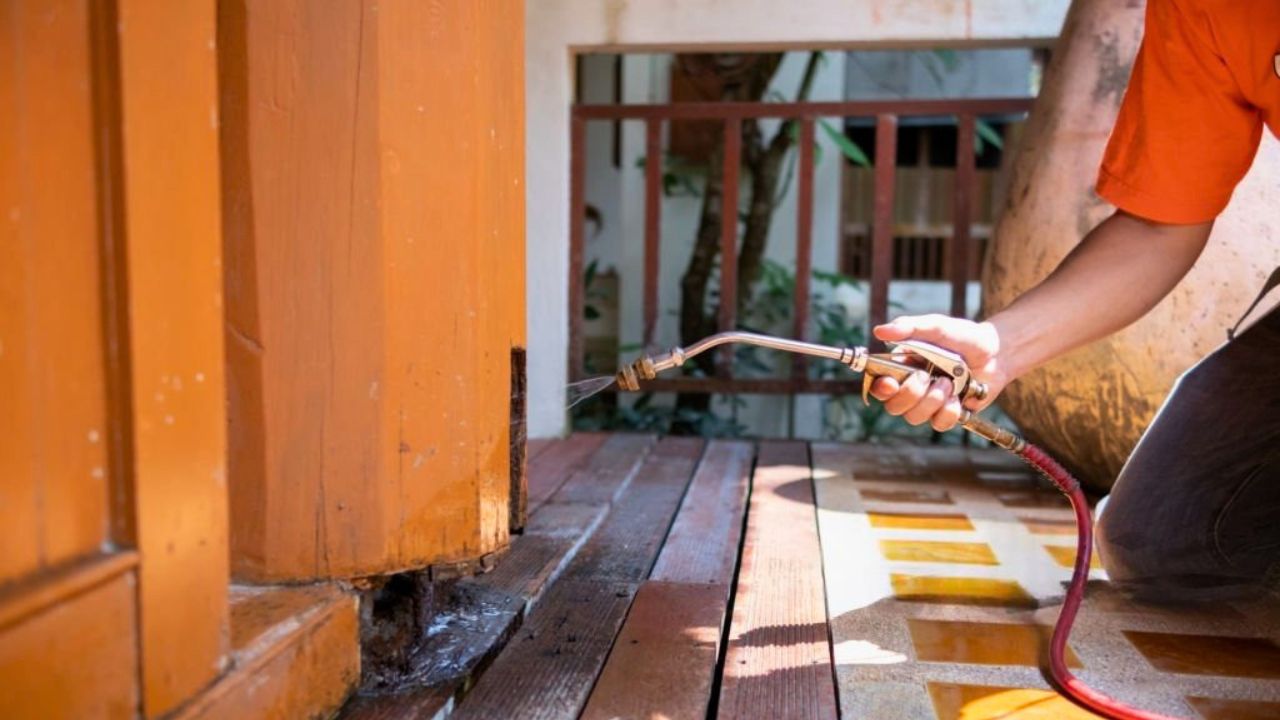
Ultrasonic plug-ins and strong-smell pouches sell hope, not results. In an attic, they get muffled by insulation and framing, and animals just shift a few feet away. You also end up living with the smell, which is its own kind of punishment.
There’s one exception that’s fine: a bright work light and a running radio can sometimes push a single squirrel to leave while an exclusion door is up. It’s not magic, and it won’t overcome a good nesting site, but it’s cheap and it doesn’t stop you from doing the real fix.
8. Seal Gaps Around Pipes And Wires
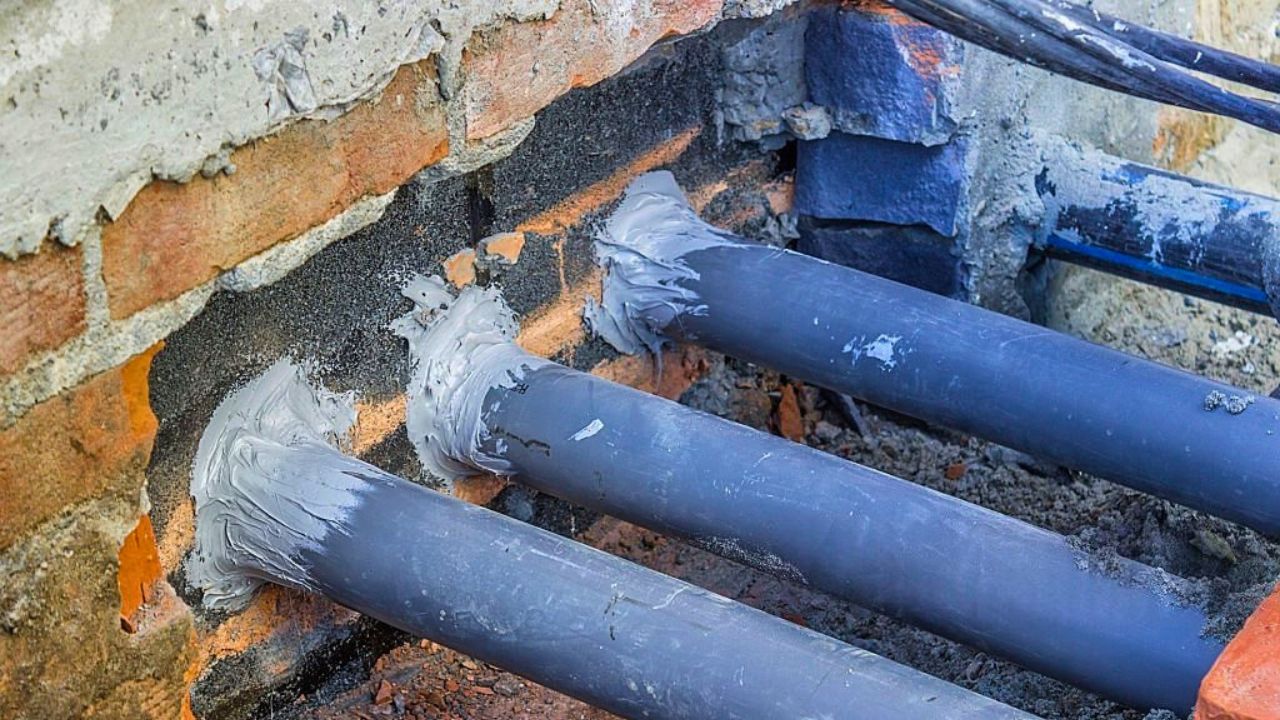
Squirrels don’t need a big opening if it’s in the right spot. Plumbing stacks, electrical service mast areas, and HVAC lines can leave weird gaps where different materials meet. You’ll see it where siding ends and flashing begins, or where a pipe boot has cracked.
Patch exterior penetrations with metal flashing and exterior-rated sealant, and replace torn rubber boots. Don’t mess with the power service entry yourself. If your fix involves the meter base, service drop, or panel, that’s a licensed electrician job and sometimes the utility has to be involved.
9. Inspect At Dusk, Not Just Noon
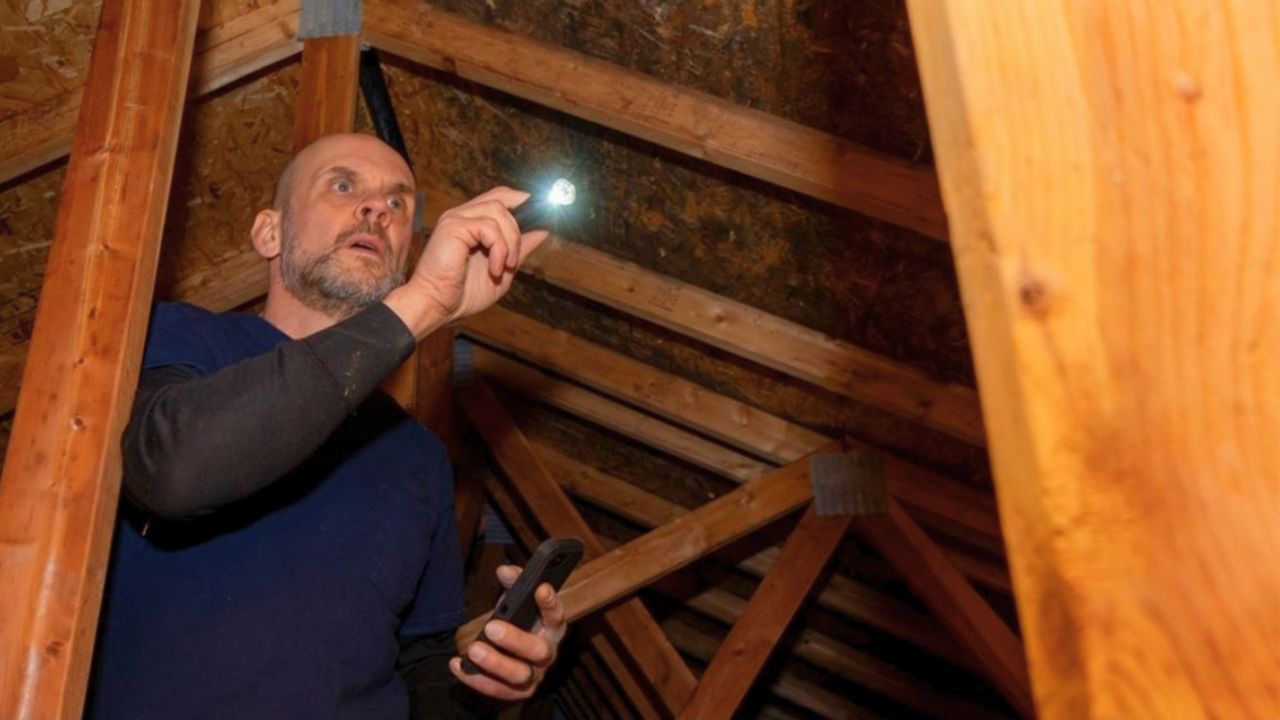
Midday inspections miss the show. At dusk and early morning, you can often watch the exact hole being used, and you’ll spot the travel routes along fascia and gutters. You’ll also hear the direction better when the house is quiet.
Stand back with binoculars and look for a quick head poke, then a full-body drop onto the roof. Mark the spot with painter’s tape or a note on your phone so you’re not guessing later. This saves you from sealing the wrong gap and leaving the real door open.
10. Clean Up And Re-Insulate After Exclusion

Once they’re gone, a lot of people stop. Then the attic keeps smelling like urine, and that odor draws other animals to investigate, plus it can seep into living spaces. Chewed insulation also stops doing its job, and you’ll feel it in winter heating bills.
Wear a respirator and gloves and bag the worst nesting material. If droppings are widespread or insulation is saturated, hire an insulation crew that does removal and air sealing, it’s miserable work and it goes faster with the right vacs. While it’s open, cap and protect any exposed wiring that got chewed, and bring in an electrician if you see copper or damaged junction boxes.
Once the entry points are closed with metal and the roofline is tight, squirrels usually move on to easier housing. Keep an eye on the same spots after the first big windstorm and after heavy snow, since those are the times flashing shifts and small gaps open back up.
Like Fix It Homestead’s content? Be sure to follow us.