What to Do When a Coyote Pack Is Working the Edge of Your Property at Night
Photo credit: FRAYN/Shutterstock.com
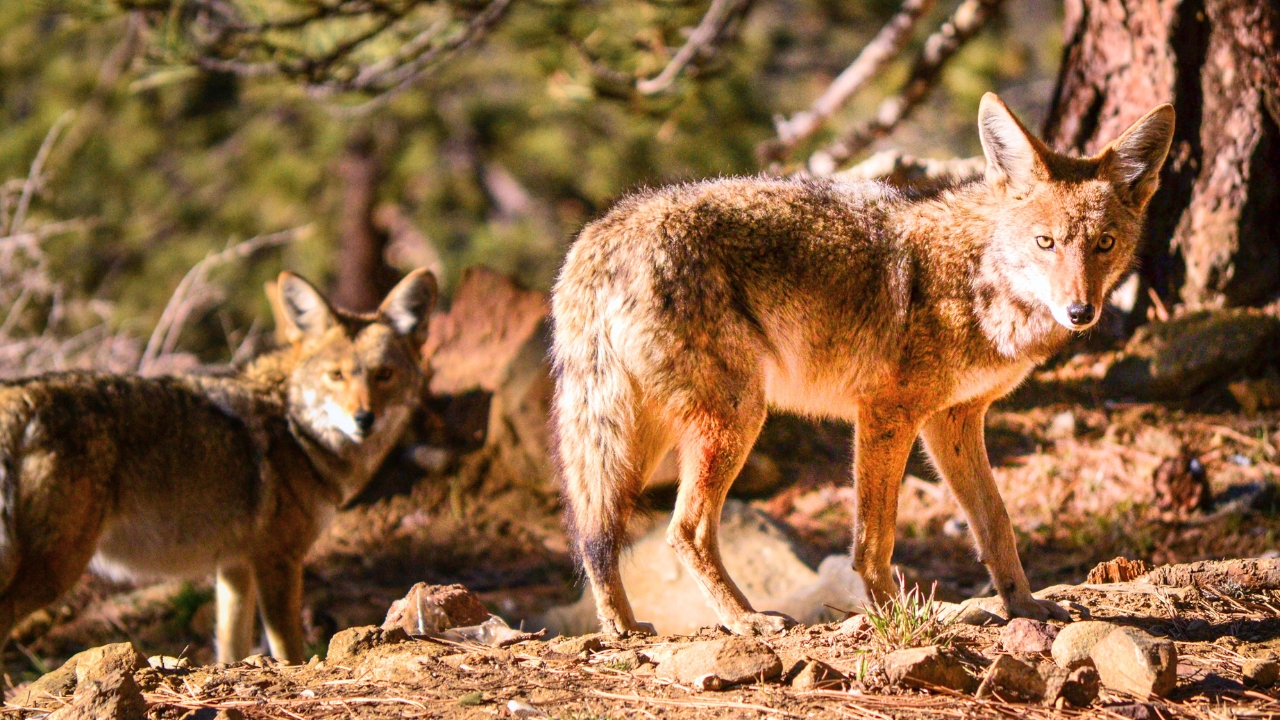
You hear the yips start up past midnight, then the frantic barking, then quiet. By morning, there’s a new trail line in the dew along your fence, and the barn cat won’t come out from under the porch. A pack cruising the edge of a property is usually testing for an easy meal, and the fastest fix is to make “easy” disappear.
1. Confirm The Travel Line First
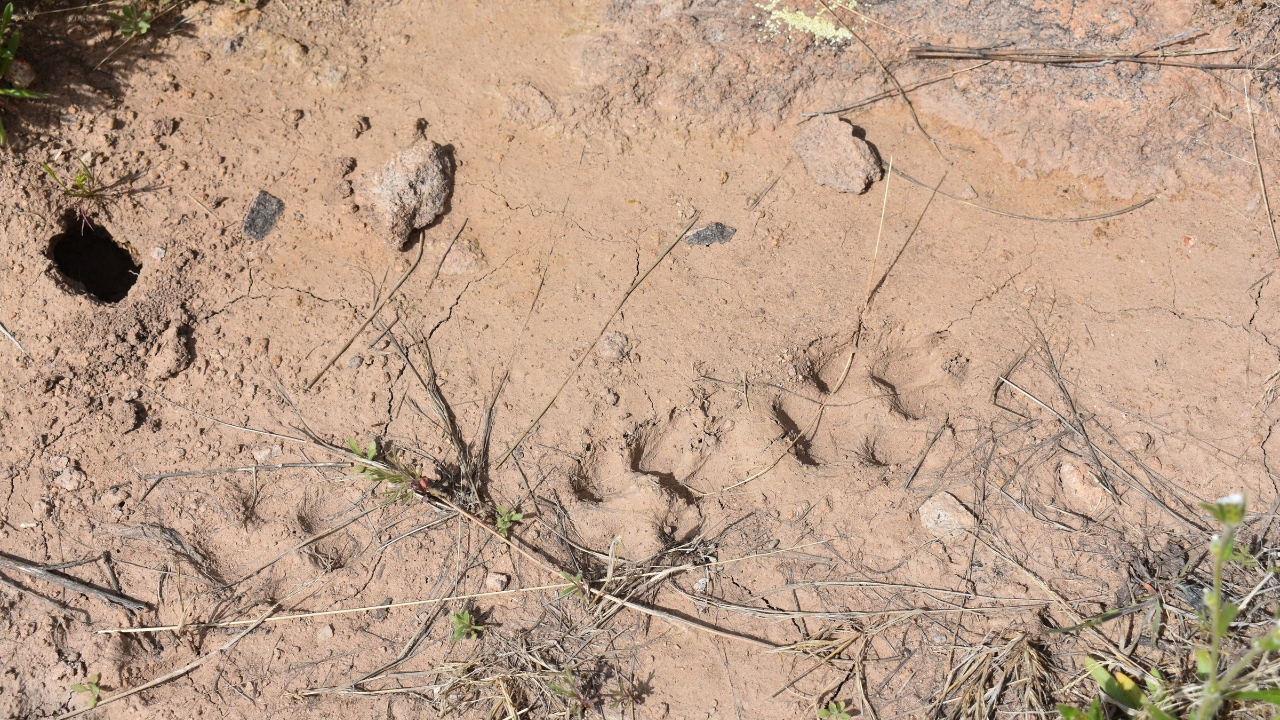
People jump straight to buying lights and traps without knowing where the animals are actually moving. Before you change anything, walk your boundary at first light for a few mornings and look for the worn path in grass, tracks in dust, scat with hair or berries, and spots where the fence is pushed down. You’re looking for two things, the entry points and the spot they feel hidden.
Use a phone flashlight at night from inside your yard and scan low for eye shine along that same line. If you’ve got trail cameras, point one down the fenceline, not at a bait pile. Once you know the corridor, every dollar you spend after that hits harder.
2. Stop Feeding Pets Outdoors At Dusk

A bowl on a porch is an invitation, even if the coyotes never touch it. It brings raccoons, skunks, and feral cats, and that whole mess smells like dinner from a long way off. Pick up dog food and water at sundown, and keep trash in a latched can instead of a loose lid.
If you feed barn cats, switch to daylight feeding and pull the leftovers. Better yet, feed inside a closed shed with a cat door cut low, where a bigger animal can’t fit. The point is to stop stocking the buffet line every night.
3. Fix The Fence Bottom, Not The Top
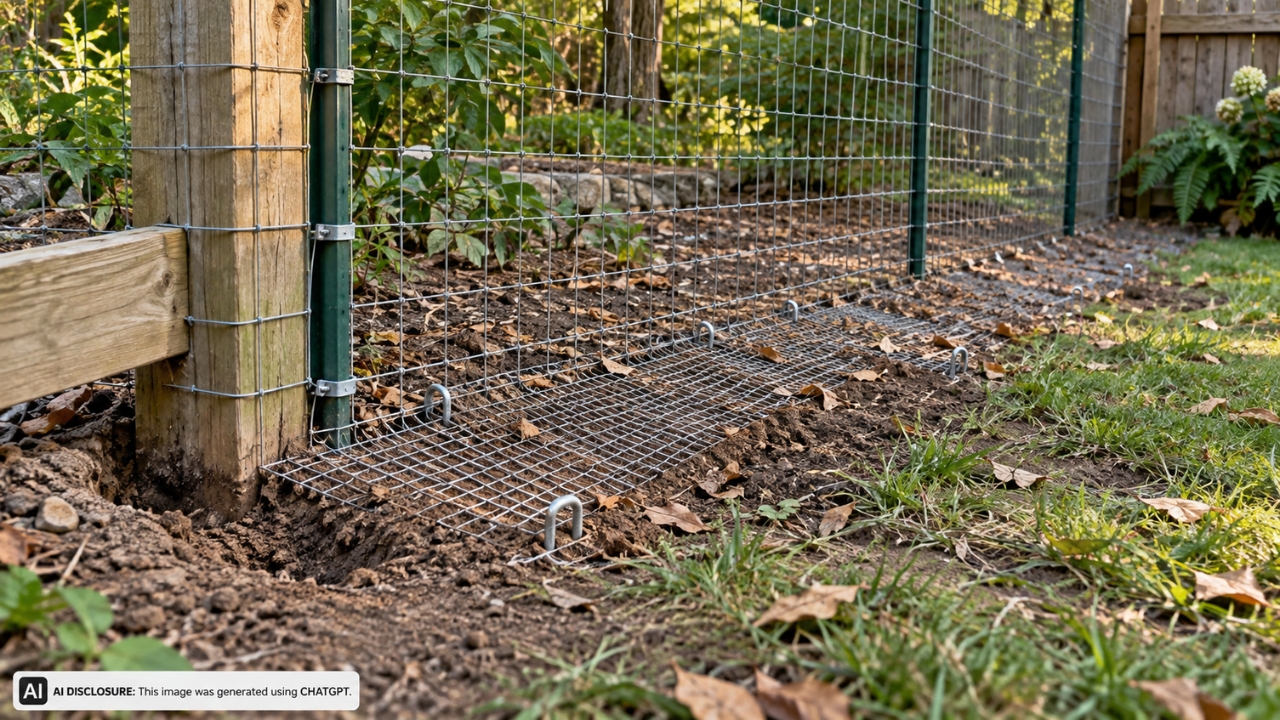
New fence height feels satisfying, but most nighttime slip-ins happen under, through, or at a corner. Walk the whole perimeter and stomp down the spots where the bottom floats, then stake it tight with heavy landscape staples or T-post clips depending on your fence type. If you’ve got woven wire, a tight bottom strand does more than another foot of height.
For chronic dig spots, lay a 2 to 3 foot “apron” of welded wire or hardware cloth flat on the ground on the outside of the fence, then pin it down and cover it with a thin layer of soil and leaves. It’s not pretty, but it beats re-digging the same holes every week. Call 811 before you drive posts or dig for new fence runs.
4. Put Your Coop On A Night Lock Routine

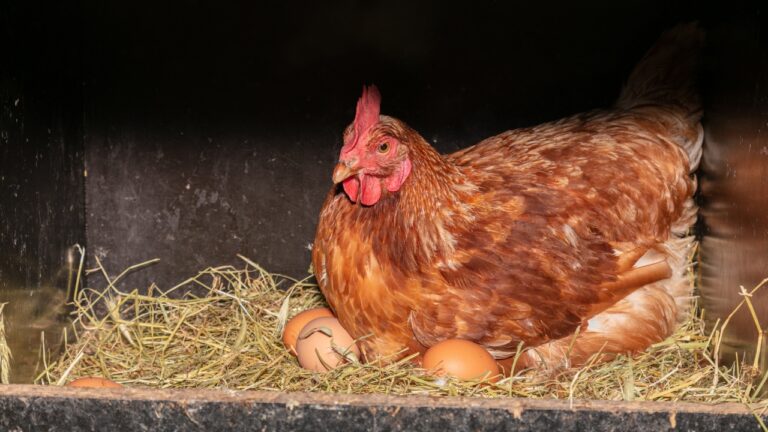
“They’ve never bothered the chickens before” is how a lot of people lose a flock in one bad night. If coyotes are running your edge, assume they’ll test doors, pop loose hasps, and work on weak corners once the weather turns nasty or food gets scarce. Upgrade any simple hook-and-eye latches to something that can’t be bumped open.
A basic slide bolt with a carabiner, or a two-step latch, makes a big difference. Close birds up before full dark, not after you hear noise. If you’ve got a run, check for gaps where the wire meets the ground and patch with welded wire, not chicken wire.
5. Move Attractants Away From The Fence
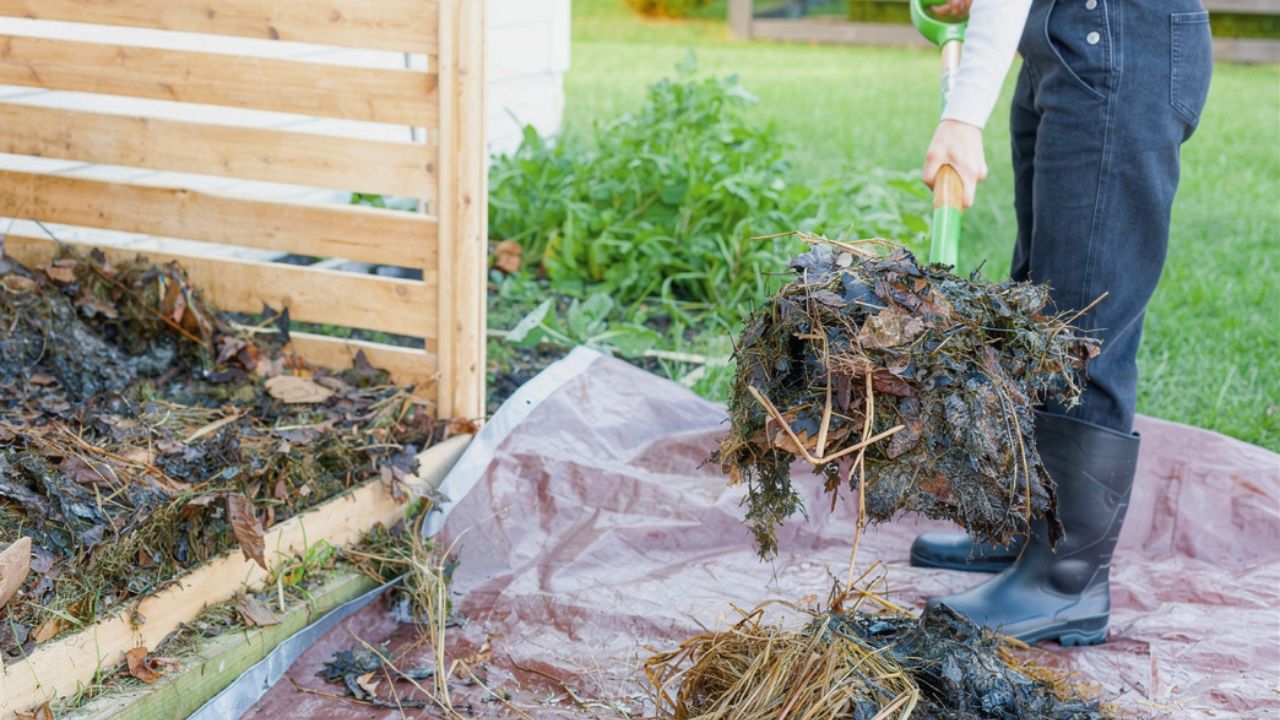
Compost piles, carcass pits, and even spilled grain under a feeder train a pack to cruise the same line on schedule. Dragging scraps just ten yards inward doesn’t fix it, it still pulls them onto your place. Put strong smells as far from the boundary as you can, and keep them contained.
For compost, cover fresh kitchen waste with dry leaves, wood chips, or finished compost so it doesn’t stink. For livestock feed, store it in metal cans with tight lids, and sweep up spills. If you’re dealing with a dead animal, follow your county rules for disposal, and do it fast.
6. Use Motion Lights Like A Tool
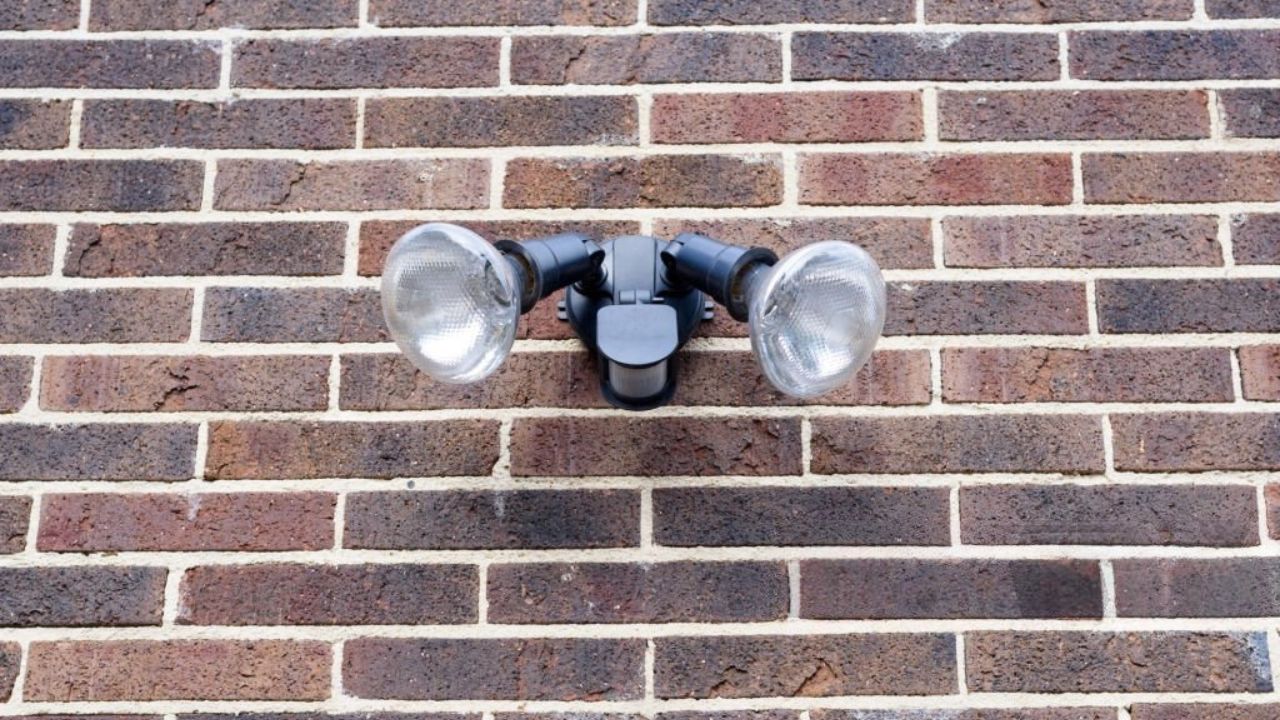
Some folks light up the whole yard every night and call it security. Coyotes get used to steady light, and you just bought yourself glare and a higher power bill. Motion lights work better because the change is what spooks them.
Mount lights to hit the travel corridor, aimed down so they don’t blind you and they don’t shine into a neighbor’s windows. Cheap motion LEDs are fine here as long as they’re weather-rated and the sensor actually faces the path. If you already have lights, adjust the sensitivity and the time-on so it’s a quick burst, not a ten minute porch spotlight.
7. Add A Simple Nighttime Noise Plan
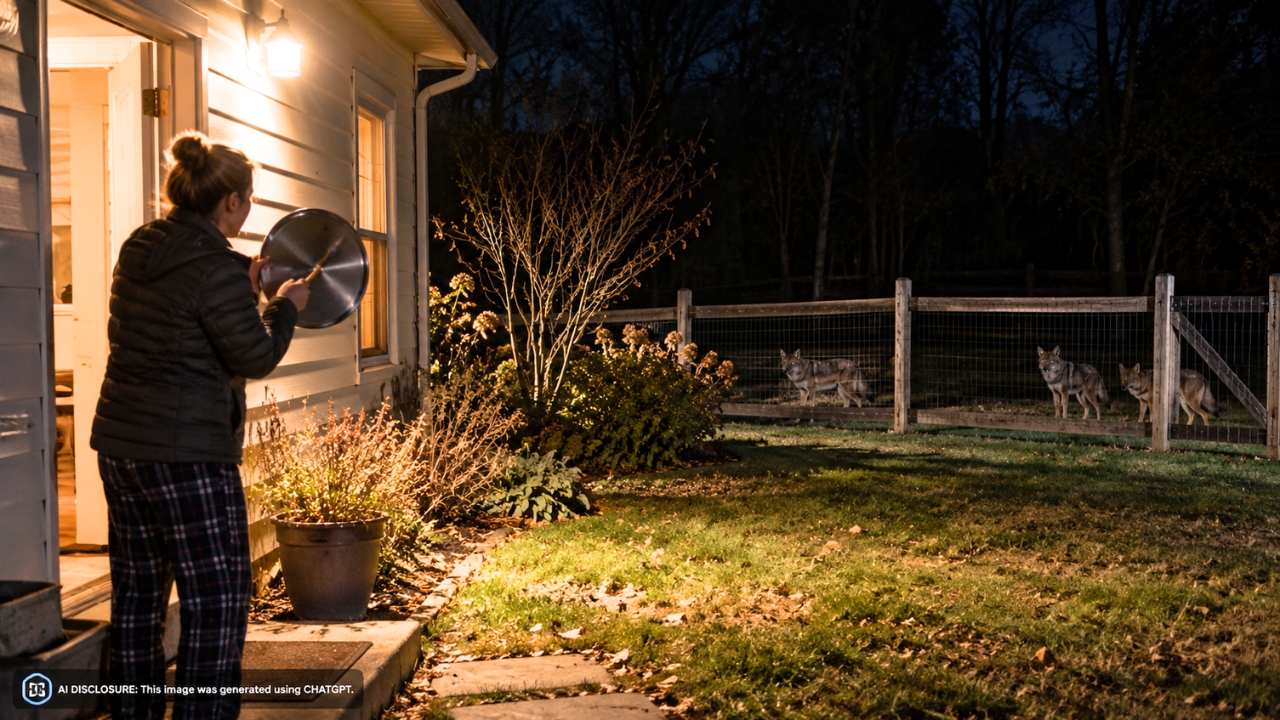
Silence is cover. A pack working the edge likes predictable, quiet yards where nobody steps out. When you hear them, flip on an outside light and make real human noise for a minute, clap, talk loud, bang a metal lid, then go back inside.
Don’t wander into brush in the dark looking for eyes. Stay near a door, keep kids and pets inside, and make the yard feel “occupied” without turning it into a midnight patrol. Consistency matters more than volume.
8. Tighten Up Where Water Collects
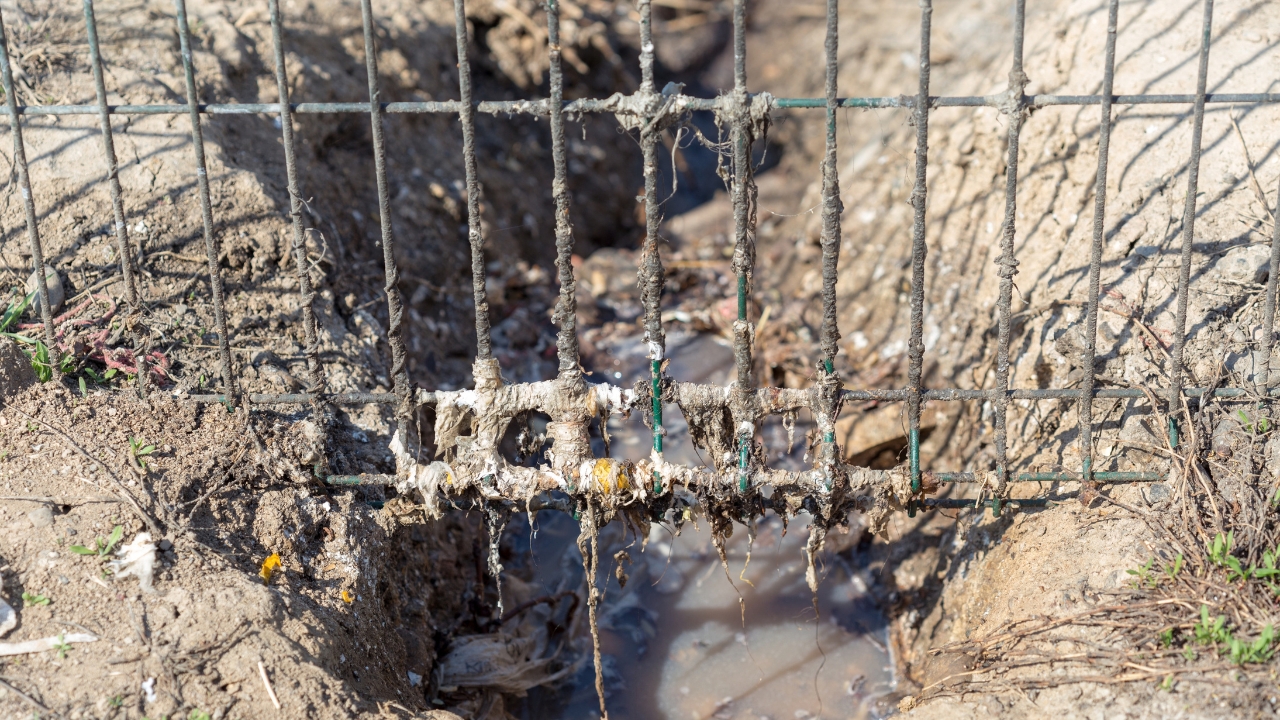
This one gets missed because it doesn’t sound like predator control. Coyotes, raccoons, and feral cats all use the same easy routes, and those routes often follow drainage swales, culverts, and low spots where the grass stays short. If your fenceline has a washout, you’ve basically built a tunnel entrance.
Fill and pack low spots, reset culvert covers, and keep tall weeds cut back along the boundary so there’s less hidden travel. If you need real grading or a new culvert, that’s when it’s worth hiring an operator with a skid steer or mini excavator. One afternoon of machine work can stop years of “why do they always come through here.”
9. Protect Small Pets With Hard Barriers

Letting a small dog out for a last call at 10 p.m. is where trouble happens, fast. A pack that’s already cruising nearby doesn’t need much time. If you’ve got small pets, switch to leashed potty trips after dark, even if it’s annoying.
For outdoor time, build a roofed kennel run with welded wire, not just chain-link sides. Overhead cover matters because some predators climb, and because panic jumping hurts dogs. If you rent or can’t build, a long line and a bright light are the cheap option that actually works.
10. Don’t Count On Scent Repellents Alone

Granules and sprays sell hope. In real weather, a hard rain or heavy dew knocks most of them down, and you’re back to square one. If you use scent products, treat them like a short-term helper while you fix the real openings.
There is an exception. If the pack is just passing through and you have no livestock, a rotating mix of light, noise, and temporary scent along a single corner can be enough to push them to a different line. But if they’re showing up night after night, skip the aisle of magic powders and spend that money on wire, latches, and a camera.
11. Call Local Wildlife Control For Repeat Losses

If you’re losing birds or small stock, or the pack is acting bold, circling buildings, showing up before dark, it’s time to bring in the people who do this for real. Your county wildlife office, animal control, or a licensed nuisance wildlife operator can tell you what’s legal where you live. Rules vary a lot by state and even by township.
A pro can also spot the weak point you’ve walked past ten times, like a low corner, a sagging gate, or a feed spill trail. Paying for one visit can cost less than replacing livestock, repairing a torn-up run, and sleeping with one ear open for a month.
Once the easy food and easy access are gone, most packs slide their route back to the woods or the next neglected fence line. Keep your fixes boring and consistent for a couple weeks, especially during late winter and spring when they’re hungriest and most active at night.
Like Fix It Homestead’s content? Be sure to follow us.