10 Chainsaw Habits That Lead to an Expensive Repair
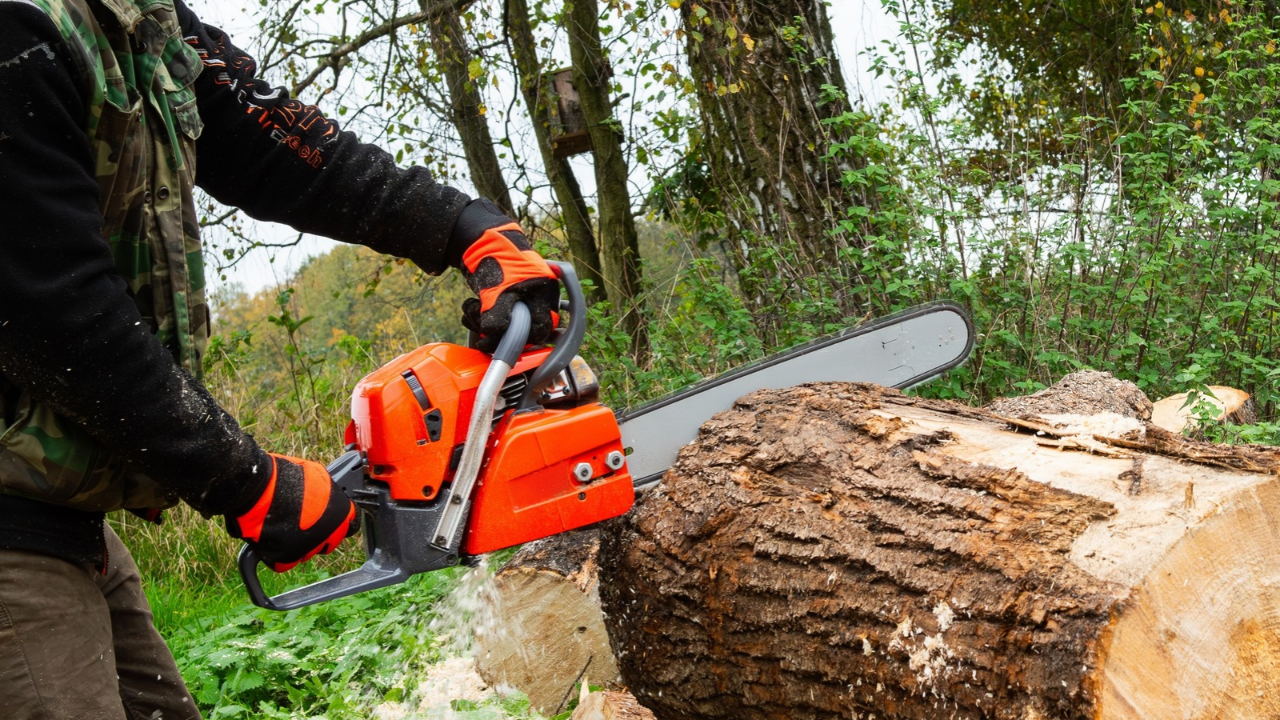
Photo credit: Petr Bonek/Shutterstock.com
A chainsaw will put up with a lot, right up until it won’t. Most big repair bills start with small, repeat habits that wear out the bar, chain, clutch, and top end a little at a time. Fix the habits, and you’ll buy fewer parts and spend less time fighting a saw that won’t cut straight.
1. Running Old Gas And Old Mix
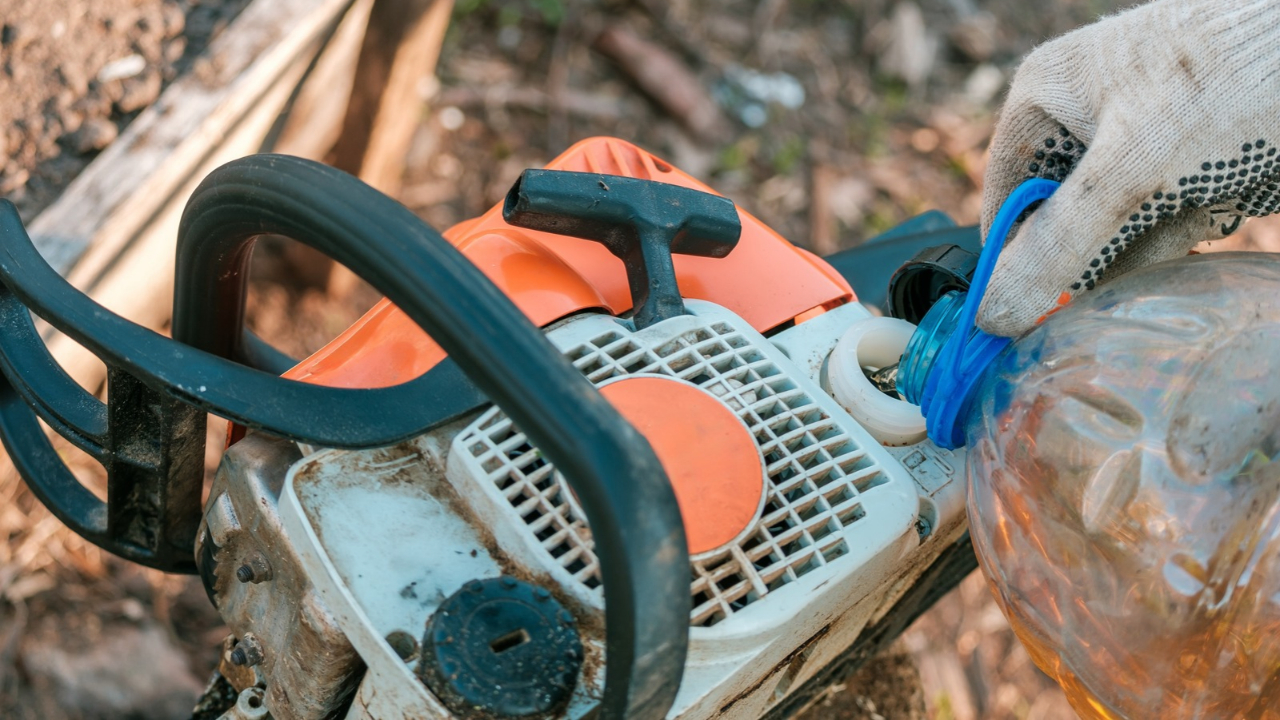
Nothing clogs a saw faster than stale fuel, especially ethanol blend that’s been sitting through a hot summer. The saw starts acting “finicky,” then it won’t idle, then it only runs on choke, and soon you’re looking at a carb clean or replacement.
Mix only what you’ll burn in a month or so, and use a sealed can. If the saw will sit, drain the tank and run it dry, or use a fuel that stores better. The cheap habit is dumping leftover mix into the mower, but don’t do that either if it’s questionable. Bad fuel fouls everything it touches.
2. Cutting With A Dull Chain
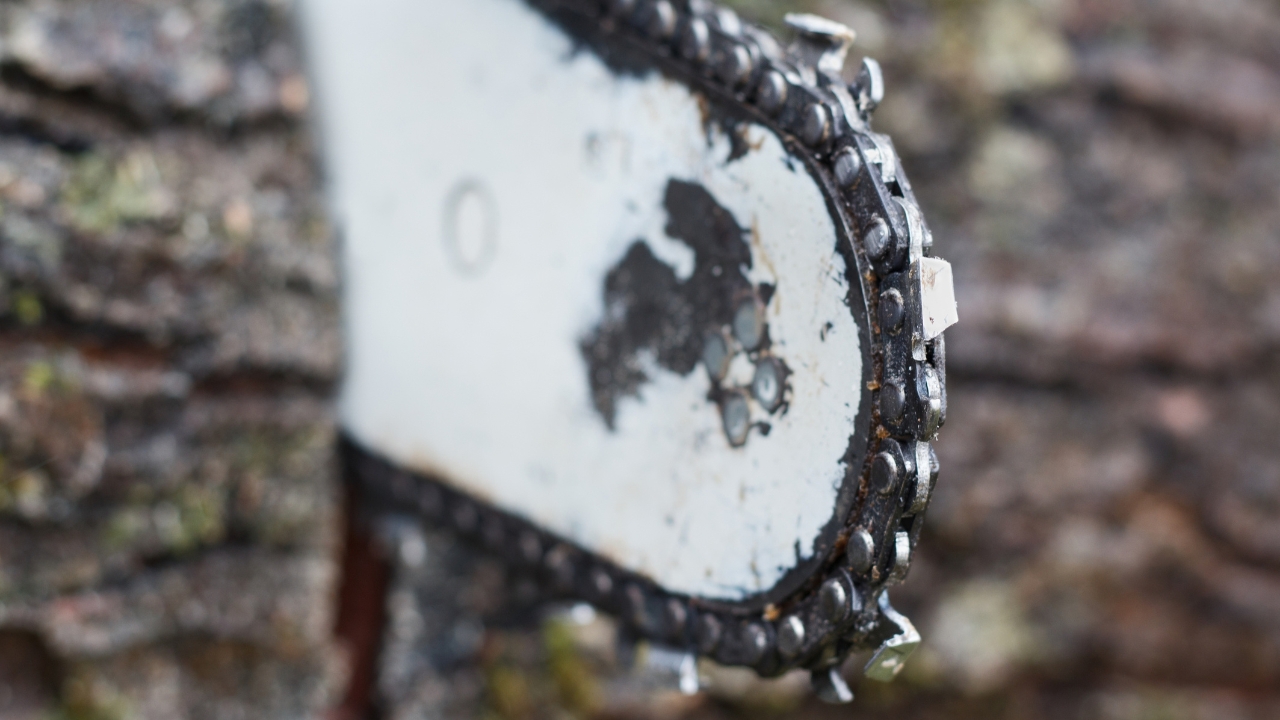
A dull chain turns cutting into pushing. You lean on the saw, it makes dust instead of chips, and the engine runs hot because you’re holding it wide open for way too long. That extra heat and load can cook the clutch, wear the sprocket, and beat up crank bearings over time.
Touch up the cutters before you start, or at least when you have to press to make progress. Keep a file guide in the tool box and learn the feel of a sharp chain. If you hit dirt or rock, stop and sharpen right then. “Finish the cut” is how you finish a chain.
3. Ignoring Chain Tension As It Warms
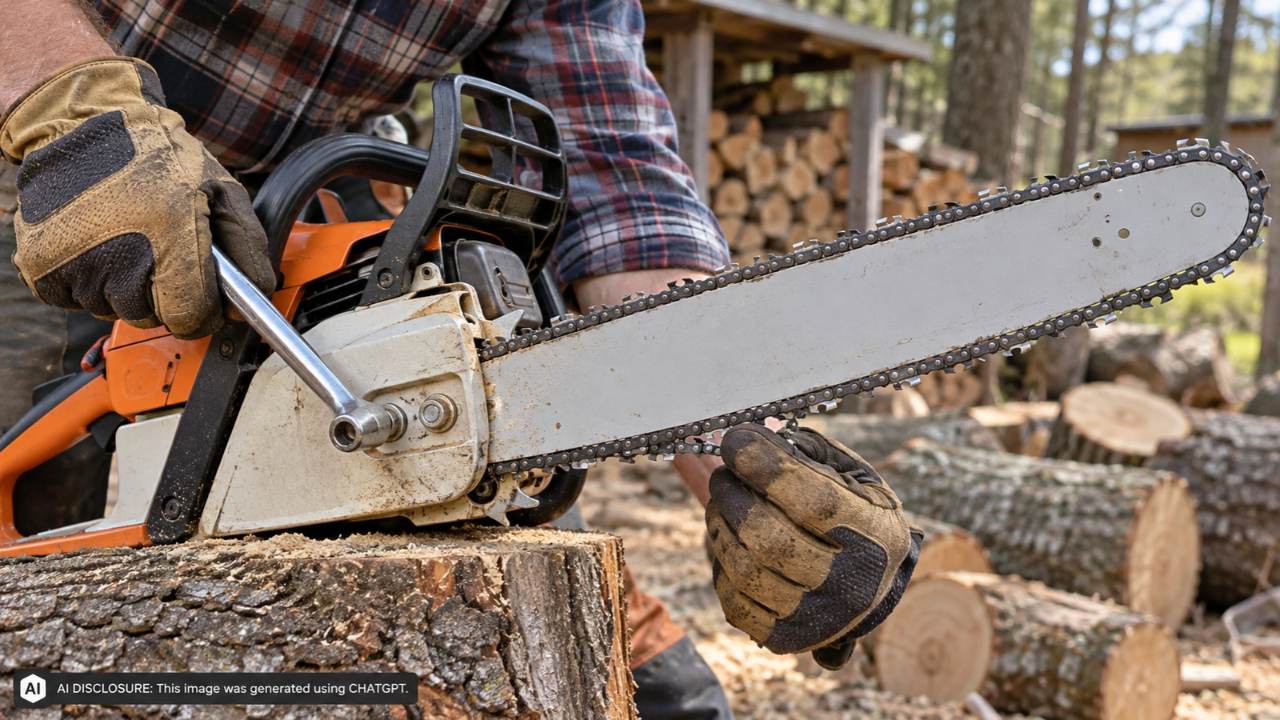
Chains stretch as they heat up, especially a new one. Run it loose and it slaps the bar, chews the rails, and can derail at the worst moment. Run it too tight and you’ll cook the bar nose and burn up the sprocket.
Set tension so the chain snaps back into the bar groove when you pull it down slightly, and recheck after the first few cuts. Make sure you’re adjusting with the bar nose lifted, then tighten the bar nuts. If your saw has a side cover adjuster, keep the cover clean so the adjuster doesn’t strip.
4. Forgetting To Feed Bar And Chain Oil
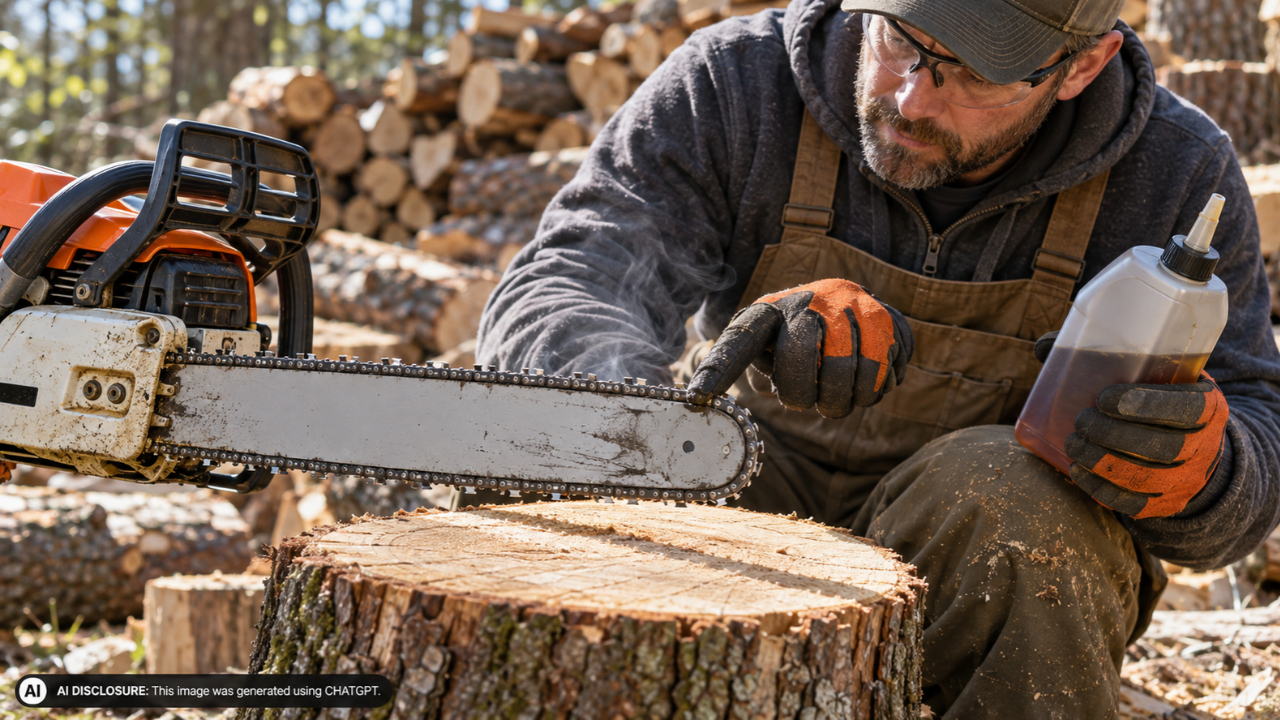
When the oiler runs dry, you’ll smell it first. Hot metal, then a little smoke at the bar, and the chain starts going blue. By then, the bar rails are already taking damage, and a bar and chain set costs a lot more than a bottle of oil.
Make it a rule that every time you fill gas, you fill bar oil. Check that the oiler is actually working by pointing the bar tip near a clean stump and blipping the throttle, you should see a faint line of oil. If not, clean the oil holes in the bar and the saw’s outlet, and clear packed chips from the side cover.
5. Letting Dirt Touch The Chain
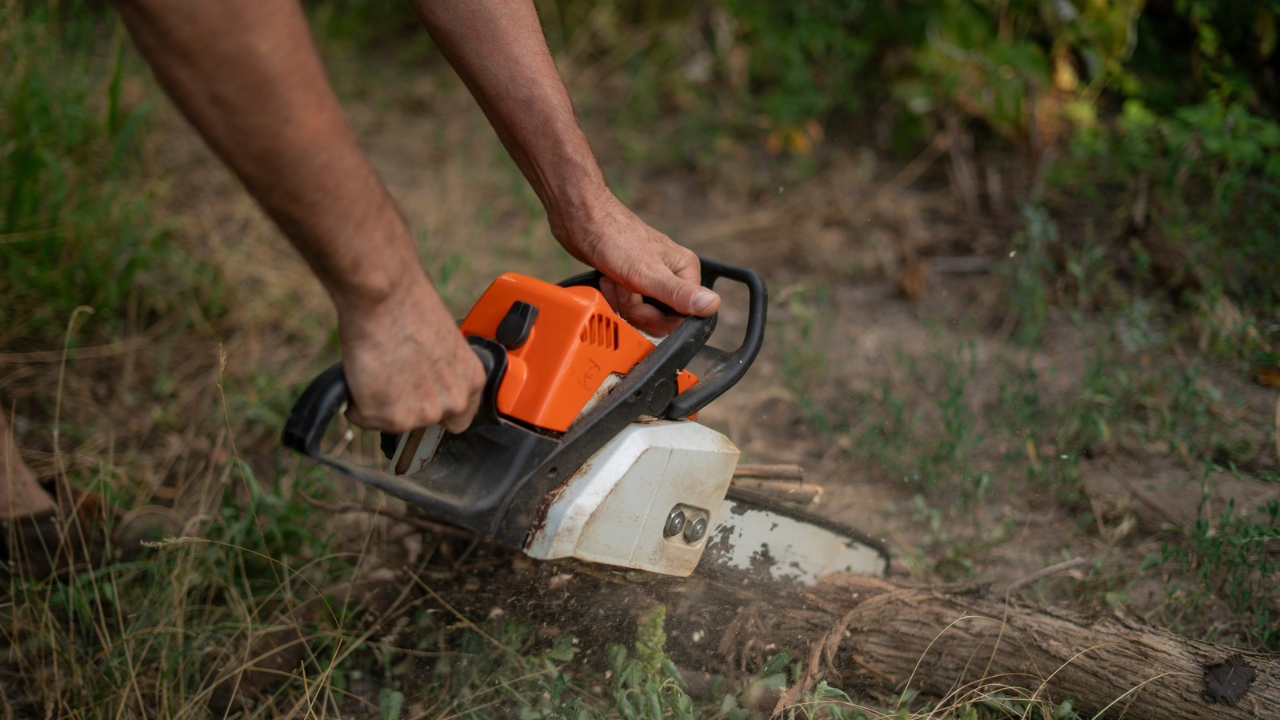
This happens when you buck logs on the ground, cut roots, or “just skim” a stump. Dirt dulls a chain in seconds, and a dull chain drags you right back into overheating and overloading problems. It also wears the bar groove fast because grit turns into grinding paste.
Get the wood off the ground with a couple sacrificial poles, a log stand, or even a few chunks of firewood. When you’re limbing, watch the tip and don’t bury it in the duff. If you have to cut dirty wood, plan on sharpening more and consider keeping a “beater” chain just for that job.
6. Filing Cutters But Skipping Depth Gauges
You keep sharpening and the saw still won’t pull itself through the cut. The cutters look shiny and sharp, but you’re making dust and spending all day bucking a single pile. That’s often rakers that are too tall.
Use a depth gauge tool and a flat file every few sharpenings, especially after you’ve taken a lot off the cutters. Too high and the chain won’t bite. Too low and it gets grabby and chatters, which is hard on you and hard on the saw. This is one of those “small” details that saves a season of frustration.
7. Forcing Long WOT Runs On A Small Saw
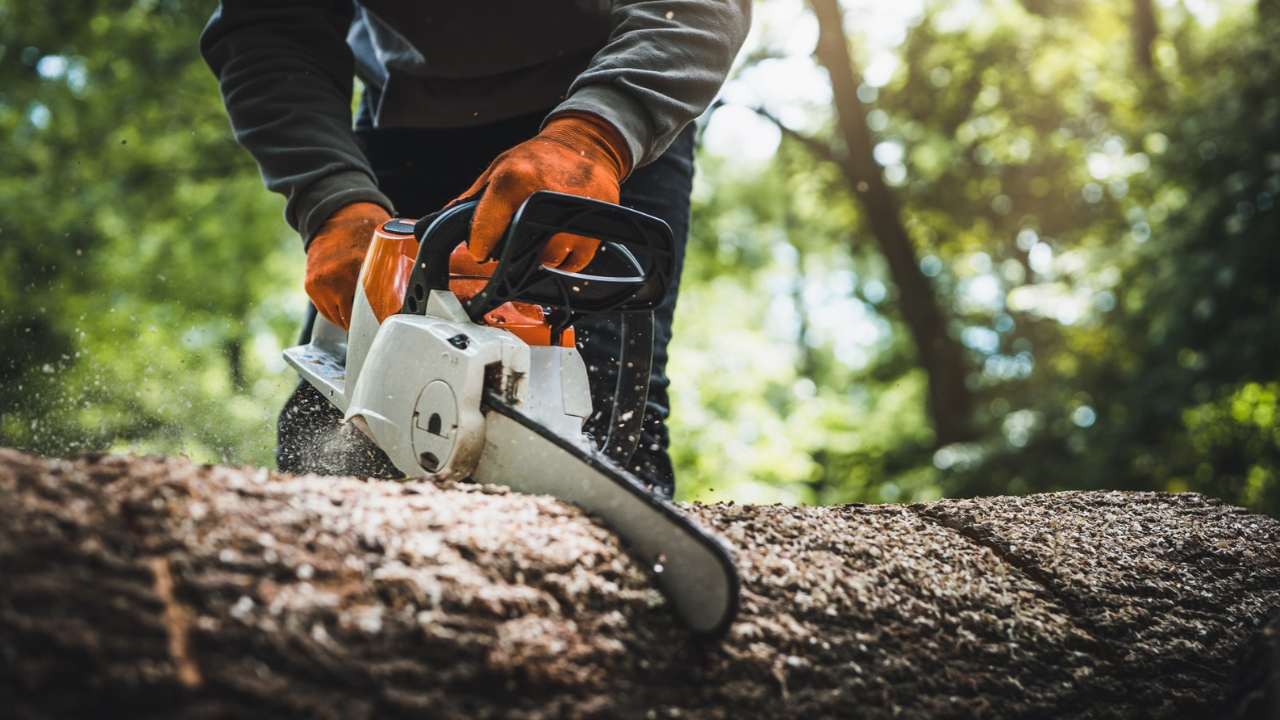
A little homeowner saw will cut plenty of wood, but it can’t pretend it’s a pro felling rig all afternoon. Burying a short bar in hardwood with a dull chain and holding it pinned for minutes at a time is how you glaze the cylinder and toast the clutch.
Match the saw to the job. If you’re routinely cutting big oak rounds or storm cleanup, renting a larger saw for a weekend can be cheaper than rebuilding your own. The honest exception is softwood limbing and brushy cleanup, a smaller saw is perfect there and often lasts longer because it isn’t being lugged down.
8. Using The Choke Like A Throttle
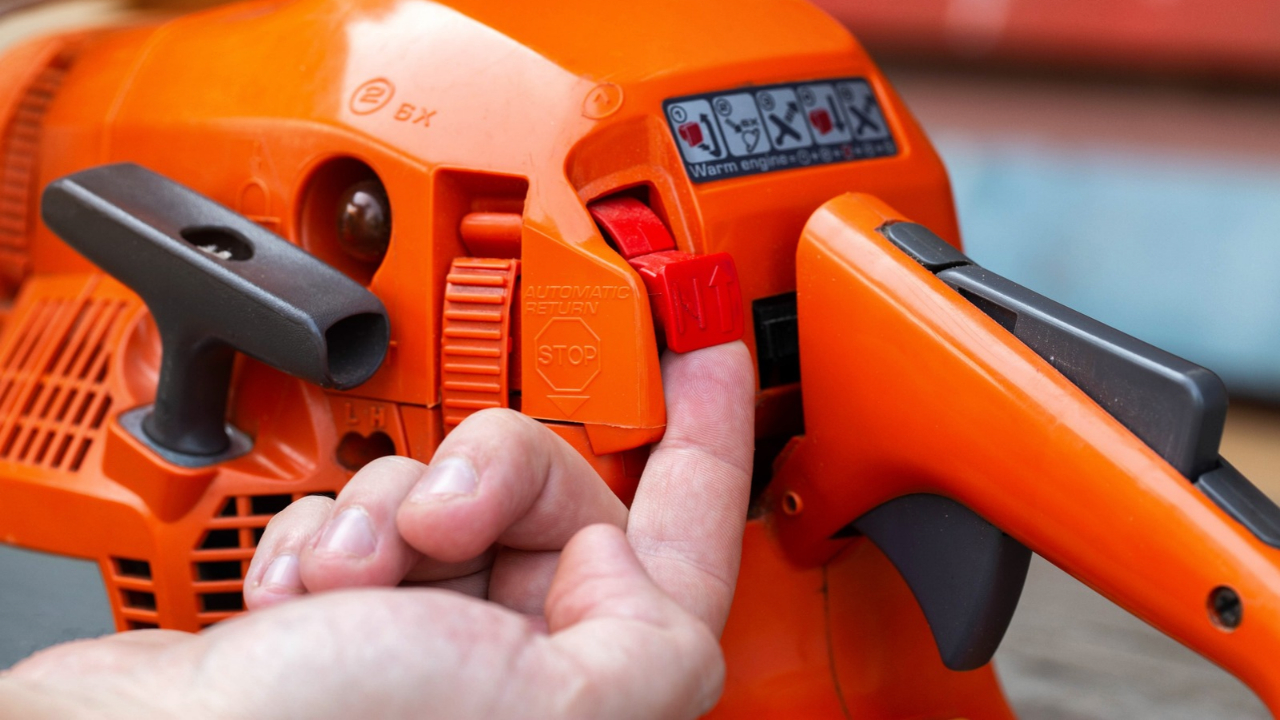
If it doesn’t want to start, it’s tempting to keep yanking with the choke on. Flood it once or twice and you’ll be drying plugs, pulling the filter, and wasting half an hour. Do it often enough and you’ll foul plugs and wash oil off the cylinder walls.
Learn your saw’s start sequence and stick to it. If you smell fuel or it pops once and dies, move to half choke or run, depending on the model. If you do flood it, give it time to clear and follow the manual’s flooded-start steps instead of just yanking harder until your shoulder hurts.
9. Never Cleaning The Air Filter And Fins
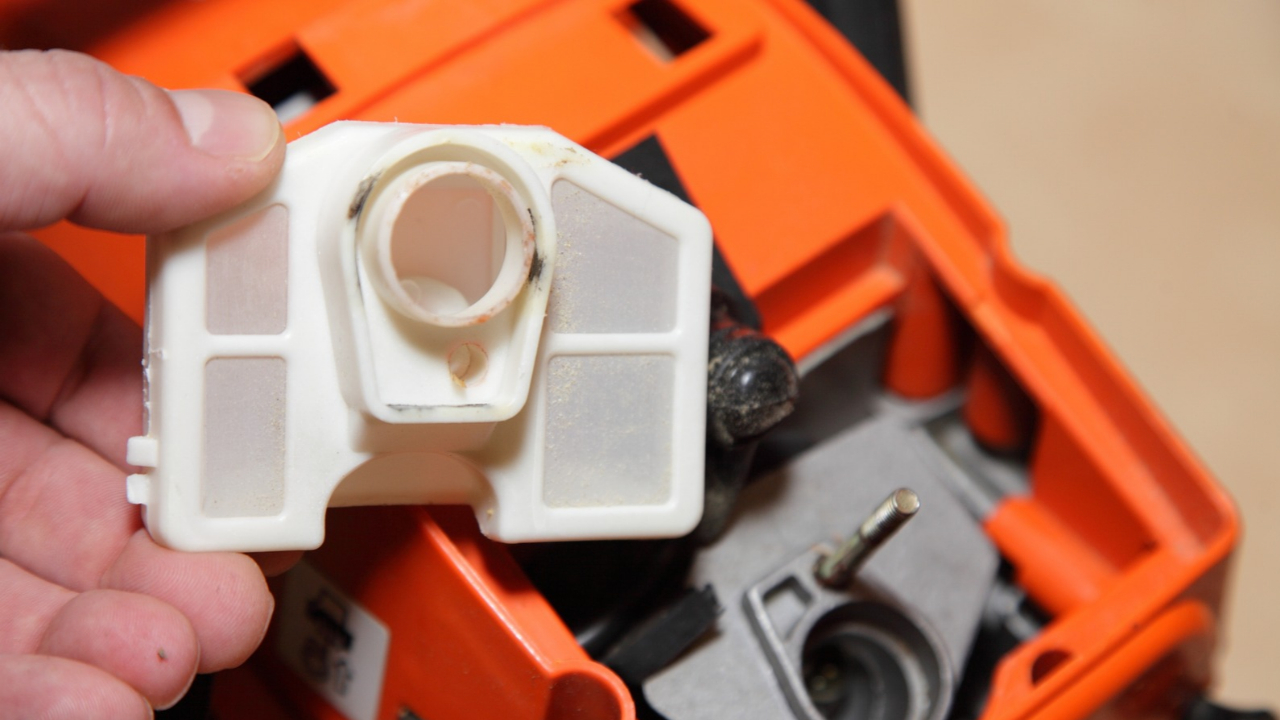
A packed air filter makes the saw run rich and lazy. You’ll notice more smoke, less power, and a chain that loads up with oily crud. Over time, that dirty intake shortens engine life and turns the muffler and spark arrestor into a plugged mess.
Tap and brush the filter often, and clean it the way the manufacturer allows. Some filters can be washed, some shouldn’t. While you’re there, scrape chips off the cylinder cooling fins and out from under the starter cover so air can actually move. A hot-running saw is a saw headed for an expensive day.
10. Storing It Wet, Dirty, And Tight
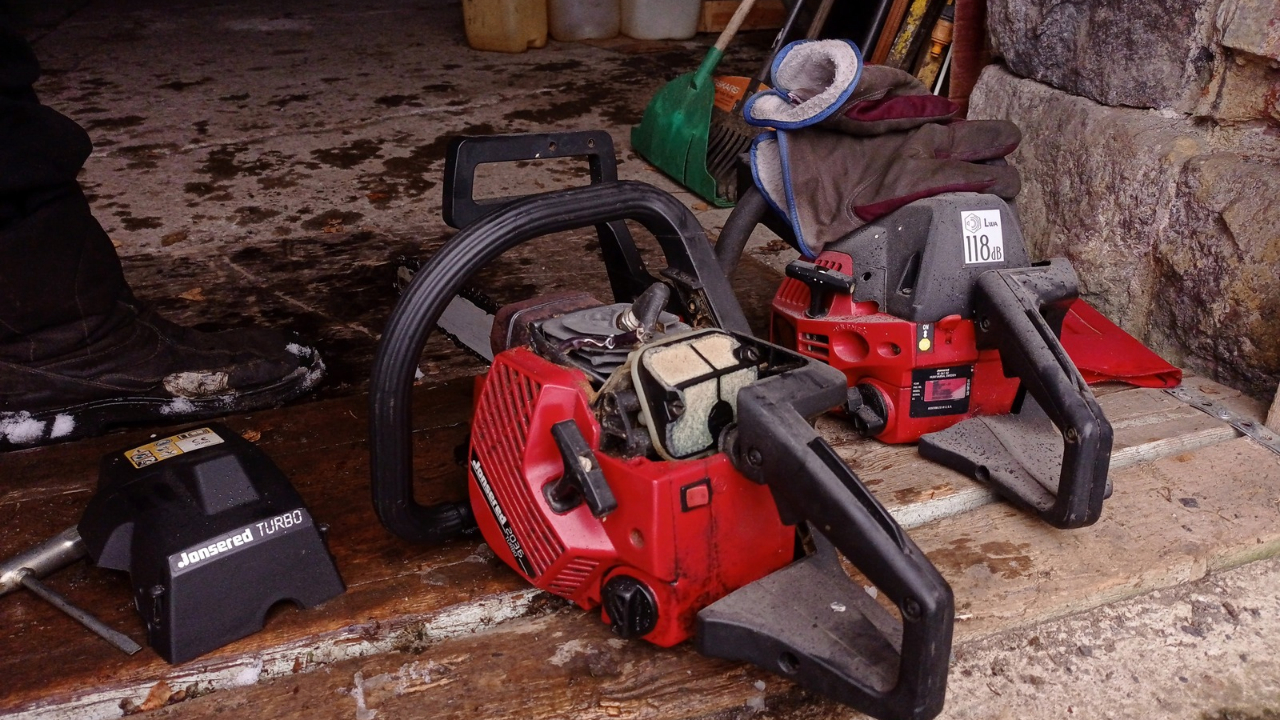
End of fall is when a lot of saws get “put away” with chips packed everywhere and fuel left in the tank. Come spring, you’ve got gummy fuel, a rusty chain, and a bar that looks like it lived in a salt marsh. That storage neglect turns into replacement parts you didn’t plan on buying.
Before storage, clean the clutch cover area, wipe down the bar, and loosen chain tension so it’s not pulling on the crank and bar studs for months. Top off bar oil so the pump and lines don’t dry out, and store the saw in a dry spot where it won’t get fertilizer dust or feed chaff packed into it. If you loan it out, send it with a sharp chain and ask for it back that way.
If the saw has started acting “off” and you can’t pin down why, stop burning time and fuel. A new chain, clean filters, fresh fuel, and a close look at the bar and sprocket fixes a lot before it turns into a shop ticket. When something inside the engine sounds like rattling, squealing, or grinding, that’s when paying a good small engine shop makes sense.
Like Fix It Homestead’s content? Be sure to follow us.