10 Ways People Stay Warm When the Heat Goes Out
Photo credit: Dasha Petrenko/Shutterstock.com
Power and heat fail at the worst times, the windy night when the house is already losing ground. Your goal is to trap heat where you live, add safe heat where you can, and stop wasting what little warmth you’ve got. The smartest moves look boring, but they keep pipes from freezing and people from making panicked mistakes.
1. Closing Off Rooms You Do Not Need

You don’t heat a whole house when the furnace is down. You pick a “warm zone,” shut doors, and hang a blanket over any doorway that won’t close tight. It feels cramped, but it works fast because you’re shrinking the amount of air you’re trying to keep warm.
Start with the leakiest spaces, unused bedrooms, basements with drafty rim joists, mudrooms, and big open stairwells. Roll towels and stuff them at the bottom of doors, and close blinds on the cold side of the house. If you have a one-room space heater later, you’ll get far more out of it in a smaller area.
2. Wearing Layers That Actually Trap Air
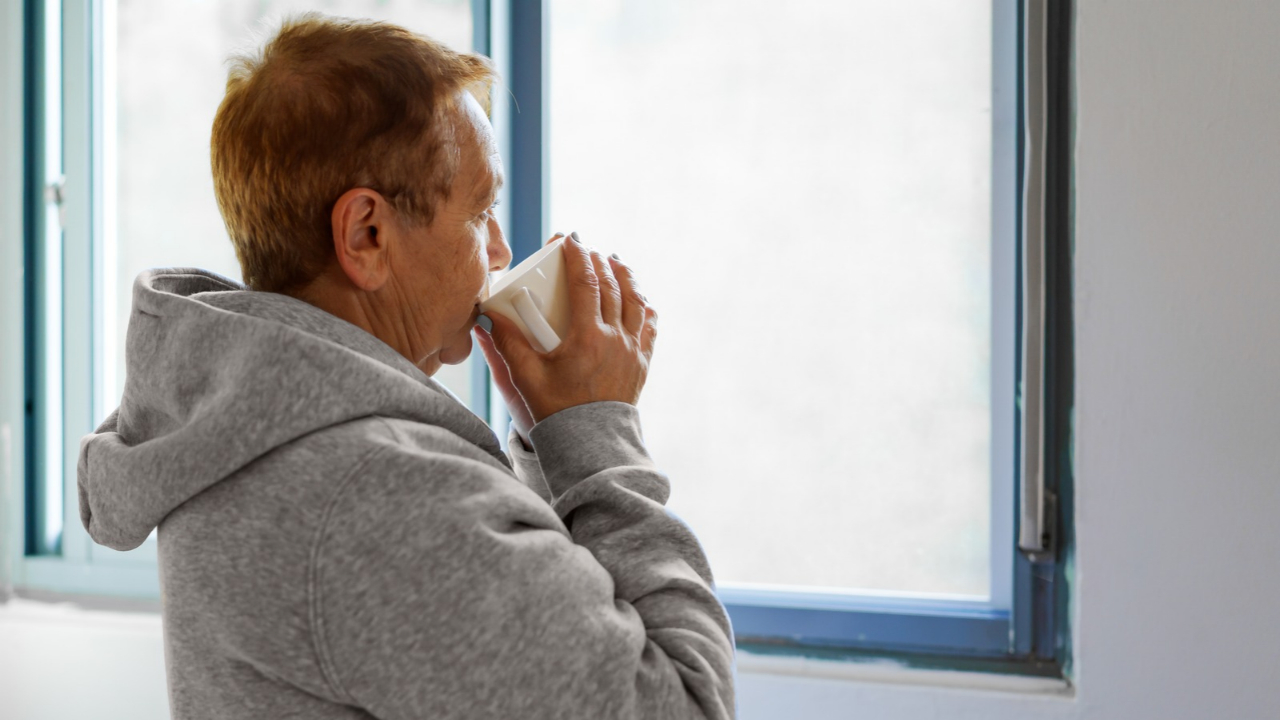
A cotton hoodie and jeans won’t cut it once the indoor temp drops into the 50s. You stay warmer with a base layer that wicks, a puffy or fleece middle, and a wind-stopping outer layer, even indoors. Warm feet change everything, so double up on socks and put on slippers or boots instead of walking around in thin socks on cold floors.
Don’t ignore your head and neck. A knit cap and a scarf indoors feels silly right up until it doesn’t. If you’re trying to sleep, a hat and clean, dry socks often beat cranking any heater.
3. Building A Blanket Fort Bed Setup
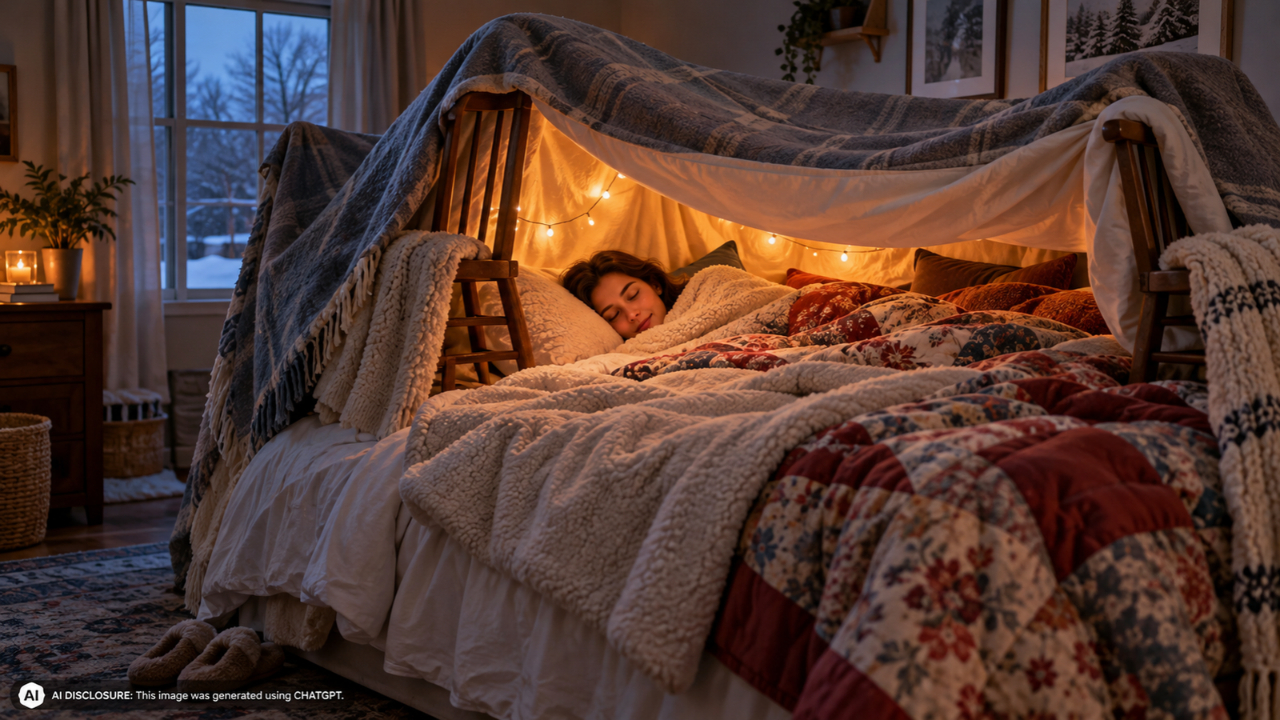
If the house is cooling off, you don’t try to heat the air. You heat the person. Pile blankets and quilts on the bed, then add one more layer underneath you, because a mattress can pull warmth out of you.
Make the sleeping area smaller. Toss a comforter over a couple chairs to form a canopy, or hang a sheet above the bed to trap a pocket of warm air. It’s low-tech, quiet, and it helps everyone rest instead of shivering all night.
4. Hanging Plastic Over Drafty Windows
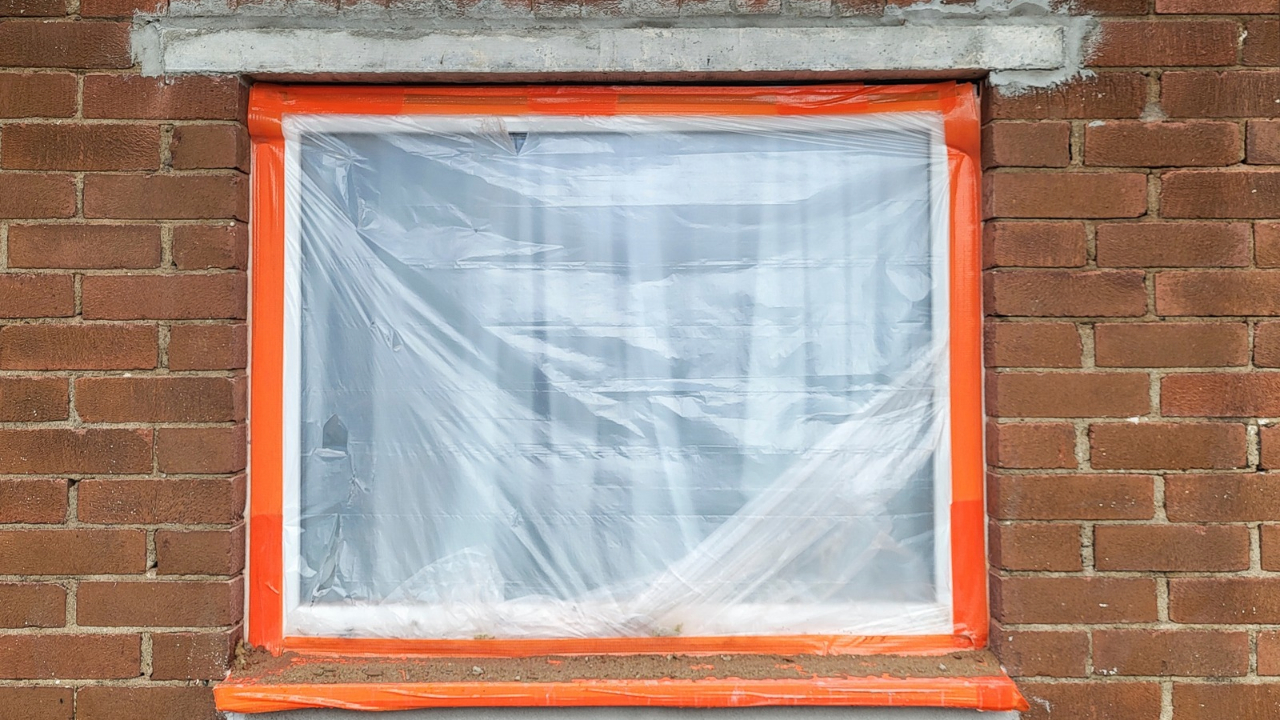
When the wind is up, windows turn into cold radiators. Clear shrink film kits help, but even painter’s plastic and tape can knock down the draft fast. The win is stopping air movement, not making the glass “warm.”
If you have heavy curtains, close them as soon as the sun drops. If you don’t, pin up moving blankets or spare quilts. Leave one sunny window uncovered during the day if you’re getting decent winter sun, then cover it again before evening.
5. Using A Vent-Free Propane Heater Carefully

These heaters are common for outages because they don’t need power, and they put out a lot of heat for the money. They also put moisture into the air, and they can be dangerous if you ignore clearance rules or ventilation. Read the manual, keep it away from curtains and bedding, and put a battery carbon monoxide alarm in the warm zone.
This is also where the “cheap option” can be fine. A basic, listed indoor-rated propane heater can keep a room livable for a short outage if you run it the way the manufacturer says and crack a window as directed. If anything smells off, you get headaches, or the flame looks wrong, shut it down and air the place out.
6. Heating One Room With A Wood Stove
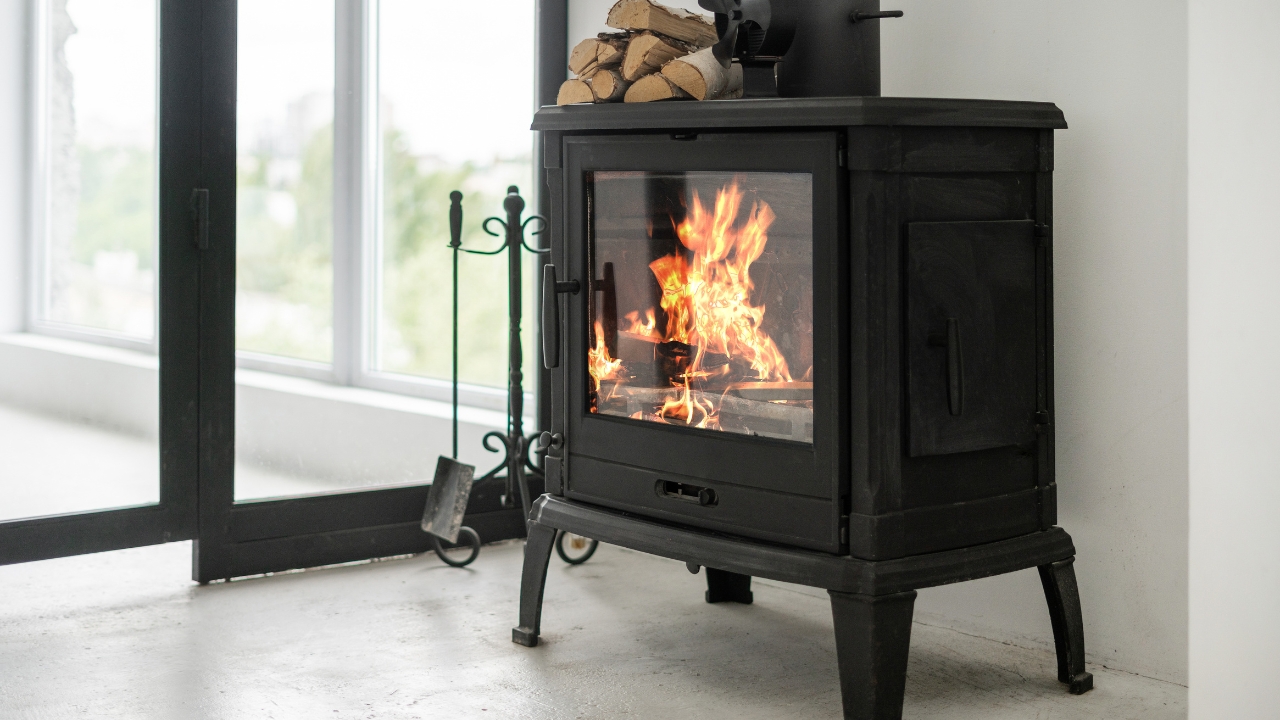
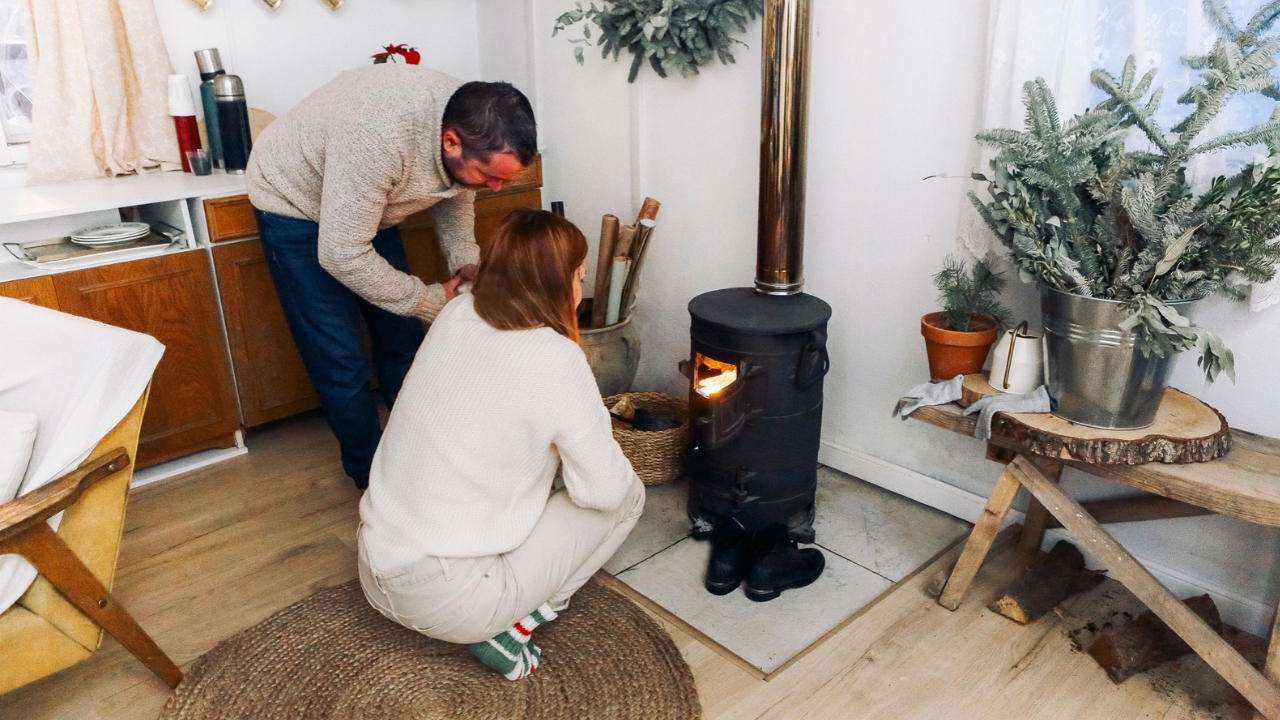
A wood stove makes a house feel normal again, even when the grid is down. If you already have one, focus on running it right: dry wood, good draft, and the right clearances. If smoke spills into the room when you open the door, the chimney is struggling, and you should not “power through” it.
Installing a stove during an emergency is not a DIY flex. Clearances, hearth protection, chimney parts, and permits matter, and a bad install can burn the place down months later. If you’re planning ahead, schedule a sweep and inspection before winter, and keep kindling and a few days of dry wood under cover.
7. Running A Generator The Safe Way
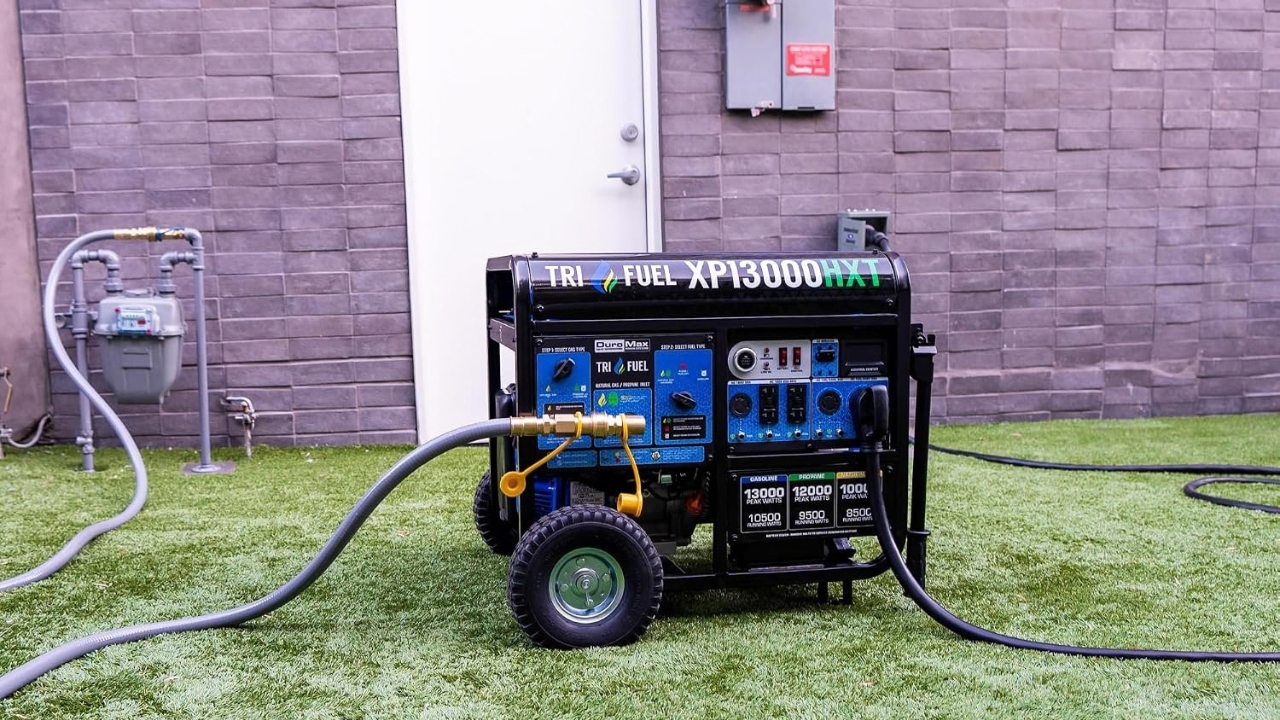
The heat may be out, but you can still run the furnace blower, boiler controls, or a space heater if you can power them. Portable generators do that job, but they kill people when they’re run in garages, porches, or near open windows. They belong outside, far from the house, with the exhaust aimed away.
If you want to power house circuits, don’t backfeed through a dryer outlet. That’s how you hurt a line worker or cook your wiring. Have a licensed electrician install an interlock or transfer switch ahead of time, and label the circuits you actually need, like the boiler, fridge, and a few lights.
8. Using Hot Water Bottles Or Heat Bricks
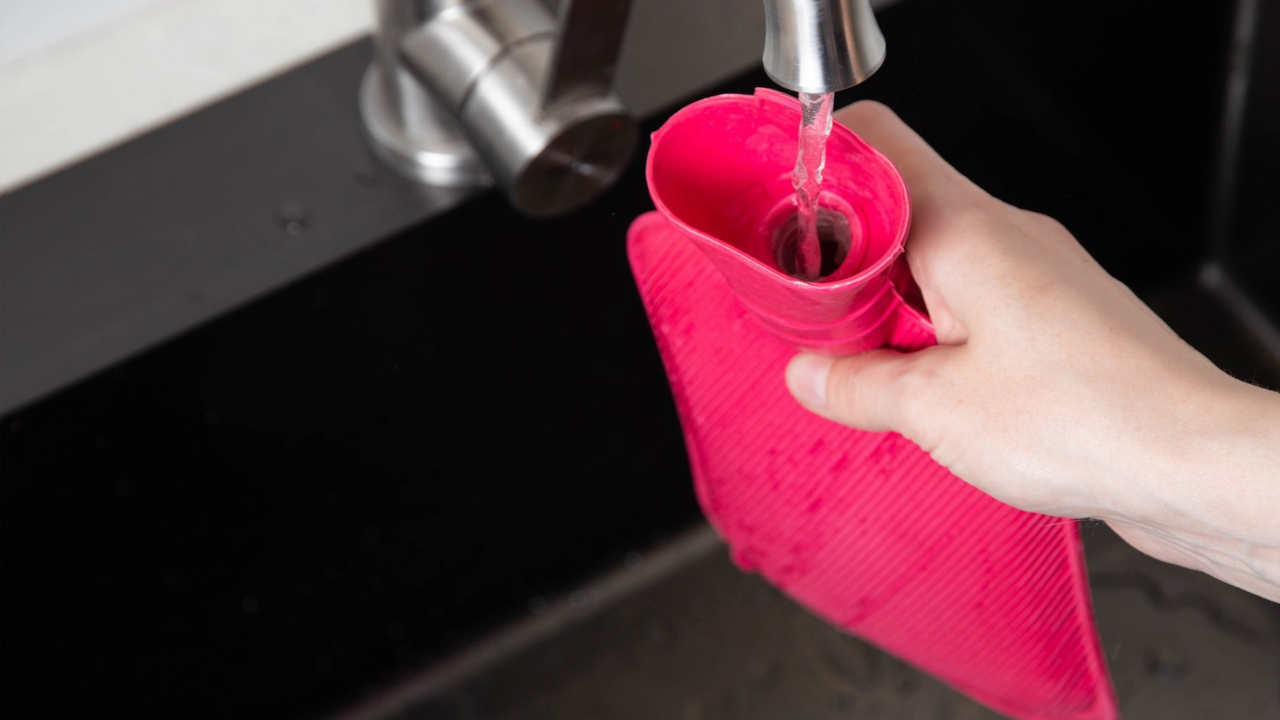
Hot water is a quiet kind of comfort when the air is cold. Fill a sturdy hot water bottle, a well-sealed metal bottle, or even a thick sock over a warm brick from near the stove, then tuck it at your feet. It buys you hours of warmth without heating the whole room.
Keep the water hot, not boiling, and don’t put it against bare skin. If you’re using a brick, wrap it in a towel and set it where it can’t scorch flooring or melt anything. This trick is cheap, and it works even when you’re trying to sleep.
9. Keeping Pipes Warm Before They Freeze
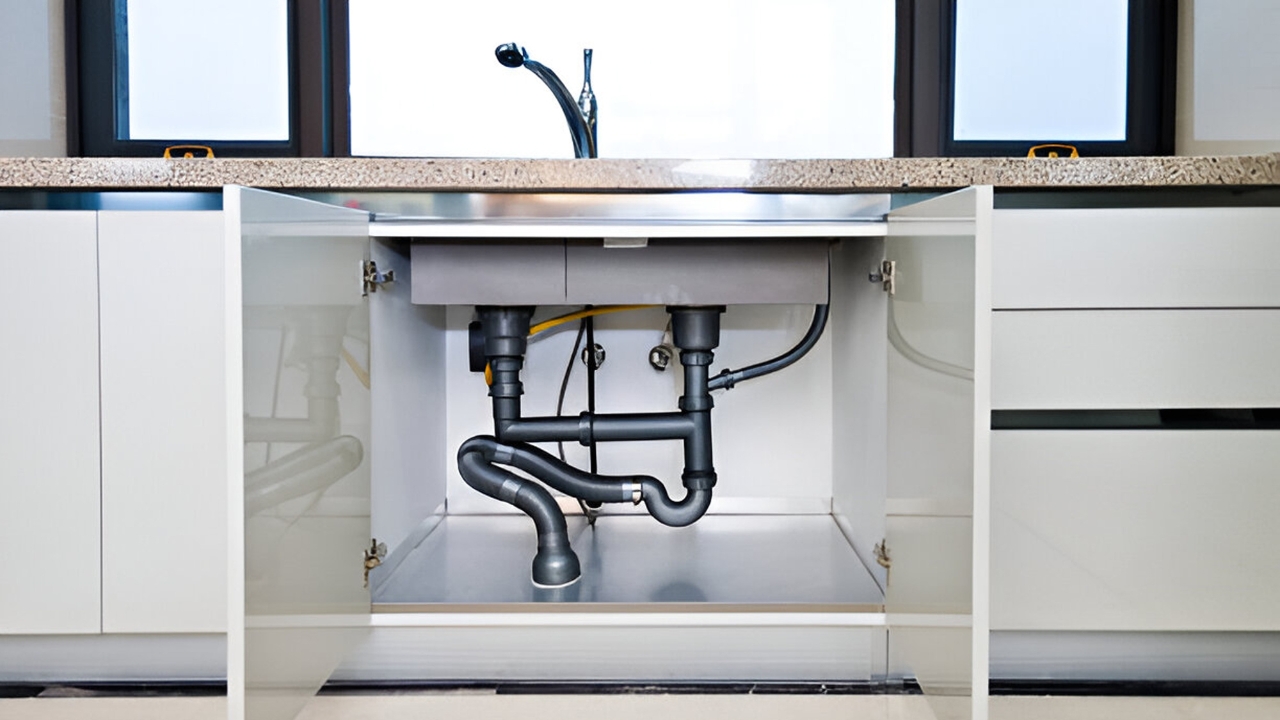
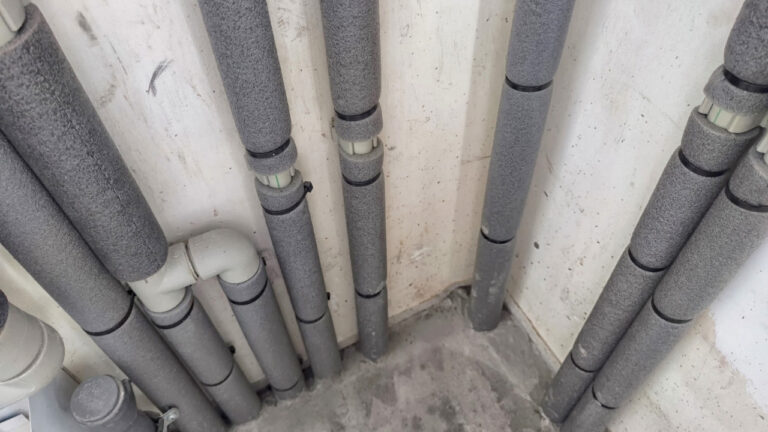
Sometimes “staying warm” is really about keeping the house from getting damaged. Once pipes freeze, you’re dealing with no water and a possible burst line when things thaw. Open sink cabinet doors on outside walls, and let a thin trickle run if you’re on city water and your plumbing is at risk.
If you’re on a well, you may not have water pressure anyway. In that case, drain what you can: shut off the main, open faucets, and consider draining the water heater if the outage is going long and the house is dropping below freezing. If you don’t know your plumbing layout, this is a good time to call a plumber and ask what to do for your setup.
10. Cooking And Eating Hot Food On Purpose
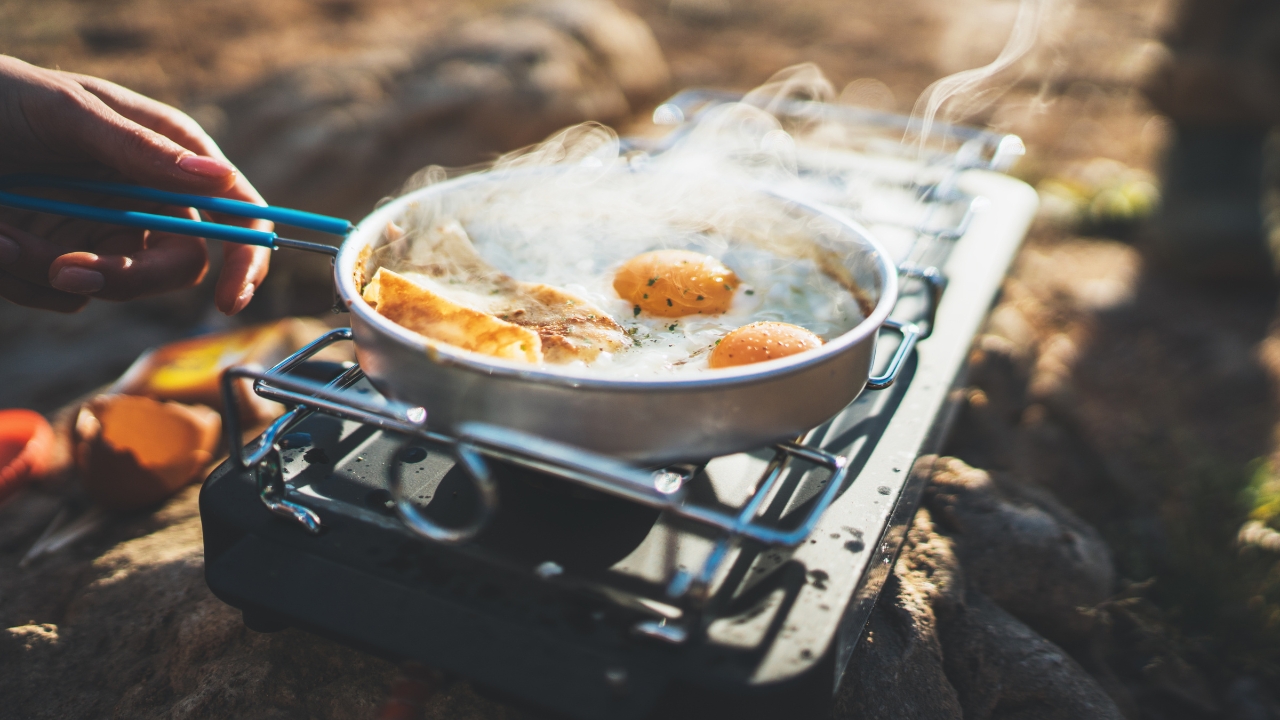
Cold snacks are fine for a few hours, but hot food changes how you feel. A camp stove, propane grill, or fireplace grate can heat soup and water for tea, as long as you’re doing it in a safe place with ventilation. Don’t drag a charcoal grill into the garage or the living room, not even “just for a minute.”
Pick meals that don’t waste fuel. One pot of chili or rice and beans gives you hot bowls for hours, and a thermos keeps leftovers warm without reheating. If you’re low on fuel, boil water first, then use that hot water to warm dishes and fill bottles for bed.
If the outage looks like it’ll stretch past a day, treat it like a weather event, not a hiccup. Call the utility, check on neighbors, and start thinking about what you’ll do if the indoor temp keeps dropping. A little planning now makes the next outage feel like an inconvenience instead of an emergency.
Like Fix It Homestead’s content? Be sure to follow us.