10 Signs You Have Rats and Not Mice
Photo credit: Carlos Aranguiz/Shutterstock.com
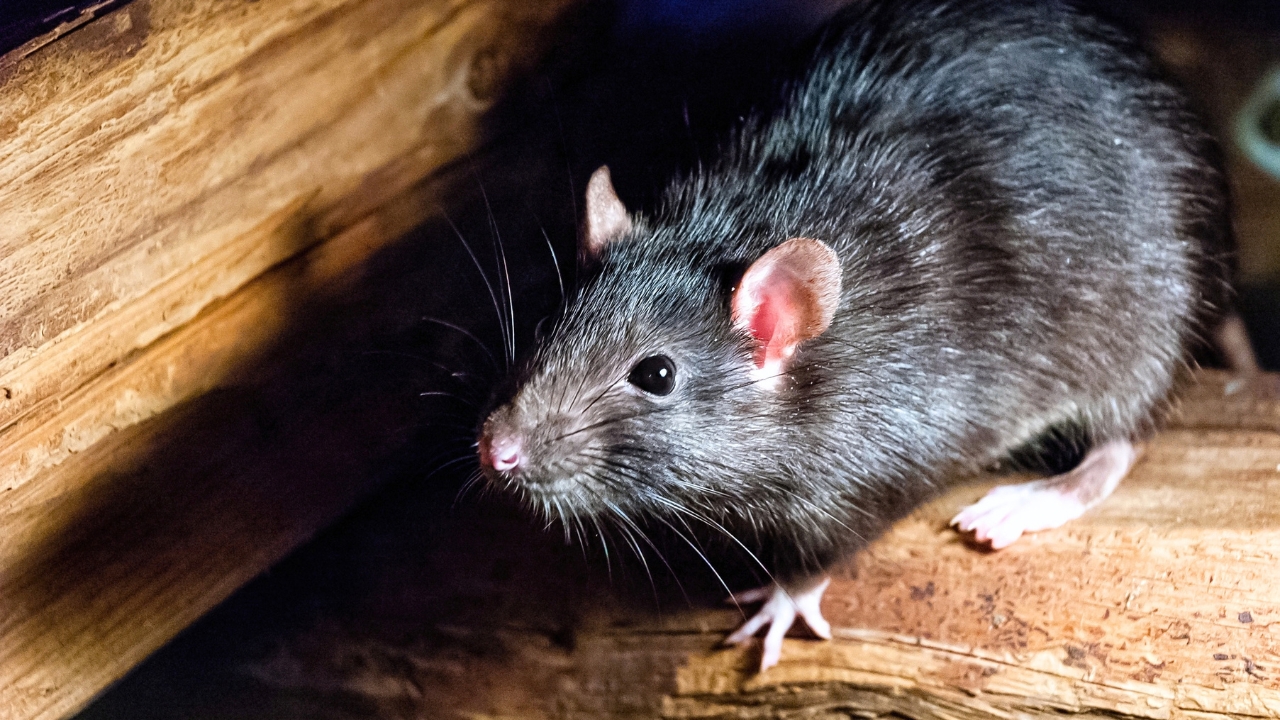
Scratching in the walls is bad enough, but knowing what’s making the noise changes what you do next. Mice and rats leave different clues, and treating a rat problem like a mouse problem wastes time and lets damage stack up. If you spot a few of these signs, step up your plan fast.
1. Droppings Bigger Than a Grain
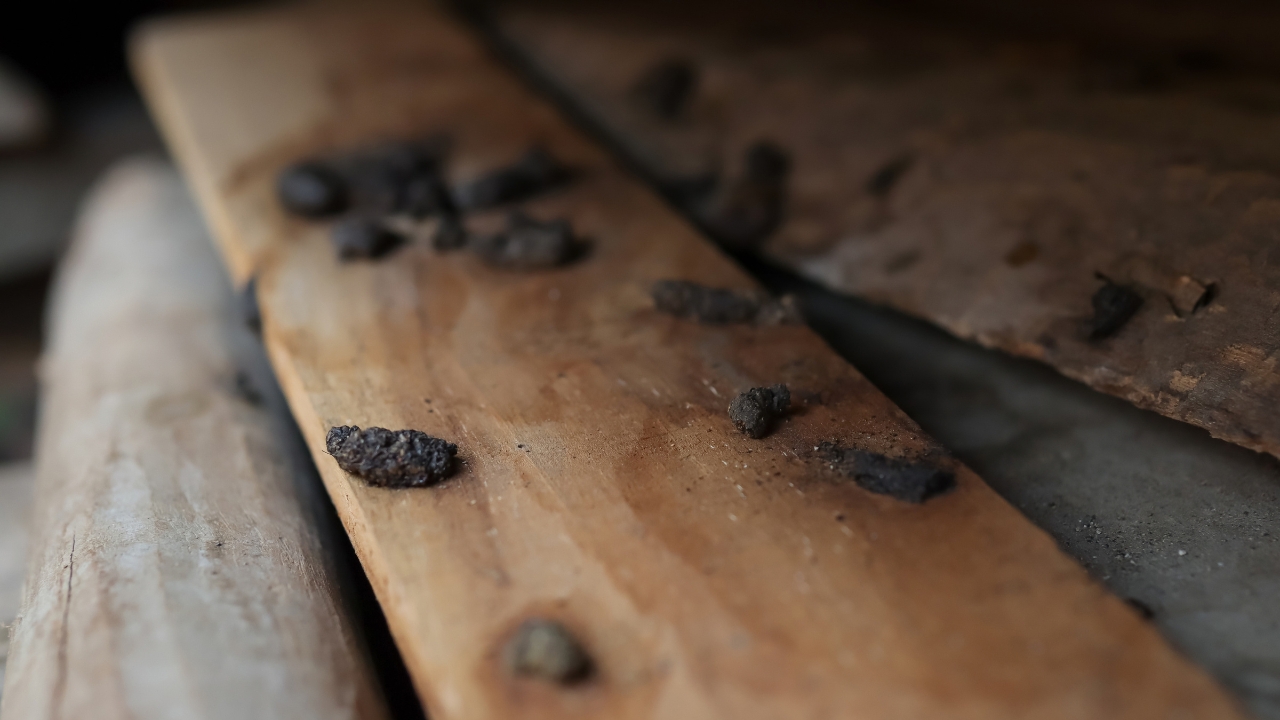
Mice leave droppings that look like dark rice, small and pointed. Rat droppings are thicker, closer to the size of a raisin, and you’ll often find fewer of them in one spot because rats don’t “pepper” an area the same way.
Wear gloves and a mask, dampen droppings with a bleach water mix or disinfectant, and wipe up instead of sweeping dry. Take a picture and compare size before you clean, because that size check is one of the quickest ways to stop guessing.
2. Heavy Thumps After Dark

Mouse activity sounds like light tapping, fast skitters, and quick little scratches. Rats are louder. You’ll hear thuds in the ceiling, heavy scurrying in the walls, and sometimes a solid bump like something jumped down behind a cabinet.
Don’t waste money on ultrasonic plug-ins for this. Spend that effort finding the travel lane instead, along baseboards, under appliances, and along rafters in a garage. A bright flashlight and a hand mirror beat gadgets every time.
3. Quarter-Size Holes Along Foundations
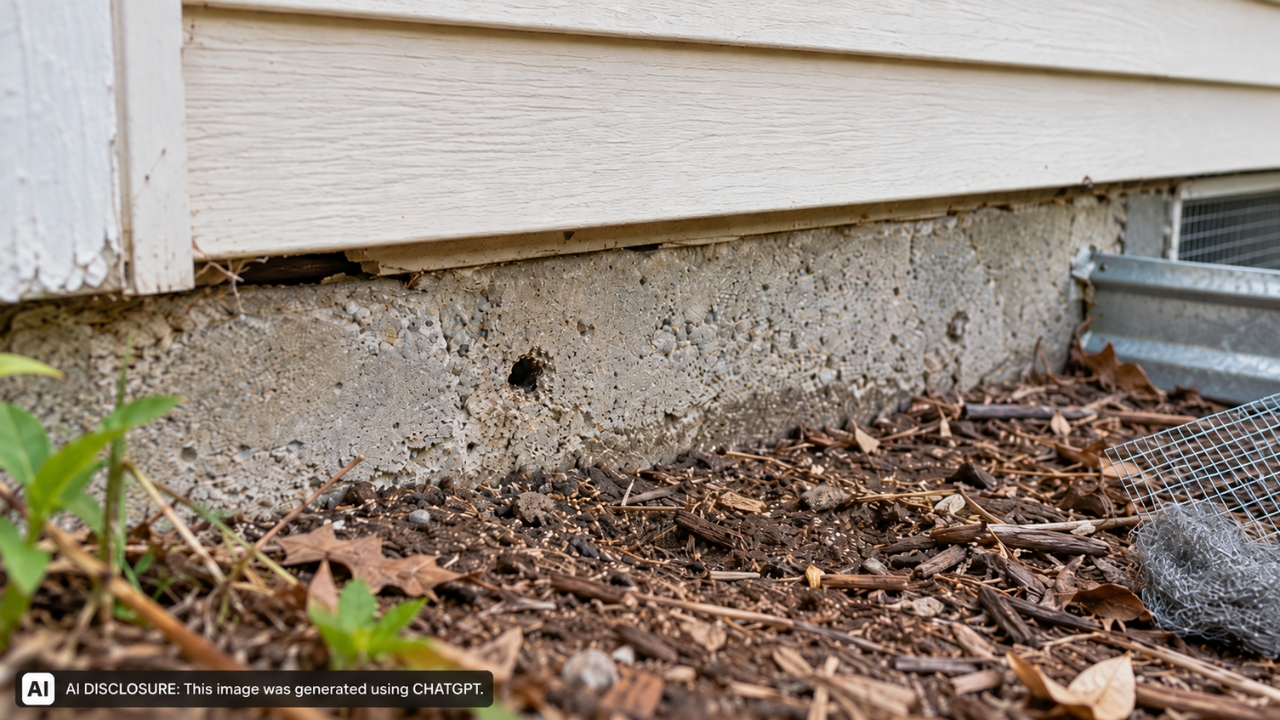
Mice can squeeze through a hole the size of a dime. Rats need more room, closer to a quarter, and the edges often look greasy or rubbed smooth from fur and skin oils.
Patch small gaps with steel wool plus caulk, but for bigger openings use metal flashing or 1/4-inch hardware cloth and fasten it solid. Expanding foam alone is a disappointment here, rats chew right through it like it’s stale bread.
4. Gnaw Marks Like Chisel Cuts
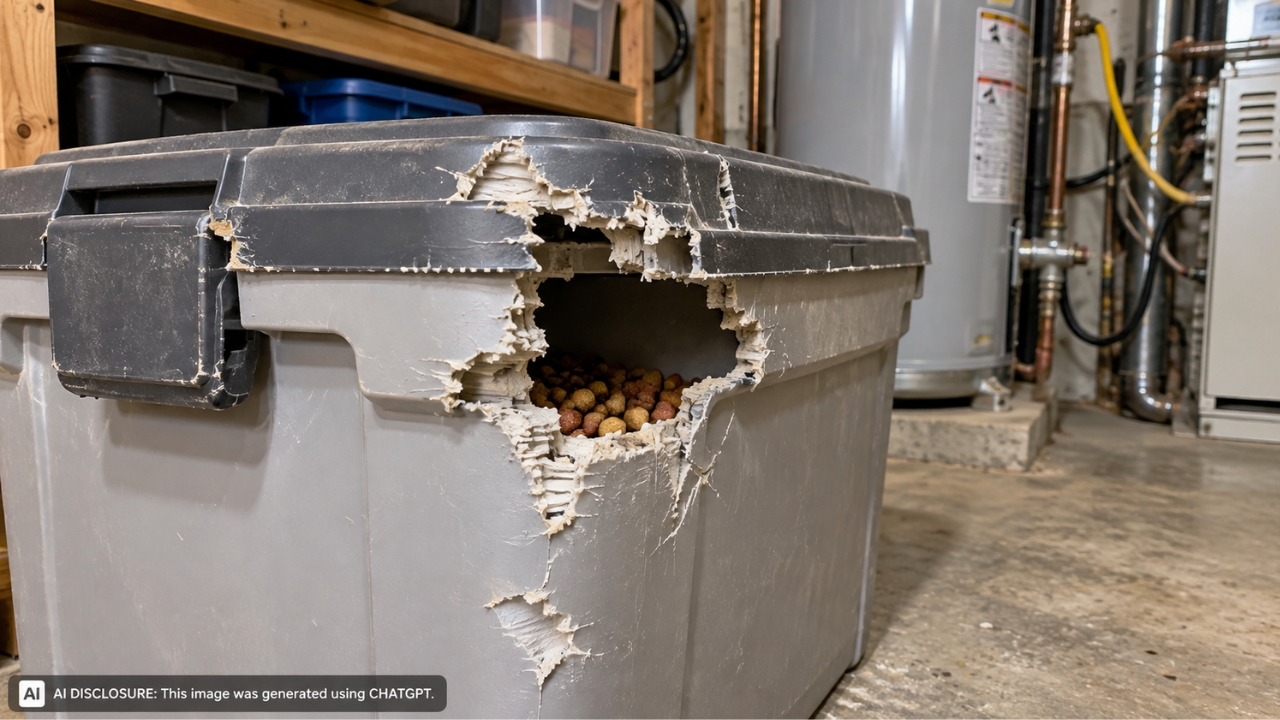
Mouse chewing looks fine and scratchy. Rat chewing looks bold, with wider grooves and chunks missing, especially on softer wood, plastic bins, and even aluminum screens. If you find teeth marks on a thick dog food container, that’s a rat kind of problem.
Check wiring where it enters appliances, behind fridges, and near a furnace or water heater, then stop and call a licensed electrician if you see damaged insulation near a junction box or panel. For storage, switch to metal cans with tight lids or heavy-duty bins that have metal latches, not the thin snap tops.
5. Grease Rubs On Walls And Pipes
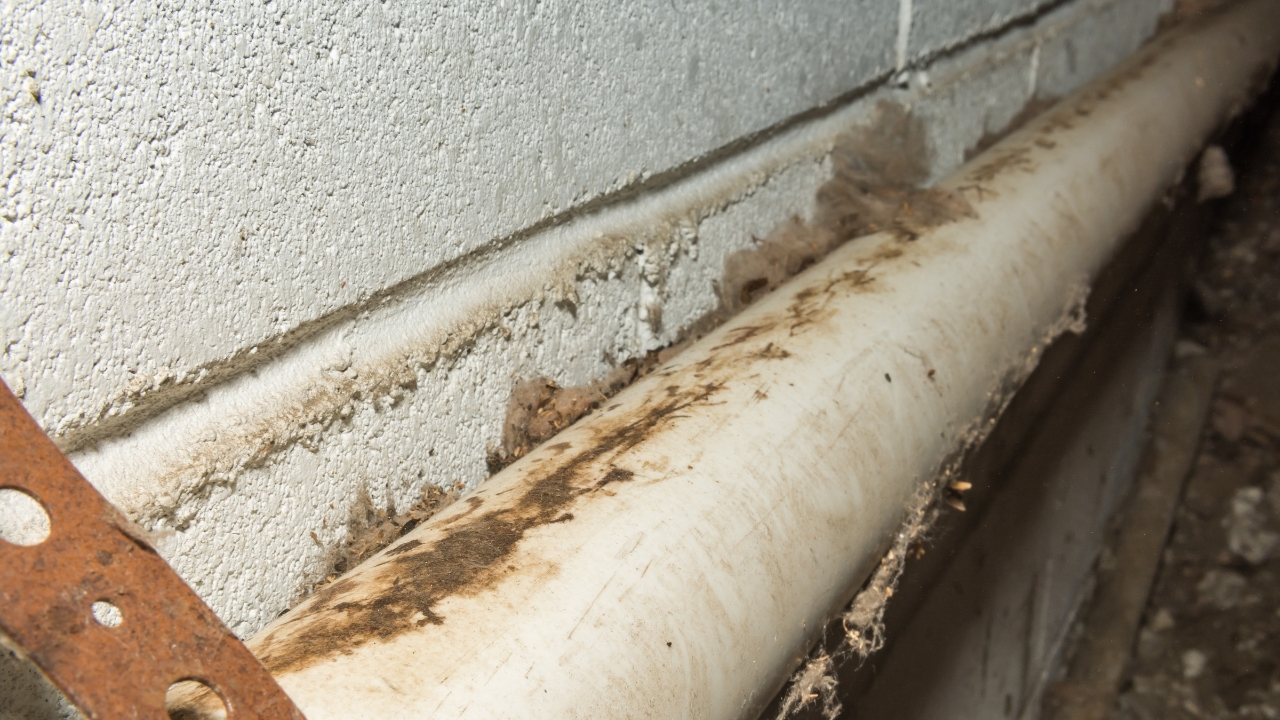
Rats run the same routes night after night and leave dark smudges along baseboards, studs, and pipes. It looks like someone brushed the wall with a dirty glove. Mice can leave little marks too, but rat rub marks are heavier and often show up at knee height and lower.
Clean the area so you can tell if the marks come back, then dust a light layer of flour or baby powder on the floor along the run to catch tracks. You’ll see a wider footprint and often a tail drag line with rats, which helps you place traps where they actually travel.
6. Burrows With Fresh, Loose Soil
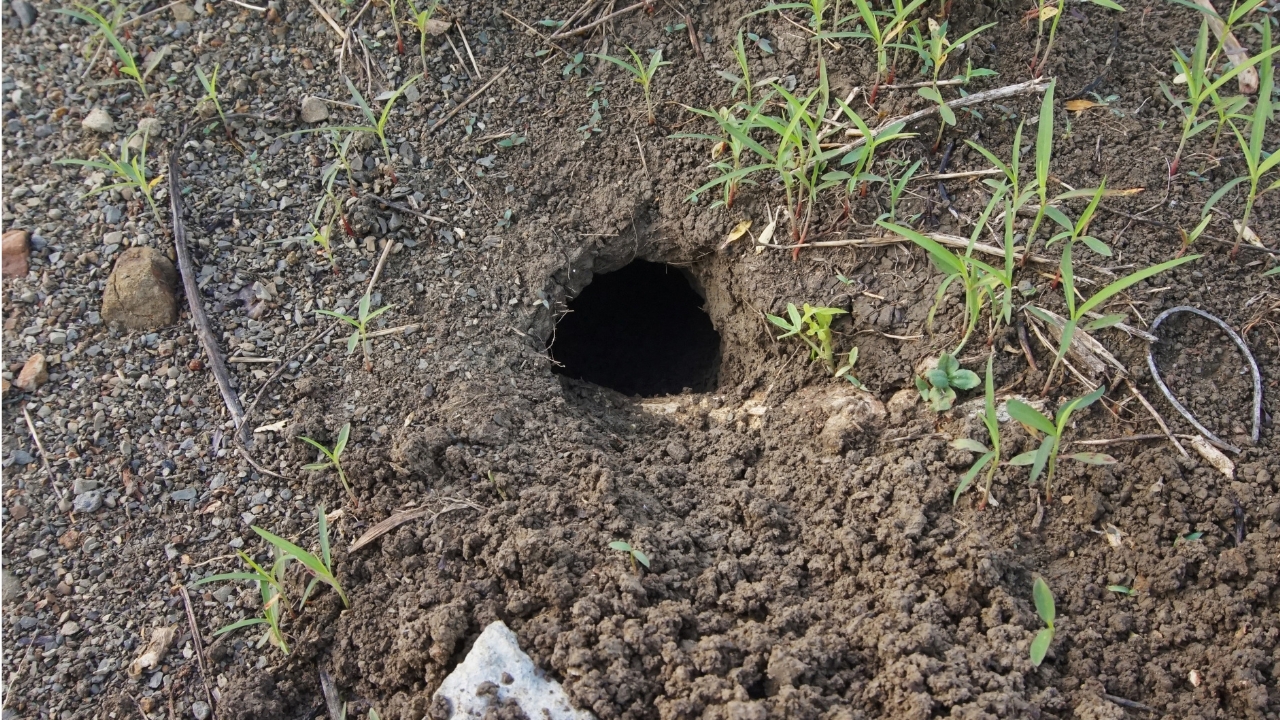
Rats are diggers. Norway rats burrow along foundations, under slabs, under junk piles, and at the edges of patios. You’ll see a smooth, round opening with fresh dirt fanned out, and the hole stays open because rats use it constantly.
Don’t just fill it and hope. Collapse the burrow, then address why it’s there: remove brush piles, keep grass cut short near buildings, and store feed and trash in sealed containers. If the burrow is under a concrete slab or tied into a crawlspace, it can be worth paying a pest pro because the exclusion work gets tricky fast.
7. Nesting In Insulation, Not Just Paper
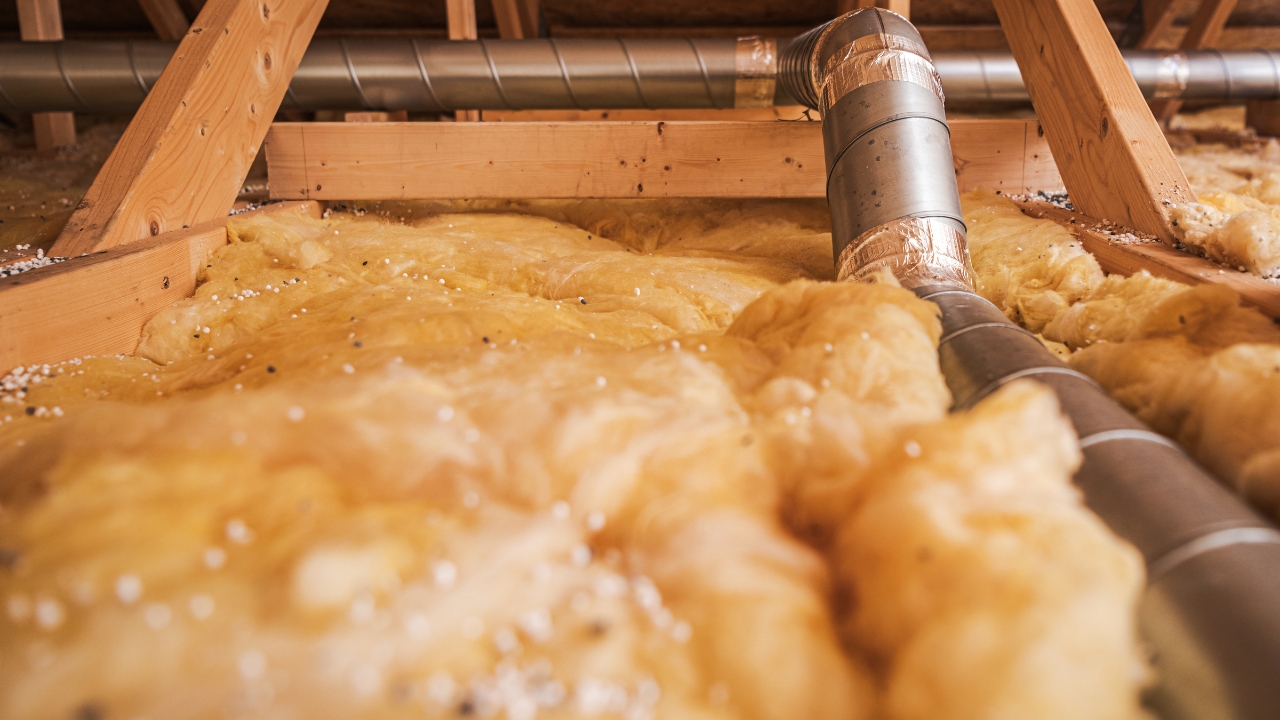
Mice like shredded paper, dryer lint, and soft stuff near a warm motor or cabinet. Rats will go for that too, but they also rip insulation and make bigger nests in attics, crawlspaces, and wall cavities. You’ll find torn fiberglass facing, clumps pulled into a den, and wide paths pressed into the insulation.
If you’re opening up attic insulation, wear gloves, eye protection, and a respirator, and don’t stir it up dry. Bag contaminated material, then seal entry points before replacing insulation or you’re buying it twice. In colder months, this shows up fast because rats want stable heat and water.
8. Strong Ammonia Odor In One Area

Mouse pee stinks, but a rat toilet spot can make a room smell sharp and heavy, like a strong ammonia cleaner. If you walk into a shed, pantry, or crawlspace and the smell hits you in the face, don’t ignore it.
Ventilate first, then clean with a disinfectant and rags, not a shop vac. A shop vac without a proper filter can throw contaminated dust back into the air. If the smell is coming from a wall cavity and you can’t reach it, it may take a small drywall cutout and patch to clean it right.
9. Pets Fixated On One Low Spot
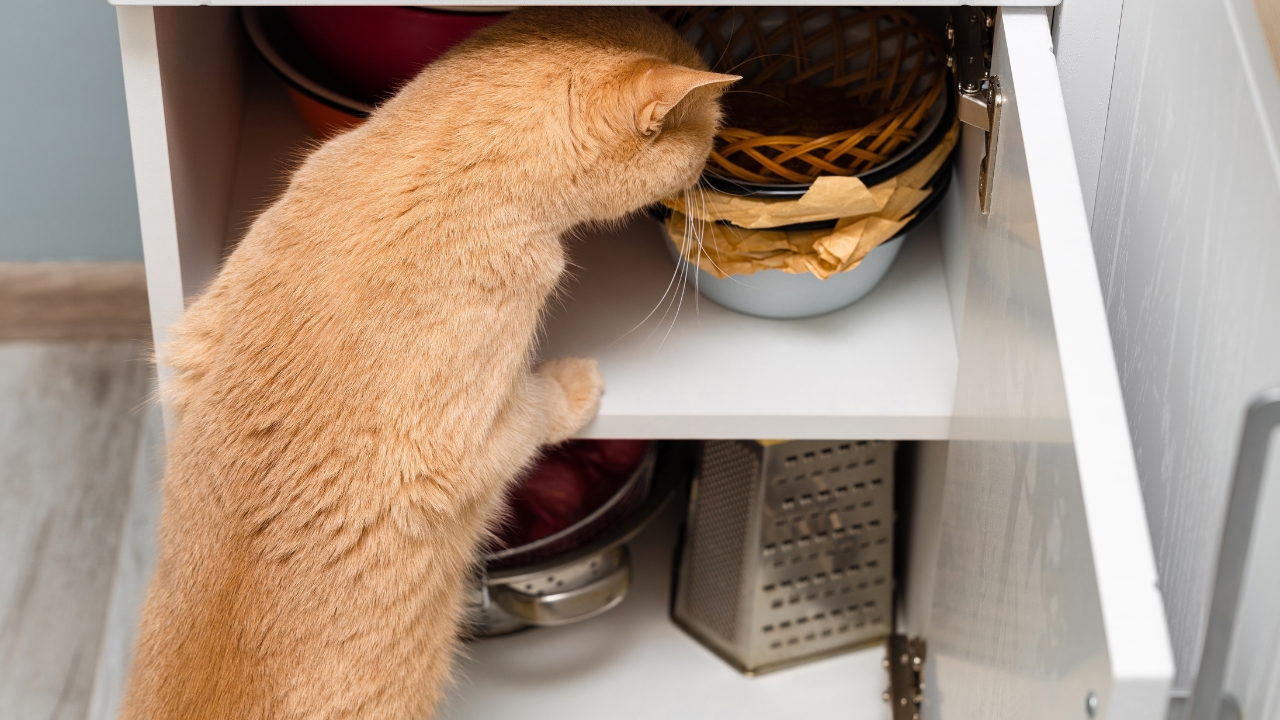
Dogs and cats notice rats in a different way. They’ll sit and stare at one cabinet toe-kick, one corner of the pantry, or one section of a garage wall, and they won’t let it go. That kind of hard focus usually means something larger than a mouse moving around.
This is one place where the cheap option can be fine: a simple flour track test near that spot can confirm traffic before you buy supplies. Keep pets away from traps and bait, and skip loose poison in areas where a pet can reach it or where a rat can die inside a wall and stink for weeks.
10. Damage Around Feed, Compost, Or Water Sources
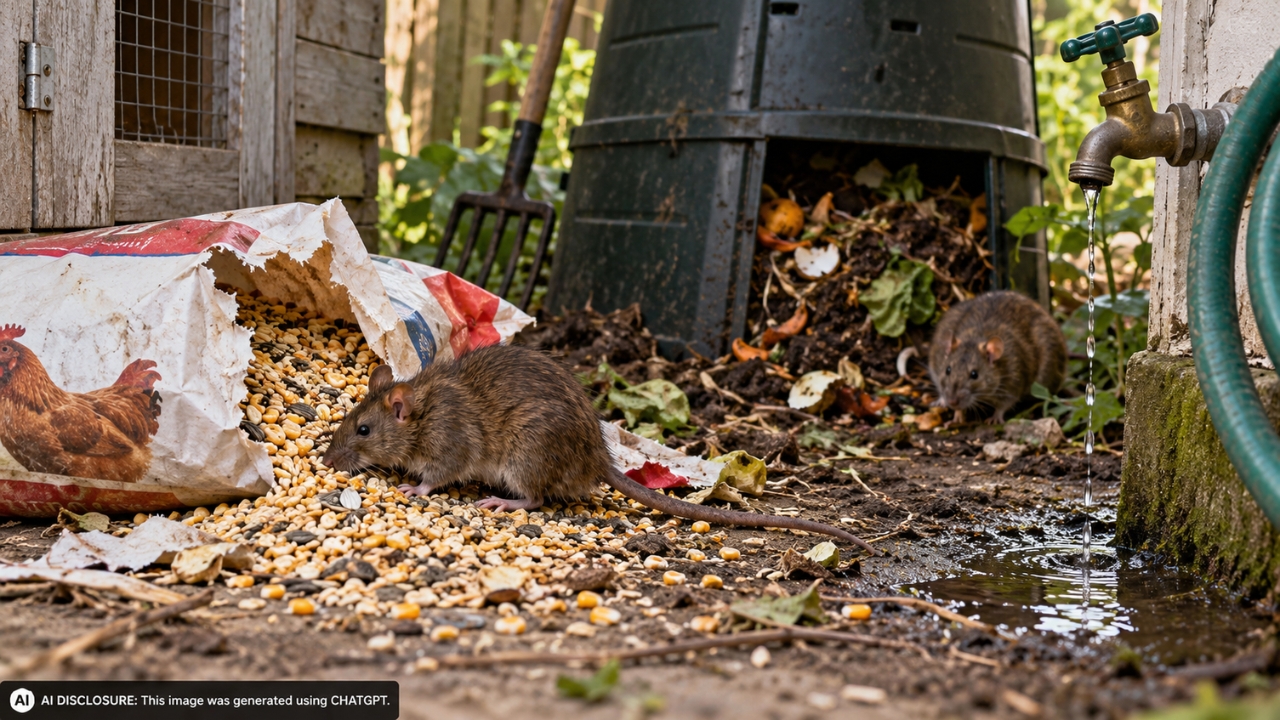
Rats set up where the groceries are. Chicken feed, bird seed, compost, and even a dripping hose bib are enough to keep them close. Mice will nibble, but rats tear into bags, drag food out, and leave big scattered messes.
Move feed into metal cans with tight lids, fix drips, and pick up fallen fruit and spilled grain daily for a while. If you keep a compost pile, bury food scraps deep and consider a rodent-resistant bin. The faster the buffet disappears, the faster the population drops.
If the signs point to rats, start with exclusion and sanitation, then trap hard along their travel lanes for a couple weeks. If you’re seeing daytime activity, lots of burrows, or gnawed wiring, it’s reasonable to bring in a licensed pest pro to get ahead of the damage.
Like Fix It Homestead’s content? Be sure to follow us.