10 Dog Breeds That Were Bred to Guard Livestock
Photo credit: Vaclav Sebek/Shutterstock.com
Predators don’t care that you’ve got chores lined up, a fence to fix, and hay to stack. One weak spot in your routine can turn into a wrecked pen, stressed animals, and a long night with a headlamp. Livestock guardian dogs were built for this job, steady nerves, big presence, and the kind of patience that holds a perimeter for hours.
1. Great Pyrenees Night Watcher
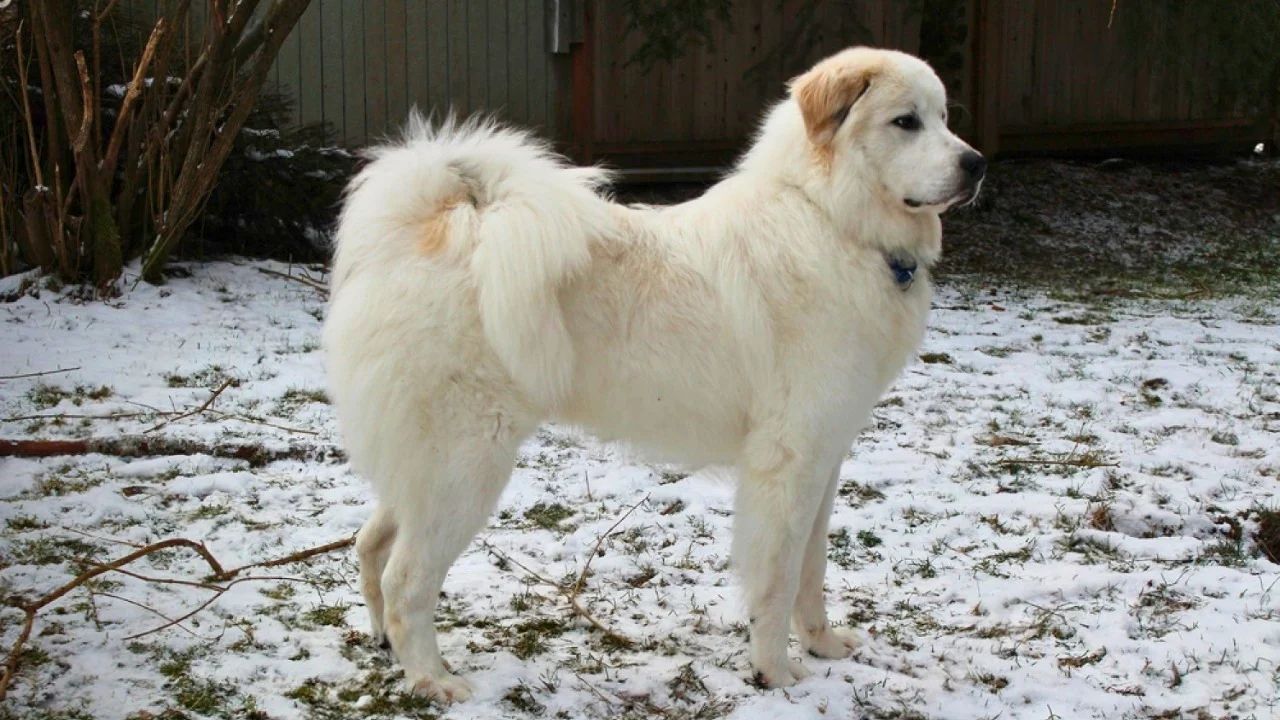
If you’ve got open pasture and long sight lines, this is one of the classic answers. Great Pyrenees were bred to live out with the flock, post up on a ridge or along a fence line, and make predators think twice before they commit. They tend to work by presence first, lots of watching, then loud warning when something presses in.
On a small place, the challenge is management, not grit. They bark, especially at night, and they roam if you give them a reason, so tight fencing and clear boundaries matter. Plan on a serious coat too, burrs, mud, and spring shed can turn grooming into a weekly chore.
2. Anatolian Shepherd Fence Line Enforcer
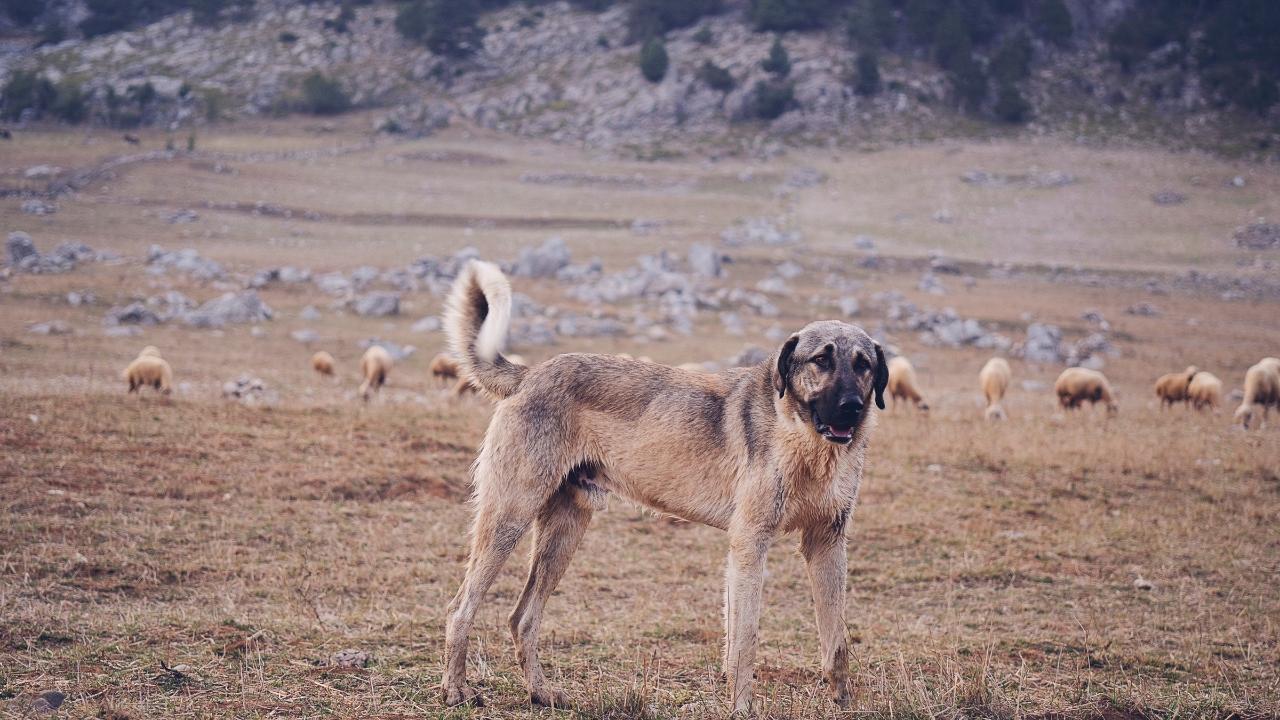
Anatolians bring a more businesslike style, they patrol, they check corners, and they don’t waste much motion. This breed was shaped for wide ranges and hard decisions, so they’re often confident with less hand-holding than some fluffy guardians. If coyotes are bold where you live, that steady pressure can help.
They can also be too much dog for a chaotic setup. Loose gates, visitors walking through pens, kids running around screaming, all of it can trigger “my job is to control this” behavior. Good locks, a simple entry routine, and consistent training beat any gadget you can buy.
3. Maremma Sheepdog Pasture Partner
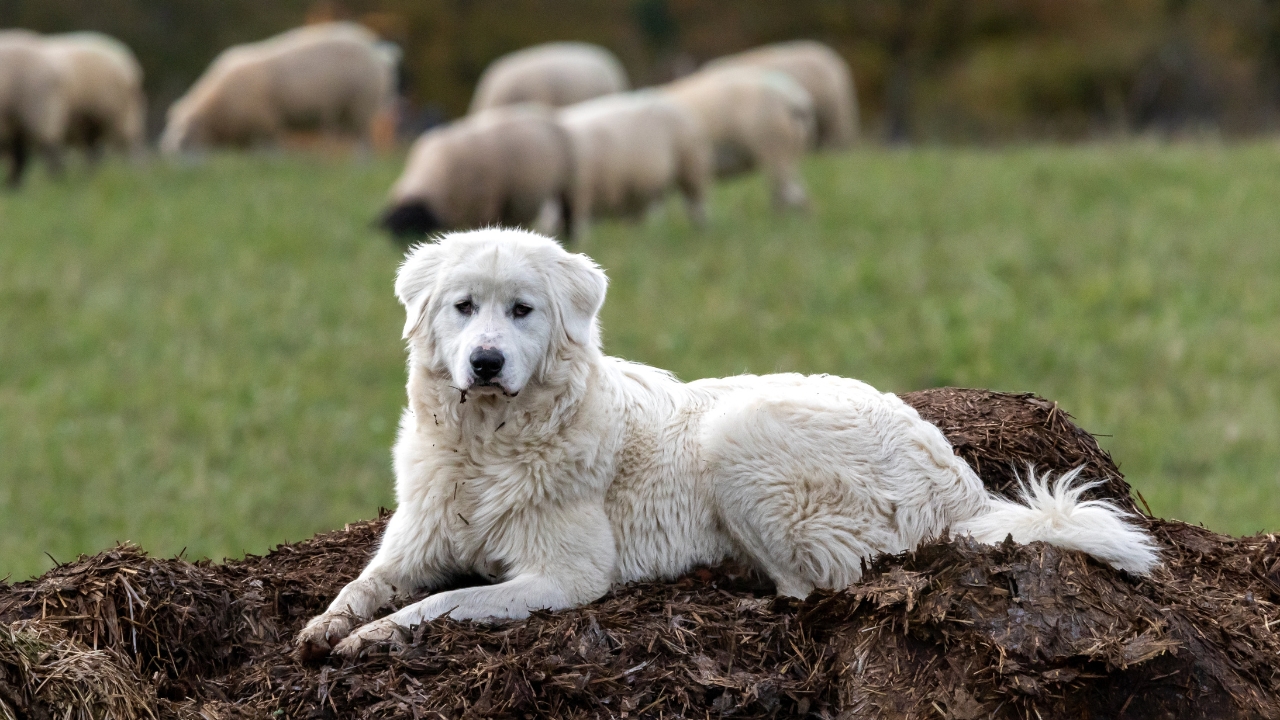
Maremmas were built to stick close and bond hard to their stock. Many people like them for sheep and goats because they tend to anchor to the animals instead of ranging as far. When things get tense, they’re usually quick to place themselves between the threat and the herd.
They don’t do well as part-time tools. If you swap them between house pet mode and livestock mode, you can get confusion and boundary testing. Set up a dedicated area, give them a clear job, and don’t expect them to greet every stranger like a golden retriever.
4. Akbash Lean, Fast, And Watchful
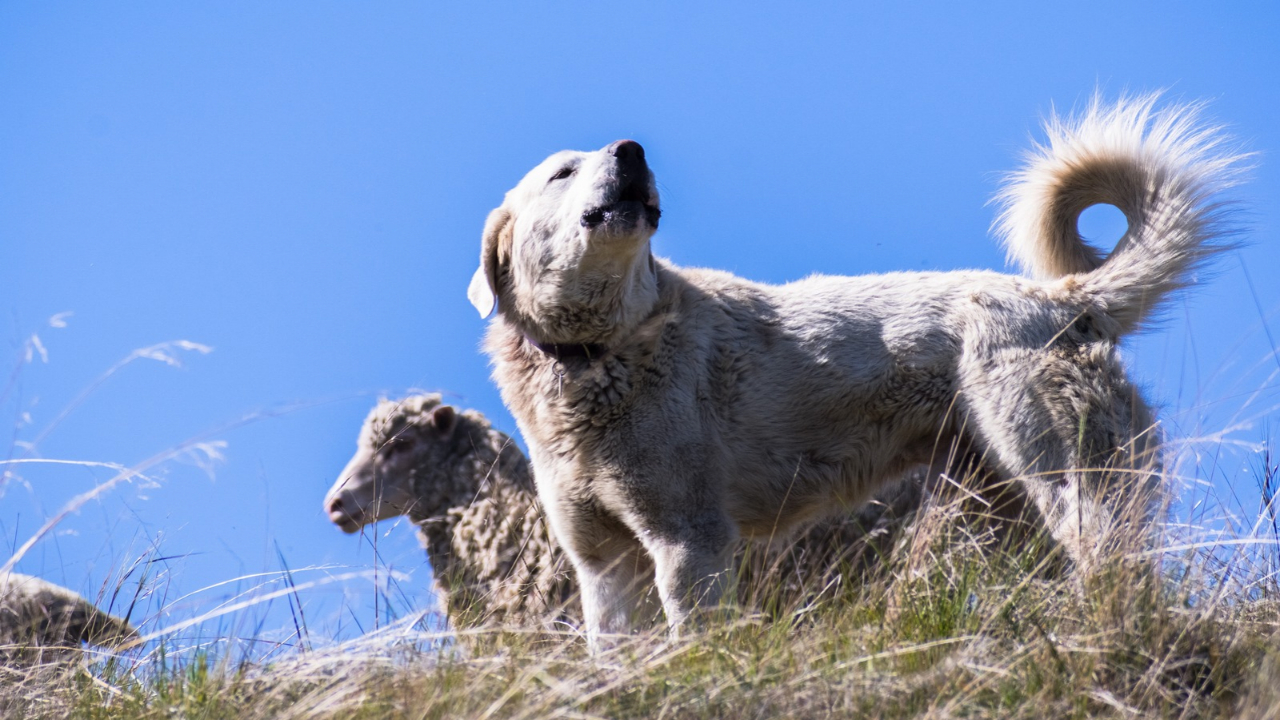
Akbash dogs were bred in Turkey for guarding, and they often look like a tall, white athlete compared to heavier guardians. That build matters when predators test the edges and you need a dog that can cover ground and reposition quickly. They’re known for being alert without always defaulting to constant barking.
The flip side is they’re not decorative lawn ornaments. They need space, a clear routine, and fencing that doesn’t invite a “let’s go see what’s over there” decision. If your perimeter is sloppy, an Akbash will find the weak link faster than you will.
5. Komondor Mop-Coated Deterrent
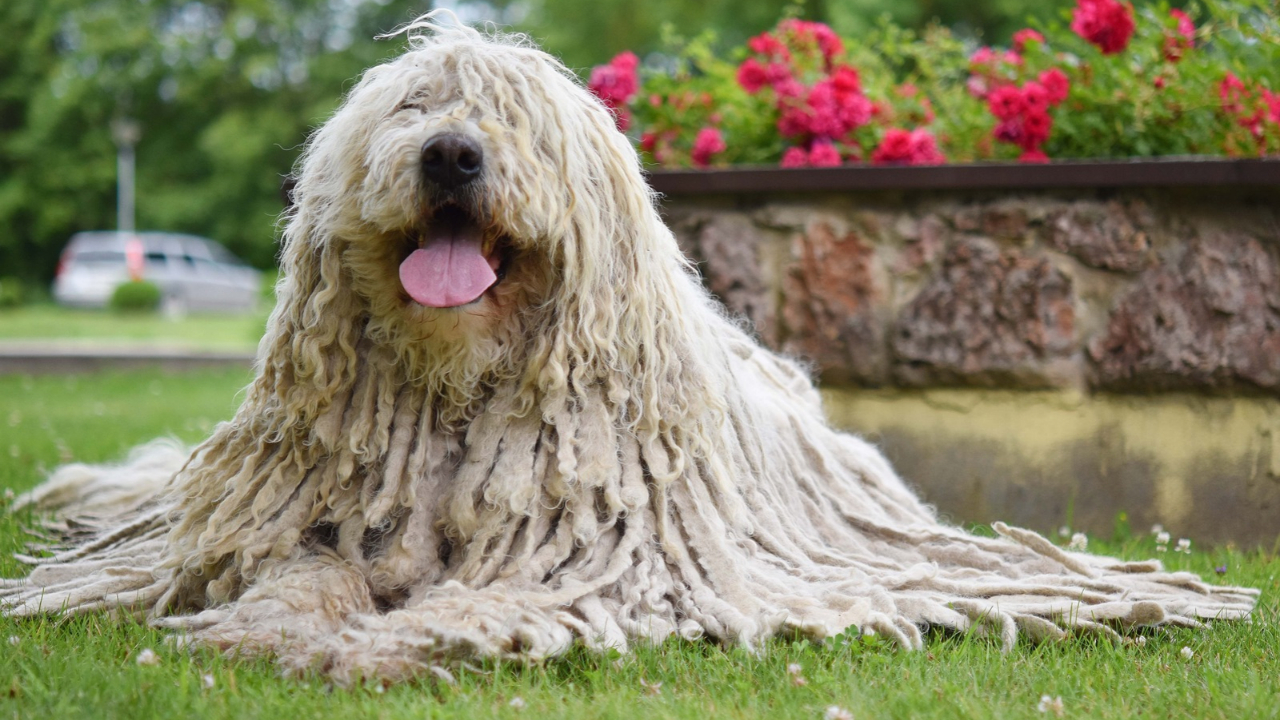
A Komondor looks like a walking hay bale, and that’s part of the point. The corded coat helped protect them from bites and weather while blending in around sheep. If you run animals in rough brush or harsh winter wind, that natural armor has real value.
That coat is also work. Cords collect burrs, mud, and manure, and if you don’t manage it, you can end up with mats that hold moisture and stink. This is one case where the “cheap option” is fine, a kiddie pool, a hose, and time beats fancy grooming tools, as long as you stay on top of it.
6. Kuvasz Serious Yard Guardian
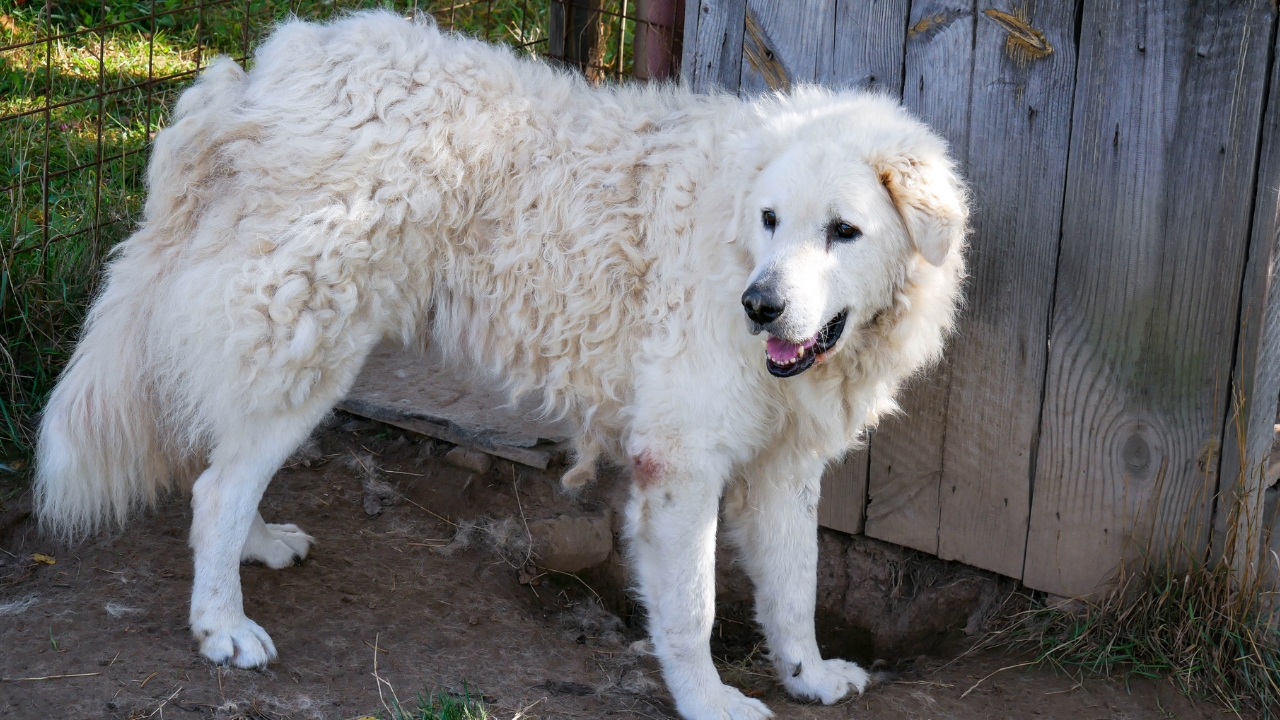
Kuvaszok were used to guard livestock and property, and many still take the “property” part personally. They’re powerful, quick to respond, and not interested in being buddies with every new face. If you’ve got a farm lane, a driveway gate, and animals behind it, that protective streak can fit.
This isn’t a breed for a revolving door of guests. If you do farmstand sales, frequent deliveries, or a lot of friend traffic, you’ll need strict handling, solid containment, and clear rules for anybody entering. In many setups, it’s smarter to pick a more socially flexible guardian.
7. Tibetan Mastiff High-Altitude Sentinel
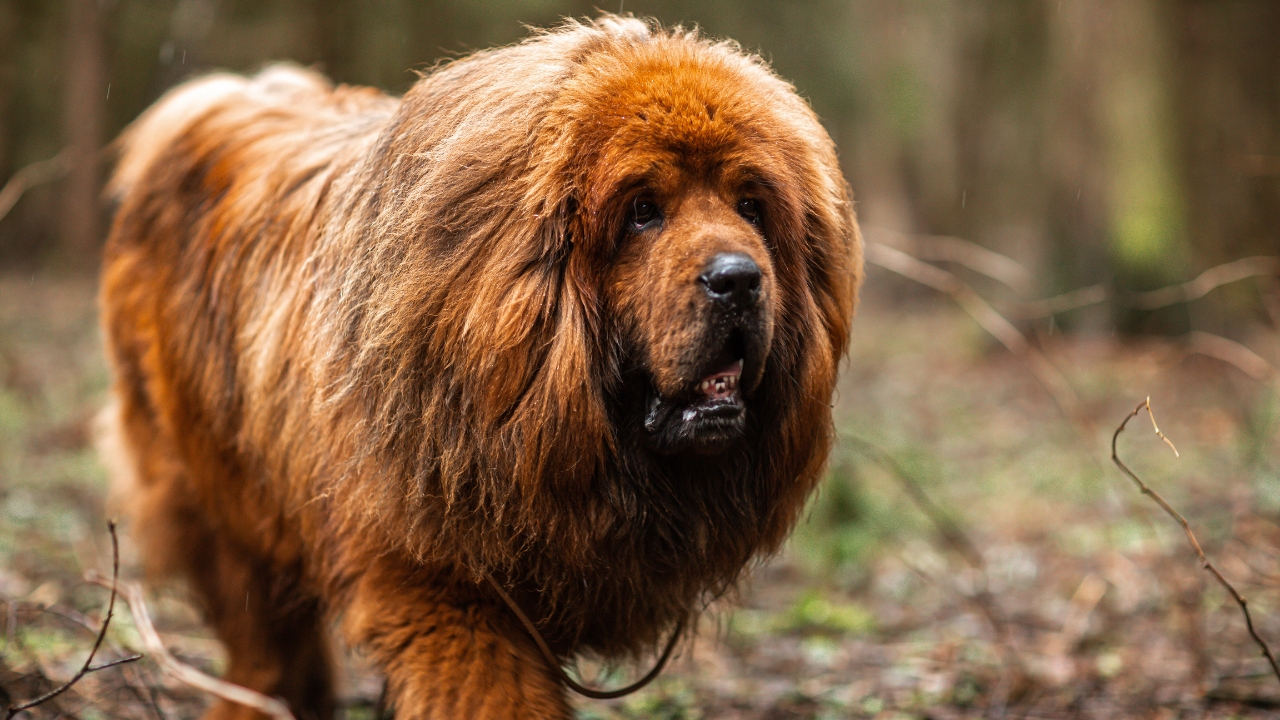
These dogs come from harsh country where guarding meant long, cold nights and serious threats. Tibetan Mastiffs can be territorial and imposing, and they tend to take their time sizing up anything new. They’re more likely to post up and hold ground than to run laps for fun.
They’re not a plug-and-play solution for a tight suburban edge or a tiny hobby barn. They need secure fencing, a handler who reads dog behavior well, and room to settle without being pestered. If your neighbors already hate your rooster, this probably isn’t the next addition.
8. Kangal Predator-Pressure Specialist
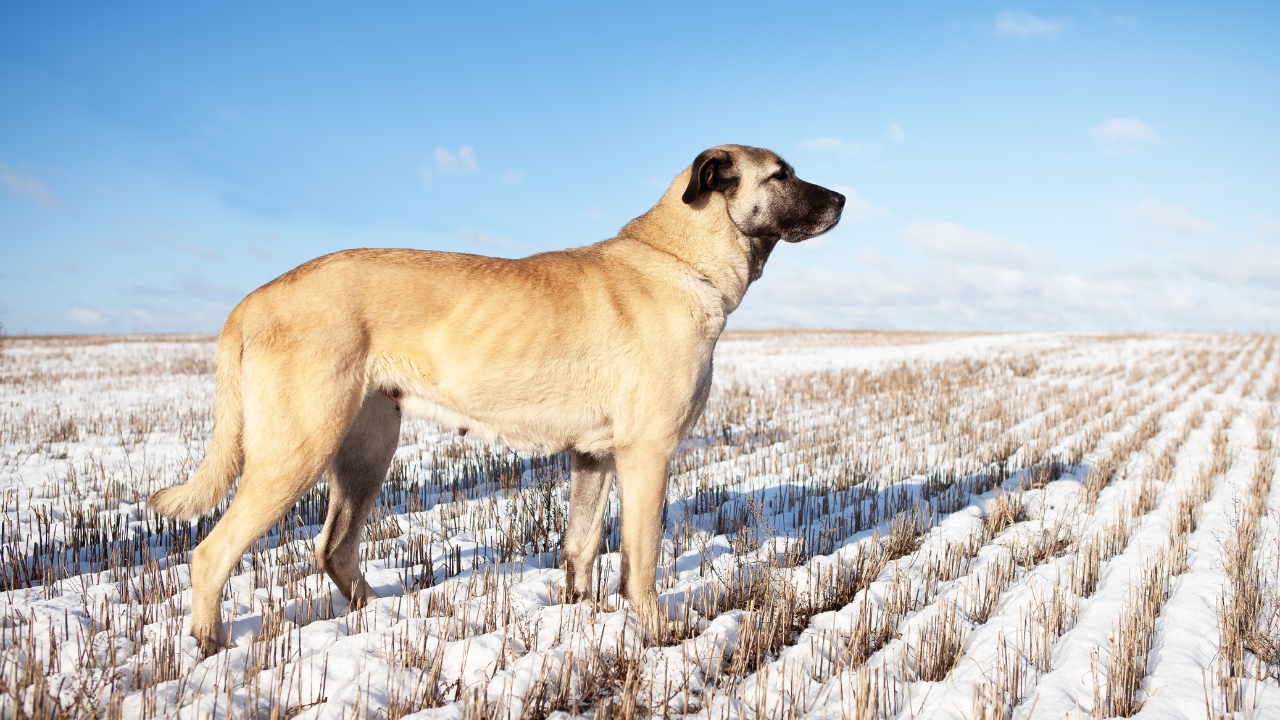
Kangals were developed for heavy predator pressure, and they have a reputation for intensity and stamina. When a threat keeps coming back, a dog with that kind of confidence can change the pattern fast. They often work with a strong perimeter mindset, patrolling and challenging intruders directly.
Because they’re so driven, the cost shows up in containment and training. Expect to invest in fencing that’s tall, tight, and maintained, plus gates that latch every time. If you’re the type to prop gates with a rock, fix that habit before you bring home a Kangal.
9. Shar Planinac Mountain Flock Protector
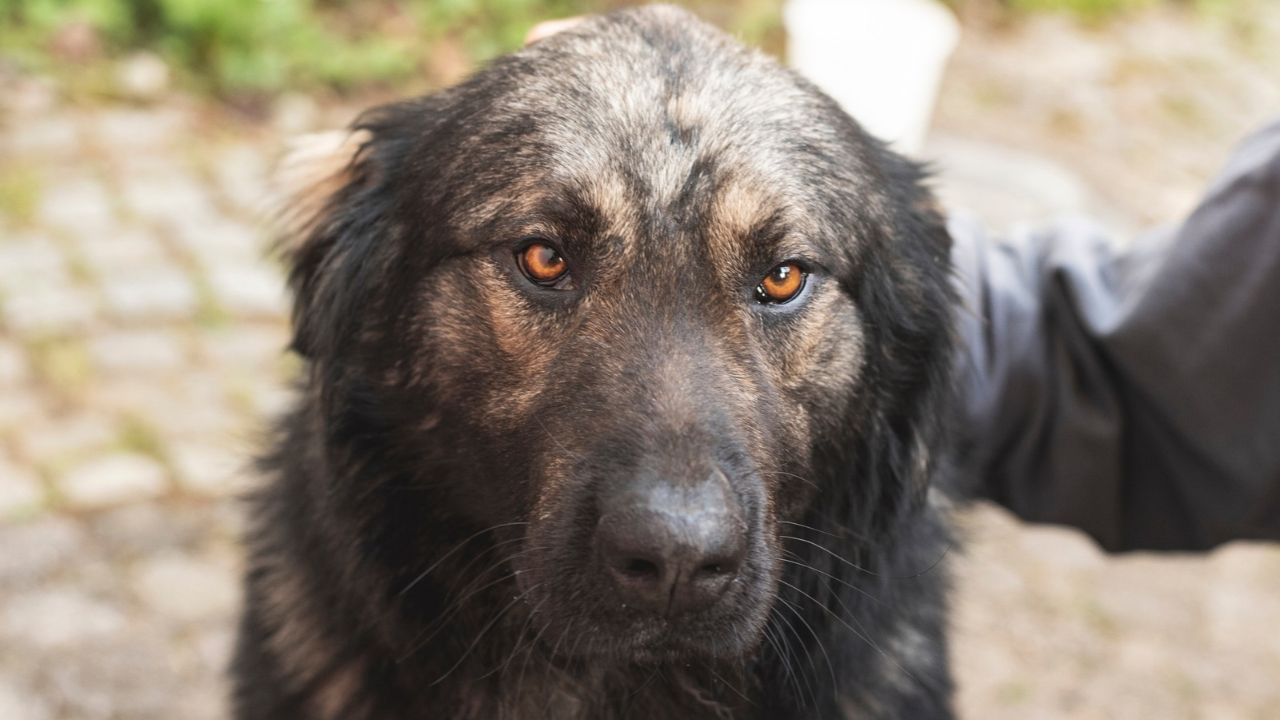
The Shar Planinac comes out of the Balkans with a long history of guarding sheep in rugged terrain. They tend to be steady and tough, good in bad weather, and not easily rattled by noise or movement. For uneven ground and wooded edges, that calm confidence is useful.
They can be reserved and slow to warm up to strangers, which is a feature on a working farm but a headache if you want a social dog. Early structure matters, feeding routine, boundary training, and a job that stays the same day to day.
10. Romanian Carpathian Shepherd Rugged All-Weather Worker
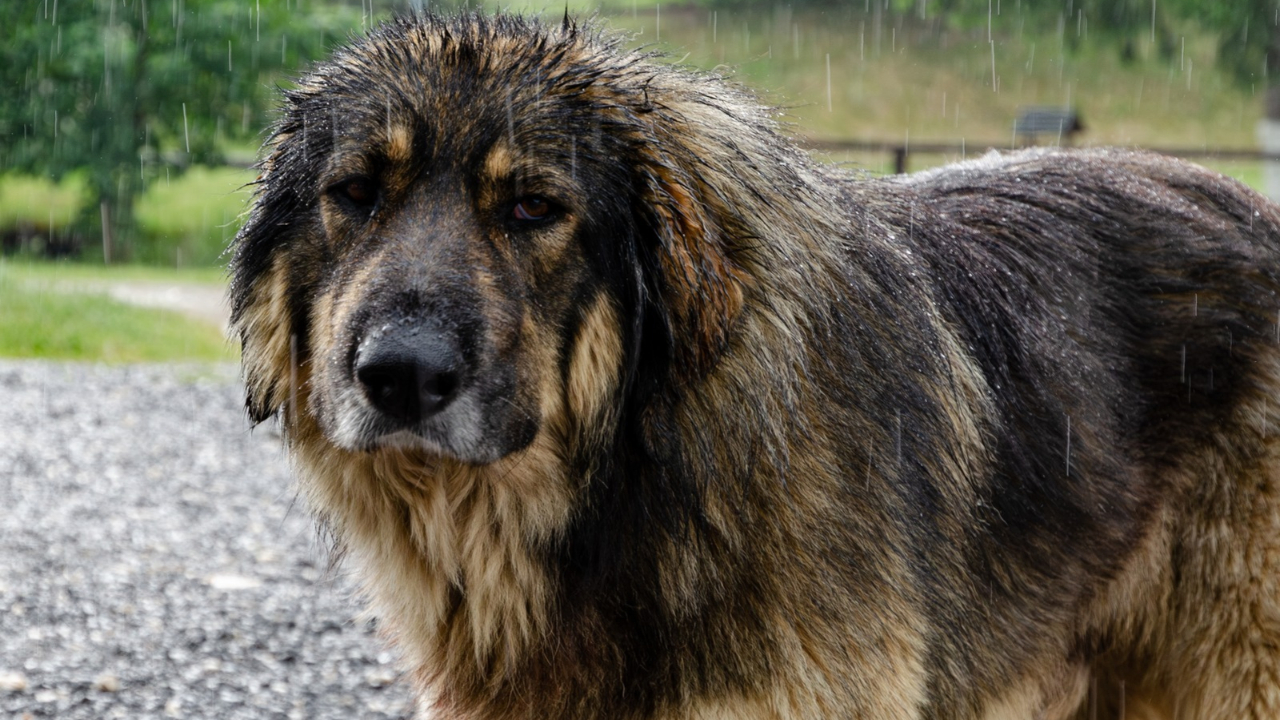
This is one many people don’t think of, but it’s a real livestock guardian type from the Carpathian region. They were bred for tough conditions, long nights, and real predator threats, so you’re looking at a durable, weather-ready dog with strong protective instincts. If your place gets sloppy mud seasons and deep winter, hardiness counts.
Availability can be the limiting factor, you may have fewer local breeders and fewer trainers familiar with the breed. That can mean longer drives, wait lists, and more homework on your part. If you can’t find good lines or support, pick a more common LGD and spend the extra effort on fencing and handling instead.
No matter which guardian fits your land, the dog is only half the system. A good perimeter fence, a simple feeding routine, and clean, predictable human behavior make the job clearer for the dog and quieter for you. Do that, and nights get a lot less exciting.
Like Fix It Homestead’s content? Be sure to follow us.