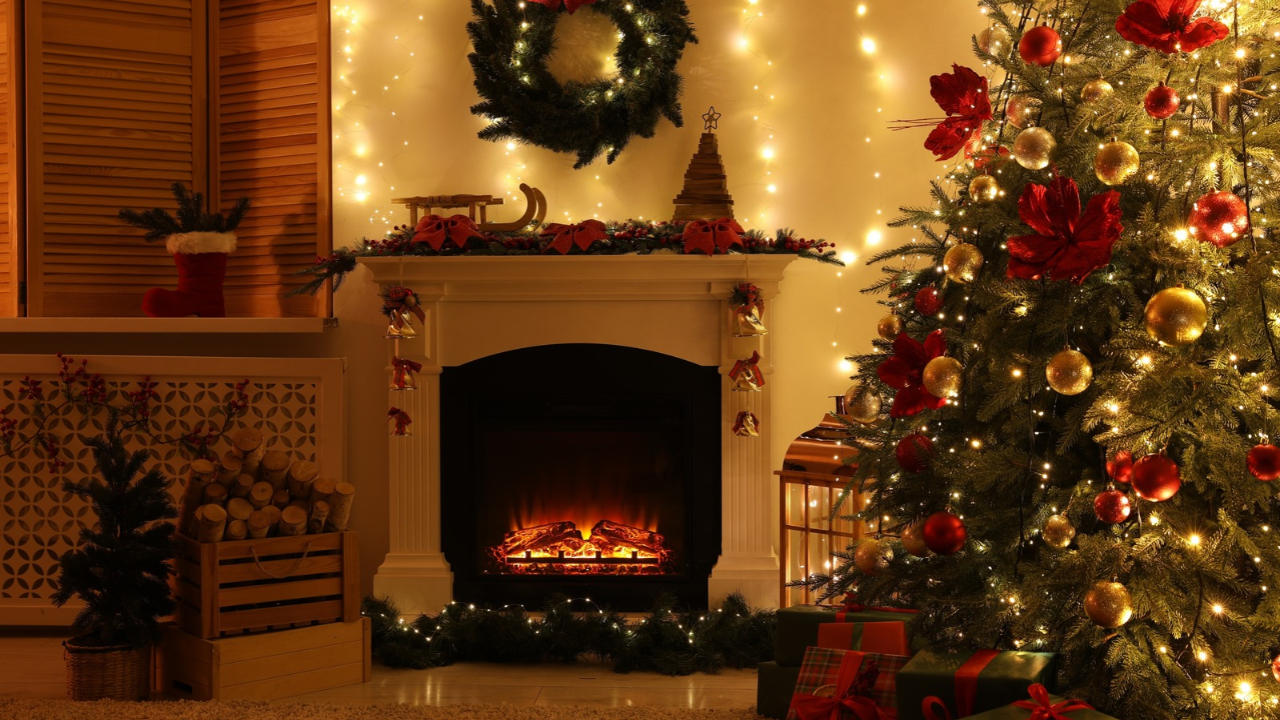
10 Fire Risks That Spike Around the Holidays
Photo credit: New Africa/Shutterstock.com
Holiday prep has a way of piling up fast, boxes in the hallway, cords under rugs, extra cooking, extra heat. Most fires this time of year start the same way, a normal job done in a hurry with the wrong setup. A few quick checks and better habits cut a lot of risk without killing the mood.
1. Dry Tree Watered Once Then Forgotten
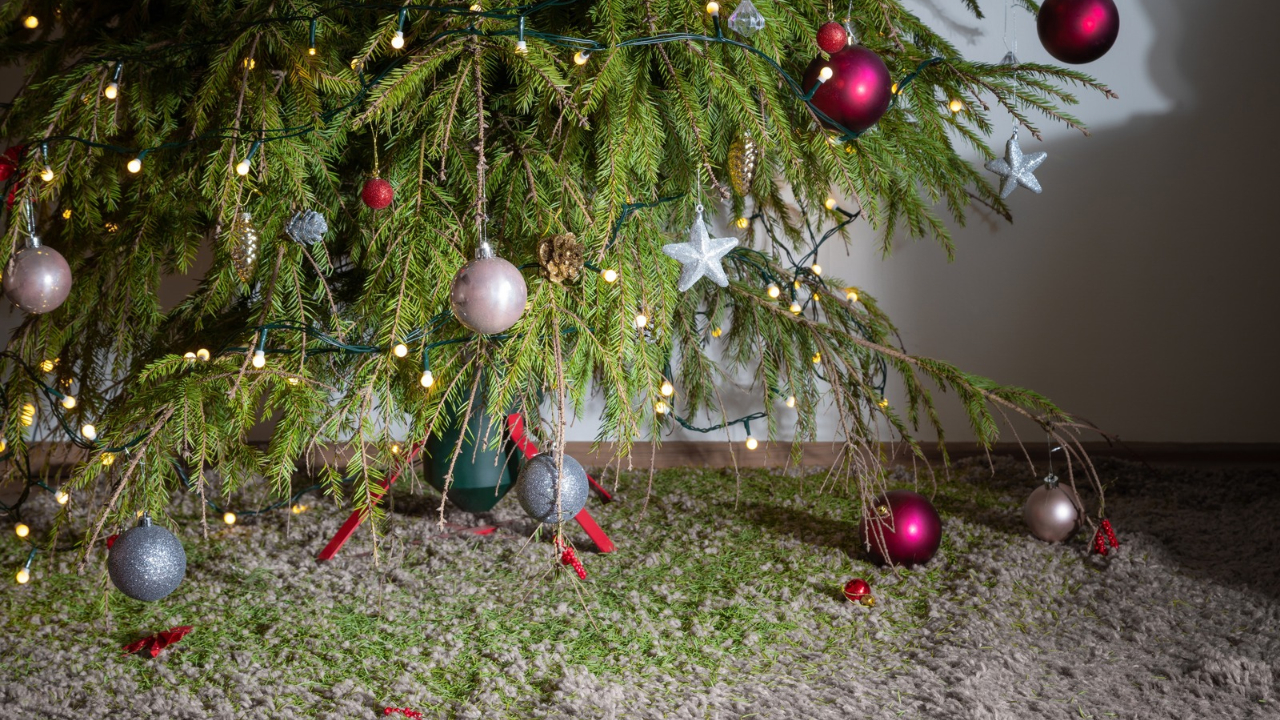
A live tree is a safe tree right up until it isn’t. If the needles feel brittle, the room smells extra “piney,” and you find needles everywhere, that tree is drying out and turning into kindling. The heat vent it sits over and the sunny window that looks cute in photos both speed up the drying.
Keep the stand full, not “a little in the bottom.” Check it daily for the first week, because some trunks drink a lot at the start, then settle down. If you can’t keep up with watering, a good artificial tree is fine and safer than a crispy live one, just don’t pack lights into it so tight they can’t breathe.
2. Cheap Extension Cords Doing Heater Duty
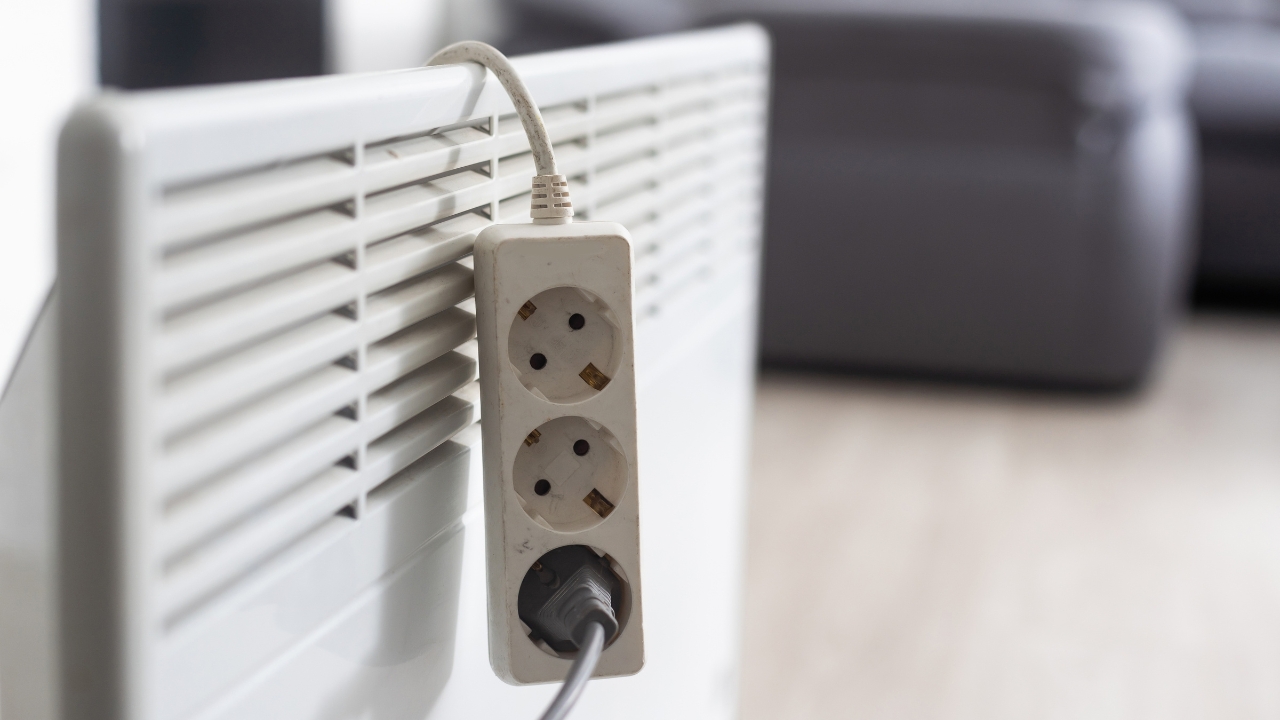
The fastest way to overload a cord is to plug a space heater into it because the outlet is across the room. Thin cords heat up, especially if they’re coiled, pinched under a chair leg, or hidden under a throw rug. You won’t always see smoke first, sometimes you smell hot plastic and the plug feels warm.
Space heaters belong plugged straight into a wall outlet, no power strip, no extension cord. If you truly need heat in that spot all winter, pay an electrician to add an outlet or run a proper new circuit, especially in older houses with limited receptacles. It costs money, but it beats melting a cord into the carpet.
3. Light Strings With Cracked Insulation
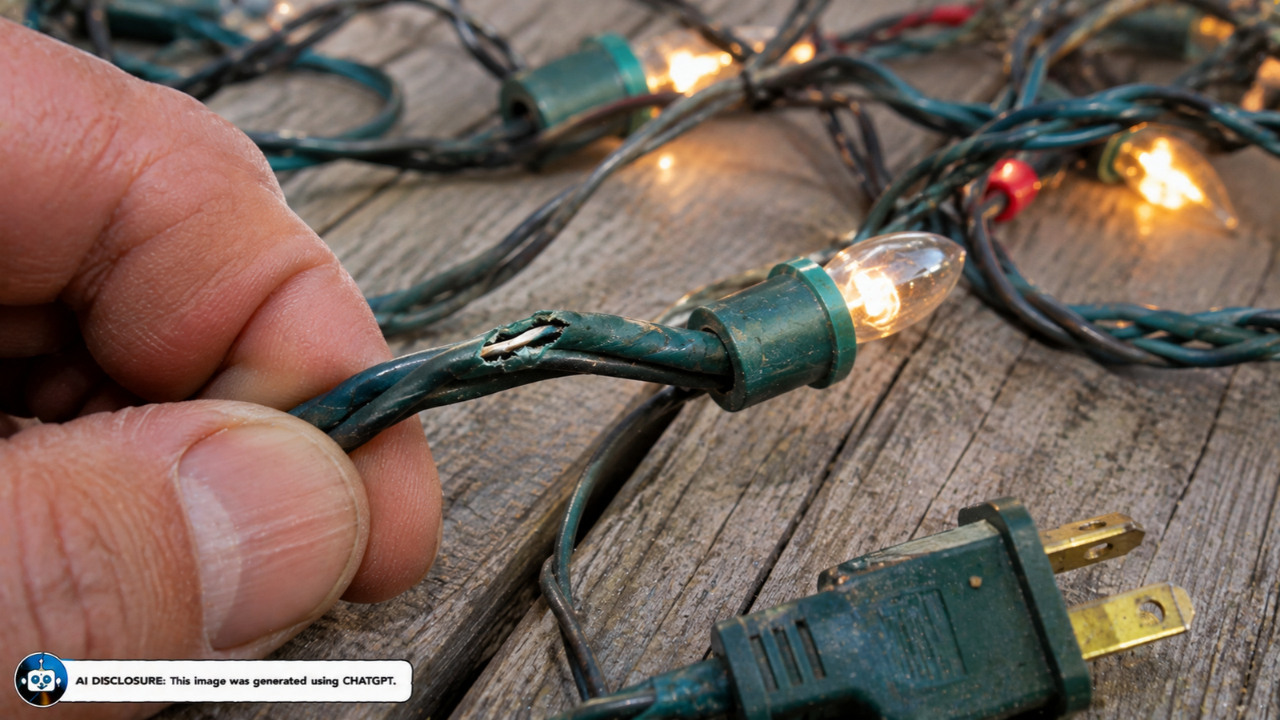
People hang lights that were fine last year, then the first cold snap makes the jacket brittle and it splits when you tug it. Look close at the plug ends and the first few feet of wire, that’s where damage hides. If a string flickers when you wiggle it, it’s done.
Toss damaged strings, don’t “wrap it in tape and see.” For outdoor runs, use lights rated for outdoor use and keep connections off the ground so they don’t sit in slush. If you’re running a lot of lights, spread them over more than one circuit so you’re not pushing one breaker all season.
4. Candles Set Near Drafty Curtains
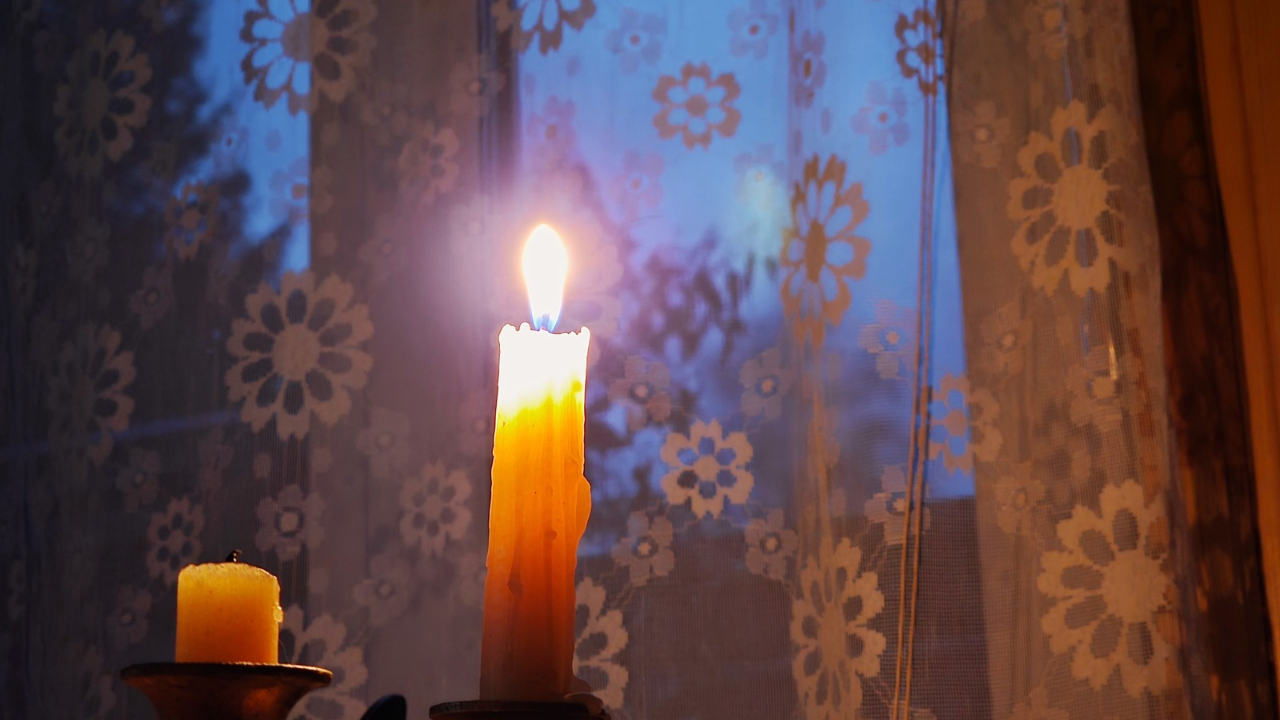
Open flame in a busy house is a gamble, and the problem is rarely the candle itself. It’s the paper decoration, the dog tail, the sleeve that brushes the table on the way past, or the curtain that lifts when the furnace kicks on. A candle that’s “fine on the mantle” can turn bad when the room fills with guests and traffic.
Keep candles in heavy holders on a stable surface, and give them real space, not a couple inches. If you like the look but hate the risk, use flameless candles in windows and save real flame for one spot you can actually watch. Snuff them before you leave the room, not after the show ends.
5. Grease And Sugar Smoke While Cooking
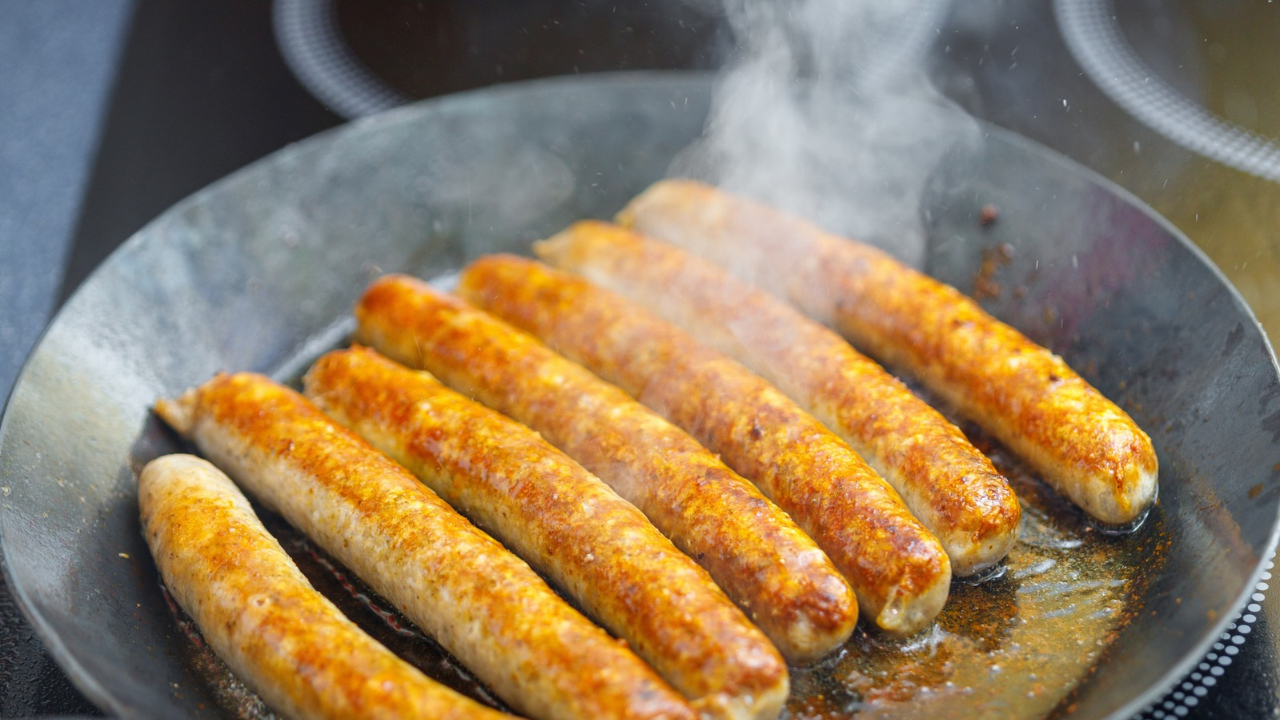
Holiday cooking pushes stoves harder and longer than normal, and grease builds up on the range hood filters until it’s basically fuel. Then a pan gets too hot, oil flashes, and the whole kitchen fills with that sharp, bitter smoke. Deep frying a turkey or doughnuts adds another level of risk that’s not worth improvising.
Clean the hood filter before the big cook, hot water and degreaser in a sink works for many types, and replace cheap ones when they won’t come clean. Keep a lid close when you’re frying in a pot, and keep anything flammable off the stovetop, including oven mitts and wooden spoons. If a grease fire starts in a pan, shut off the heat and cover it, don’t throw water on it.
6. Wood Stove Ashes Dumped Too Soon
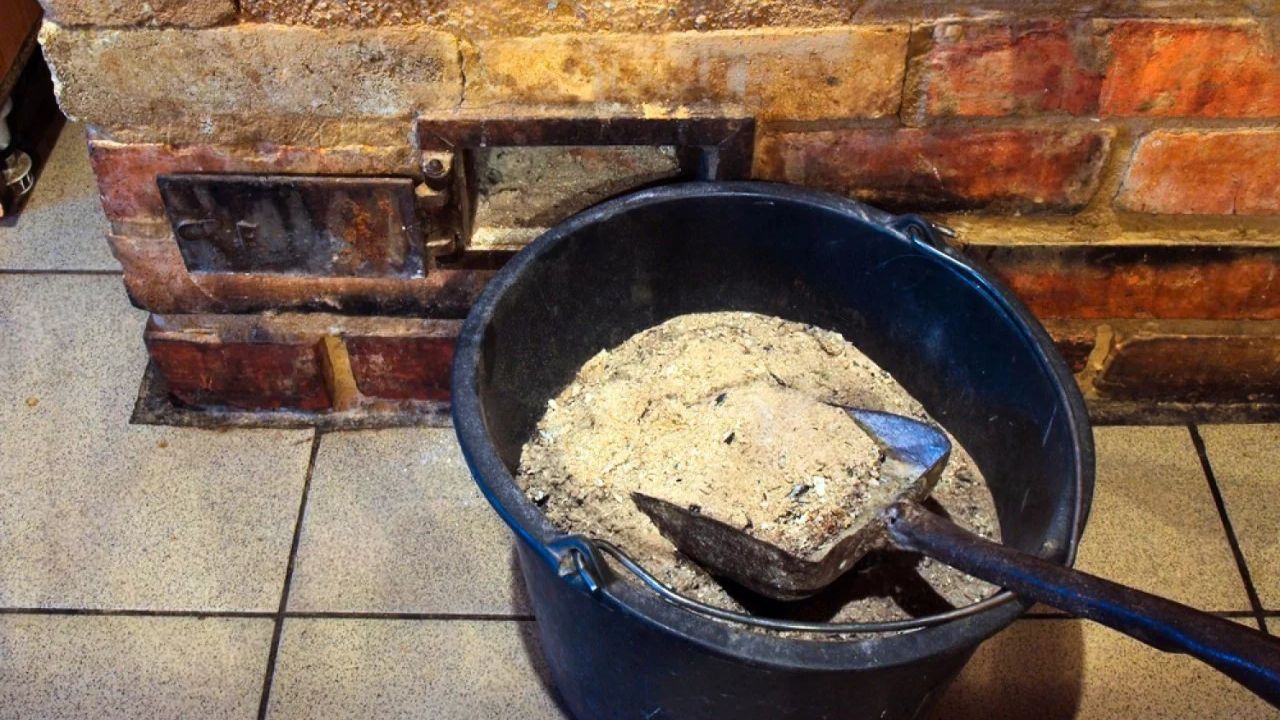
Ash looks dead long before it’s dead. One hidden ember in a metal bucket can stay hot for hours, sometimes into the next day, and it only needs a little air. Around the holidays, ashes get hauled out quick to make the living room presentable, then set on a wooden porch or next to stacked firewood.
Use a real metal ash can with a tight lid and set it on bare soil, gravel, or concrete, not on a deck. Leave it outside away from buildings until you’re sure everything is cold. If you heat with wood, this is one of those habits that has to be boring every time.
7. Real Tree Lights Left On All Night
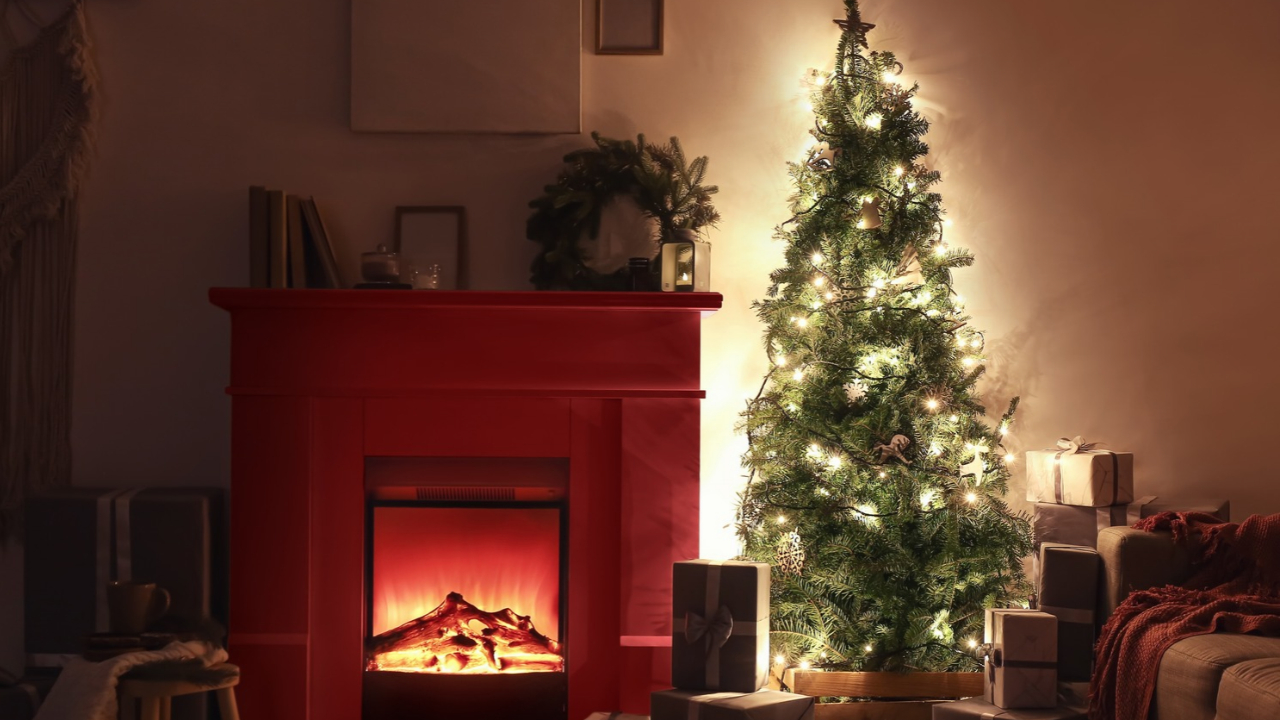
Leaving lights on while everyone sleeps feels normal because it looks cozy from the street. But the longest unattended run is overnight, when a shorted wire, a loose bulb, or a pinched cord has hours to heat up with nobody watching. Add a dry tree and you’ve stacked the odds the wrong way.
Put tree and window lights on a simple timer or smart plug that shuts them off late and turns them on again before dawn. This is one spot where the cheap option is often fine, a basic mechanical timer from the hardware store does the job. If a timer or plug ever feels hot to the touch, replace it.
8. Overloaded Power Strips Behind The TV

That one outlet behind the entertainment center ends up feeding the whole holiday setup, tree lights, speaker system, game console, phone chargers, and the inflatable outside on the same strip. Power strips aren’t magic, they’re just an extension of the circuit, and some are junk inside. Heat builds up where you can’t see it, behind furniture, buried in dust.
Use a power strip with an actual breaker, and don’t daisy chain strips together. If you keep tripping a breaker, that’s the house telling you the load is too high for that circuit. Spread things to other outlets on different circuits, or have a licensed electrician add capacity.
9. Heat Tape Wrapped Wrong On Pipes
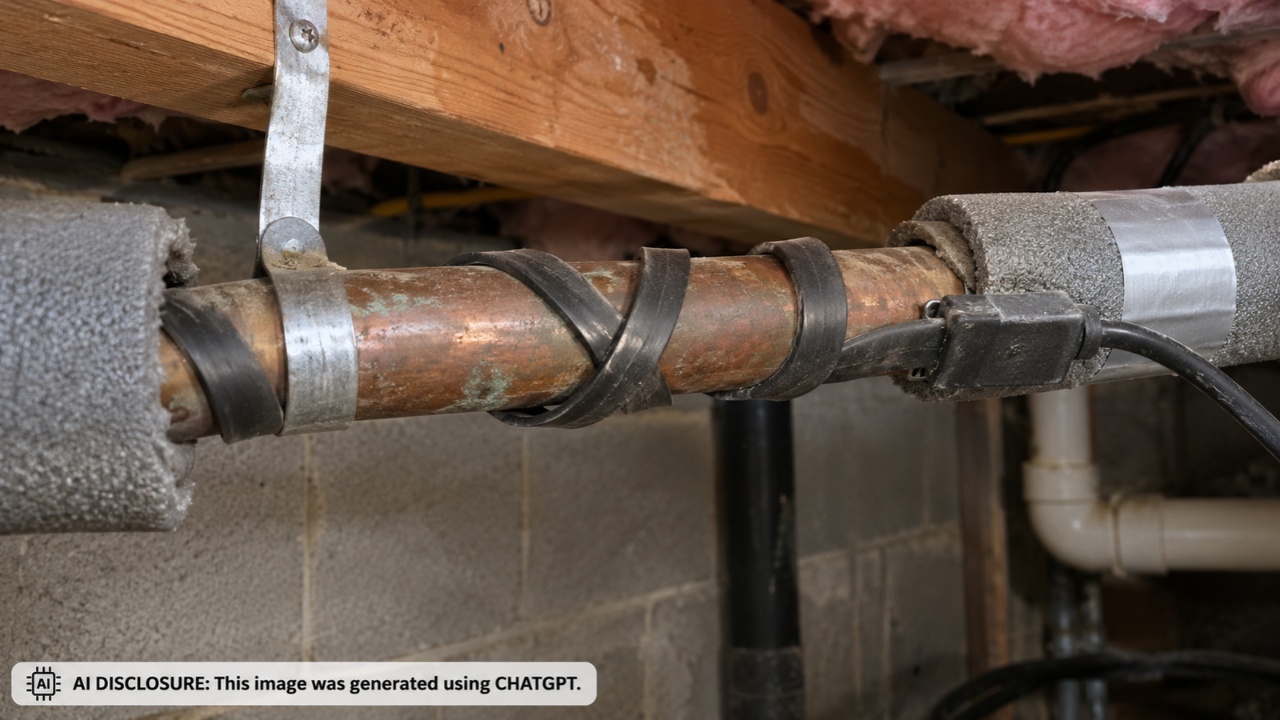
Cold snaps don’t care about your holiday plans, and frozen pipes show up right when you’re leaving town. Heat tape is helpful, but only when it’s the right type and installed the way the maker says. Crossing the tape over itself, using the wrong insulation, or running it through a door crack invites hot spots.
Use heat cable rated for the job, plug it into a GFCI outlet, and follow the spacing rules so it doesn’t overlap. Replace old, stiff tape with cracked jackets. If the pipe run is complicated or you’re not sure what you’re looking at, a plumber can set you up quickly and it’s cheaper than a burst line and a fire call.
10. Fireplaces With Blocked Airflow Or Creosote
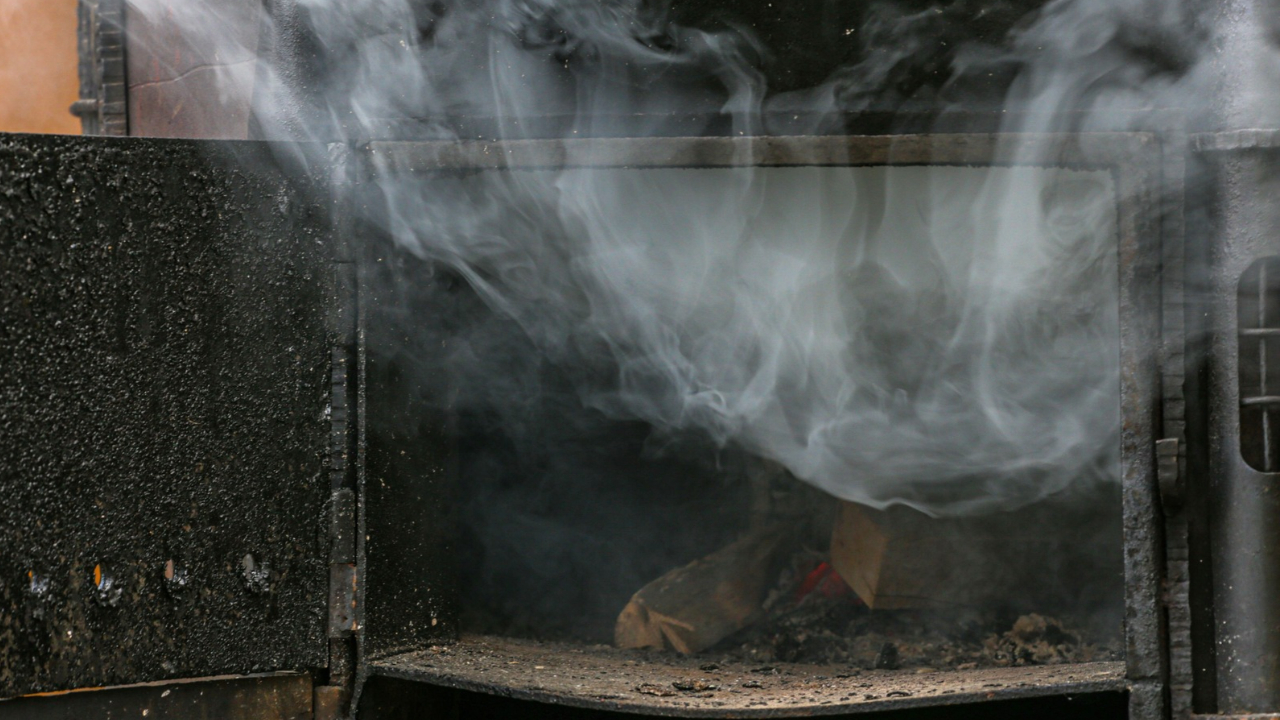
The first fire of the season is when problems show themselves, smoke spilling into the room, a slow draft, a rumbling sound in the flue. Creosote buildup from last year, a bird nest, or a closed damper turns a cozy evening into a mess fast. Gas fireplaces have their own issues too, like dirty burners and blocked vents.
If you burn wood regularly, get the chimney inspected and cleaned on a schedule that fits how much you burn, not how much you wish you burned. Use a flashlight to look up from the firebox for obvious blockage before the first burn. For gas units, service is a good pro job, and it keeps you from guessing around flame and venting.
Holiday fixes are mostly small, but they work best when you do them early, before the house fills up and the weather turns mean. Take an hour, clear the cords, check the heaters, clean the stove area, and look hard at anything that makes heat on purpose. You’ll sleep better, and the season runs smoother.
Like Fix It Homestead’s content? Be sure to follow us.