
10 Improvements That Raise the Value of Acreage
Photo credit: Andriy Blokhin/Shutterstock.com
Acreage can look great from the road and still leave buyers uneasy once they drive in. They notice the little failures that mean work, money, and weekends they don’t want to give up. The best value bumps usually come from fixes that make the place easier to live on and easier to maintain.
1. All-Weather Driveway With Real Drainage
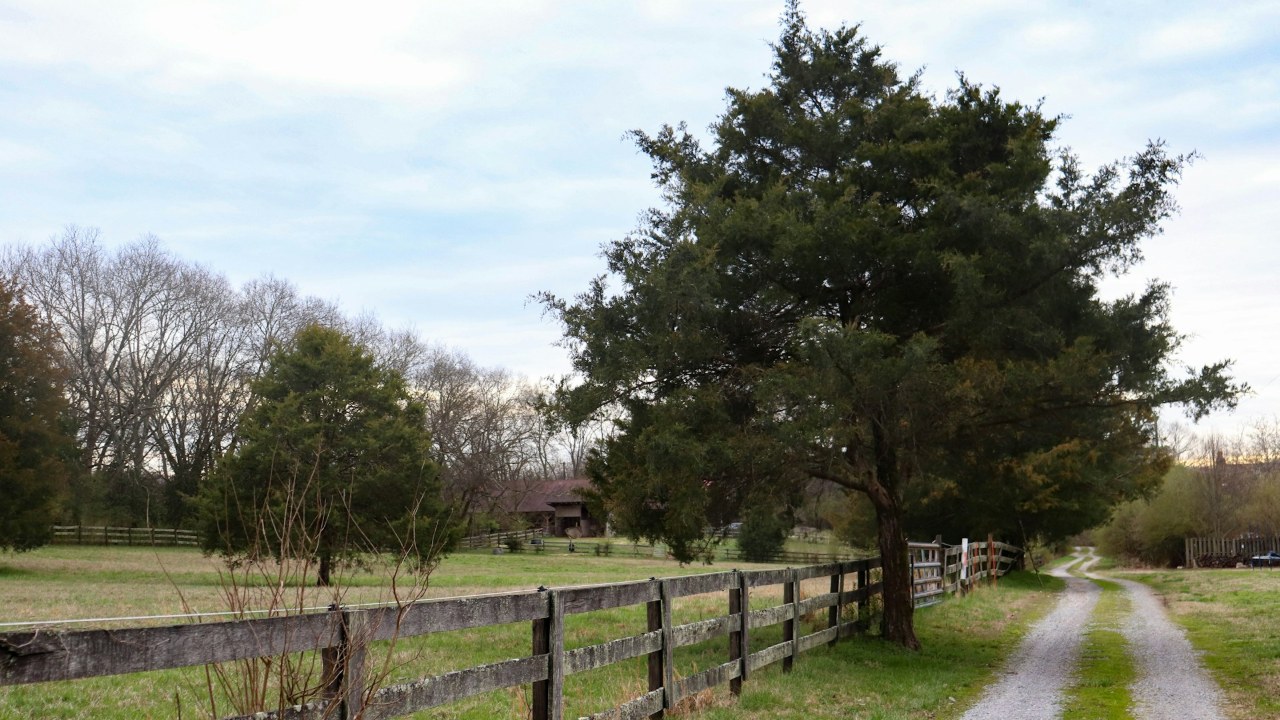
A rutted drive is a mood killer. If water sits in the tire tracks, the base is failing, and every rain turns into a grading project. Buyers read that as “constant upkeep,” even if the house is perfect.
Bring in proper base rock, crown the center, and cut ditches or add culverts where water crosses. A box blade can maintain a decent drive, but rebuilding one takes equipment and know-how, so it’s often worth hiring a local gravel contractor for a day. If you add a culvert, call for utility locates before digging and follow local rules for ditch and road approaches.
2. Fencing That Actually Holds Pressure
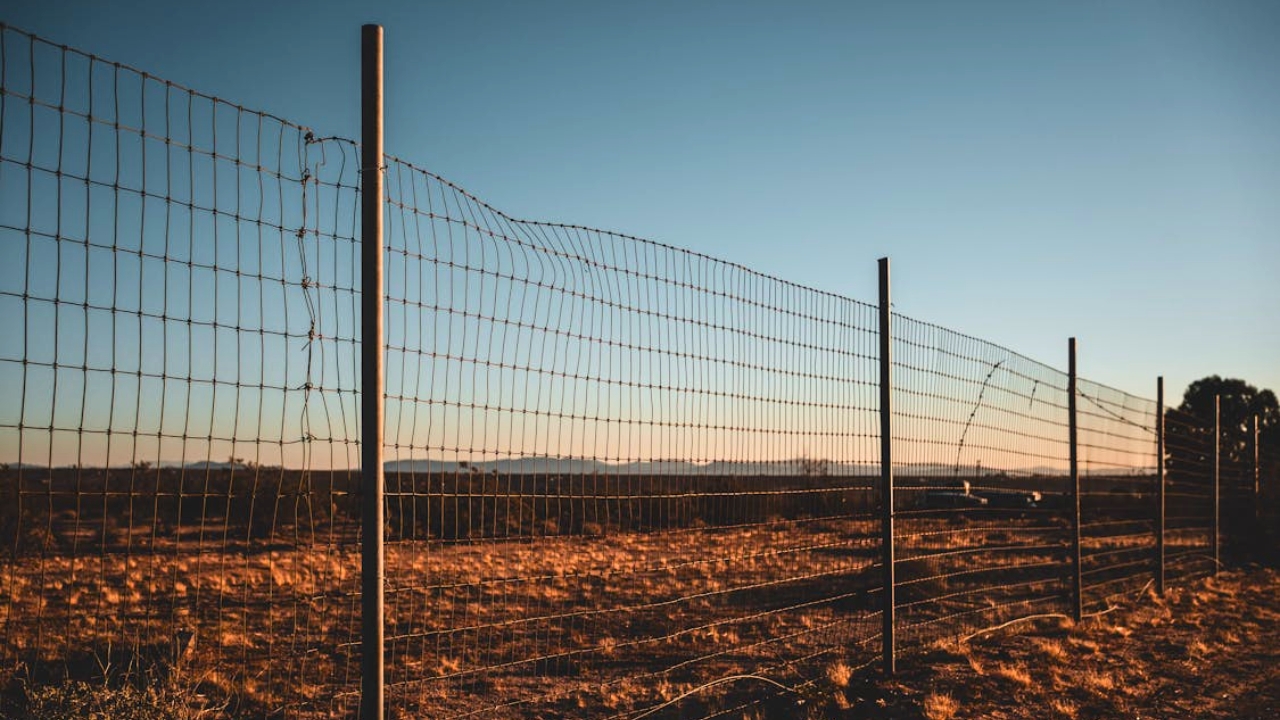
Loose fence is more than ugly, it signals you’ve been chasing problems. Sagging wire, leaning posts, and latches that don’t line up make buyers think livestock will be a headache, even if they don’t own any.
Reset corner and gate posts first, those are the backbone. Replace rotted posts, brace corners, and tighten wire with the right tools instead of twisting with pliers until it kinks. A clean, working gate is a small detail that feels expensive.
3. Clear Boundaries And Marked Corners
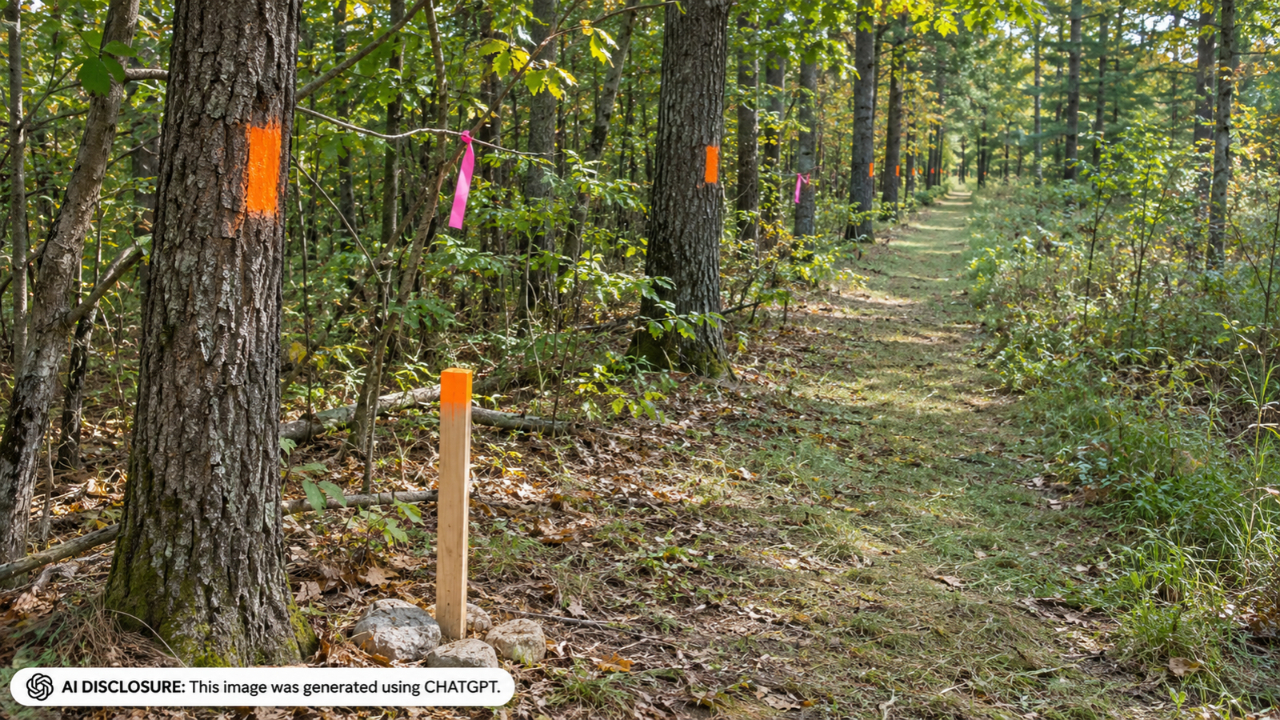
Lots of acreage listings get fuzzy the moment someone asks, “Where does the line actually run?” If the boundary is a mystery, buyers picture neighbor drama, surprise easements, or finding out the shed is on the wrong side after closing.
If pins are hard to find, pay for a survey or at least a surveyor’s corner recovery and marking. Then keep the line readable with paint, posts, or maintained brush breaks, without cutting a new road through the woods. An exception: if the property is being sold strictly as “as-is” recreational land at a bargain price, a full survey isn’t always worth it, but clearly flagged corners still help showings.
4. Water System That Never Feels Sketchy

Water is non-negotiable on a rural place. A well that spits air, a pump that short-cycles, or pressure that dies during a shower will scare off even tough buyers.
Start with the basics you can prove: a new pressure tank if it’s waterlogged, a pressure switch if it chatters, and a sediment filter if you’ve got sand. Keep service records, well depth info, and any water test results in a folder. For pump pulls, well wiring, and anything inside the well casing, hire a licensed well pro and follow local requirements.
5. Septic And Leach Field Kept Honest
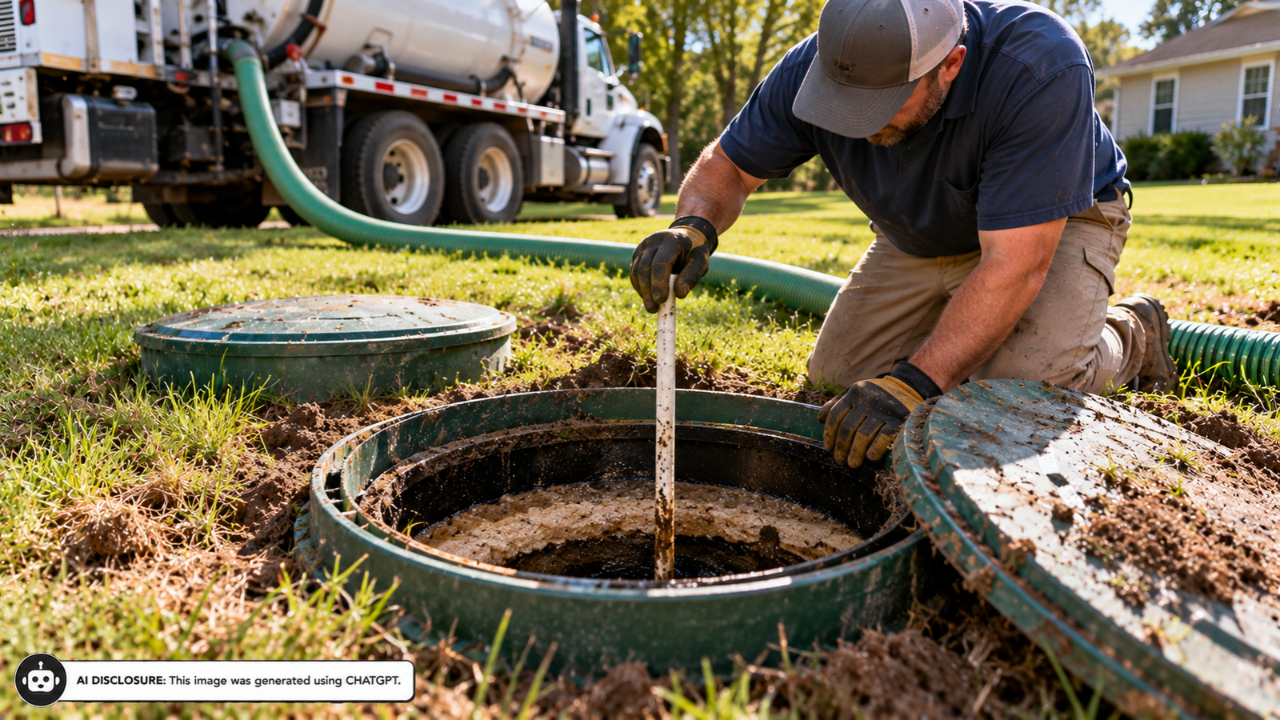
The fastest way to kill a deal is a soggy patch that smells “off,” especially in spring when the ground is already wet. Even if nothing’s failing, buyers worry about digging up half the yard and writing a big check right away.
Get the tank pumped on a normal schedule and keep the receipt. Don’t drive equipment over the field, don’t plant trees on it, and route roof and surface water away so it stays dry. If you suspect a problem, stop guessing and get a licensed septic inspection before you list, local rules can force repairs once it’s on paper.
6. Outdoor Lighting That Makes Sense
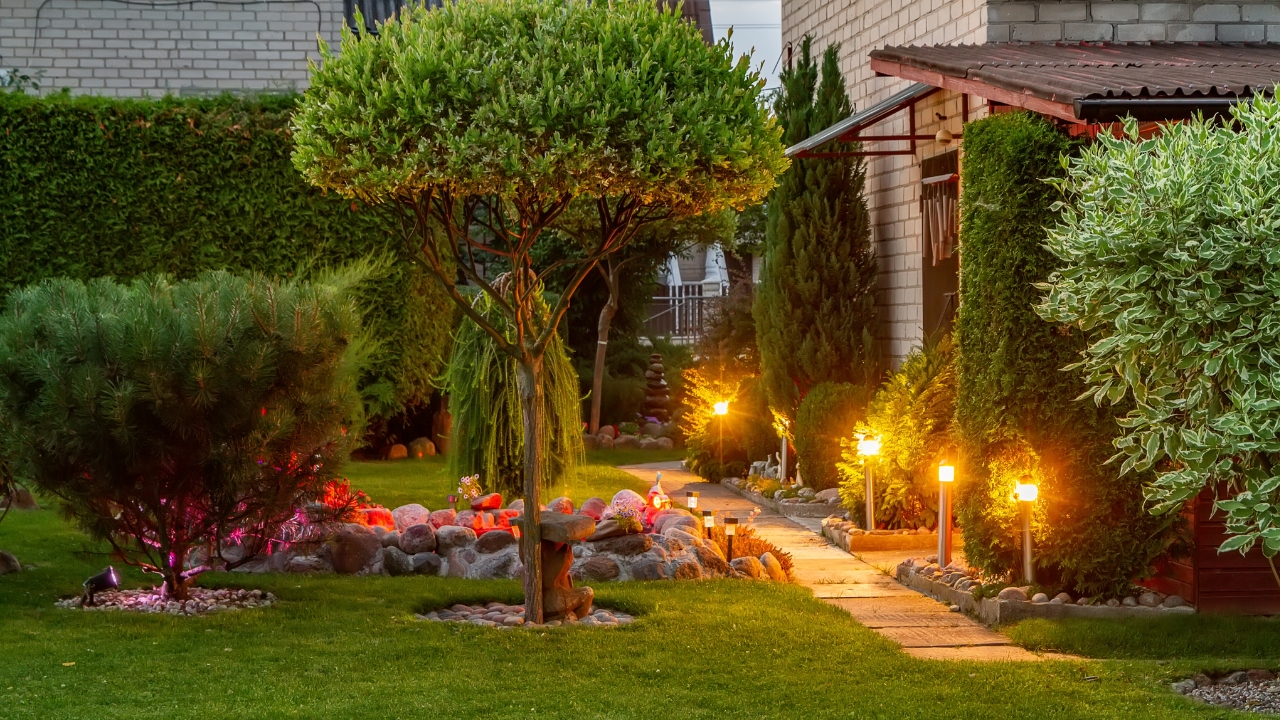
Dark farmyards feel risky. A couple of well-placed lights near parking, the shop, and the main entry make the property feel cared for and usable, especially at winter showings.
Motion lights are fine if they’re aimed right and don’t strobe every time a branch moves. Run new circuits only if you’re qualified, and pull permits where required. Low-voltage path lighting is a good DIY option and doesn’t need to be fancy to look sharp.
7. Barn And Outbuilding Roofs That Don’t Drip
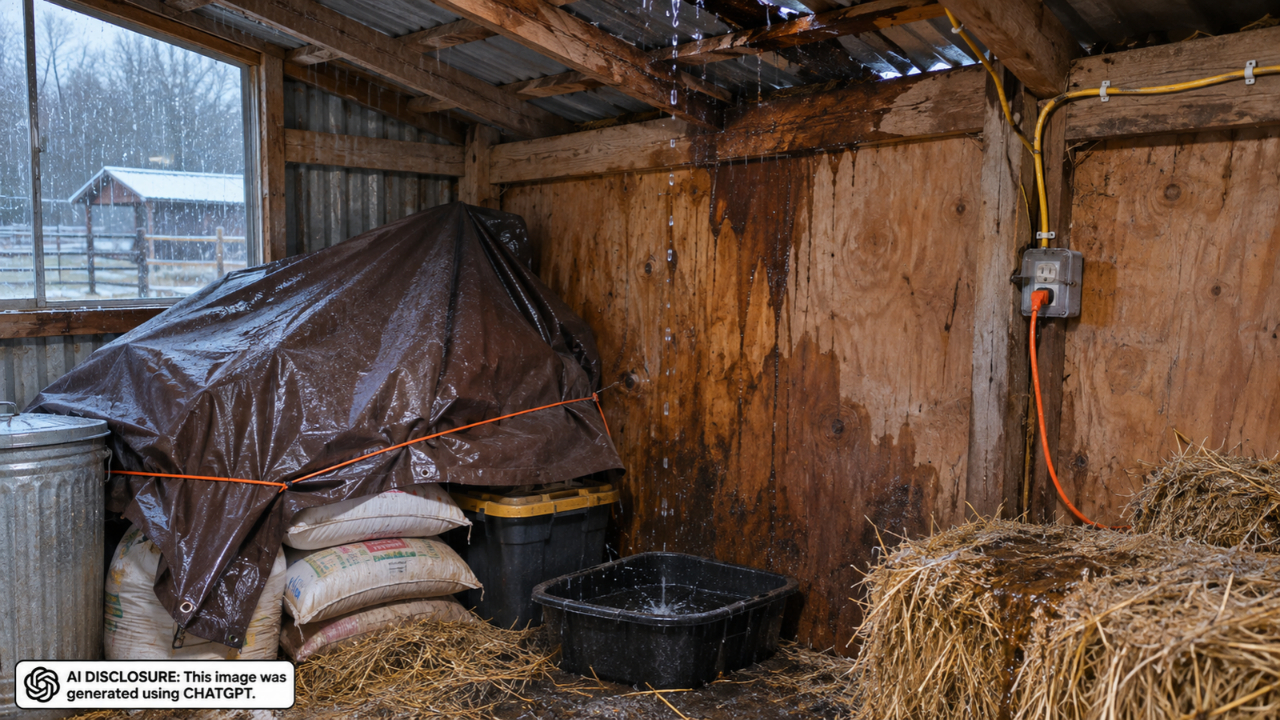
People forgive old siding. They don’t forgive water coming through a roof. One dark stain on rafters can make a buyer assume the whole structure is on borrowed time.
Fix leaks, replace missing panels or shingles, and install proper drip edge where it makes sense. If the roof is near the end, a clean re-roof on a shop or barn often pays back because it removes the “project building” label. For steep roofs or big spans, hire it out, falling off a barn isn’t a DIY badge of honor.
8. Managed Trees And A Safer Canopy
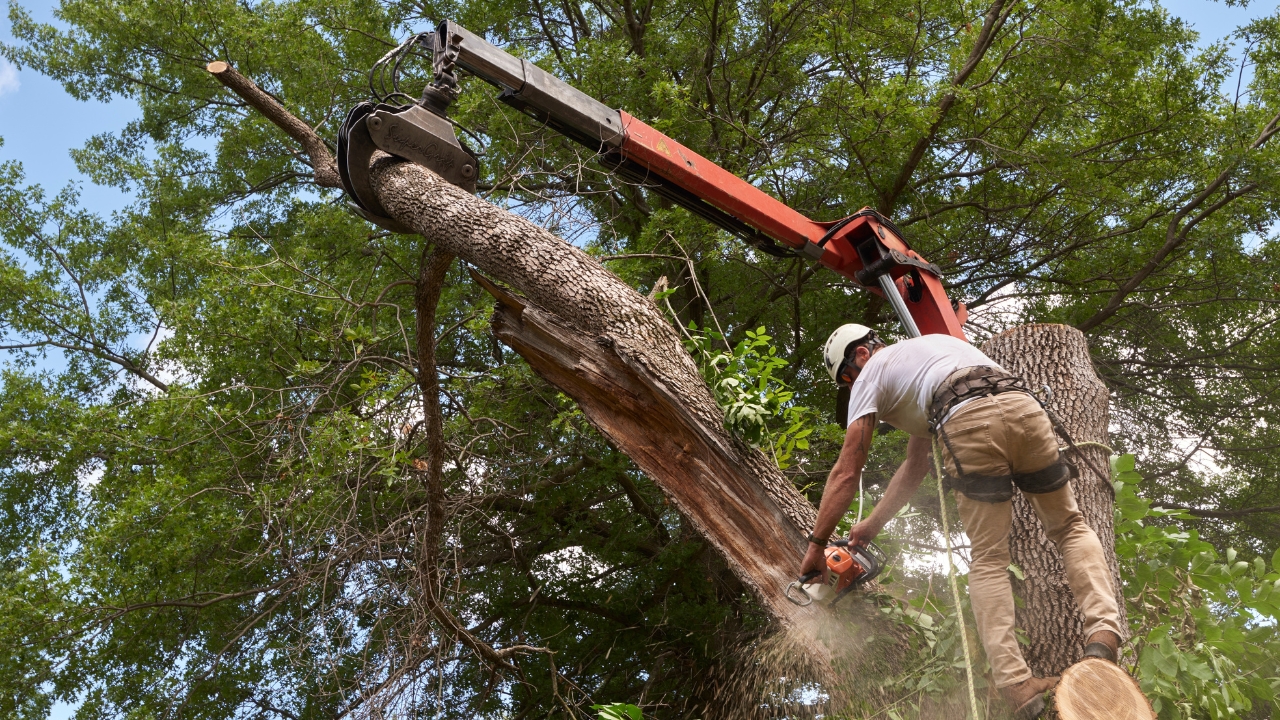
The best time to notice dead limbs is not during a showing after a windstorm. Overhanging branches, split trunks, and trees leaning toward the house, power lines, or barn raise safety questions fast.
Walk the place once a year, especially after heavy snow or ice, and mark hazards. Take down small problem trees yourself with proper PPE, but call an insured arborist for anything near structures or lines. Clearing a few sight lines around the driveway and homesite also makes acreage feel bigger and more inviting.
9. Pasture And Field Edges That Look Kept
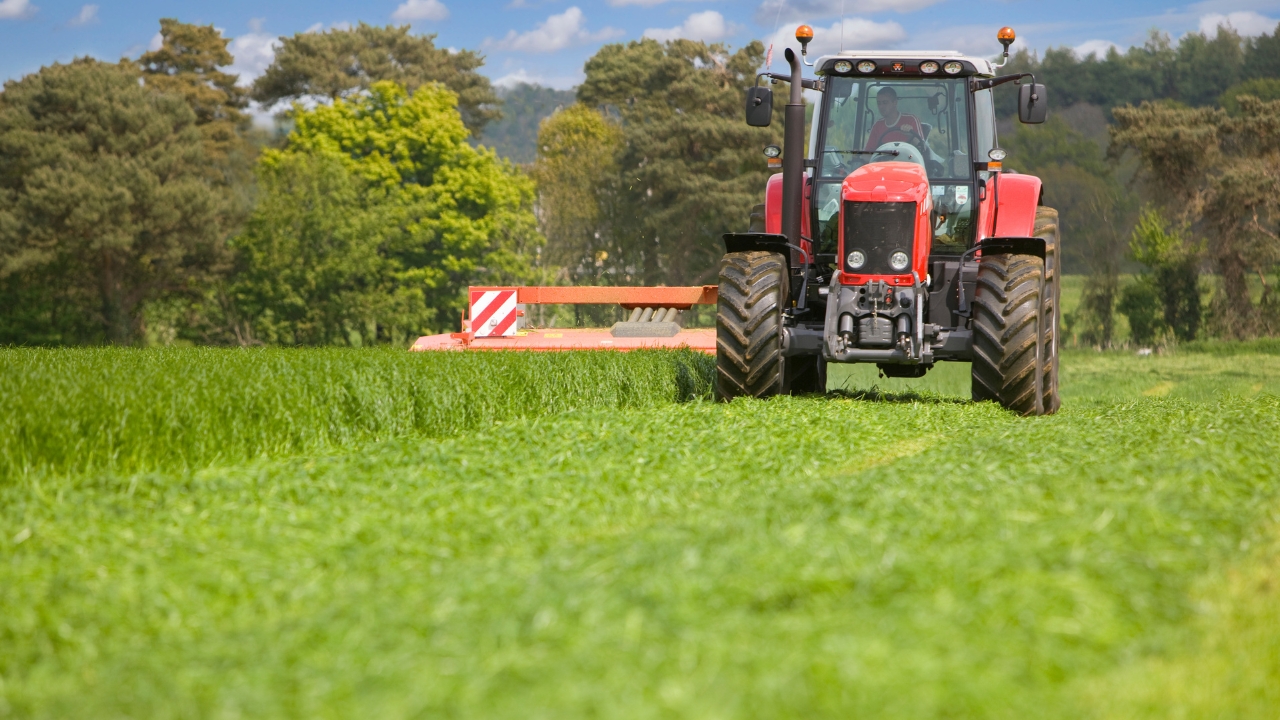
Overgrown field edges make land look smaller. Tall weeds and brush creeping in tell buyers the ground is “getting away” from you, and they mentally add a tractor payment.
Mow or brush-hog on a simple schedule, and knock back saplings before they turn into stump work. Spot-spray invasives where appropriate and legal in your area, and keep the gate areas and lane edges clean so the property shows well. You don’t need golf course grass, you need control.
10. Simple Paperwork That Proves What Works
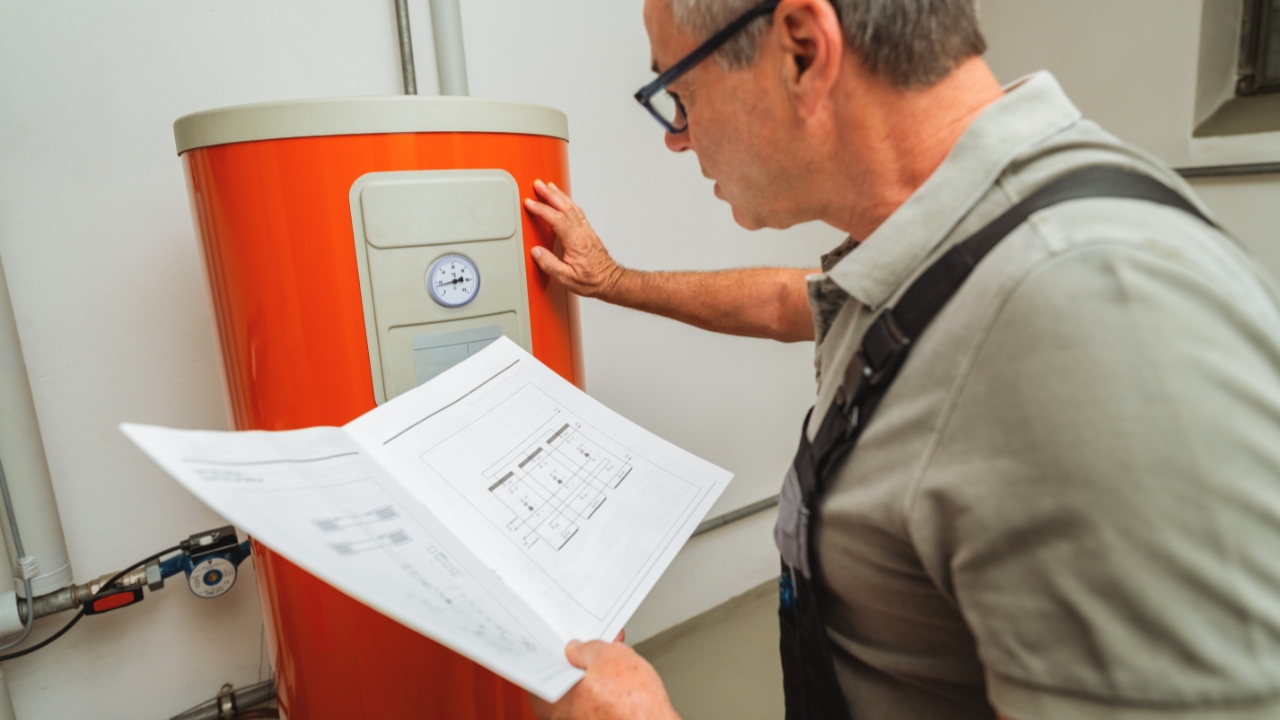
Buyers like land, but they buy confidence. If you can’t tell them where the septic is, what filter the well uses, or which breakers feed the shop, the place feels harder than it is.
Create a one-page property cheat sheet: utility providers, well and septic locations, filter sizes, gate codes, equipment that stays, and service dates. Add maps from your county GIS if they’re available, plus any permits for additions. This costs almost nothing, and it makes showings smoother.
Pick two or three projects that remove the biggest doubts, then clean up the details that make the property feel straightforward. The goal is to make a buyer think, “This place is ready,” instead of, “What am I going to find after closing?”
Like Fix It Homestead’s content? Be sure to follow us.