10 Things That Make a Fireplace Damper Useless
Photo credit: Fix It Homestead
A fireplace damper looks like a simple metal flap, but it has a big job. It has to seal when the fireplace is cold, open smoothly when you burn, and stay stable through heat, ash, and weather. When something throws any of that off, you end up with smoke in the room, a cold draft, or heat pouring up the chimney.
1. Creosote And Soot Buildup
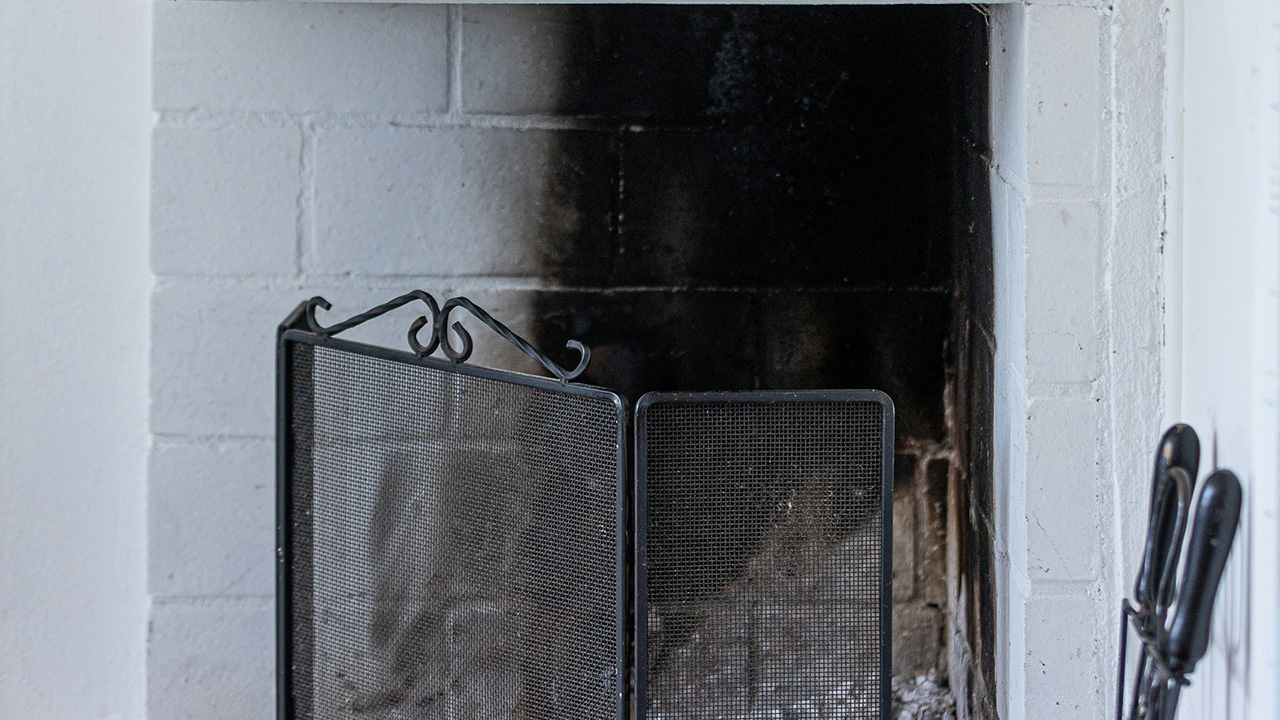
After a season of burning, the damper area can get glazed with creosote and packed with soot. That gunk keeps the damper from fully closing, so you feel a steady cold draft and your furnace runs more than it should. It also makes the handle feel sticky or gritty, like it is dragging through sand.
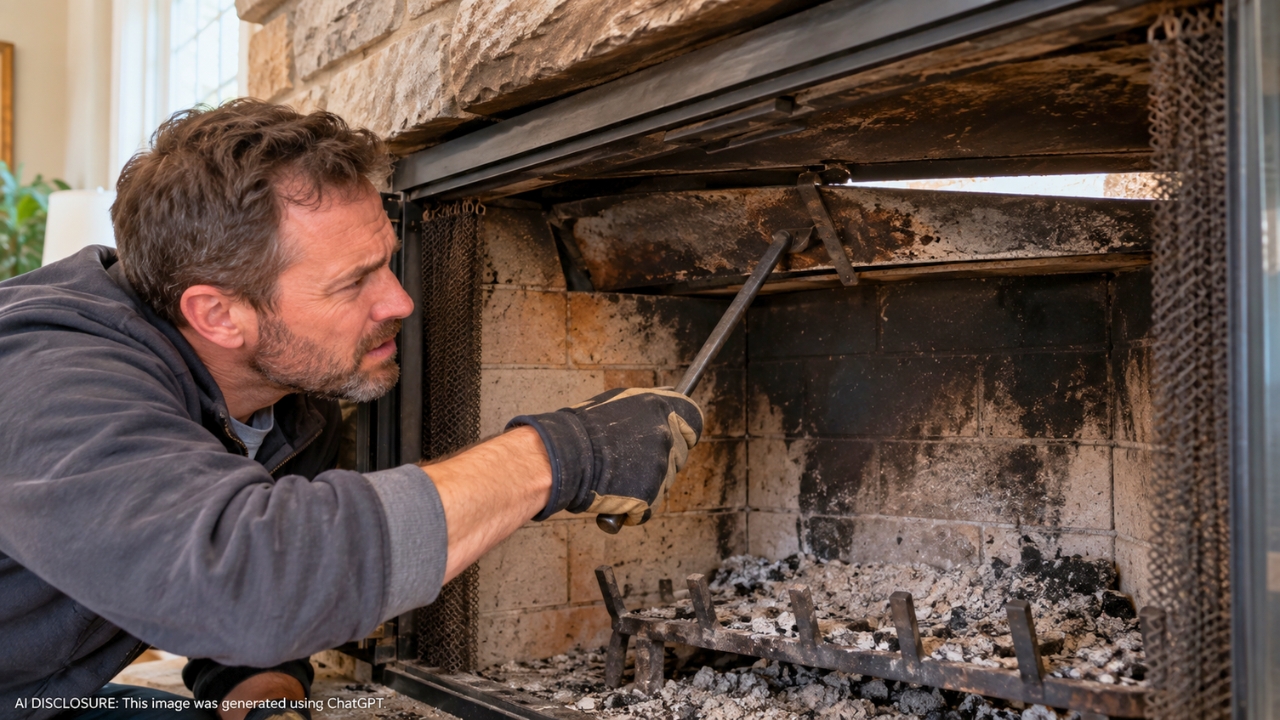
Start with a bright flashlight and a small mirror so you can actually see the seating surface. A stiff nylon brush and a shop vac help for dry soot, but heavy creosote is a job for a chimney sweep, because scraping it wrong can damage parts and the buildup is a fire risk. If the damper won’t close all the way after cleaning, the problem is probably warping or misalignment, not dirt.
2. Warped Damper Plate From Overheating
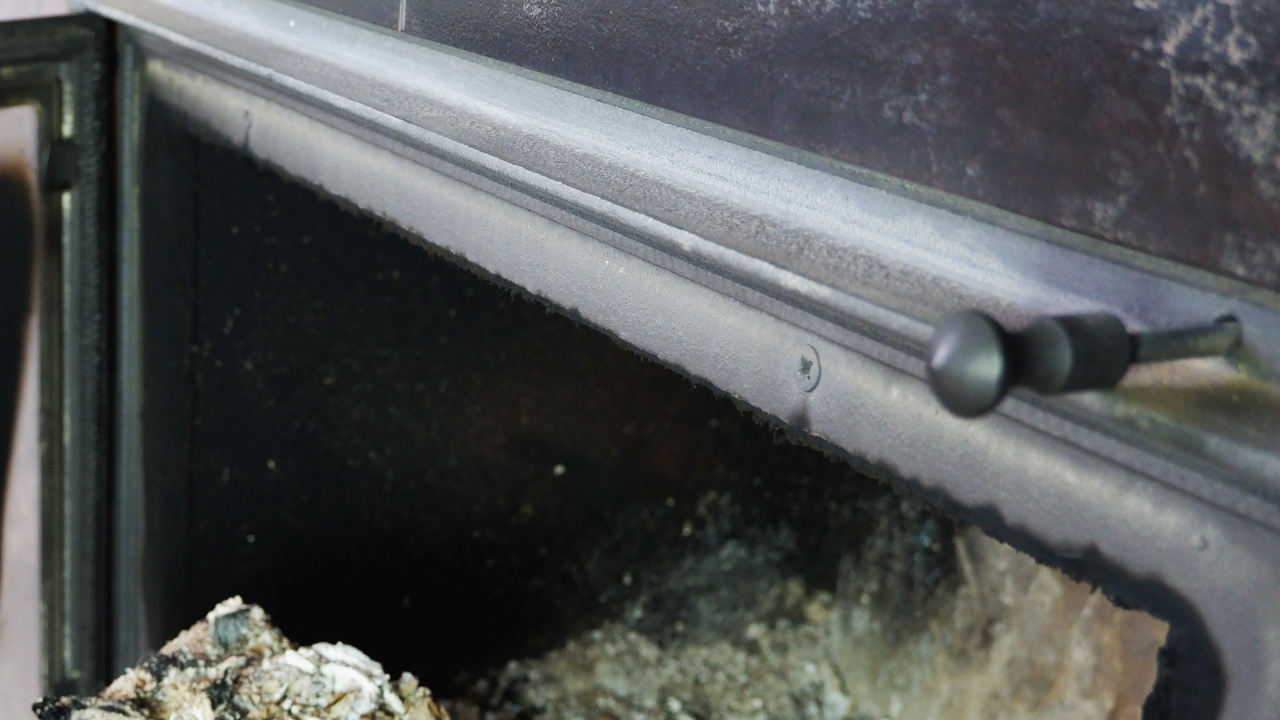
Burn a few hot fires with the damper partly closed, or run the fireplace with restricted airflow, and the plate can warp. Once it bows, it will never sit flat again. You get a damper that “closes” but still leaks a ribbon of air you can feel with your hand held near the firebox opening.
A warped plate usually means replacement, not tinkering. Some plates can be swapped without tearing out masonry, but if bolts are seized or the frame is damaged, a pro is money well spent. If you burn often, stop closing the damper until the last coals are truly out and the firebox is cool to the touch.
3. Rusted Hinges And Frozen Linkage
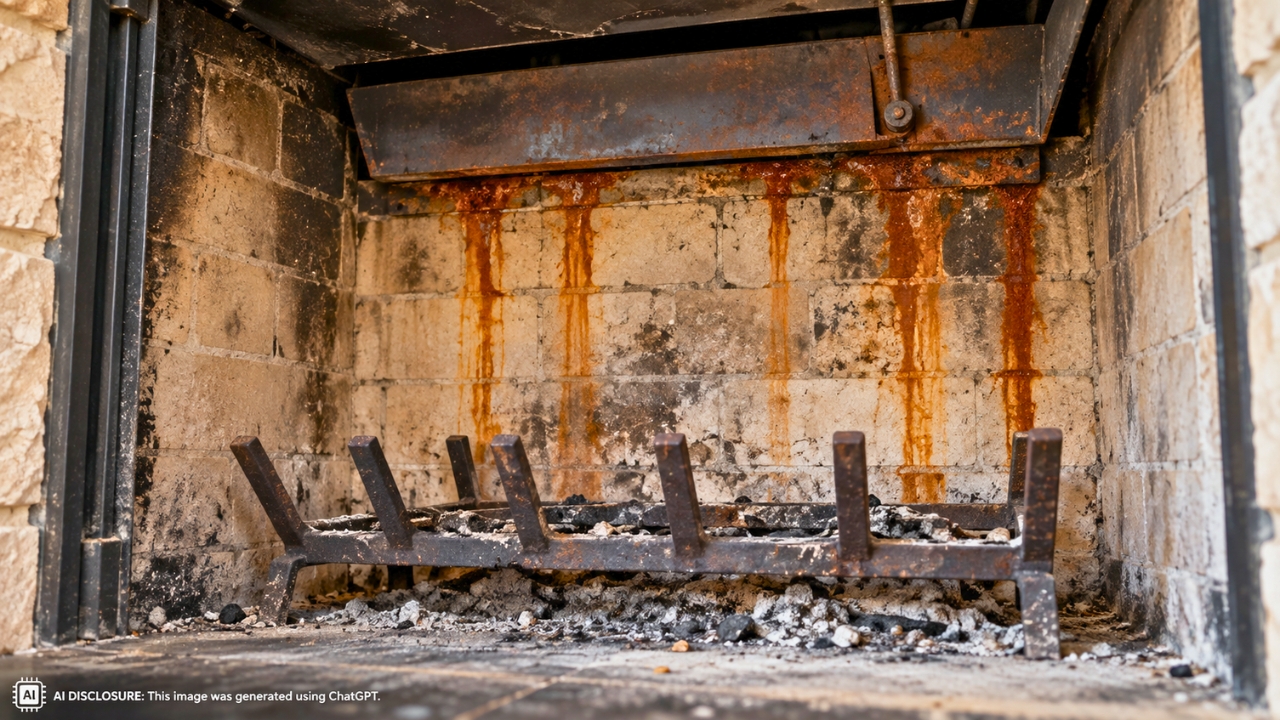
Moist air in the flue, plus ash, makes a nice little rust factory. The damper handle gets harder and harder to move until you start yanking on it, then the linkage bends or the pivot pin snaps. After that, the damper is basically decor.
Light surface rust can sometimes be brushed off and the moving points treated with a tiny amount of high-temp anti-seize or graphite. Skip oily sprays that smoke and stink when heated. If the control rod is bent or the damper only moves partway, stop forcing it and plan on a repair before you light another fire.
4. Missing Or Damaged Top Cap
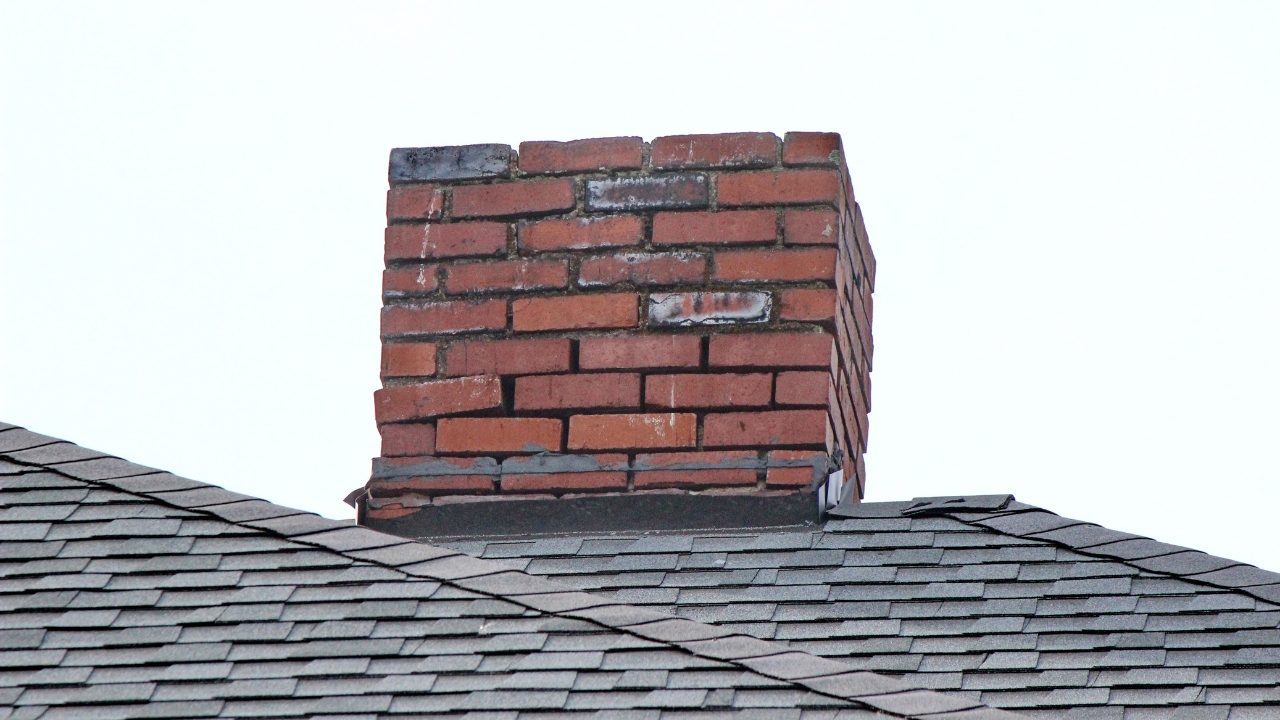
No chimney cap, or a cap with holes and gaps, lets rain and snow fall right down the flue. Water hits the damper first, then everything starts corroding. In winter, that moisture can freeze and lock the damper shut, right when you want a fire.
Caps are one of the cheaper chimney fixes, but they matter. A properly sized cap with a screen also cuts down on animals and leaves, which keeps the damper area from becoming a wet compost pile. If your cap is loose or the crown is cracked, it is worth getting it inspected and fixed before another wet season.
5. Bird Nests And Animal Debris
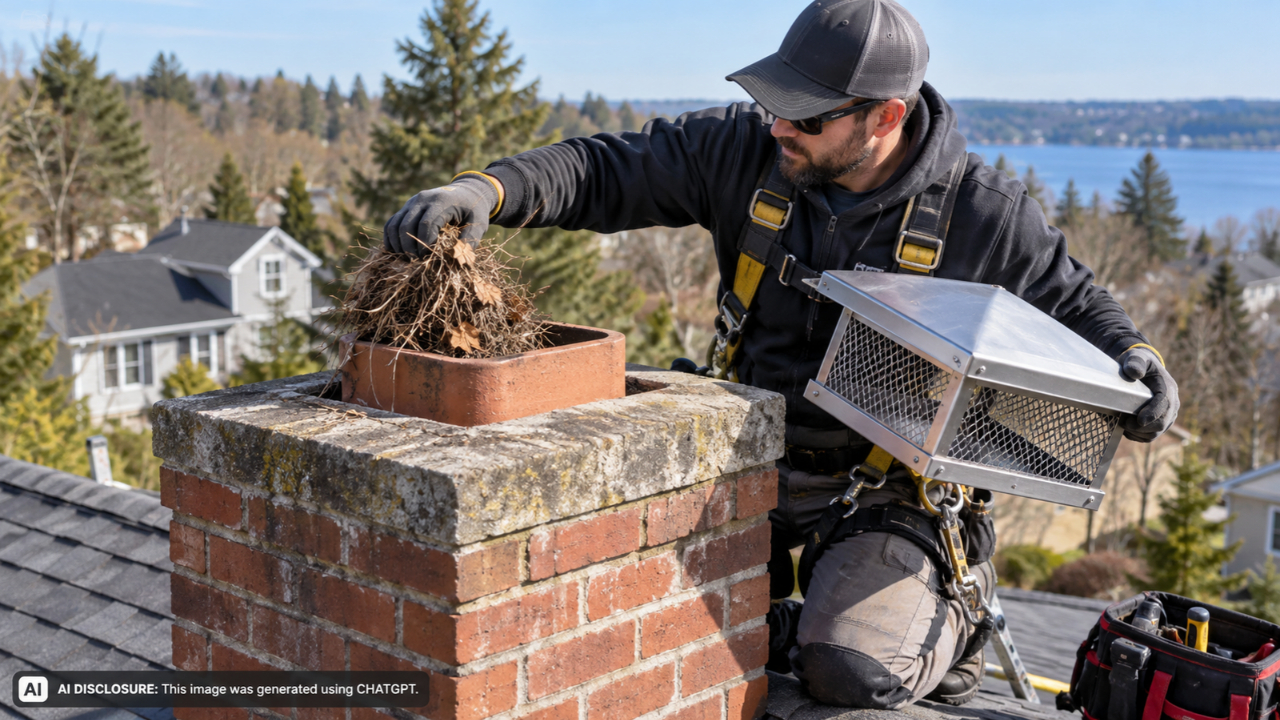
You open the damper and it feels springy, like something is pushing back. That is often a nest, twigs, or even a dead animal lodged just above the damper. Besides blocking the flue, that mess can dump smoke and carbon monoxide into the room.
Don’t light a “small test fire” to clear it. Remove what you can reach from the firebox with gloves, eye protection, and a shop vac, but anything higher up should be handled by a chimney pro with the right brushes and access. If you find nesting material once, you probably need a better cap or a repaired screen.
6. Misadjusted Throat Damper Stop
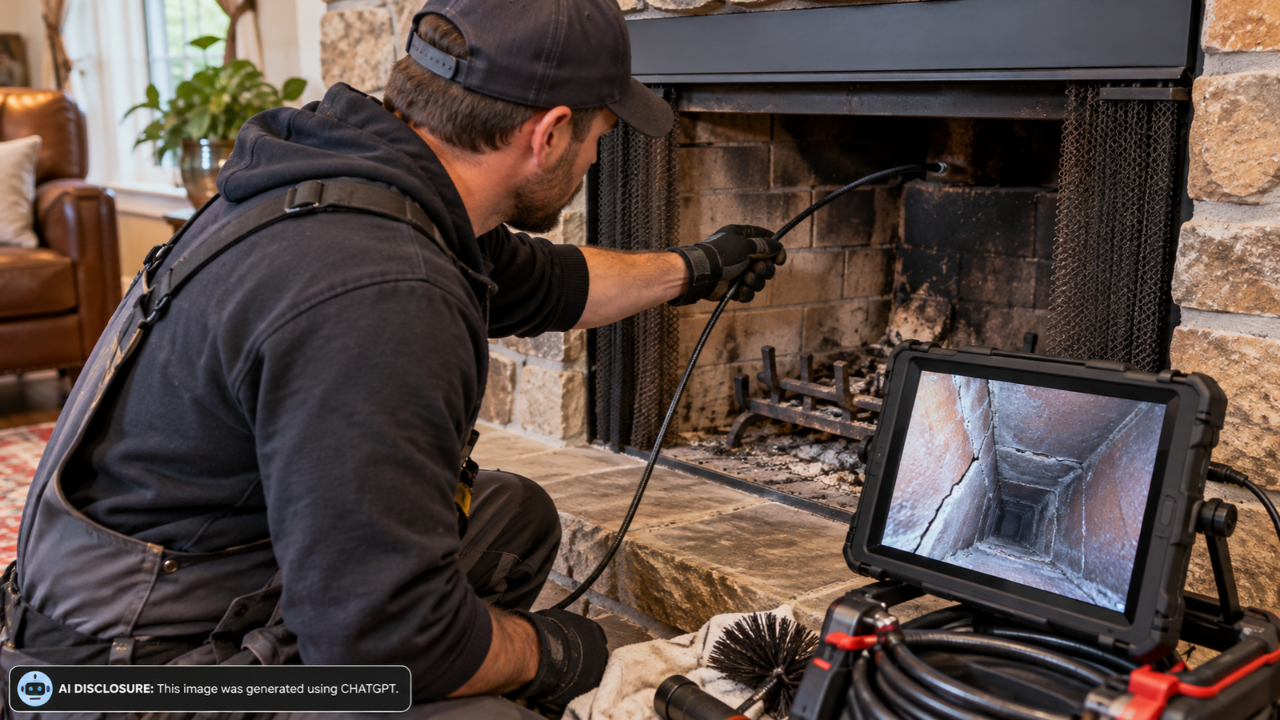
Some throat dampers have a stop that keeps the plate from fully closing, meant to prevent a tight seal that could trap fumes if you have certain older appliances. The problem is that stops get bent, screws back out, and people “fix” it by guessing. You end up with a damper that never closes, and your heated air goes straight up the chimney all winter.
This is one place where the common advice to “seal it tight” is not always right. If you have any fuel-burning equipment that shares the flue, or an older setup that was designed for some permanent opening, get an inspection before changing stops or sealing plates. If it is a dedicated fireplace flue and everything else is vented separately, a proper full close is usually what you want.
7. Wrong Fireplace Door Habits
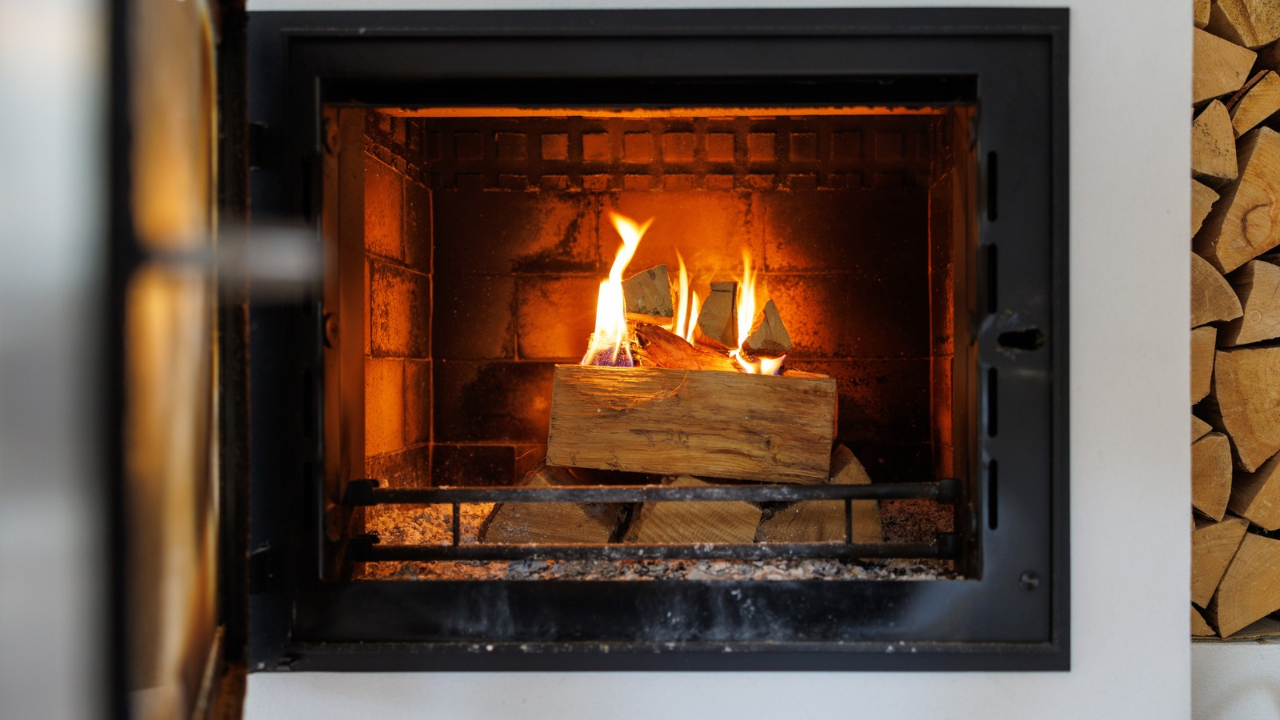
Glass doors look like they should be shut during a burn. On many setups, closing them tight starves the fire of air, cools the flue, and makes drafting weak. That weak draft makes the damper feel pointless because smoke rolls into the room even with it wide open.
Check what your doors are made for. Some doors are for when the fire is out, acting as a room-side air seal, not a combustion control. If you want doors closed while burning, the fireplace needs a setup designed for it, or you need to leave the doors cracked and use the screen for spark control.
8. Leaky Ash Dump Or Cleanout Door
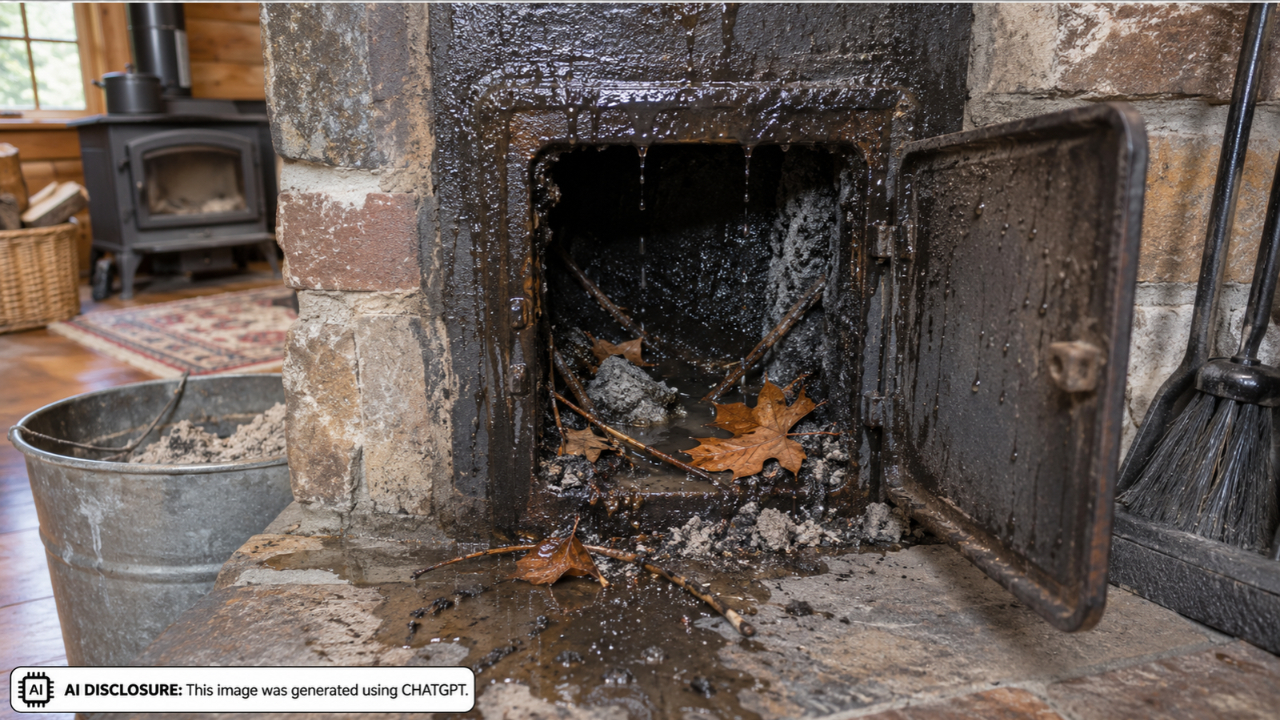
If you have an ash dump in the firebox floor, there’s a cleanout door in the basement or outside. When that door doesn’t seal, cold air pours up through the ash pit and into the firebox. You can close the damper perfectly and still feel a draft because the leak is below it.
Open the cleanout and look for rusted edges, missing latches, or a door that doesn’t sit flat. A simple gasket kit or a tighter latch can fix it, and sometimes a new cleanout door is the cleanest answer. While you’re at it, clean the ash pit, because deep ash holds moisture and speeds up rust.
9. Cracked Flue Tile Or Shifted Firebox
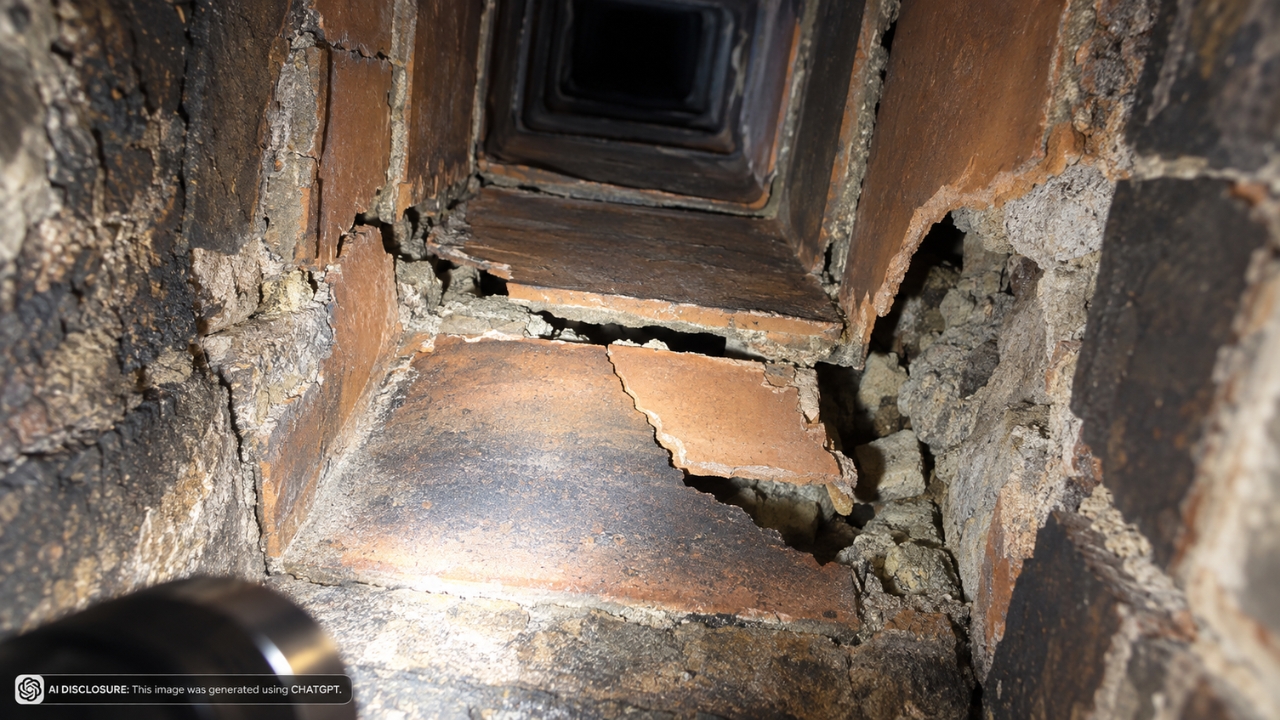
Sometimes the damper works fine, but the chimney around it doesn’t. A cracked flue tile, a separated smoke chamber joint, or a shifting firebox can leak air and smoke in weird ways. You get cold drafts that don’t stop, or a smoky smell that shows up on windy days even when the damper is shut.
This is not a weekend patch with furnace cement. Get a proper chimney inspection, and if repairs involve relining, rebuilding, or smoke chamber work, hire a qualified mason or chimney pro. It costs more, but it protects your house structure and keeps the fireplace from becoming an indoor smoke machine.
10. Cheap Foil Seals Done Wrong
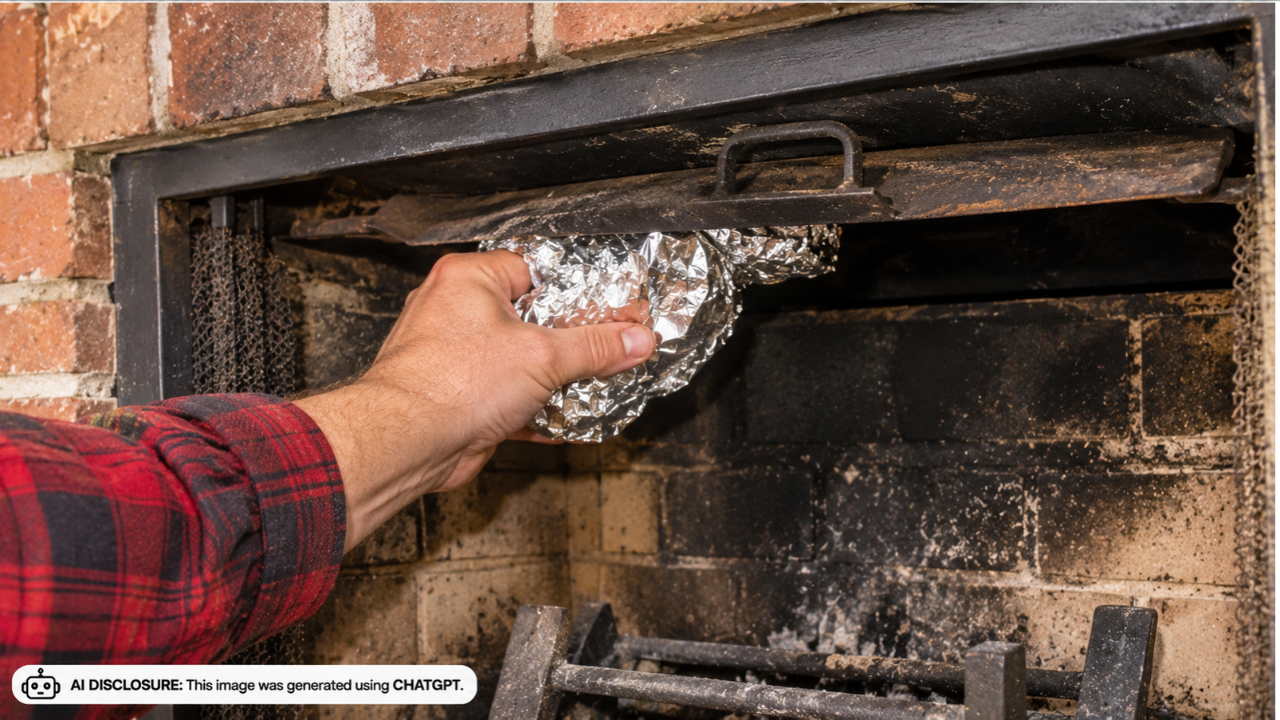
Stuffing insulation or wadded foil up around the damper is a common money saver, and sometimes it’s fine. The trouble starts when it touches dirty creosote, blocks a flue shared with another appliance, or gets forgotten in spring and left there for the first fall fire. Then the damper is “useless” because the whole system is unsafe or won’t draft.
If you want a seasonal seal, use a purpose-made chimney balloon or a tight-fitting foam plug designed for fireplaces, and tag the handle so you remove it before burning. Better yet, fix the damper or add a top-sealing damper, so you’re not relying on a hack every year. Cheap is only cheap if it doesn’t create a new problem.
If your house suddenly feels draftier after the first cold snap, put the flashlight on the damper before you blame the windows. A little cleaning and one small repair can stop a lot of heat loss, and it makes the fireplace less smoky and more pleasant to use.
Like Fix It Homestead’s content? Be sure to follow us.