10 Mistakes That Cost People Eggs All Winter
Photo credit: Pressmaster/Shutterstock.com
Winter egg drop sneaks up on people. One week you’re filling cartons, the next you’re buying a dozen at the store and wondering what changed. Most of the time it’s not bad luck, it’s a handful of fixable habits that add stress, cut daylight, or tip your flock into a long pause.
1. Waiting Too Long To Add Light
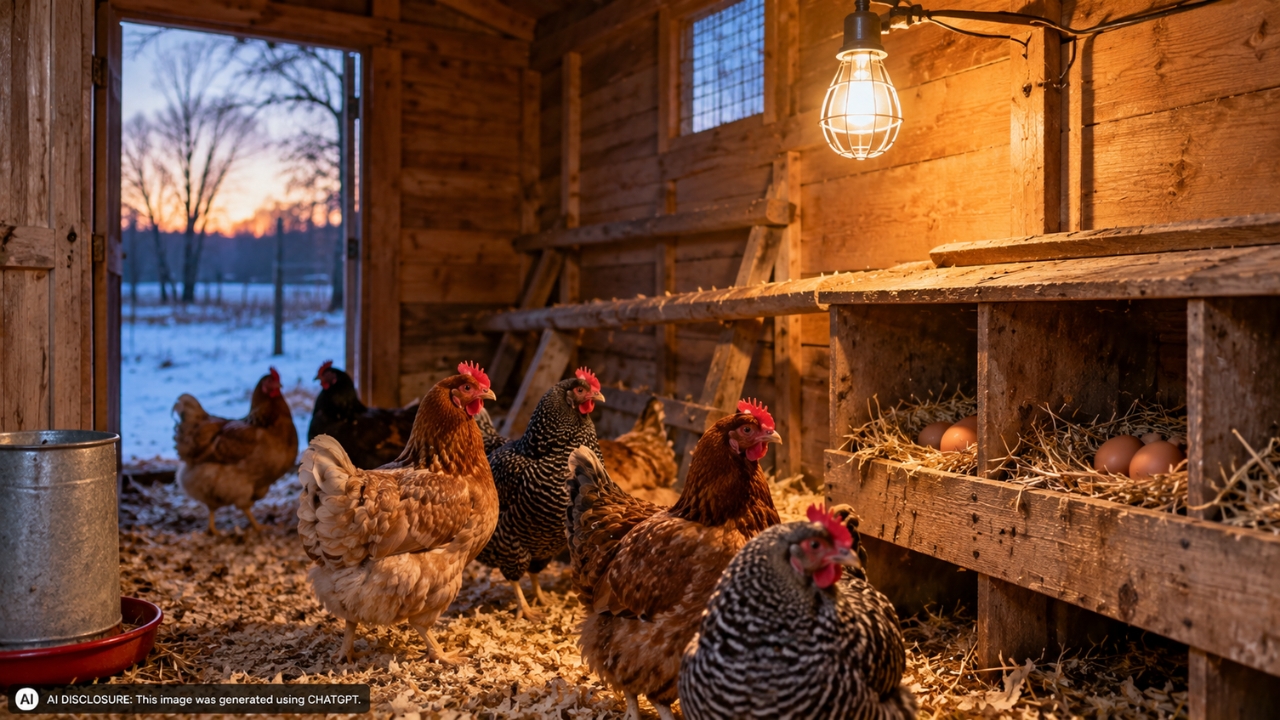
Hens follow day length, and once their bodies switch into winter mode, they don’t always bounce back fast. If you wait until production tanks, you can be stuck with weeks of nothing while they reset. That’s lost eggs you don’t get back.
If you’re going to use supplemental light, start before the sharp drop, usually in late fall when mornings get dark. Put a timer on a safe coop light and aim for a steady day length, not a random mix of long and short days. Keep cords protected from pecking and moisture, and use a bulb that won’t shatter if it gets bumped.
2. Using Heat Lamps As A Shortcut
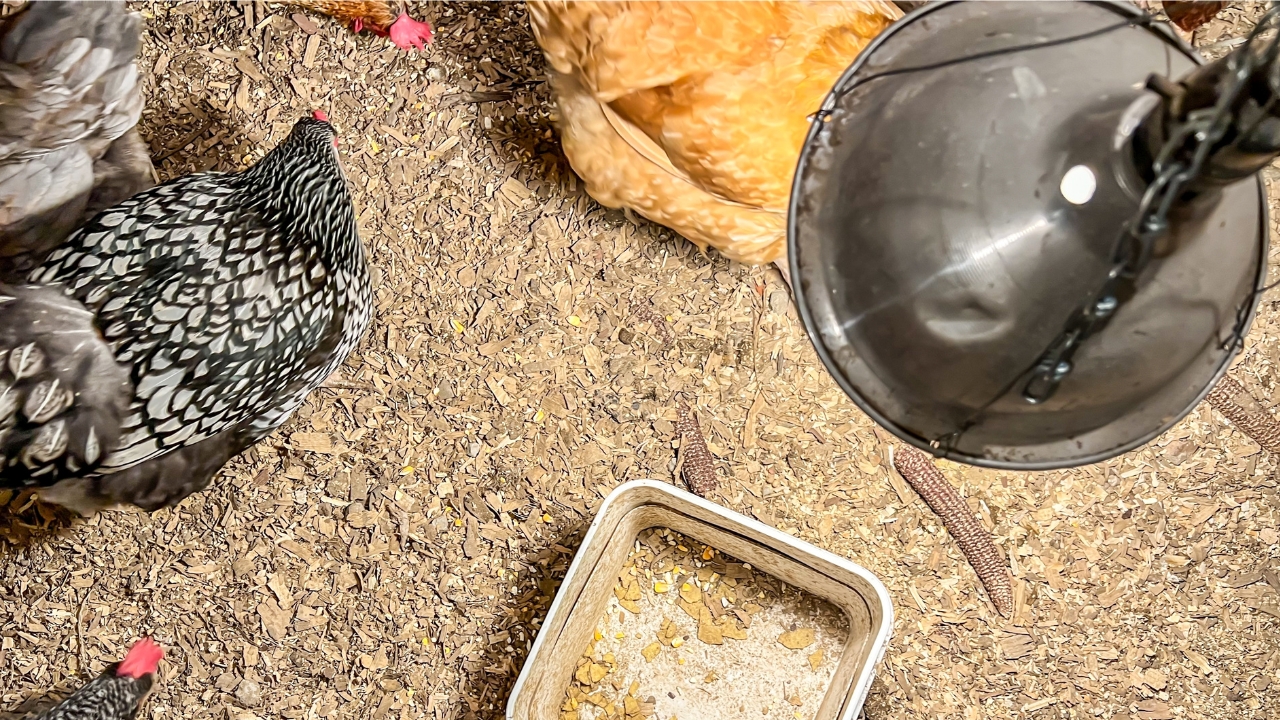
Heat lamps sell the idea that warmth equals eggs. Mostly, they buy you worry. They’re a common cause of coop fires, and they also create a warm spot birds crowd into, then get shocked by the cold when the power flickers or they step back out.
Skip the red lamp. Spend that effort on draft control and dry bedding, and let the birds wear their own insulation. If you truly have extreme cold and a setup that needs heat for safety, use a purpose-built, securely mounted radiant heater with a guarded element and follow the manufacturer’s clearance rules, or talk to a licensed electrician about a proper circuit.
3. Sealing The Coop With No Ventilation
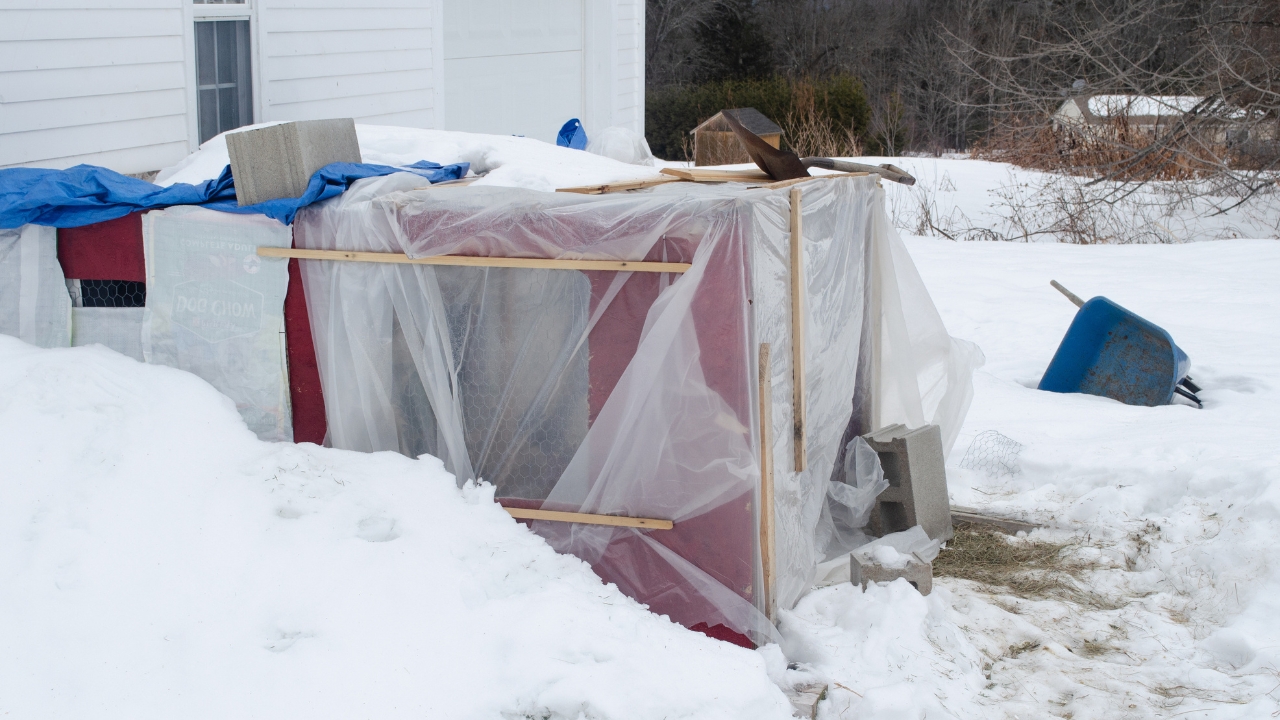
You feel a draft and reach for foam, plastic, and whatever else is handy. Then the coop smells like ammonia, windows sweat, and combs start looking rough. Moist air is the enemy in winter, not cold air.
Keep high vents open so humid air can escape above roost level, even on cold nights. Block wind at bird height, but don’t turn the coop into a cooler with no air exchange. If your bedding is damp or you get that sharp eye-watering odor, you’re already losing eggs to stress and respiratory trouble.
4. Letting Water Freeze Half The Day
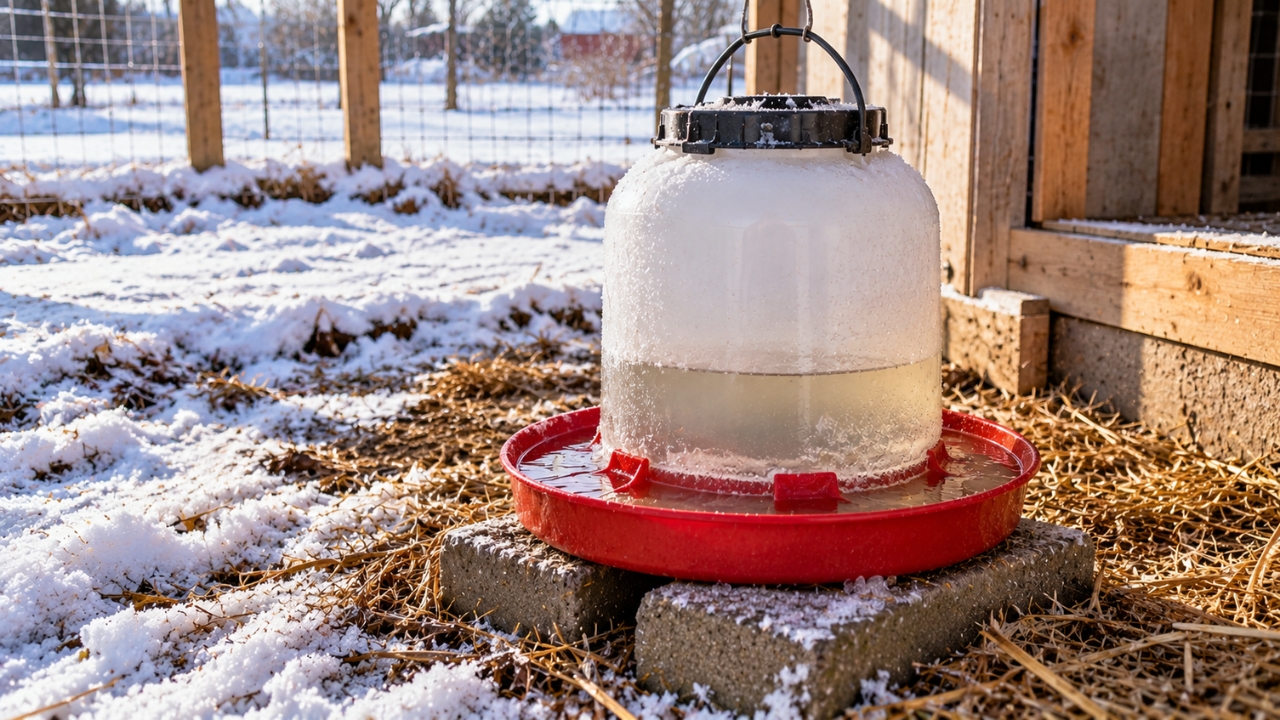
Hens can’t lay well if they’re short on water, and they won’t drink enough from a dish with a skim of ice. This mistake is common because it happens while you’re at work. By the time you notice at dusk, they’ve been rationing all day.
Use a heated base made for poultry waterers, or run a heated dog bowl in a spot that stays dry and level. Plug it into a GFCI outlet, keep connections out of puddles, and don’t run a skinny indoor extension cord through snow. If heated gear isn’t in the budget, swap fresh water at least twice a day and keep extra jugs thawed inside so you’re not pouring slush.
5. Switching Feed Suddenly When It Gets Cold

Some people panic and start tossing scratch like it’s fuel, or they change feeds because a bag was on sale. The flock fills up on corn and treats, then backs off the layer ration that actually carries the protein, calcium, and vitamins that support eggs.
Keep a consistent layer feed available free-choice, and treat scratch like a small dessert, not dinner. If you want a cold-weather bump, offer a warm mash made from their regular feed and water, not a mystery mix. The exception is molting or younger birds, where a higher-protein ration can make sense, but that’s a planned change, not a mid-winter impulse buy.
6. Ignoring Hidden Mite And Lice Pressure
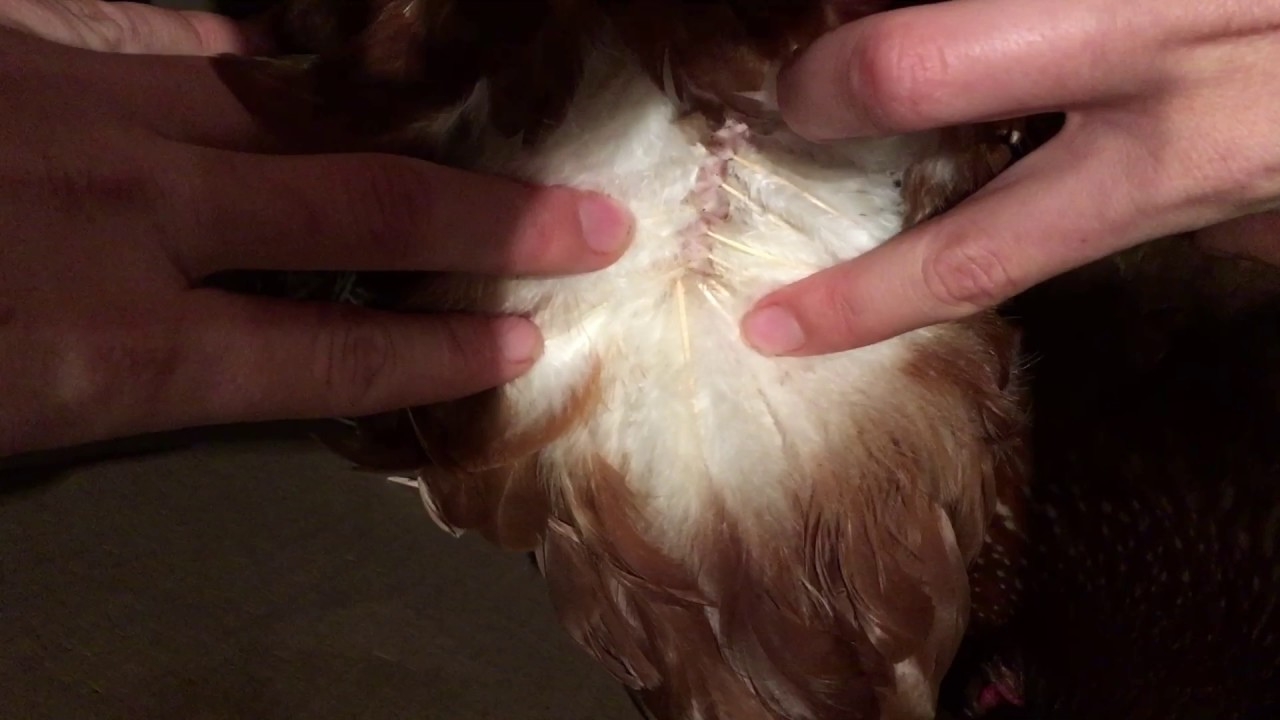
Winter feels like bug season is over, so checks stop. But mites and lice can hang on in the coop, especially in cracks, nesting boxes, and dirty litter. A bird fighting parasites puts calories into staying alive, not into eggs.
Pick up a hen at night with a headlamp and look around the vent area and under wings. Check roost ends and seams for tiny moving specks and dark smears. If you find problems, clean the coop thoroughly and treat according to a product labeled for poultry, following the directions exactly, including retreat timing. If an infestation keeps coming back, replacing rough roosts and sealing crevices can be more effective than dumping more powder around.
7. Letting The Nest Boxes Stay Dim And Dry

Eggs go missing in winter and you blame the hens. Sometimes the hens are laying, but they hate the nest boxes. A cold, bright, drafty box pushes them to lay behind a feed bin or in a corner you don’t check until it’s too late.
Make nest boxes inviting: a little darker than the rest of the coop, out of the direct breeze, and bedded deep with clean shavings or straw. Fix lids that don’t close, plug gaps that blow right onto the nests, and add a simple curtain if the box fronts are wide open. You’ll find more eggs, and fewer get stepped on and cracked.
8. Keeping Too Many Roosters Or Bullies
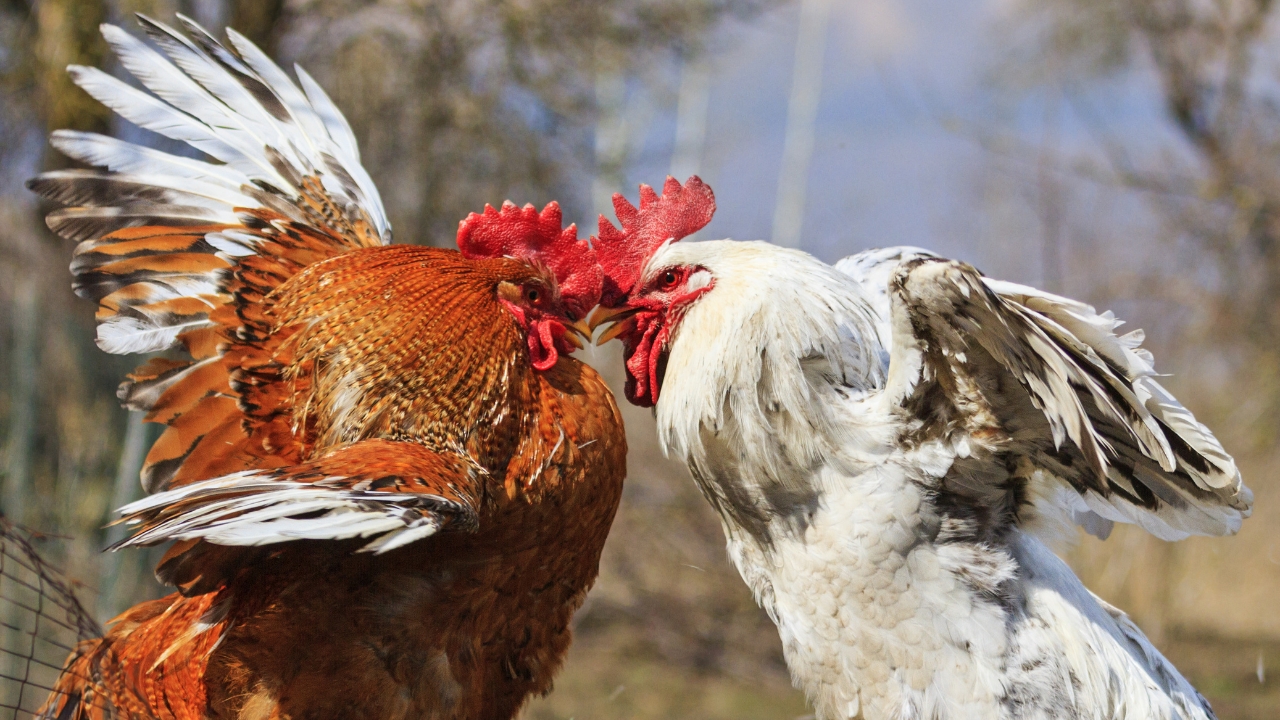
Winter pecking order drama is real, and it costs eggs. A pushy bird that chases others off feed and water can shut down the whole flock. You’ll see ragged feathers, pale combs, and birds that act jumpy around the coop door.
Watch the flock at feeding time, not just when you toss treats. If one bird is guarding the feeder or cornering hens, separate or rehome it. Extra space, two feeders, and multiple water stations help, but a persistent bully often needs a different address.
9. Not Planning For Age And Molt Timing
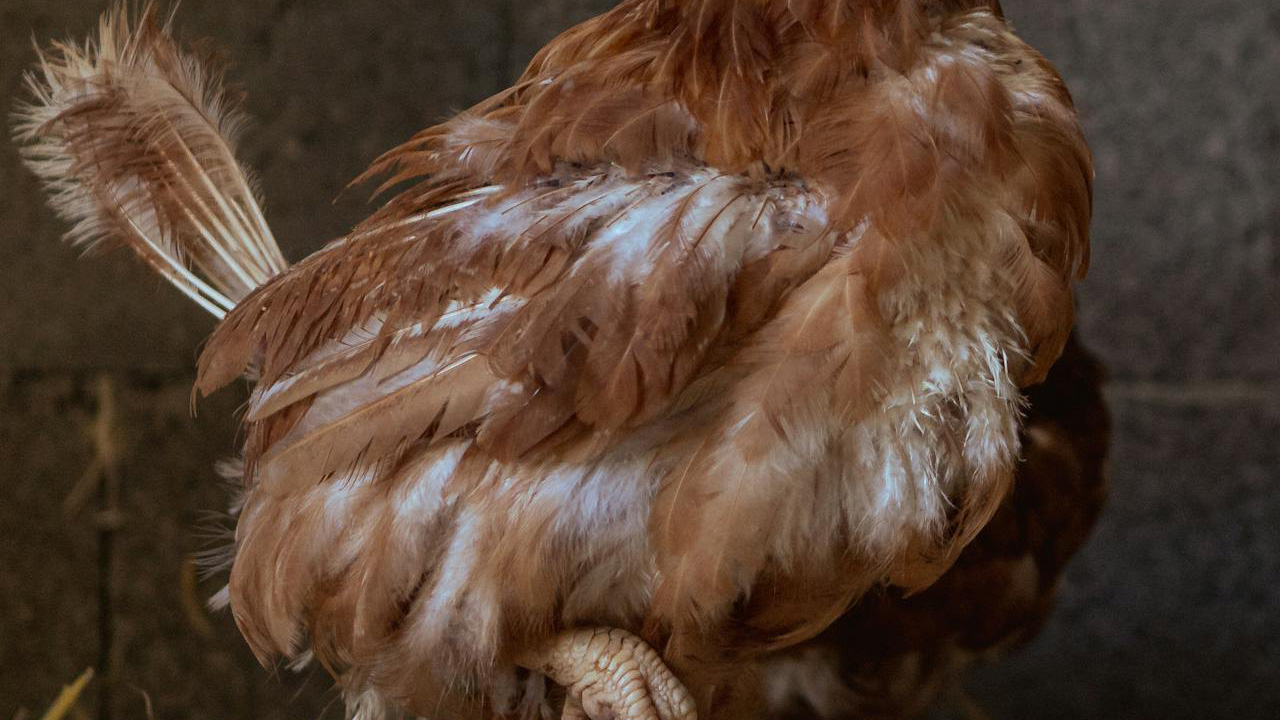
Not all “winter slump” is winter. If most of your hens are older, or they molted hard in late fall, you can go from steady eggs to almost none and it’s completely normal. People waste money chasing fixes that won’t work because the flock’s calendar is the real reason.
Stagger your flock ages so you’re not depending on a single group of same-age hens. If you raise or buy pullets, timing matters. Birds hatched in spring and early summer often start laying before cold really hits, while late-season pullets can wait until lengthening days return.
10. Collecting Too Late And Freezing Eggs Solid

Eggs left in a cold nest can freeze, crack, and leak. Once that happens, the smell draws attention, and egg eating can start. That habit is hard to break and can wipe out your winter supply fast.
Collect earlier in the day and again before dusk during cold snaps. If you can’t get out there mid-day, add more bedding in the boxes so eggs cool slower, and keep nest boxes out of the coldest wall of the coop. Any egg with a freeze crack goes to the trash, not the fridge, since bacteria can move through that break.
Winter eggs are mostly a management job, not a mystery. Keep light consistent if you use it, keep water available, and keep the coop dry with steady airflow. Then your biggest challenge becomes finding room on the counter for cartons again.
Like Fix It Homestead’s content? Be sure to follow us.