10 Power Tools That Drain a Battery Fastest in the Cold
Photo credit: Fix It Homestead
Cold weather makes battery tools feel like they’re running through mud. You squeeze the trigger, the tool bogs down, and a “full” pack drops to one bar in minutes. Some tools are just harder on batteries, and winter turns that into a real problem when you’re trying to finish a job before your hands go numb.
1. Cordless Leaf Blowers On High

You can watch the charge meter fall when you run a blower wide open in freezing air. High airflow takes high current, and cold packs can’t deliver it as smoothly, so the tool pulls harder and quits sooner. Wet leaves make it worse because you keep cranking up speed and staying on the trigger longer.
If you need to clear a long driveway or a big yard, this is one of those times a corded blower or a small gas unit makes more sense. For battery, keep the pack in a jacket pocket until you’re ready, then work in short bursts. Don’t “feather” the trigger for ten minutes, that wastes power as the motor keeps ramping up.
2. High-Torque Impact Wrenches Breaking Rust
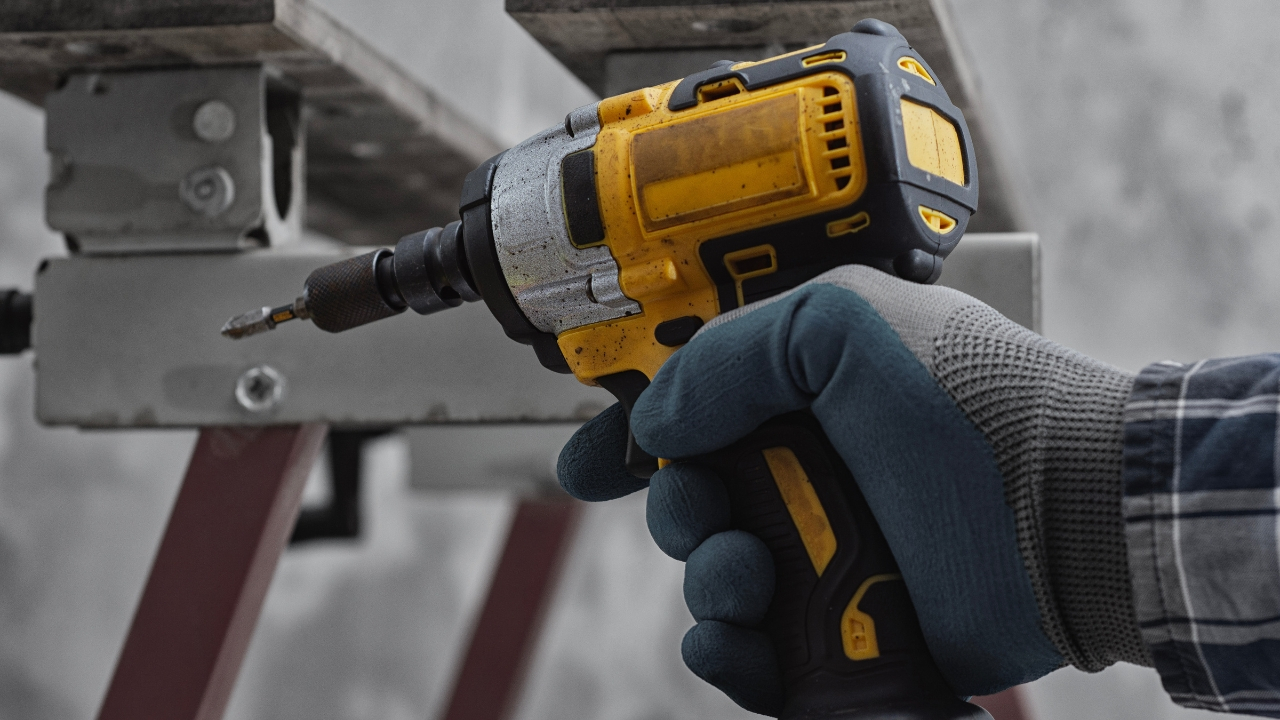
Winter is when lug nuts, plow bolts, and rusty trailer hardware laugh at you. A high-torque impact wrench hits hard, and each hammering cycle is a heavy draw that drains a cold battery fast. The tool also tends to get used at max setting because nothing wants to move.
Soak the fastener ahead of time with penetrant and give it time to work, even ten minutes helps. If it’s truly seized, heat from a torch can be the right answer, but that’s a fire risk around fuel, rubber, and undercoating, so use your head. If you’re working on suspension or critical fasteners and you’re not confident, pay a shop.
3. Circular Saws Ripping Wet Lumber

Cutting outside in winter often means frozen or damp boards, and that load eats batteries. A cordless circular saw pulls a lot of amps when you push too fast or the blade is dull, and cold packs hate that. You’ll hear it in the motor, it drops in pitch and starts to labor.
Start with a sharp blade meant for what you’re cutting. Don’t bring a framing blade to a stack of pressure-treated decking that’s soaked. If you’re doing lots of rips, a corded saw is cheaper than burning through packs and waiting on chargers.
4. Angle Grinders Cutting Steel Outside
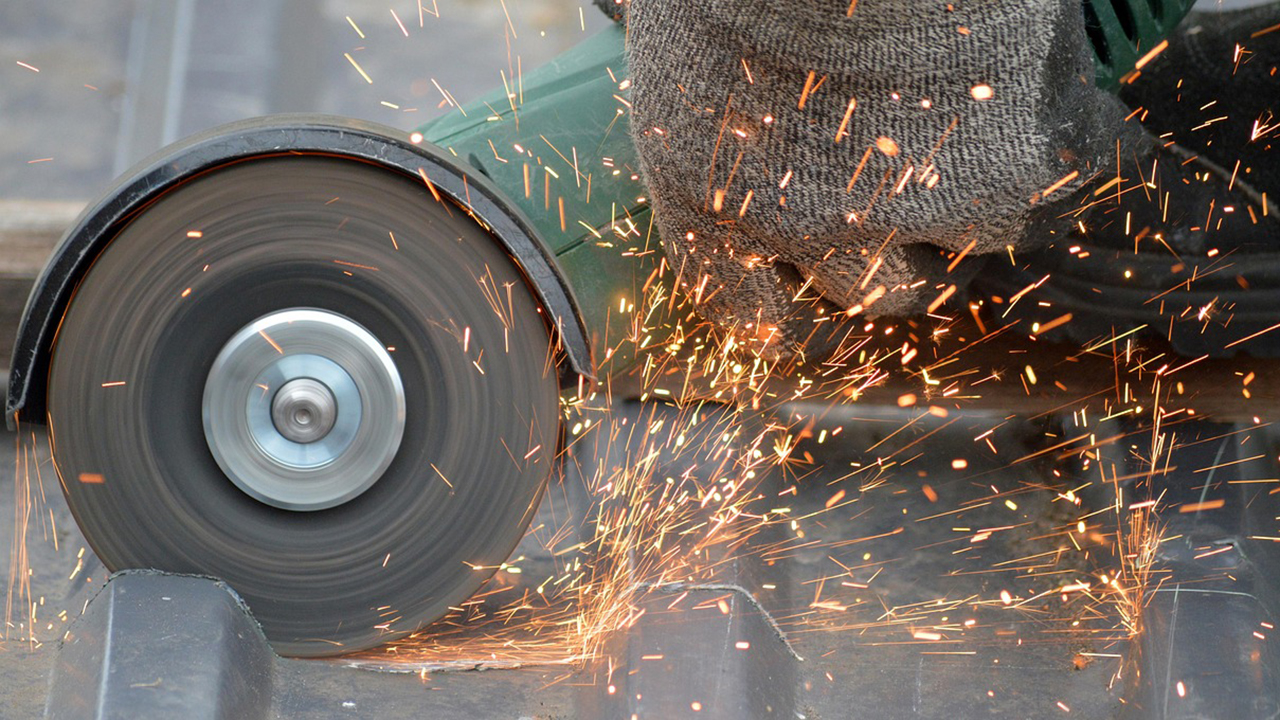
Grinders feel small, but cutting or grinding metal is a steady, high draw. In the cold, you end up leaning on the tool because the wheel seems to cut slower, and that extra pressure just makes the motor work harder. Throw in a stiff guard and gloves, and it’s easy to stay on the trigger too long.
Use the right wheel and let it cut at its own pace. If you’re slicing a pile of rebar or steel roofing, plug in. Also, cold makes sparks seem “tamer,” but they still start fires in dry grass and sawdust, so clear the area and keep a bucket of water nearby.
5. Chainsaws With Dull Chains In Frozen Wood
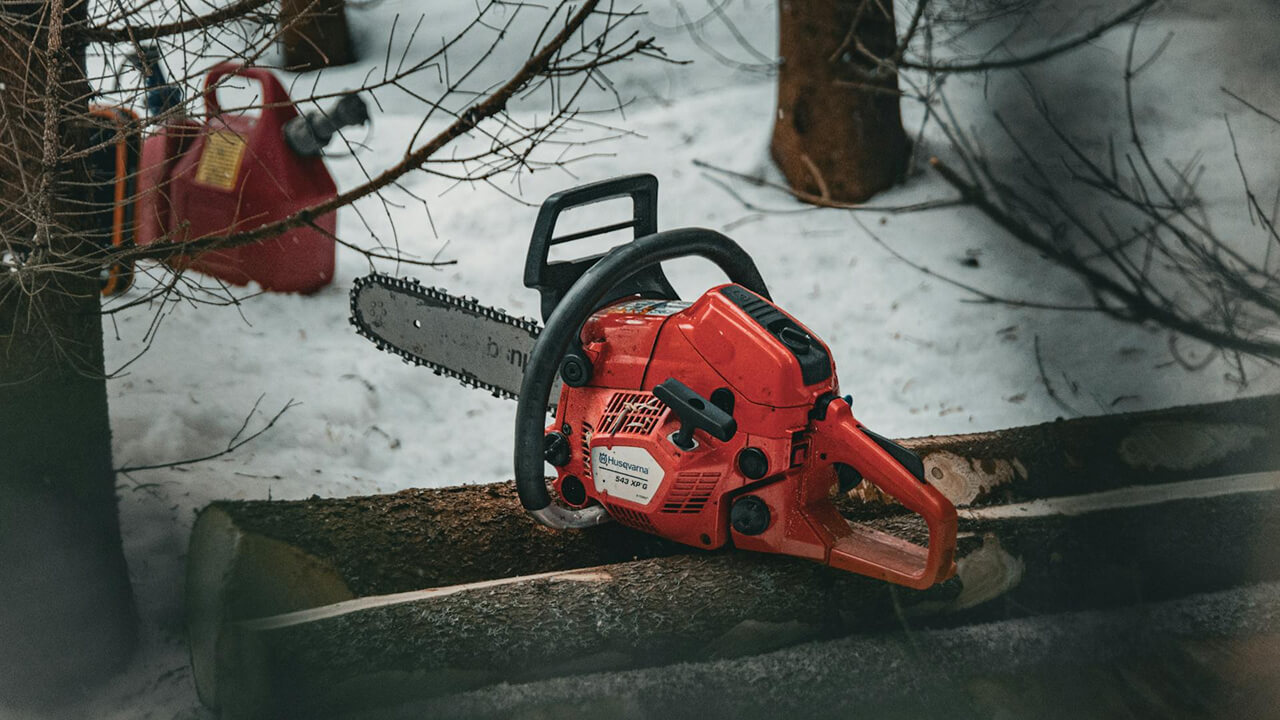
A cordless chainsaw in the cold can be great for quick limbing, but it falls apart fast with a dull chain. Frozen bark and dirty logs chew an edge up, then the saw draws more power to do less work. You’ll see fine dust instead of chips, and the battery drops like a stone.
Touch up the chain often, and don’t cut wood that’s been dragged through grit unless you’re ready to sharpen right after. This is an honest exception, though. For a couple storm limbs near the house, a battery chainsaw is fine and quieter, and you won’t be yanking a cold gas saw for ten minutes.
6. Shop Vacs Sucking Up Cold Ash
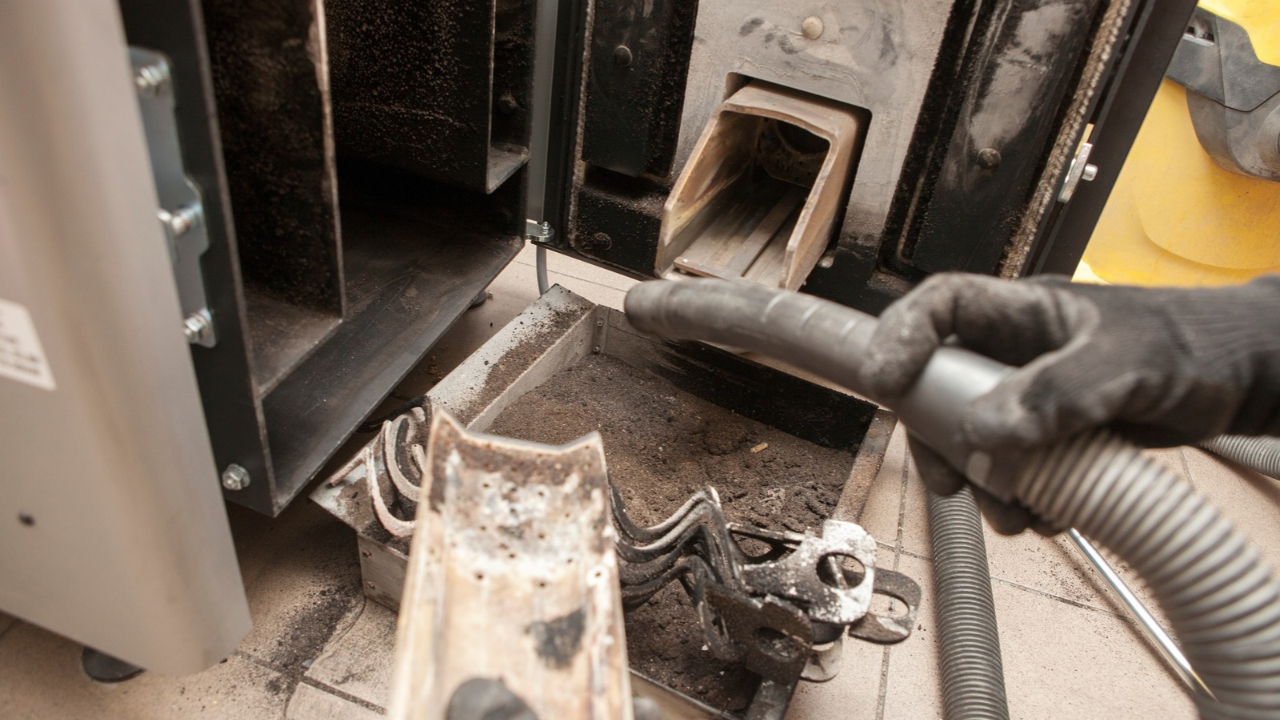
Cleaning a woodstove or pellet stove is when a cordless shop vac sounds handy, until the pack dies mid-job. Cold ash is fine if it’s truly cold, but fine powder loads the filter fast and airflow drops. The motor then works harder, and runtime tanks.
Use an ash-rated vacuum or an ash separator, and clean the filter more often than you think you need to. If you only have a regular shop vac, wait at least a full day after the last burn and check for hidden embers. Hot ash and a vacuum is how garages burn down.
7. Portable Air Compressors Filling Cold Tires
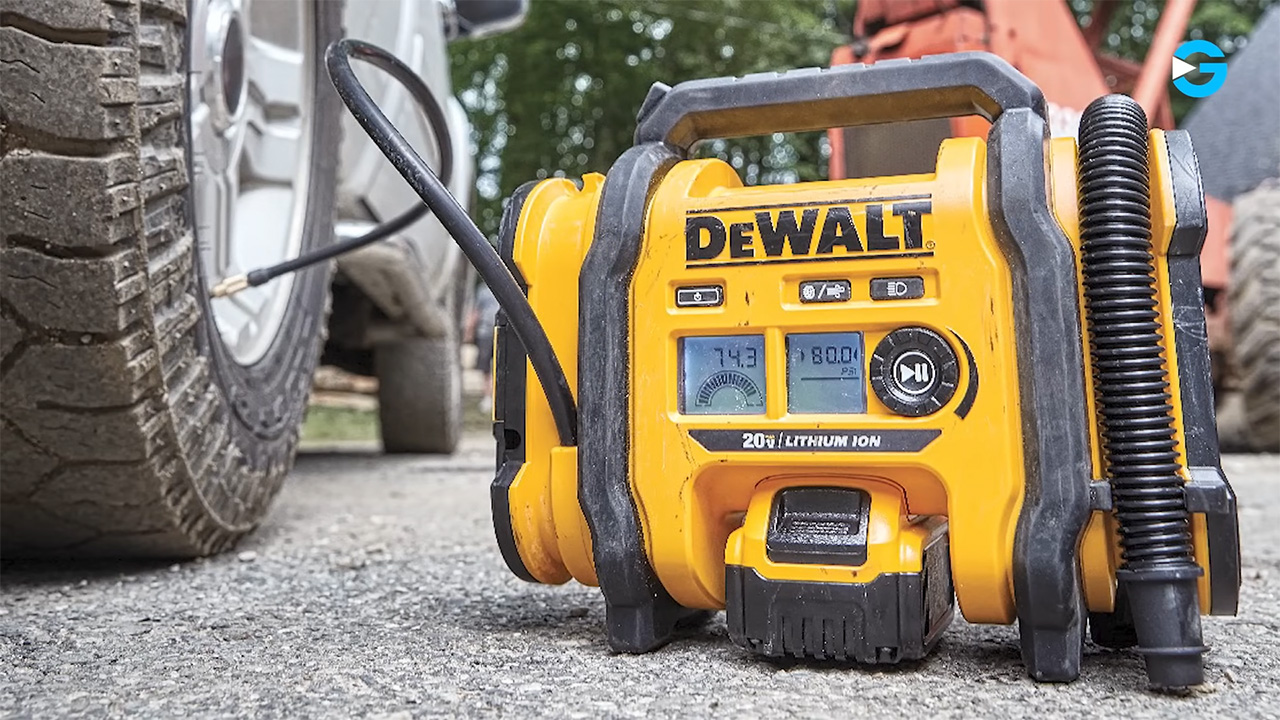
Tires drop pressure when temps fall, so you grab the battery inflator and top everything off. The problem is, small cordless compressors run a long time and pull steady power, and cold packs don’t like long steady draws. If you’re filling a truck tire from low pressure, you can smoke a battery quick.
Keep tires closer to spec all season so you’re not doing big refills in one shot. A plug-in inflator that clips to the car battery can be a better tool for winter, especially on a homestead with multiple vehicles, ATVs, and trailers.
8. Reciprocating Saws Pruning Thick Limbs
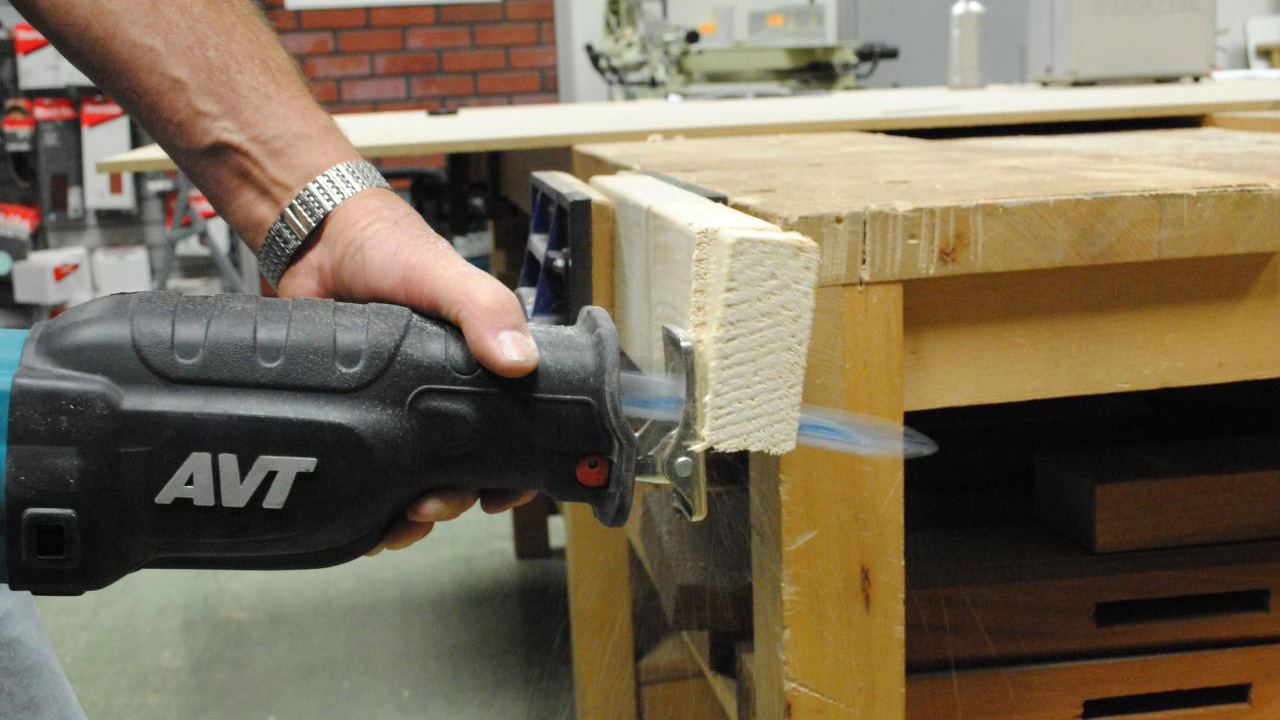
People reach for a recip saw to prune because it’s already on the shelf. Thick green wood binds the blade, the shoe chatters, and you hold the trigger down while it vibrates and chews. That’s hard on batteries in any weather, and worse in cold.
If you’re pruning more than a couple branches, a pruning saw or loppers can be faster and quieter. For battery power, a small battery chainsaw or a dedicated pruning saw with the right blade wastes less energy.
9. Heated Jackets And Tool Batteries
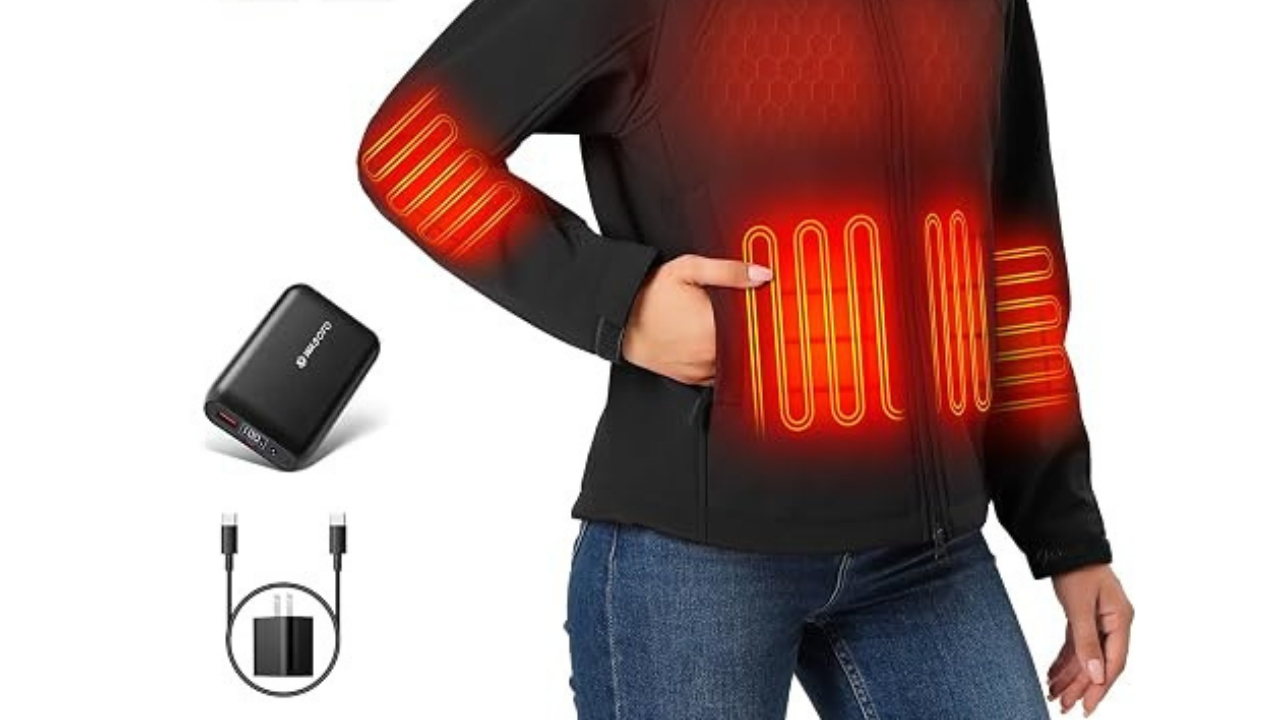
This one catches people off guard. Heated jackets and hoodies often use the same battery platform as your drill and saw, so you “borrow” a pack to stay warm. Then the pack is half dead when you finally pick up a tool, and it was discharged in the cold the whole time.
If you want heated gear, keep a separate battery set just for that. The cheap option is fine here: a couple off-brand power banks dedicated to clothing can keep your tool batteries for tools. If you do use tool packs, rotate them and recharge indoors, not in an unheated truck bed.
10. Cordless Pressure Washers In Near-Freezing Air
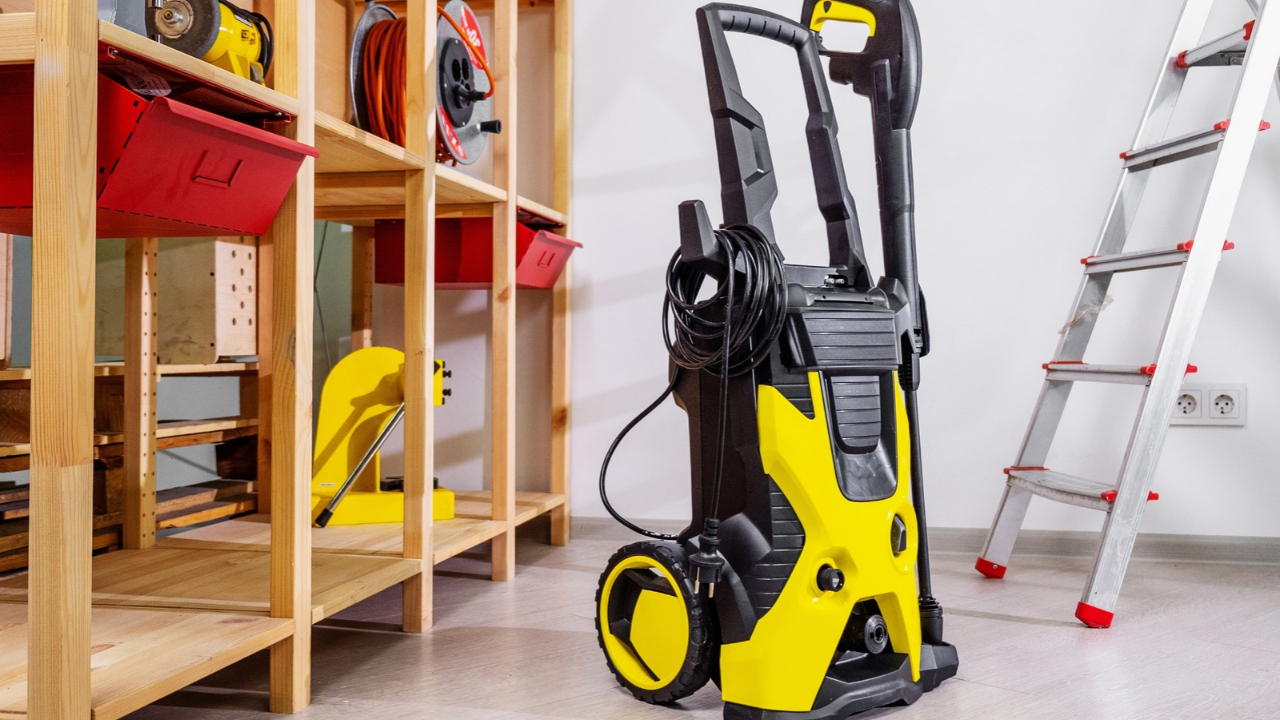
A battery pressure washer sounds like a quick way to rinse salt off a truck, clean muddy boots, or wash a small pen. In cold air, the pump load is high, water is thicker, and hoses get stiff. You spend half the time fiddling with frozen fittings while the battery cools off and loses punch.
More importantly, spraying water around when it’s near freezing makes ice where you don’t want it, like steps, barn entries, and the driveway. If you need to wash in winter, do it in a heated bay or wait for a warm spell. For regular winter cleanup, a stiff brush and a bucket of warm water is often the smarter move.
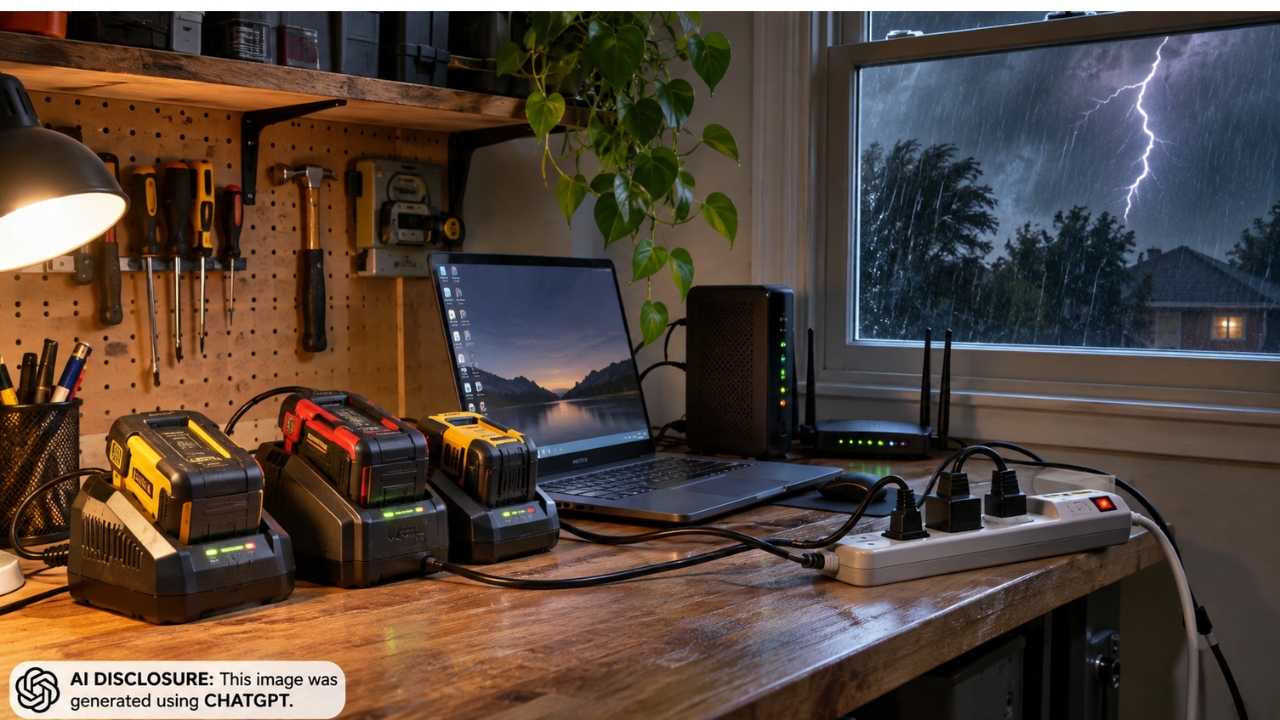
Cold-weather battery problems get a lot easier when you treat packs like they’re part of your clothing. Store and charge them indoors, carry a spare close to your body, and swap before a pack is fully spent. If a job is going to keep you on the trigger for a long stretch, don’t feel bad about grabbing a corded tool and getting it done.
Like Fix It Homestead’s content? Be sure to follow us.