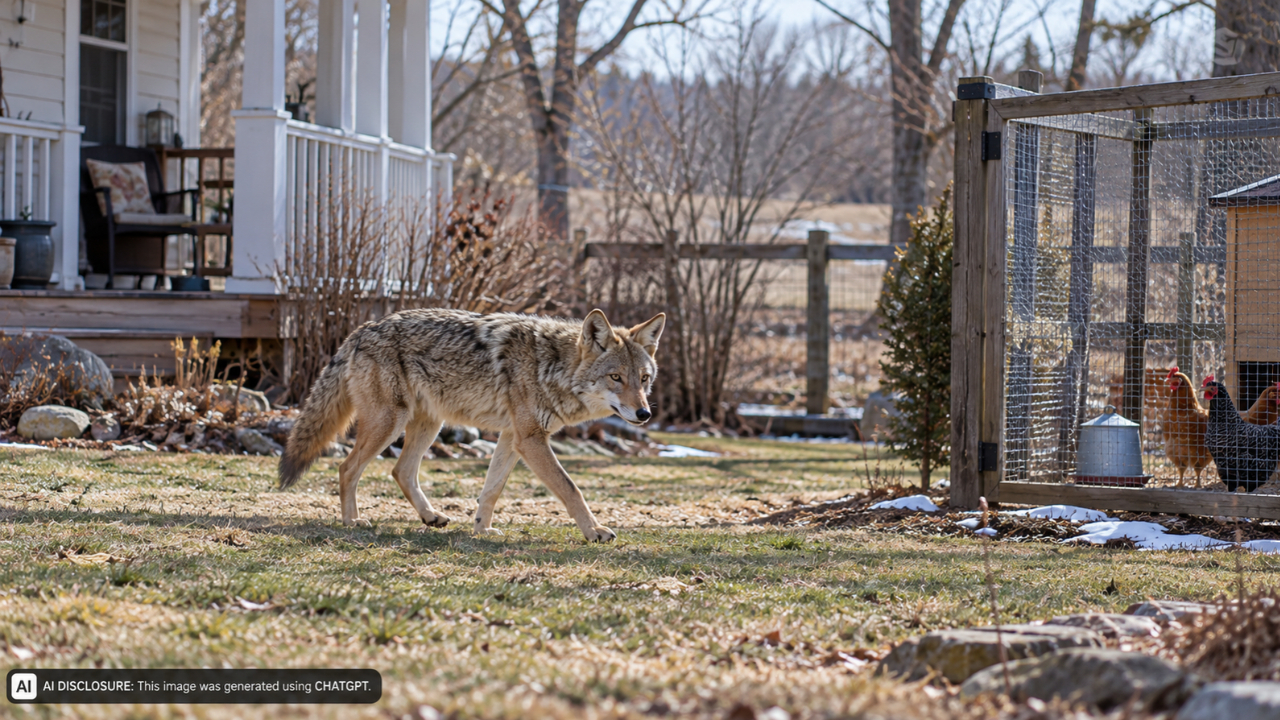
10 Reasons Coyotes Get Bolder in Winter
Photo credit: Fix It Homestead
Cold weather squeezes a coyote’s world down to a few reliable calories, and your place can start to look like an easy stop. You see more tracks in the snow, you hear more yipping after dark, and the dog suddenly refuses to go out alone. Most winter “boldness” comes from simple patterns you can change with a little cleanup and better timing.
1. Easy Meals Left Out Overnight
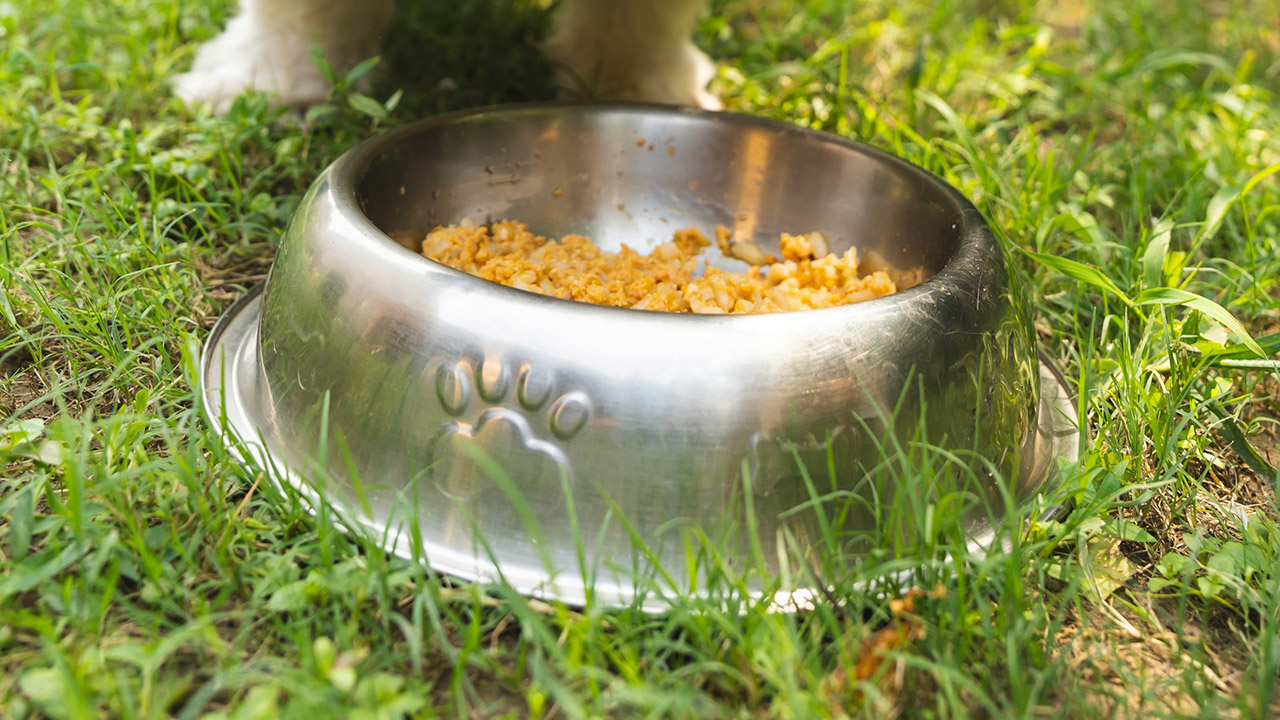
The fastest way to teach coyotes your yard is safe is feeding them without meaning to. Pet food on the porch, barn cats that get a big scoop at dusk, spilled grain under a feeder, even a tipped trash bag by the garage all reads like dinner to a hungry animal.
Bring pet bowls in before dark and feed barn cats in daylight, then pick up what they don’t finish. Store feed in metal cans with tight lids, not paper bags in an open shed. If you’ve got wild birds, switch to daytime-only feeding or pull feeders for a few weeks when coyote sign shows up close.
2. Trash Cans That Tip Too Easily
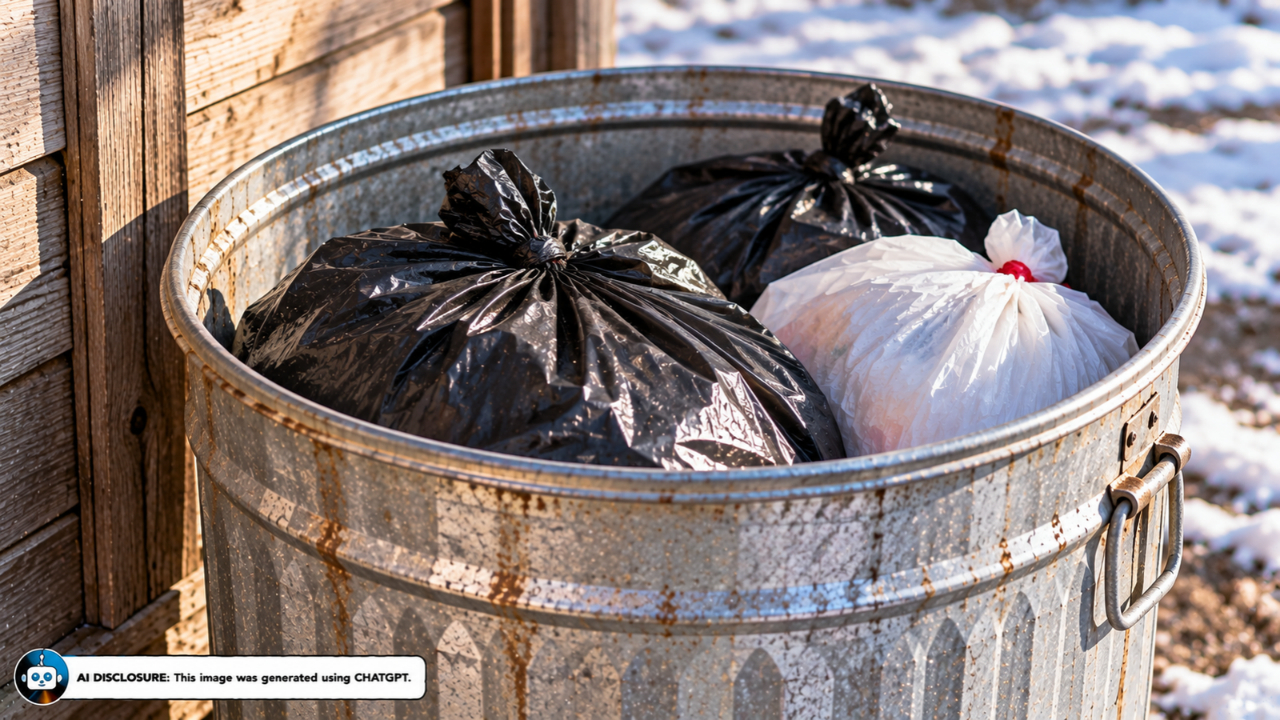
Winter makes garbage smell stronger to wildlife because it sits longer between pickups and freezes, then thaws. A light can with a loose lid is a toy, and once it gets rolled and emptied a couple times, coyotes will test it again and again.
Use a can with a locking lid or add a simple strap and latch. Keep cans in a closed garage or shed until morning of pickup, and rinse out food waste containers so they don’t perfume the can. If bears are also a problem in your area, follow local guidance because the “good enough” trash setup for coyotes won’t cut it.
3. Snow And Ice Funnel Them In
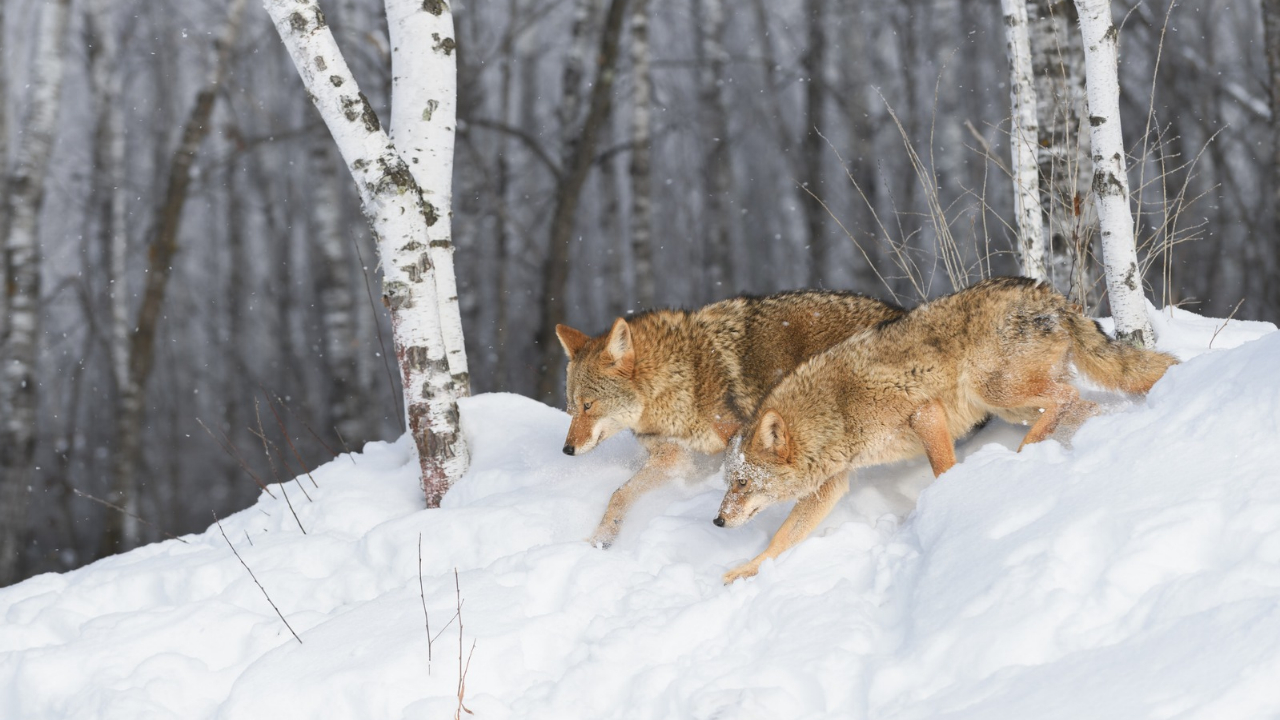
Deep snow changes travel lanes. Coyotes stop busting through drifts and start using plowed driveways, packed trails, and the same narrow corridors you use to get to the coop or woodpile. That can feel like they’re stalking you, but a lot of it is just the path of least effort.
Don’t leave a packed “coyote sidewalk” straight to your livestock. If you can, vary where you walk and snowblow so there’s no single hard-packed runway to the back door. Where fencing is already decent, keeping the inside cleared and the outside drifted can help, because coyotes hate fighting snow up against a barrier.
4. Small Animals Lose Their Hiding Cover

When grass lays down and brush thins, rabbits and rodents get easier to spot. Coyotes follow those prey animals into more open areas, including your yard, because the hunting is better there than in thick summer growth.
If you’re right up against woods or brush, create a cleaner boundary instead of a ragged edge. Mow or cut a strip before winter if you can, and keep brush piles and tall weeds away from coops, runs, and pens. You’re not landscaping for looks here, you’re removing the cover that turns your place into a hunting lane.
5. Weak Spots In Fences Show Up Late
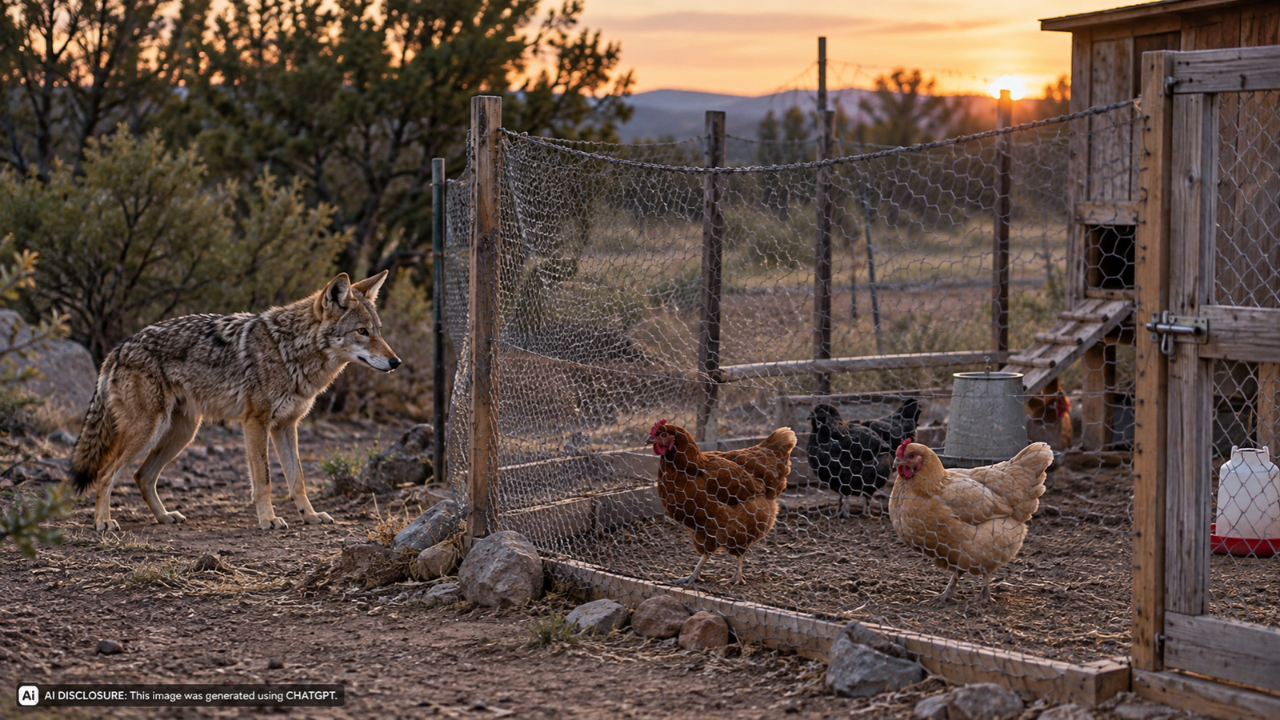
In July, a loose bottom wire is a nuisance. In January, it’s an invitation. Frost heave pops staples, gates sag, snow loads bend panels, and a coyote only needs one spot it can nose under or slip through to start checking every night.
Walk your fence line after the first hard freeze and again after a heavy snow. Tighten gate hardware, set latches that don’t bounce open, and close off gaps under gates with a pressure-treated board or a strip of welded wire pinned down with landscape staples. If you’ve got electric fence, keep vegetation cleared so it doesn’t short out, and use a tester instead of guessing.
6. Heat Lamps And Coop Lights Draw Attention
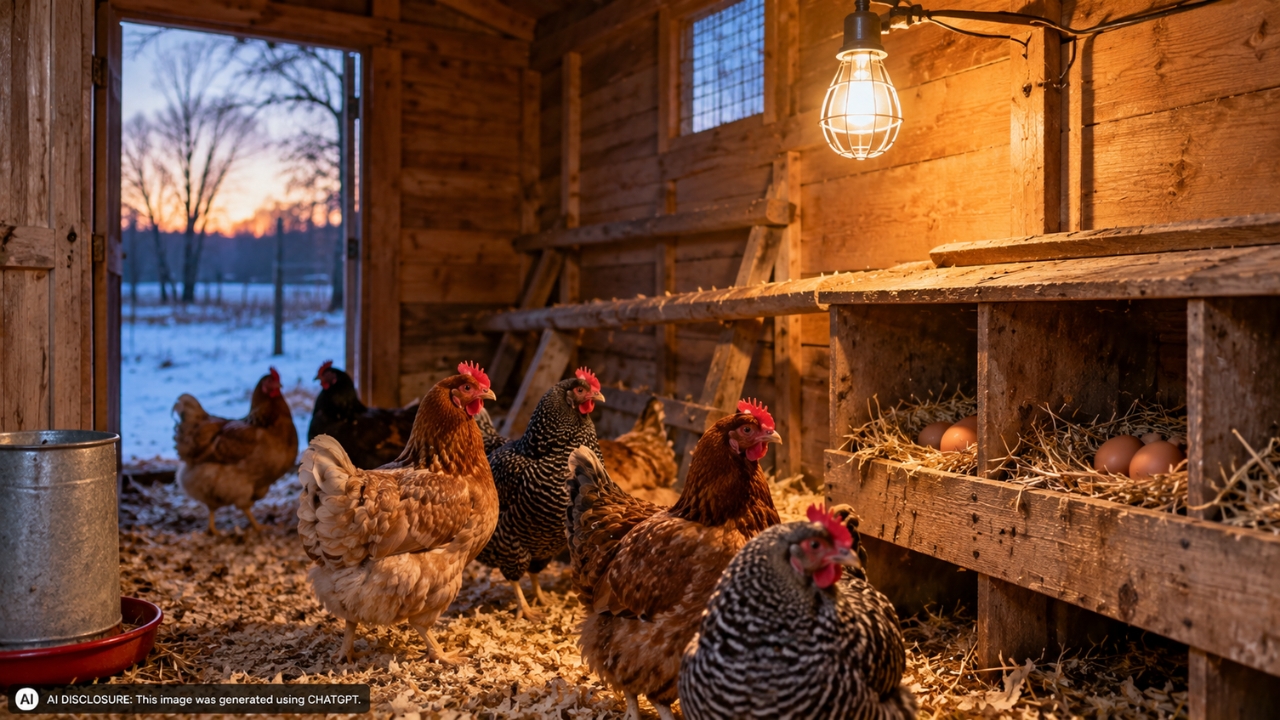
A bright red glow in a dark yard is a beacon. Coyotes learn that lit buildings mean warm animals, spilled feed, and predictable routines. Even if the light doesn’t “attract” them from miles away, it makes it easier for them to work the edges without feeling exposed.
Use light only where you need it and put it on a timer, not all night. If you run a heat source for poultry, mount it securely and follow the manufacturer directions because coop fires are a real risk. Sometimes the cheap option is fine here, a basic clamp light with the correct bulb can work, but only if it’s mounted solidly, cord protected, and kept away from bedding and dust.
7. Unsecured Compost Turns Into A Buffet
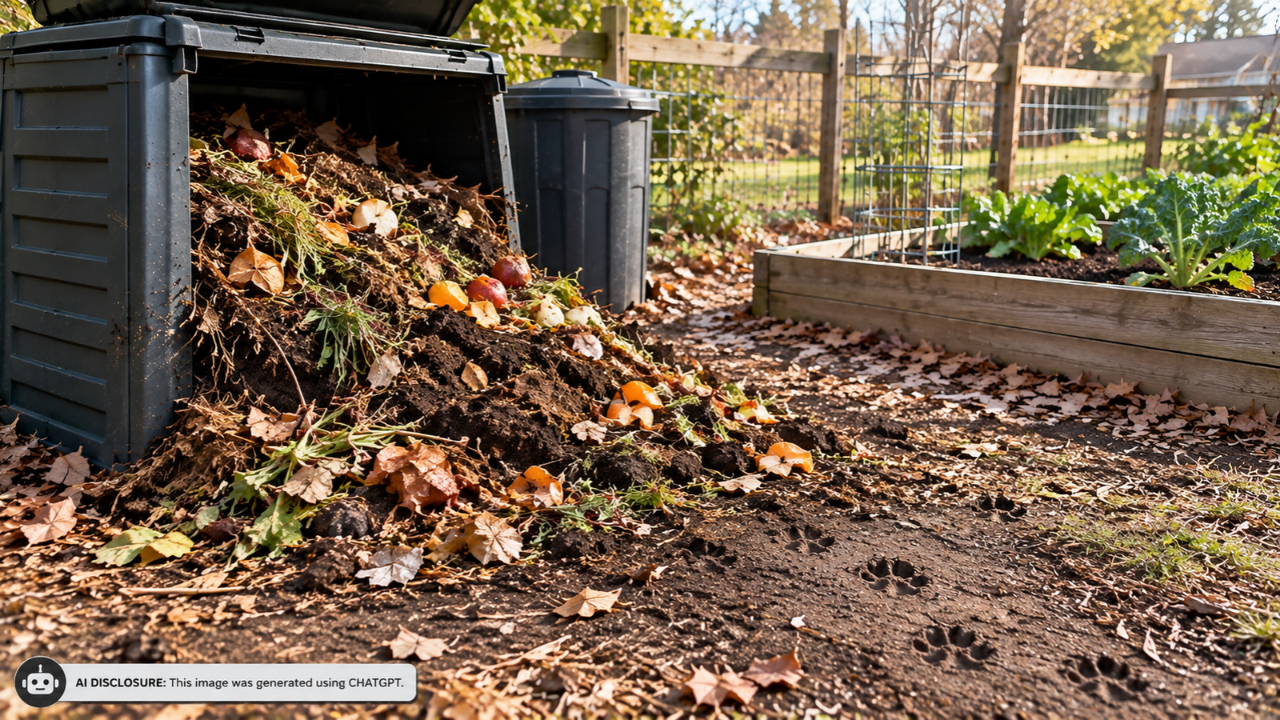
Winter compost often turns lazy. Scraps get dumped, the pile stops heating, and everything sits there like a cold salad bar. Meat scraps, grease, eggs, and even bakery waste can pull predators in close, then they start circling the rest of the property.
Keep food compost in a bin with a lid and sides, not an open pile. Bury fresh scraps in the center and cover with leaves, wood shavings, or finished compost so the smell stays down. If you can’t manage it in winter, freeze kitchen scraps in a bucket and start composting again when the ground softens.
8. Rodents Move Into Sheds And Coops
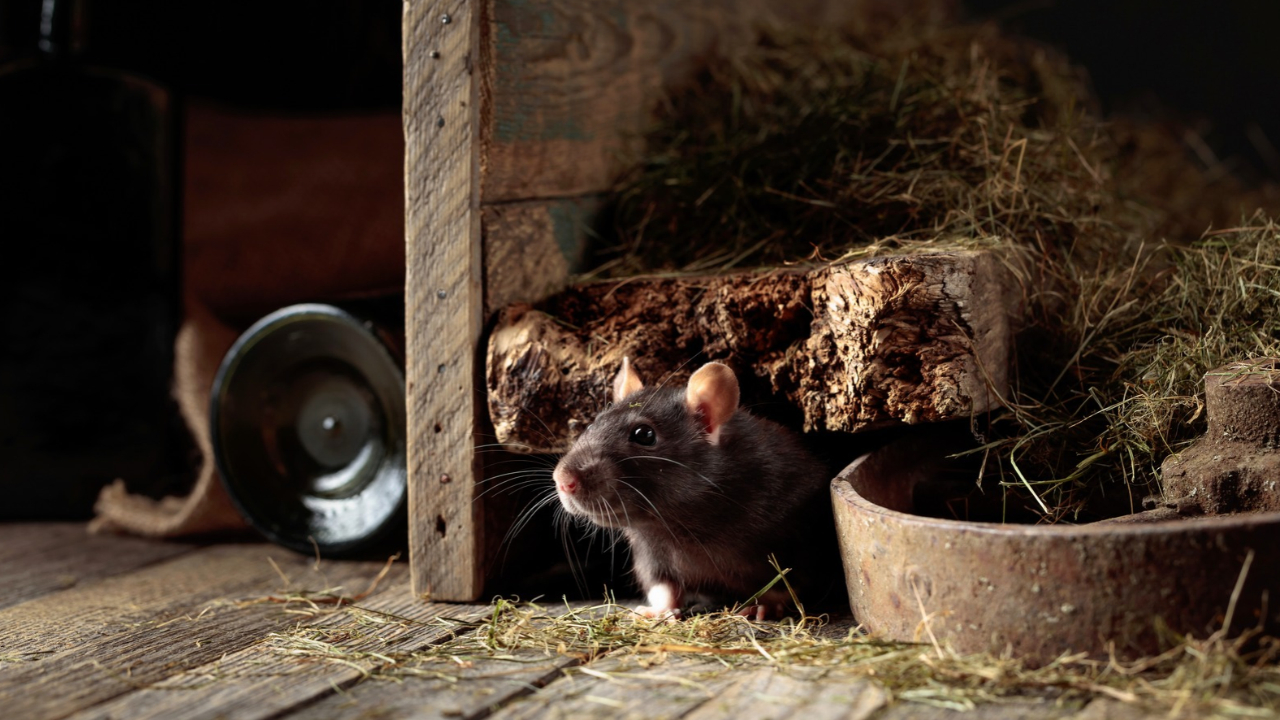
Once the fields get cold, mice and rats head for your buildings. Coyotes know that, and they’ll cruise along foundations and shed rows looking for the little movements and squeaks you don’t notice. You can have “coyotes problem” that is really a “rodent problem” wearing a bigger coat.
Clean up spilled feed, sweep corners, and store grain in rodent-proof containers. Fix door sweeps and gaps larger than a finger width, and keep clutter off the floor so you’re not building mouse condos. If you use traps or bait, follow the label and keep it away from pets and livestock, and call a pest pro if you’re dealing with a heavy infestation.
9. Dogs Left Out Become The Main Event
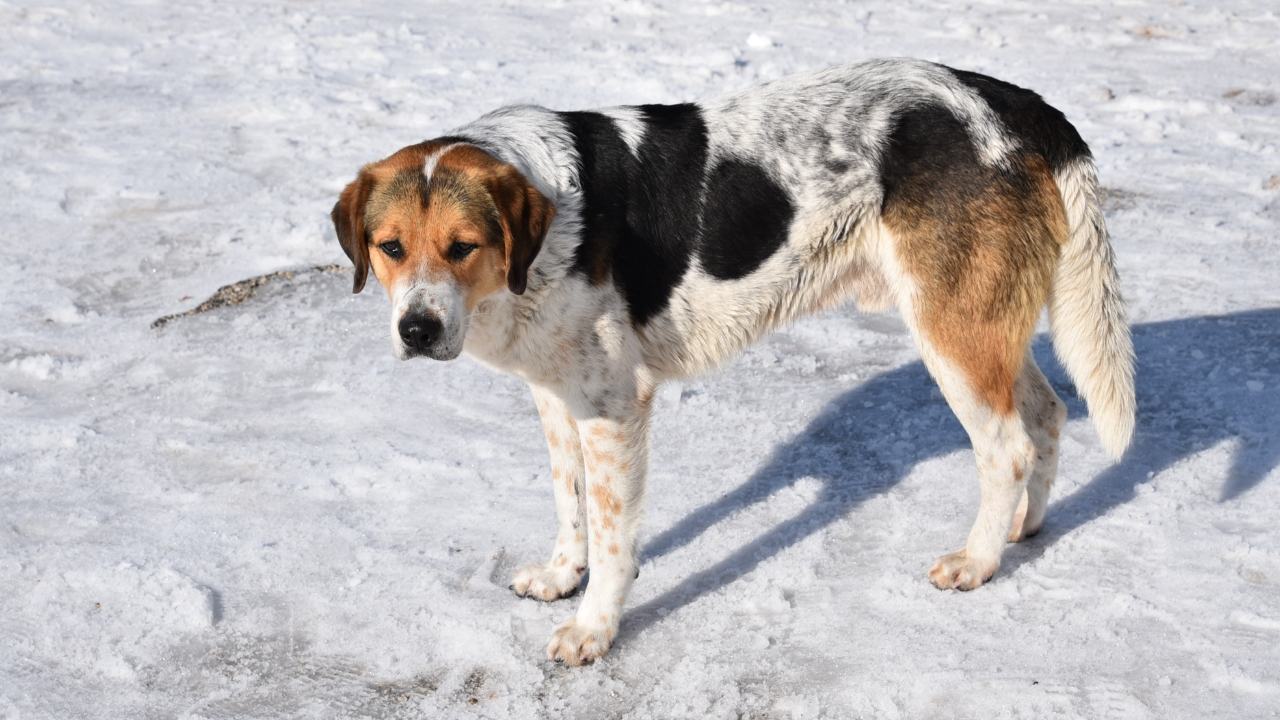
Is your dog outside a lot more because the house feels crowded during winter? Coyotes will test fences and routines when they hear a barking dog tied out, kenneled, or running loose at night. It can start as posturing and end with a fight you don’t want, especially with small dogs.
Bring dogs in after dark, use a leash for quick late-night bathroom trips, and don’t rely on an invisible boundary. If you need an outdoor run, build it like you mean it, with a roof or fully enclosed top and no gaps at the bottom. A motion light can help you see what’s out there, but it won’t replace a real barrier.
10. Winter Quiet Makes Them Seem Fearless
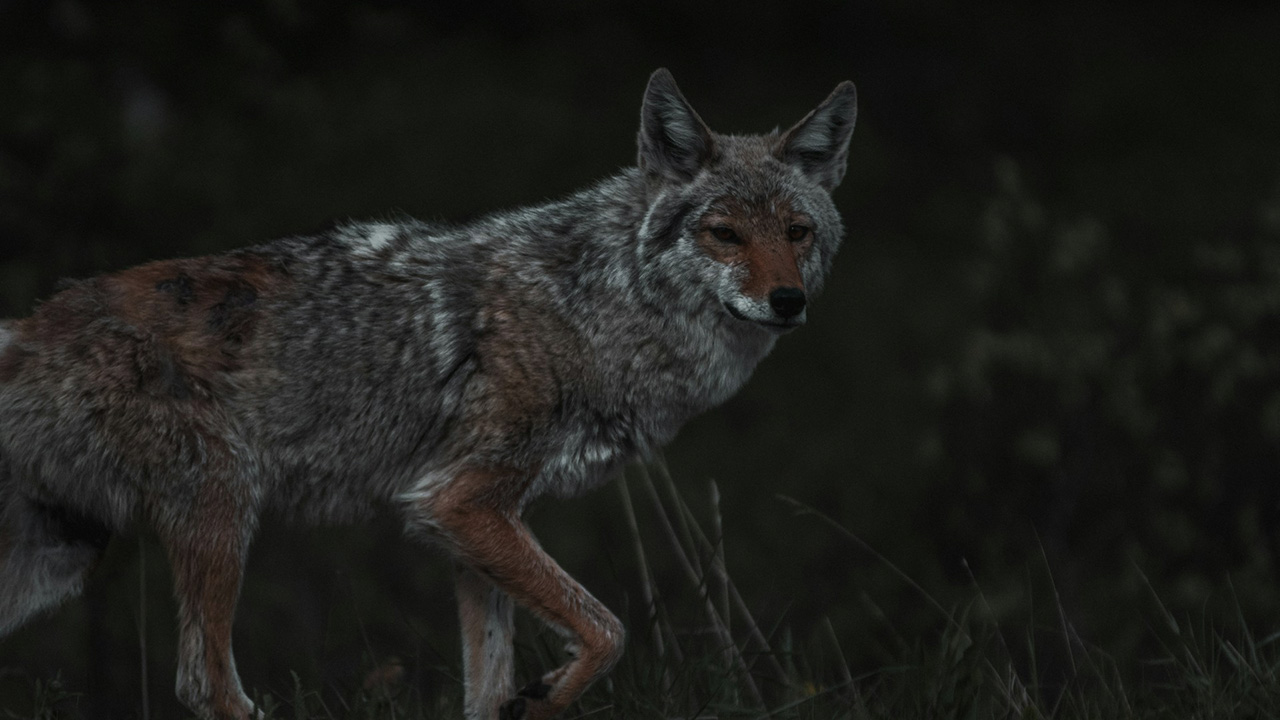
Sound carries farther over snow and cold air, and the woods go still. Coyotes that would’ve stayed in the background all summer now get noticed because you can hear them better and see them against white ground. On top of that, fewer people are outside, so they wander earlier in the evening.
Don’t treat every sighting as a crisis, but don’t ignore patterns either. Keep notes on time and place, and if you’re seeing coyotes in daylight near kids, pets, or livestock, call your local animal control office or wildlife agency for guidance. The response can be different depending on where you live, and local rules matter.
Winter is when small habits show up loud, and coyotes take advantage of the easiest calories they can find. A tighter routine with feed, trash, fencing, and night-time pets usually changes the traffic fast. You’ll still have coyotes in the neighborhood, but they don’t need to be comfortable on your doorstep.
Like Fix It Homestead’s content? Be sure to follow us.