10 Signs a Barn Is Too Cold for the Animals in It
Photo credit: B Cole/Unsplash.com
Cold snaps hit barns differently than houses. Wind finds the cracks, moisture turns to frost, and animals that looked fine yesterday start burning feed just to stay warm. If you’re not watching for the small signs, you can miss the point where “brisk” turns into a real welfare problem.
1. Water Buckets Freeze Before Morning Chores
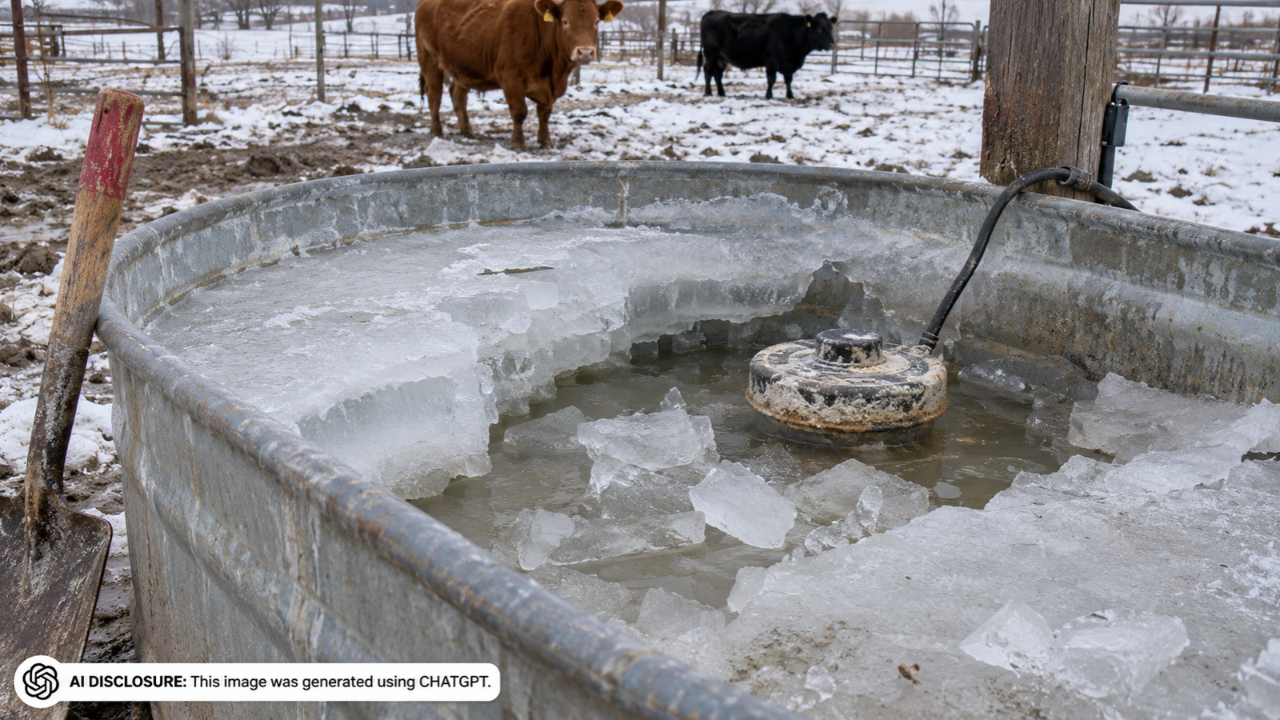
If the drinking water is locking up solid overnight, the building isn’t holding enough heat for normal animal routines. Dehydration follows fast in winter because animals often won’t eat as much dry hay without water, and that can spiral into stress and weight loss. You’ll also see more wasted time breaking ice and hauling new buckets.
Start with the simple fixes: more frequent water checks, bucket heaters rated for livestock use, and cords kept out of chewing range. If you hardwire anything or add new outlets, hire a licensed electrician and keep local code in mind. A heated base under a stock tank can be a better choice than a dangling heater, especially around curious noses.
2. Frost Shows Up Inside On Nails
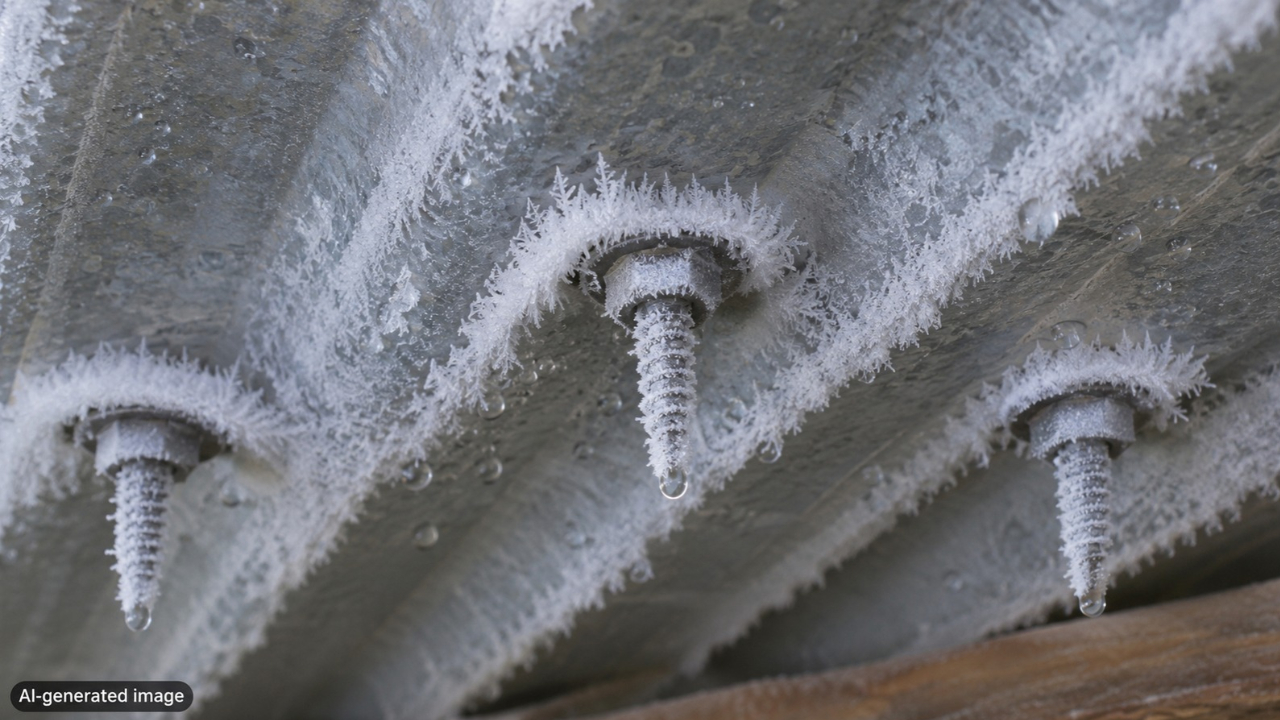
When you see white frost lines on nail heads, metal roofing screws, or along the underside of the roof, you’re looking at warm moist air hitting a cold surface. That moisture later drips, so animals get damp even if the barn feels “dry” to you. Damp coats stop insulating well, and then cold gets mean.
Fixing this is usually about air control, not blasting heat. Add or clear roof vents, open ridge vent paths, and stop warm wet air from dead-ending under the roof. If insulation is soaked or packed with mold, replace it, and figure out why it got wet in the first place before you cover it back up.
3. Animals Huddle Instead Of Spreading Out
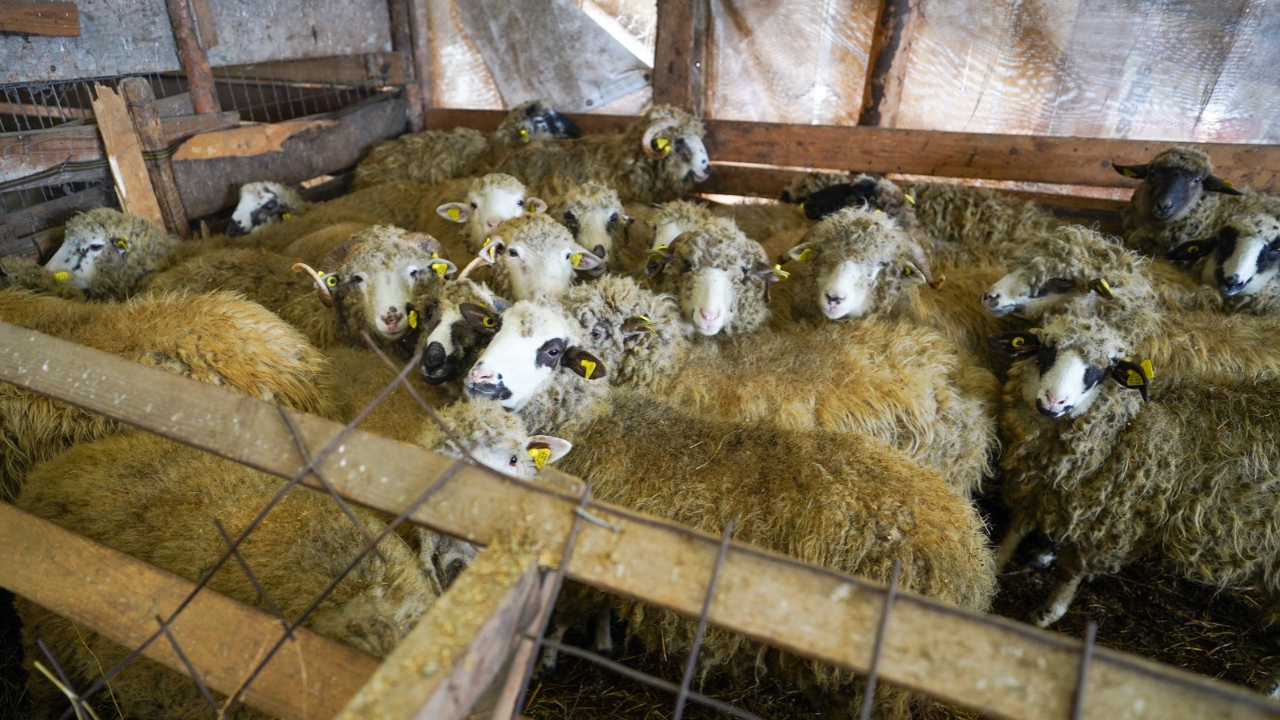
When the whole group piles into one corner or stacks up in a doorway out of the wind, they’re telling you the barn has cold spots they can’t escape. Huddling looks cozy until the smaller or weaker ones get shoved off to the side and chilled. It also raises the risk of smothering in tight pens, especially with young stock.
Give them a better option than the corner. Block drafts at animal level with solid panels or heavy stall curtains, and add deep, dry bedding so they can nest without laying on cold ground. Rearranging a pen to create a wind break often does more than any space heater you don’t want in a dusty barn anyway.
4. Ears And Tails Feel Cold Longer

Cold extremities that stay cold after animals have been up and moving are a warning sign. You can’t diagnose frostbite in the barn aisle, but you can treat “this is too cold” as the problem and act before damage starts. Watch for stiff movement, tucked tails, and animals that won’t stop shivering.
Reduce exposure first: bed thicker, cut drafts, and make sure there’s a dry place to lie down. Check that mineral and salt are available and not frozen into a useless brick. If you’re seeing pale, swollen, or blackened tips on ears, combs, tails, or teats, call a vet and warm the space safely.
5. Wet Bedding Keeps Coming Back Daily
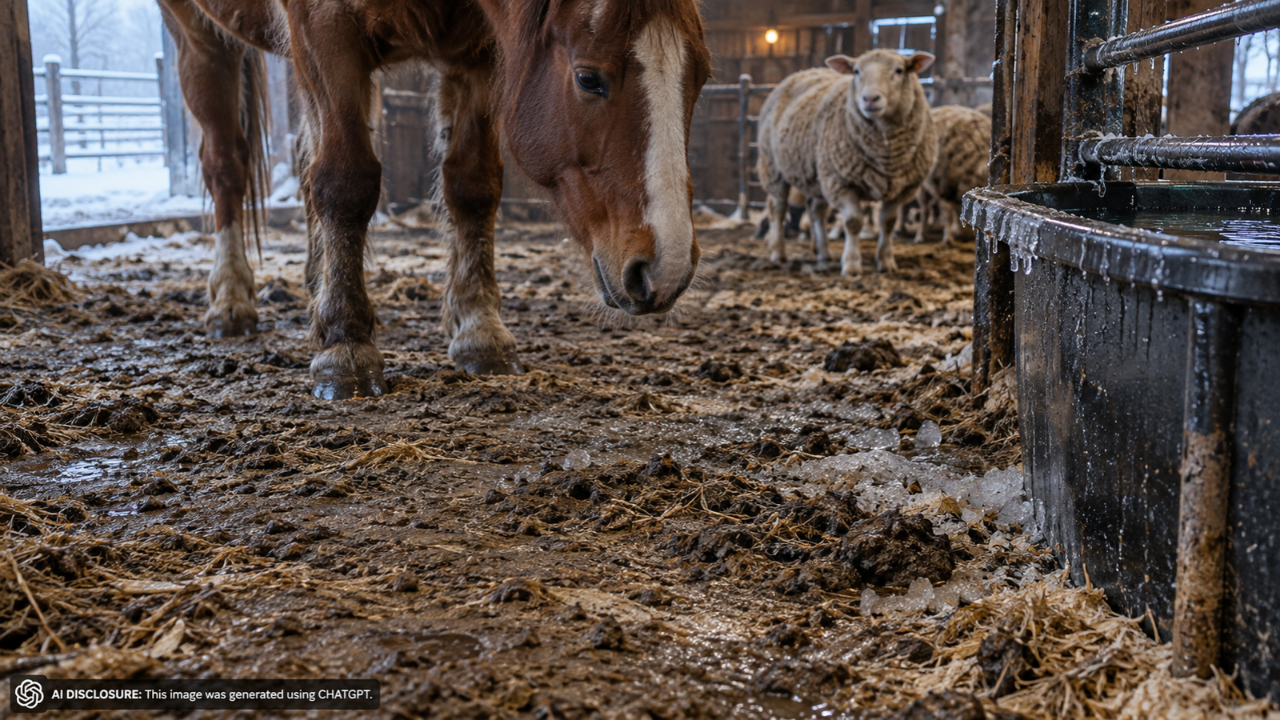
You clean, you rebale, and the next day the pack feels wet again. In a cold barn, that wetness often isn’t just urine, it’s condensation and slow drying. The floor never warms up, so moisture hangs around and chills animals from the ground up.
Pull wet spots all the way out instead of sprinkling fresh on top. Add more absorbent base like wood pellets or a deeper straw pack, and improve airflow above bedding level so moisture can leave. If the floor is bare concrete, rubber mats with bedding on top can help, but they still need to be lifted and dried now and then.
6. Feed Disappears Faster With No Weight Gain

When animals burn extra calories to stay warm, the feed bill climbs and bodies still look tucked up. You’ll notice hay racks emptying sooner, more time spent at the feeder, and less “cover” over ribs and hips. Cold stress also knocks down immunity, so you can get a run of coughs or scours right after a hard freeze.
Before you buy fancy supplements, tighten the barn. Stop the drafts, add bedding, and offer more roughage since fermentation heat is real heat. There’s an honest exception here: some cold-hardy breeds and well-conditioned animals do fine in an unheated barn if they’re dry, out of the wind, and have plenty of feed. Cold is one thing, wet plus wind is the one that costs you.
7. Drafts Hit At Animal Shoulder Height
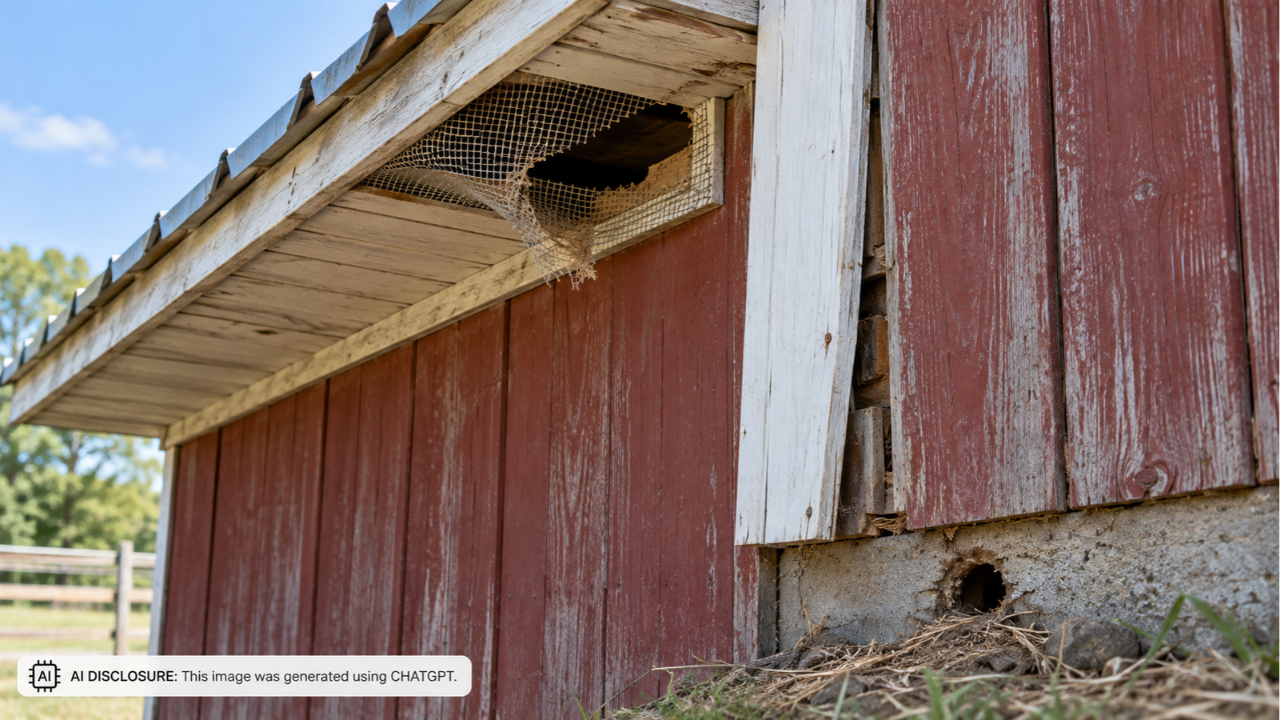
People stand upright and miss the worst of it. Put your hand down around knee level, or light an incense stick and watch the smoke, and you’ll find the jet streams coming through siding gaps, warped doors, and missing boards. If you feel it there, they live in it.
Fixing drafts doesn’t mean sealing the barn like a house. Patch holes with lumber, cover broken windows with polycarbonate, hang a strip curtain at the main door, and use foam closure strips where metal roofing meets framing. Leave high vents doing their job so you don’t trap moisture and make the drip problem worse.
8. Ice Builds Up Around Gates And Latches
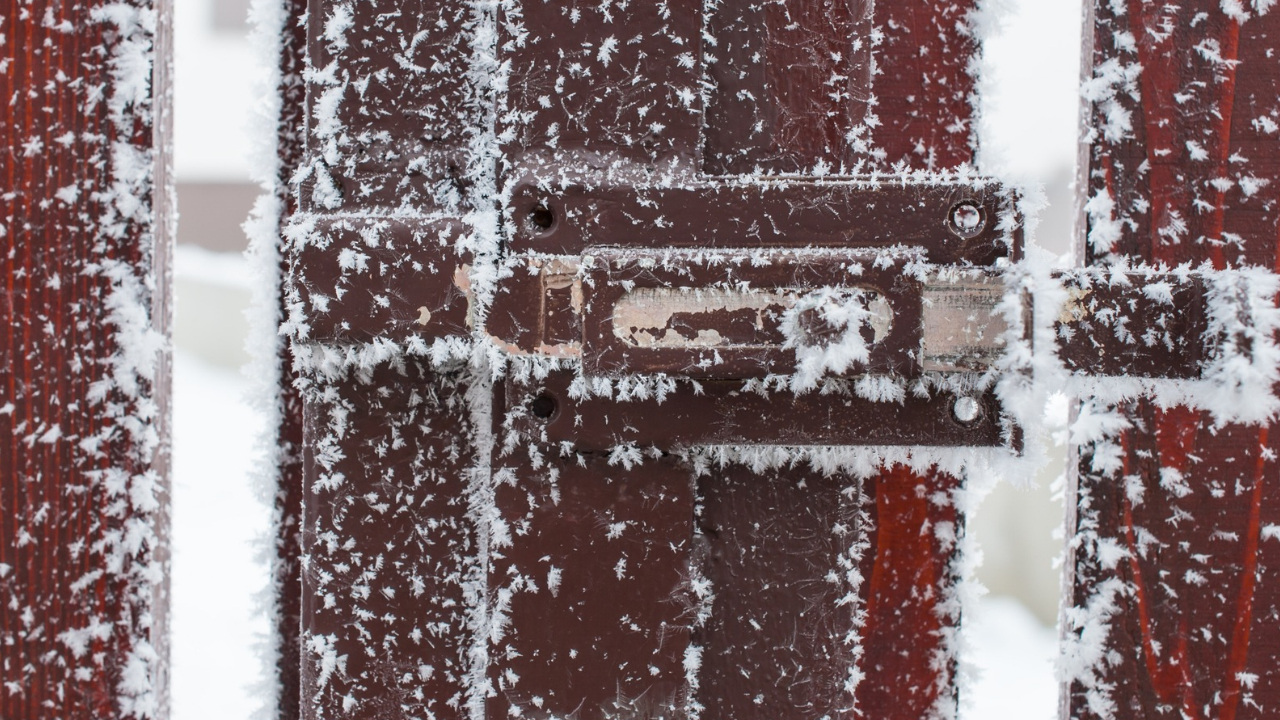
If latches, hinges, and gate bottoms keep freezing fast, you’ve got a mix of moisture and cold air moving right through that area. Besides being a pain at chore time, stuck gates are a safety problem when you need to move animals in a hurry. Also, animals pushing on frozen hardware bends things and wrecks posts.
Stop the water source first. Fix roof leaks, add a gutter and downspout to kick runoff away, and slope the threshold so meltwater doesn’t refreeze right where you walk. A little dry gravel at high-traffic spots beats salt in many barns, since salt can irritate hooves and gets tracked into bedding.
9. Ammonia Smell Hangs Low On Calm Days

Cold barns get shut tight “to keep heat in,” and the air turns stale. If you smell ammonia at nose level, it’s stronger down where animals breathe. That irritates lungs, sets you up for respiratory trouble, and makes the barn feel colder because damp air steals heat from bodies.
Open up high vents and add controlled intake, even if it feels wrong at first. You want gentle air exchange, not a wind tunnel. If the only way to get fresh air is a big door blowing straight across stalls, look at adding soffit vents, a ridge vent, or a properly sized exhaust fan wired by a pro.
10. Newborns Chill Quickly After Feeding
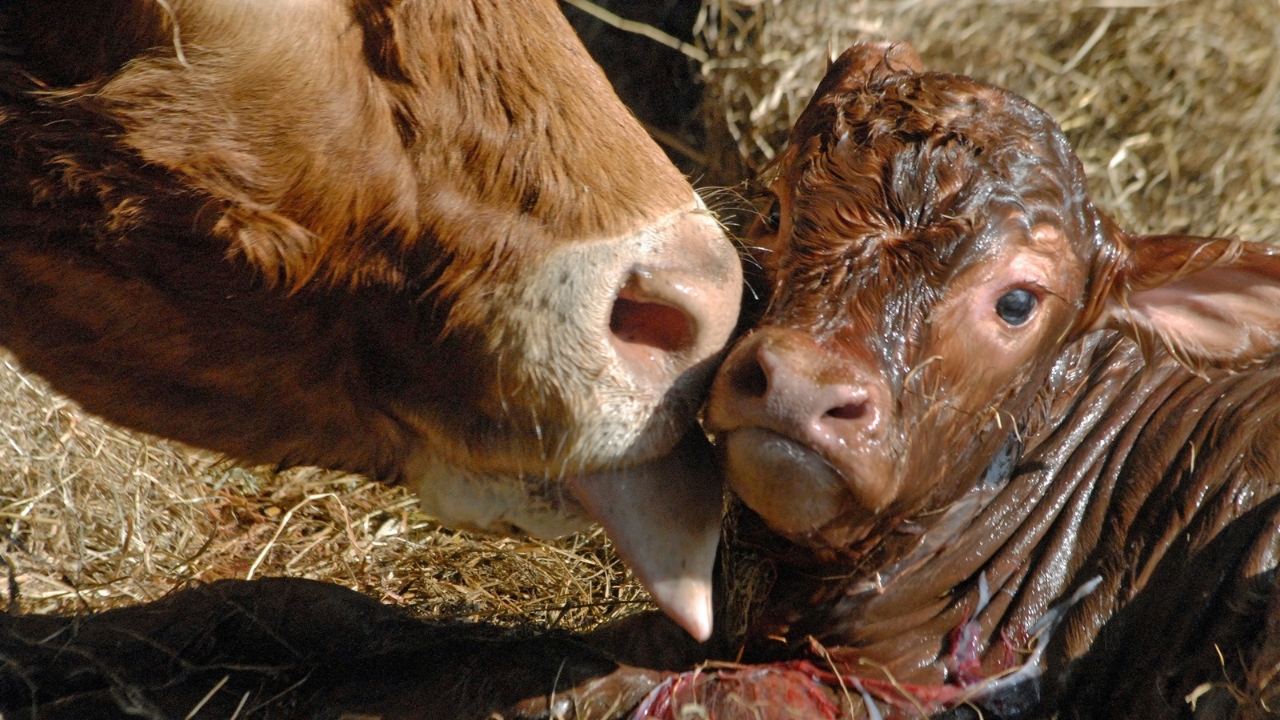
Young animals crash faster than adults. If you’re seeing shivering within minutes, cold mouths, or weak nursing right after they’ve eaten, the barn is too cold for their stage of life. Timing matters here, a barn that’s fine for grown stock can be unsafe for babies during a single bitter week.
Set up a dedicated warm zone: a draft-free corner, deep bedding, and a safe heat source meant for livestock areas. Heat lamps are common, but they’re also a fire risk, so hang them with proper hardware, keep them away from bedding, and protect cords from chewing. For fragile newborns or repeated losses, talk with a vet about temperature targets and bedding plans.
Cold weather management is mostly small fixes done early, before you’re thawing hoses at midnight or treating sick stock. Walk the barn on the windiest night, check water at dawn, and pay attention to where animals choose to stand. A few boards, better airflow up high, and dry bedding usually beat any attempt to “heat the whole barn.”
Like Fix It Homestead’s content? Be sure to follow us.