10 Signs a Septic Tank Needs Pumping Sooner Than You Think
Photo credit: ad-foto/Shutterstock.com
Most septic problems don’t show up as one big disaster. They creep in as small annoyances you ignore because the house still “works.” Catch the early signs and you can schedule a pump-out on your terms, not during a holiday weekend with sewage backing up.
1. Drains Suddenly Feel Slow Everywhere
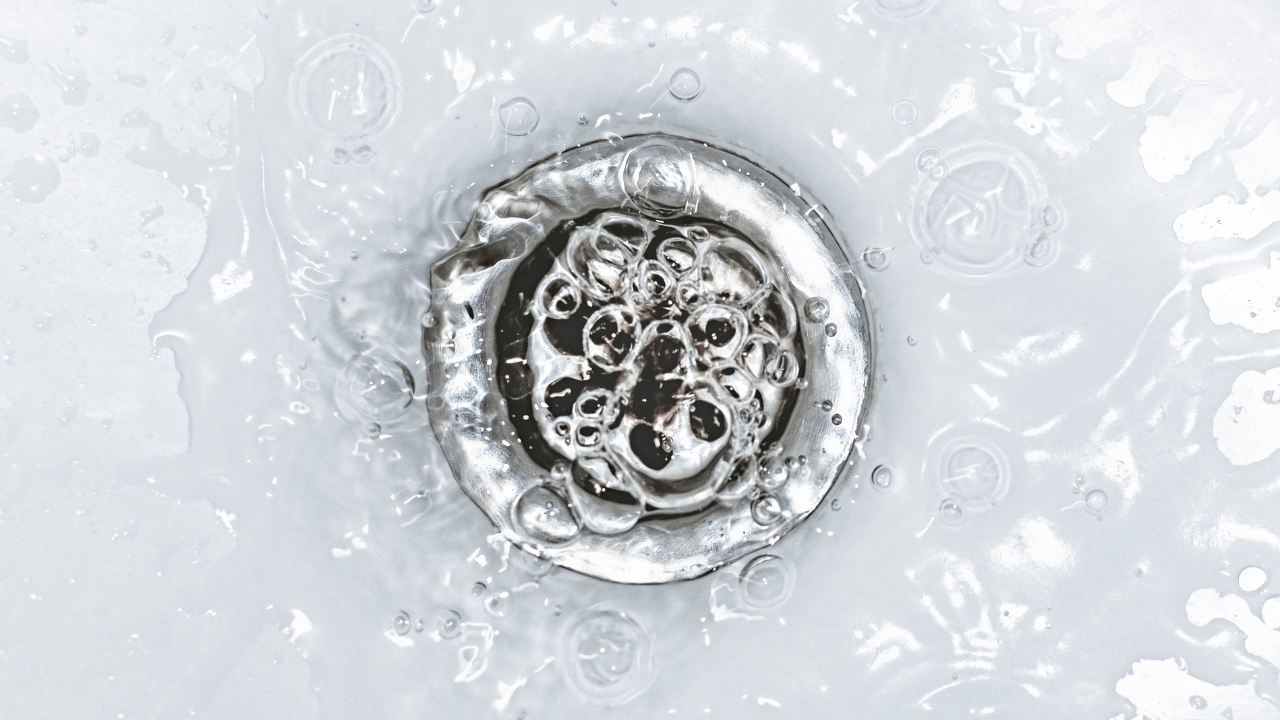
If just one sink is slow, it’s usually a trap or a local clog. If the shower, kitchen sink, and toilet all start dragging at the same time, your tank or the line to it is getting full and pushing back. You’ll notice gurgling after you run the washer or take a long shower.
Skip the chemical drain cleaners. They don’t fix a full tank and they can mess with the bacteria that break down waste. A plumber can camera the main line, but if your pumping schedule is fuzzy and everything is slow at once, call a septic pumper first and ask them to check the tank level and the inlet baffle.
2. Toilet Bubbles After Other Fixtures Run
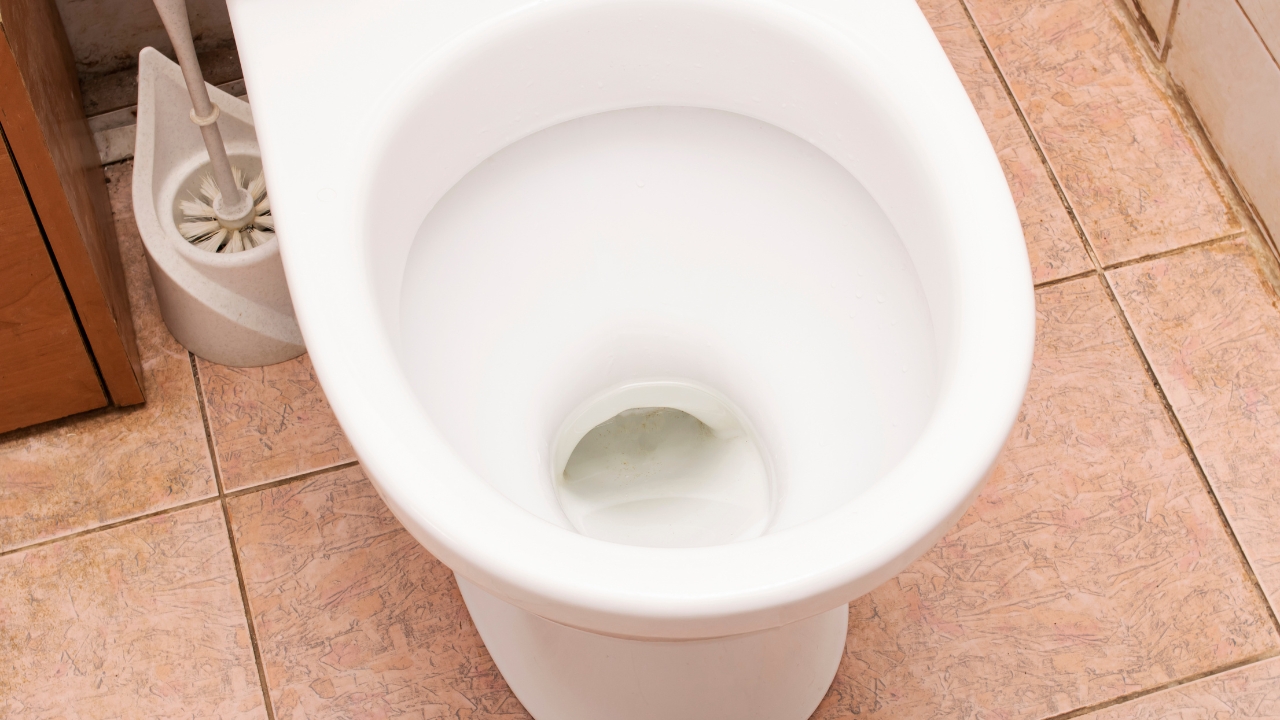
Run a load of laundry and the toilet burps. Flush and the sink gurgles. That’s the system telling you it’s having trouble moving air and water the way it should, often because the tank is too full or the line is partly blocked with sludge.
This can also happen from a blocked roof vent, especially after leaves drop or a winter ice cap forms. If one bathroom does it and the rest of the house is fine, check vents and local drains. If it’s happening house-wide, stop guessing and get the tank inspected and pumped if needed.
3. Sewage Smell Near The Tank Or Yard

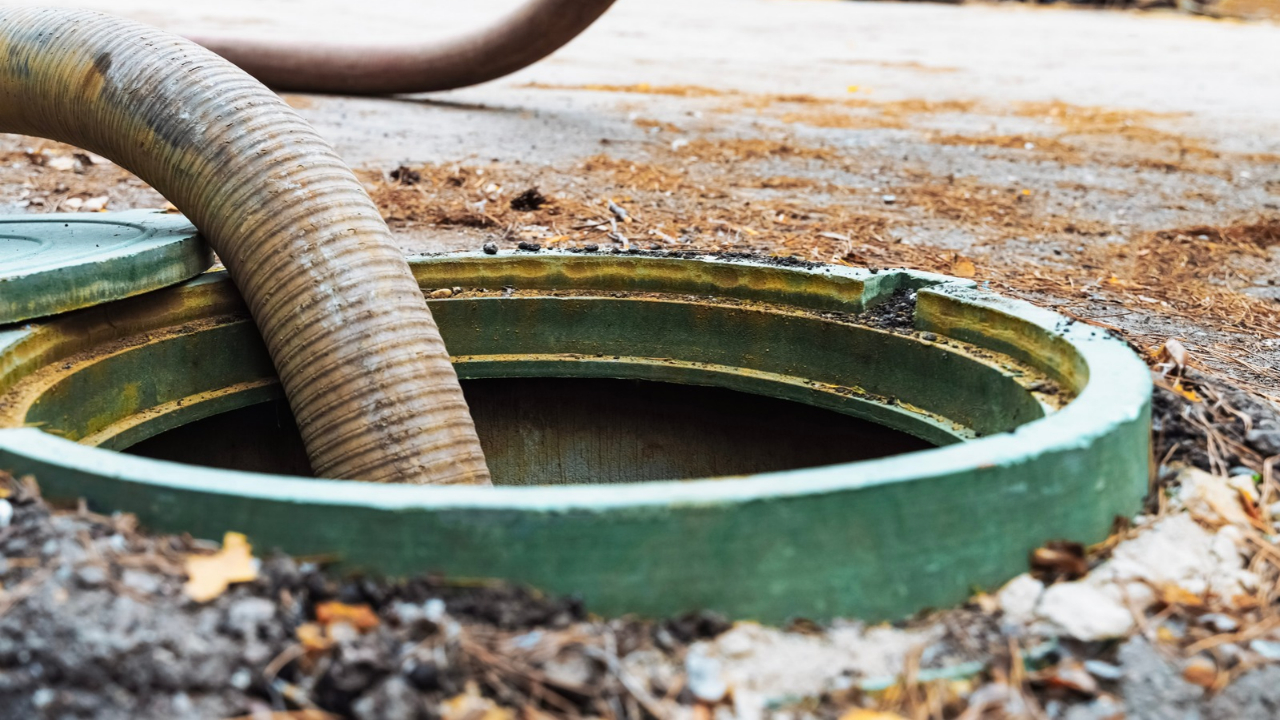
A healthy septic system doesn’t smell like much outside. If you catch that sour, sewer-gas stink around the tank lid, the cleanout, or a low spot in the yard, the tank can be full enough that gases are taking the easiest exit.
Do not “seal it up” with plastic or pile soil over a lid to hide the smell. Lids need to be accessible for service, and a buried problem becomes a bigger bill later. Call a licensed septic pro, and if you suspect a broken lid, keep kids and pets away until it’s secured.
4. Wet, Spongy Patches Over The Drainfield
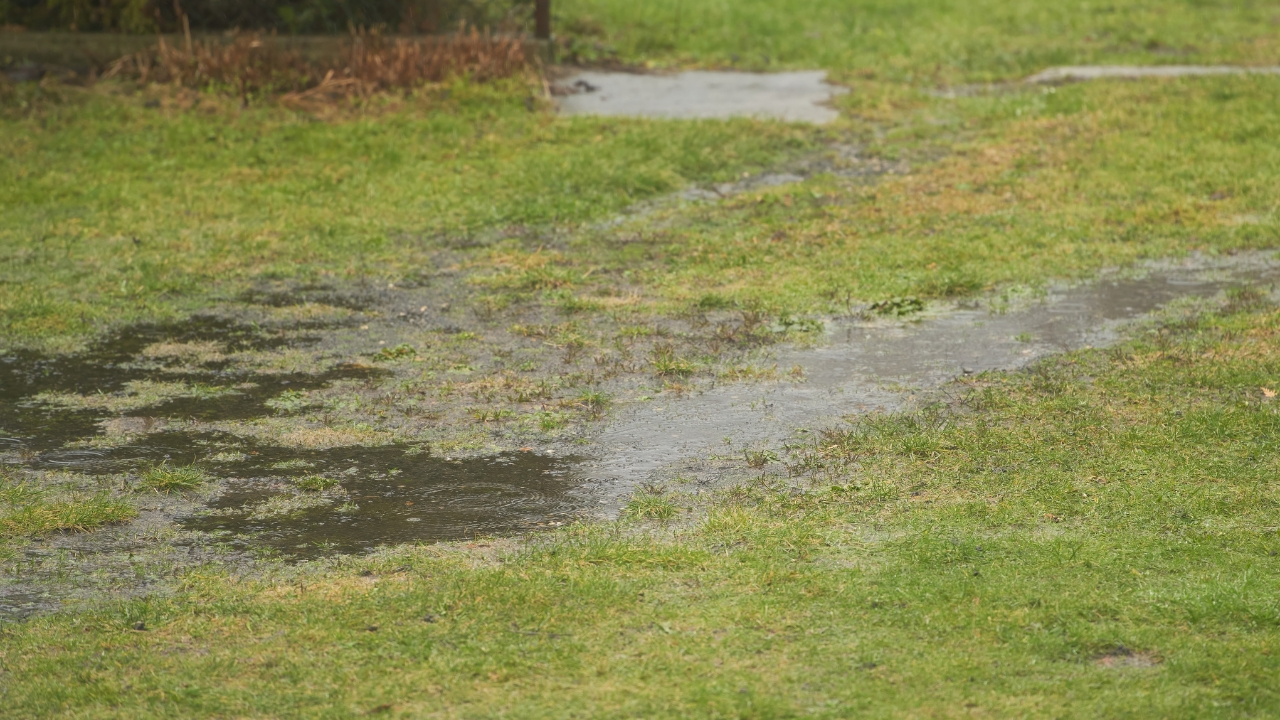
When the drainfield can’t absorb what the tank sends, water shows up on top. You’ll feel a soft, springy area, see standing water after normal use, or notice the grass staying wet in a dry week. That’s not “good irrigation.”
A pump-out can buy time if the tank is overfull and pushing solids toward the field, but it won’t fix a failing drainfield. Stop driving over the area, keep livestock off it, and don’t run extra loads “to test it.” A septic contractor needs to check for a clogged distribution box, crushed pipe, or saturated soil.
5. Grass Gets Weirdly Green In Stripes
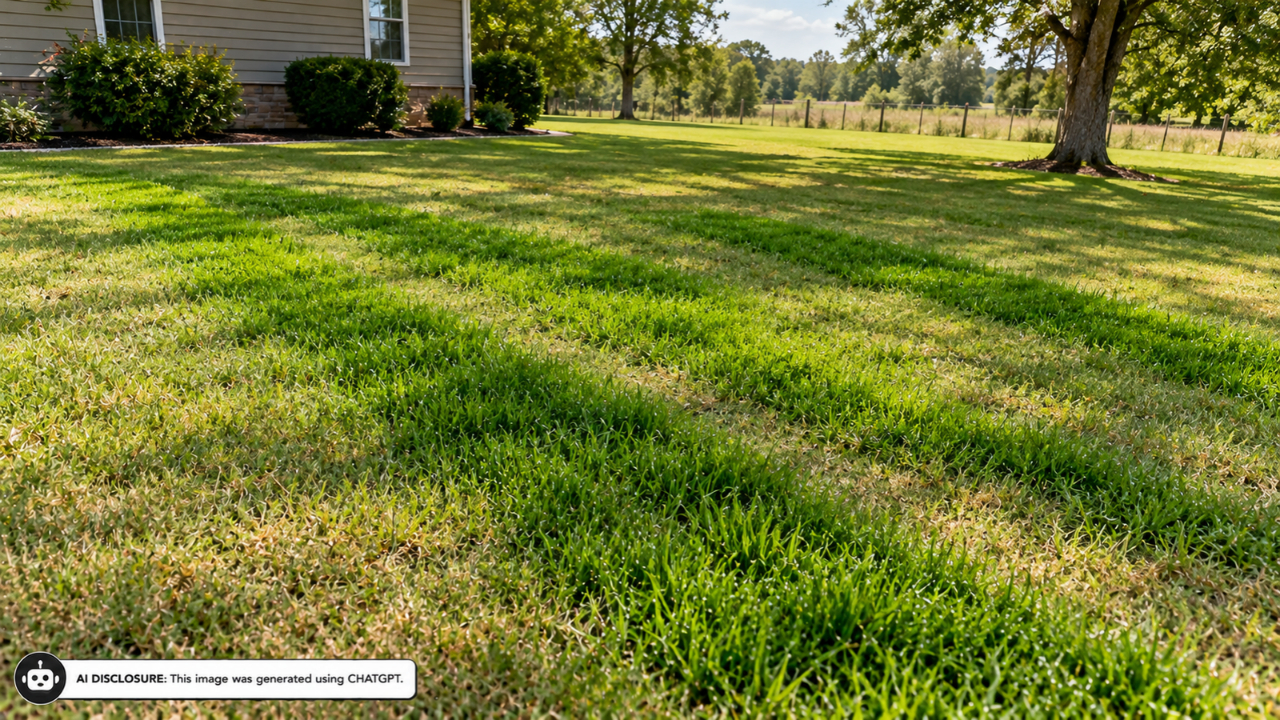
The lawn above your drain lines looks like it got a fertilizer spill, bright green bands or extra-fast growth that doesn’t match the rest of the yard. That often means nutrient-rich effluent is getting too close to the surface because the system is overloaded or the field is struggling.
Don’t throw more seed and lawn food at it. Mark the area so you stop mowing ruts into it and so nobody plants trees there later. Schedule a tank check and ask the tech to look at scum and sludge layers, not just “is it full,” because a tank can be overdue even when it still has some headspace.
6. You’re Pumping Your Sump Into Septic
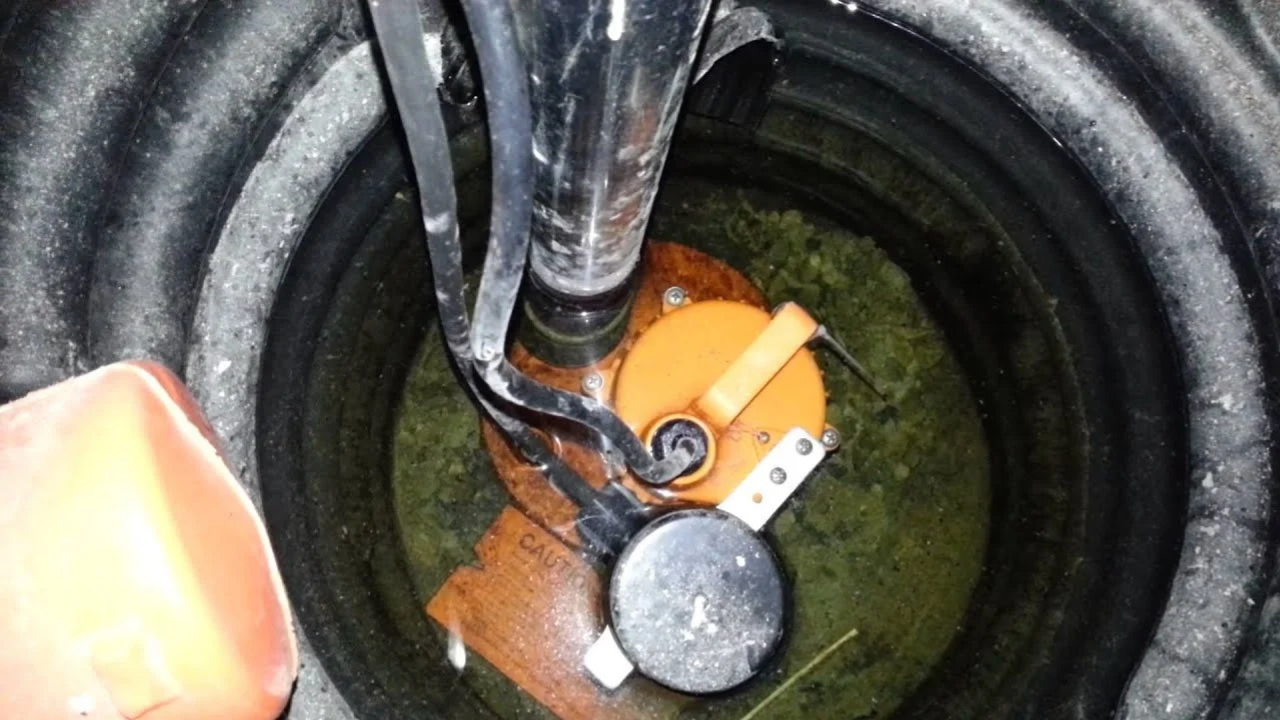
Some homes tie a basement sump pump, a water softener discharge, or even a roof downspout into the septic line because it was “easy.” It’s a bad setup. Clear water can fill a tank fast, churn up settled solids, and shove sludge toward the drainfield.
This is one of those less-obvious reasons a tank needs pumping way sooner than the old schedule. Redirect clear-water drains to daylight, a dry well, or whatever your local code allows, and get a plumber involved if you’re not sure what’s tied in. After you fix the flow, pump the tank so you’re not starting from behind.
7. The Cleanout Cap Is Wet Or Stained
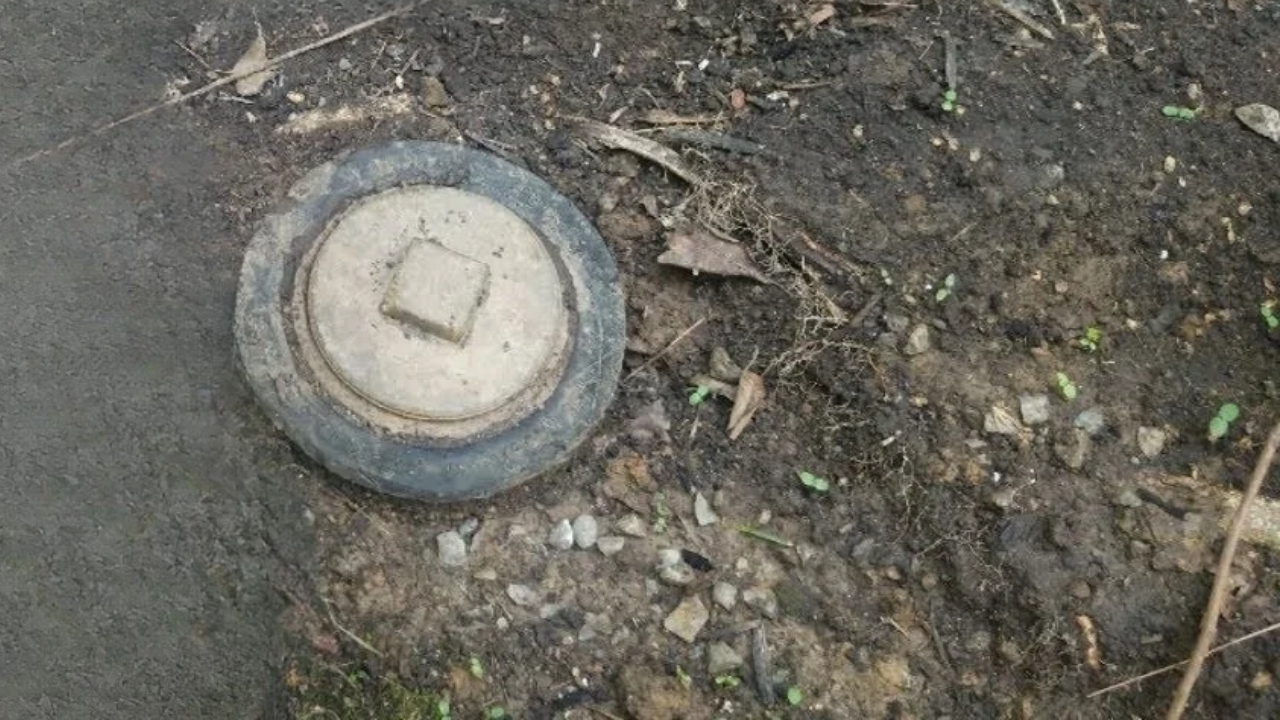
The main sewer cleanout, usually a white PVC cap near the foundation or yard, should be dry. If you see dampness, dark staining, or a little seepage around the threads, waste is sitting high in the line. That often happens when the tank is full or the line to the tank is partially blocked.
Don’t crank the cap off without thinking. A backed-up line can spill fast and it’s a mess you don’t want on your boots. Call a plumber or septic pro and tell them what you’re seeing so they show up ready.
8. The Alarm Beeps On A Pump Tank
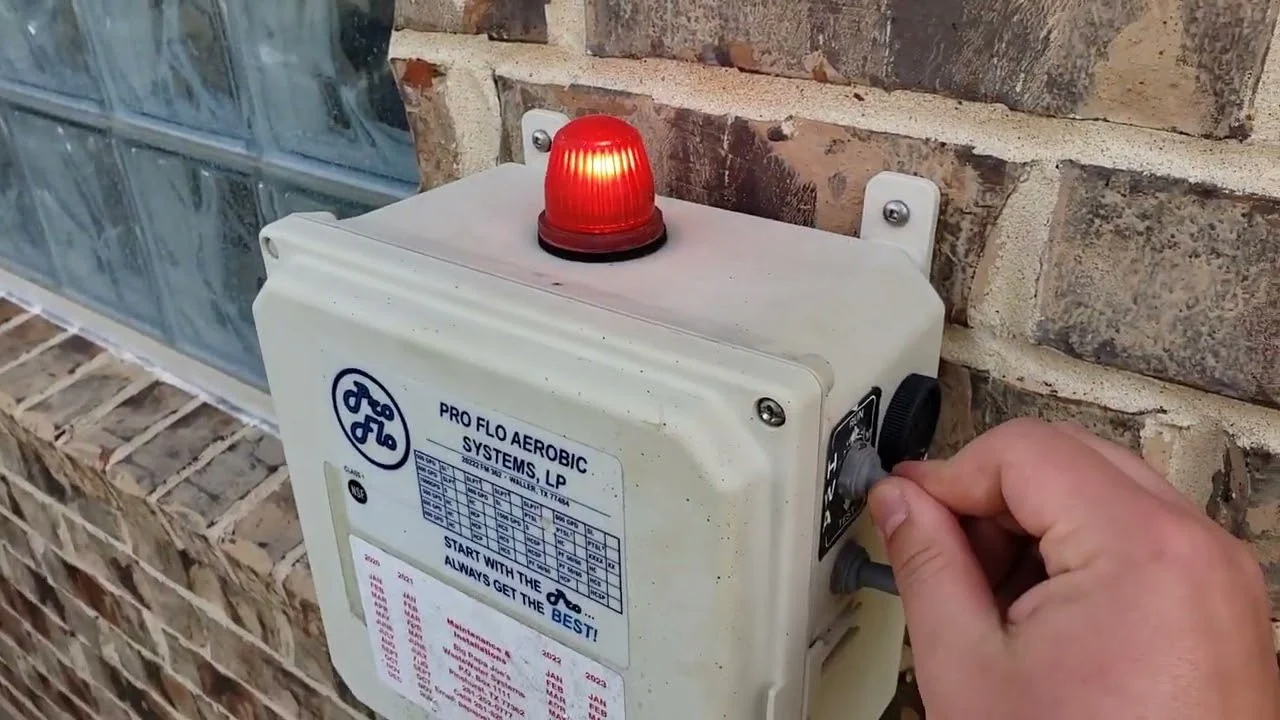
If your system has a lift pump or a mound system, that alarm is not a suggestion. It means the pump tank level is too high, the pump failed, a float switch stuck, or the discharge line has a problem. Waiting can send sewage back toward the house.
Silencing the buzzer is fine so you can sleep, but don’t ignore the cause. Cut water use right away, no laundry, short showers, no long dishwashing sessions, then call a licensed septic service. This is not a DIY electrical job inside a wet tank, and local rules are strict for a reason.
9. You’ve Had A Busy House Stretch

A few months of extra people changes the math. A new baby, relatives staying over, teens home all summer, or a short-term rental phase can pack a tank faster than you expect. Even if nothing smells yet, your normal pump interval may not match your current water use.
The cheap move that’s actually fine is scheduling an earlier pump-out after a high-use season, especially before winter if your tank access is hard in snow. Keep notes on when the house was packed and when it wasn’t. Septic maintenance works better with a calendar than with wishful thinking.
10. You Can’t Find The Last Pump Record
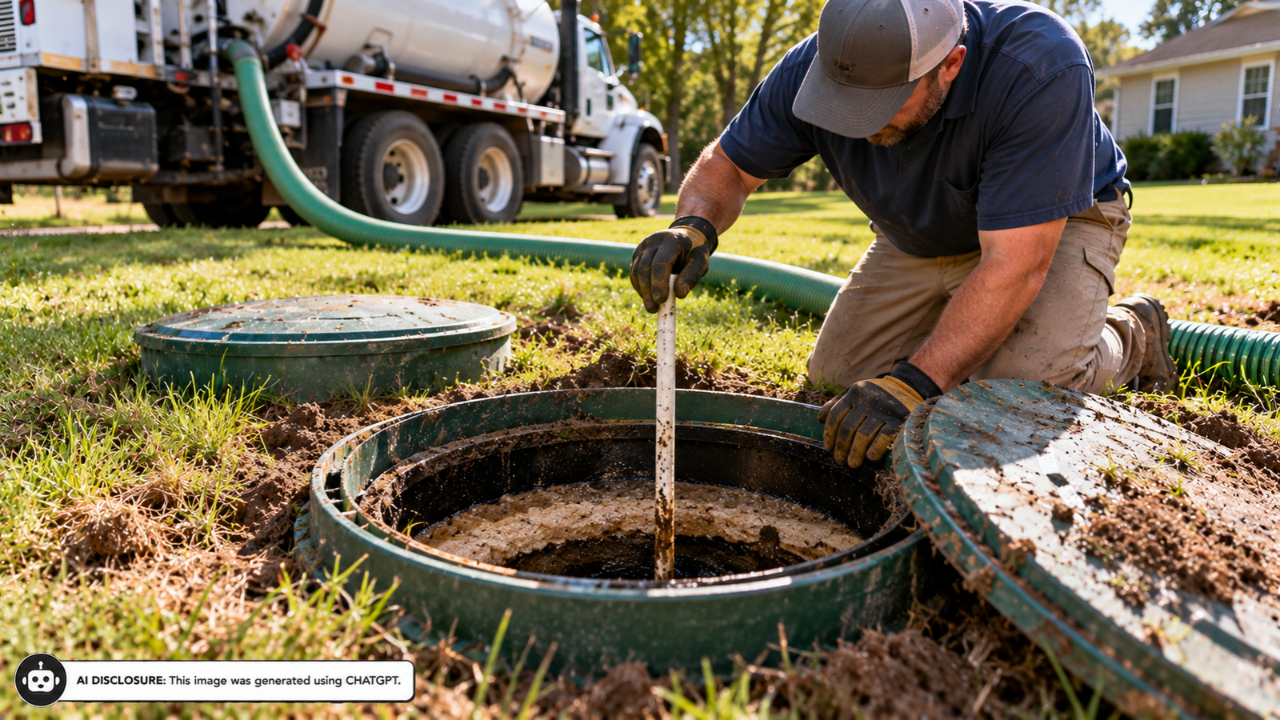
If you don’t know when it was pumped, you’re guessing with a system that punishes guesses. Tanks don’t always give dramatic warnings before they start sending solids into the drainfield, and that’s when costs jump.
Call a septic company and have them locate the tank, open it, and measure sludge and scum depth. If the layers are high, pump it and ask for a simple sketch of lid locations for next time. Before anyone digs for lids, make the utility locate call required in your area, even on your own property.
Once you get it pumped, change the habits that filled it early: fix running toilets, spread laundry over the week, keep grease and wipes out, and route clean water away from the system. Septic problems are easier to manage when you treat pumping like routine service, not an emergency.
Like Fix It Homestead’s content? Be sure to follow us.