10 Signs a Tractor Needs Attention Before Winter
Photo credit: JAC77/Shutterstock.com
Cold weather doesn’t create tractor problems as much as it exposes the ones you’ve been living with. A machine that starts “fine” in October can turn stubborn in January, right when the driveway needs clearing or the feed needs moving. A little attention now saves a lot of swearing later.
1. Slow Starts And Clicking Solenoid
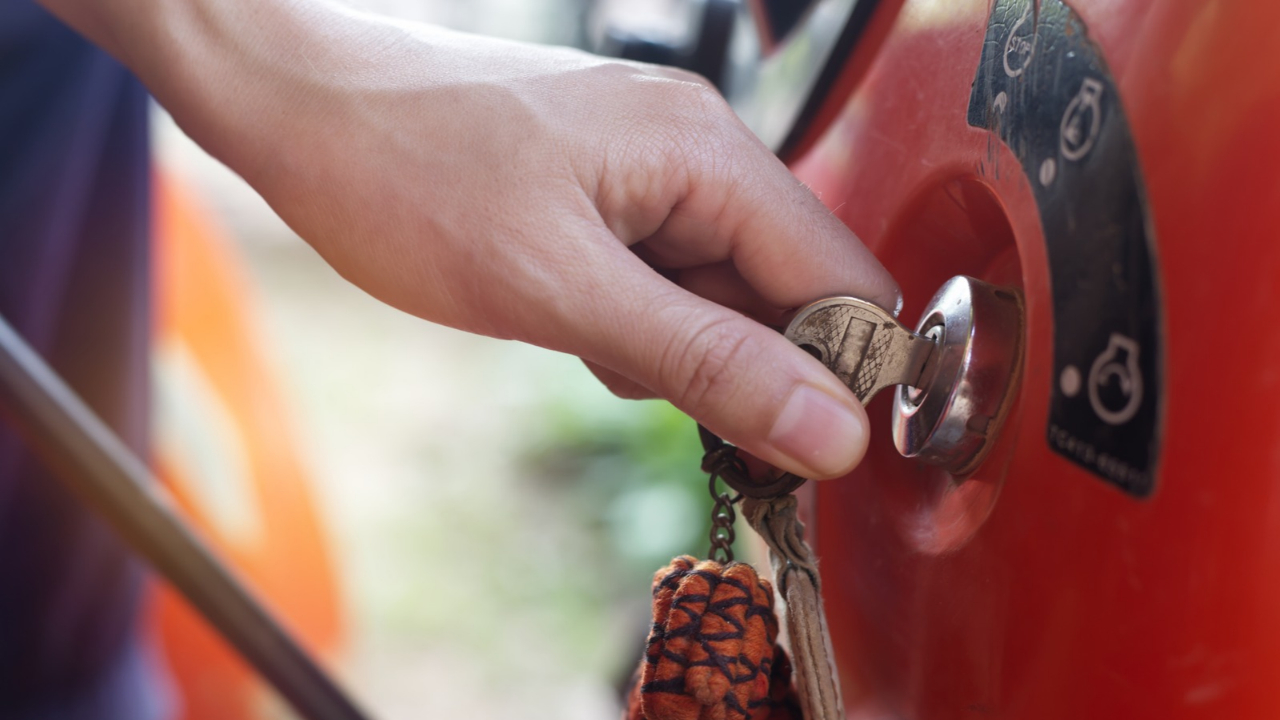
If the starter drags like it’s pushing through mud, winter will finish it off. A single click, rapid clicking, or a starter that spins slow is often low battery charge, corroded terminals, or a tired starter drawing too much current.
Clean the battery posts until they’re bright, then tighten the clamps. Check the ground cable where it bolts to the frame or engine block, that spot loves to crust over. If you’ve got a multimeter, a resting battery around 12.6 volts is healthy, and much below that means charge it and load-test it before the first real freeze.
2. Corroded Battery Cables And Loose Grounds
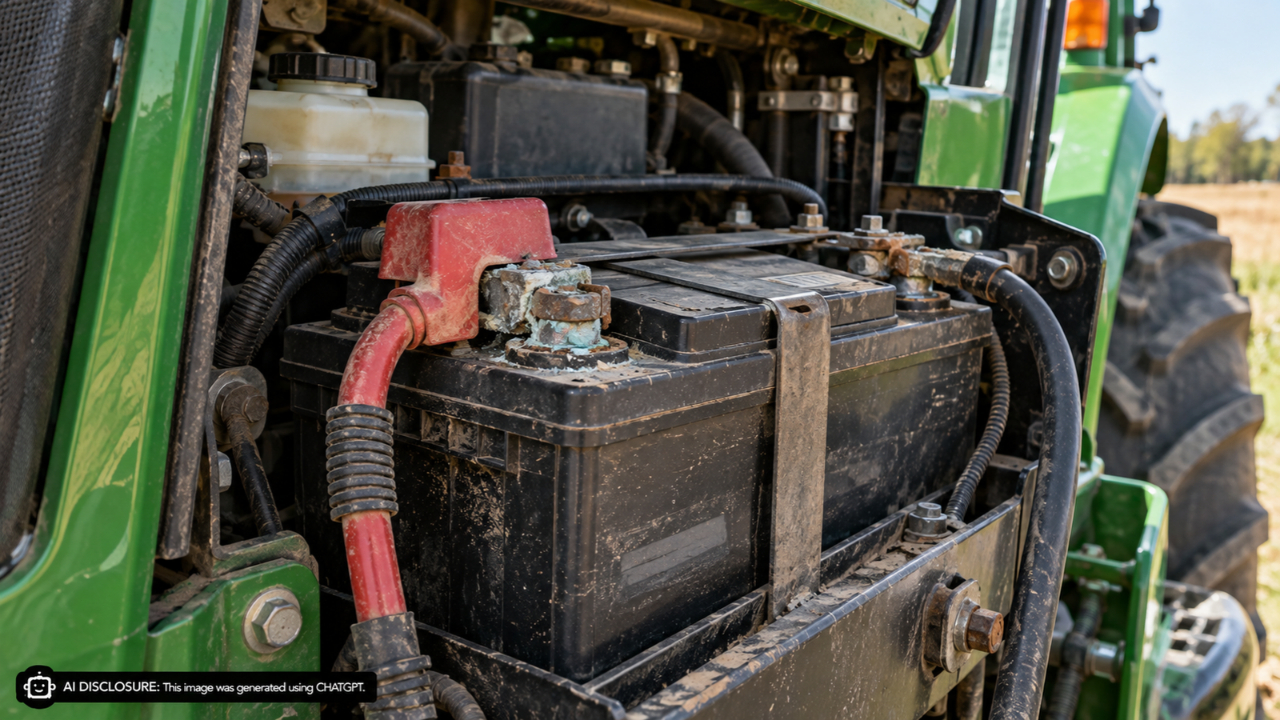
People replace batteries and ignore the cables, then act surprised when the new battery “doesn’t fix it.” White or green fuzz at the terminals, warm cable ends after cranking, or lights that flicker when you hit the key all point to bad connections.
Pull both cables, clean them, and inspect for swollen insulation near the ends. If the cable feels stiff or crunchy, replace it, don’t fight it. A cheap fix here is fine, a plain heavy-gauge cable from an auto parts store beats an “OEM” cable that costs three times as much, as long as the gauge and ends match.
3. Antifreeze Low Or Sweet Smell
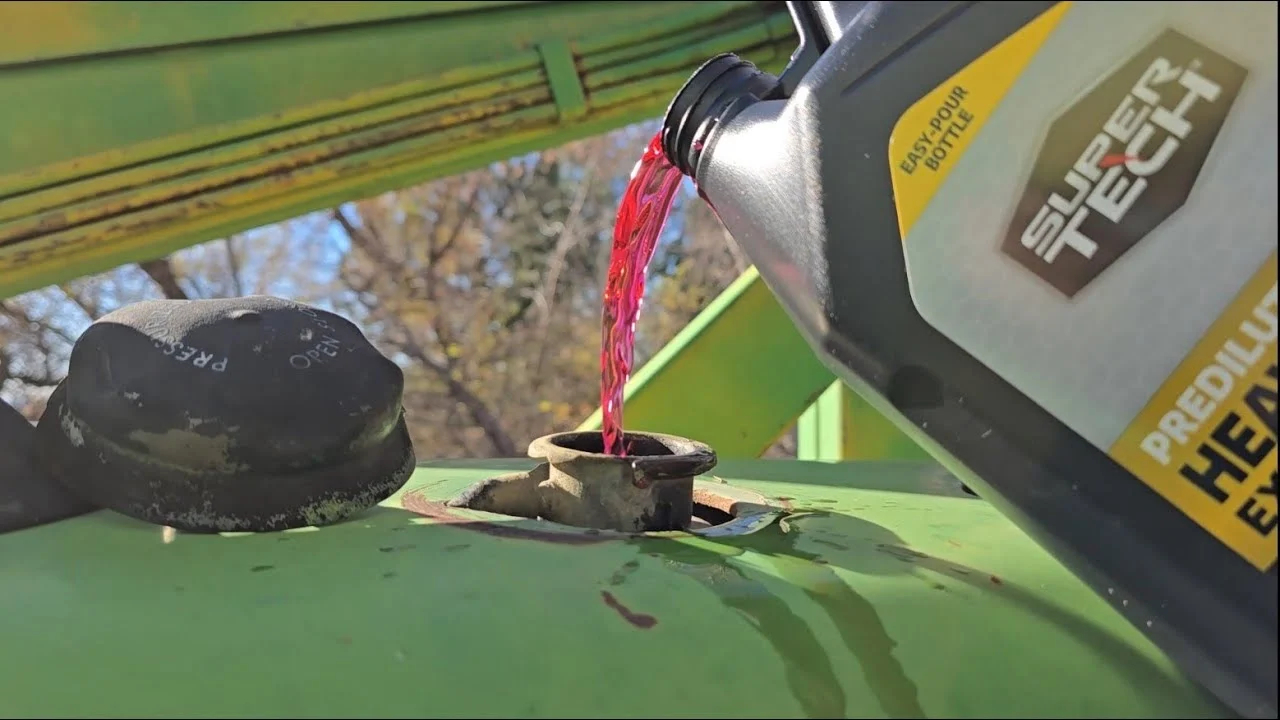
That sweet coolant smell, crusty residue near a hose clamp, or a radiator that needs topping off more than once is a warning. Frozen coolant can split a radiator or crack an engine block, and that’s not a Saturday afternoon repair.
Check the coolant level cold, then look for seepage around hoses, the water pump, and the radiator seams. Use a simple coolant tester or a refractometer if you already have one, and top off with the right mix. If you see oil in the coolant or coolant in the oil, stop running it and get a mechanic involved before you turn a small problem into a rebuild.
4. Hydraulic Lift Jerks Or Whines Cold
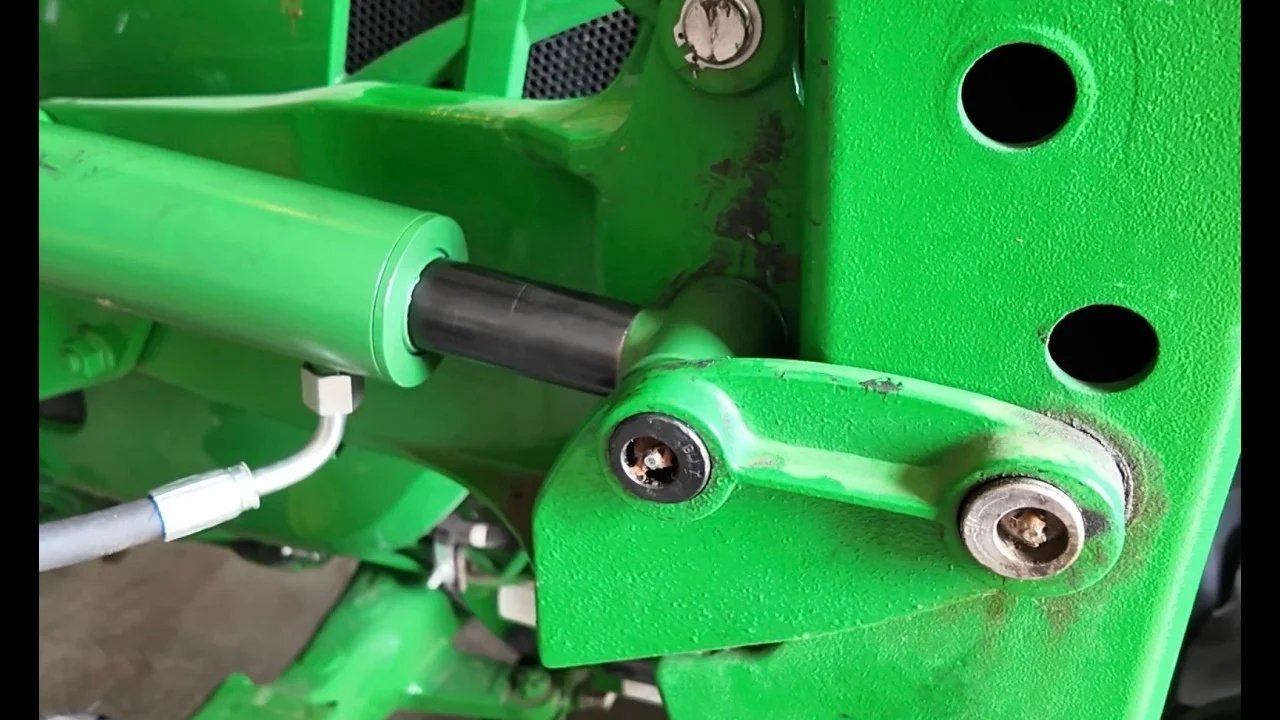
The three-point that shudders up, a loader that’s slow until it “warms up,” or a pump that whines louder in the cold is your hydraulic system asking for help. Thick fluid, a clogged filter, or air getting sucked in at a cracked hose can make everything act weak.
Check the fluid level and condition first. Milky fluid means water contamination, and winter is when that turns into sluggish controls and rusty internals. If it’s due, change the hydraulic filter and fluid to what your manual calls for, and fix any wet hose fittings before they start sucking air.
5. Fuel Filters Plugging And Water In Diesel
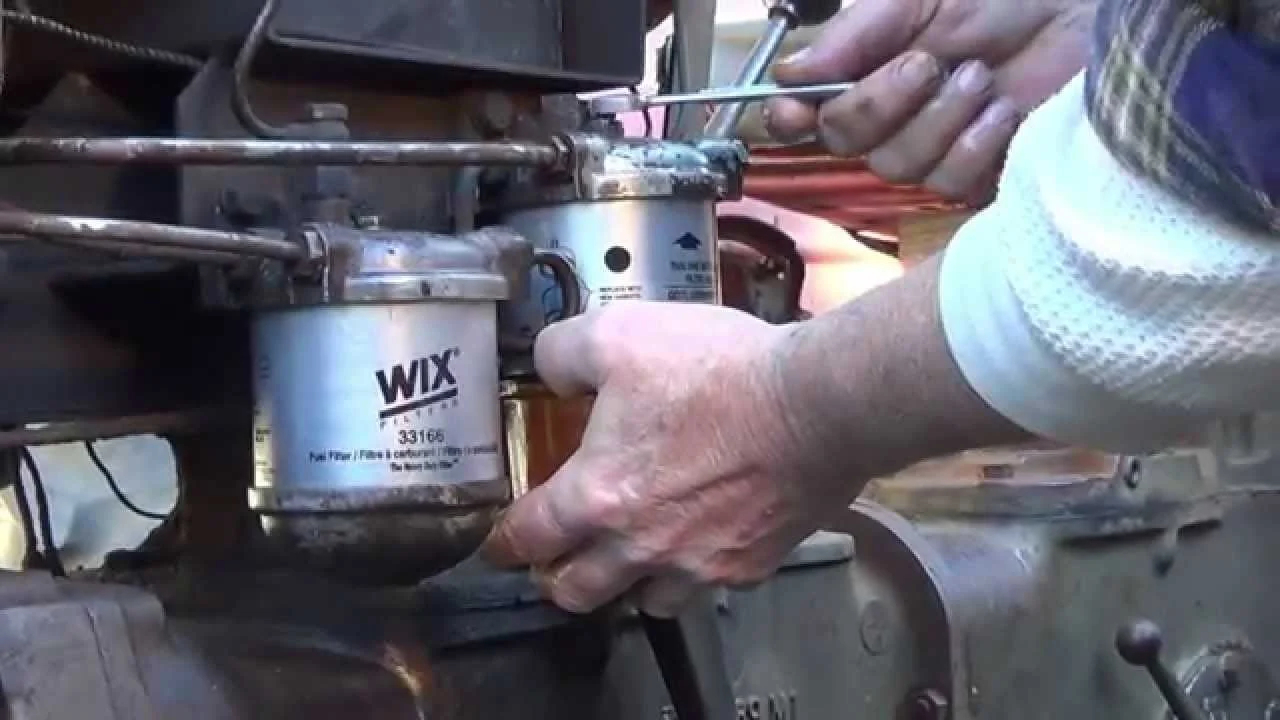
Diesel tractors can run “good enough” all summer with a partially plugged filter, then sputter and die when temperatures drop. Water in the fuel shows up as rough running, loss of power under load, or a tractor that quits and restarts after sitting.
Drain the water separator if you have one, and swap the fuel filter if you can’t remember the last time it was done. Keep the tank fuller in winter to reduce condensation. If you use anti-gel, follow the label and treat before the cold hits, dumping it in after the fuel is already waxing won’t do much.
6. Worn Belts And Hoses With Soft Spots
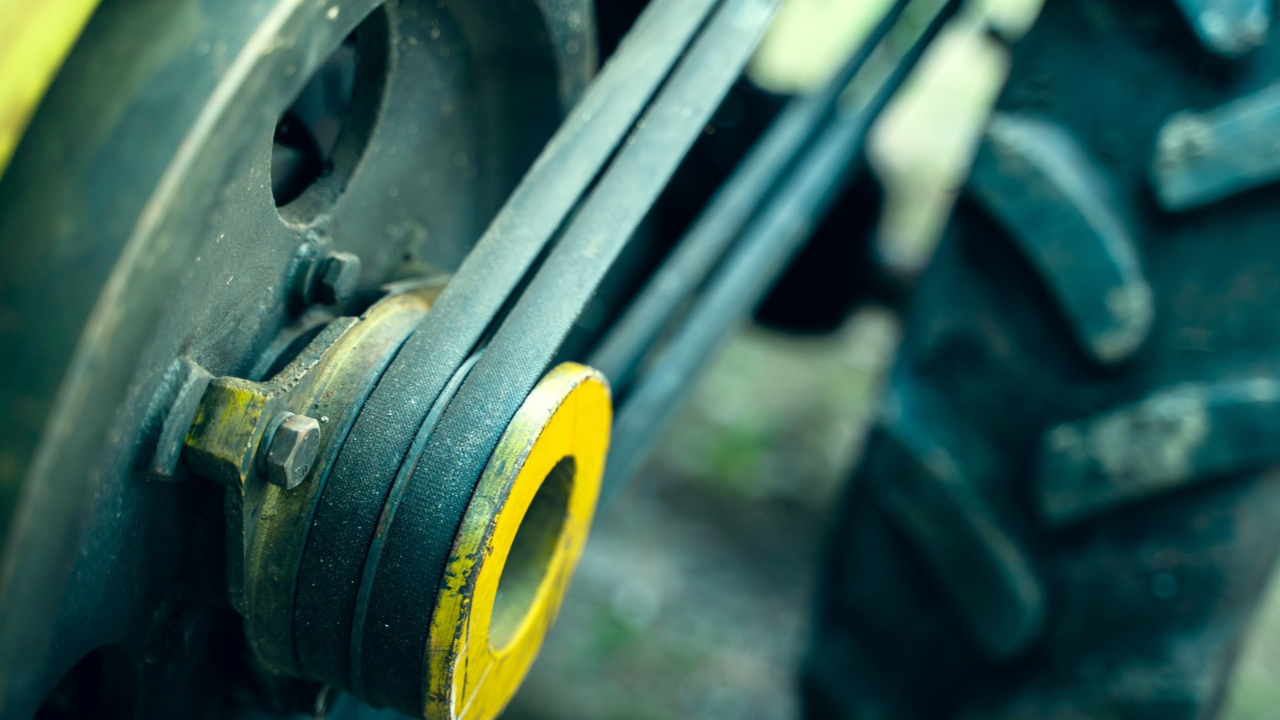
Winter work is hard on belts and hoses because everything runs longer at higher load, and rubber that’s barely hanging on doesn’t like cold starts. Squealing when you first crank, a belt with missing ribs, or hoses that feel spongy are signs you’re close.
Look for cracks across the belt, glazing, and shredded edges. Squeeze radiator hoses and heater hoses, if they feel too soft, too hard, or have bumps, replace them now. A stuck-on hose is easier to deal with in a warm shop than on a windy day with numb hands.
7. Tire Cracks And Low Pressure Leaks
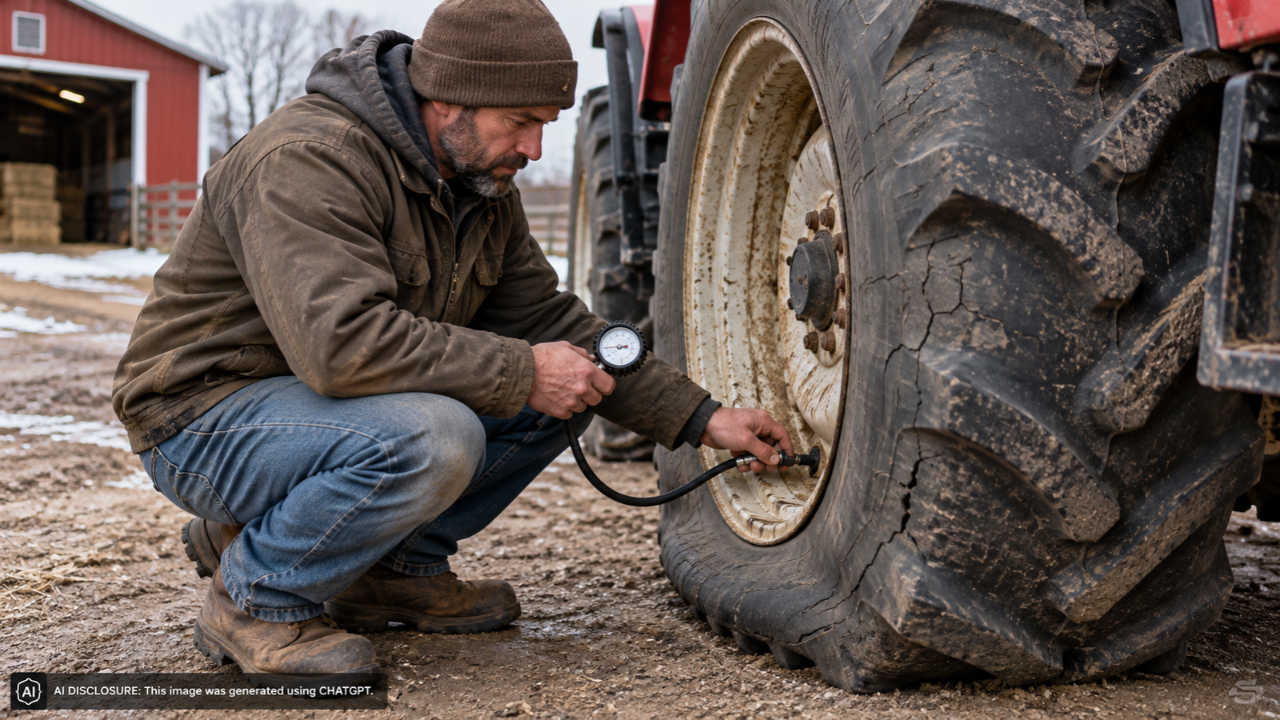
A tire that holds air “most of the week” in fall can be flat overnight in winter. Cold shrinks pressure, and small leaks show up fast. Sidewall cracking, cords showing, or fluid seeping at the valve stem on loaded tires means it’s time to deal with it.
Set pressures to the manual spec and check them when the tires are cold, not right after work. Look closely at valve stems, especially if you have calcium or beet juice ballast, that stuff eats hardware. If a loaded tire is leaking, it’s often worth paying the tire shop, those rims get ruined quick.
8. Brakes Pulling Or Pedals Out Of Sync
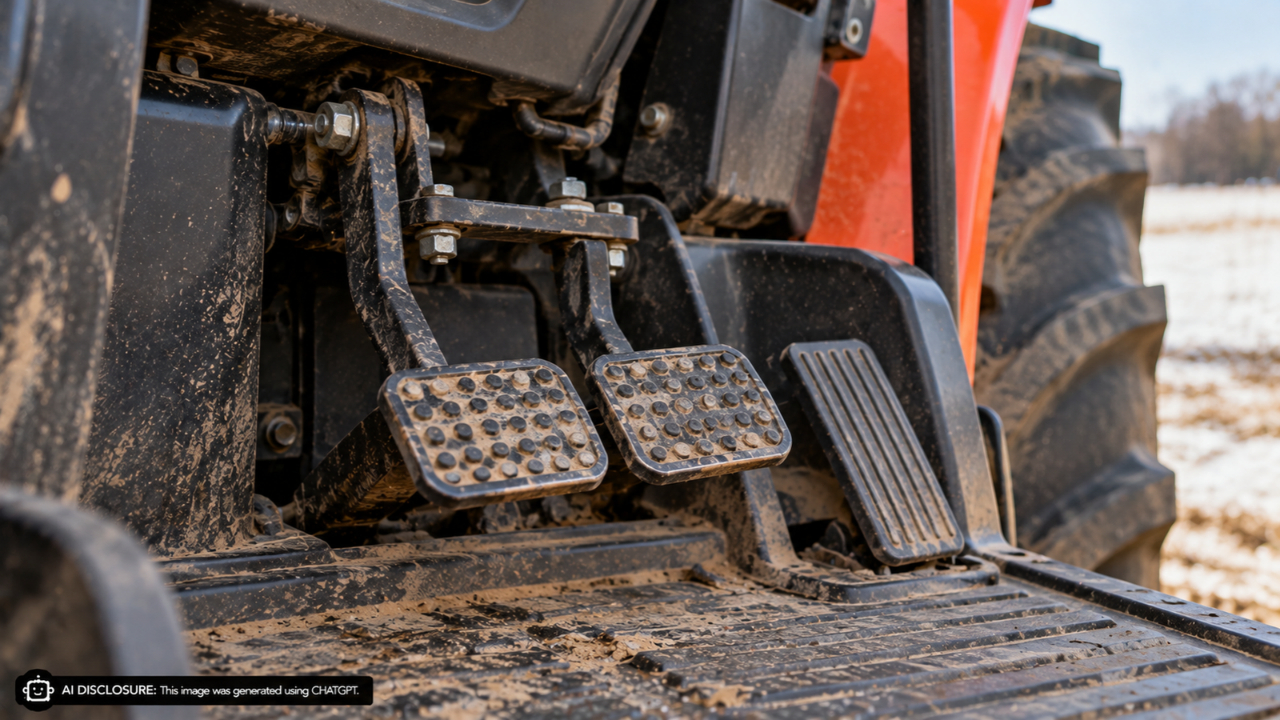
Snow and ice turn a minor brake issue into a fence-post finder. If one brake grabs, the tractor pulls hard under braking, or the split pedals don’t feel even, you’re set up for a slide or a spin when you least want one.
Adjust the brake linkage so both sides bite evenly, and lock the pedals together for road travel or icy lanes. If you hear grinding, feel pulsing, or the pedal goes soft, stop and inspect before you keep working. Brake work is messy but usually straightforward, unless you’re dealing with internal wet brakes, then a shop manual and patience matter.
9. Glow Plugs Or Block Heater Not Working
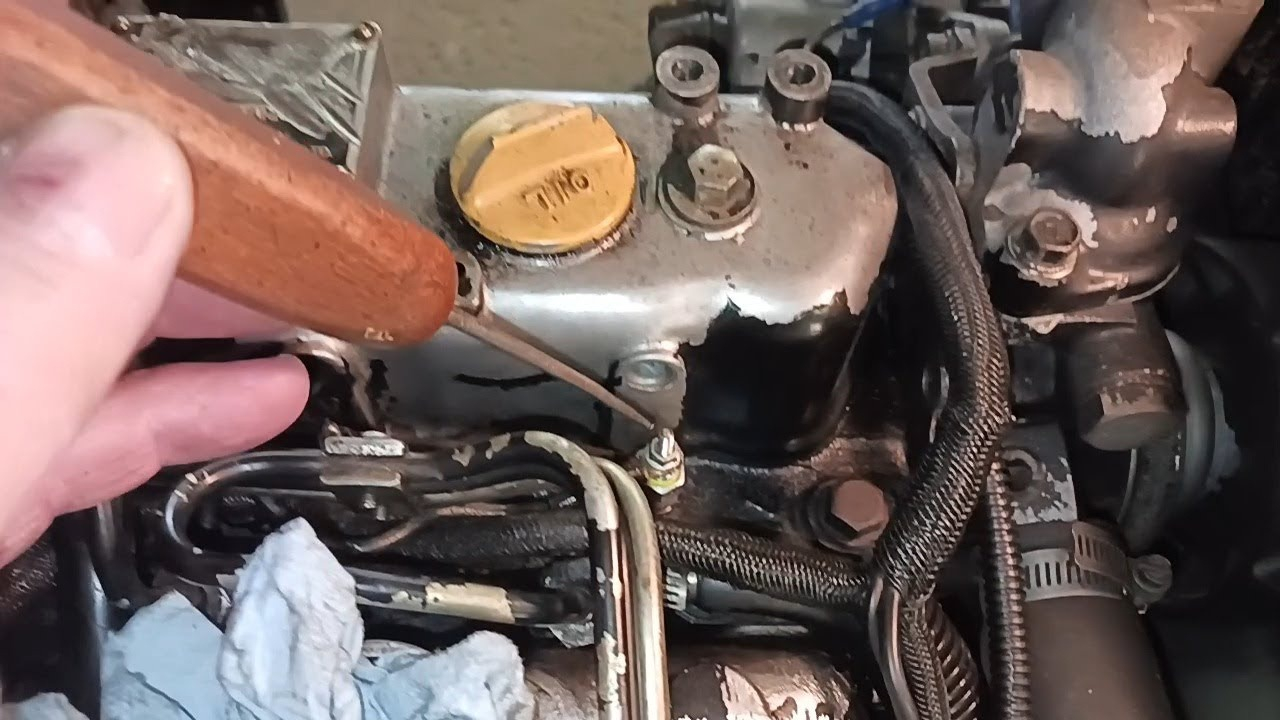
Does it only start if it’s been parked in the sun, or does it smoke white and stumble for a minute? That’s often glow plug trouble, a weak intake heater, or a block heater that’s dead and you never noticed.
Test the block heater by plugging it in and feeling for warmth at the element area after a while, or use a clamp meter if you know how. For glow plugs, the simple check is whether the indicator and relay cycle normally, but real testing takes a meter and access. If you’re not comfortable chasing electrical faults, pay for an hour of diagnostic time and be done with it.
10. Rodent Nests In Airbox And Wiring
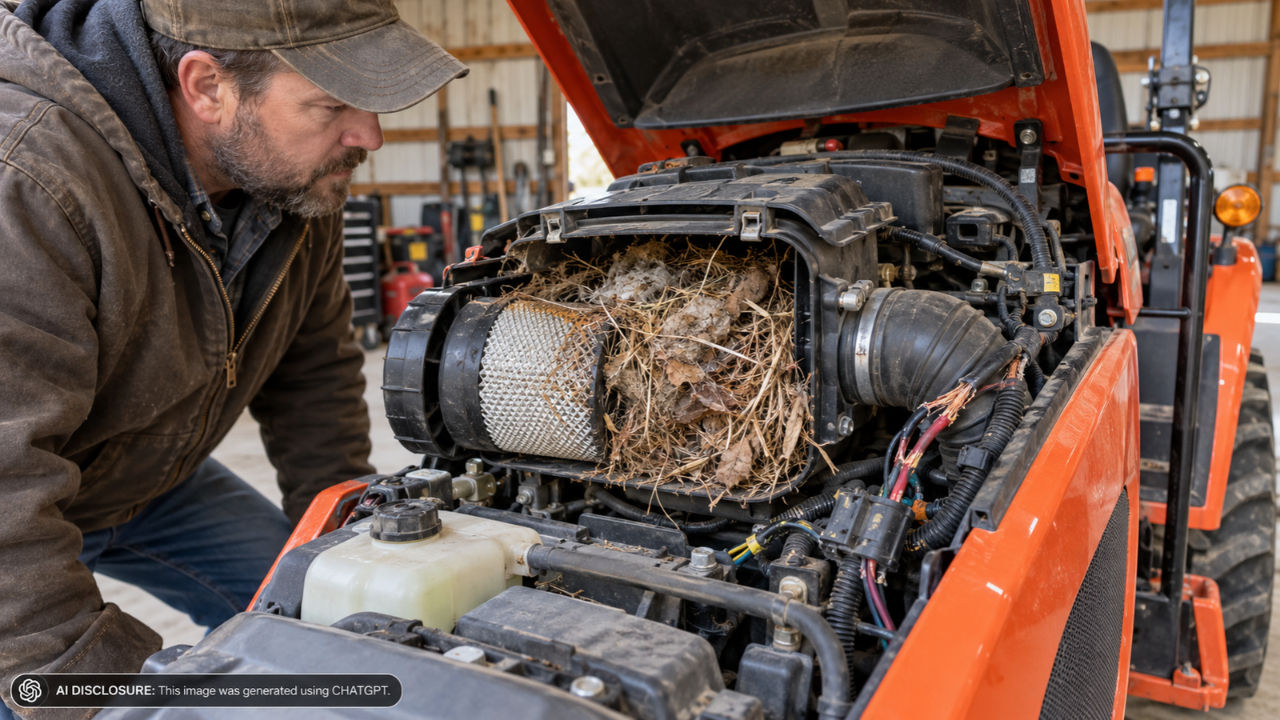
Winter storage is when mice move in, and they don’t care what your tractor costs. Chewed wiring shows up as weird no-starts, blown fuses, or lights that work only when you jiggle a harness. A packed airbox or mouse nest in the intake can make it run rich and smoke, or barely run at all.
Open the air filter housing and look, don’t just tap the filter and call it good. Check under the hood around the battery, along the firewall, and near the seat and dash where harnesses pass through. Use traps and seal up feed storage nearby, and consider a piece of hardware cloth over any obvious openings if it doesn’t block airflow or moving parts.
Pick a day while it’s still decent outside, park on level ground, and work through the basics with a light, a rag, and a small socket set. When the first hard freeze hits, you’ll be glad the tractor starts, lifts, and stops like it should.
Like Fix It Homestead’s content? Be sure to follow us.