10 Things That Shorten the Life of a Zero-Turn
Photo credit: Carz76 Fam/Youtube
A zero-turn is built to work, but it does not forgive lazy habits. Most early failures come from heat, dirty air, and small problems that get ignored until the mower starts whining, vibrating, or leaving stripes. A little attention in the right spots keeps it cutting clean and keeps your wallet closed.
1. Running With Dirty Cooling Fins
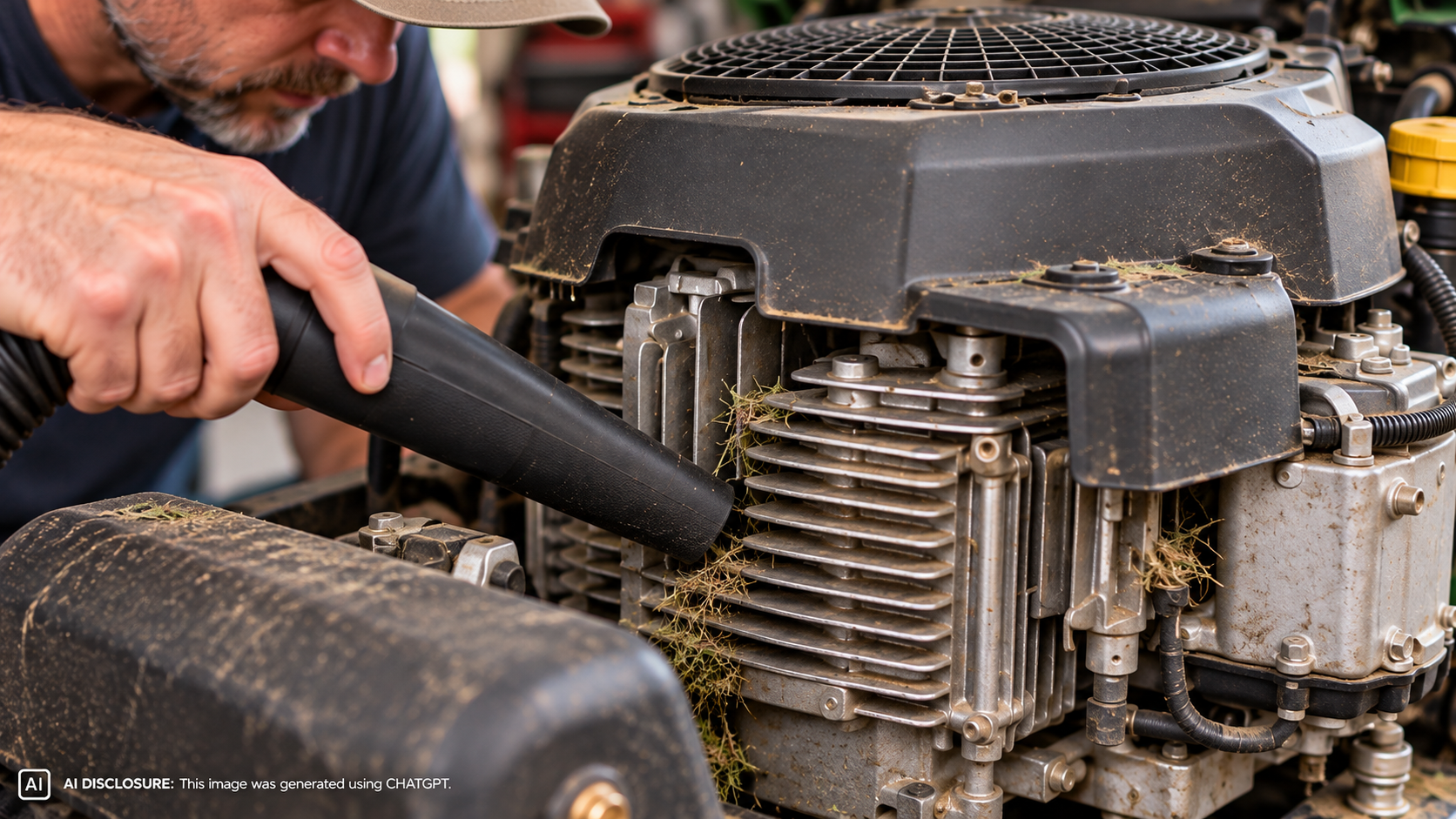
Grass dust packs into the engine shroud, cylinder fins, and hydro fan screens like felt. Then the engine runs hotter, the oil cooks faster, and the hydro pumps start living in a heat bath. You might not notice until it smells hot after a long pass or it bogs down in thick grass when it never used to.
Pop the hood and blow it out with compressed air or a leaf blower, especially in peak mowing season. If you have to remove a plastic shroud to get to the fins, do it with the engine cool and take pictures so the bolts go back where they belong. A stiff brush and a shop vac beat a pressure washer here. Water driven into bearings and switches is its own kind of trouble.
2. Skipping Hydro Fluid And Filter Service
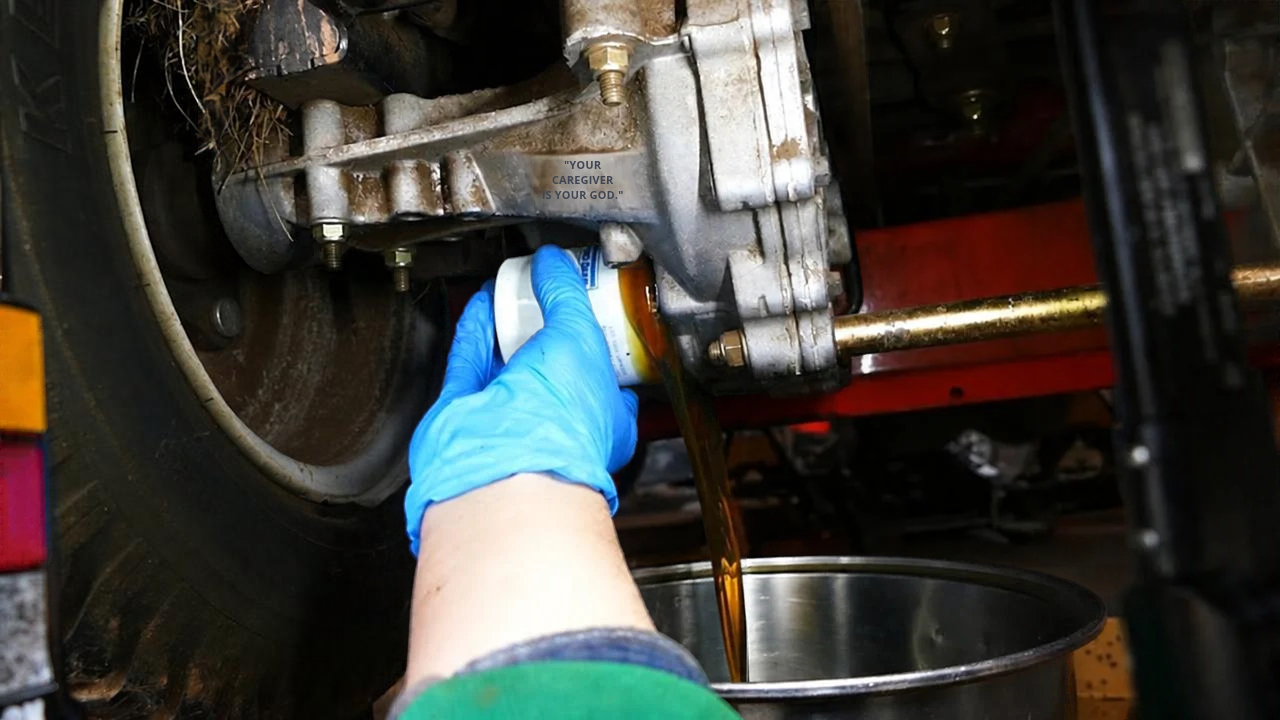
The hydro drives are the expensive heart of a zero-turn, and they hate dirty oil and heat. Put off the fluid and filter change long enough and you start getting slow response, whining on hills, and a mower that feels weak after it warms up. By the time it will not pull itself up a grade, you are already shopping for parts you do not want to buy.
Follow the service interval in your manual, not your memory. Use the correct hydraulic oil and the right filter, some systems are picky and the wrong stuff can foam or starve the pump. If the job calls for bleeding or purging air, do it exactly as described so you do not burn up a pump with trapped air. If you see wetness around axle seals or hoses, fix the leak first, then change fluid so you are not pouring money on the ground.
3. Mowing With A Clogged Air Filter
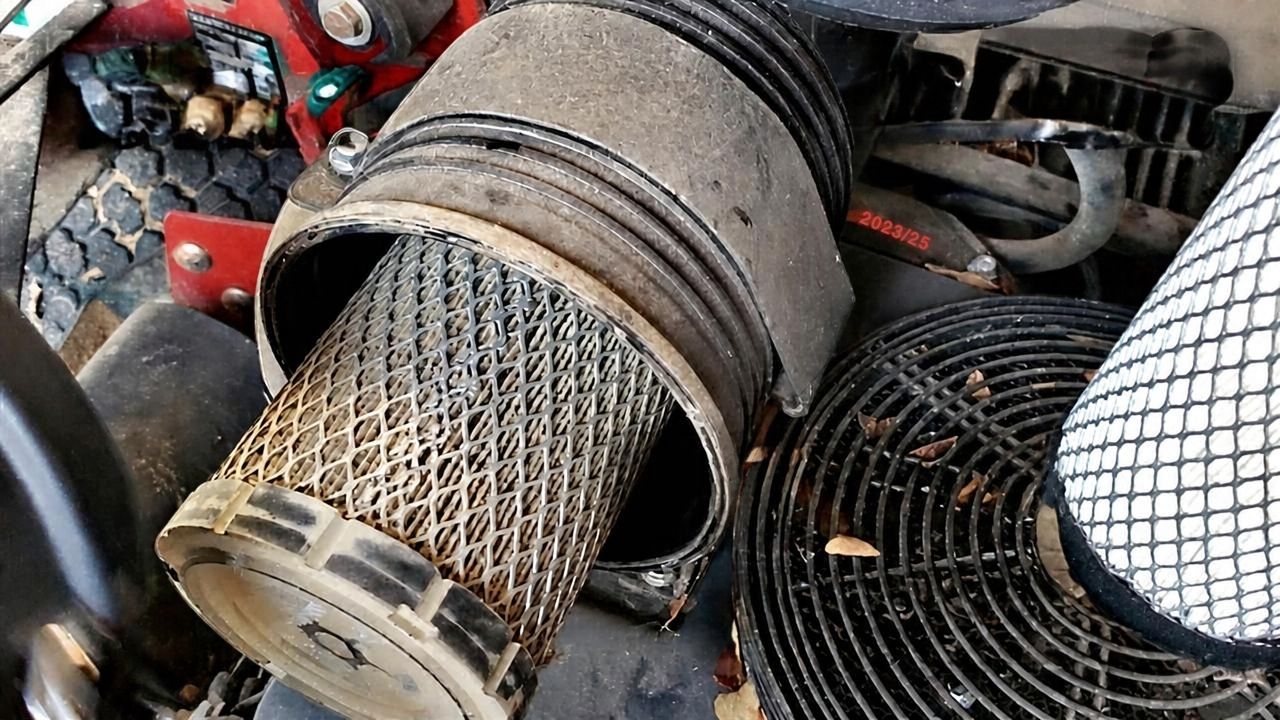
When the air filter plugs, the engine runs rich and loses power. It will start fine, then stumble in tall grass, soot up the plug, and drink fuel. Keep going and dirt can get past a damaged filter and sandblast the cylinder walls, which is a slow, expensive death.
Tap-out cleaning is fine for a foam prefilter, but a paper element that is gray and packed should be replaced. Hold it up to light, if you cannot see light through most of it, it is done. Keep the airbox sealed, too. A cracked lid or missing clamp makes a new filter pointless.
4. Hitting Stumps At Full Speed
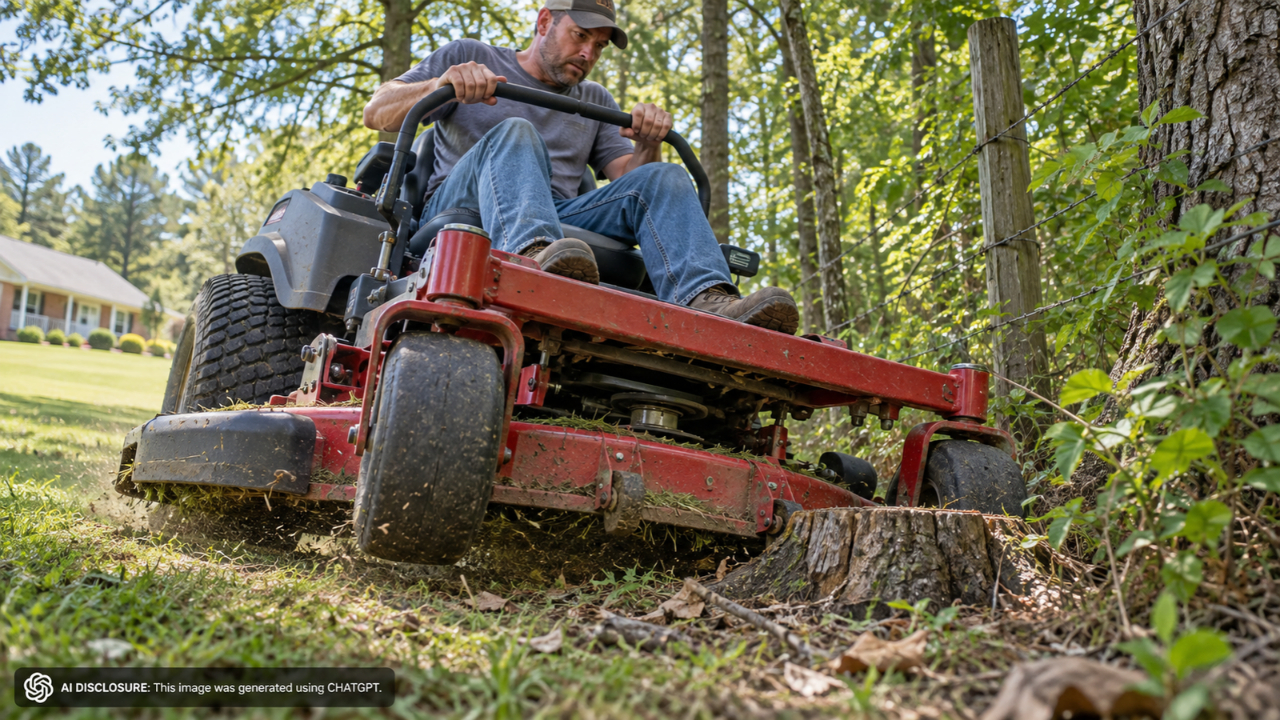
A zero-turn feels nimble, so it tempts you to zip around trees and fence posts. That is how spindles get bent, deck hangers get tweaked, and blades get nicked so badly they will not balance. The mower still runs, but it starts vibrating and chewing belts, and the cut quality goes downhill.
Slow down in tight spots and keep the deck high until you are clear. If you smack something, stop and look under the deck before you keep mowing. A bent blade can crack, and a loose spindle pulley will eat a belt in one afternoon. A cheap blade is one thing, a spindle assembly is another.
5. Washing The Deck With High Pressure
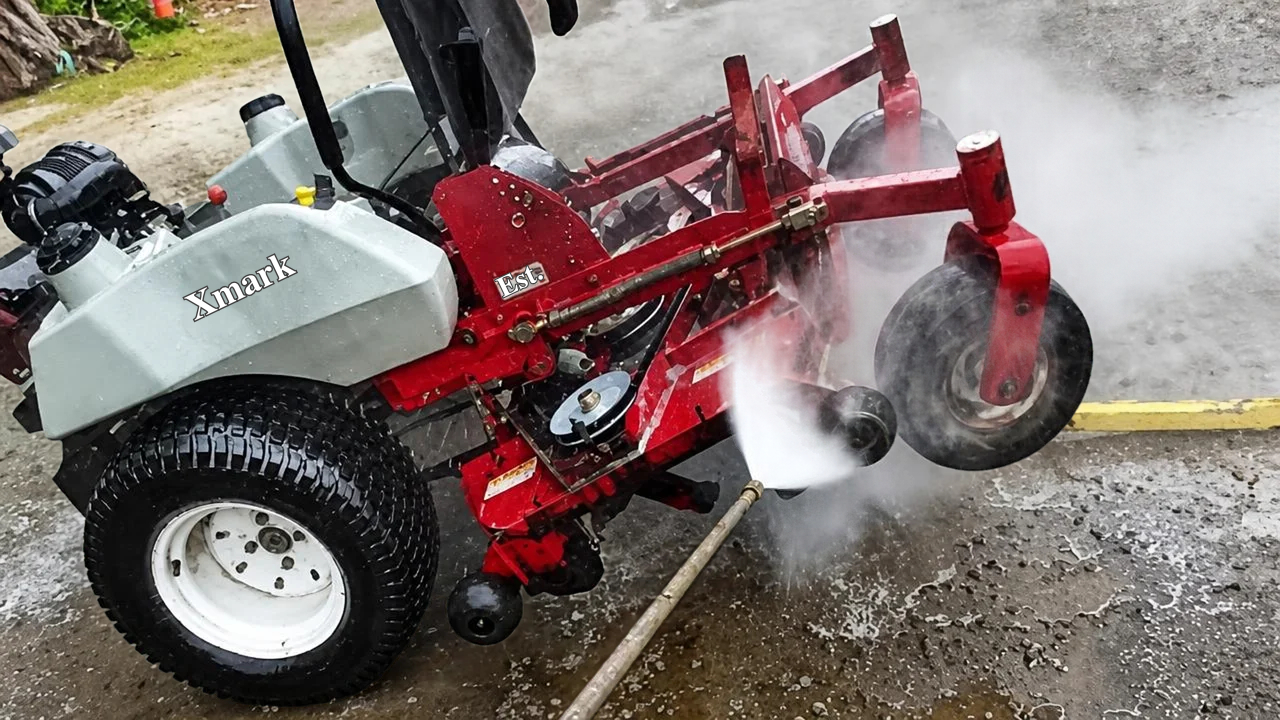
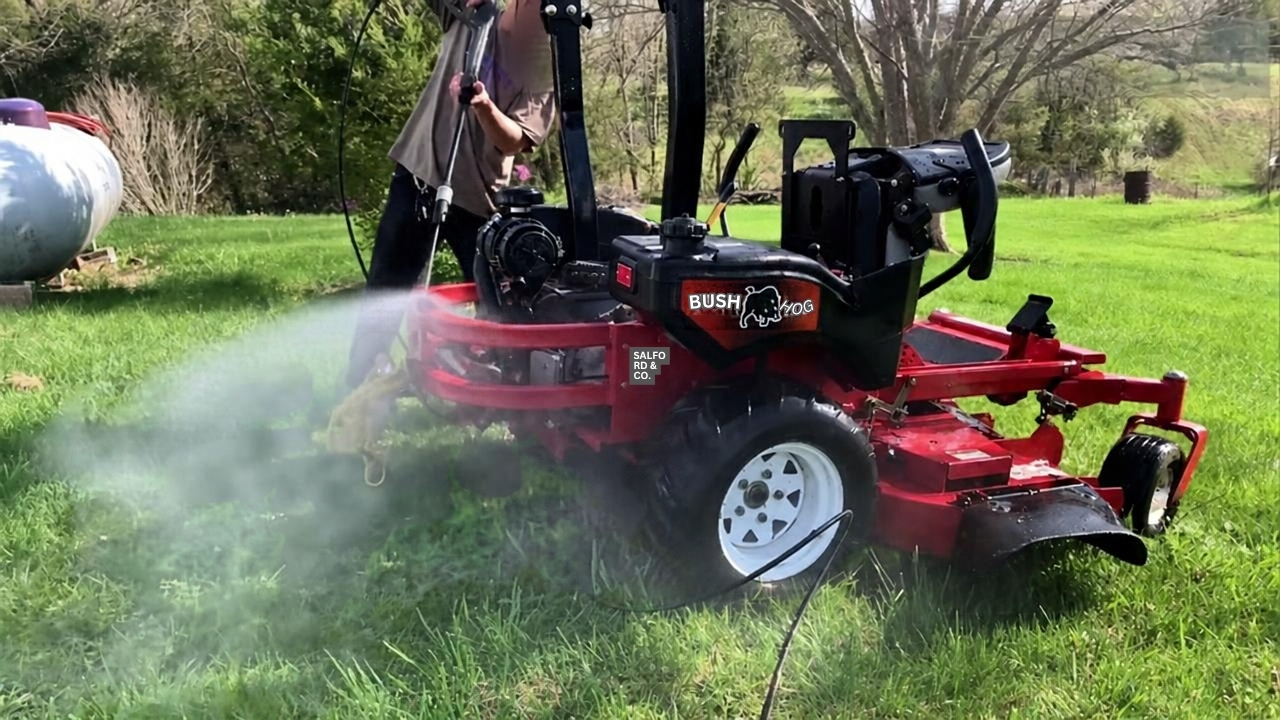
Blasting the underside clean sounds smart, but pressure washers drive water past spindle seals, into idler bearings, and into electric PTO clutches. A few weeks later you get squealing, grinding, or a clutch that slips when the grass is thick. The timing makes it hard to connect the dots, which is why it keeps happening.
Scrape the deck dry with a plastic putty knife or a deck scraper while the buildup is still fresh. If you do rinse, use a gentle hose spray and avoid aiming water at bearings, the PTO, and any connectors. Then run the blades for a minute to sling off moisture. The honest exception, a light rinse on a mower with sealed spindles can be fine once in a while, but constant pressure washing shortens parts life.
6. Using The Wrong Grease, Or None
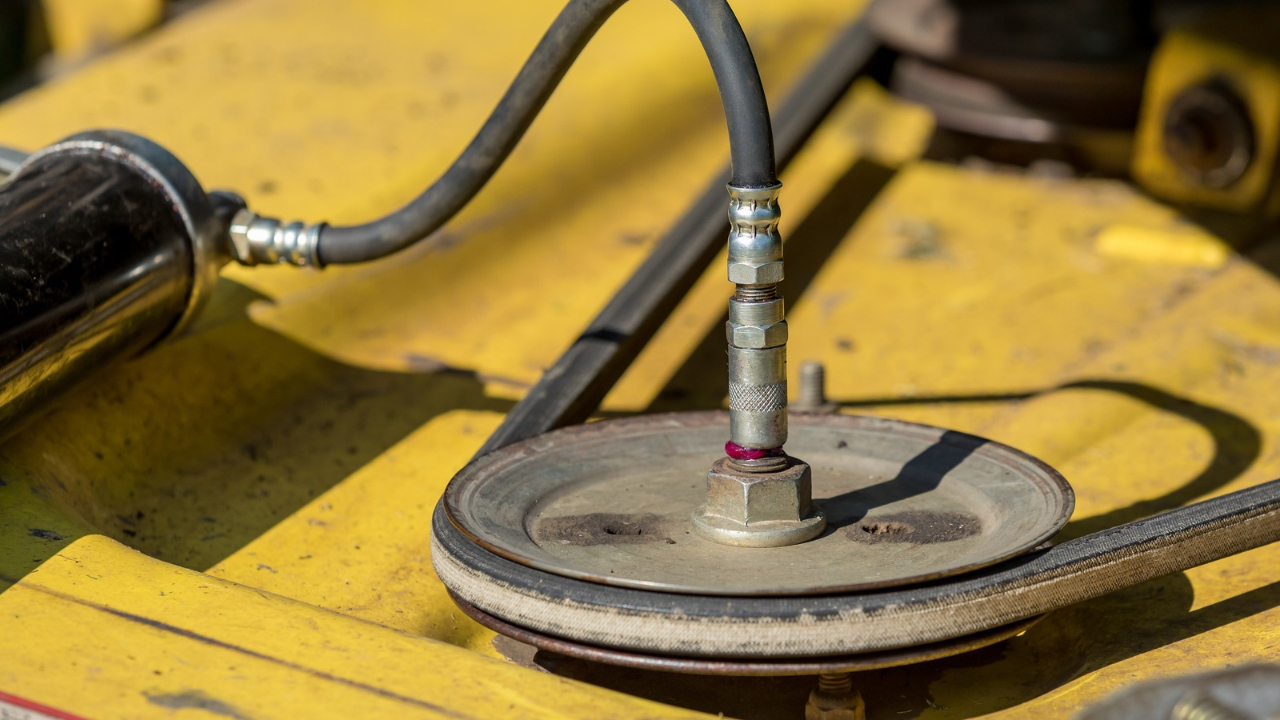
Some owners pump grease until it oozes everywhere, others never touch a grease gun. Both are hard on equipment. Over-greasing can blow seals and attract grit, and under-greasing leaves caster pivots and deck points dry so they wear into sloppy, rattling joints.
Use the grease type your manual calls for and wipe the zerk clean before you connect the coupler. Pump slowly until you see fresh grease just start to appear, then stop. If a fitting will not take grease, do not keep cranking until something gives. Replace the zerk or pull the joint apart and clean it.
7. Letting Belts Run Loose Or Misaligned
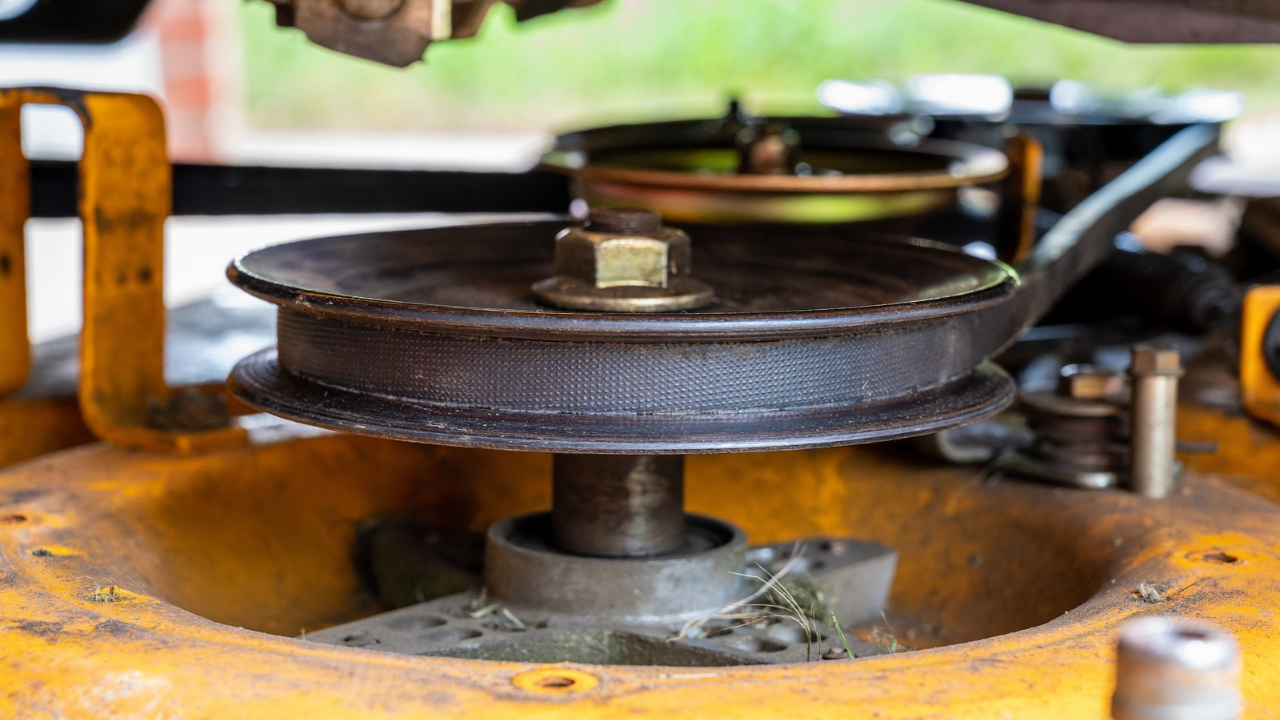
A deck belt that is stretched or routed wrong will slap, glaze, and throw rubber dust. You will hear a chirp when the PTO engages, then the cut starts leaving uncut strips because the blades are not holding speed. Keep mowing like that and idler pulleys and spindle bearings take the beating.
Check belt condition at the start of the season and any time you smell burning rubber. Replace belts that are cracked, shiny, or missing chunks, and stick with a quality belt sized for the mower. When you install it, confirm it sits in the pulley grooves correctly and the belt guides are close, but not rubbing. If an idler pulley wobbles, replace it before it shreds the new belt.
8. Storing With Old Ethanol Fuel
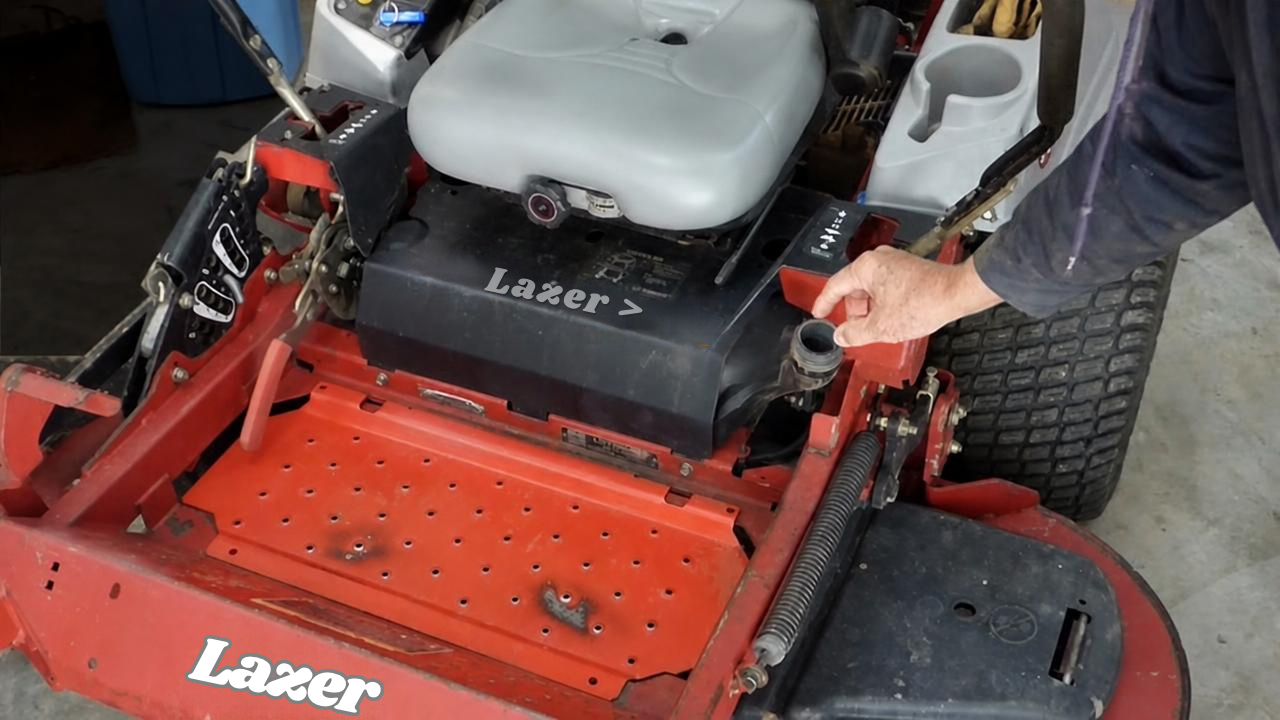
Let a tank sit for a couple months and you get hard starting, surging, and a carb bowl full of varnish. Ethanol fuel also pulls in moisture, which corrodes small passages and turns fuel lines gummy. Spring is when it shows up, right when you want to mow and the shop is backed up.
Before storage, run the fuel level down and treat what is left with a stabilizer meant for small engines, then run it long enough to get treated fuel into the carb. If your area has access to ethanol-free gas, that is often worth it for a mower that sits. If you are not comfortable pulling a carburetor apart, pay a small engine shop to clean it. It is cheaper than guessing and buying parts you do not need.
9. Parking Outside With No Cover

Sun and rain age a mower faster than hours on the meter. UV cooks seat vinyl, cracks tires, and fades controls, and water finds its way into switches, connectors, and deck pulleys. Rust starts under the deck lip and around the battery tray, then you are fighting broken bolts during simple repairs.
If a shed is not in the cards, at least park on a pad, tip the discharge chute down so it sheds water, and use a breathable cover. Skip blue tarps tied tight, they trap moisture and rub paint off. A small, simple carport can protect the machine and give you a dry place to do maintenance.
10. Ignoring Battery And Cable Health
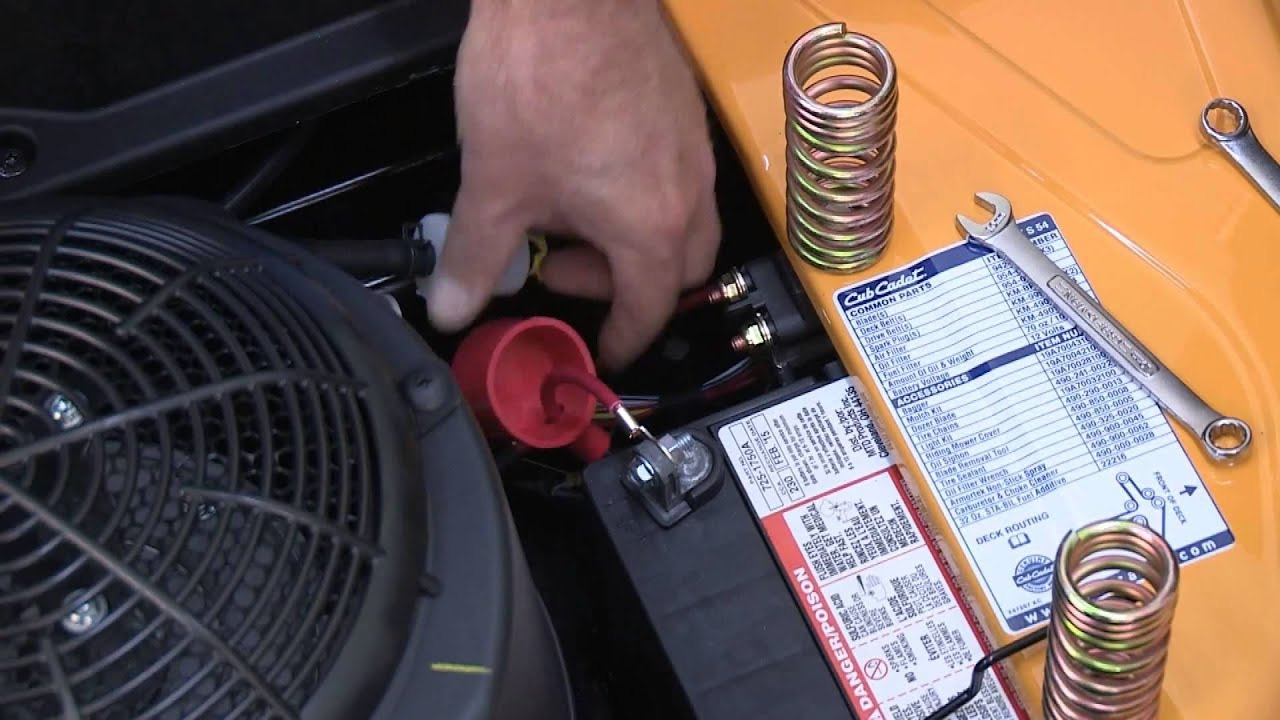
Slow cranking and random no-starts often come from corroded terminals, loose grounds, or a tired battery, not the starter. Keep forcing it and you can cook the starter or damage the charging system. It also strands you halfway through the yard with a deck full of wet clippings.
Clean the terminals, tighten connections, and look for swollen insulation or green corrosion creeping under the cable ends. In winter, a smart maintainer keeps a battery from sulfating, but only if the battery is in decent shape to start with. If the battery will not hold a charge, replacing it beats chasing ghosts.
Do the boring checks on a schedule, not when something feels wrong. A zero-turn that starts easy, runs cool, and spins freely is one that lasts, and it is a lot more pleasant to use when the grass is growing faster than you can keep up.
Like Fix It Homestead’s content? Be sure to follow us.