
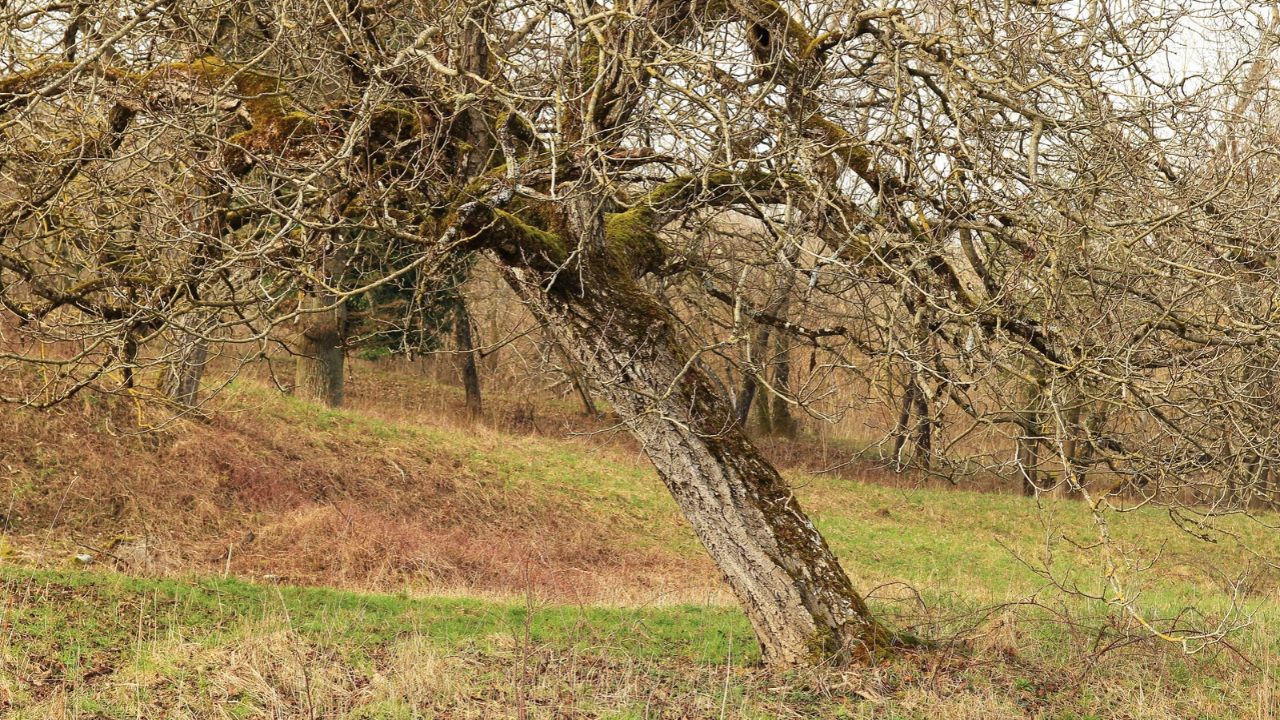
10 Signs a Tree Is Going to Come Down This Winter
Photo credit: theapflueger/Shutterstock.com
Winter turns small tree problems into fast failures. Frozen ground locks roots in place, heavy wet snow piles on branches, and wind finds every weak spot. If you’ve got a tree close to the house, driveway, barn, or power line, now’s the time to read the warning signs and decide what to do before the weather decides for you.
1. Fresh Lean That Wasn’t There
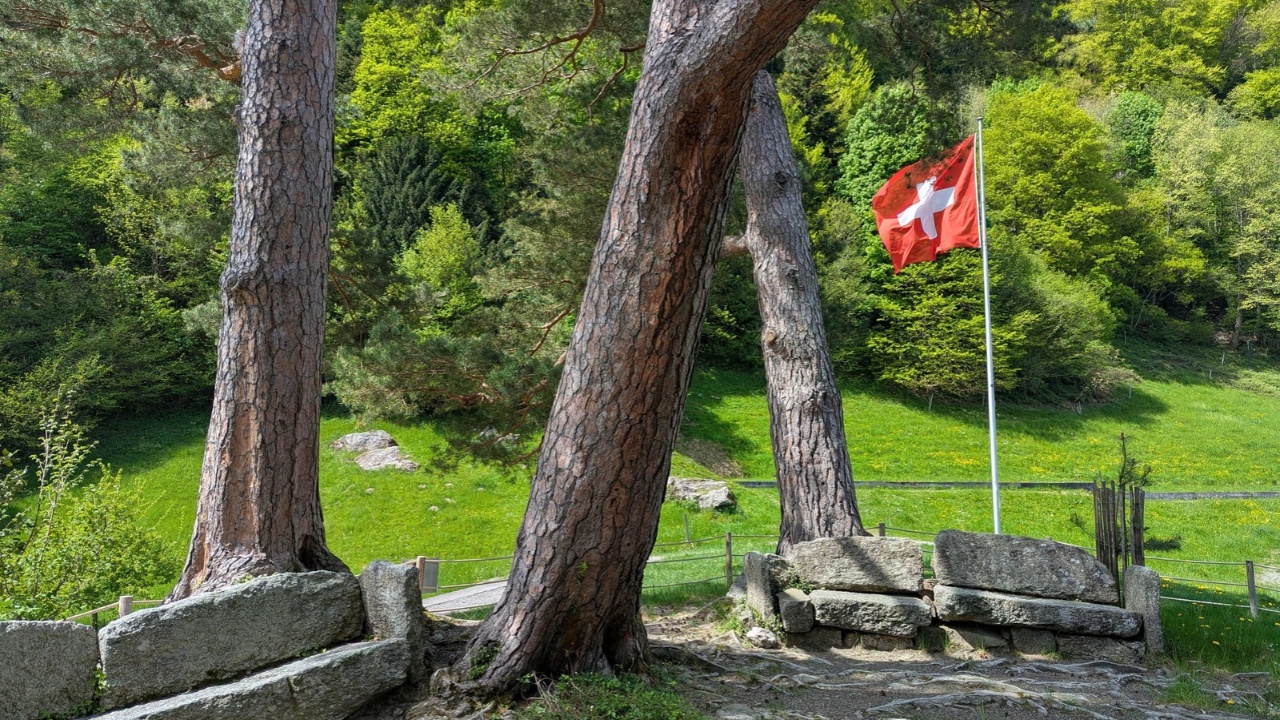
A tree that suddenly starts leaning is telling you something moved underground. Roots can tear in a windstorm, or the soil can shift after a wet fall. If the lean showed up within days or weeks, treat it like an active failure, not a “trees grow that way” quirk.
Walk around the base and look for soil lifting, new gaps, or a ridge of dirt on the side opposite the lean. If the tree could hit a structure or a road, call an arborist fast. Trying to cable, pull, or winch a big tree upright without the right gear can turn into a nasty snap-back situation.
2. Root Plate Heaving Or Soft Ground
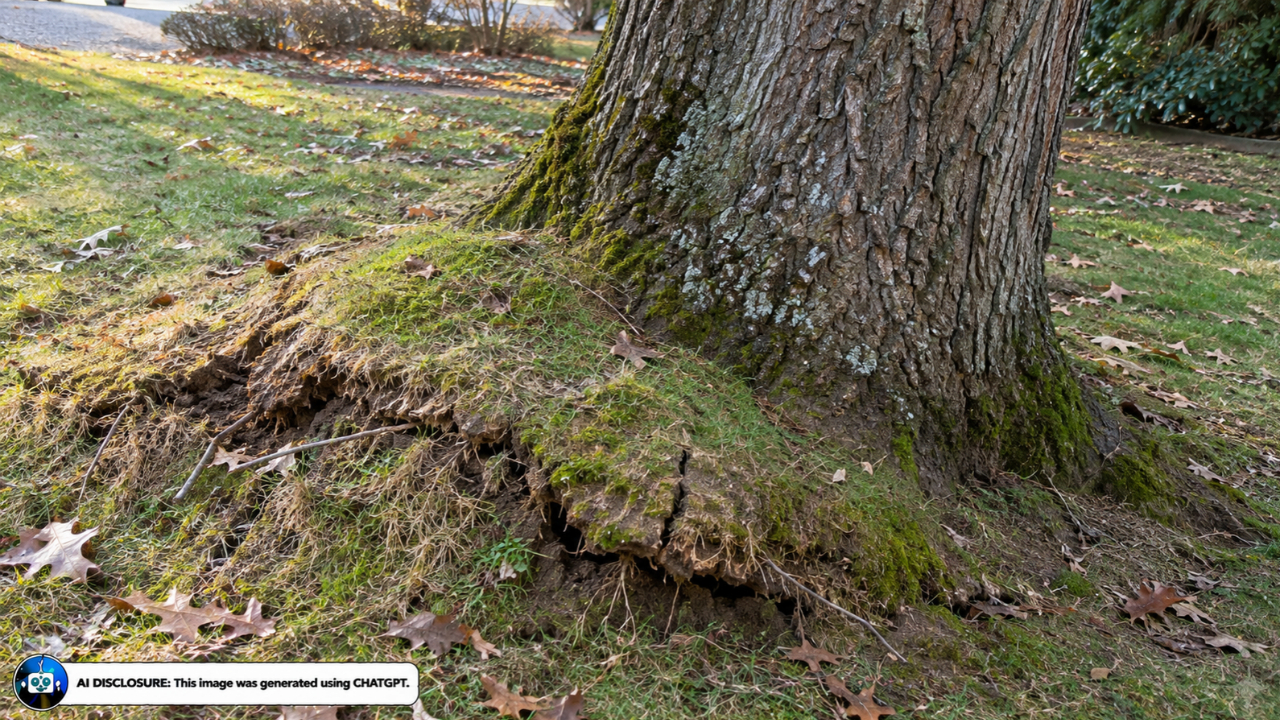
Right before a tree tips, the ground often gives you a preview. You’ll see the root plate lifting, cracked turf, or a mound forming as roots pry up soil. After a big rain, you might even feel the ground “spongy” near the trunk when you step.
This gets worse when the top of the tree is loaded with snow or ice. If you see heaving, keep people and vehicles out of the fall zone and schedule removal. Don’t wait for the next wind event to test it.
3. Soil Cracks Around The Trunk
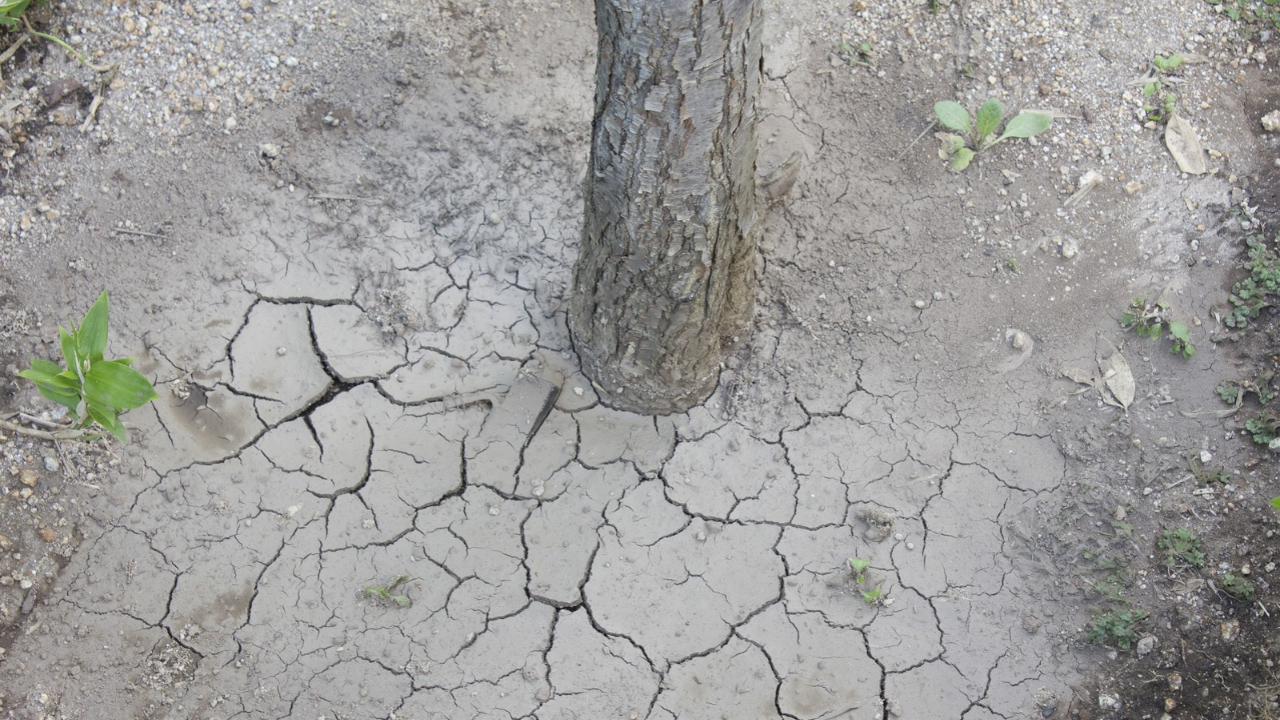
Cracks radiating away from the trunk can mean roots are breaking free. Sometimes it’s subtle, just a thin line where grass splits. Other times it looks like the start of a trench.
In winter, freeze and thaw can widen those cracks, and the tree loses what little grip it had. Take pictures, then check again after the next storm. If the cracks grow or the lean increases, that’s a call-a-pro situation.
4. Mushroom Shelves On The Trunk
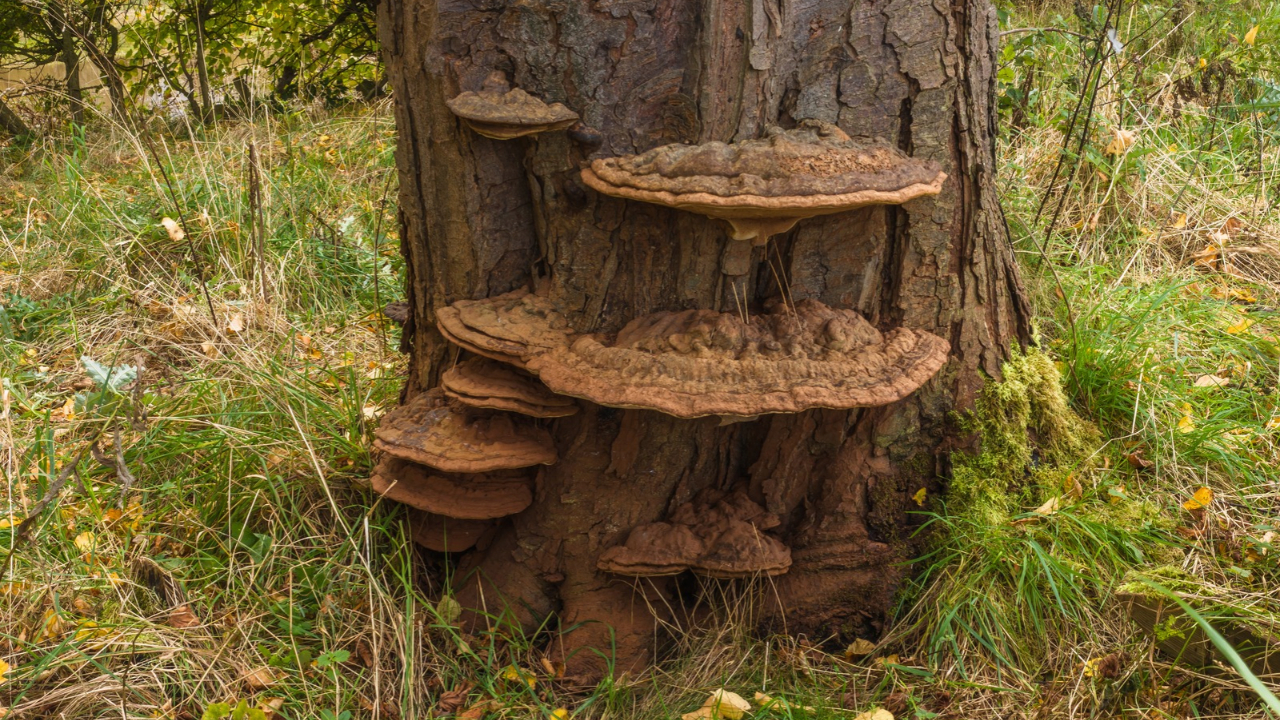
Those hard “shelves” or clusters of fungus at the base or along the trunk usually mean rot inside. The tree can look fine up top and still be hollow where it counts. By the time fungi fruit on the outside, the decay has been working for a while.
You can’t fix internal rot with fertilizer or pruning. An arborist can probe, sound the trunk, or assess targets nearby and tell you if it’s a monitor, prune, or remove. If the tree overhangs a roof, it’s rarely worth gambling for another season.
5. Long Vertical Crack Down The Trunk
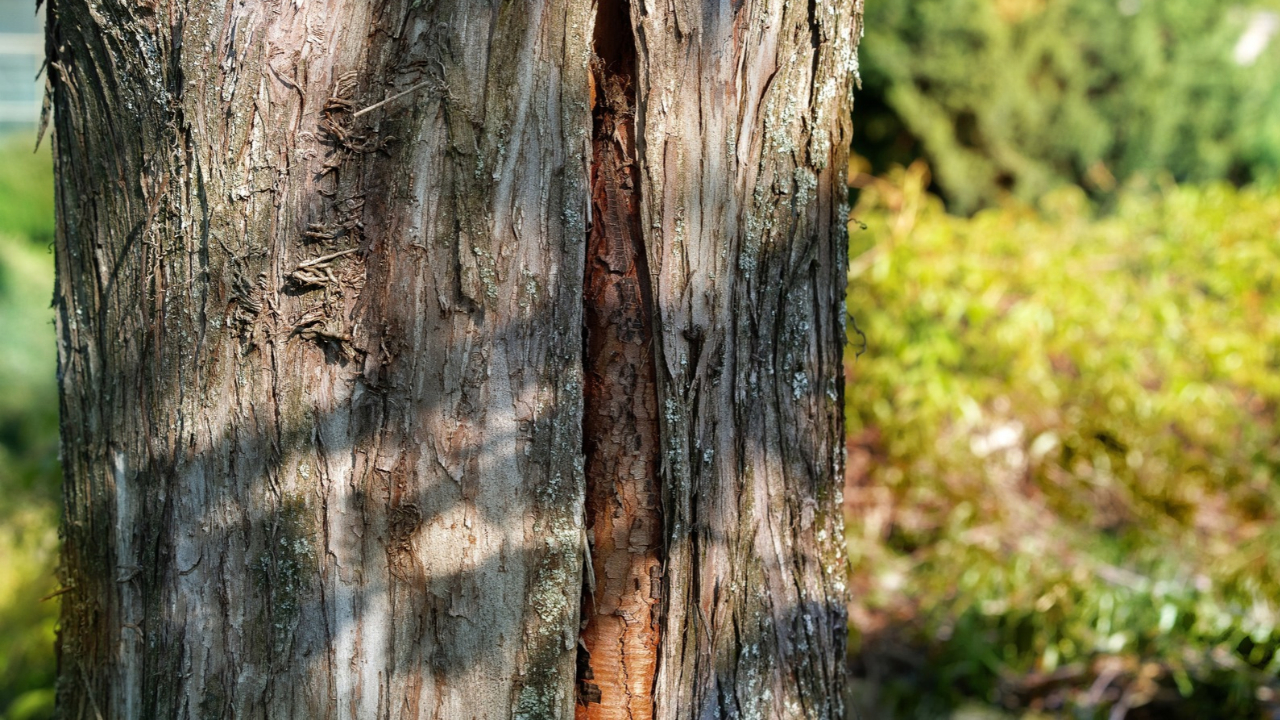
A straight up-and-down split is a big red flag, especially if it opened after a windstorm or a hard freeze. You might see exposed lighter wood inside, or dark wet staining that keeps bleeding sap. Sometimes you’ll hear a sharp crack during temperature swings.
Skip the “fill the crack” stuff. Sealants don’t restore strength, and they can trap moisture. If that crack faces your house or a high-traffic area, plan on removal before ice loads turn a split into a full trunk failure.
6. Dead Top Or Bare Upper Branches
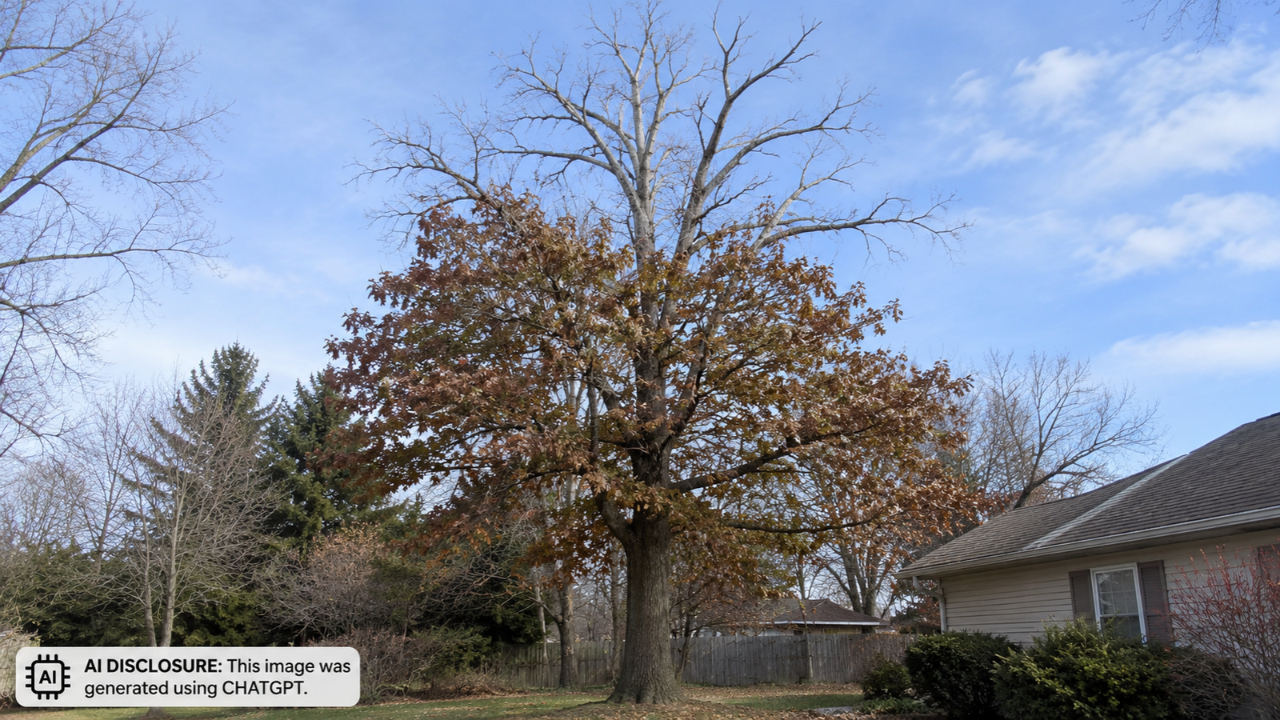
When the top of a tree dies back, it changes how the tree handles winter stress. Dead wood gets brittle, then snow and wind do the rest. You’ll often spot it as a thin, twiggy crown or a top that never leafed out right last season.
This isn’t always an emergency. A healthy tree can lose a few upper limbs and keep going. But if more than a big limb or two is dead, or the dead top is over your roofline, get it evaluated and trimmed by someone with climbing and rigging experience.
7. Two Trunks With Bark Included
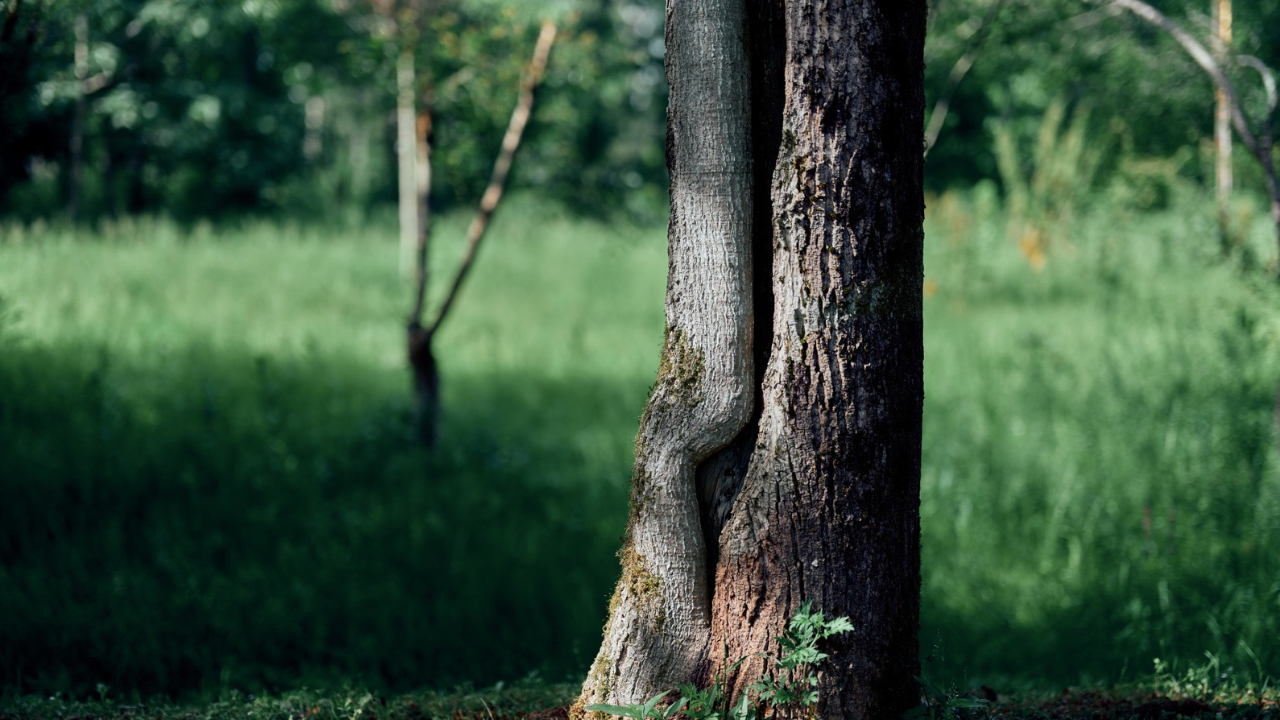
Some trees grow as twins, with two main stems pressed together. If you see bark pinched between them, that’s a weak “V” union that doesn’t knit into strong wood. It’s a common split point during ice storms.
Look for a seam running down the crotch, or old hardware from someone trying to bolt it together years ago. A pro can sometimes reduce the sail area with pruning or add a cable system, but large co-dominant stems near buildings are often a remove-and-replant call.
8. Big Hanging Limb After A Storm
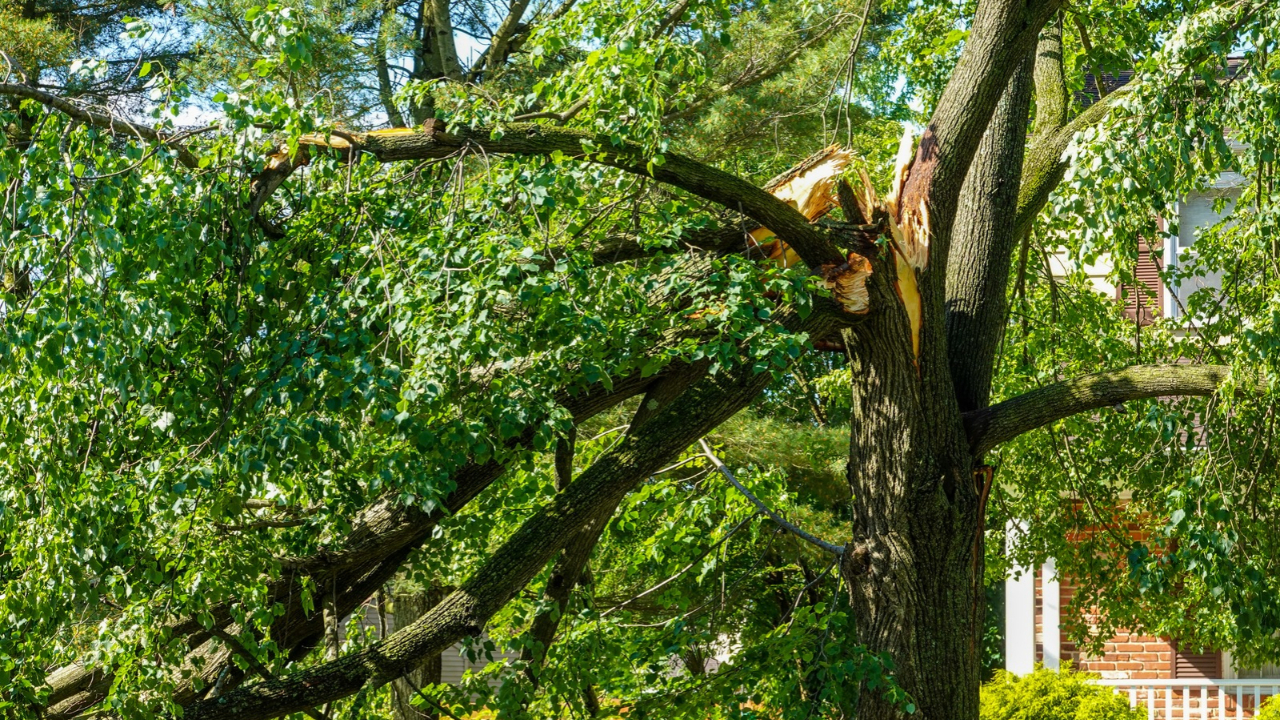
“Hangers” are the limbs that crack but don’t fall. They sit up there waiting for the next gust, or the next thaw, or the next person walking underneath. In winter, they’re extra nasty because snow hides the break and adds weight.
If it’s small and truly reachable from the ground with a pole saw, fine, but don’t work under it and don’t use a ladder in icy conditions. Anything heavy, high, or over wires is for a tree crew. Paying for a controlled drop beats paying for a crushed hood or an ER visit.
9. Woodpecker Holes And Hollow Sounds
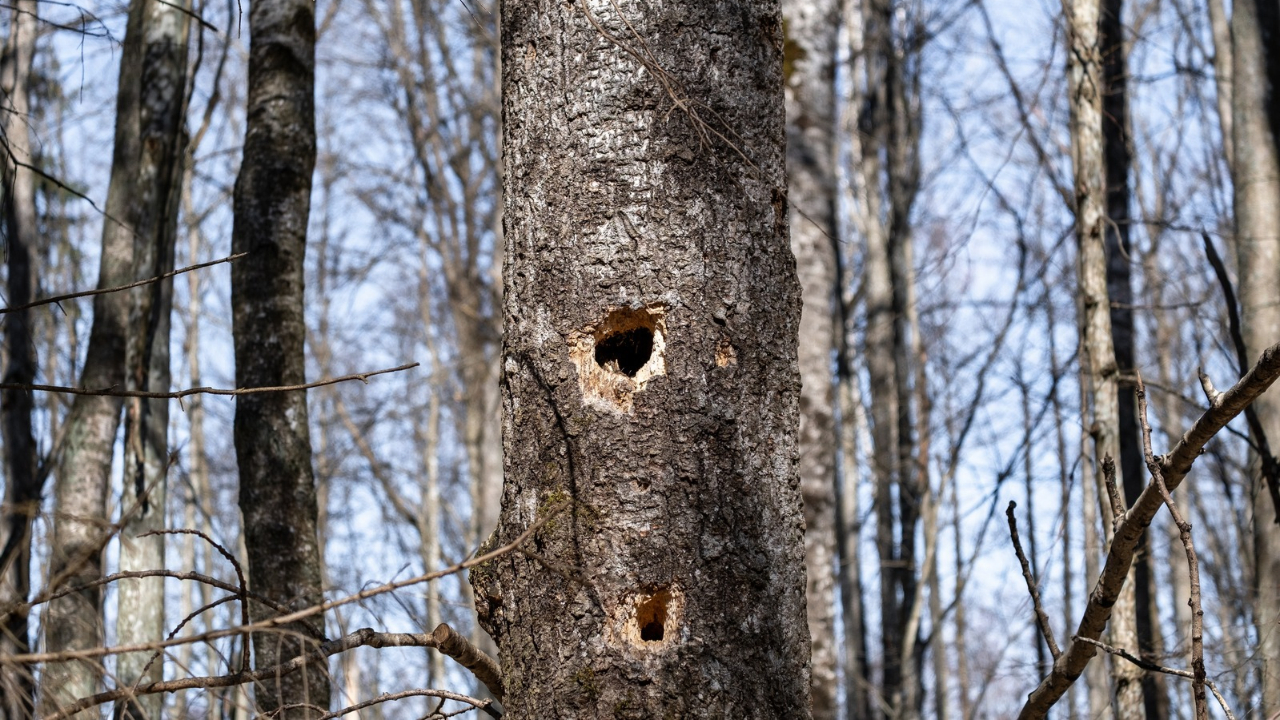
Woodpeckers don’t create rot, they advertise it. If you see repeated rows of holes or missing bark patches, inspect closer for soft spots and cavities. Another quick check is a gentle tap with a rubber mallet, a hollow drum sound can mean internal voids.
Here’s the exception: not every cavity means a tree is about to fall. A tree in the back field that won’t hit anything can be a good wildlife tree, and it’s fine to leave it if it’s not a target. Near a house, driveway, or livestock area, hollowness moves from “interesting” to “too risky.”
10. Heavy Ivy Or Vines Up The Trunk
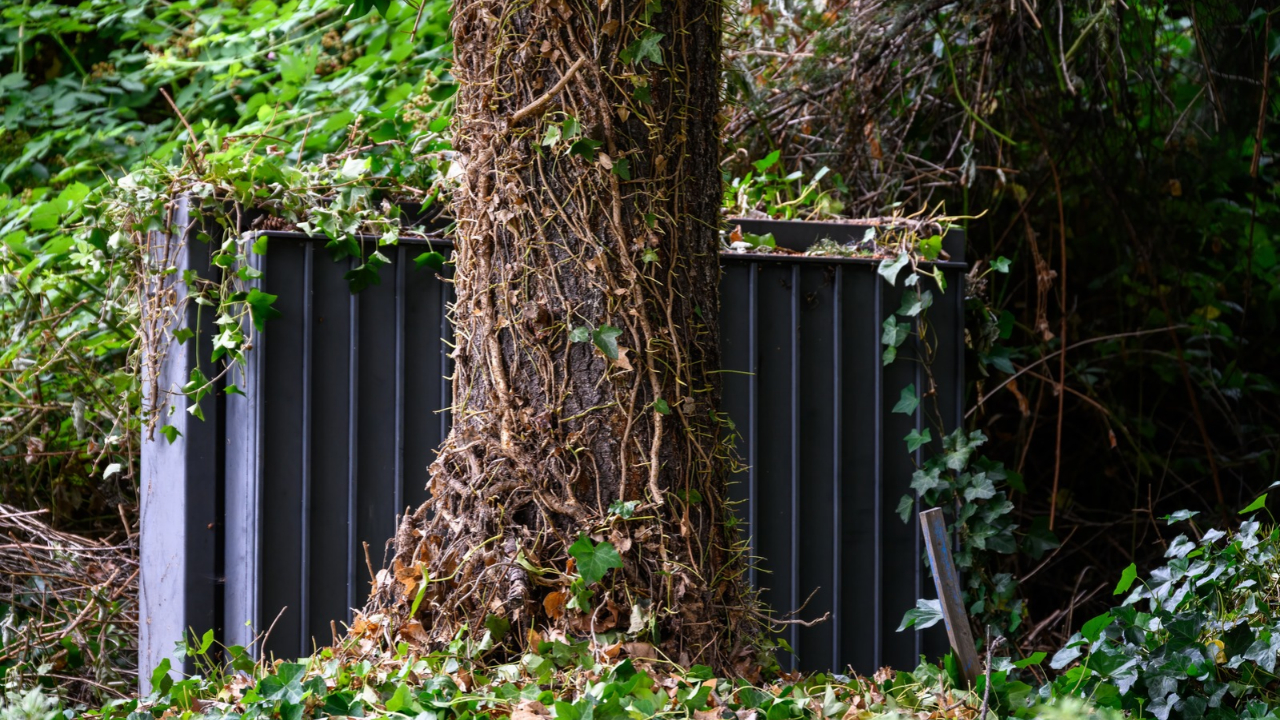
Vines add wind drag and weight, and they hide cracks, dead limbs, and weak unions you’d otherwise spot. When ice coats a vine-covered canopy, it can turn a borderline tree into a breakage machine. You also can’t easily inspect the bark for cankers or splits.
Cut vines at the base and again a foot higher, then leave the upper vine to die and fall off over time. Don’t rip it down from the trunk, that can peel bark and create a bigger wound. If the tree is already compromised, removing vines won’t “save” it, but it will let you see what you’re dealing with before winter gets rough.
If a suspect tree could hit your house, a neighbor’s place, a public road, or power lines, make the call early and get on a schedule before the first big storm backlog hits. Document what you see with photos, mark the fall zone, and keep parking and play areas out from under it until it’s handled.
Like Fix It Homestead’s content? Be sure to follow us.