10 Things People Plant That Take Over a Fence Line
Photo credit: Delpixel/Shutterstock.com
A fence line is never just a fence line. It’s where mowing gets skipped, where “temporary” plantings turn permanent, and where you don’t notice trouble until the gate won’t swing or the posts start leaning. The worst part is how fast a few innocent stems turn into a full-time chore.
1. Running Bamboo Near Property Lines
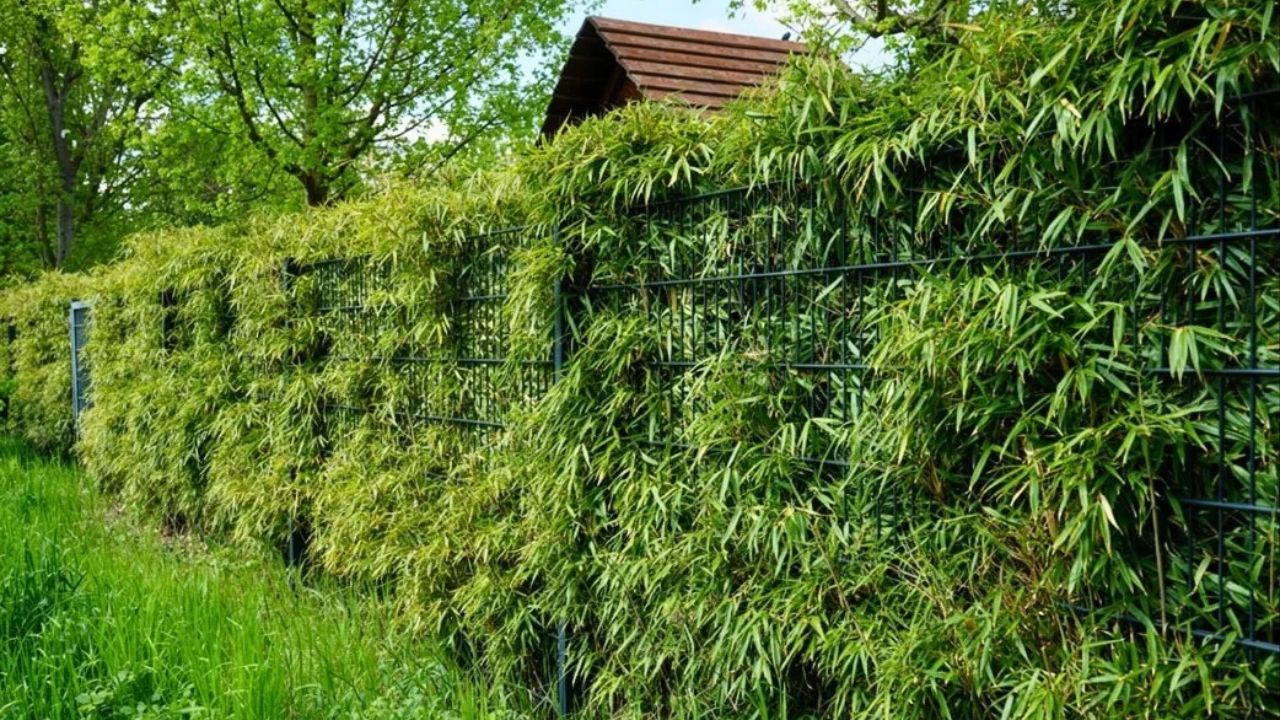
Bamboo looks clean and quick, right up until it isn’t. The running types send underground rhizomes that pop up feet away, often on the neighbor’s side, and they do it fast once the soil warms. You’ll be cutting canes, digging tough roots, and finding new shoots for years.
If you already have it, start with a hard boundary. A proper rhizome barrier needs to be deep, installed correctly, and checked every season, which is why many people end up hiring this out. If you’re shopping, choose clumping bamboo only and still give it room, because even clumpers get wider over time.
2. English Ivy Climbing Wire And Wood
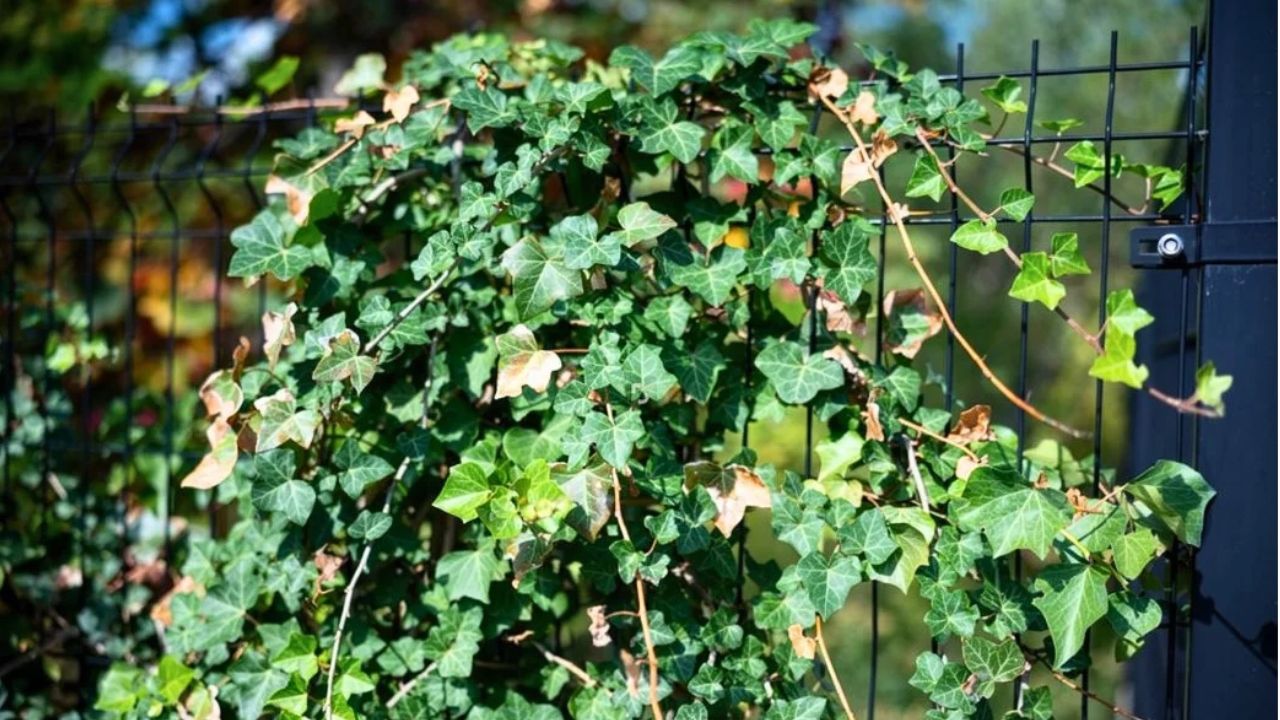
It starts as a neat green cover, then it climbs into everything. Ivy grabs wire mesh, chain link, and wood with little rootlets, and it can pull panels out of line as it thickens. On older fences it traps moisture against boards, and rot follows.
Cut it at the base and let the top die before you start yanking. If you rip while it’s alive, you can snap pickets and bend wire. A pruning saw, gloves, and patience do better than brute force, and you’ll still be pulling regrowth for a while.
3. Trumpet Vine Grabbing Posts And Eaves
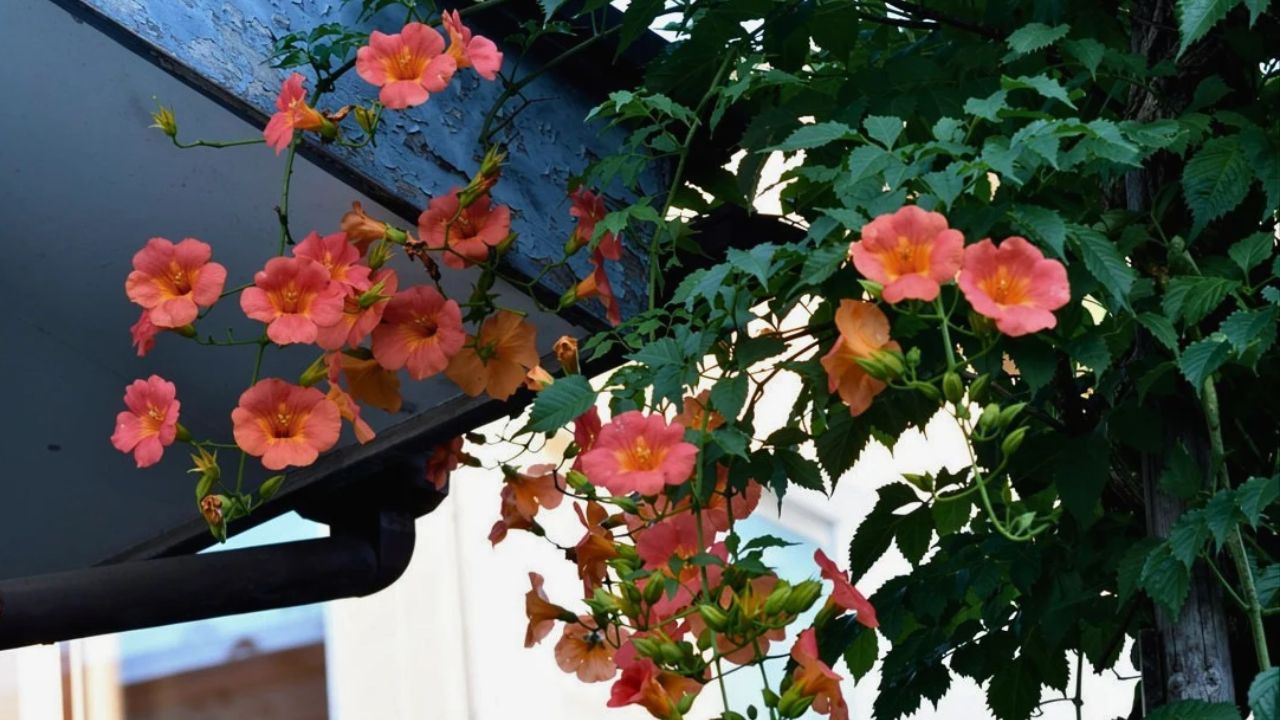
Trumpet vine is sold as “for hummingbirds,” but it’s a bully. It throws long whips that thread through rails and wrap around anything upright, and the woody stems get heavy. Left alone, it will climb past the fence into soffits, gutters, and shingles.
If you want flowers without the headache, put it on a stout freestanding trellis away from structures, not on the fence. If it’s already there, cut it back hard in late winter and stay on it all summer. Sprouts come from roots, so expect repeats unless you dig out what you can.
4. Blackberry And Raspberry Canes Escaping Rows
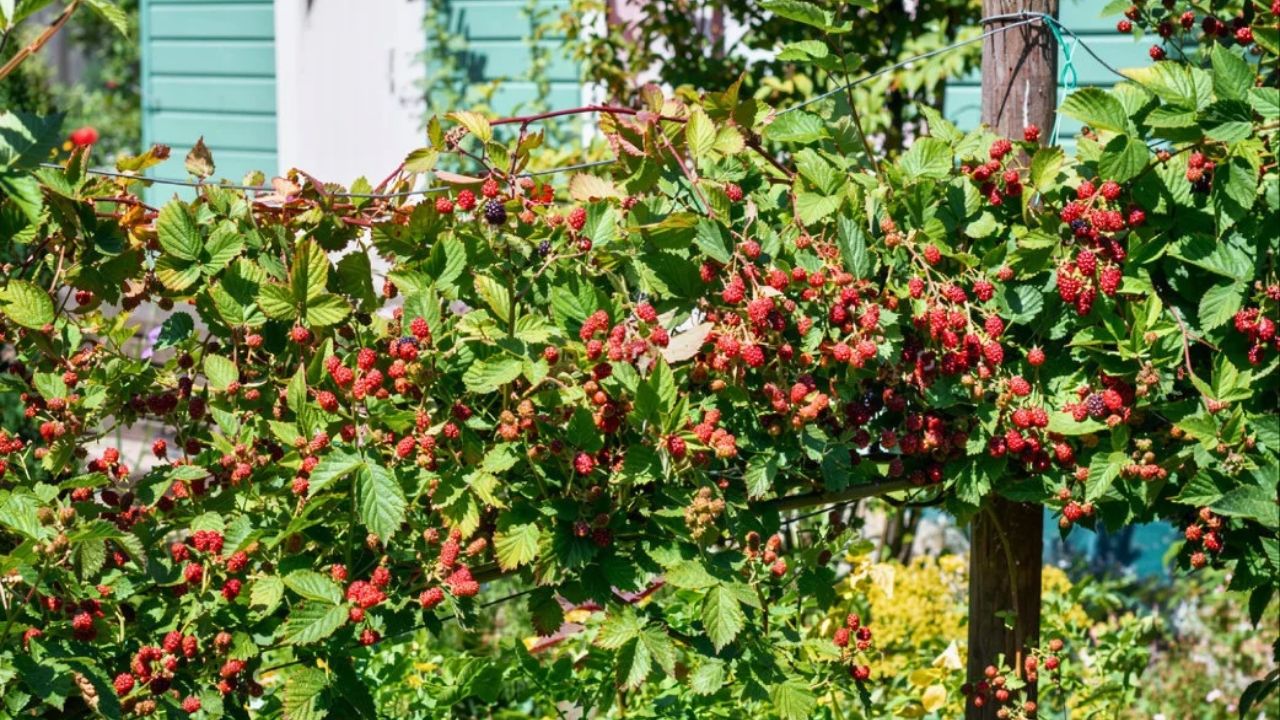
A berry patch near the boundary feels smart until canes start arching through the wire. Birds drop seed, tips root where they touch ground, and suddenly you’ve got thorns in the mowing path. Harvest gets miserable when the best berries are hanging on the neighbor’s side.
Keep brambles on a trellis with a strict edge you can mow right up to. If you inherit a thicket, wear thick gloves and long sleeves, cut the old canes out at ground level, then dig crowns where you don’t want them. Don’t toss cuttings over the fence line, canes can root if they stay moist.
5. Mint Slipping Under The Bottom Wire
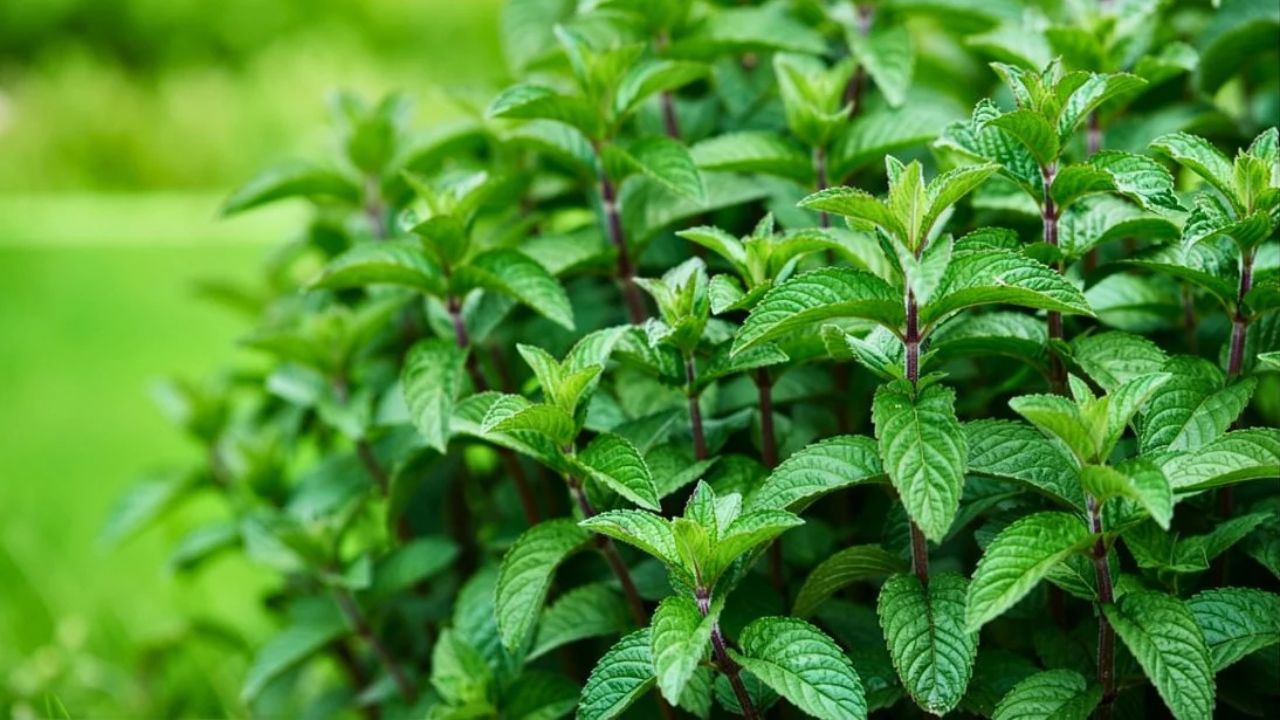
Mint is the classic “one little plant” mistake. It runs by shallow roots, sneaks under fences, and shows up in the lawn where it laughs at gentle weeding. Mowing just makes it spread lower and thicker.
Plant mint in a pot on a patio or set a bottomless container in the ground with the rim an inch above soil. If it’s already loose, a sharp spade edge cut around the patch a few times each season helps, and you’ll need to pull runners like you mean it. This is one case where a tight planting bed doesn’t save you.
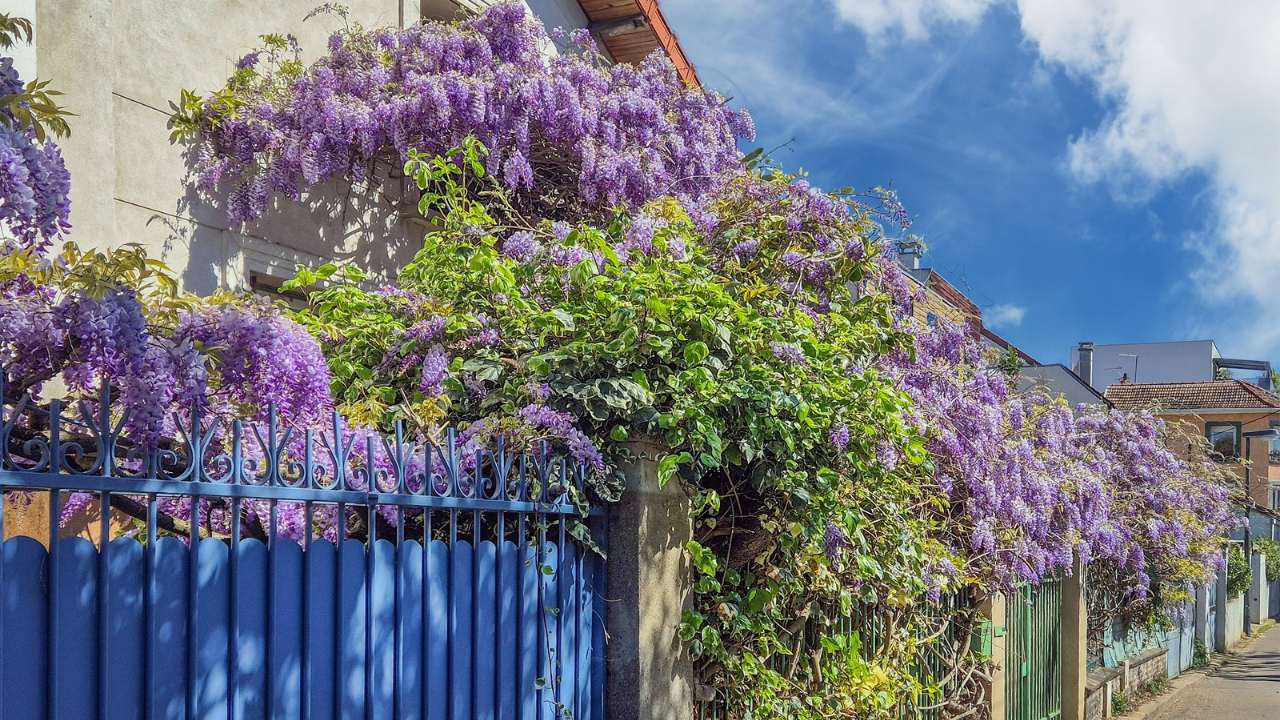
6. Wisteria Twisting Fence Panels Out
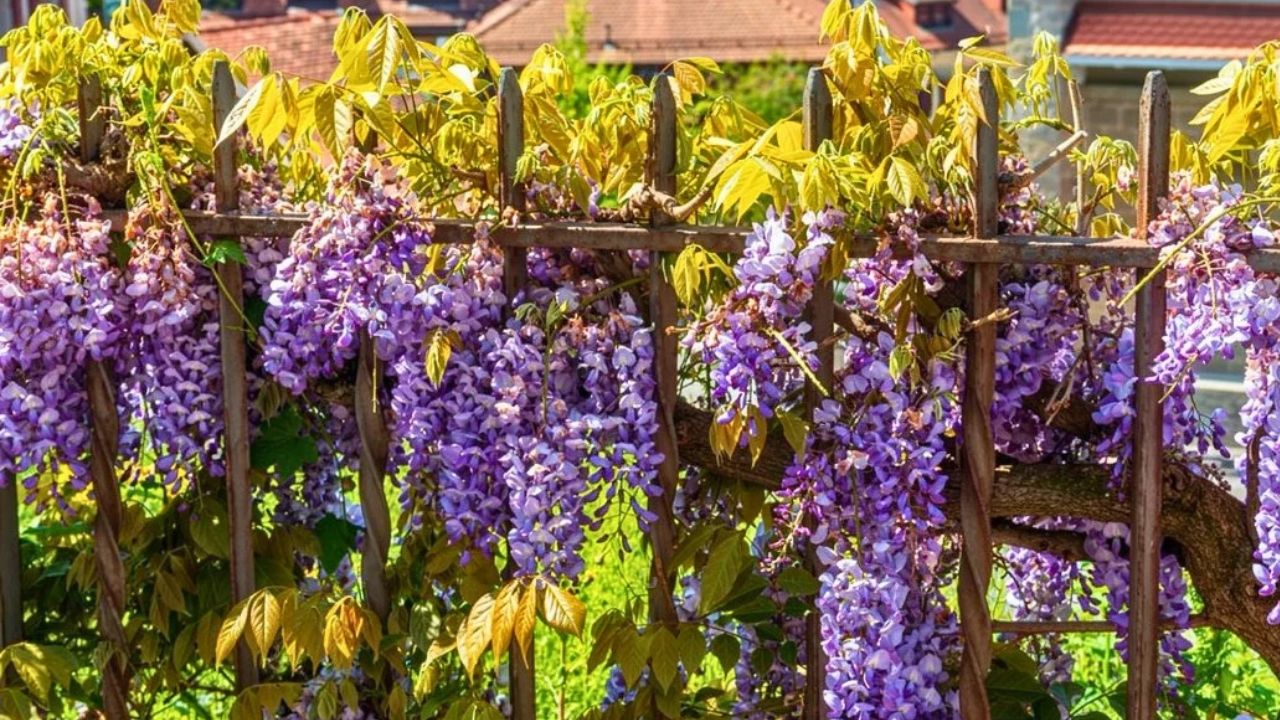
Wisteria doesn’t climb, it strangles. The vines twist around rails and wires, then thicken into ropey wood that can crush a gate frame or bow a panel. It also gets top heavy, and a windy storm is when you hear the crack.
Don’t train it on a standard fence. Give it a heavy arbor or a purpose-built support set in concrete, and keep it away from roofs and power lines. If you have an older plant on a fence, cut it back to main stems in dormant season and plan on regular pruning, twice a year is common.
7. Creeping Jenny Spilling Into The Neighbor’s Yard
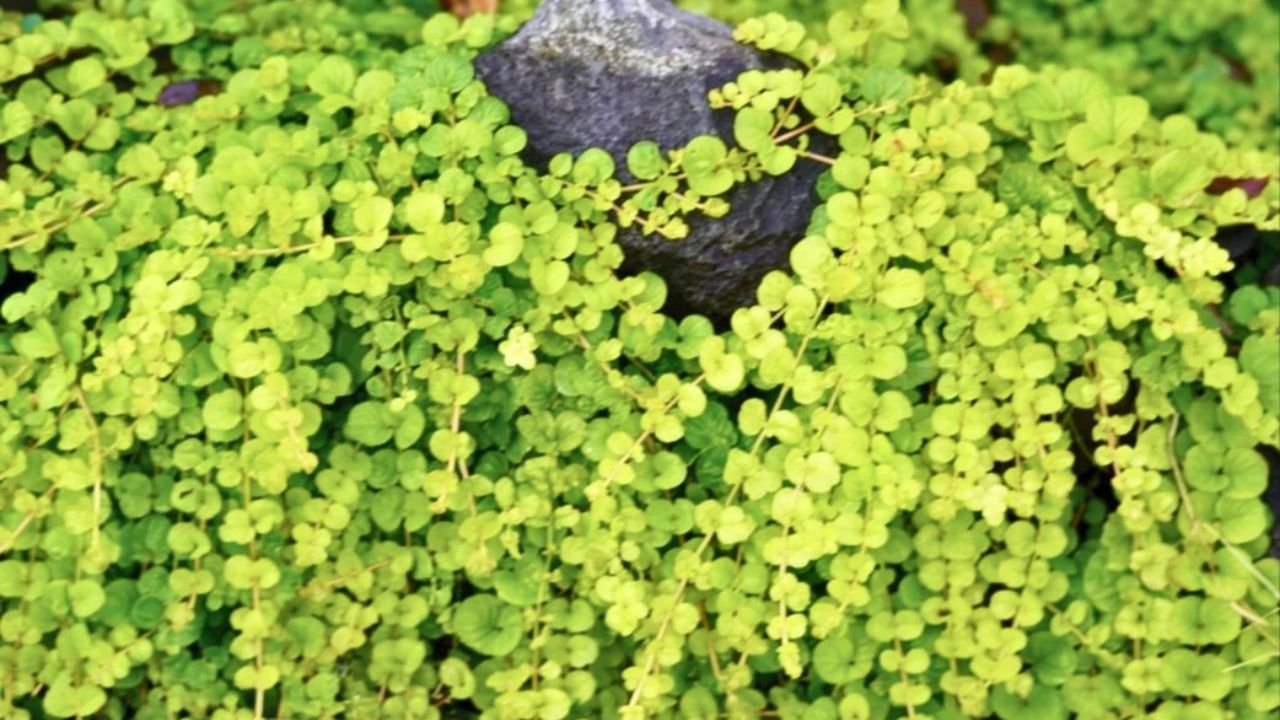
This one surprises people because it looks harmless in a pot. In the ground, creeping jenny hugs the soil, crosses under fences, and fills every damp spot along the line. It’s a pain because it breaks off and re-roots when you pull it.
If you like the look, keep it contained in planters or a raised bed with a hard edge. Along a fence, a narrow strip of landscape fabric under gravel can slow it down, but it won’t stop it forever. A flat shovel scrape after rain works better than tugging at dry stems.
8. Virginia Creeper Sticking To Everything
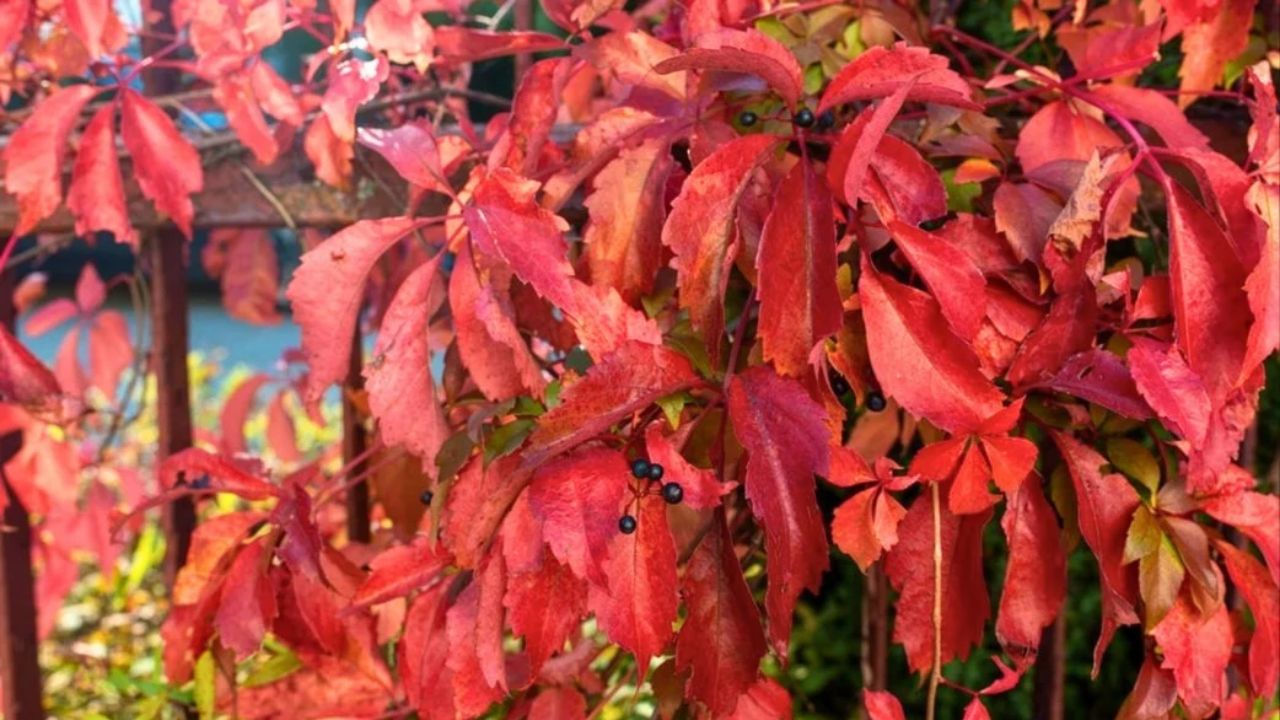
Virginia creeper is often planted for fast cover, then it runs. The tendrils grip wood and masonry, and the vine will snake through chain link so deep you can’t separate fence from plant without cutting. Fall color is nice, but it doesn’t pay for the hours of cleanup.
Start control early, while stems are pencil-thin. Cut and paint stumps if you’re using herbicide, follow the label, and keep it off desirable plants. If you’re working near a shared line, talk to the neighbor first, nobody likes surprise vine debris dumped on their side.
9. Rose Of Sharon Dropping Seed Along Lines
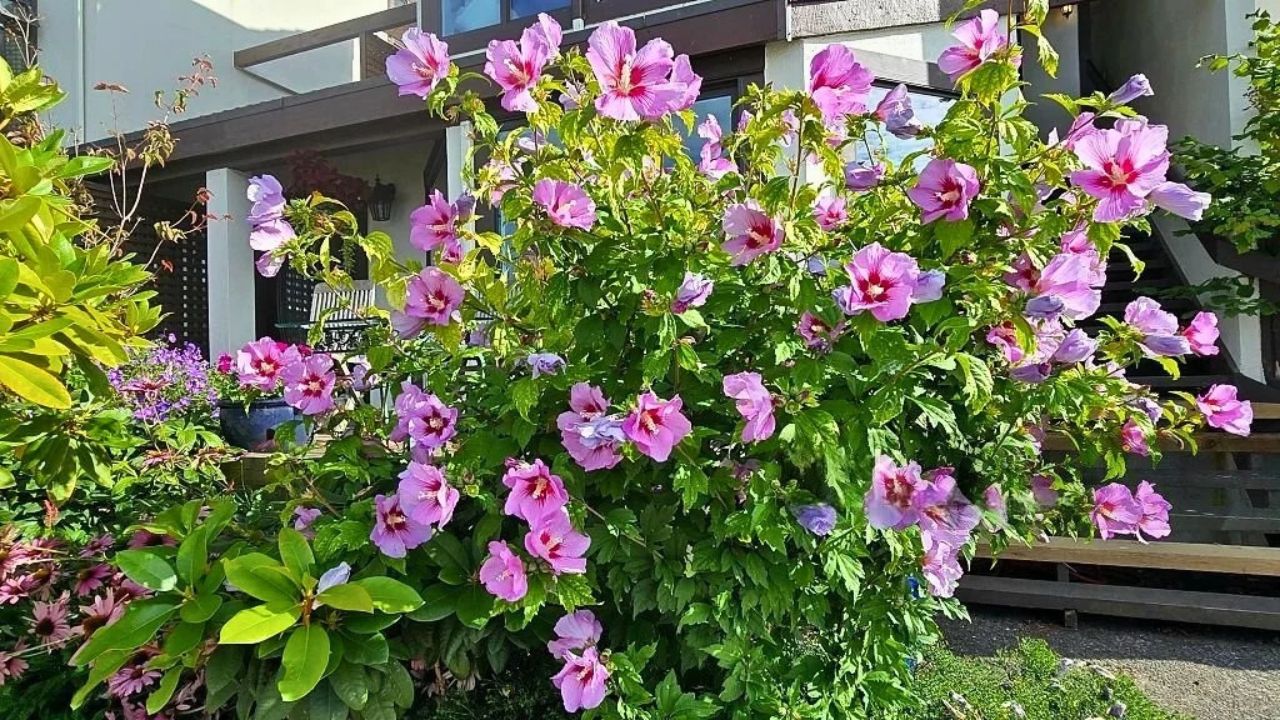
Rose of Sharon behaves like a polite shrub for a few years, then seedlings show up everywhere the mower can’t reach. Fence lines are perfect nurseries, warm, sheltered, and easy to miss. In a couple seasons, that becomes a row of woody stems that snag clothing and hide pests.
If you already have one, deadhead spent blooms before seed pods dry out, or choose sterile varieties when you plant. Pull seedlings while they’re small, after a rain when the soil gives. Once they’re thumb-thick, you’re into loppers and stumps.
10. Honeysuckle Turning Into A Tangled Rope
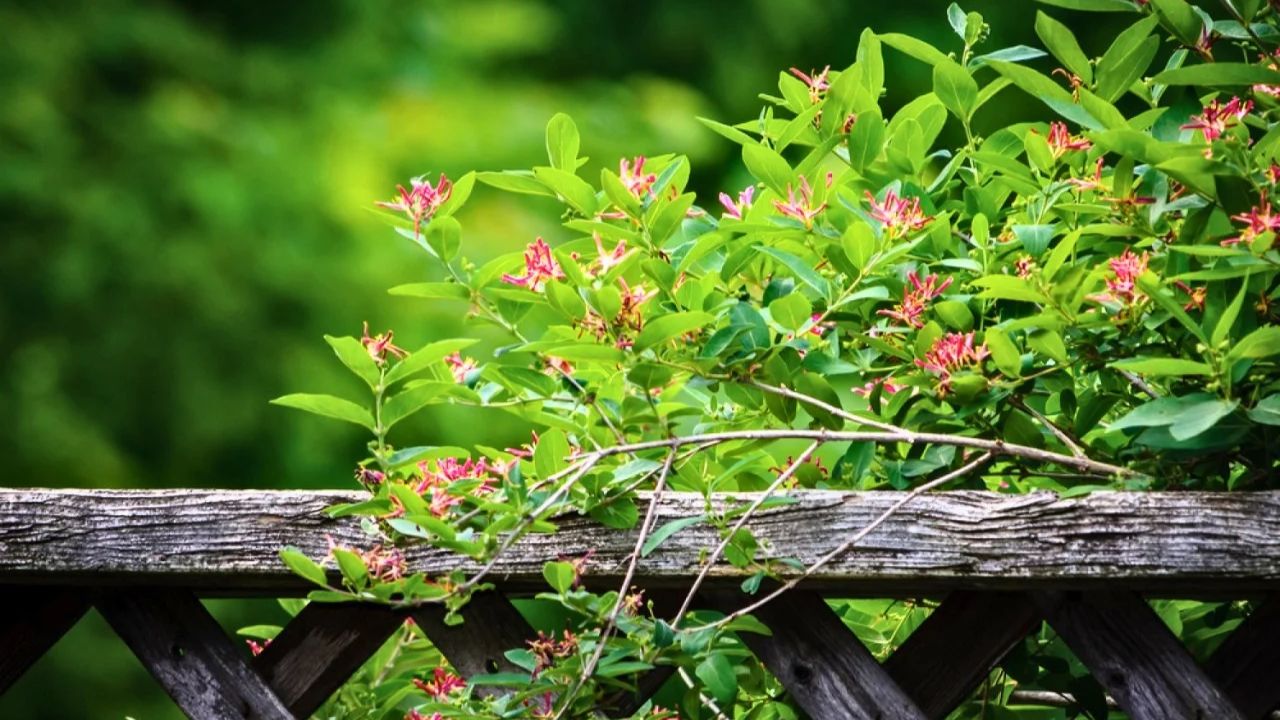
Some honeysuckles are well-behaved, some are a full-on mess, and most homeowners don’t learn the difference until the fence disappears. It weaves into the pickets and makes a thick mat that holds snow, holds moisture, and breaks boards when you try to peel it off. You’ll also notice fewer young trees nearby, it shades and crowds them out.
If you want a vine, choose one that stays put and plan for pruning space on both sides of the fence. If honeysuckle is already established, cut it low, dig what roots you can, and keep chopping regrowth until it runs out of energy. This is one of the few times the cheap option, repeated cutting, can work fine if you stay stubborn.
If your fence line is already a jungle, pick one section and reclaim it before tackling the whole run. Mark the property line, call for utility locates before any deep digging, and don’t be shy about putting in a mow strip or gravel edge so the line stays visible. A clean, reachable boundary saves hours every season.
Like Fix It Homestead’s content? Be sure to follow us.