10 Space Heater Habits That Start Fires
Photo credit: New Africa/Shutterstock.com
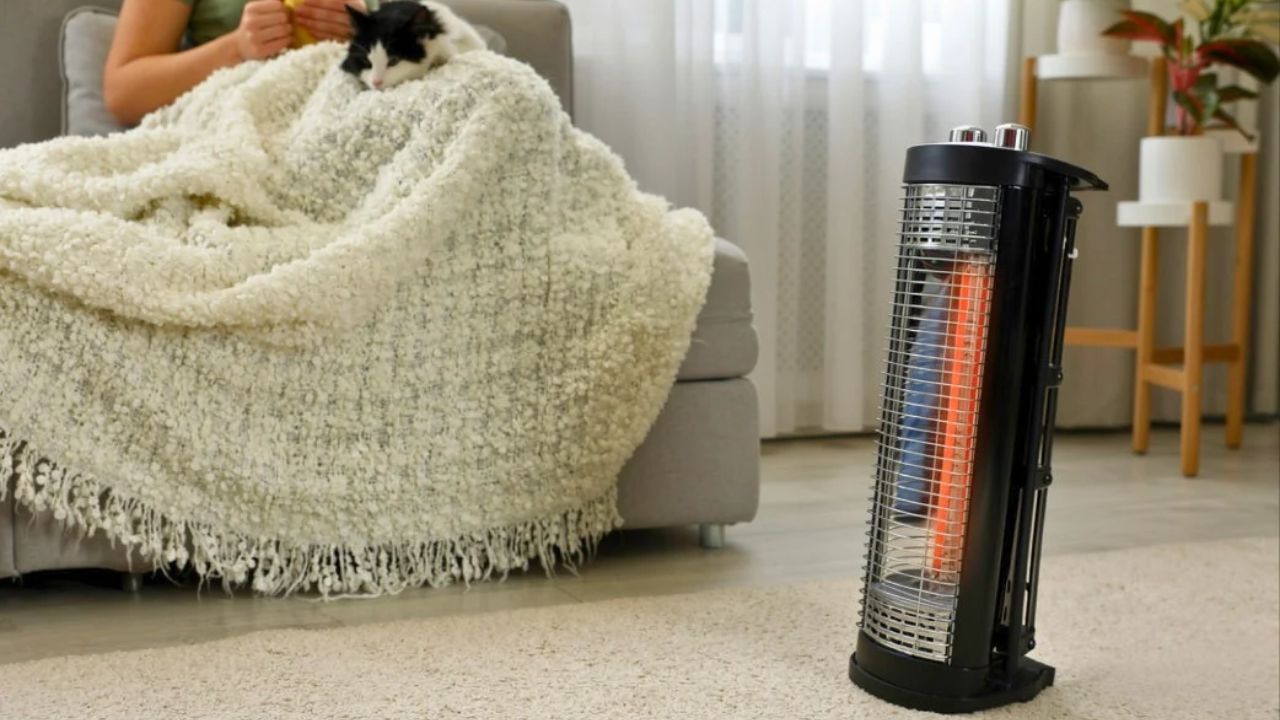
Space heaters are great at turning one cold corner into a livable room. They also concentrate a lot of heat and electrical load into a small, easy-to-ignore box. Most heater fires start with a habit, not a freak accident, and the fix is usually simple.
1. Plugging Into Cheap Power Strips
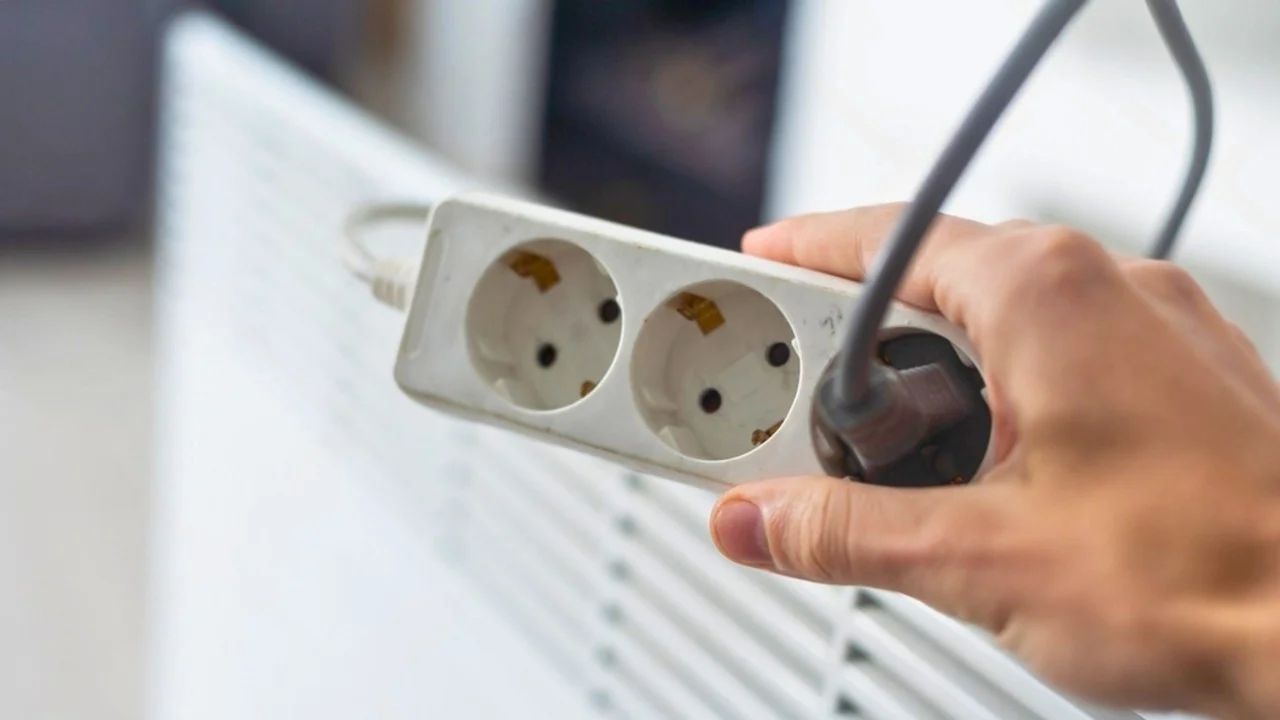
A space heater on a skinny power strip is a common way to get a hot plug, a melted strip, and a smoky surprise. Those strips are made for phone chargers and lamps, not a heavy draw that runs for hours. If the strip feels warm, or you smell that sharp “hot plastic” odor, unplug it and stop using it.
Plug the heater straight into a wall outlet. If you truly need more reach, use a heavy-duty extension cord only as a temporary fix, and it needs to be a thick gauge cord rated for the heater’s amperage. Better yet, move the heater closer to the outlet and deal with the layout problem instead of the wiring.
2. Running Extension Cords Under Rugs
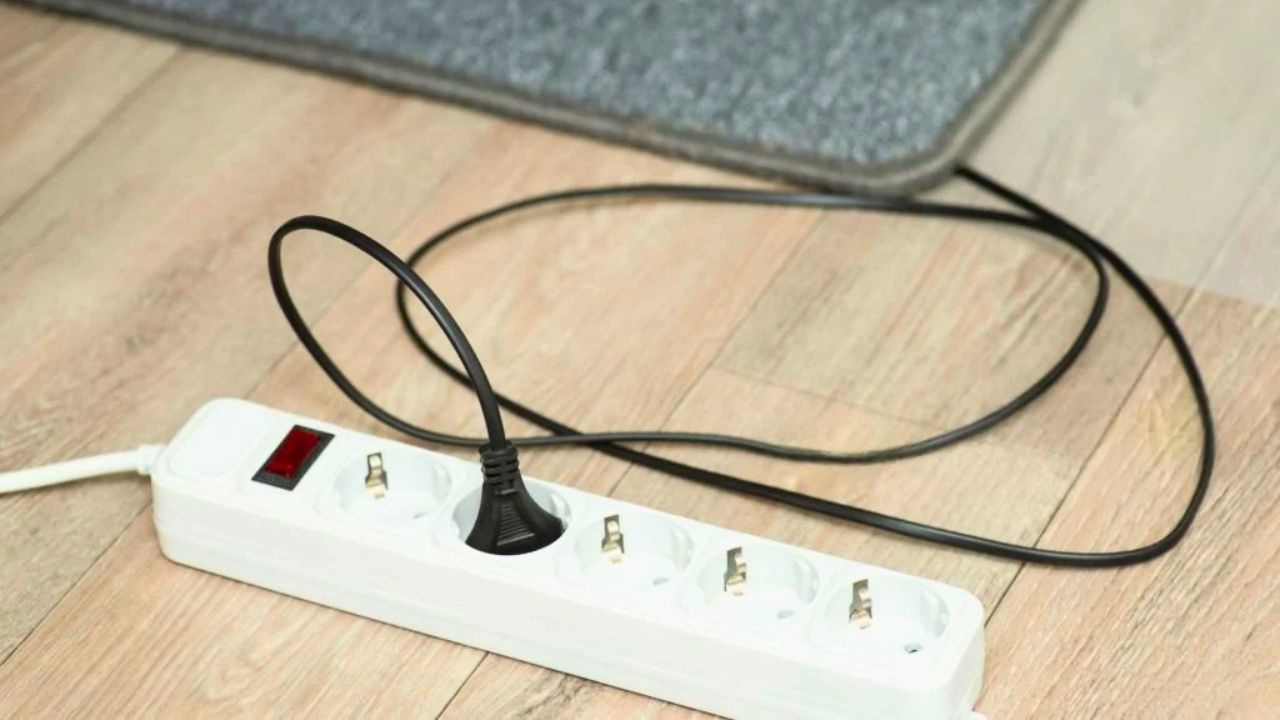
That cord looks tidy under a throw rug, until foot traffic grinds it flat and the insulation splits. Add heat from the heater load, and you have a cable that can arc without anyone seeing it. You might notice the rug area feels warm or you hear a faint crackle when the cord shifts.
Route cords out in the open where you can see damage, or don’t use a cord at all. If you can’t place the heater without crossing a walkway, the heater is in the wrong spot. A safer fix is adding an outlet, which is a job for a licensed electrician if you’re not experienced and permitted for it locally.
3. Setting It Too Close To Fabric
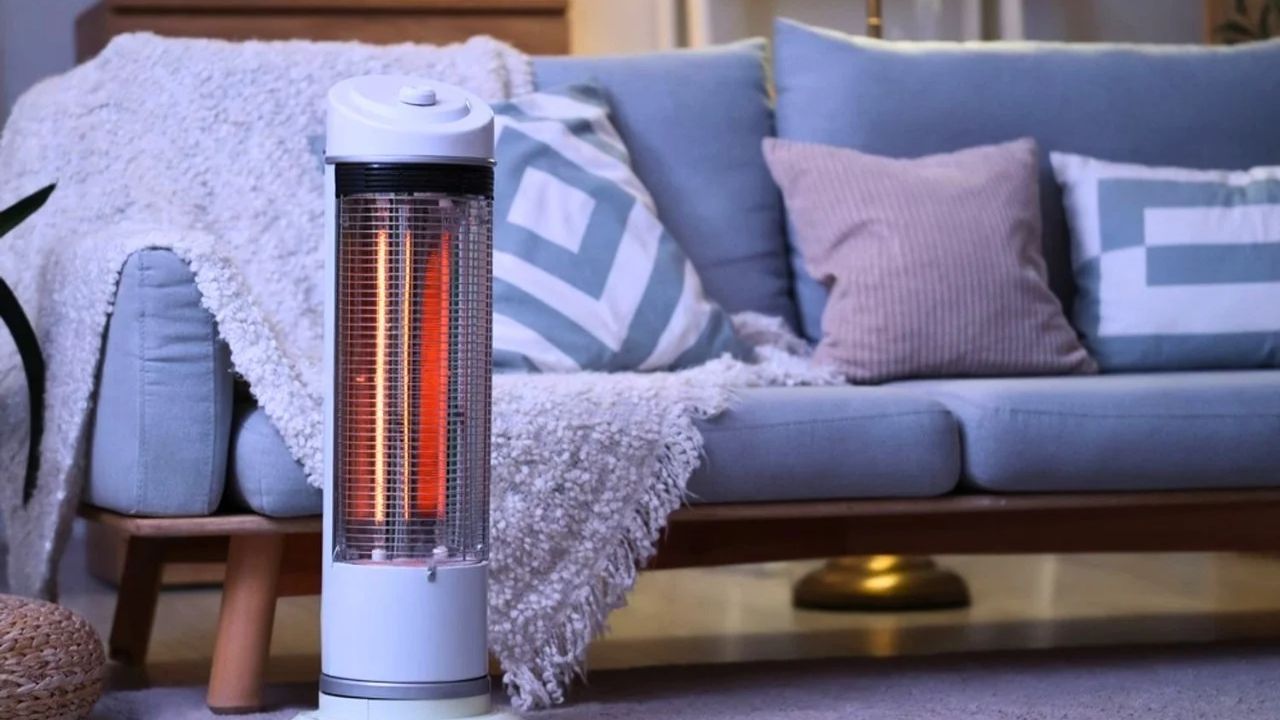
Blankets, curtains, dog beds, and laundry piles don’t need direct contact to become a problem. Some heater types blow hot air that can dry and heat fabric until it scorches, and a tipped curtain can drape right over the grille. This is the classic “I’ll just run it for a bit” moment that turns into a 2 a.m. wake-up.
Give the heater real clearance on all sides, and keep the front face aimed at open air, not a couch skirt. If you need heat near a window, shorten or tie back curtains and keep the heater low and away from the fabric edge. A cheap heat-resistant hearth pad or even a piece of cement board under the heater helps on questionable flooring, but it doesn’t replace clearance.
4. Placing Heaters On Soft, Uneven Floors
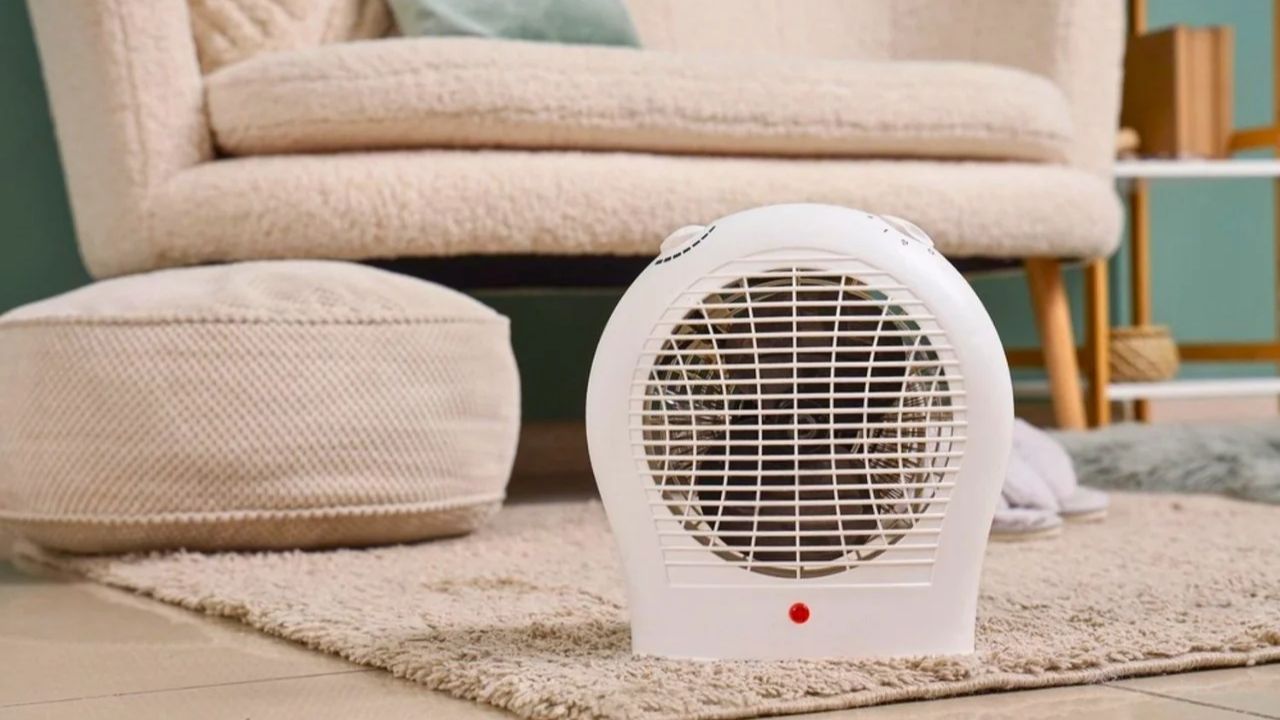
Plush carpet and thick foam mats make some heaters wobble. A heater that rocks can slowly “walk” closer to bedding or a recliner, or it can tip and land facing down into carpet fibers. Even with a tip-over switch, don’t trust a shaky setup.
Set the heater on a flat, hard surface where it can’t sink. If the only space is carpeted, put down a stable base that won’t bend, like a piece of plywood with the corners sanded smooth, and keep it out of traffic paths. If you have kids or a clumsy dog, use a heater style with a wide base and a sturdy guard, or pick a different heat source for that room.
5. Leaving Dust Packed Inside The Grill
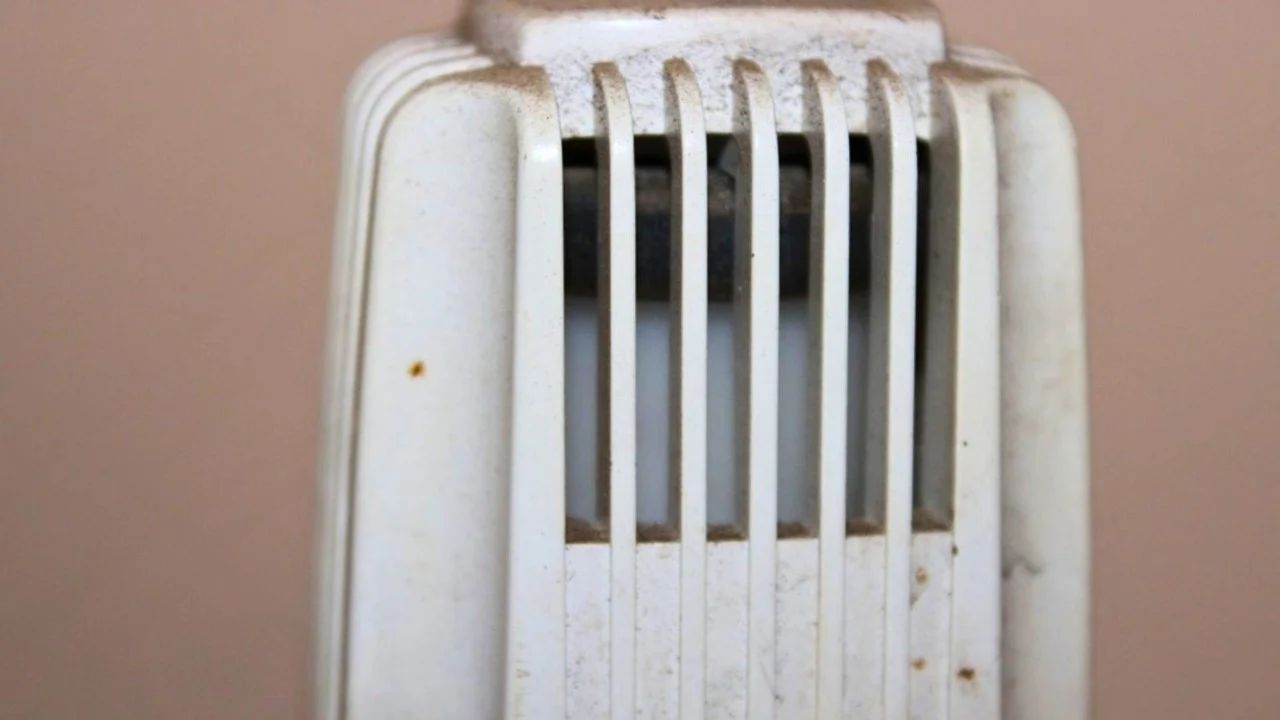
The first cold snap often comes with a burnt smell. Sometimes that’s just a little dust burning off, but a heater that’s packed with pet hair and lint can keep cooking it, and that’s when you get smoke, popping sounds, and a shutoff that keeps tripping. Bathrooms and workshops are the worst because towels and sawdust float everywhere.
Unplug it, let it cool fully, then clean it before the season starts. A vacuum with a brush attachment works, and compressed air can help if you blow dust outward and not deeper into the unit. If the heater still smells hot after a careful cleaning, retire it. Space heaters are cheaper than replacing a scorched outlet and drywall.
6. Using The Heater To Dry Clothes
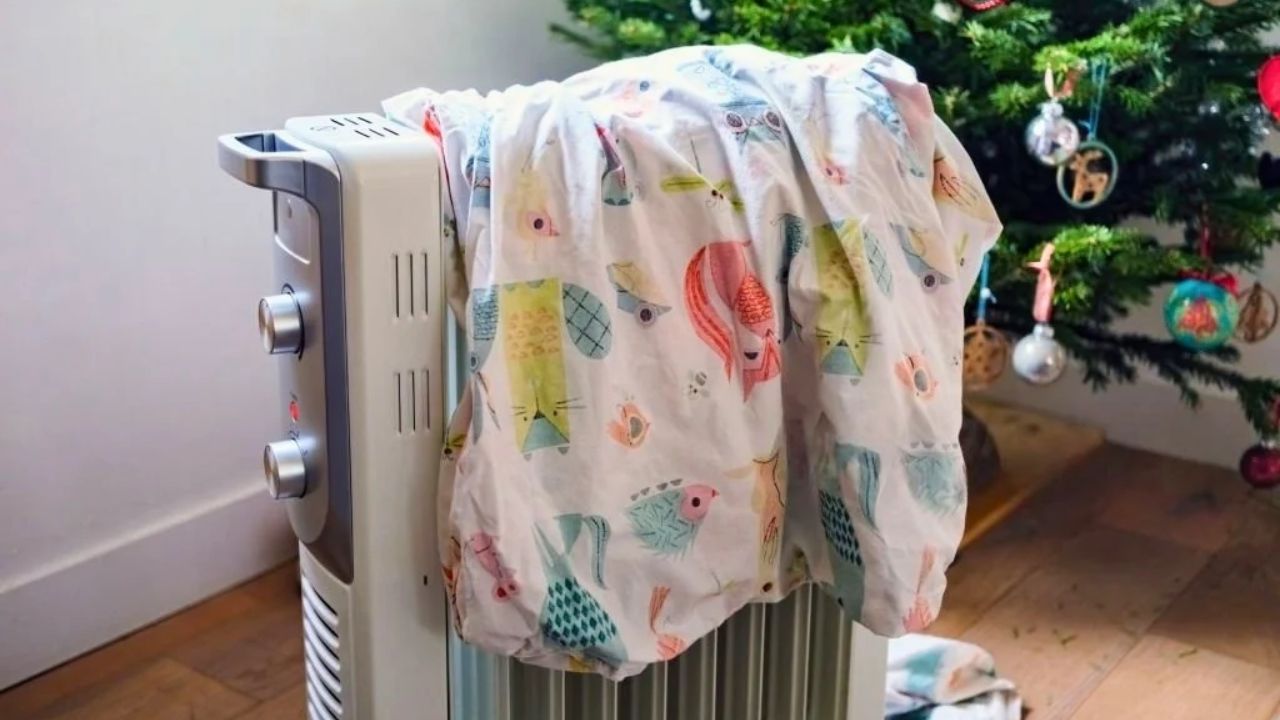
A wet glove draped “just near it” creeps closer as it dries and shrinks. A towel over a chair can slump, and then it’s right on the heater face. This is one of the fastest ways to turn a normal evening into a fire drill.
Dry gear on a rack away from heat sources, or use a boot dryer made for the job. If you’re in a pinch, aim a fan across the items, not a heater. Drying takes longer, but it doesn’t flirt with ignition.
7. Running It While You Sleep
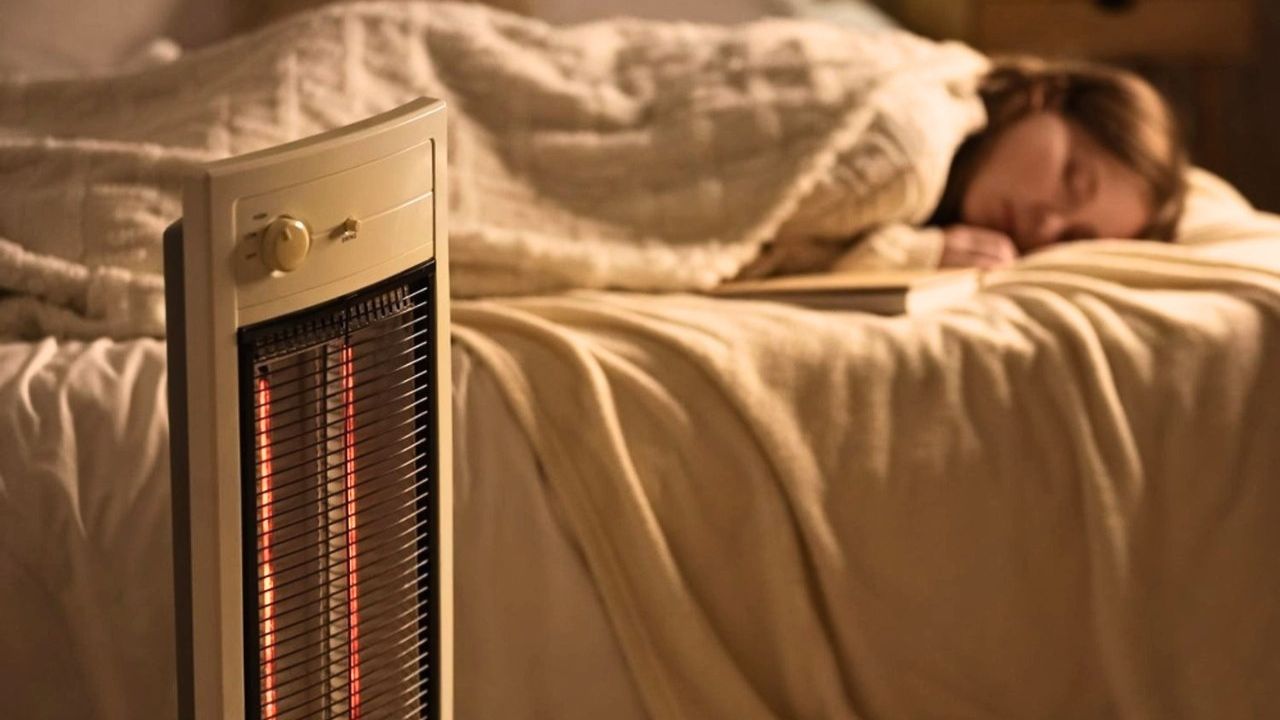
Sleeping with a space heater on is a gamble because you’re not there to notice a new smell, a flicker, or a cord that got kicked loose. Bedrooms also collect fuel, bedding, clothes, paper, and sometimes a charging station mess. A small mistake has hours to grow.
If you need overnight heat, a fixed heating system is the right tool, or a professionally installed alternative like a mini-split. If you still use a portable heater, use one with a working tip-over shutoff and overheat protection, keep it well away from the bed, and run it only while you’re awake to warm the room before turning in.
8. Ignoring Loose Outlets And Hot Plugs
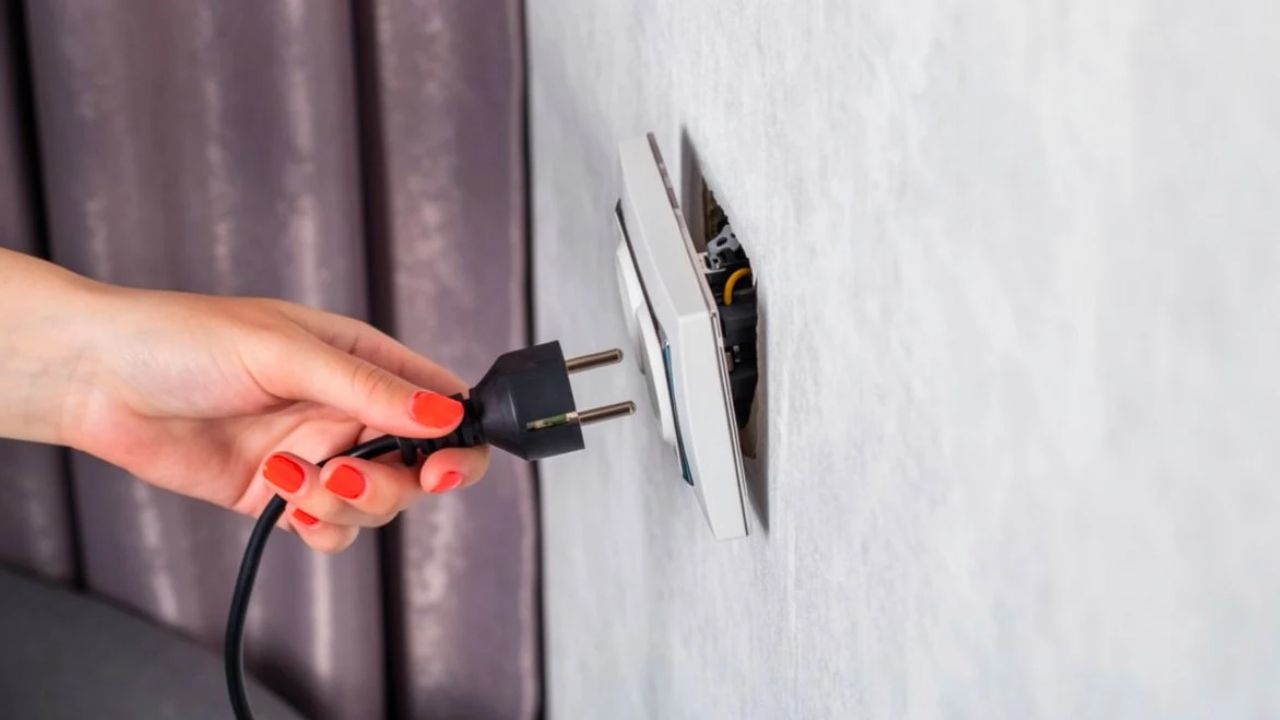
If the heater plug slips out easily, the outlet is worn. A loose connection arcs, arcs make heat, and heat wrecks the outlet and the plug blades. You might see browning on the faceplate, or the plug prongs look dark and dull.
Stop using that outlet for high-draw devices. Replacing an outlet is a basic repair, but if you see scorch marks, melted plastic, or hear sizzling, shut off the circuit and call a licensed electrician. Also check the heater cord end, if it’s damaged, the heater is done.
9. Using An Old Heater With A Bad Cord
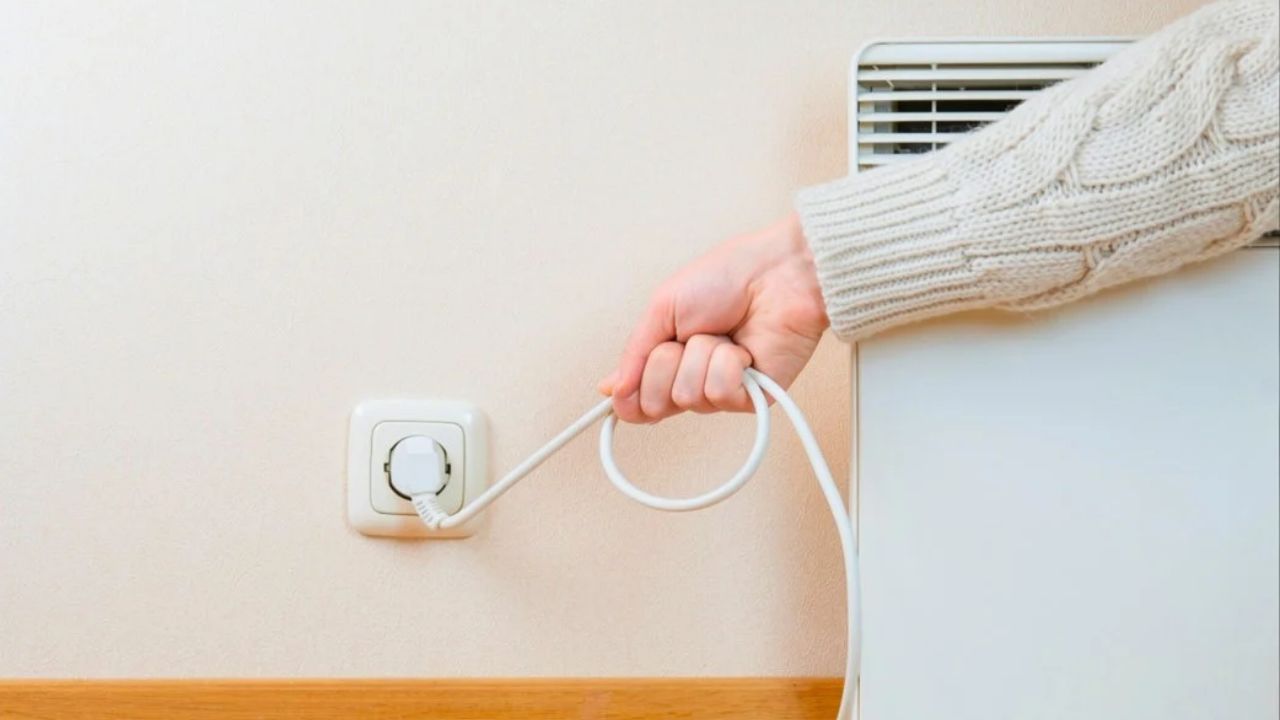
Heaters get yanked by the cord, pinched behind furniture, and shut in doors. The damage is not always obvious until you flex the cord and the heater cuts in and out. That on-off cycling from a bad connection builds heat right where you don’t want it.
Inspect the whole cord before the first use each season. If the insulation is cracked, the plug is loose, or the cord gets warm, don’t tape it and don’t splice it. Replace the heater. The honest exception is a heavy, older-style heater with a truly thick, undamaged cord and tight strain relief, those can be fine if everything is solid and it runs normally.
10. Overloading One Circuit All Winter
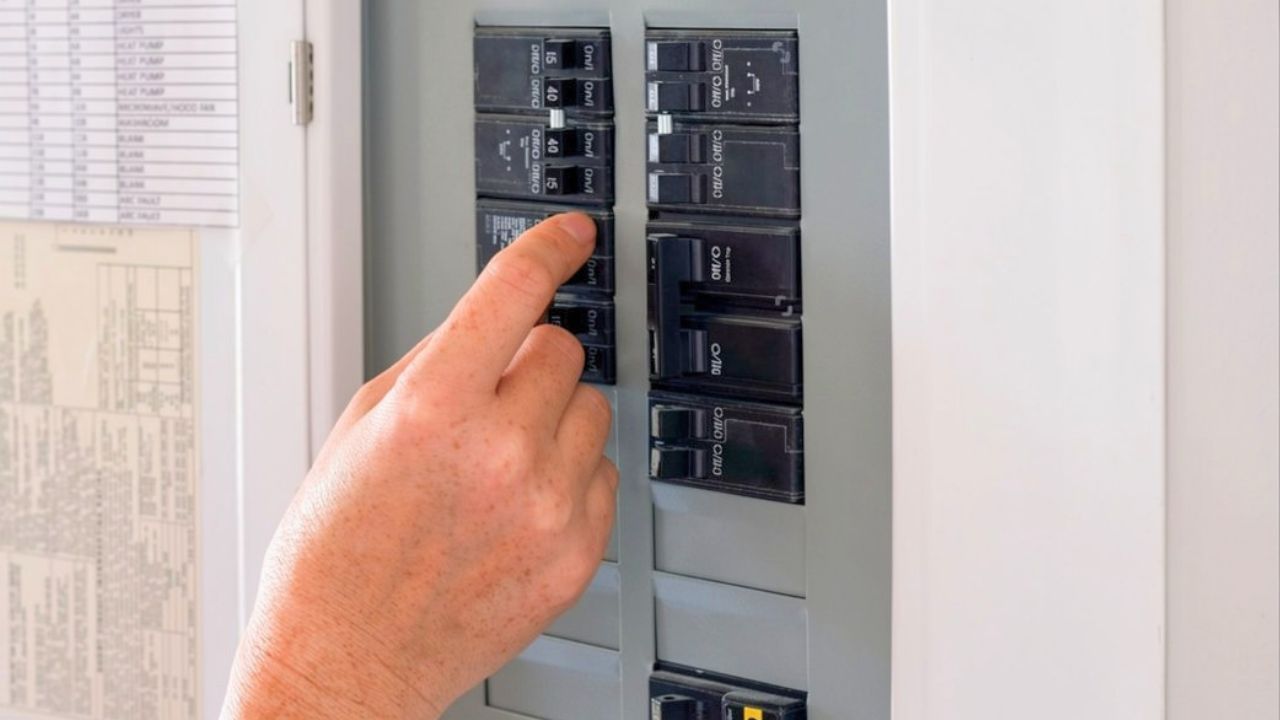
A heater plus a microwave, a toaster oven, or a big shop vac on the same circuit will trip breakers, and people get tempted to “solve” it the wrong way. Even without a trip, constantly pushing a circuit hard for months warms up weak connections in outlets and junction boxes. You’ll notice lights dim when the heater cycles, or the breaker feels warm to the touch at the panel door.
Move the heater to a different circuit and spread out the load. If you can’t run a heater without frequent trips, you need more capacity, not more adapters. Adding circuits or diagnosing repeated breaker trips is electrician work, and local code rules how it’s done.
If you want portable heat without the drama, treat the heater like a tool, not furniture. Set it up right, keep it clean, and be picky about the outlet you feed it from. A little fussing on day one beats replacing a room full of smoke damage later.
Like Fix It Homestead’s content? Be sure to follow us.