10 Things That Burn Out a Sump Pump Early
Photo credit: Fix It Homestead
A sump pump usually quits at the worst possible time, during a hard rain when the power flickers and the basement is already damp. Most early failures are not mystery defects, they are wear and abuse that builds up month after month. Fixing a few habits around the pit, the plumbing, and the power supply can add years to a pump.
1. Letting It Short Cycle All Night

If your pump turns on for five seconds, shuts off, then kicks right back on, it is getting hammered. That rapid on and off heat-soaks the motor, chews up switches, and makes the check valve slam like a hammer. You will hear it, a steady click-thunk rhythm that keeps you awake during storms.
Most of the time the water level is set wrong or the float is hanging up. Adjust the tether length or switch height so the pump runs longer per cycle, and clean the pit so nothing snags the float. If the pit is tiny, a larger basin or a different switch style is worth paying for, because no pump loves a one-gallon pit.
2. Using An Extension Cord Full Time
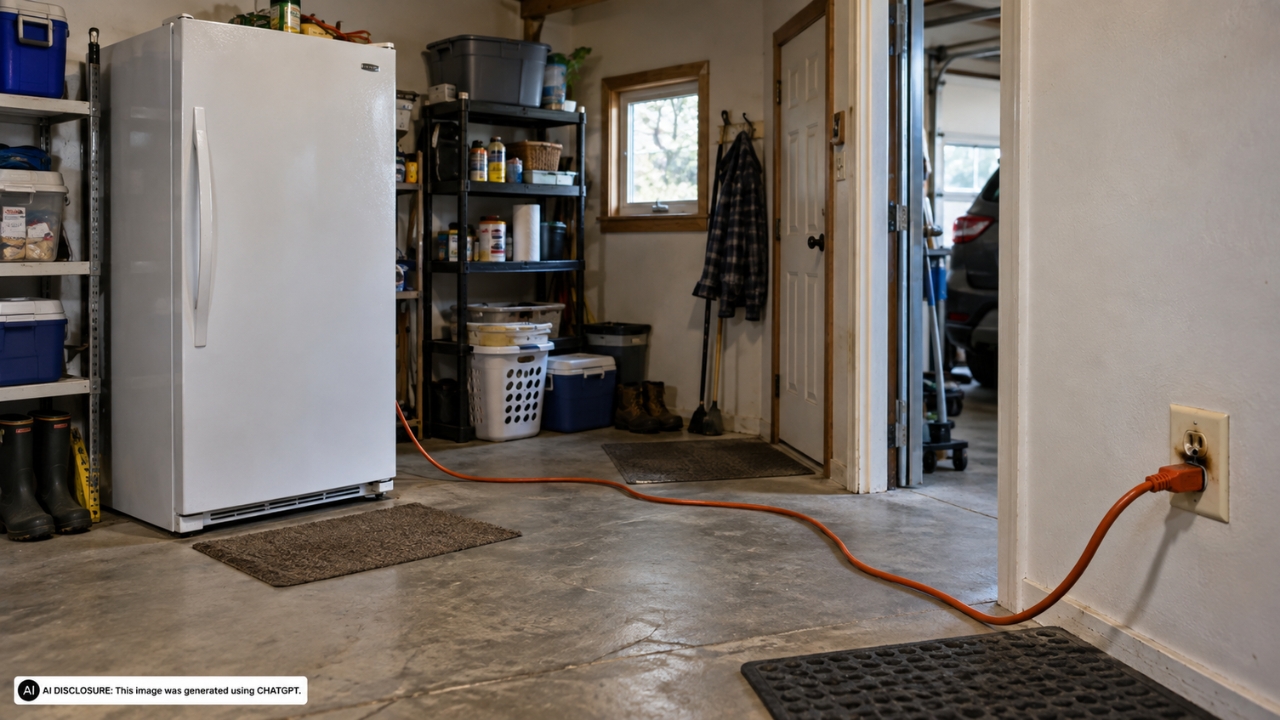
A long cord on the floor seems harmless until you smell warm plastic or find the plug end corroded. Extension cords drop voltage and make motors run hot, especially when the cord is light gauge or coiled up. Add a damp basement and you get arcing at the plug blades and nuisance trips.
Put the pump on a proper receptacle near the pit, ideally a dedicated outlet. If wiring needs to be added, call a licensed electrician and follow local code, because basements and GFCI rules get strict fast. A short, heavy-duty cord for a temporary emergency is fine, but “temporary” should not last a season.
3. Skipping The Check Valve Or Drilling It
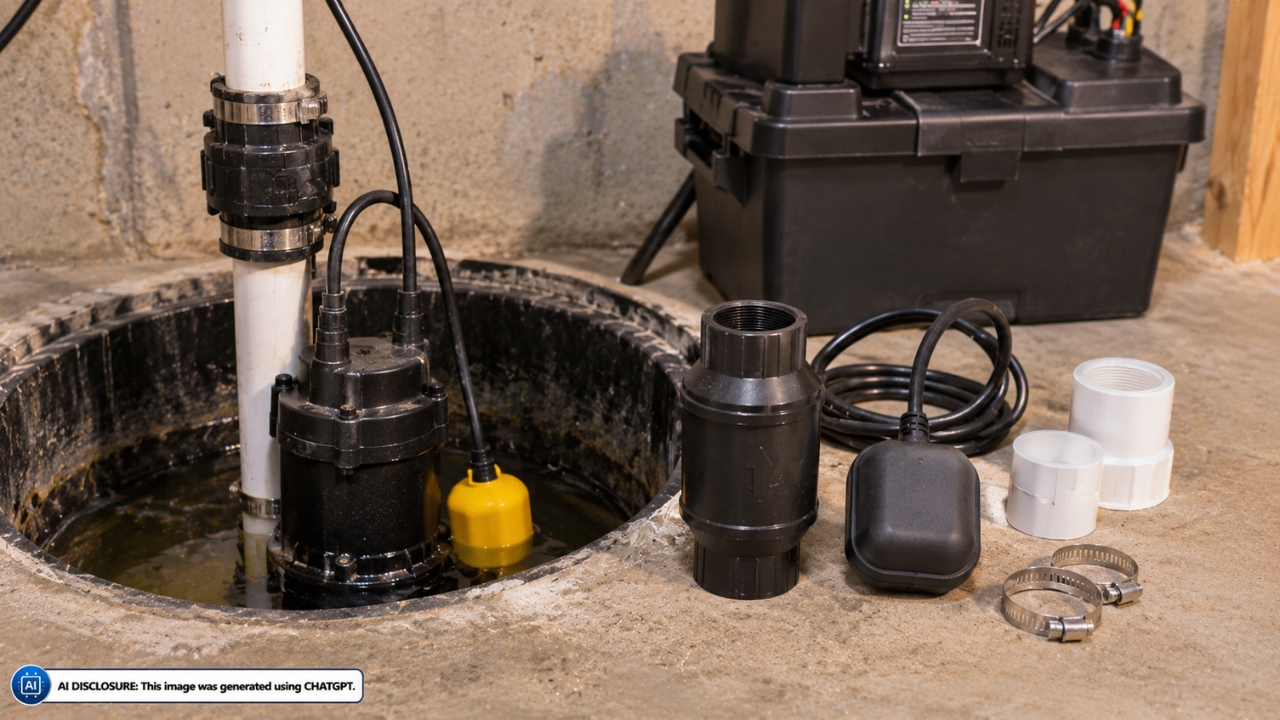
No check valve means the water you just pumped can fall right back into the pit, and the pump has to lift it again and again. That extra run time is pure wear, and it can make the pump sound like it never stops during wet weeks. You also get more starts per hour, which is hard on the motor.
Install a proper check valve on the discharge pipe above the pump, with the arrow pointing up. If you hear loud banging, add a quiet or spring-style valve instead of drilling “relief holes” all over the pipe. Some manufacturers call for a small weep hole below the check valve, so follow the instructions for your pump model rather than guessing.
4. Letting Mud And Sand Fill The Pit
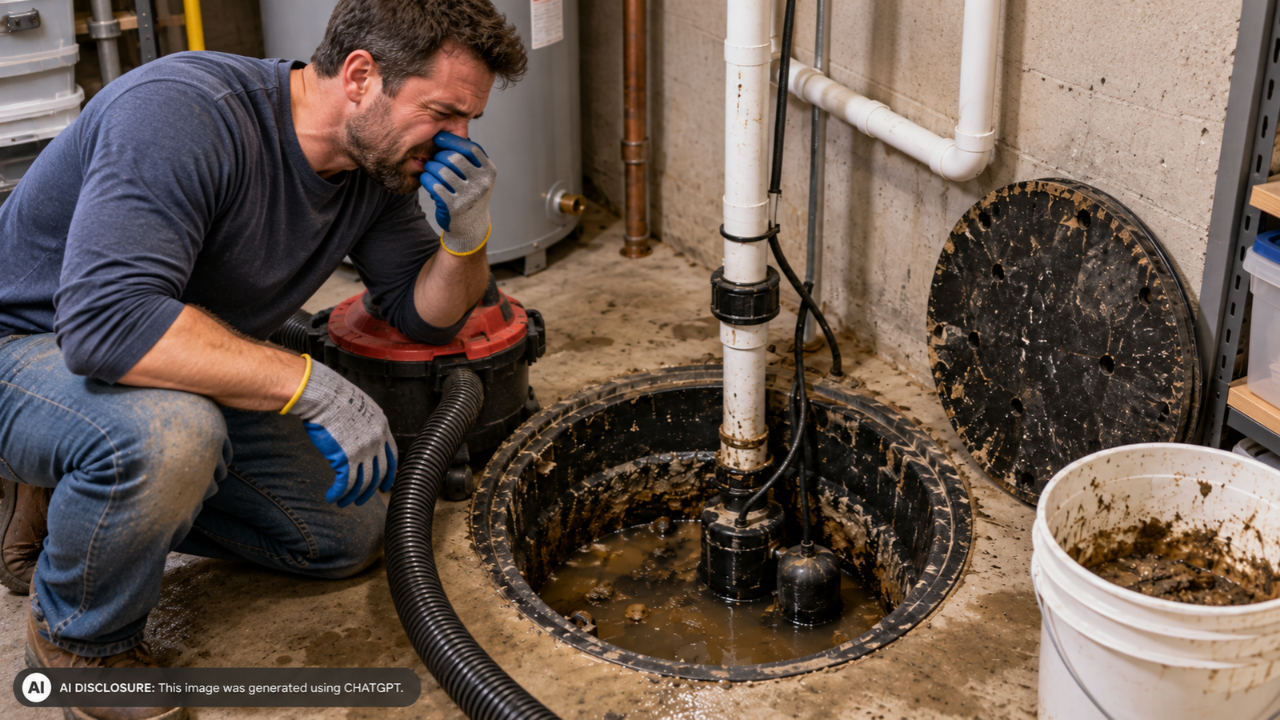
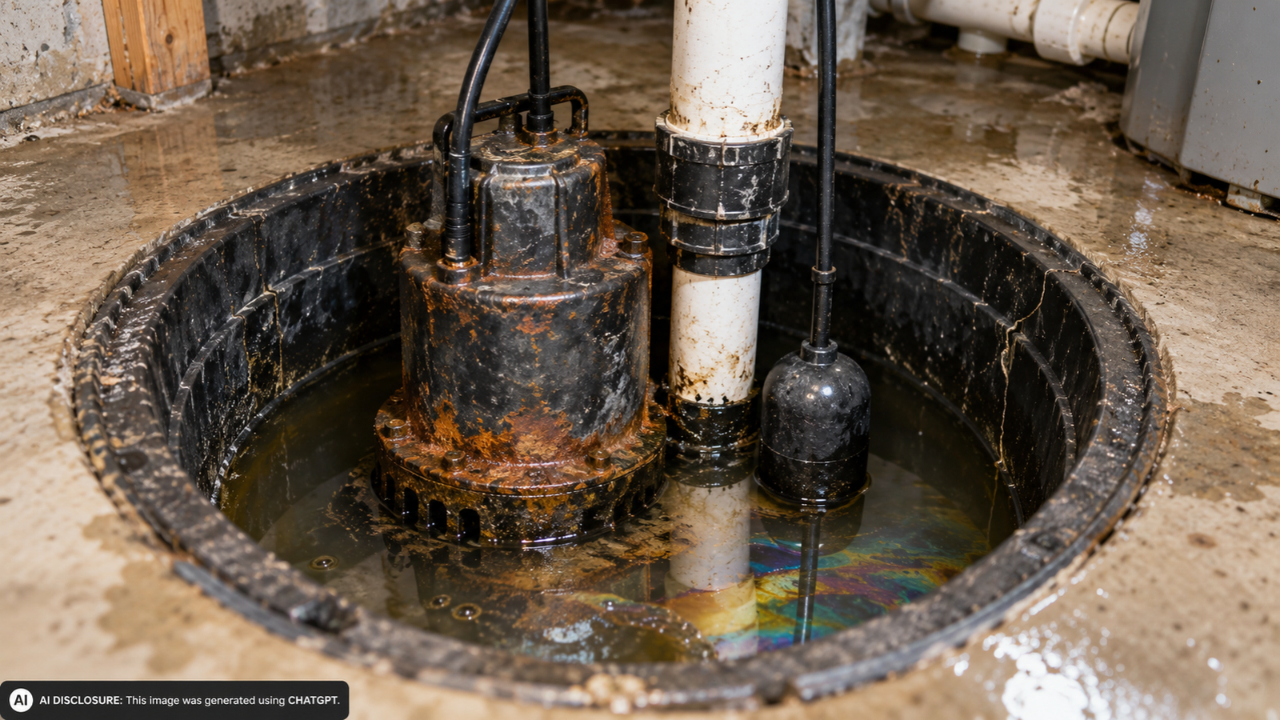
Silt acts like grinding compound. It gets pulled through the impeller, wears the housing, and can jam the float so the pump runs dry or never turns on. After a wet spring you might notice the pit looks like chocolate milk, and the pump starts sounding rough.
Scoop out sludge once or twice a year with a small shovel and a bucket, then rinse the pit. If your area has sandy soil or you get a lot of grit, a pump with a better intake screen helps, and a sealed sump lid can cut down on debris. If the pit constantly refills with mud, the problem may be the drain tile or soil washing in, and that is a bigger fix than a new pump.
5. Leaving The Discharge Line Frozen Outside
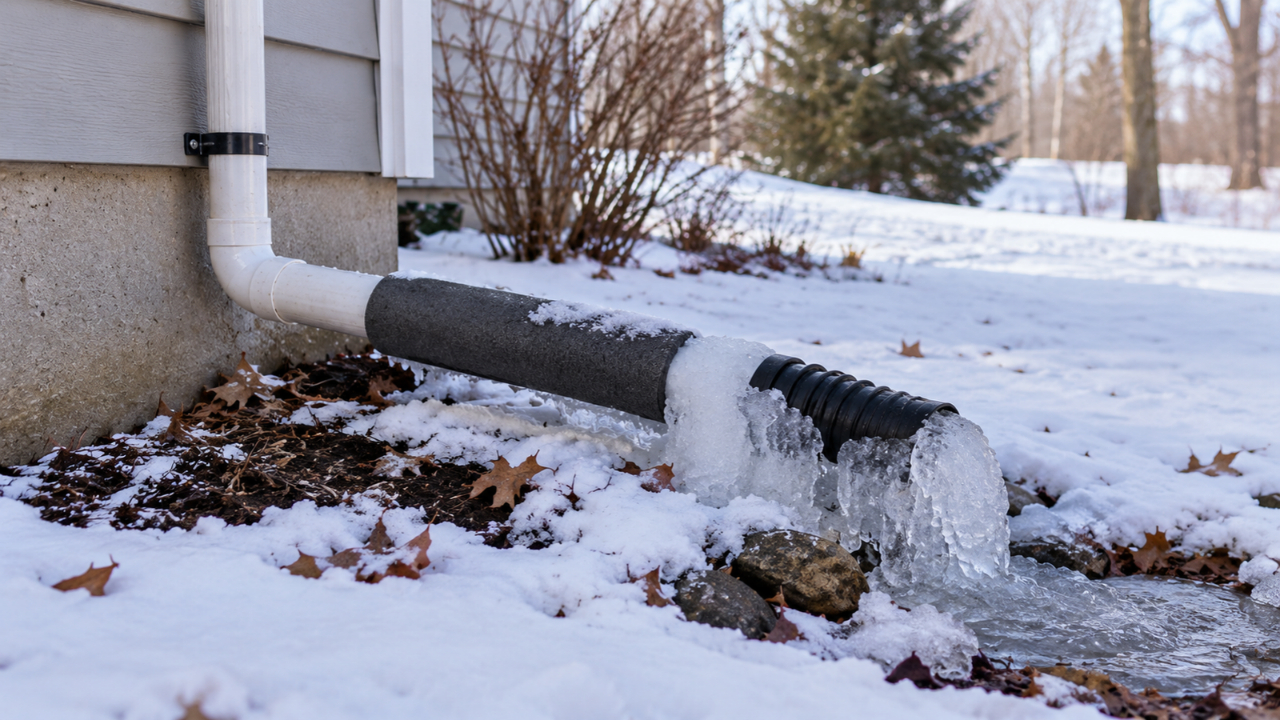
Winter is when a good pump gets ruined by bad plumbing. If the discharge pipe freezes, the pump tries to push against a solid plug and can overheat or crack fittings. Sometimes you only notice after the snow melts and the basement suddenly smells musty.
Route the discharge so it drains after each cycle and does not hold water in a long flat run. Burying a line below frost depth can help, but call 811 before digging and check local rules about where sump water is allowed to go. If you cannot change the run right away, at least disconnect the outside extension and aim it to a spot where it can drain and not freeze solid.
6. Ignoring A Stuck Or Waterlogged Float
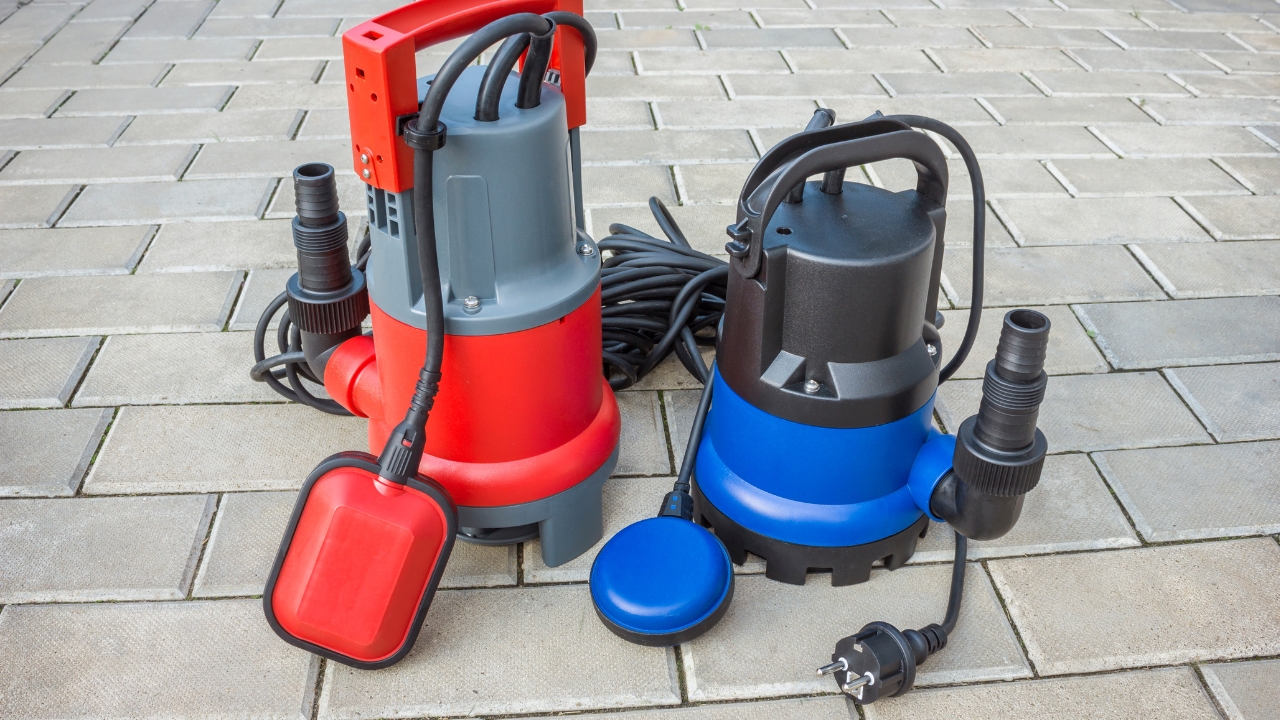
The float switch is the weak link on many setups, and it fails in boring ways. It can rub the pit wall, tangle in the cord, or fill with water and lose buoyancy. When it sticks on, the pump runs until it burns up. When it sticks off, you get a wet floor.
Pull the lid and test the float a couple times a year by lifting it by hand, you should hear a clean click and the pump should start fast. Keep cords zip-tied so nothing loops under the float. If your pit is narrow, a vertical float switch or an electronic switch is often a better fit than a long tethered float.
7. Letting The Pump Run Dry Repeatedly
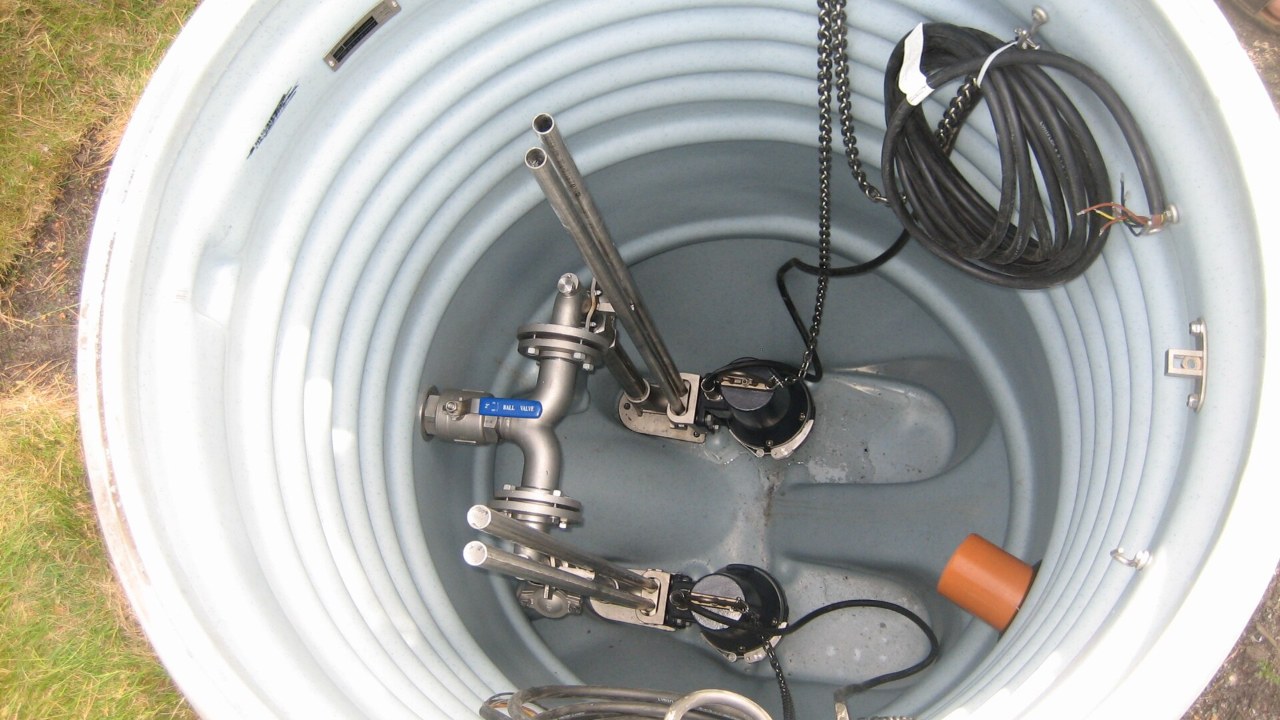
Dry running cooks seals and overheats the motor. It happens when the switch is set too low, when the pit is shallow, or when you have a strong pump in a small basin that empties in seconds. The sound changes, it gets higher pitched and “hissy,” and the discharge turns to spurts.
Raise the shutoff point so the pump always has some water around the intake when it starts and stops. If you need a powerful pump because the water comes in fast, consider a deeper pit instead of relying on a big motor to do short bursts. This is one of the few times “bigger” is not better.
8. Plugging Into A Shared, Trippy Circuit
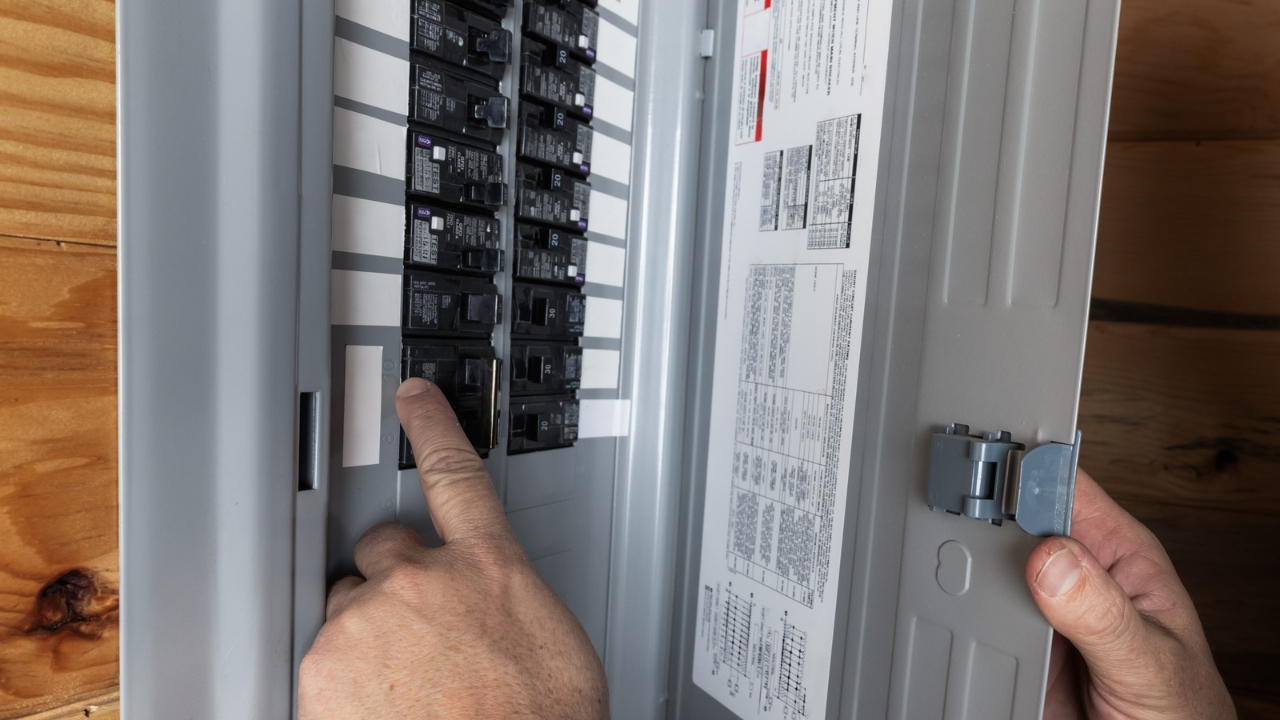
Freezers, shop vacs, dehumidifiers, and sump pumps on the same circuit is asking for a blackout at the worst moment. A motor that keeps losing power and restarting runs hotter and wears out faster. You might not see the trip until you find the pit full and the outlet dead.
Move other loads off that circuit or have an electrician install a dedicated circuit for the pump. If the breaker trips repeatedly, do not just upsize the breaker, that is a fire risk and against code. Track down the real problem, which could be the pump, the wiring, or a failing outlet.
9. Buying A Cheap Pump For A Hard Job
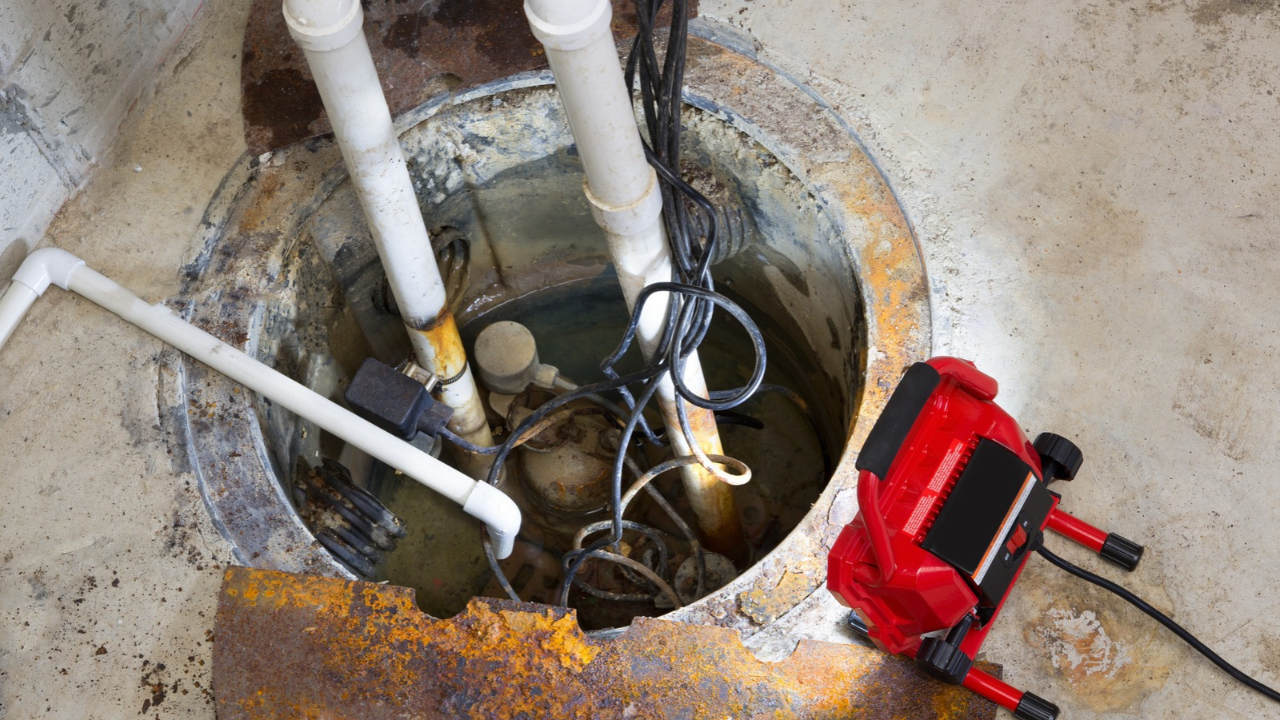
Some pumps are fine for a small pit that sees water a few times a year. Others get asked to handle spring thaw, heavy clay soil, and long discharge runs every week. A bargain pump can work, but if it is running daily, the savings disappear the first time you replace it during a storm.
Match the pump to the head height and the amount of water you actually get, not the label hype. A cast-iron body can handle heat better than lightweight plastic in constant-duty setups, and a better switch is often worth more than extra horsepower. The exception is a rarely used backup pit or a place that only gets water after freak storms, a simple pump can be a reasonable buy there.
10. Skipping A Battery Backup Or Water Alarm
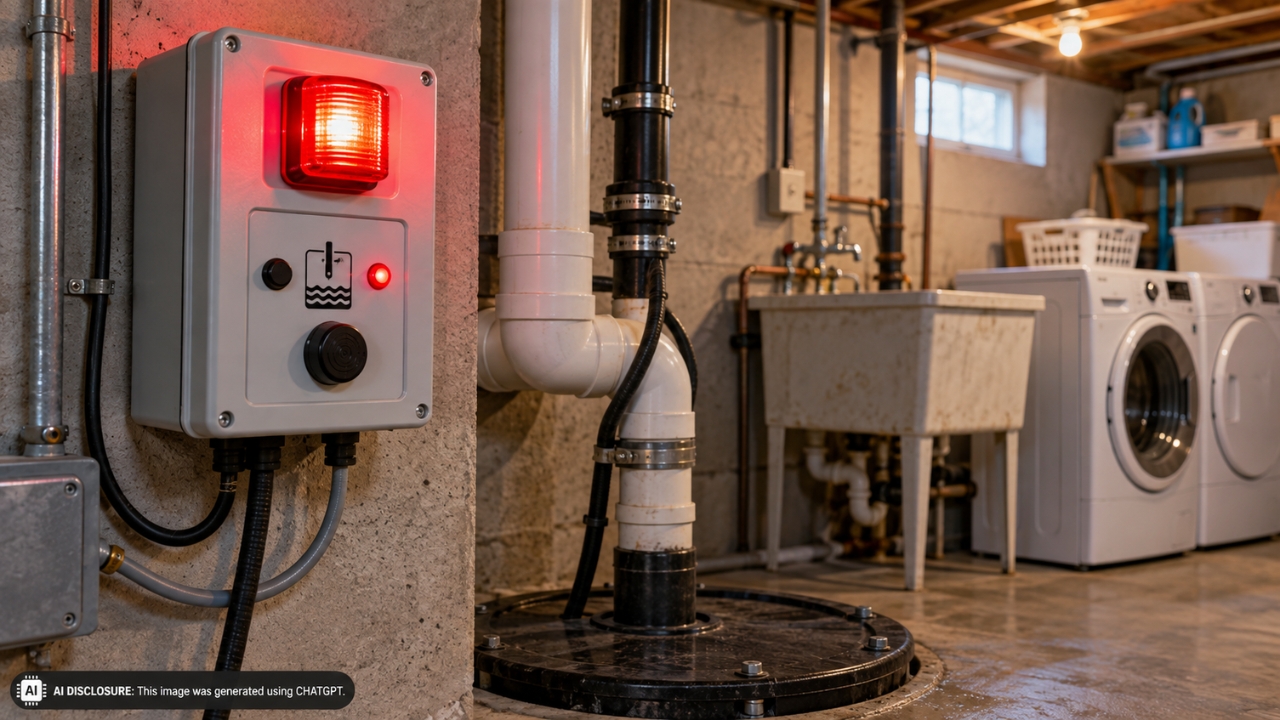
This one does not burn out the pump directly, but it leads to panic pumping and rushed replacements that end in mistakes. When the power goes out and water is rising, the main pump gets abused, the discharge line gets rigged, and cords get run where they should not. After the emergency, that stressed pump keeps limping along until it dies early.
A battery backup pump or a water-powered backup can buy you time, and a simple water alarm in the pit tells you something is wrong before the carpet gets soaked. Install the backup on its own charger and test it a couple times a year. If you go water-powered, check local code and backflow rules, that is not a DIY corner-cut job.
Most sump pump “bad luck” is really small problems left alone until a storm forces them to matter. Spend an hour on a dry weekend cleaning the pit, checking the float travel, and looking at the discharge outside. The next time the rain hits hard, the pump can do its job without getting punished for the setup around it.
Like Fix It Homestead’s content? Be sure to follow us.