
10 Things That Should Never Be Run on an Extension Cord
Photo credit: Andrew Angelov/Shutterstock.com
An extension cord feels like a quick fix until something starts to smell hot or the tool bogs down for no good reason. Most cords on a homestead get dragged through grass, pinched in doors, and left out in the weather, then asked to carry heavy loads anyway. Some machines just do not belong on a cord, and a few are fine only with the right cord and the right setup.
1. Space Heaters And Heat Lamps
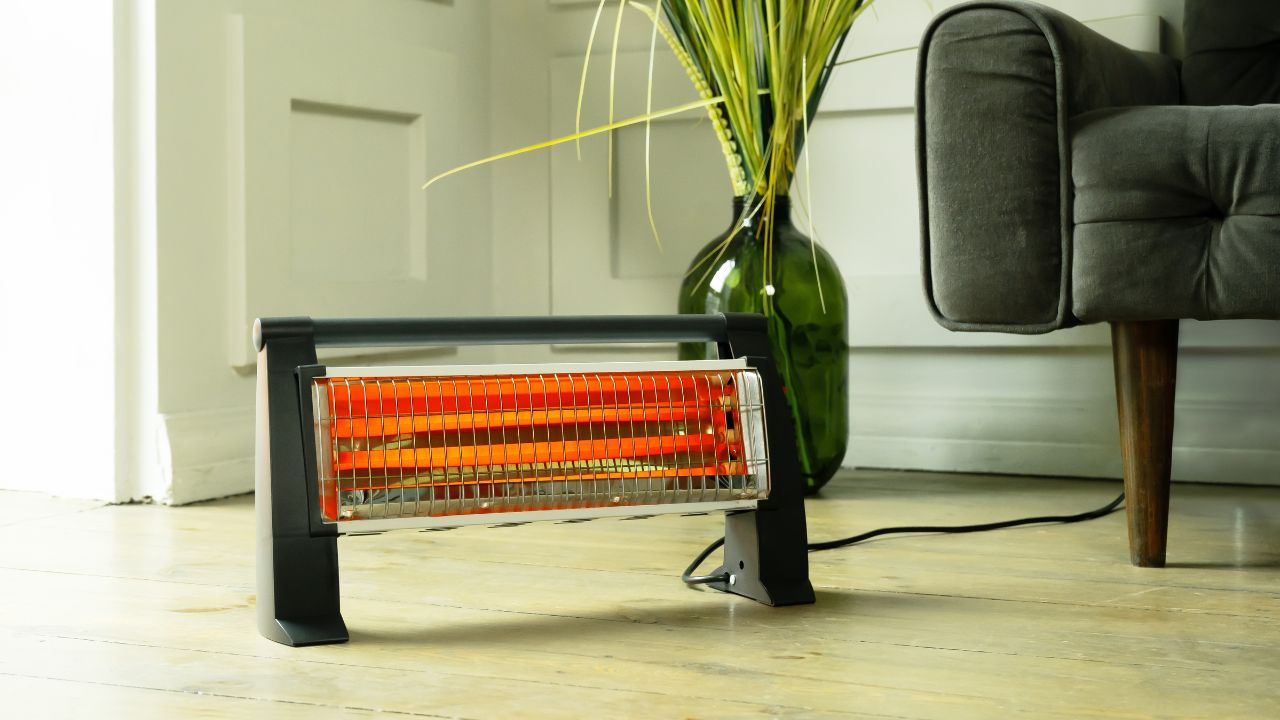
If you’ve ever walked past a heater and caught that warm plastic smell, that’s your warning. Portable heaters pull a lot of current for a long time, and extension cords add resistance that turns into heat at the plug ends. That heat happens right where connections are loose, dusty, or half-unplugged.
Plug space heaters straight into a wall outlet, no power strip, no cord. If you need heat in a barn, coop, or workshop, install a proper receptacle on the right circuit or use a hardwired heater that’s sized for the space. For heat lamps, treat them the same way, and keep cords off straw and shavings.
2. Window Air Conditioners

Summer hits, you drag the unit out, and the cord is always two feet short. A window AC has a big startup surge and then runs for hours, which is rough on extension cords and rough on the compressor when voltage drops. The result is a hot plug, tripped breaker, or a dead AC that costs way more than a new outlet would.
The fix is boring but pays off. Put the AC where it can reach a dedicated outlet, or have an electrician add one on the right circuit, especially in older houses with crowded panels. If the unit’s manual says no extension cord, believe it.
3. Refrigerators And Freezers

A chest freezer in the garage often ends up on a cord because the outlet is on the wrong wall. The compressor doesn’t like low voltage, and a long or skinny cord can drop voltage enough that the motor runs hotter than it should. You might not notice until the freezer starts cycling strangely or food softens around the edges.
Move the appliance or add an outlet where it belongs. If you’re in a pinch during a move or a short power shuffle, a heavy, short, properly rated cord can be an acceptable temporary bridge for a day or two. Do not make it a season-long habit, and check the plug ends for heat the first hour.
4. Microwaves And Countertop Ovens

The cord reaches, so it feels fine. Then the cord end gets warm, the lights dim when the magnetron kicks on, or the breaker trips when the toaster oven and the coffee maker overlap. These appliances draw hard and fast, and cheap cords do not take that kind of pulse well.
Use a proper kitchen receptacle, ideally on the intended small appliance circuits. If your kitchen has too few outlets, that’s a real home improvement project, not a cord problem. Adding outlets is usually a job for a licensed electrician, and in many areas it triggers permit and code requirements.
5. Sump Pumps And Sewage Ejector Pumps
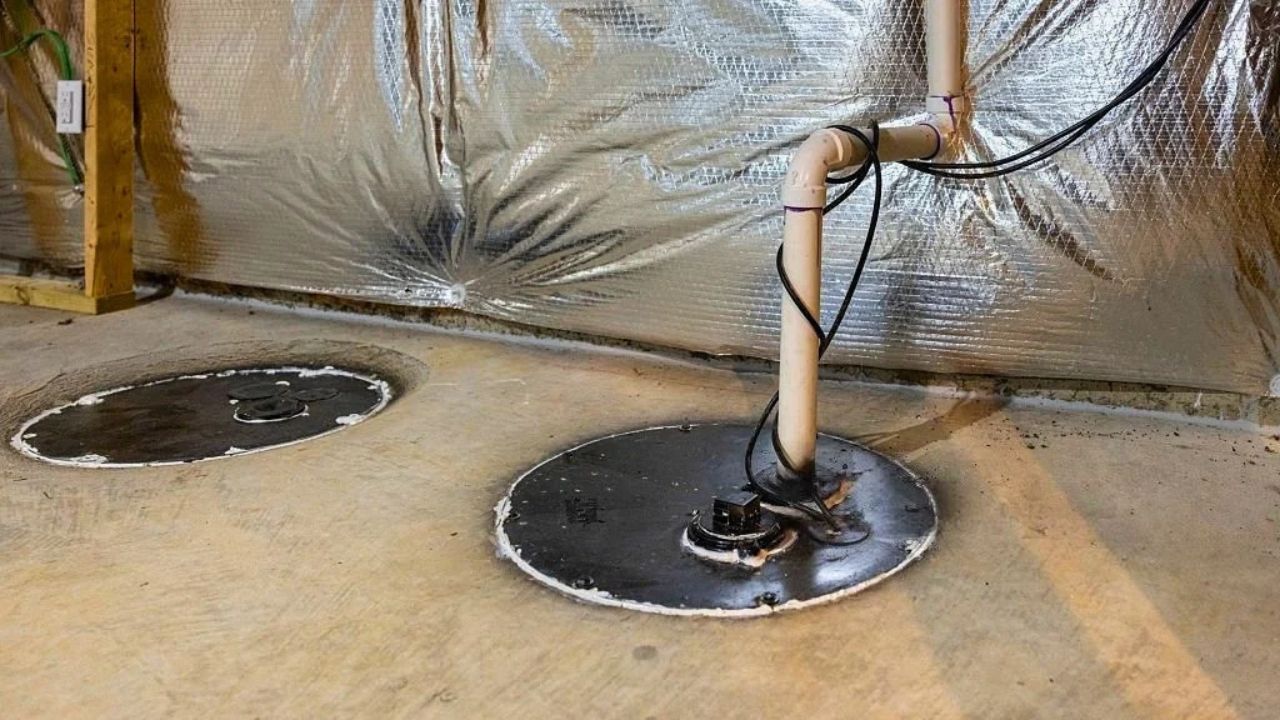
This one fails at the worst moment, during a heavy rain when you’re already busy. Pumps need full voltage to start under load, and extension cords add one more place for corrosion, loose connections, and failure. A cord lying on a damp basement floor also turns a small electrical problem into a serious hazard.
A sump pump should be plugged directly into a proper outlet, often a dedicated circuit, and many setups call for a GFCI depending on local code and the manufacturer’s directions. If you don’t have a correct outlet where the pump sits, call an electrician. This is not the place to “make it work for now.”
6. Electric Chainsaws And High Draw Tools
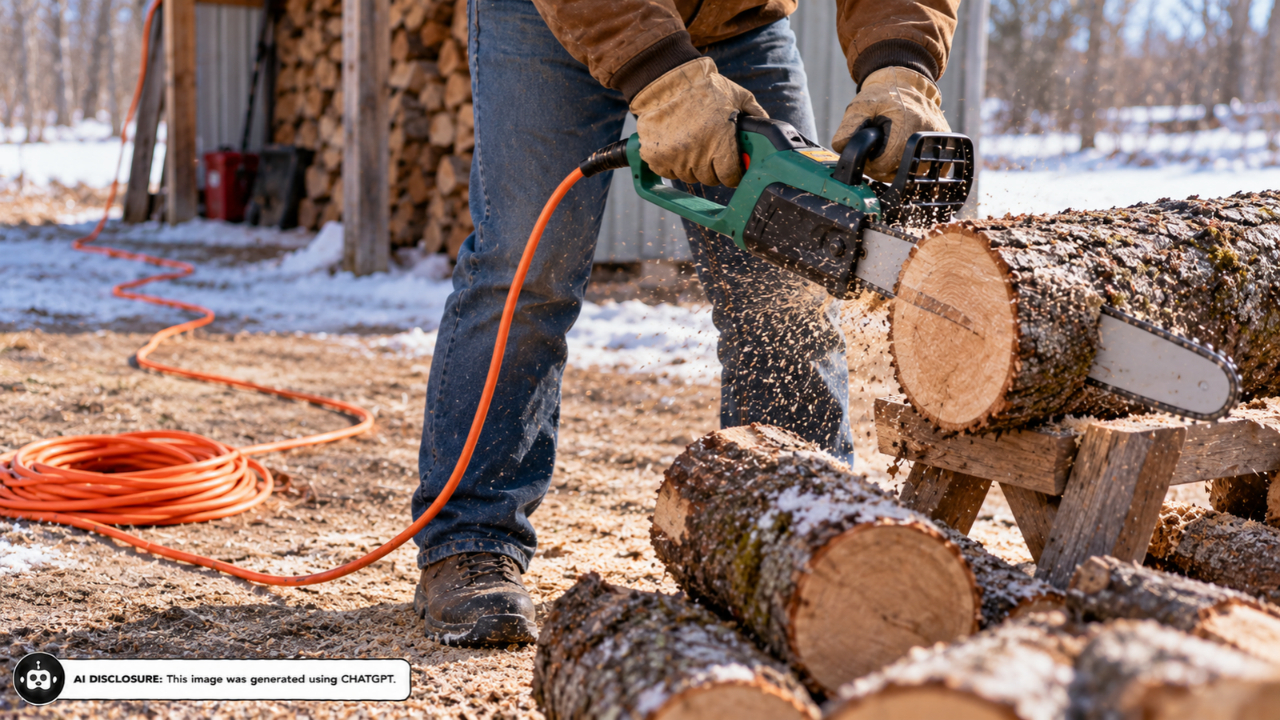
Electric chainsaws, big grinders, and heavy corded saws can run on an extension cord, but not on the wrong one. Too thin or too long means voltage drop, which makes motors run hotter and dulls performance. You hear it as a strained, unhappy sound, and you feel it as weak torque.
If you must use a cord, use a heavy gauge outdoor cord and keep it as short as you can. For regular firewood cutting, it usually makes more sense to switch to battery tools with spare packs, or step up to gas, rather than feeding a hungry motor through 100 feet of bargain cord. And never run the cord where it can get cut or pinched, because it will.
7. Welders And Plasma Cutters
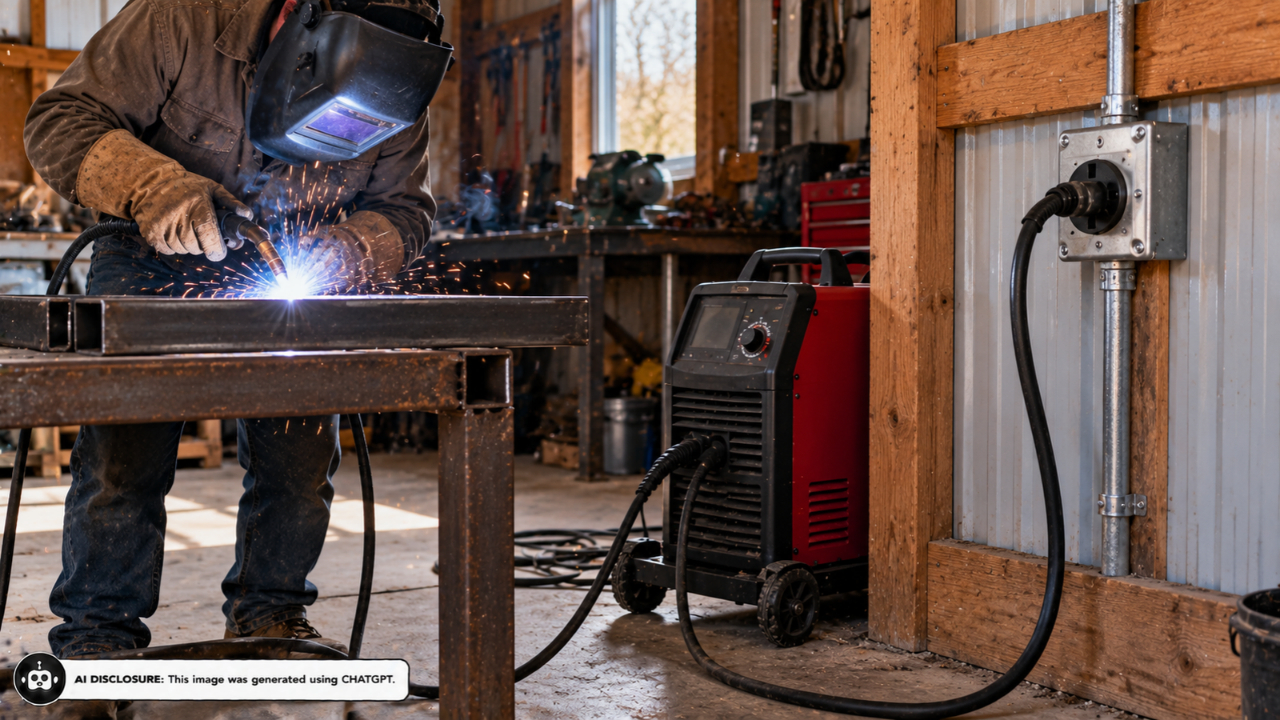
These machines want a stable supply, and they want it through the right receptacle. Running them on an extension cord invites nuisance trips, weak arcs, and overheated connections that can scorch plugs and outlets. Even if it “works,” it’s hard on the machine and hard on your wiring.
Set up a proper circuit and outlet where you weld, sized for the machine’s requirements. That’s licensed electrician territory for most homeowners, and it may need a permit. If you’re welding in a shed, plan the power before you move the welder in.
8. Tire Inflators And Small Air Compressors
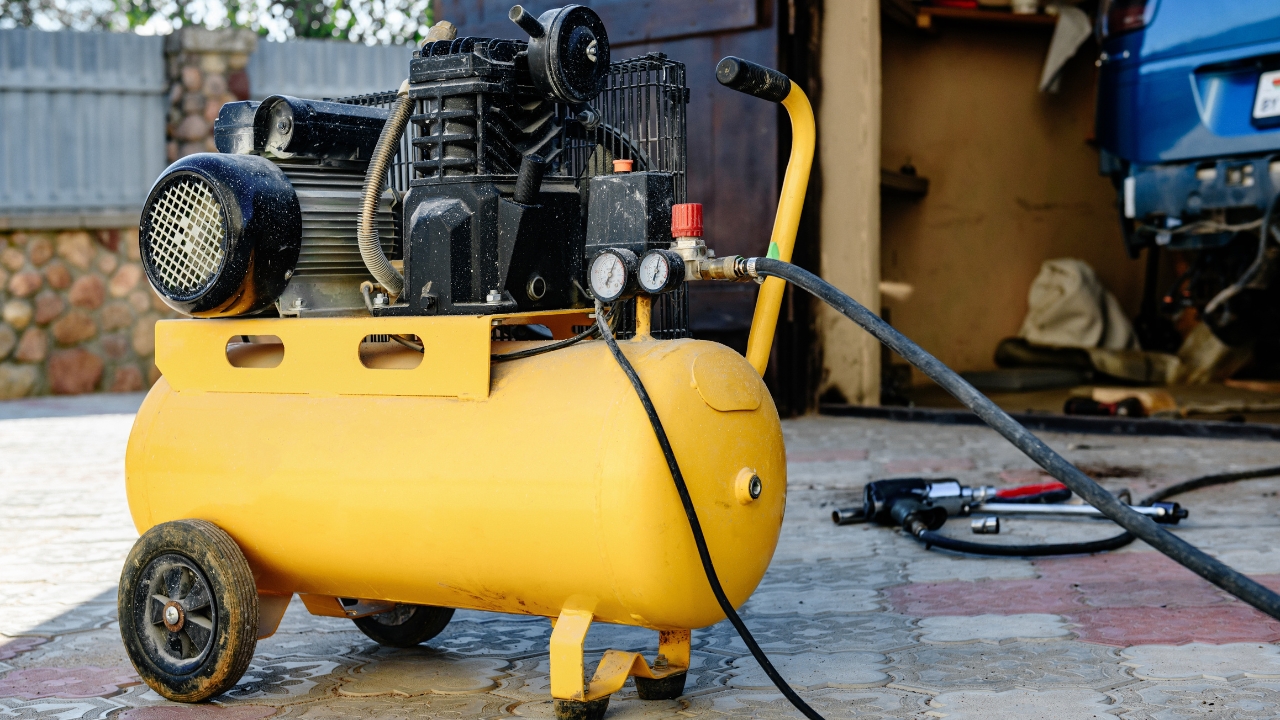
This one surprises people because the tool looks small. Compressor motors pull a strong startup load, and a long cord makes them struggle to get up to speed, especially in cold weather. The motor sits there growling, building heat, and the breaker is the only thing saving it.
Bring the compressor to the outlet, not the other way around, or install an outlet where the compressor lives. If you only need air at the far end of the driveway, run a long air hose instead of a long extension cord. Hoses do not overheat at the plug.
9. Dehumidifiers And Portable AC Units

Basements are already hard on electrical gear. A dehumidifier runs for hours in damp air, pulls steady current, and often sits where cords get kicked, dripped on, or run under rugs. Add an extension cord and you’ve got extra heat and extra failure points in a wet area.
Use a direct wall outlet, keep the cord off the floor if you can, and clean the filter so the machine doesn’t run longer than it has to. If the basement has only one outlet and it’s across the room, adding a properly placed receptacle beats living with a cord forever.
10. Anything Plugged Into A Daisy Chain
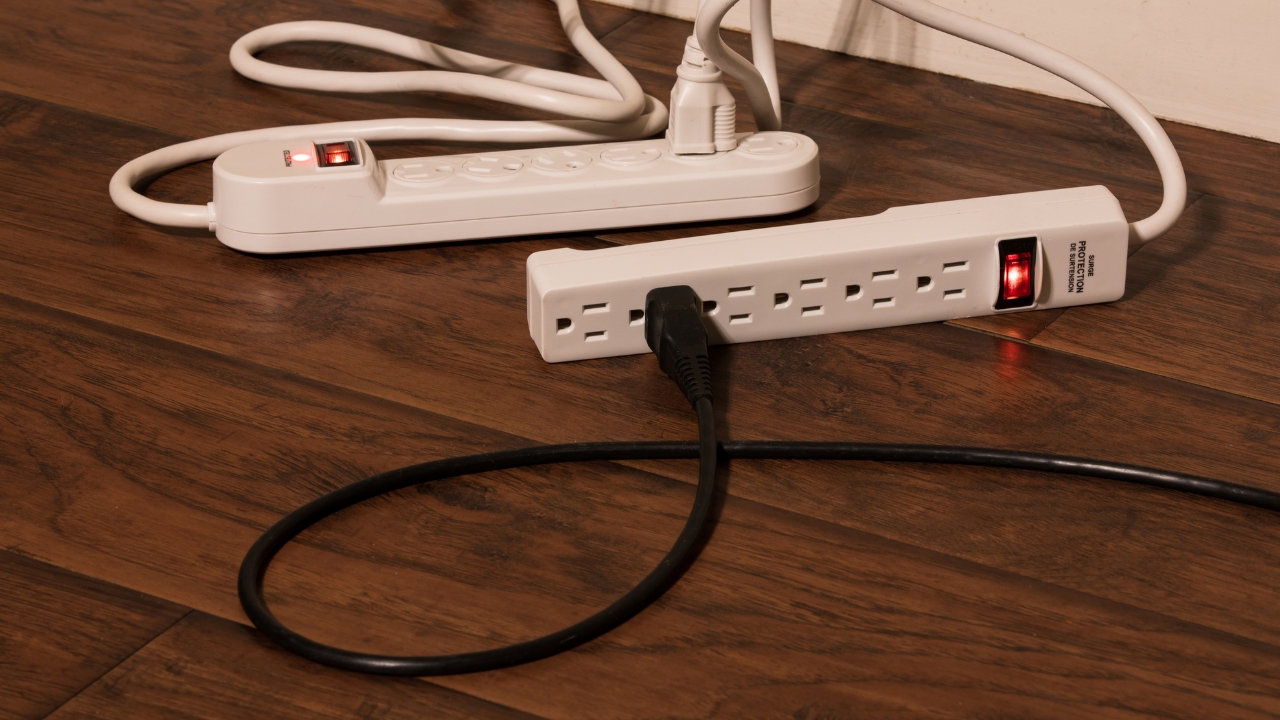
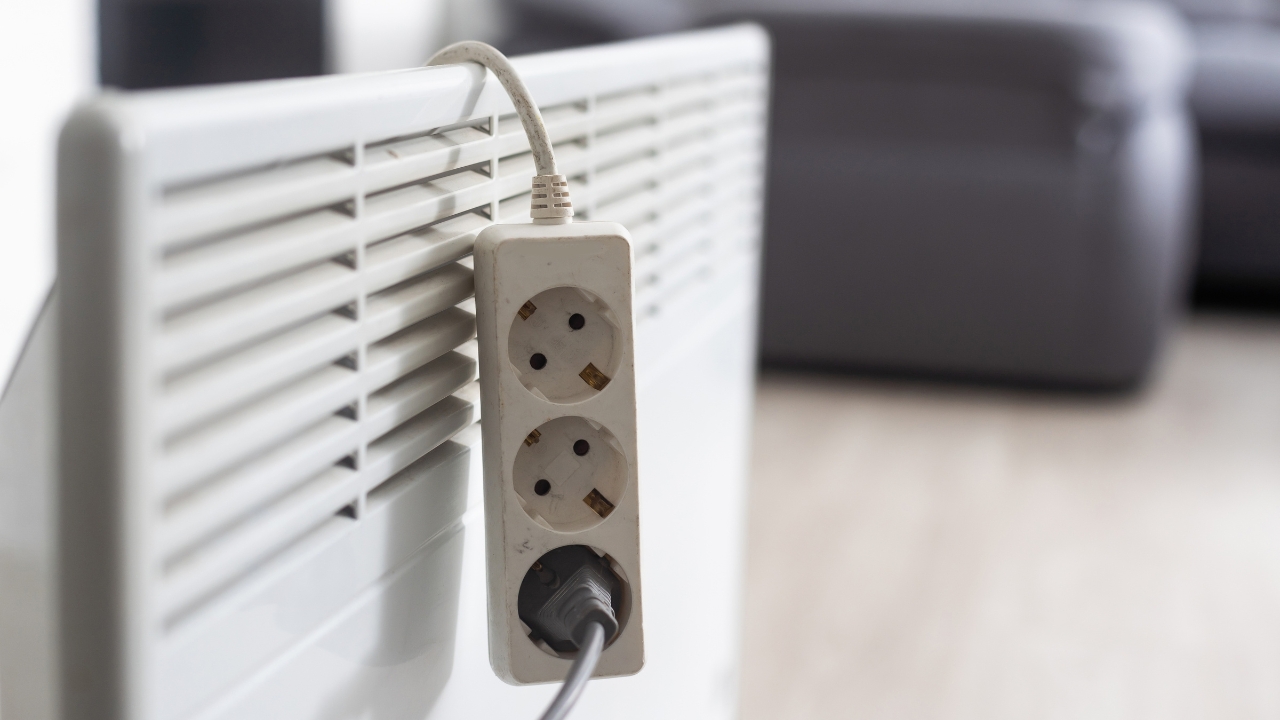
The real trouble starts when one extension cord becomes two, then a power strip shows up, then somebody adds another strip because there’s never enough reach. Connections loosen, cords get warm, and it becomes impossible to know what load is on what. This is how small problems turn into scorched outlets and melted plugs.
One cord, one job, temporary use. If a spot needs power every week, install power there, even if it means running a new circuit to a garage, shed, or workbench. Plan it, do it once, and stop feeding your whole workspace through a chain of weak links.
If you keep a couple good outdoor cords on hand, label their gauge, and retire any cord with a loose end or cracked jacket, you’ll avoid most of the sketchy situations. The bigger win is adding outlets where you actually work, so “just grab a cord” stops being the default fix.
Like Fix It Homestead’s content? Be sure to follow us.