
10 Things That Should Never Share One Outlet
Photo credit: Fix It Homestead
Most houses and barns have a few outlets that end up doing all the work. A power strip shows up, then another, and pretty soon one receptacle is feeding half your daily routine. The problem is that some pairings don’t just trip a breaker, they cook cords, kill expensive gear, or start problems you won’t notice until something smells hot.
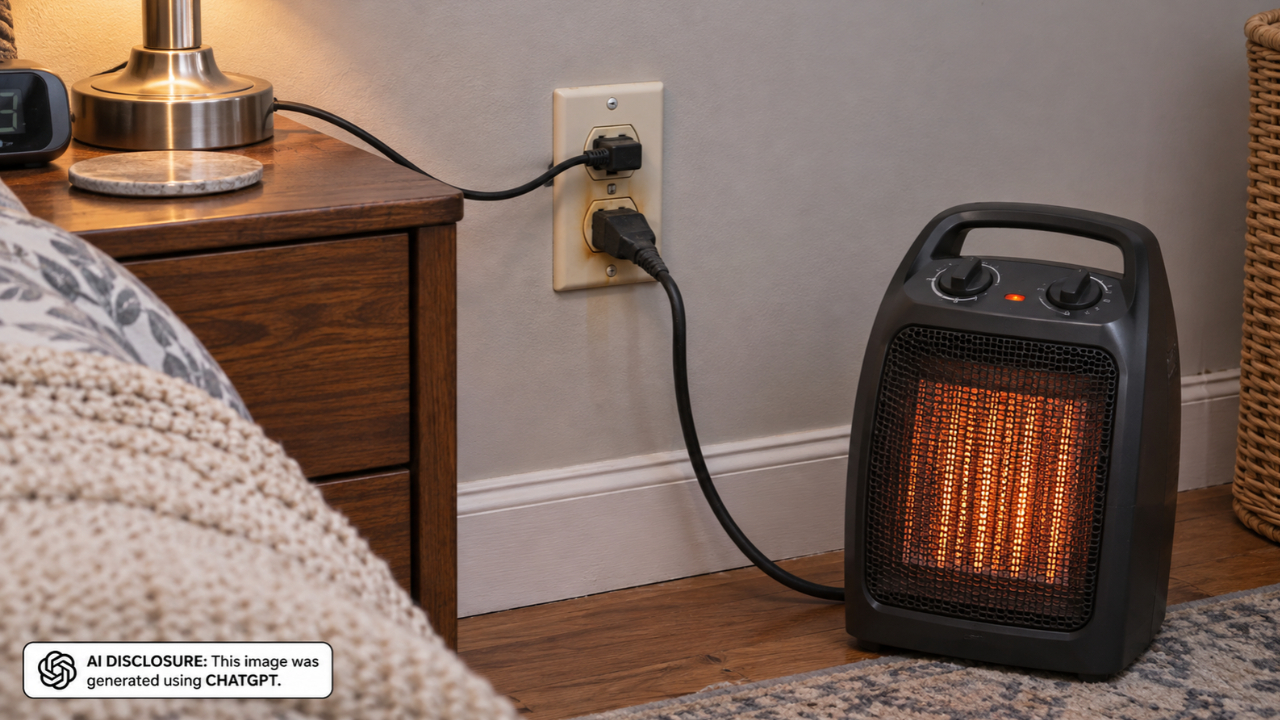
1. Space Heater And Anything Else

Plugging a space heater into a shared outlet is how you get a warm room and a hot plug. Heaters pull a lot of amps for a long time, and the weak point is often the outlet itself. You’ll notice a loose plug, a browned faceplate, or a faint plastic smell before you ever trip the breaker.
Give a space heater its own outlet, straight into the wall, no power strip. If it still trips the circuit, that’s not the heater being “too strong,” that’s the circuit telling you it’s full. If you need heat in a workshop or bedroom all winter, adding a new circuit is a job for a licensed electrician.
2. Microwave And Coffee Maker Together
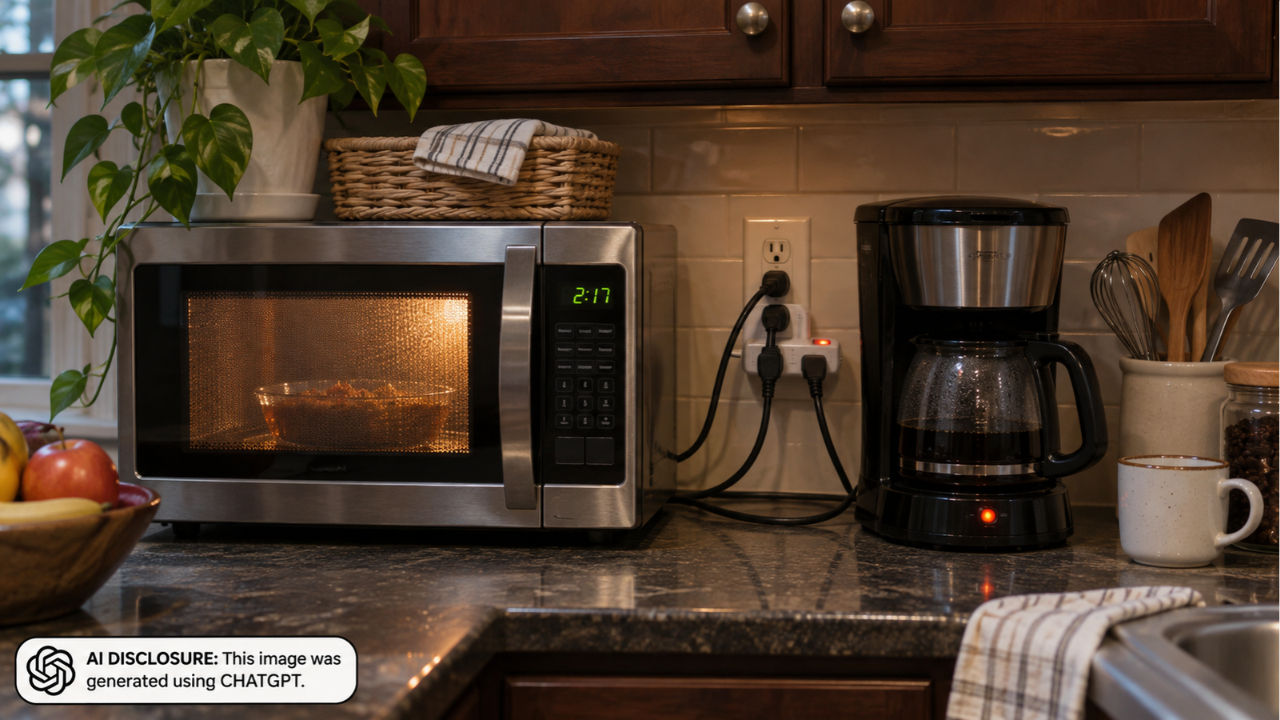
This one shows up in kitchens with too few outlets. The microwave kicks on and the lights dim, then the coffee maker’s hot plate clicks, and you get a breaker trip right when you’re late. Even if it doesn’t trip, that repeated high draw beats up a cheap power strip and a tired outlet.
Put the microwave on one receptacle and move the coffee maker to another circuit if you can. If you’re stuck with one spot, run the coffee first, then the microwave, not both. If the kitchen only has one working outlet, that’s a fix worth making, not a habit worth keeping.
3. Fridge Or Freezer And A Power Strip
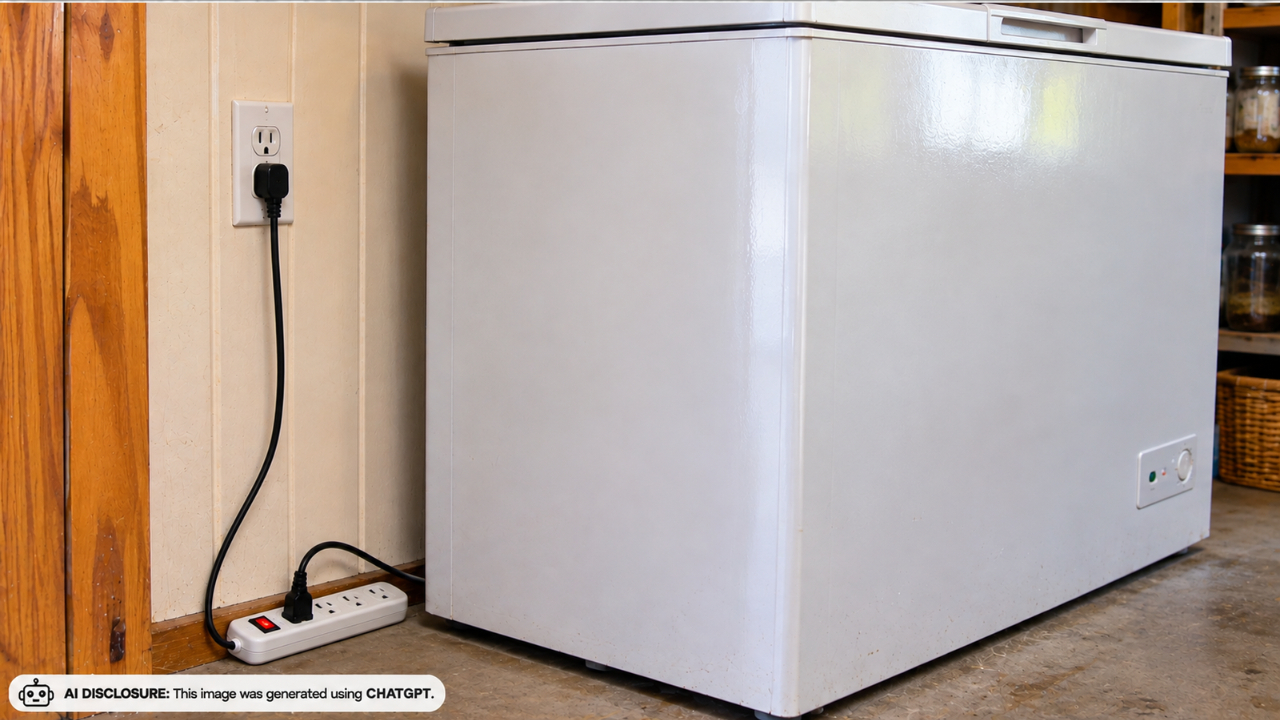
A refrigerator doesn’t look like a heavy load, but the compressor start-up is hard on cords and strips. Power strips aren’t built for that kind of surge over and over, and they also love to slide behind the fridge where you can’t see heat damage. If the strip fails, you don’t find out until the milk is warm.
Plug fridges and freezers straight into a good, tight wall outlet. If the cord won’t reach, use a heavy-duty extension cord only as a short-term fix, and replace it with a proper outlet relocation when you can. If the plug or outlet ever feels warm, stop and deal with it.
4. Sump Pump And Dehumidifier On One Plug
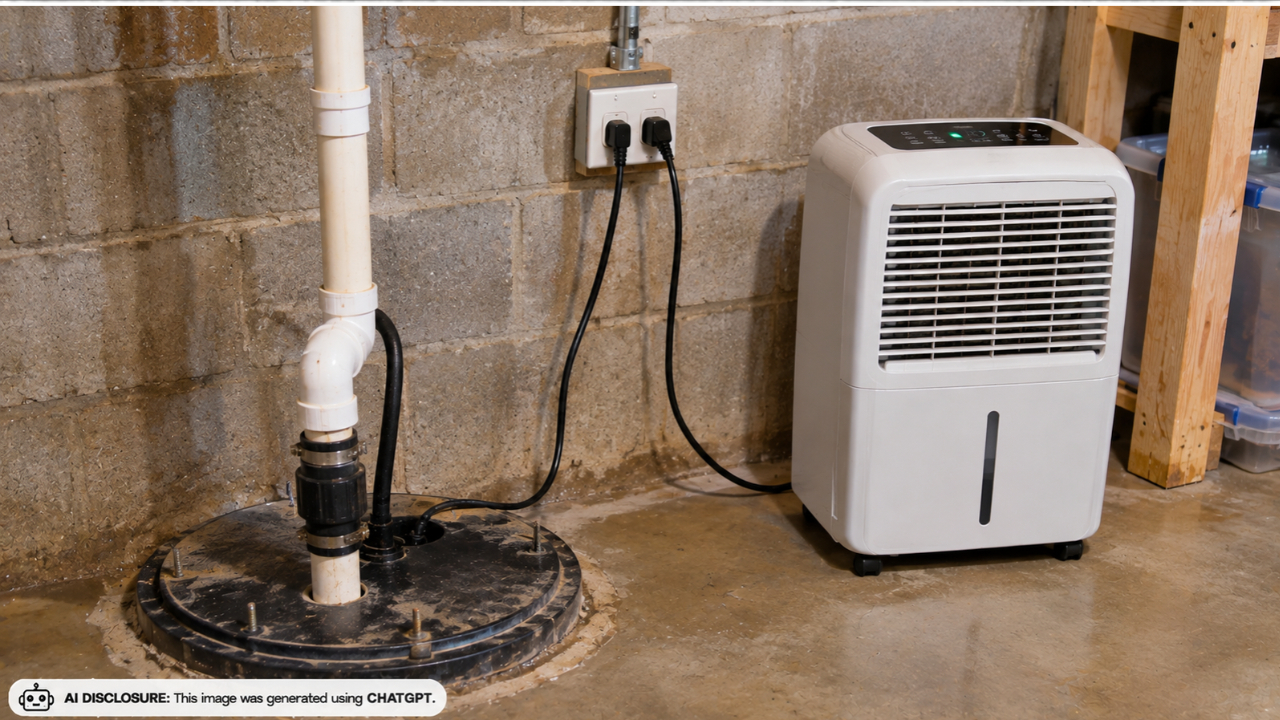
The time this bites you is during a wet spell when you’re already stressed. The sump pump starts, the dehumidifier is already running, and suddenly you’ve got a tripped GFCI or breaker and rising water. Those motors and compressors don’t like sharing.
Give the sump pump its own outlet, ideally a dedicated circuit, and keep the plug connection up off the floor. Dehumidifiers can move to another outlet or run on a timer so they’re not kicking on at the same instant. If your sump setup is complicated or you’re tempted to rewire things near water, call a pro and follow local code.
5. Window AC And Vacuum Cleaner
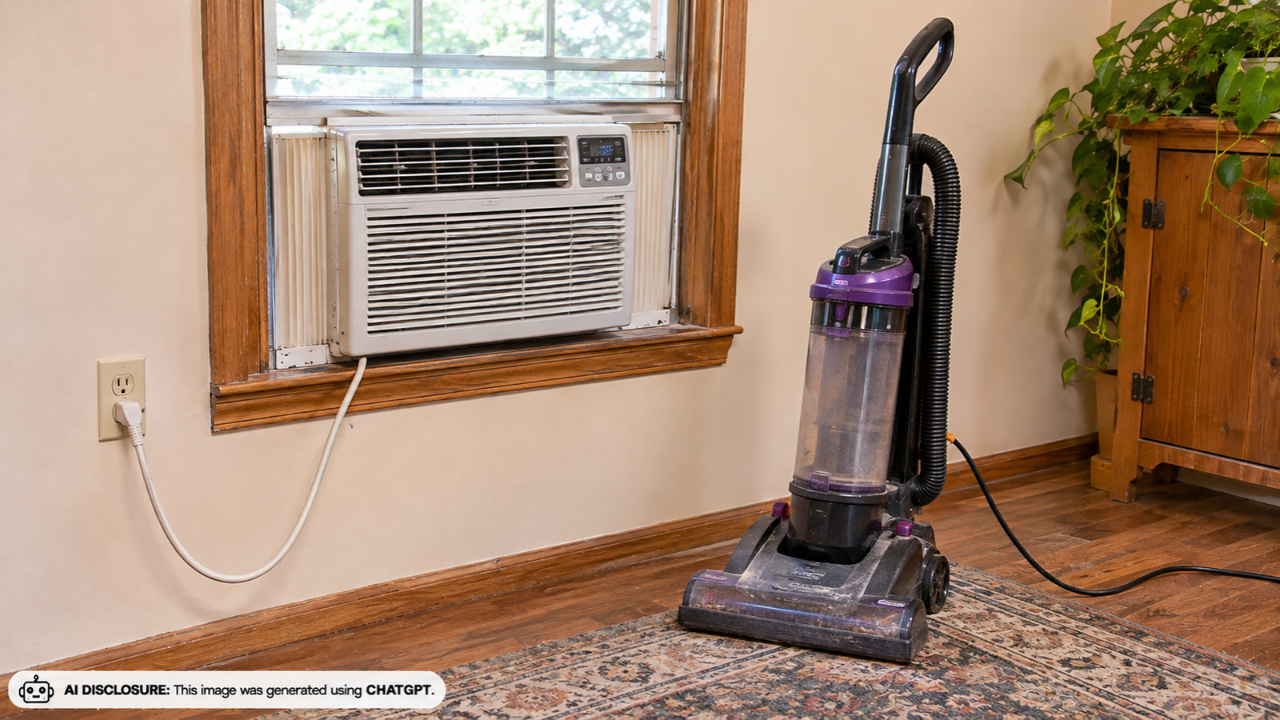
Summer is when you hear it, the AC changes pitch, the vacuum bogs down, and then everything goes dead. Window units pull steady power, and vacuums pull a big gulp at startup. Put them together and you’ll trip the breaker or slowly loosen up the outlet contacts.
Vacuum on a different circuit, even if it means using an outlet down the hall for 15 minutes. If the room only has one circuit and the AC has to run, sweep first, vacuum later. A dedicated outlet for the window unit is money better spent than replacing an outlet that’s been cooked loose.
6. Laser Printer And Space Heater
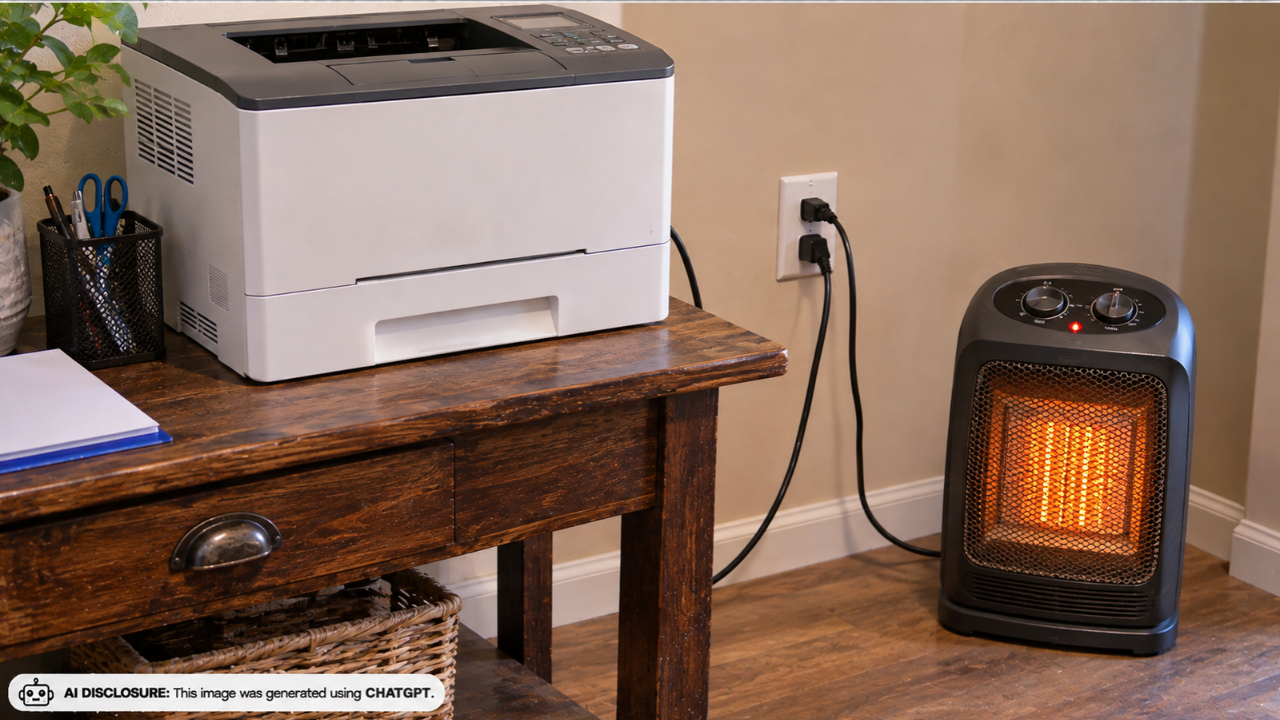
Laser printers have a heated fuser that draws a burst of power, especially when it wakes up from sleep. Pair that with a heater, and you get random shutdowns, flickering lights, and print jobs that stop halfway. People blame the printer, but the outlet is the real problem.
Put the heater somewhere else, or swap to a small oil-filled radiator heater on its own outlet if you need steady warmth. If the printer is on a power strip under a desk, upgrade to a quality strip with a short cord and keep it where you can see it. If the printer starts leaving a hot smell near the plug, stop using that outlet until it’s checked.
7. Battery Charger And Extension Cord Spools
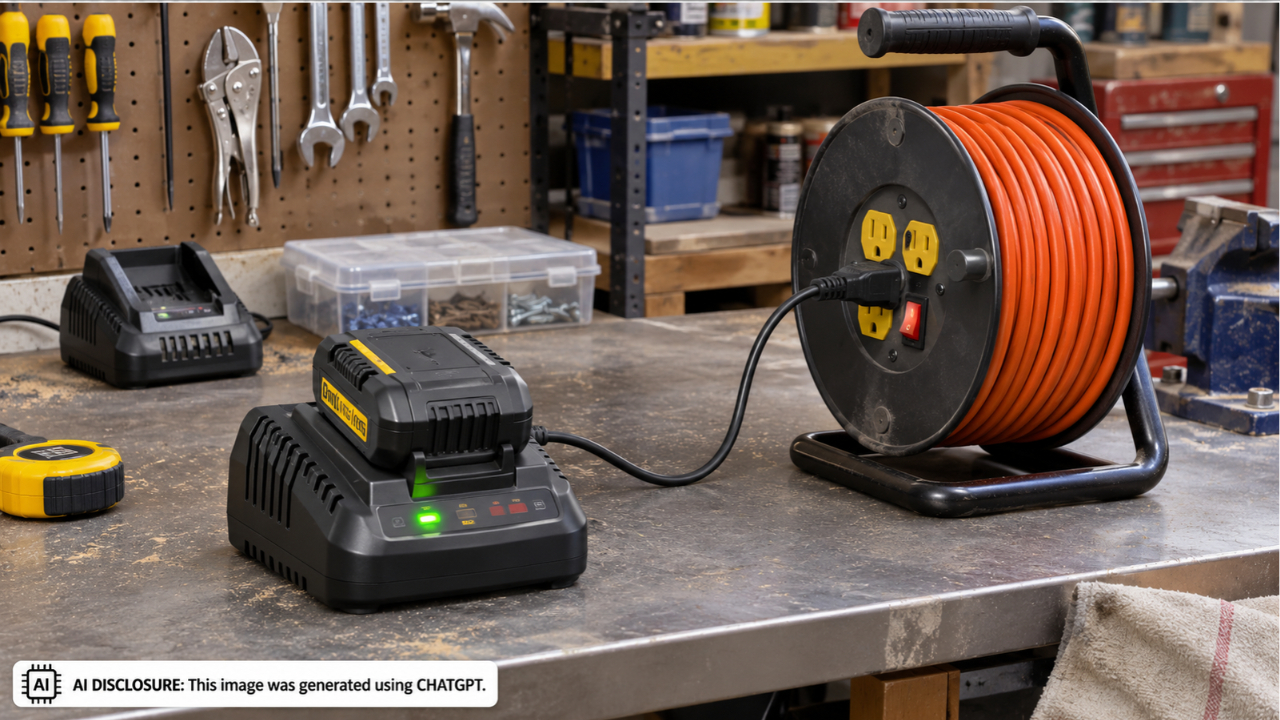
In the shop, chargers end up plugged into whatever is closest, often a cord reel that’s still coiled. Coiled extension cords can heat up under load because the heat can’t shed, and chargers can run for hours. Add another tool on the same outlet and you’ve got warm insulation and a tripped breaker at best.
Unspool extension cords fully before you put a charger on them, and don’t stack chargers on one cheap strip. Better yet, mount a proper outlet strip along a bench and feed it from a correctly sized circuit. If you’re charging lithium packs, keep them on a nonflammable surface with space around them, not in a pile of rags.
8. Shop Vacuum And Table Saw On One Receptacle
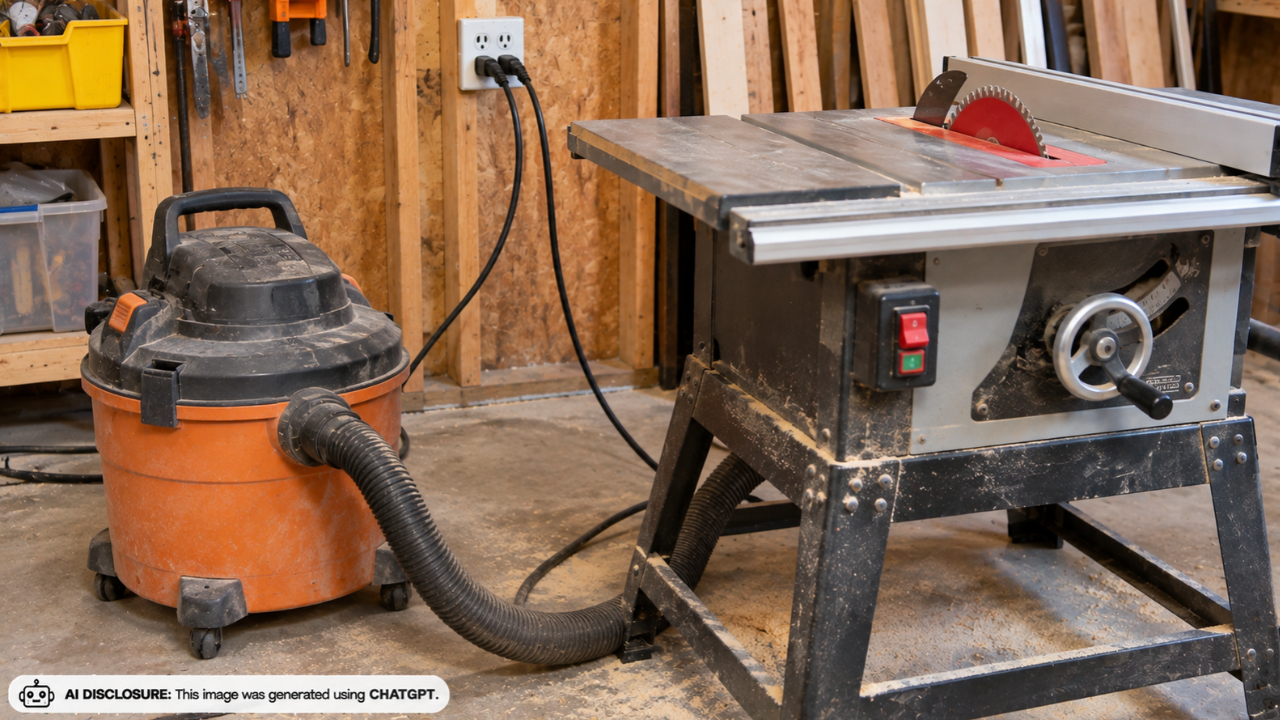
This pairing is tempting because it feels productive, cut and collect dust at the same time. The issue is that both have motors with high startup draw, and a saw that sags in power is more than annoying. You’ll hear the blade slow and you’ll feel the saw hesitate, which is when bad cuts and kickback become more likely.
Run the shop vac on a different circuit, even if it means a heavy-duty extension cord to another wall. If you want both to start together, look into a proper automatic vacuum switch rated for the loads and the tools you use. If you’re already popping breakers with a single tool, stop and get the wiring looked at before you keep “making it work.”
9. Two Surge Protectors Daisy Chained
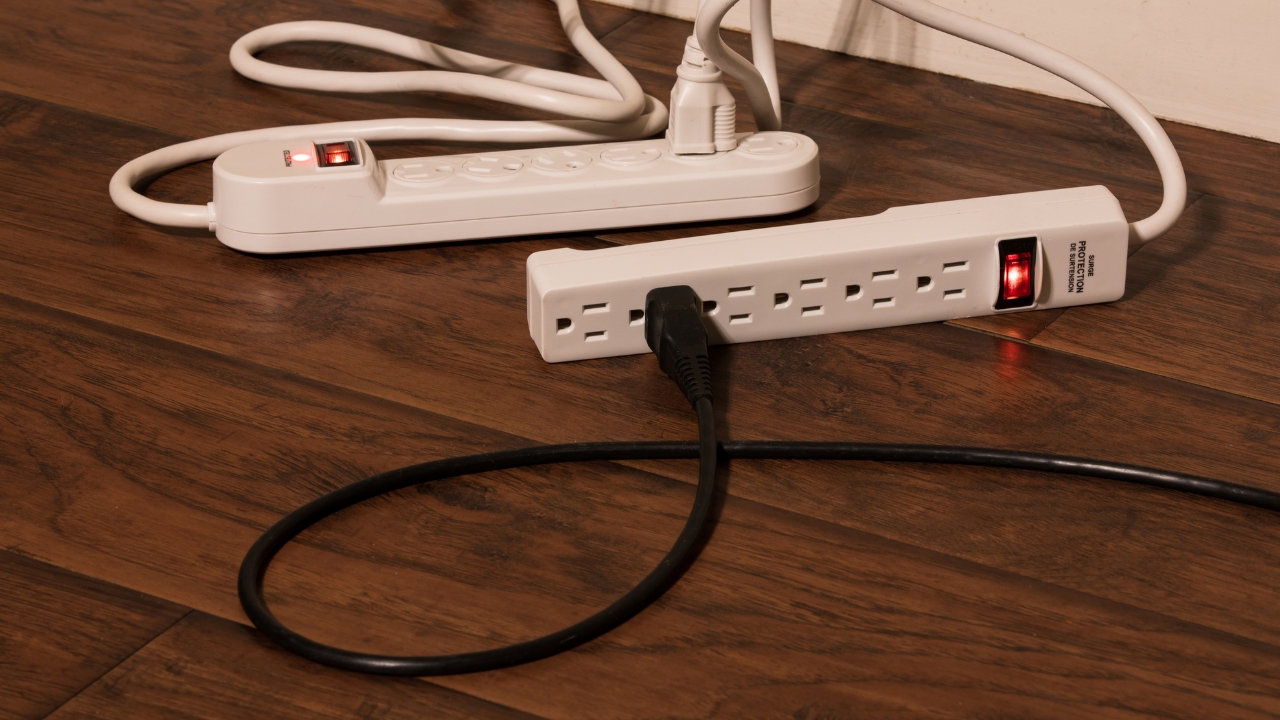
This is the classic “just one more plug” move. Daisy chaining power strips and surge protectors makes it easy to overload one outlet without noticing, and it also adds more cheap connections that can loosen and arc. The breaker might never trip because the load is spread out just enough to stay under the limit while heating a bad connection.
Swap the pile of strips for one quality strip with a long enough cord, or add a new outlet where you actually need power. There’s one honest exception, using a second strip temporarily for low-draw stuff like phone chargers or a lamp while you’re setting up a room, and only if the total load stays small. If the strips feel warm or the plugs fit loose, replace them.
10. GFCI Outlet And Freezer Full Of Food
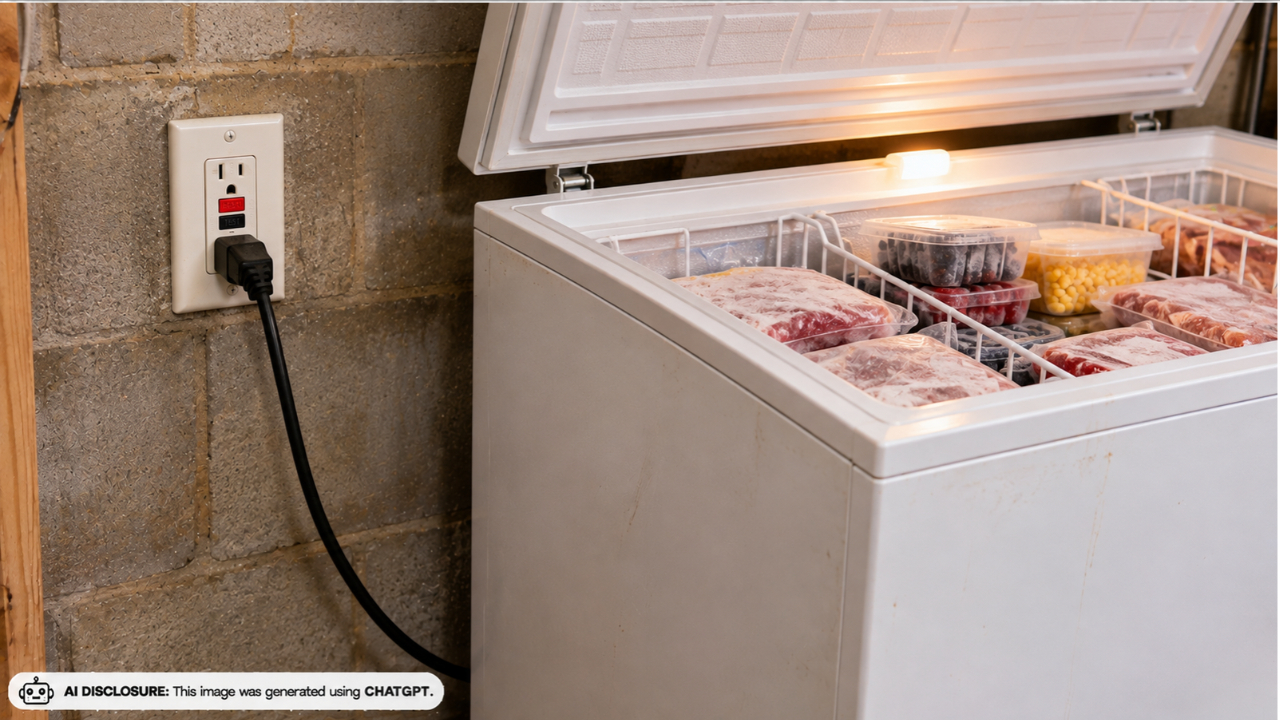
A garage or basement freezer is often plugged into the nearest GFCI because it’s the only outlet nearby. GFCIs are doing their job, but a nuisance trip can happen from moisture, age, or a motor start. You don’t find out until the next time you go looking for meat or garden berries.
If local code allows, have a licensed electrician add a dedicated receptacle for the freezer in the right location and protection type for that space. At minimum, use a plug-in alarm that beeps when power is lost and check the reset button when you’re out there. If you keep seeing trips, don’t ignore it, moisture in a box, cord damage, or a failing compressor can be behind it.
One outlet can handle a lot when the wiring is sound and the load is light. The trouble starts when high-draw heat and motors pile up on the same weak link. If plugs feel loose, plates look stained, or you’re living with regular trips, fix the outlet and the circuit instead of building a bigger nest of adapters.
Like Fix It Homestead’s content? Be sure to follow us.