
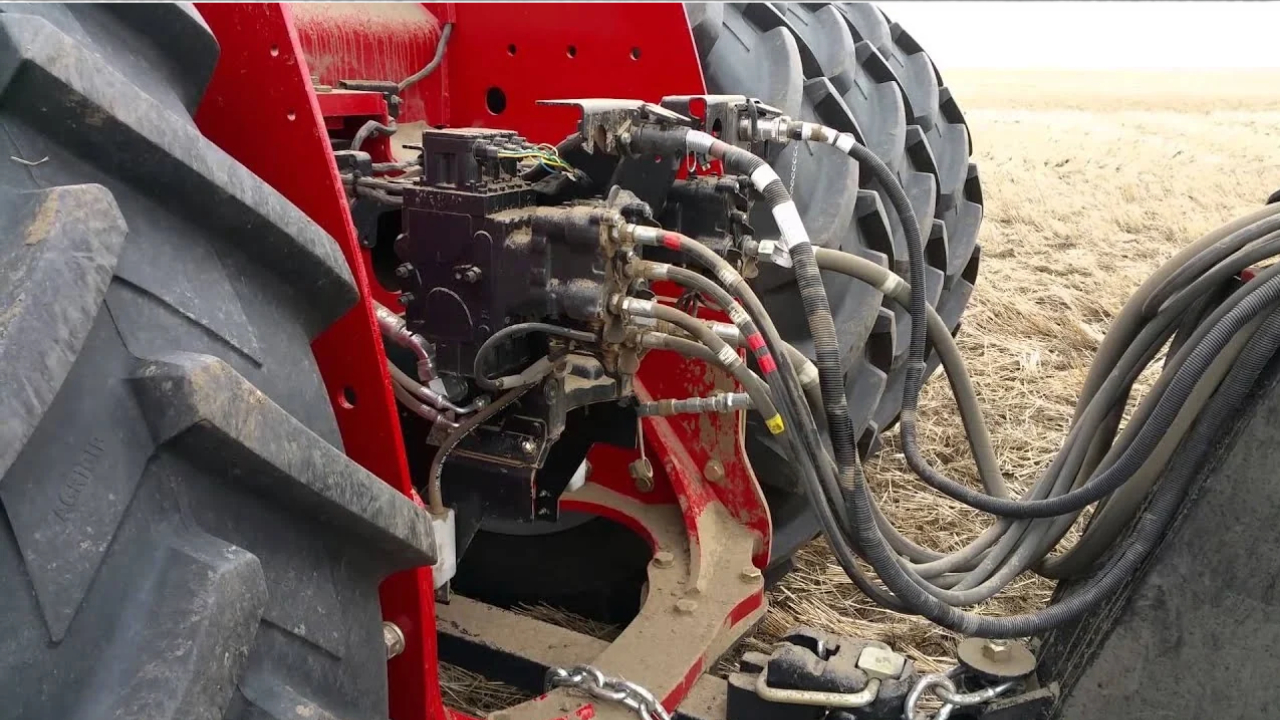
10 Reasons a Hydraulic System Fails in Cold Weather
Photo credit: jjfarm99/Youtube
Cold snaps have a way of turning a perfectly fine hydraulic setup into a slow, whining mess. The first sign is usually lazy cylinders, a pump that sounds strained, or a loader that just won’t lift what it did last week. Most winter failures aren’t mysterious, they’re a mix of thick oil, trapped water, tired seals, and shortcuts that only show up when the thermometer drops.
1. Using Summer-Weight Hydraulic Oil
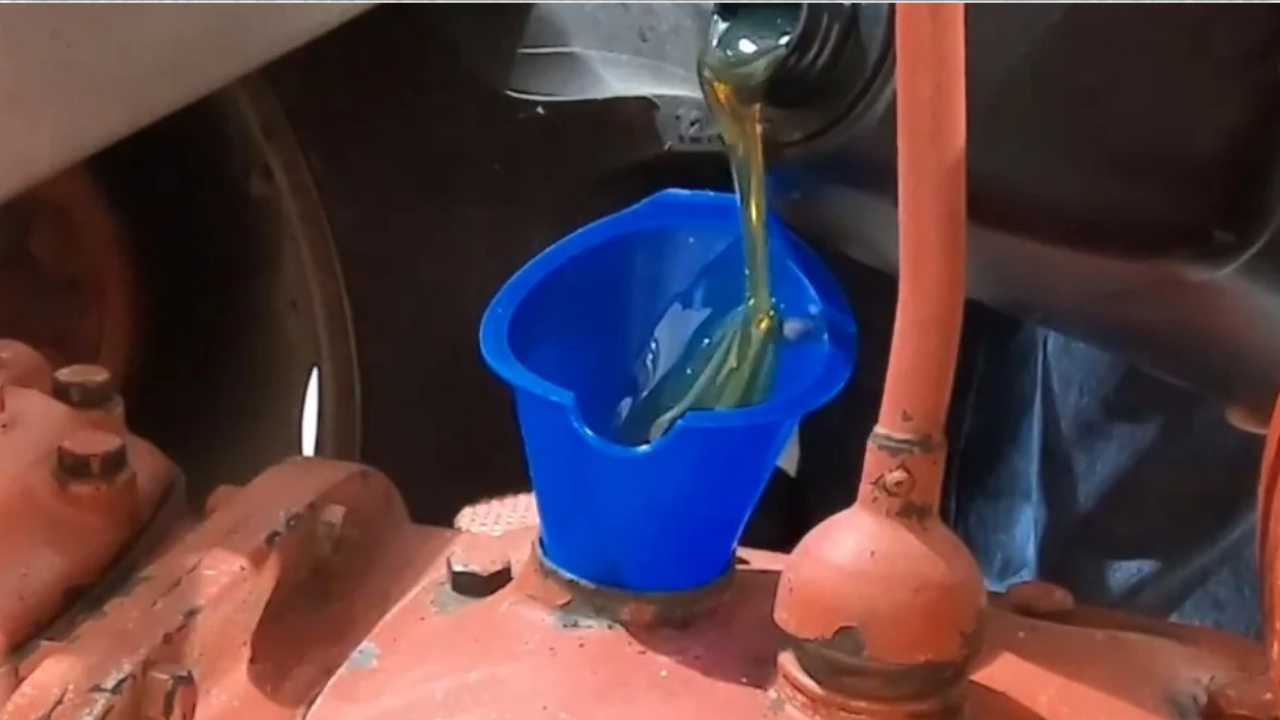
When the oil gets thick, everything drags. The pump has to work harder, the relief valve chatters, and your cylinders move like they’re stuck in syrup. You’ll hear more whine, feel more vibration in the lines, and notice the engine bog when you ask for lift or steering.
Look up the machine’s cold-weather fluid spec and switch before deep winter, not after the first hard freeze. Some systems are fine on a quality multi-grade hydraulic fluid, others really do need a lower-viscosity winter oil. If you change oil in the cold, warm the machine first so you actually drain the old stuff instead of leaving half of it clinging inside.
2. Water Contamination Freezing In The System
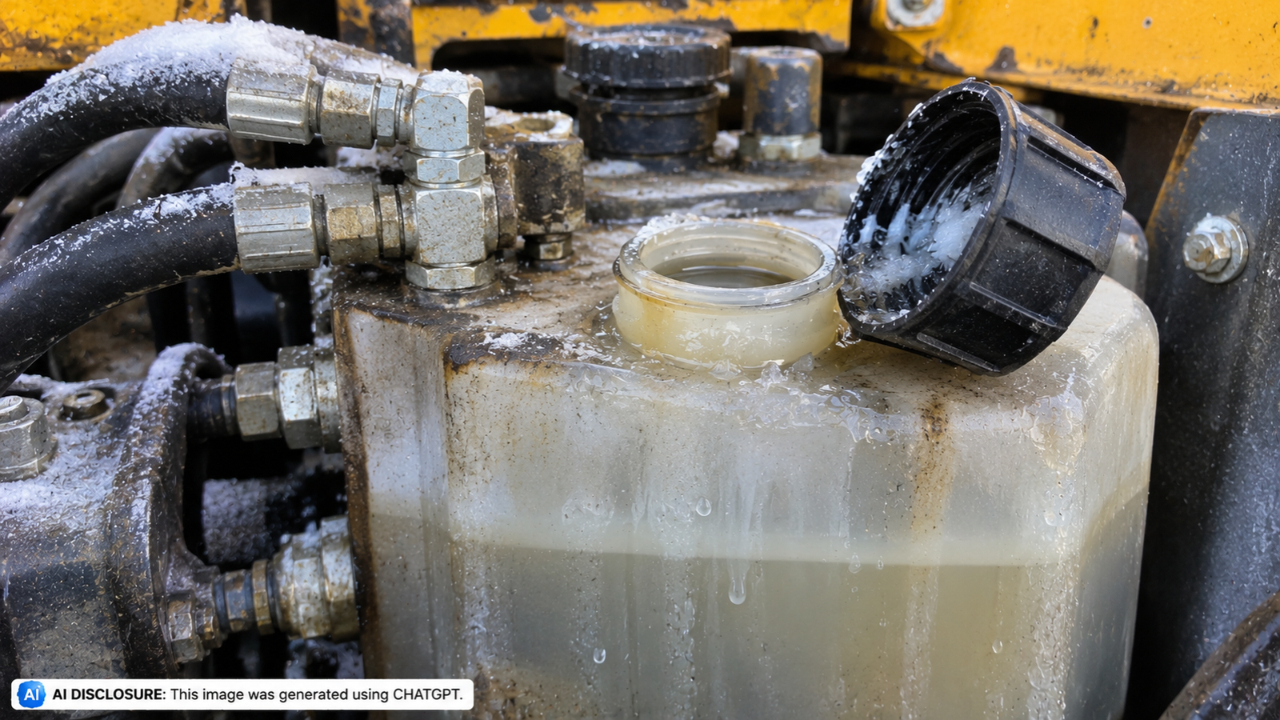
Moisture sneaks in through condensation, loose caps, and worn breathers. In freezing weather that water turns into ice crystals that block screens, jam spool valves, and starve the pump. Sometimes it looks like an instant “dead hydraulics” problem, then it mysteriously comes back after the sun hits it.
Drain water separators if your setup has them, and keep reservoir caps tight and clean. If your fluid looks milky, don’t talk yourself into waiting it out. Plan a fluid change and filter change, then figure out how the water got in, a missing fill cap gasket or a bad breather is a common culprit.
3. Skipping Warm-Up Before Heavy Loads
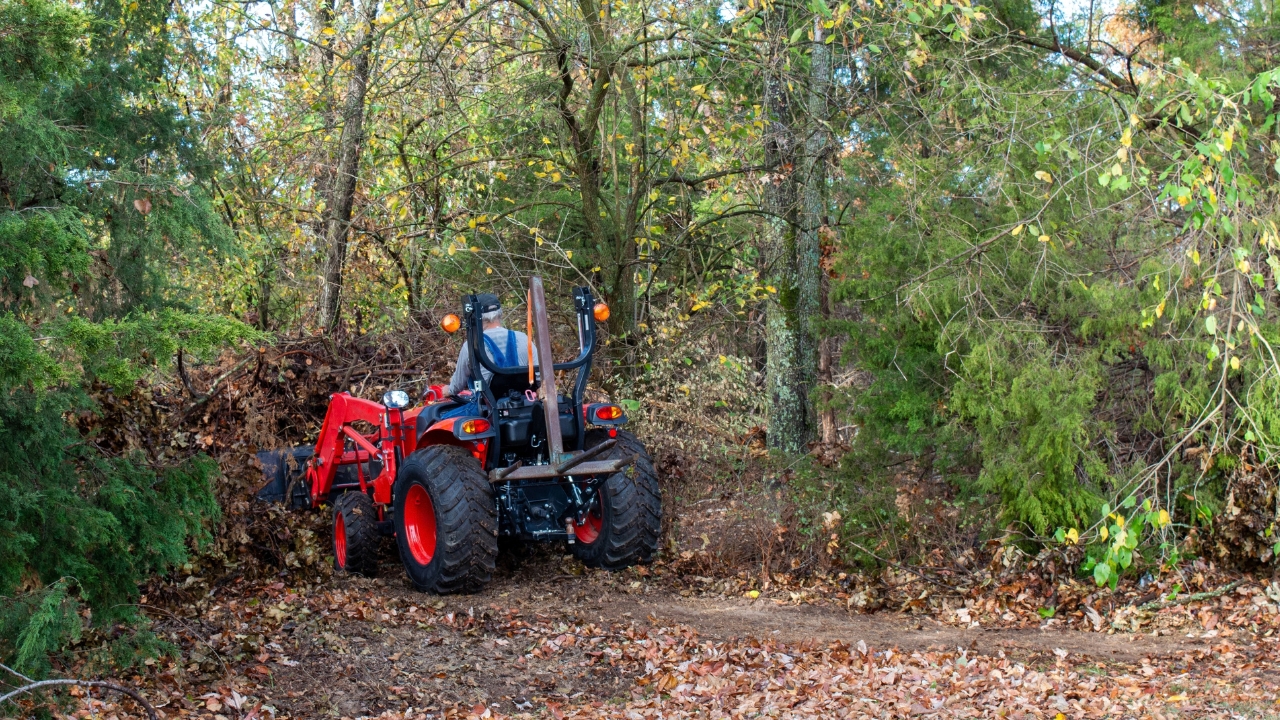
Cold oil doesn’t like being shoved through tiny passages at full pressure. If you hop in, start it, and instantly curl a frozen bucket or crank the steering against a stop, you spike pressure while the fluid is thick. That’s when you split a hose, blow an O-ring, or crack a fitting that was already stressed.
Give it a few minutes at idle, then cycle functions gently, lift, lower, curl, and steer without hitting the ends hard. You’re trying to move warm oil through the whole circuit, not prove it can deadhead at 2,500 psi. If the machine has a hydraulic oil temp gauge, use it instead of guessing.
4. A Clogged Filter Going Into Winter
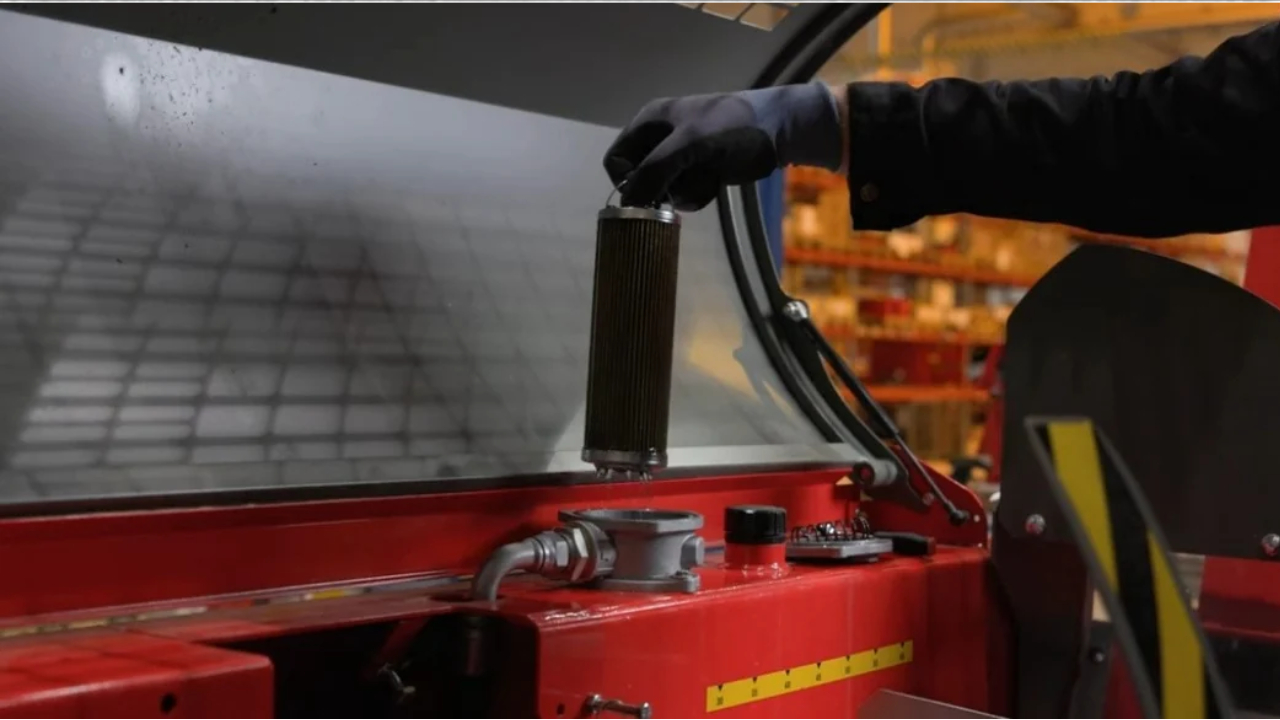
A filter that was “good enough” in October can become a restriction in January. Thick oil has a harder time getting through media that’s already loaded with junk, and the pump starts to cavitate. You might hear a gravelly growl, see foamy oil in the sight glass, or feel the controls surge.
Swap the hydraulic filter on schedule, and earlier if you’ve done dirty work like brush clearing, post driving, or running an attachment that sheds debris. If your system has a filter bypass indicator, don’t ignore it because “it still works.” A cheap filter change beats a pump replacement every time.
5. Cracked Suction Hoses Pulling In Air
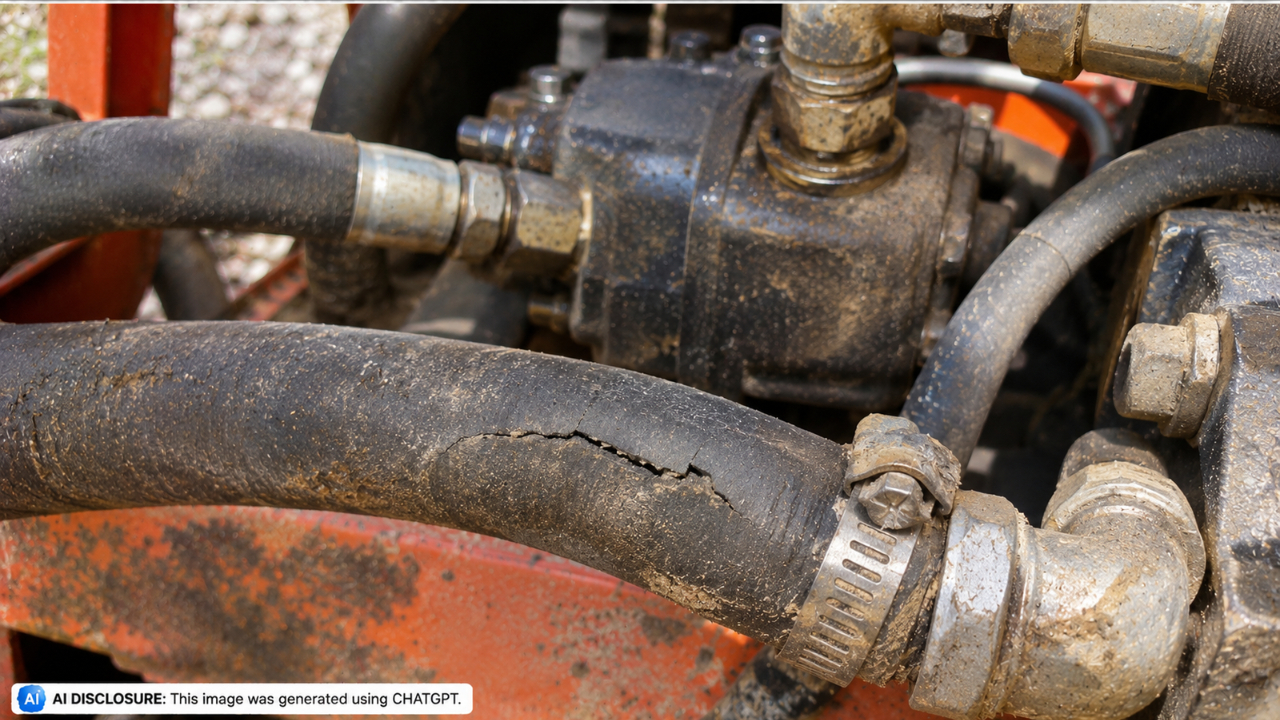
Rubber gets stiff in cold weather, and old suction hoses can crack where you can’t see it, especially near clamps and bends. The system may not leak oil out, it just sucks air in. Air makes the pump noisy, the oil foamy, and the cylinders spongy and weak.
Check the suction side first, from reservoir to pump, since that side runs under vacuum. Tighten clamps, replace brittle hose, and don’t reuse a questionable worm clamp that’s already stripped. If you’re chasing air leaks and can’t find them, that’s a good time to pay a hydraulic shop for a pressure and vacuum test instead of guessing for a week.
6. Relief Valve Set Too High For Winter
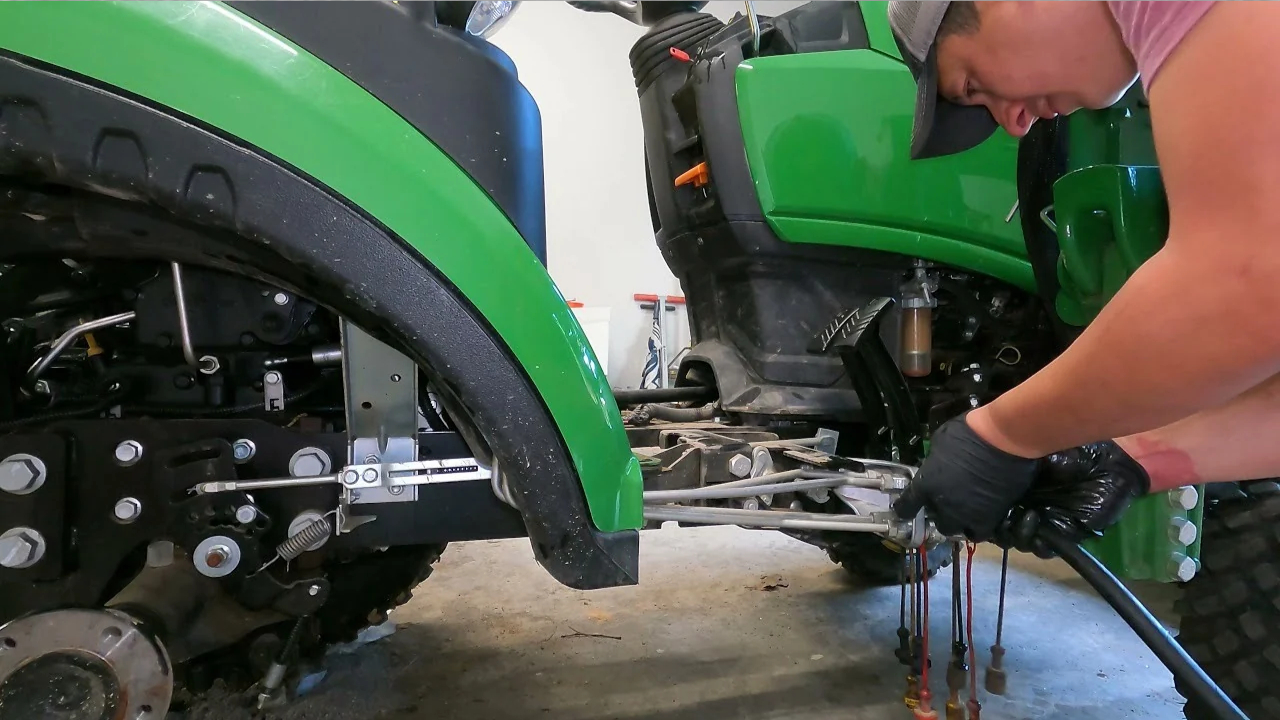
Somebody cranks up relief pressure to get “more lift,” then winter shows up and the weak link snaps. Higher pressure means more heat, more stress on seals, and more chance you shear a pump shaft key or blow a hose when oil is cold and resistance is high.
Relief setting is a spec, not a mood. If you don’t have a gauge and the right adapter to check it, leave it alone. Many machines need the relief checked with oil at operating temperature, so a quick driveway tweak in freezing air is a good way to create a new problem.
7. Worn Seals Shrinking And Leaking
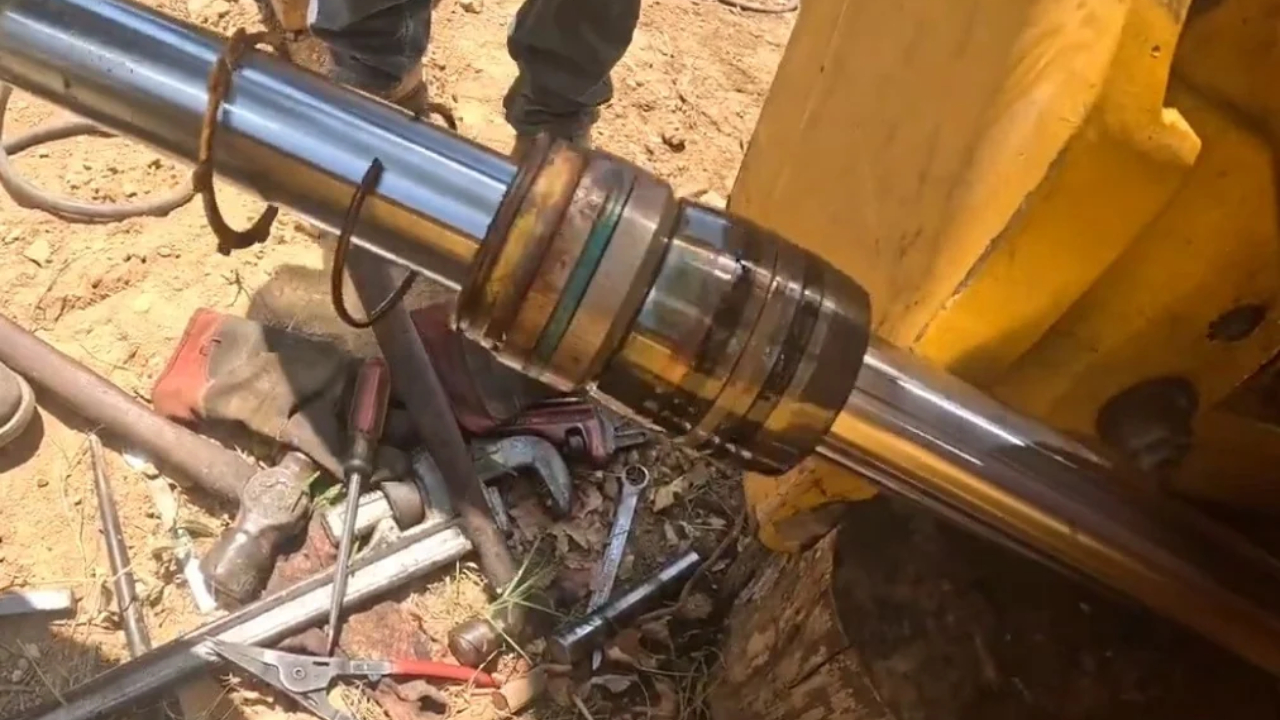
Old seals that barely held in warm weather can start leaking once everything contracts. Rod seals weep, valve spools seep internally, and a cylinder that used to hold position now drifts down while you’re trying to stack hay or hold a blade angle.
External leaks are messy but obvious. Internal bypass is sneakier, you’ll see slow movement under load and more heat because the pump is working harder to do the same job. Seal kits are often affordable, but if the rod is pitted or the cylinder tube is scored, the “new seals” fix won’t last.
8. Bent Rods And Frozen Pins Binding Up
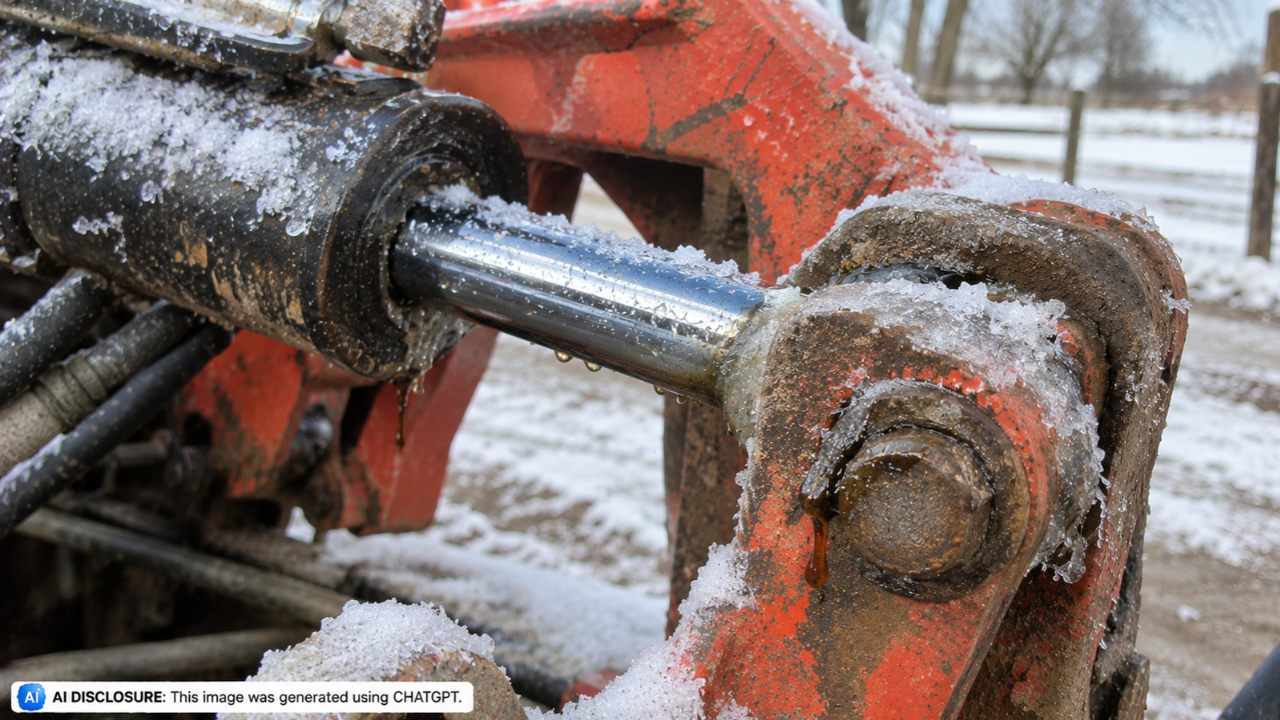
A hydraulic cylinder can look like the failure when the real issue is mechanical. Ice in a pivot, frozen grease, or a pin that’s starting to seize will make the cylinder stall and the system hit relief pressure. You’ll hear the engine load up and the hydraulics squeal, even though the pump is fine.
Grease the joints with a winter-appropriate grease and don’t ignore squeaks and tight spots. If something won’t move, don’t keep holding the lever, that’s how you bend rods and egg out pin bores. Thaw it, free it, then fix the worn bushing before it turns into a welding job.
9. Low Battery Causing Slow Pump Speeds
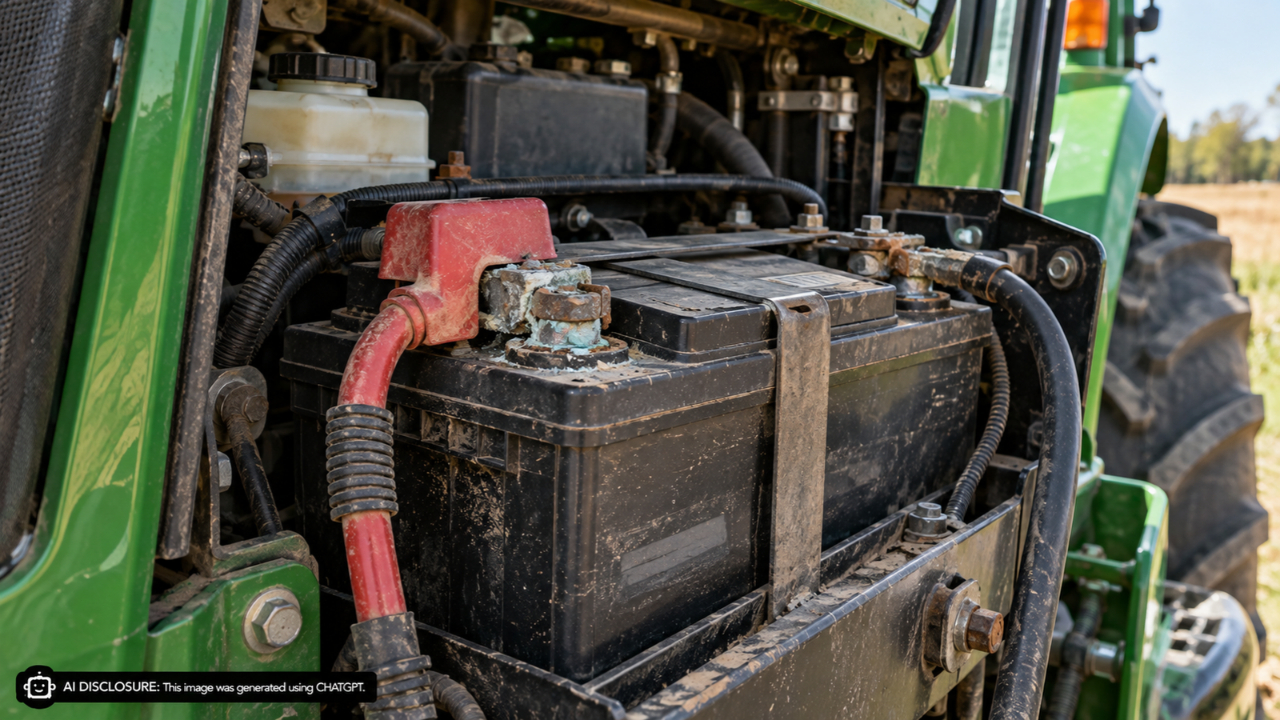
Hydraulic problems sometimes start as electrical problems. In cold weather, a weak battery cranks the engine slower, and the pump turns slower, so you get low flow and sluggish response. People blame the fluid, then later notice the starter dragging and the lights dimming.
Load test the battery, clean the terminals, and check grounds. If it’s a machine that sits a lot, a battery maintainer in a sheltered spot is worth the small cost. This is one of the few “cheap fixes” that really can solve what feels like a hydraulic issue.
10. Wrong Quick Couplers And Cold Connect Habits
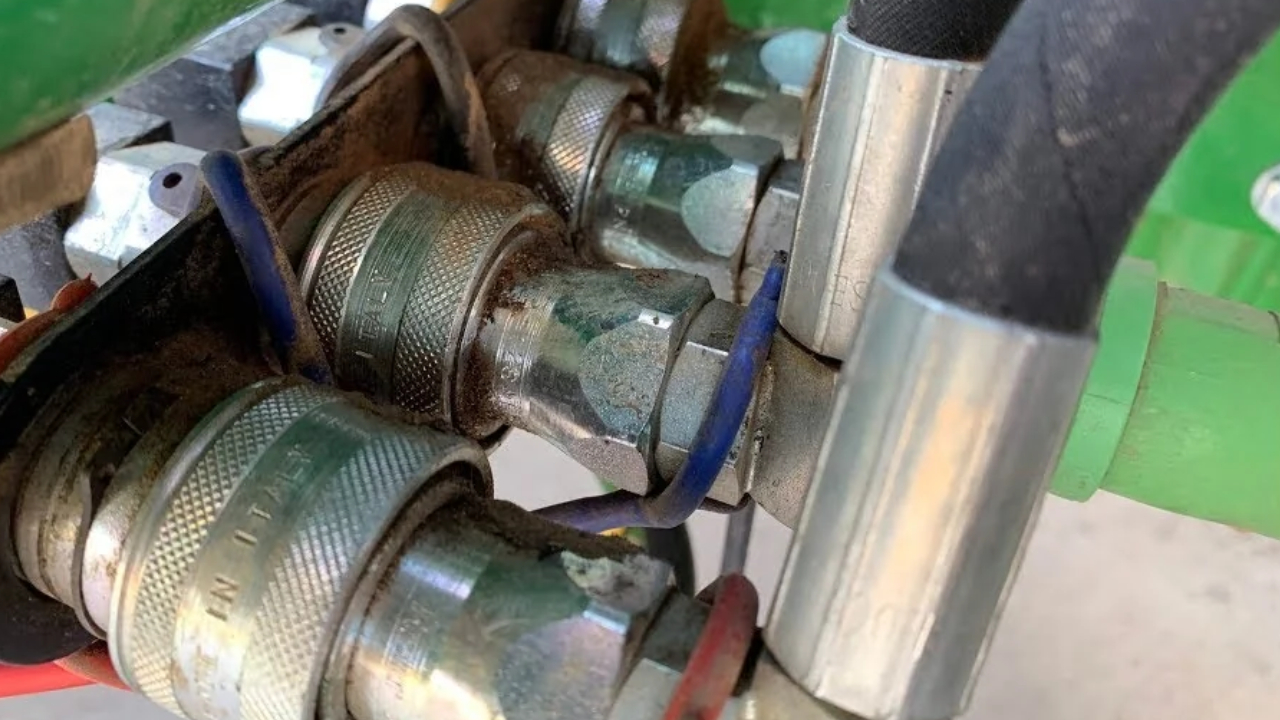
Cold makes quick couplers less forgiving. If you connect under pressure, the coupler won’t seat fully, or it will connect but not open internally, so the attachment acts dead. People reach for pliers, smack the tips, or force it, then they ruin the coupler faces and start a leak that won’t quit.
Shut the machine off, cycle the controls to relieve pressure, and keep dust caps on so snow and grit don’t get packed into the tips. An honest exception is that basic “ag” style couplers can be just fine on older gear if they’re matched, clean, and not mixed across different styles. The trouble starts when a half-dozen implements have half-dozen coupler types and somebody makes them “fit.”
If hydraulics act up only when it’s cold, treat it like a winter prep job, not a mystery failure. Start with fluid condition, filters, and air leaks, then move on to seals and mechanical bind. Fix the small stuff early and you’ll spend more winter time moving snow, feeding stock, or getting work done instead of chasing a problem that keeps coming back.
Like Fix It Homestead’s content? Be sure to follow us.