10 Things That Wear Out a Snowplow Blade
Photo credit: Pictures of your Life/Shutterstock.com
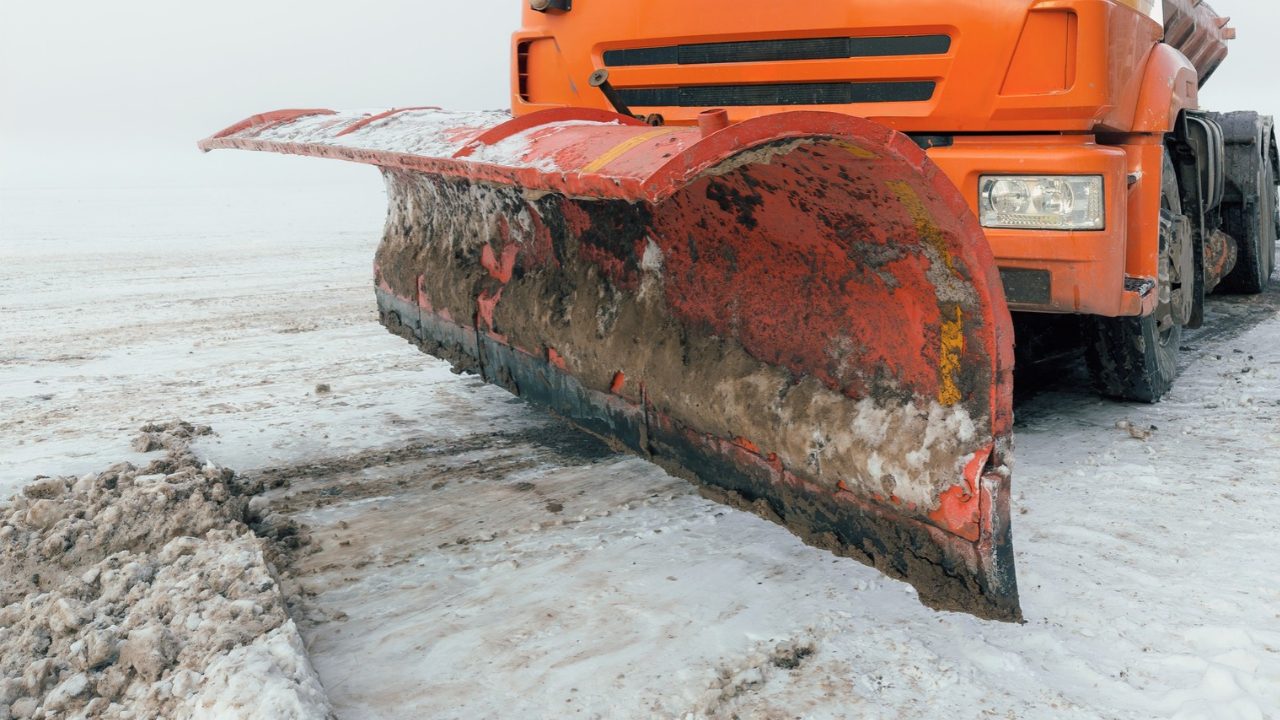
A plow blade looks like a dumb chunk of steel until you price a replacement edge or twist a moldboard on a bad hit. Most blade wear comes from a handful of habits, and they show up fast once the freeze thaw cycle starts. If you keep chewing through cutting edges every season, the blade is telling you something about your setup or your route.
1. Running The Cutting Edge Too Low
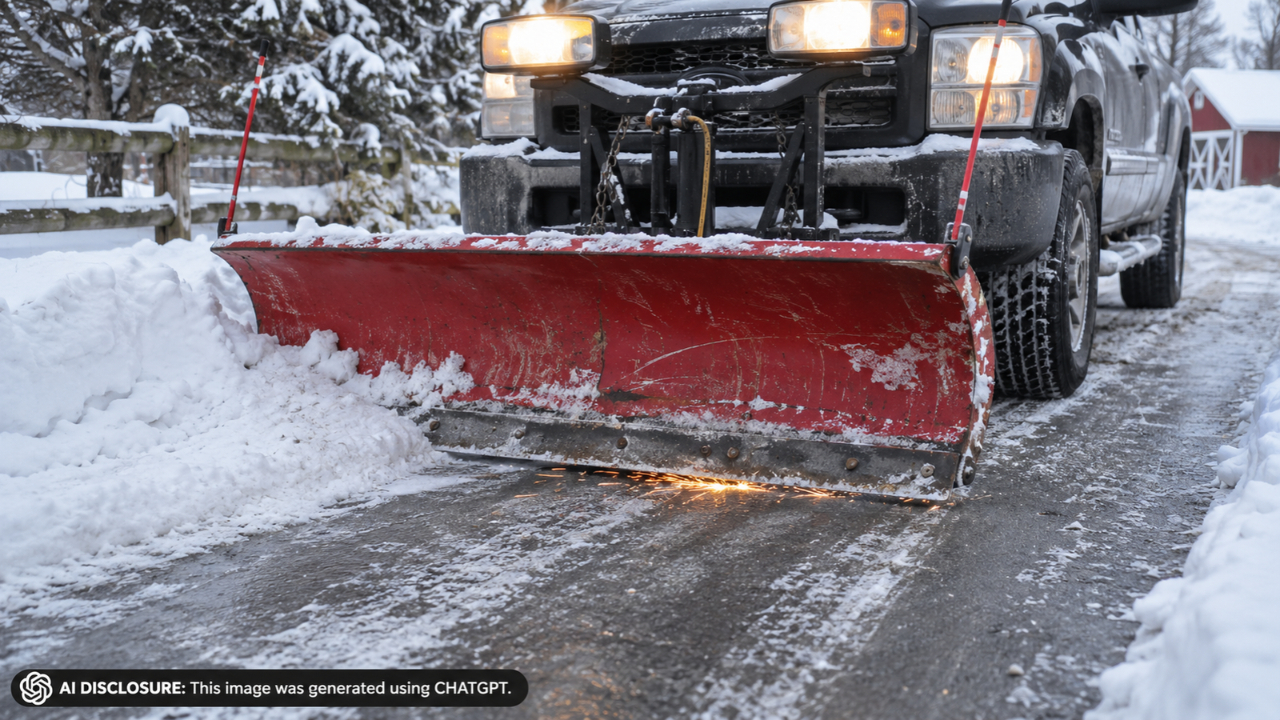
The fastest way to grind away a blade is treating it like a grader blade and scraping down to bare pavement every pass. You hear it as a steady, harsh hiss on asphalt, and you feel it in the truck as drag. That drag is friction, and friction is edge life turning into sparks and dust.
Set your shoes or plow height so you’re not digging for summer cracks and low spots. On rough gravel, let a thin layer of snow pack down instead of chasing clean. You’ll plow faster, burn less fuel, and your edge won’t look like a serrated knife by February.
2. Hitting Hidden Curbs And Raised Covers
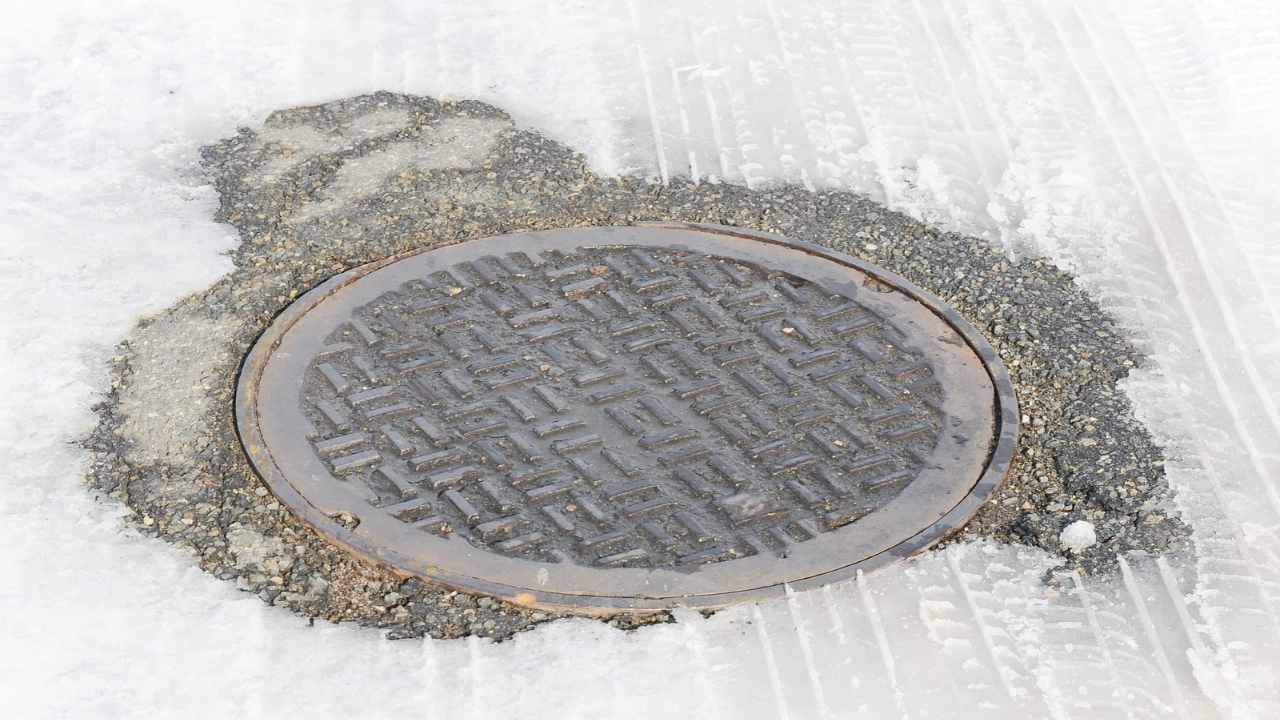
Manhole covers, water shutoffs, curb corners, and parking stops do more than scare you. One solid strike chips carbide, rolls a steel edge, and can bend the edge channel so the next edge won’t seat flat. The blade starts leaving streaks, then you over-tighten bolts trying to “fix” it, and that creates its own problems.
Before the first big storm, walk the route and mark hazards with tall driveway markers where you can. If you plow different places, slow down near transitions you can’t see, like the crown at the end of a driveway. A bent edge is often cheaper to replace than a twisted A-frame or cracked moldboard.
3. Plowing Too Fast For The Surface
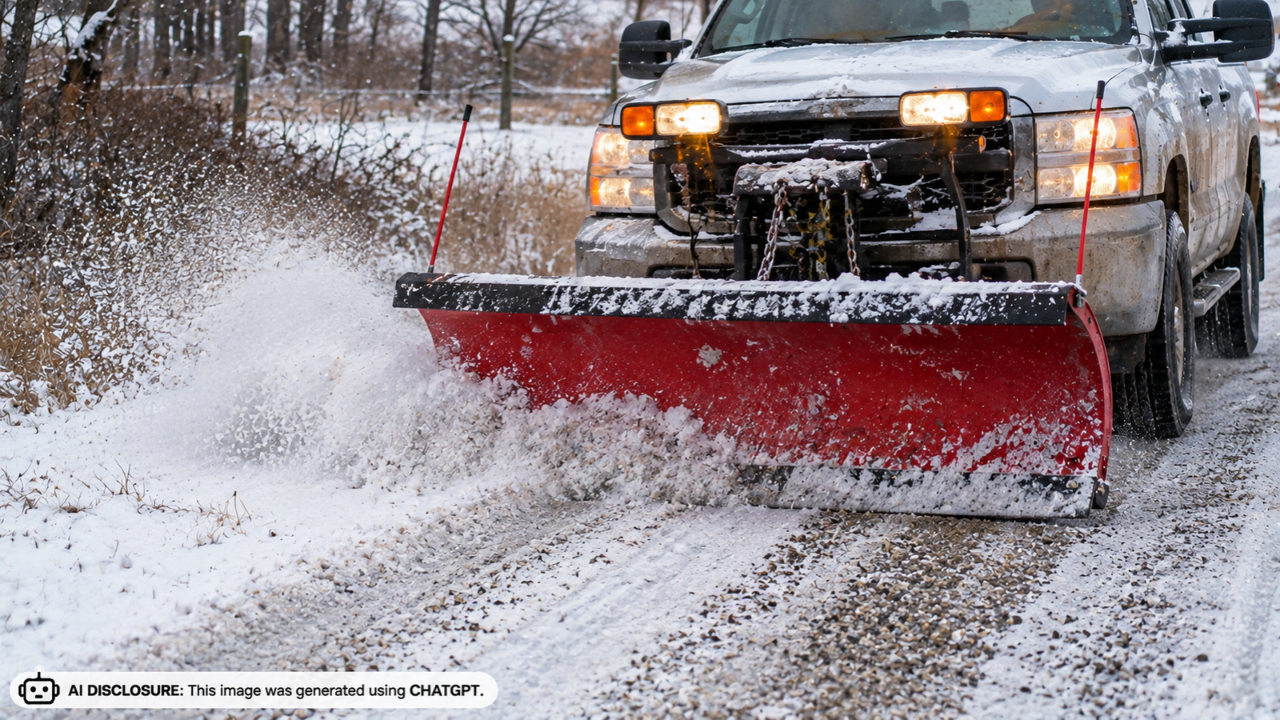
Speed is fun until the blade starts bouncing. That bounce makes the cutting edge chatter, and you’ll see a washboard wear pattern along the bottom. You’re also slamming the trip edge or trip springs over and over, which transfers shock into the edge bolts and the moldboard.
Match speed to what’s under the snow. Smooth concrete lot, you can move along. Frost heaved asphalt or gravel, slow down and keep the blade stable. If the plow is hopping, the fix is usually in your right foot, not a new edge.
4. Skipping The Pivot Points And Pins
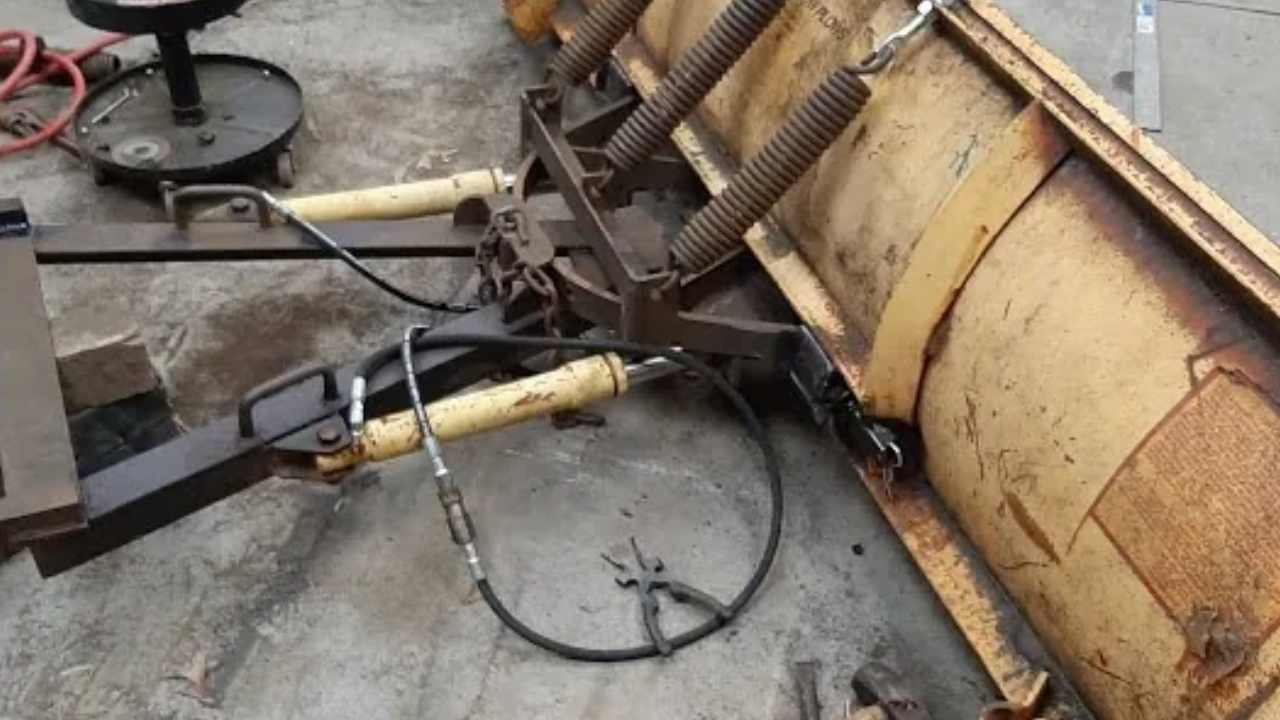
A dry pivot point makes the whole blade act sloppy. When the angle cylinders push, the blade doesn’t move smoothly, it jerks. That jerking loads the cutting edge unevenly, so one side wears down faster and the other side stays tall.
Grease the pivot pins, king bolt area, and any bushings on a schedule, not when they start squealing. Cold weather pushes grease out and invites salt water in, so use a grease gun with a decent chassis grease and wipe the fittings first. If a pin is egg-shaped or loose, fix it now or you’ll keep paying for edges.
5. Letting The Edge Wear Past The Base
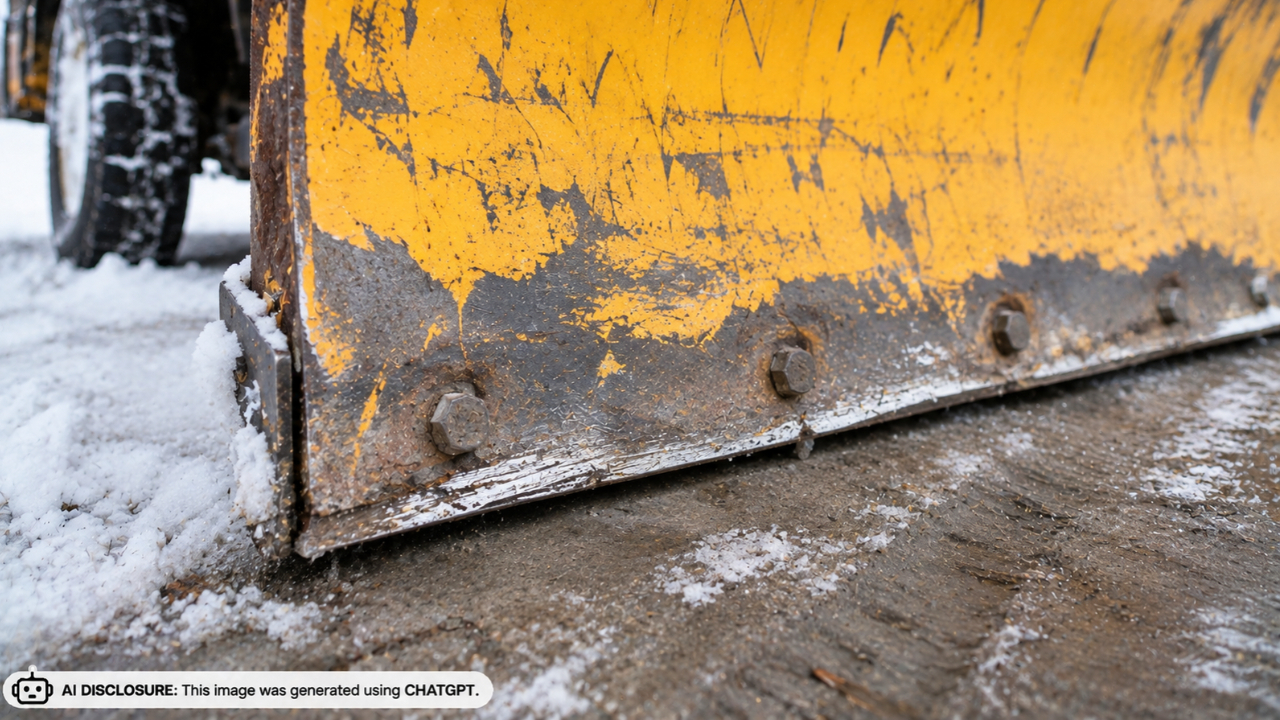
There’s a point where “use it up” turns into “buy more parts.” If the cutting edge wears down to the plow base angle or the bolt heads, you start grinding the moldboard and the edge channel. Then a simple edge swap turns into drilling, broken hardware, and sometimes welding.
Look at the edge thickness every few storms. When the bolts are close to flush or you see the base steel getting shiny, schedule the change on a dry day. A basic impact gun and the right sockets beat doing it in a slushy lot with frozen hardware.
6. Salt Brine And Fertilizer Runoff Exposure
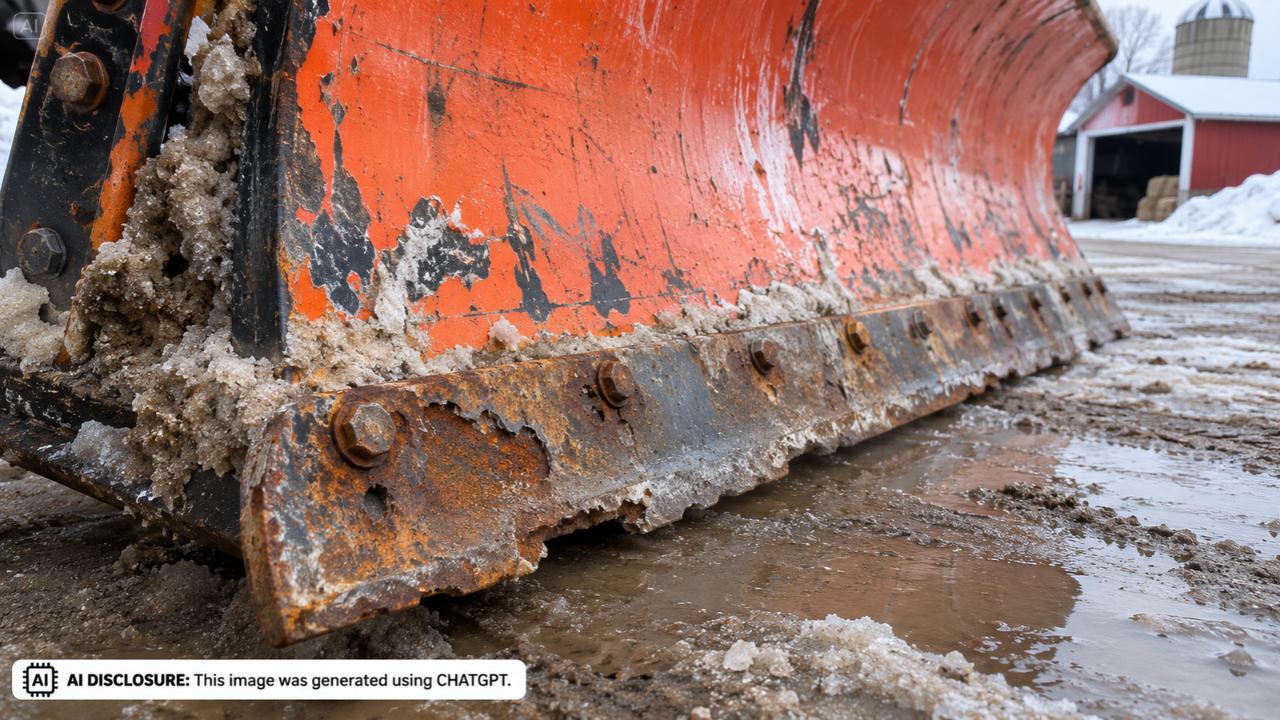
Road salt is bad enough, but brine, wet salt piles, and even fertilizer runoff in a farmyard can eat a blade fast. You’ll see pitting along the bottom edge and around bolt holes, then the edge starts cracking where it’s thinnest. Rust doesn’t just look ugly, it changes how the edge wears and weakens the bolt area.
Rinse the plow after storms when the temps allow, especially around the cutting edge and the back side where slurry packs in. Touch up bare spots with paint in the off-season so the rust doesn’t get a head start. If you store near salt or manure piles, move the plow, that air is corrosive.
7. Poor Trip Spring Or Trip Edge Setup
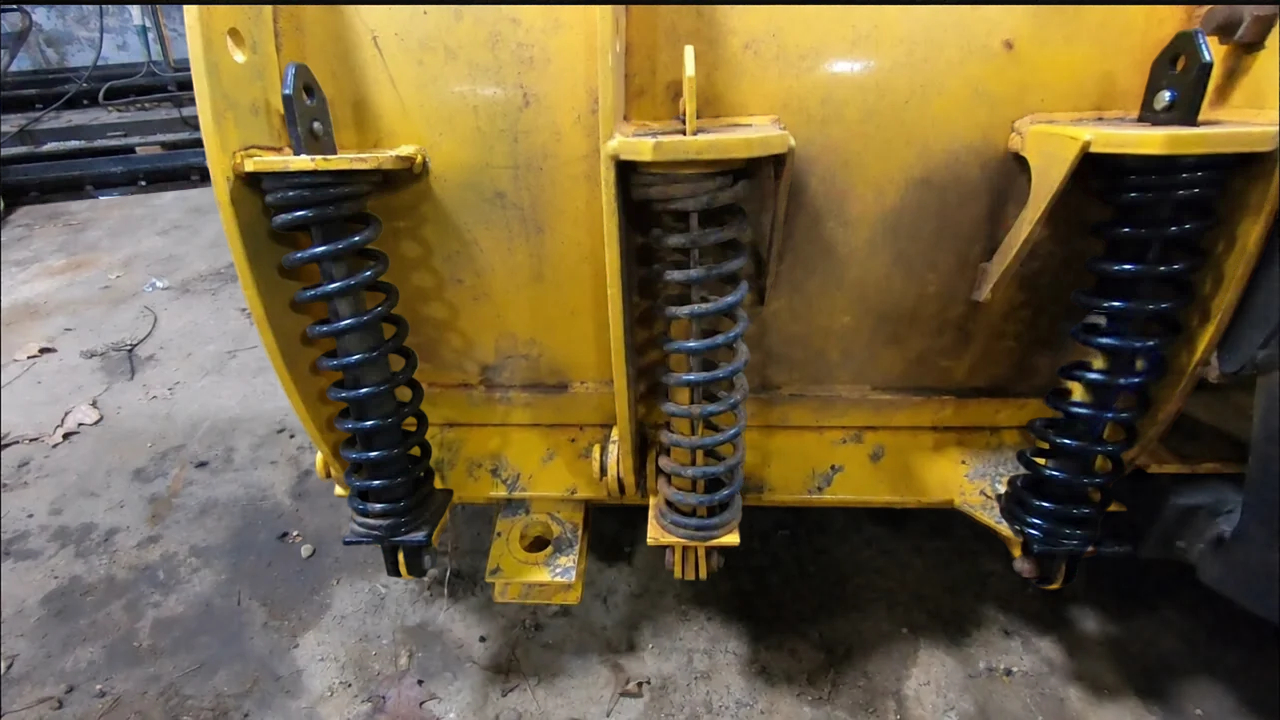
If the trip springs are too tight, the blade doesn’t trip when it should. That forces the cutting edge to take the hit, and it can roll the edge backward or tear bolt holes. If the springs are too loose, the blade trips all the time, which makes you slam it back down and chew the edge on every reset.
Check spring tension and the trip mechanism before the season starts, then recheck after the first few storms when things settle. If the blade trips on small bumps, tighten a bit. If it never trips and you keep getting violent hits, back it off. If you don’t know the right range for your plow, the manual is worth reading for once.
8. Using The Wrong Edge Material
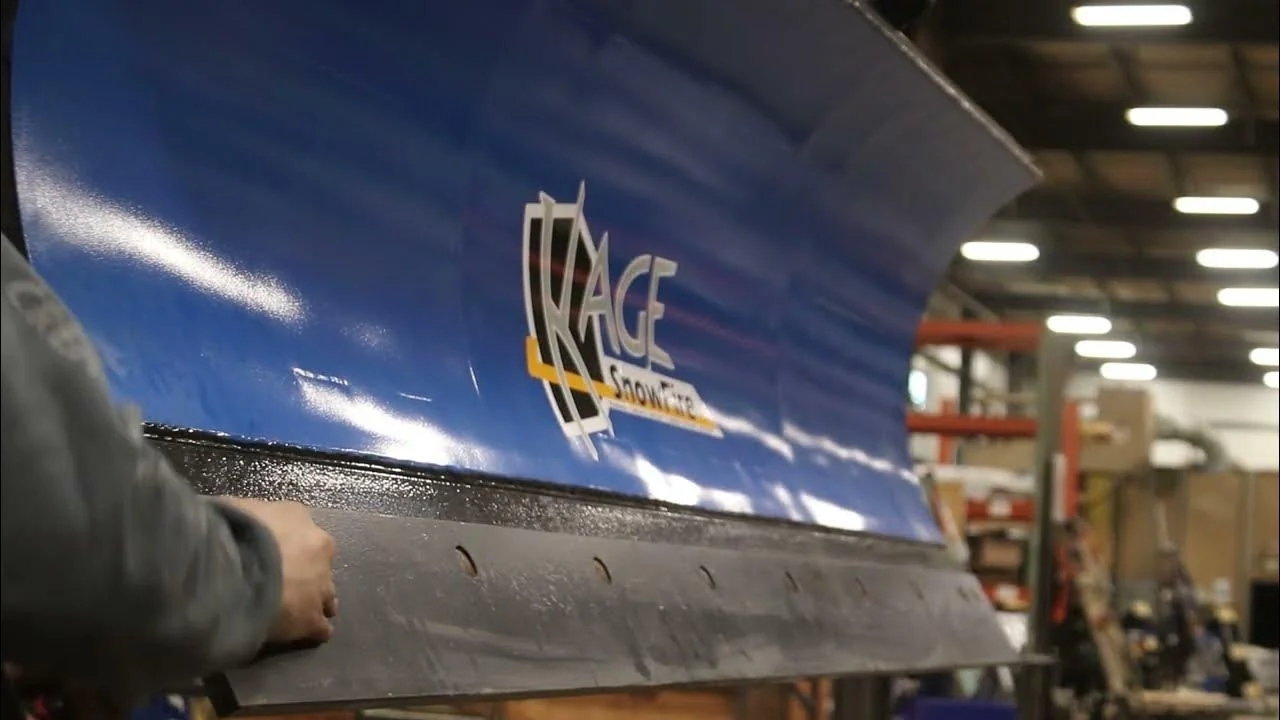
A cheap steel cutting edge is fine in some places. If you plow mostly gravel or a rough farm lane, a basic steel edge wears fast but it’s predictable and easy to replace. Spending extra for a harder edge can actually be a waste if you’re going to be kissing rocks all winter.
On the other hand, if you’re plowing lots of clean asphalt, a harder edge or a carbide insert edge can last longer and stay sharper. Just don’t expect miracles on uneven surfaces. Pick the edge for your ground, not for bragging rights.
9. Stacking Snow With Too Much Down Pressure
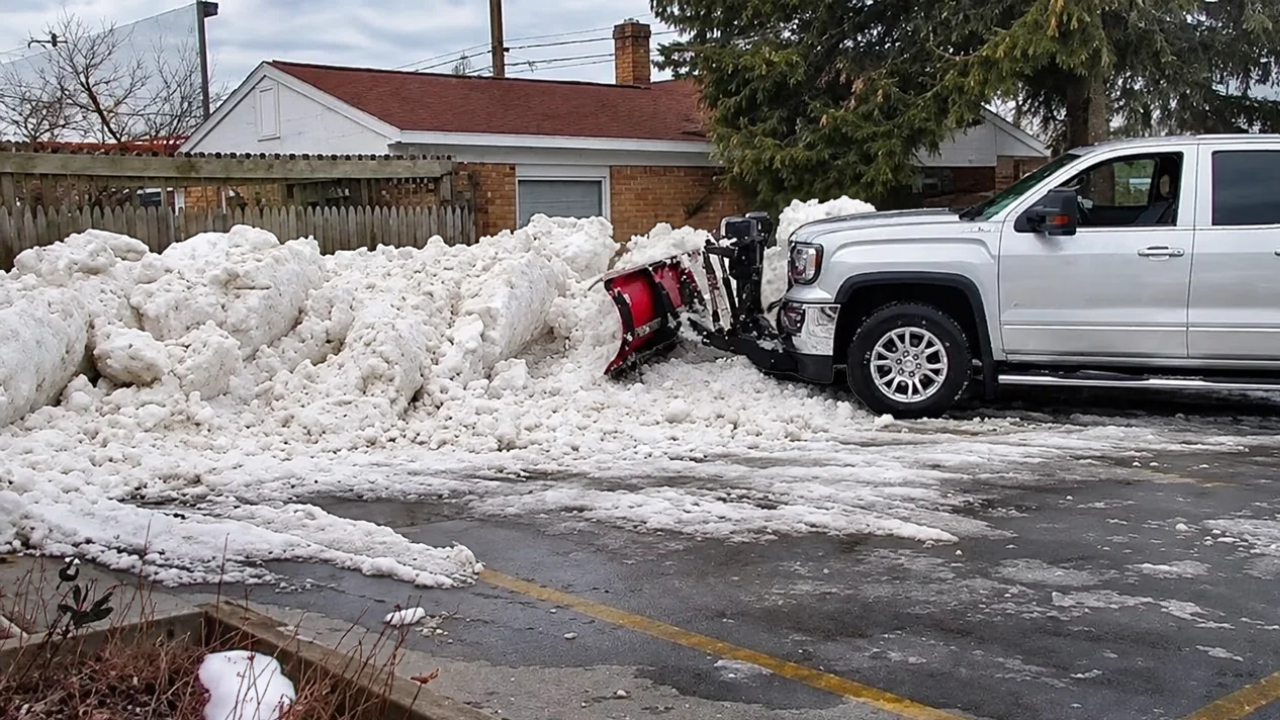
Pushing into piles is where blades get abused. You’re not just moving snow, you’re using the cutting edge like a pry bar while the truck climbs the pile. That puts a lot of load on the lower edge and can bend the cutting edge backward, especially if you hit frozen chunks and ice.
When stacking, lift slightly as you climb the pile and avoid ramming. If your setup has adjustable attack angle or shoes, don’t set it so aggressive that the blade wants to dig in while you stack. A little finesse saves a lot of steel.
10. Storing The Plow Wet On Bare Ground
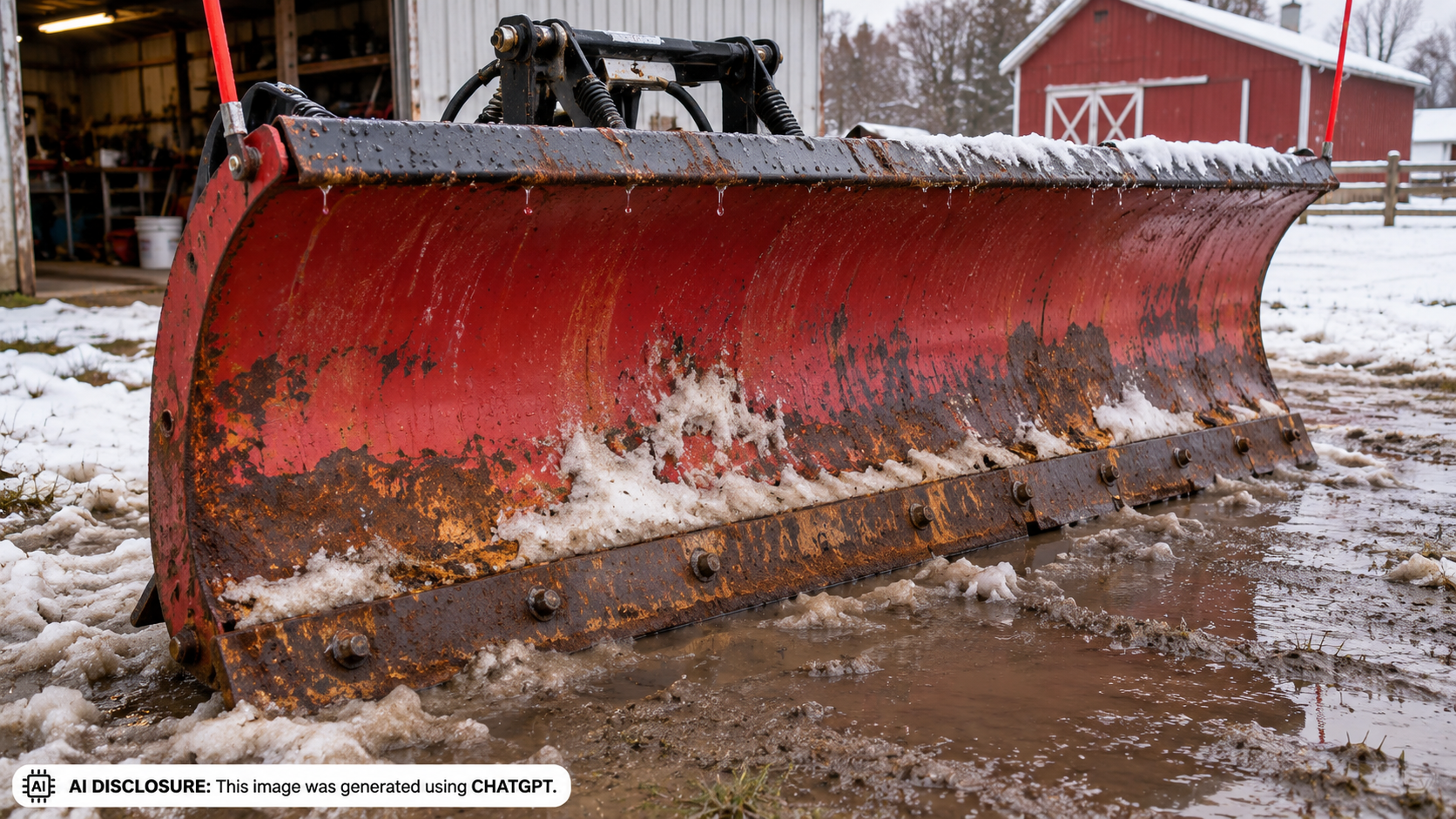
Leaving the blade sitting in a puddle or frozen slush all week is slow damage, but it adds up. Moisture sits against the cutting edge and the bolts, then freezes, then thaws, and the rust never stops. Come next season, half the edge bolts snap and you end up cutting them off.
Park the plow on blocks or a pallet so the edge isn’t trapped in wet mud. If you can, drop it inside and let it dry out after a storm. A quick rinse, a dry spot, and a shot of rust inhibitor on hardware makes spring removal a whole lot less miserable.
A plow blade is a wear part, but it shouldn’t feel like a disposable one. If you adjust the height, slow down on rough ground, and stop letting salt and water live on the steel, the edge will last long enough to make the replacement day feel routine instead of urgent.
Like Fix It Homestead’s content? Be sure to follow us.