10 Places Water Rots a House From Below
Photo credit: Rosamar/Shutterstock.com
Water damage rarely starts with a dramatic flood. It starts with small, steady wetting where you do not look, then the wood stays damp long enough for rot and bugs to move in. By the time a floor feels soft or a musty smell shows up, the problem has already been at work from underneath.
1. Clogged Gutters Dumping at the Foundation
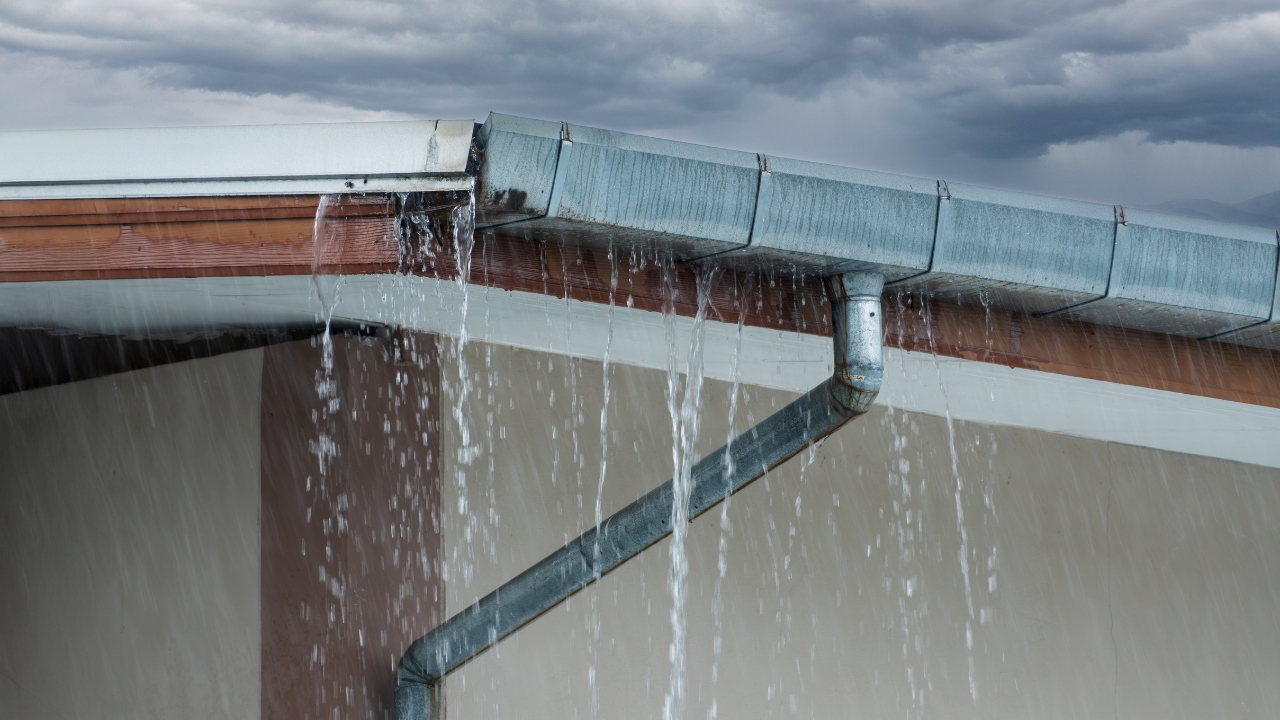
When gutters pack up with leaves, the first hard rain turns your roof into a waterfall right at the drip line. That splashback soaks the soil, then the moisture sits against the foundation and sill area. In cold weather, the same overflow builds ice dams and sends more water down places it does not belong.
Clean gutters at least twice a year, more if you’ve got big trees. Check that downspouts actually carry water away, not into a flower bed hugging the house. A scoop, a hose, and a ladder help, but if heights are not your thing, paying a gutter crew once a year is cheaper than replacing rim joists.
2. Short Downspouts Pouring Next to the House
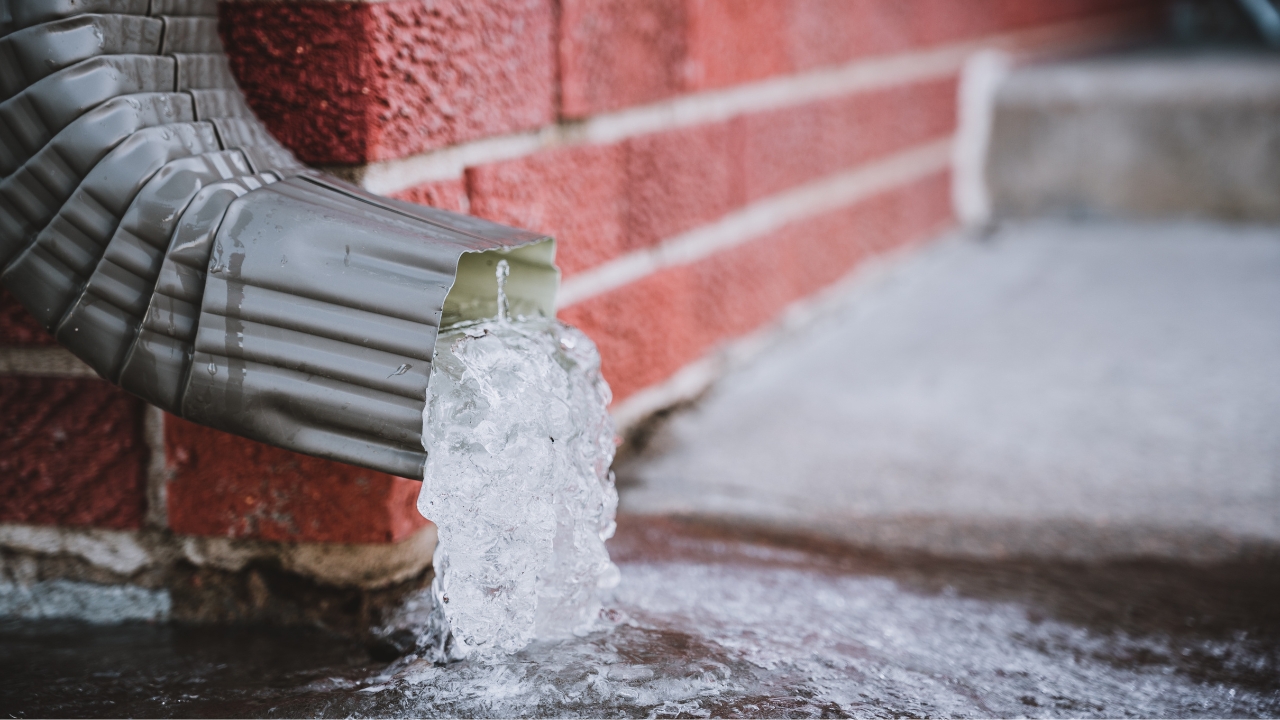
A downspout that ends at the corner looks finished, but it is not doing the job. You get a permanent wet spot, then a wet crawlspace, then rot at the band board and sill plate. In basements it often shows up as damp walls and peeling paint near the floor line.
Add extensions or solid pipe to move water out several feet to daylight, or tie into a proper buried drain line that runs downhill. Skip the flimsy corrugated stuff in high-traffic areas, it crushes and holds muck. If you bury pipe, call 811 before digging and keep the outlet screened so critters do not move in.
3. Yard Grading That Slopes Inward
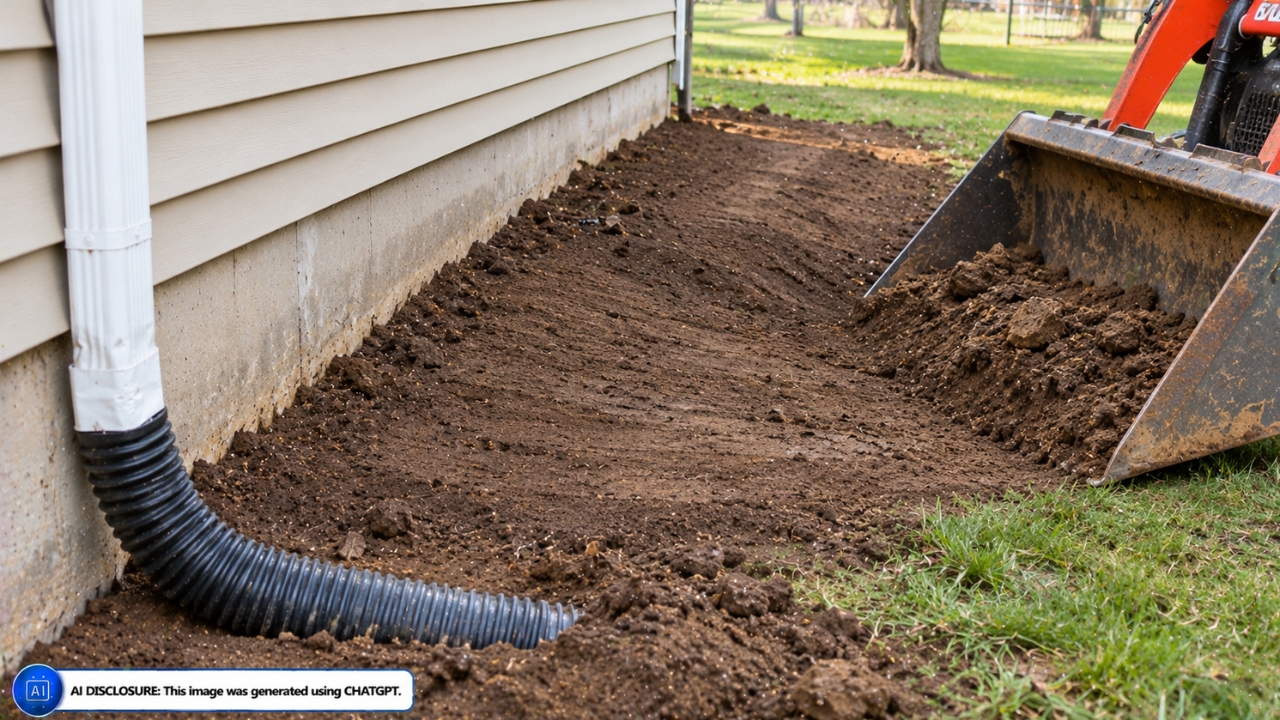
You can have perfect gutters and still lose the battle if the ground leans toward the house. Water follows gravity, parks against the foundation, and keeps the lower framing wet for long stretches. The damage is slow, but it is expensive because it is spread out.
Walk the house during a heavy rain and watch where puddles form. If the soil is low at the foundation, add fill and pack it in lifts so it does not settle right back. Top it with soil, not mulch, and aim for a gentle slope away from the house for the first several feet.
4. Mulch Piled Against the Siding
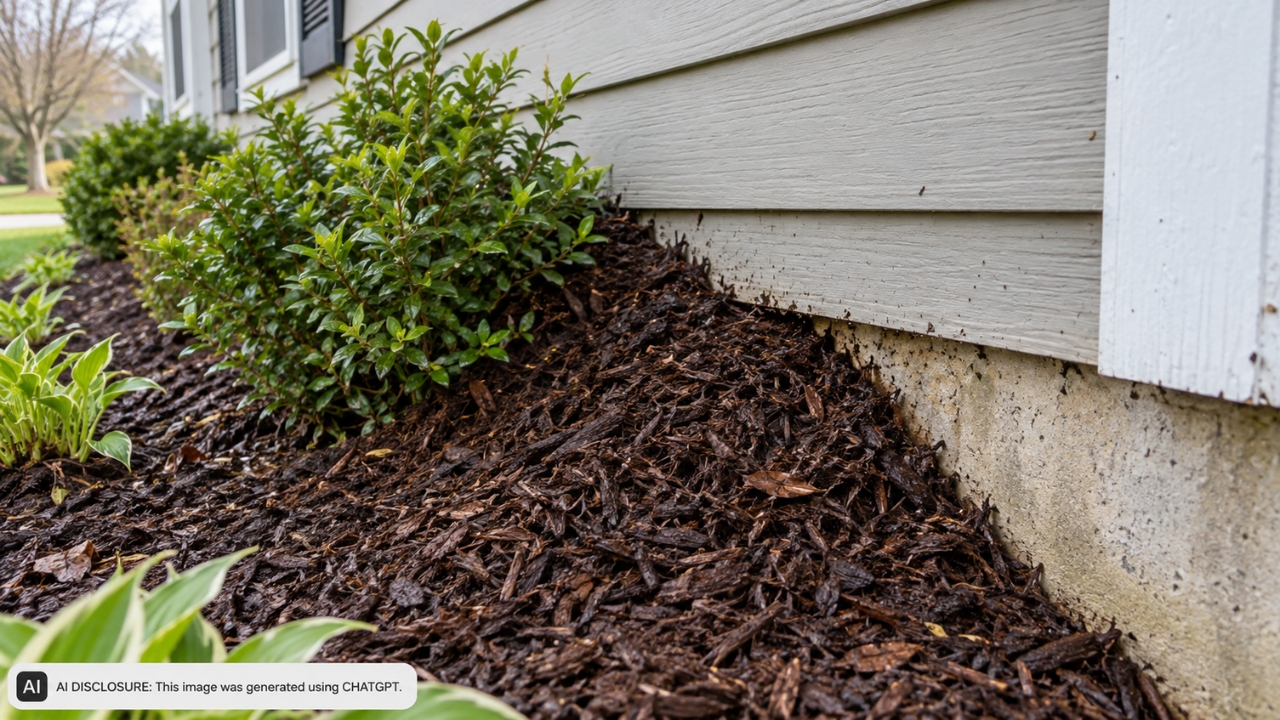
That tidy thick mulch ring looks nice until it turns into a wet sponge pressed against wood and sheathing. Mulch also hides termite tubes and carpenter ant activity. You do not see the problem, you smell it later.
Keep mulch a few inches below siding or any wood trim, and do not cover weep holes on brick veneer. If you need ground cover right up to the wall, gravel is often the better cheap option because it dries out fast. The exception is when your siding is high enough and you have a visible clearance gap, a thin mulch layer can be fine if you keep it pulled back and replace it before it turns to compost.
5. Leaky Hose Bibs And Exterior Faucets
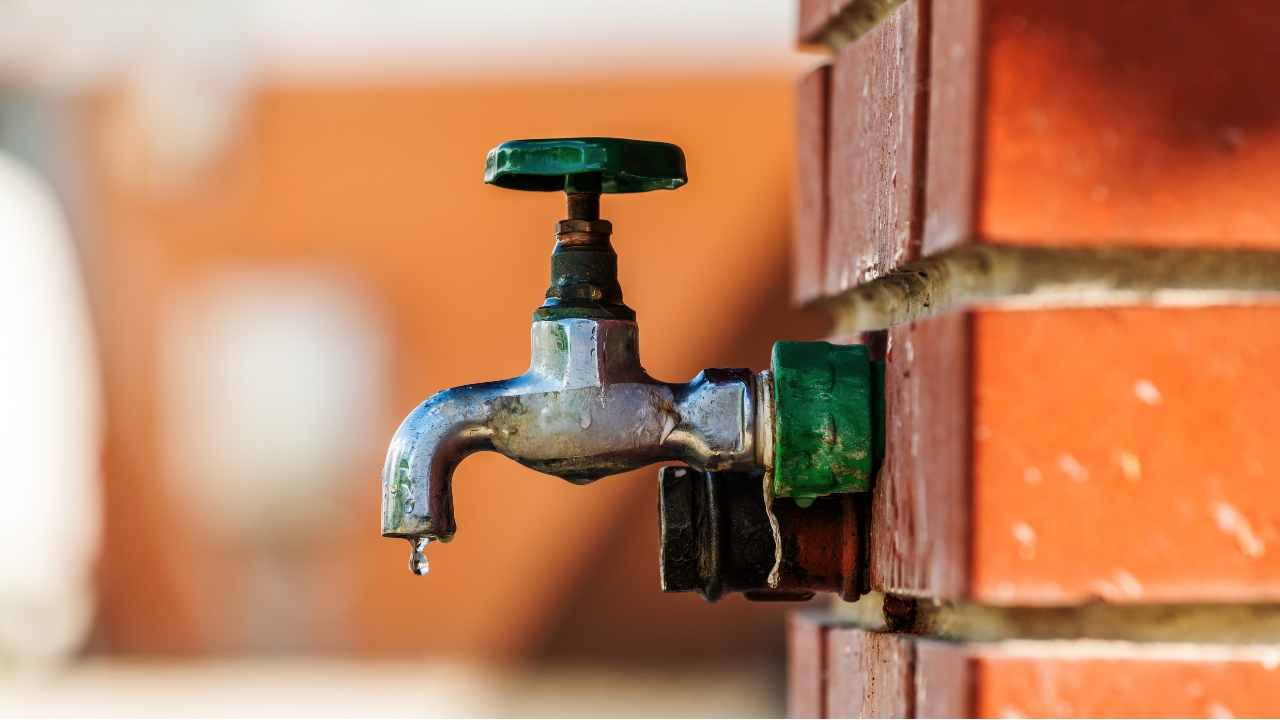
A dripping spigot does not seem like much, but it can wet the rim joist and wall cavity for months. The rot starts from the inside when water tracks along the pipe and soaks the framing behind the siding. In winter, a bad faucet can freeze, split, and soak everything fast when it thaws.
Tighten packing nuts or replace washers if it is a simple leak. If the faucet is a frost-free type and it drips from the handle or inside the wall, shut off the interior valve and replace the whole unit. Water shutoffs and soldering are within DIY reach for some people, but if you are not comfortable with plumbing in a wall cavity, hire it out and get it done before freeze season.
6. Hidden Leaks Under Tubs And Showers
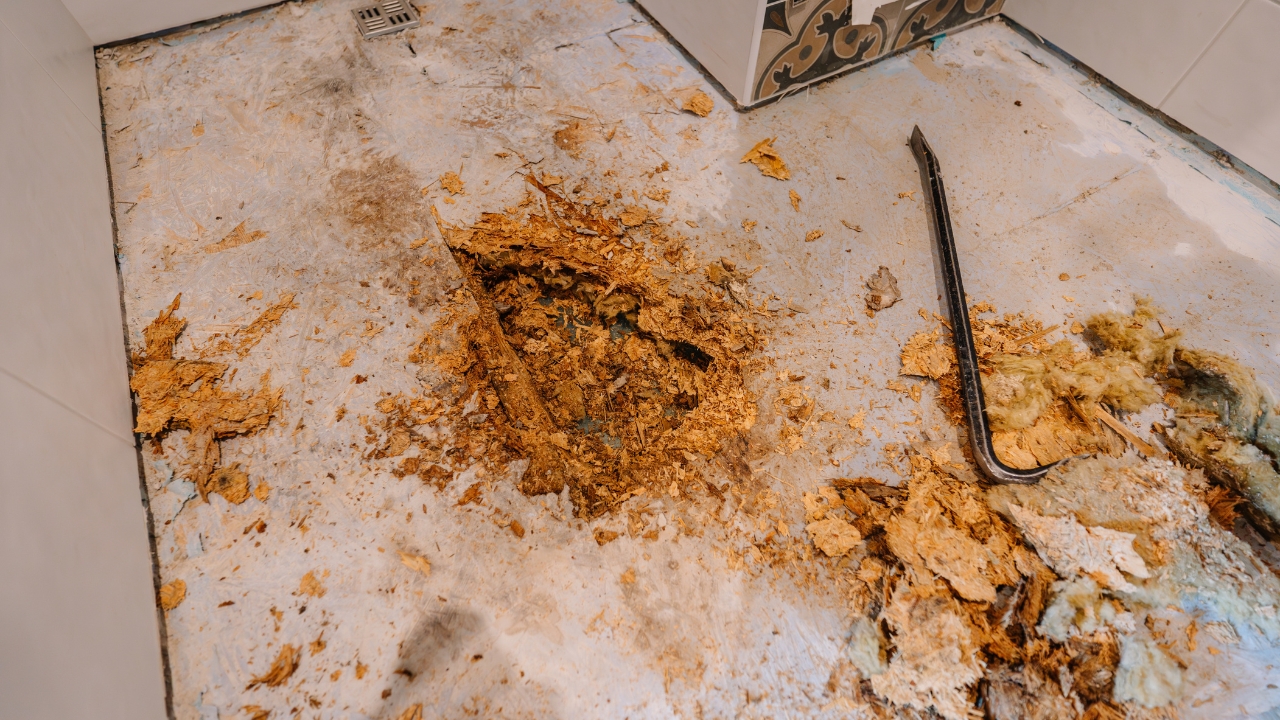
Bathrooms rot houses quietly because the water lands in places you do not see. A cracked grout line, a failed shower pan, or a loose drain can drip onto subflooring for a long time. The first clue is often a soft spot outside the tub, a loose toilet nearby, or a stain on the ceiling below.
Start by pulling the drain cover and checking for movement, then inspect access panels if you have them. Recaulking alone is a bandage if the pan or drain seal is failing, the leak will keep going under the tile. If you suspect a shower pan issue, that is the point where a good tile pro earns their money because the fix usually involves removing materials to the right layer, not smearing more sealant on top.
7. Plumbing Sweat Under Summer Humidity
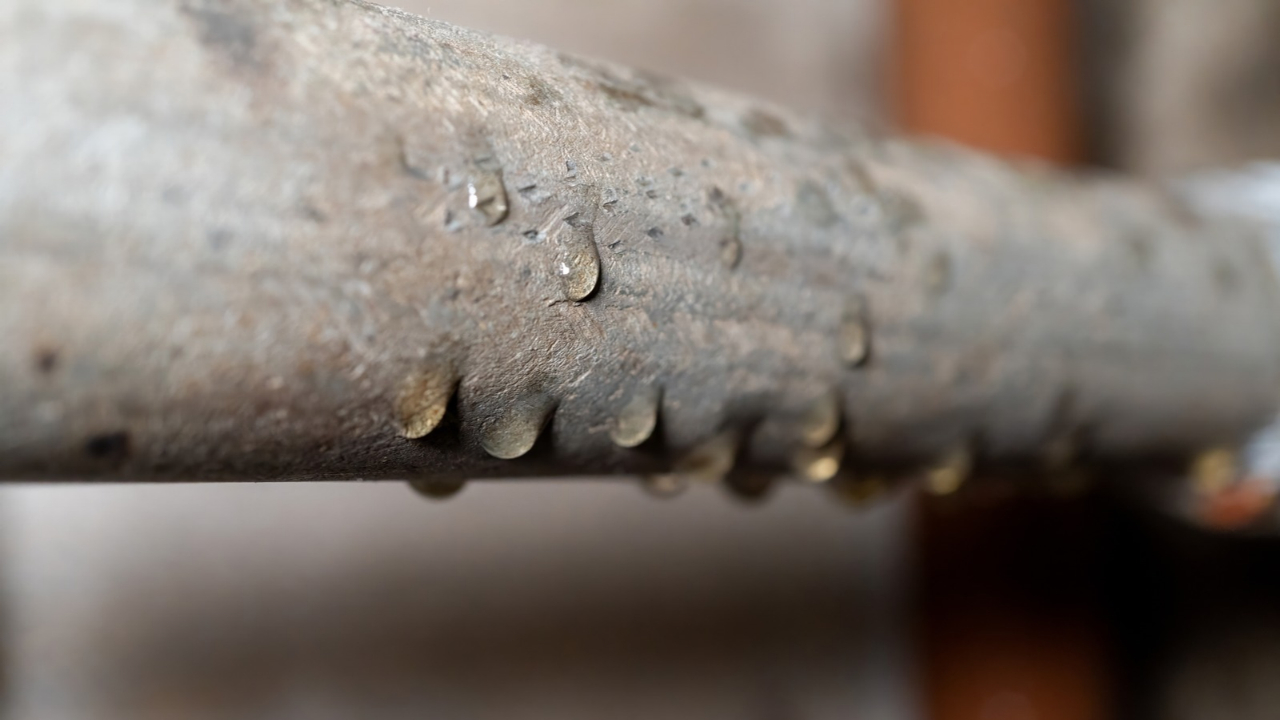
In hot, sticky weather, cold water lines can drip from condensation, not from a leak. It looks like nothing, then the crawlspace stays damp and the insulation gets wet and saggy. Over time, the moisture load feeds mold and invites rot in the joists and subfloor.
Wrap cold pipes with foam insulation sleeves and tape the seams so warm air cannot hit cold metal. Fix crawlspace moisture too, or the condensation comes right back. A sealed crawlspace or a well-installed vapor barrier is worth paying for if your ground stays wet most summers.
8. Crawlspace Ground Moisture And Missing Vapor Barrier
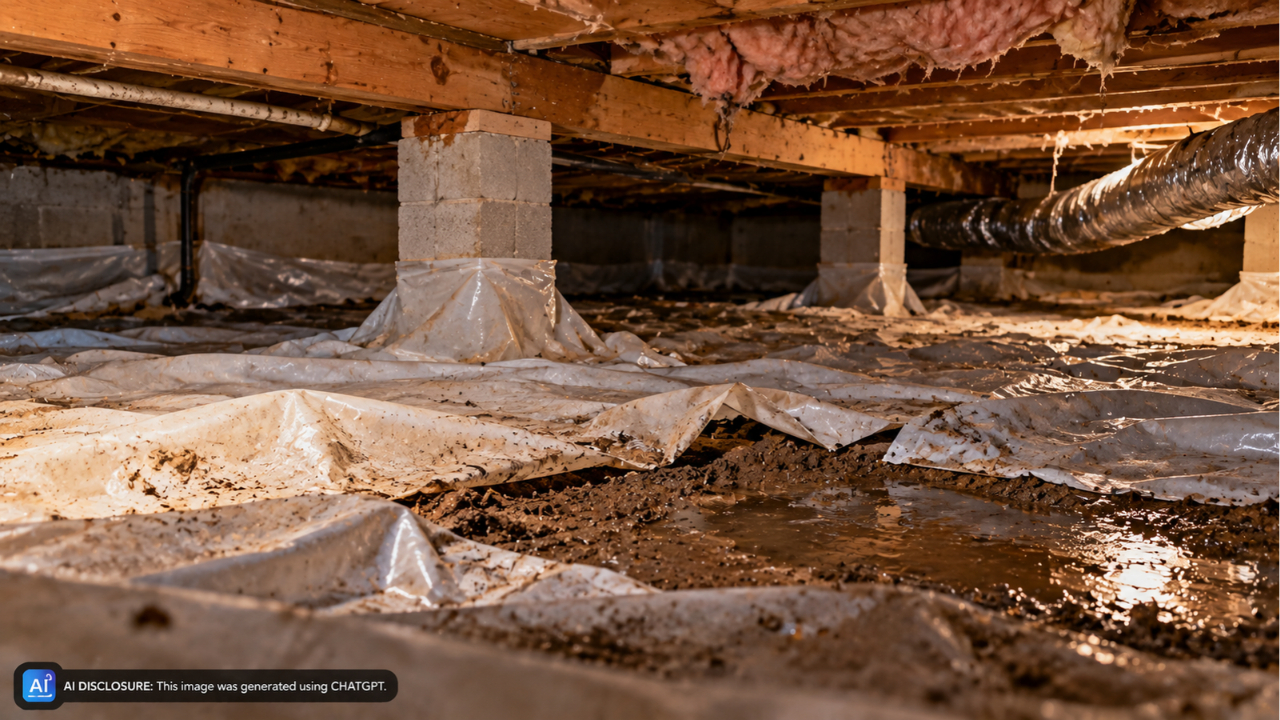
Bare dirt in a crawlspace releases moisture all season, even when it has not rained. That water vapor rises, condenses on cooler wood, and keeps the underside of your floors damp. You might notice cupped hardwood, squeaky floors, or a mildew smell that gets worse after a warm rain.
Lay a thick plastic vapor barrier over the ground and overlap seams, then weight it down with stones or secure it properly. Keep it up the walls a bit and seal around piers as best you can. If you have standing water, fix drainage first, a vapor barrier on a swamp just traps problems.
9. Cracked Slab Edges And Old Control Joints

Slabs and garage floors seem solid, but water sneaks in at edges, cracks, and joints and then wicks up into bottom plates. You see it as peeling paint, swollen baseboards, or a rotten garage wall corner near the floor. In freeze-thaw areas, the joint opens more each year and the wetting gets worse.
Redirect surface water first, since sealants do not beat constant flow. After it is dry, clean cracks well and use the right concrete crack filler, not leftover caulk. If water is coming up through the slab or you see ongoing movement, call a foundation pro, that is beyond a tube fix.
10. Termites And Carpenter Ants Following Moisture
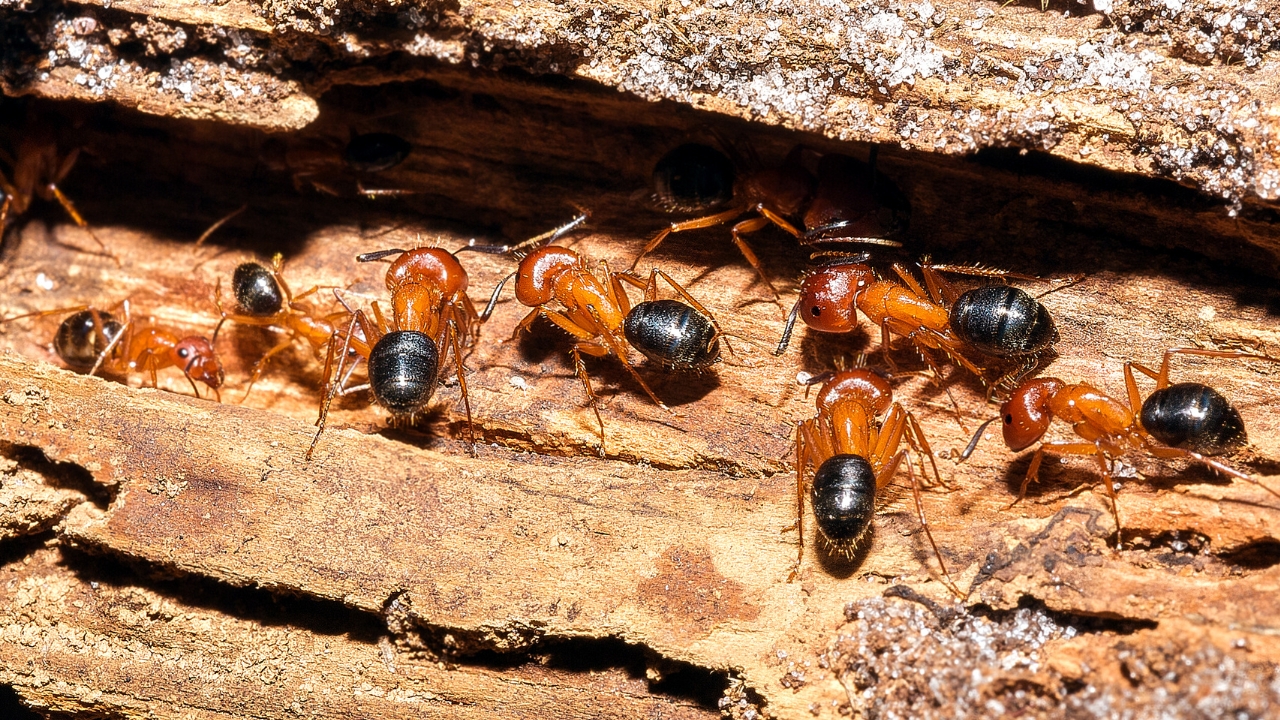
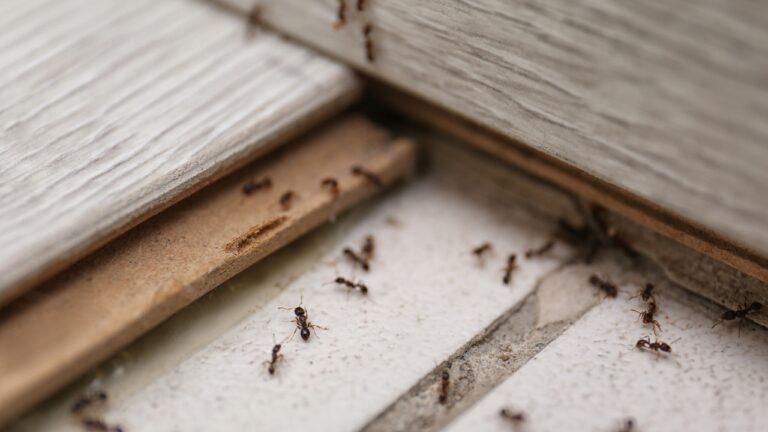
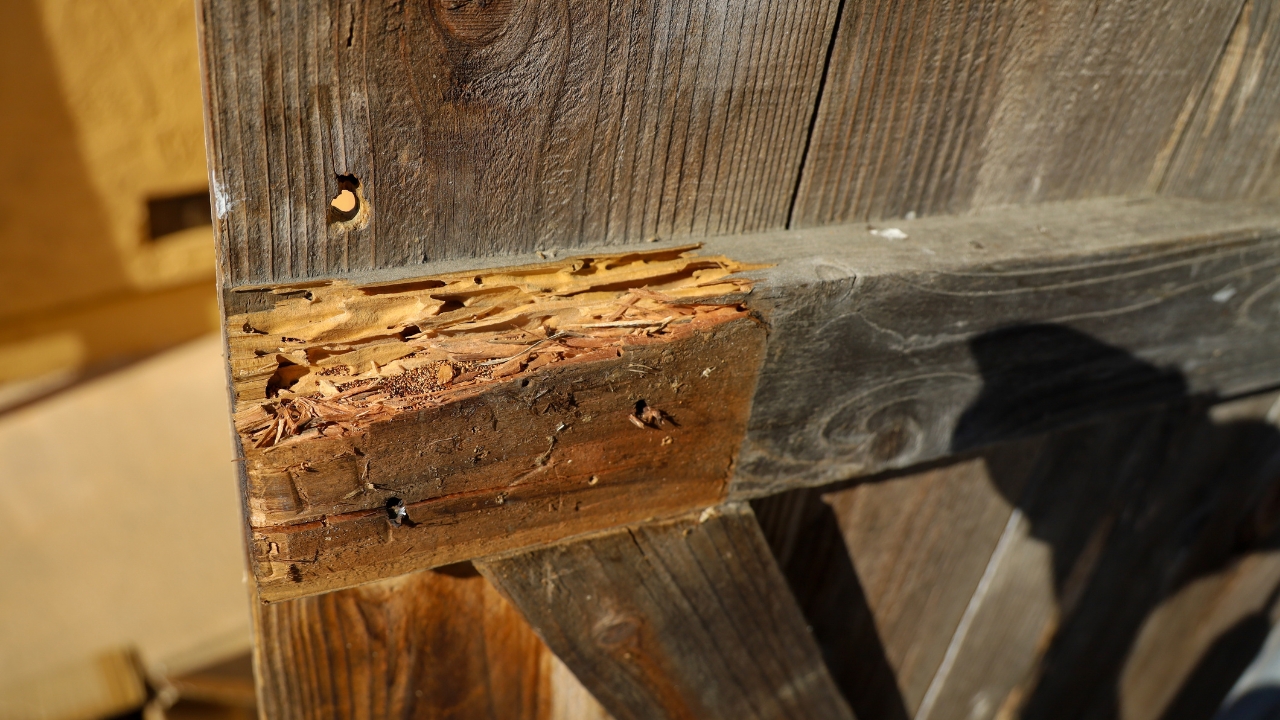
Bugs do not create the first wet spot, but they speed up what water started. Termites need moisture and will work hidden, chewing wood that is already damp. Carpenter ants tunnel into softened wood and leave piles of sawdust-like frass, often near a wet window or rim area.
Stop the moisture source and clear wood-to-soil contact so the area can dry. If you spot mud tubes, widespread damage, or active insects inside, bring in a licensed pest pro. Treatments vary by state rules and the wrong DIY pesticide plan wastes money while the structure keeps getting eaten.
Walk your place after the next big rain with a flashlight and a calm mindset. Look for splash marks, damp soil lines, musty smells, and anything that keeps water close to wood. Fixing the water path early is one of the few home repairs that saves you effort every single season.
Like Fix It Homestead’s content? Be sure to follow us.