12 Red Flags Buyers Spot From the Curb
Photo credit: Pranithan Chorruangsak/Shutterstock.com
You don’t get a second first impression, and buyers start judging before they ever touch the doorknob. Most curb issues aren’t hard to fix, they’re just the kind of thing you stop seeing after you live with them. The good news is a weekend of targeted work can erase a lot of doubt fast.
1. Peeling Paint On Trim And Fascia
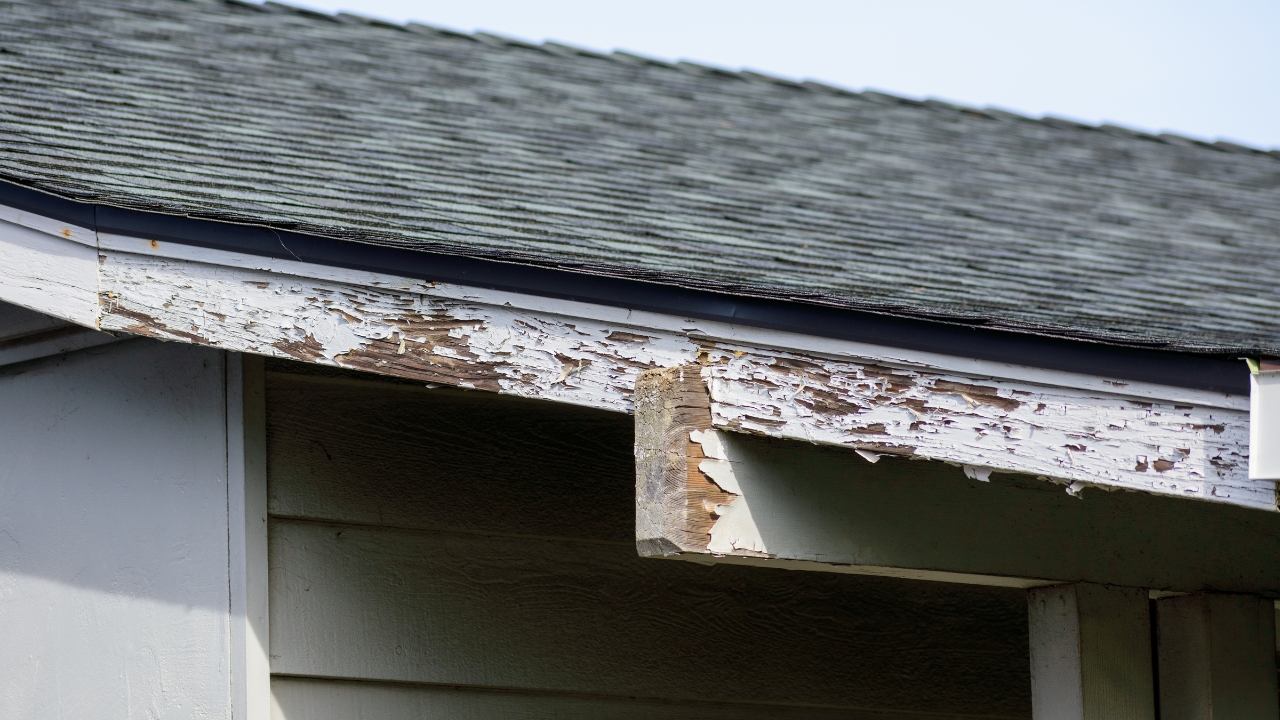
Nothing says “deferred maintenance” like sunburned fascia and trim that’s curling up in strips. Buyers see it and start doing math on ladders, prep work, and how far the rot goes under the paint.
Scrape to solid edges, hit bare wood with primer, then topcoat with exterior paint. If wood is soft enough to dent with a screwdriver, painting is wasted effort. Swap the bad board or have a carpenter do it, especially on second-story eaves.
2. Gutters Sagging Or Dumping Water

A gutter that spills in the rain makes the whole house feel risky. People picture wet basements, heaved walkways, and muddy landscaping, even if the inside is bone dry.
Rehang loose runs with new hidden hangers, and extend downspouts so they kick water 6 to 10 feet away from the foundation. While you’re up there, clean out the sludge and check for a slope that actually moves water to the downspout. If you’ve got a tall roof or steep pitch, this is worth paying for.
3. Driveway Cracks With Weeds Sprouting
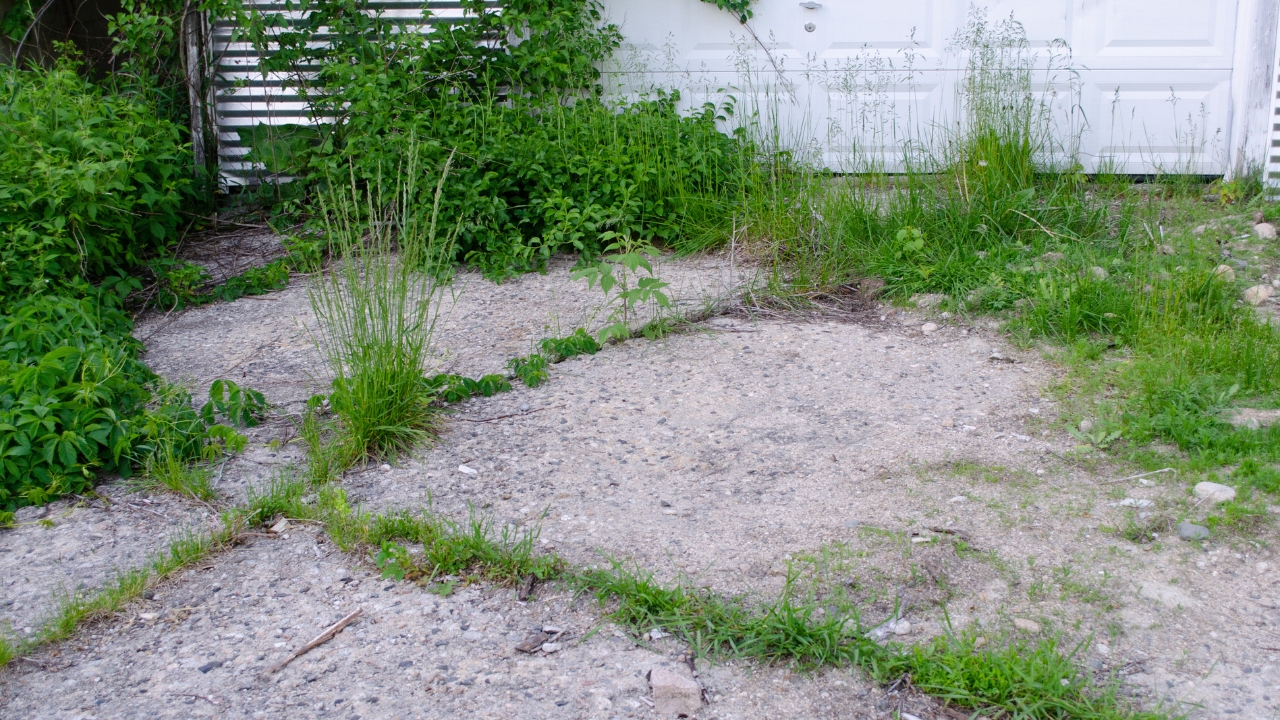
Concrete and asphalt crack, everyone knows that. The red flag is when the cracks turn into a garden. It reads like you don’t stay on top of small stuff.
Pull the weeds, then clean the crack and fill it with the right product for your driveway type. Asphalt likes flexible crack filler, concrete does better with concrete crack sealant or patch, not leftover caulk. Big heaved sections are a different job, grinding or replacement starts to make more sense.
4. Mulch Piled Against The Siding
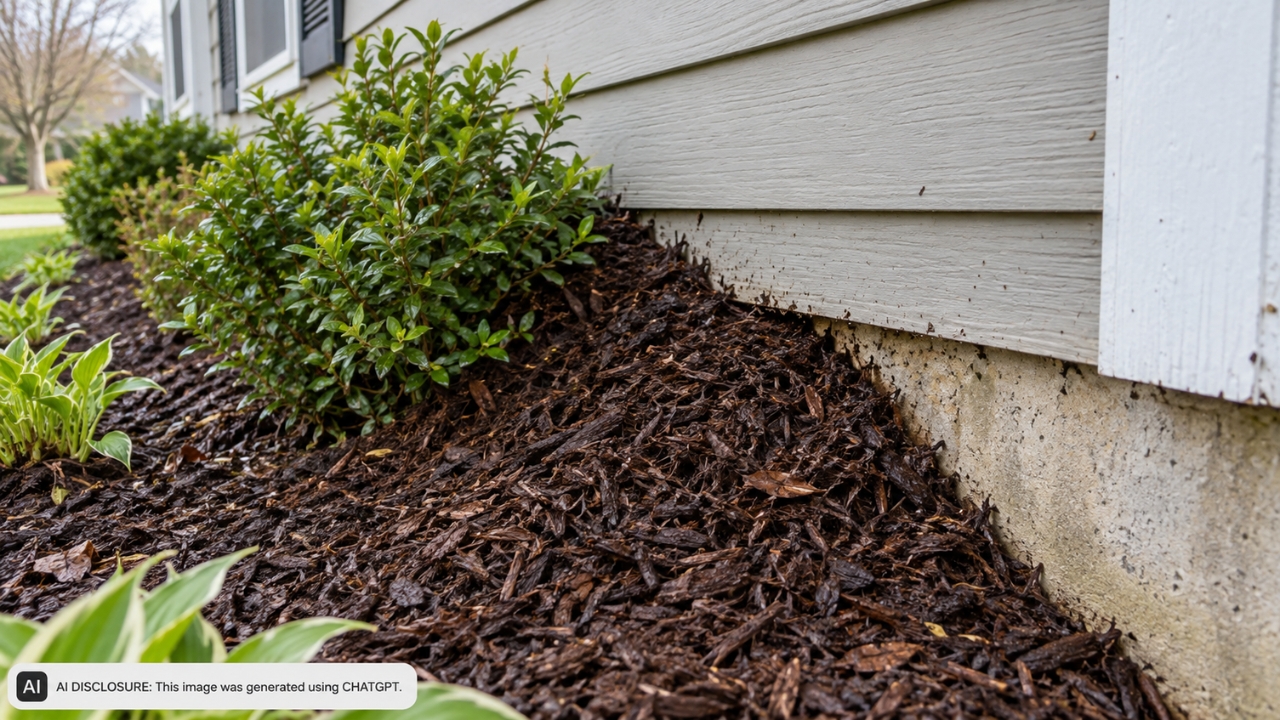
Fresh mulch looks great until it’s stacked like a snowdrift against the house. That’s an open invite for rot and insects, and it can cover up a bad foundation line.
Rake it back so you’ve got a few inches of clearance below siding and trim, and keep mulch under 3 inches deep. If you need to build up grade for drainage, use soil first and then top with a thin mulch layer. Termite areas are even less forgiving, follow local guidance.
5. Porch Steps That Bounce Or Tilt
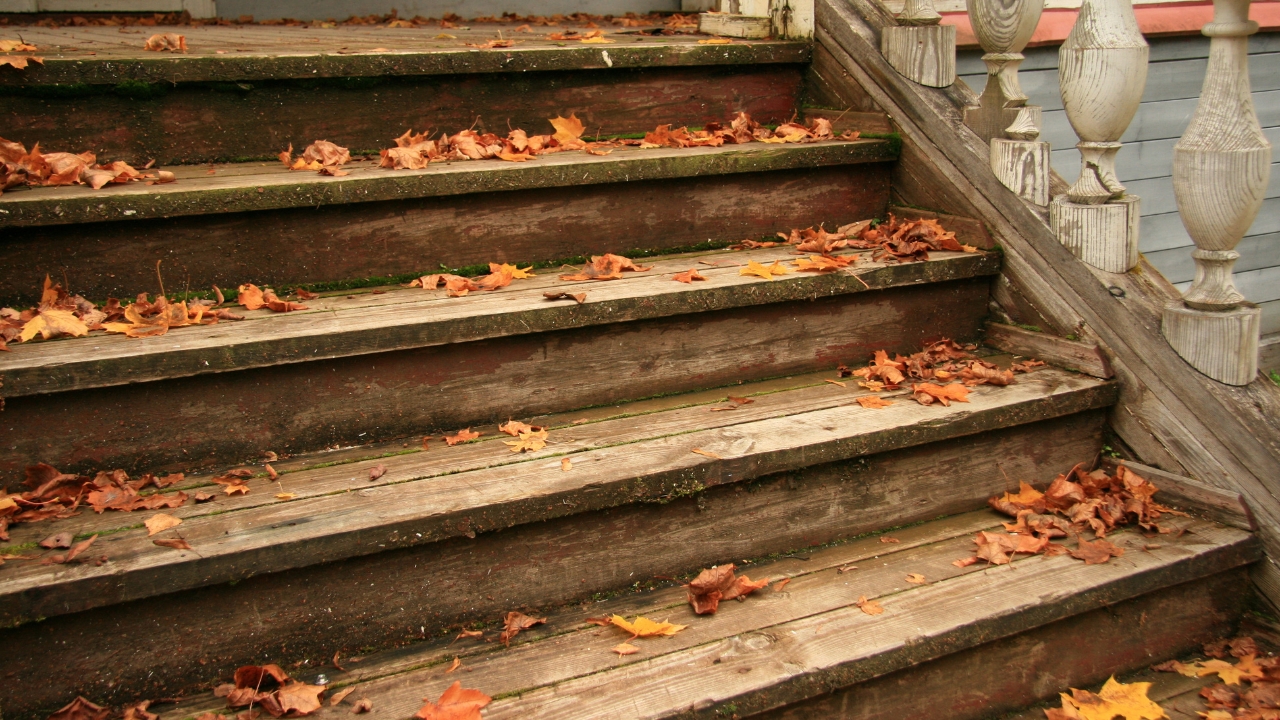
A wobbly step is a safety problem, and buyers feel it in their knees the moment they walk up. Even if it doesn’t break, it makes the whole entry look slapped together.
Tighten what’s loose, then fix the real cause. Often it’s a stringer that’s not supported, a landing that’s settled, or fasteners that rusted out. If the structure is rotten or the stairs aren’t built to code height and tread depth, don’t get cute with shims, rebuild or hire a pro.
6. Dead Patch Of Lawn By The Walk
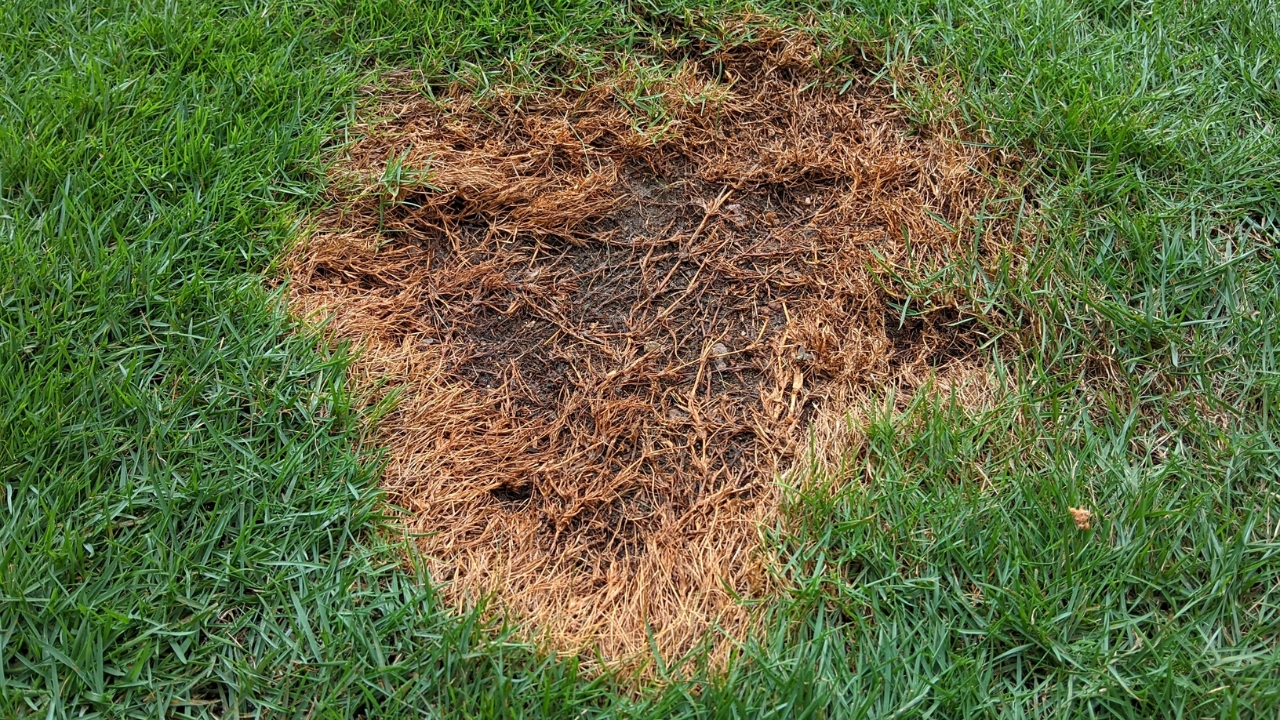
That one brown strip by the sidewalk usually isn’t “just the heat.” It’s often foot traffic, dog spots, or a downspout dumping in the same place every storm.
Fix the cause, then repair the turf. Reroute the water, add a stepping stone path, or aerate and topdress compacted soil. For a quick visual win, rake in seed in early fall and keep it damp for a couple weeks, or lay a small piece of sod and water it like you mean it.
7. Front Door That Sticks Or Sags

If a door drags and you have to shoulder it, buyers wonder what else is out of square. Sometimes it’s nothing, sometimes it’s a hint of foundation or framing movement. Either way, it feels neglected.
Start simple: tighten hinge screws, then swap one screw per hinge with a 3-inch screw that bites framing. Check the strike plate and latch alignment and adjust if needed. If you see new diagonal drywall cracks inside or big gaps at trim, get a pro to look before you start planing doors.
8. Fogged Windows And Broken Seals
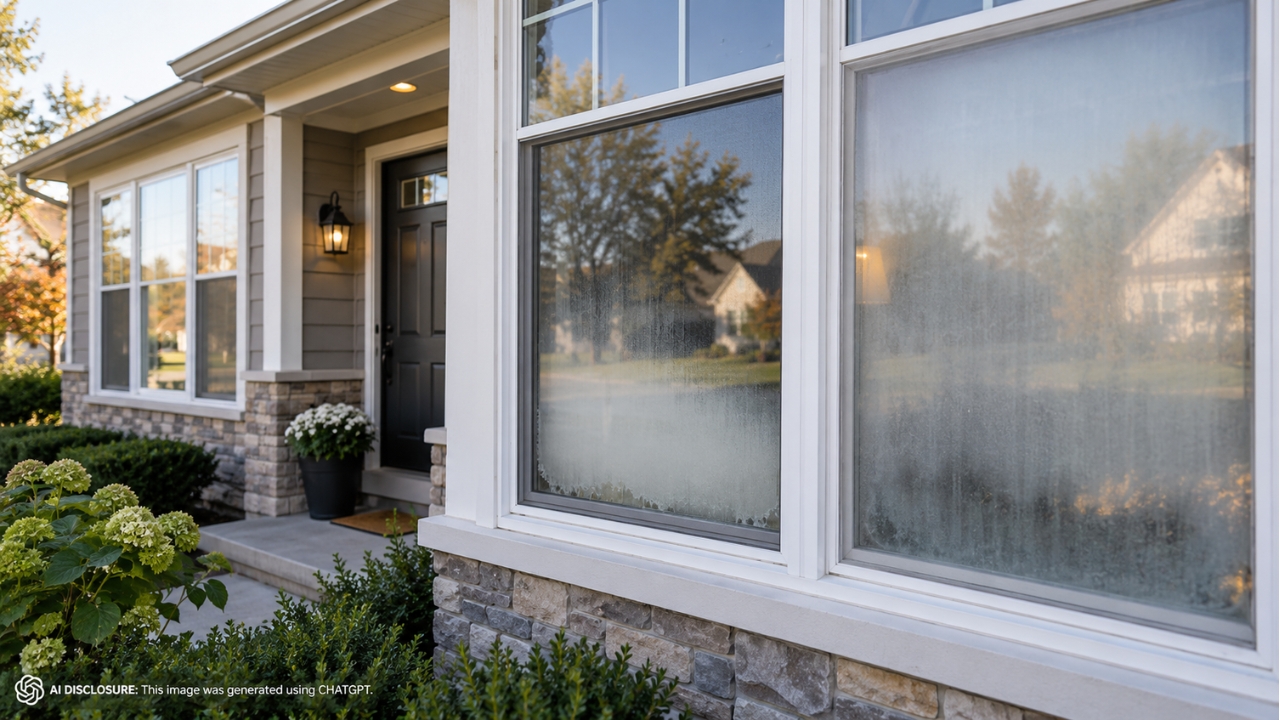
That cloudy band between panes looks expensive because it is. Buyers think replacement, not “simple cleaning,” and they’re usually right.
Call a glass shop and ask about replacing the insulated glass unit instead of the whole window. Often the frame is fine. If the windows are older and you’ve got several failed seals, budget talks may start, so it’s better to address at least the ones at the front of the house.
9. Overgrown Shrubs Blocking Windows

When bushes swallow the front windows, the place feels dark and smaller than it is. It also makes people think about pests and moisture against the wall, and it can make the entry feel less safe.
Prune with a real bypass lopper and hand pruners, not hedge shears that just fluff the outside. Leave a gap between the plant and siding so air can move, and don’t cut everything into tight meatballs. Exception: some formal hedges are supposed to look clipped, but they still shouldn’t touch the house or block sightlines.
10. Visible Utility Clutter In The Yard
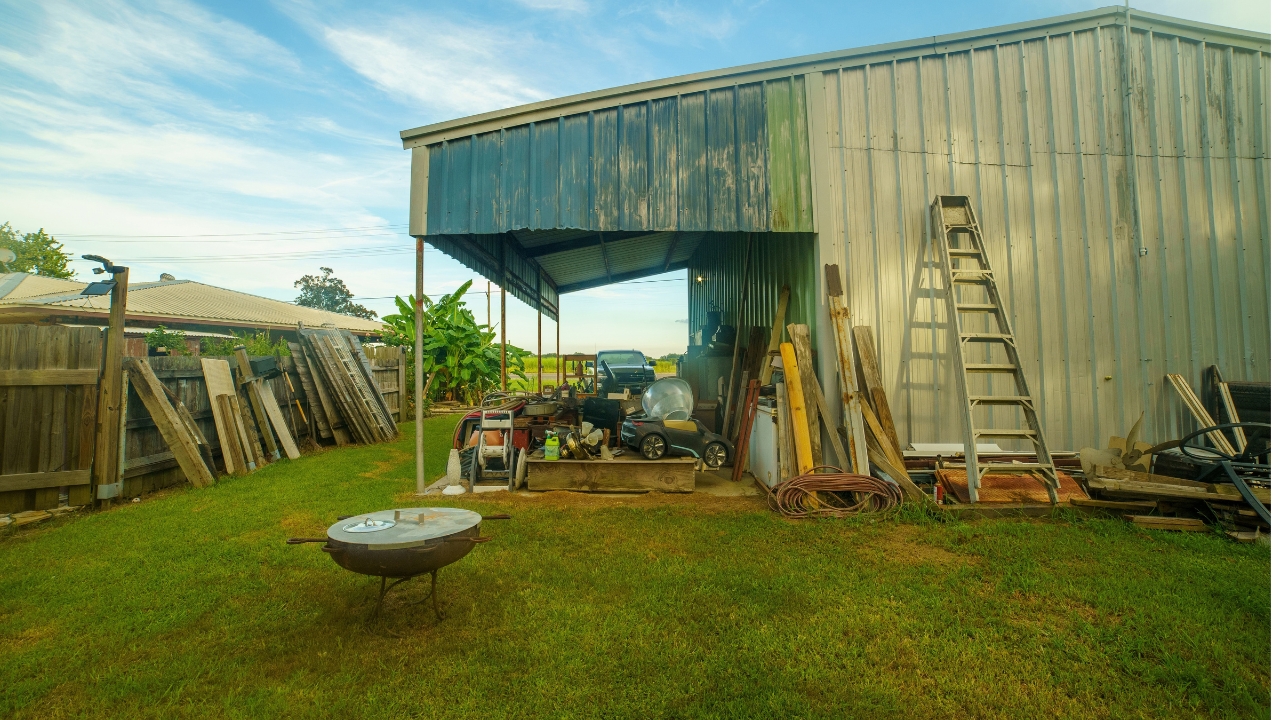
A yard full of random hoses, old planters, broken edging, and scrap lumber reads like unfinished projects. Buyers assume there’s more hidden in the shed, the crawlspace, and the garage.
Coil hoses on a hanger, move firewood off the ground, and haul the junk. If you’ve got a compost pile, keep it contained and neat, not spread like yard trash. This is one of those fixes that costs almost nothing and changes the mood fast.
11. Flaking Caulk Around Windows And Doors
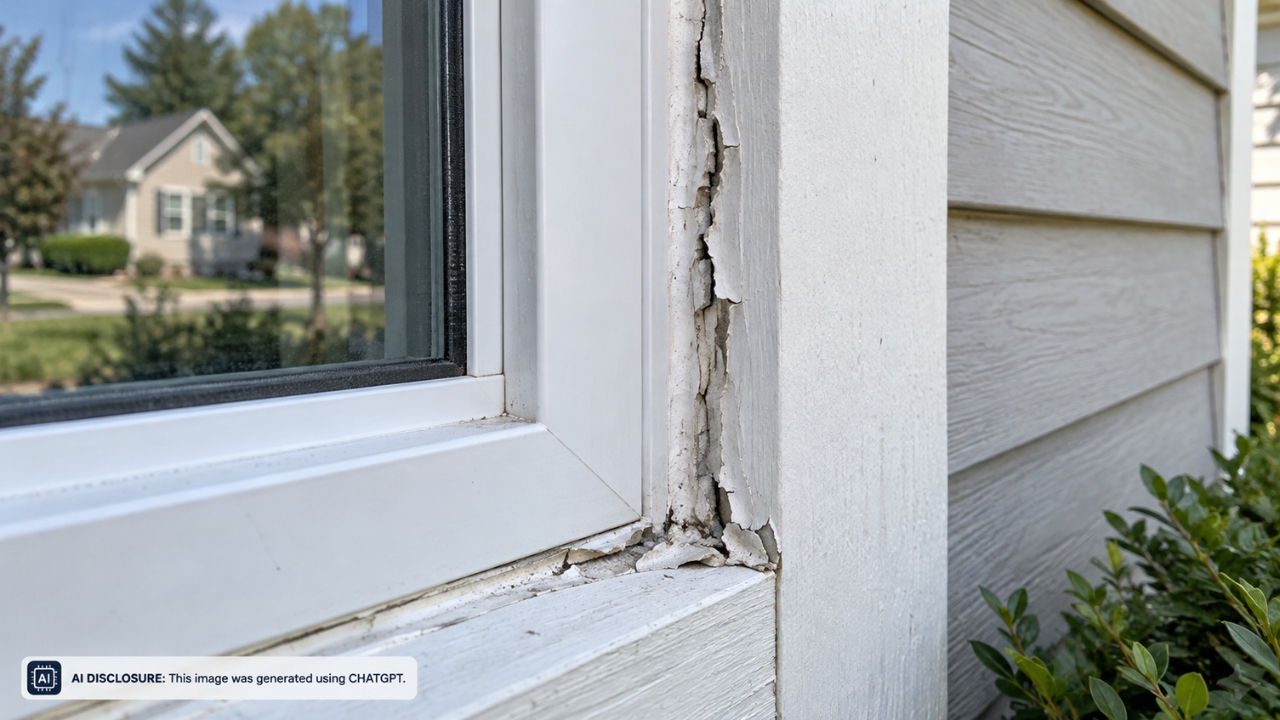
Bad caulk is a small line that hints at water getting in. It also makes trim look tired, even on a house with good paint.
Cut out loose caulk with a utility knife, clean the joint, then apply a paintable exterior sealant rated for windows and doors. Tool it smooth, let it cure, then paint if needed. Skip the cheapest tube, it shrinks and fails in a season.
12. Porch Light That’s Dim Or Missing
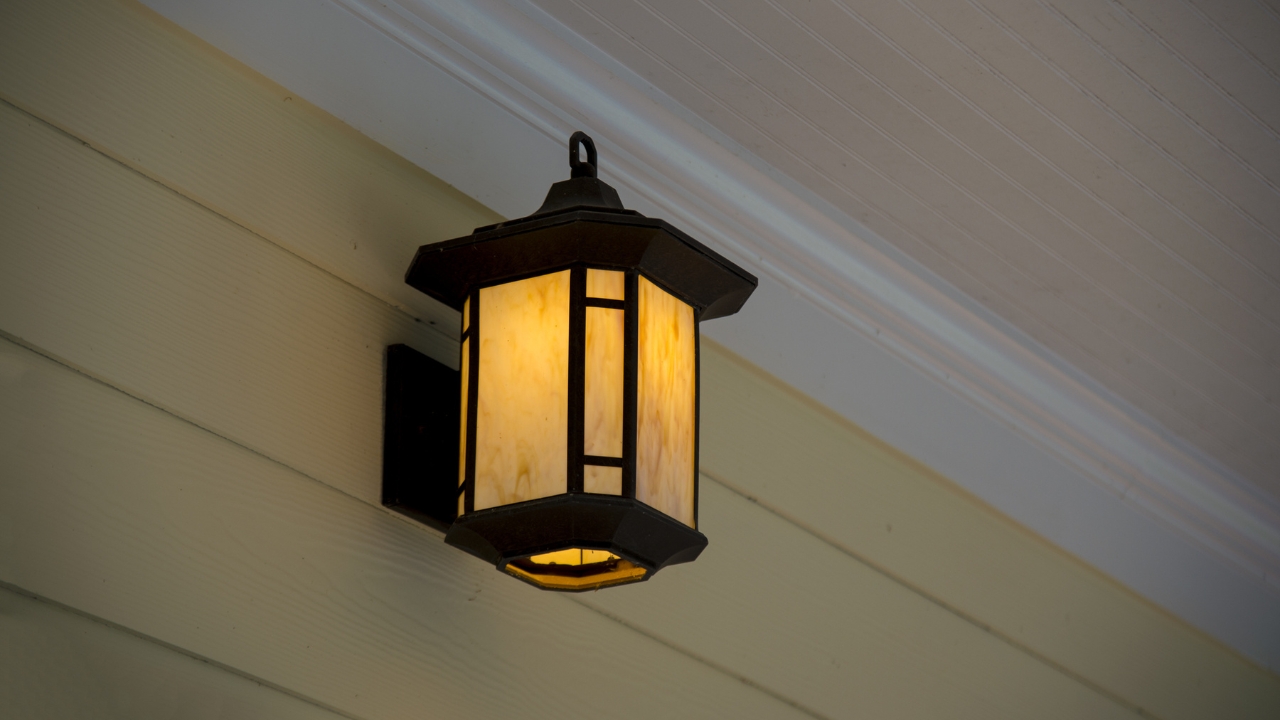
Nothing looks more forgotten than a dead porch light or a fixture full of bugs. Buyers notice it during daytime showings too because it’s right at eye level.
Replace the bulb with the right base and color, and clean the globe. If the fixture is rusty or crooked, swap it for a simple exterior-rated light. Any wiring that’s brittle, overheated, or tied into unknown splices is a licensed electrician job, and sometimes a permit.
Walk across the street and look at your place like you’ve never seen it before, then fix what your eyes keep landing on. A few clean lines, working basics, and water managed away from the house goes a long way toward making everything else feel solid.
Like Fix It Homestead’s content? Be sure to follow us.