12 Things Every First-Time Wood Stove Owner Learns Late
Photo credit: mgstudyo/istock.com
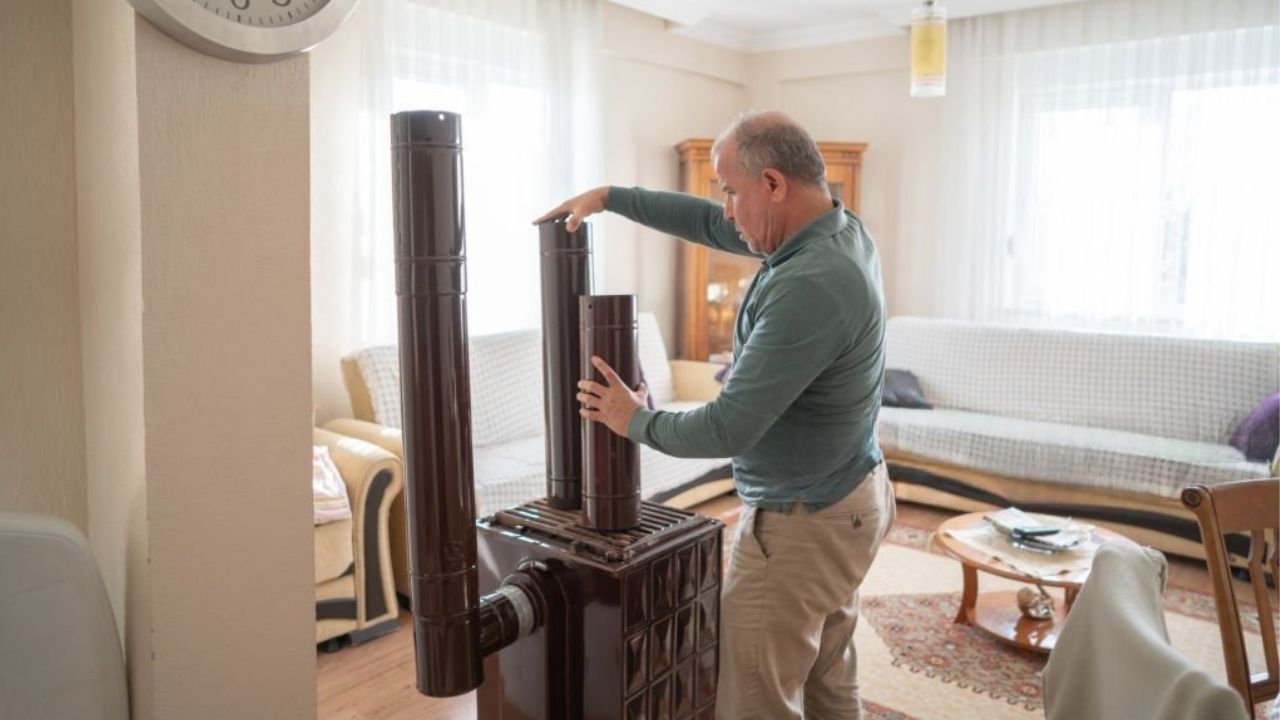
You buy a wood stove for the heat and the comfort, then you find out the real learning curve is everything around it. The first season is when small mistakes show up as smoke, mess, weird smells, and surprise errands in the dark. None of it is hard, but a lot of it is easy to learn late.
1. Buying Wood By The “Cord”
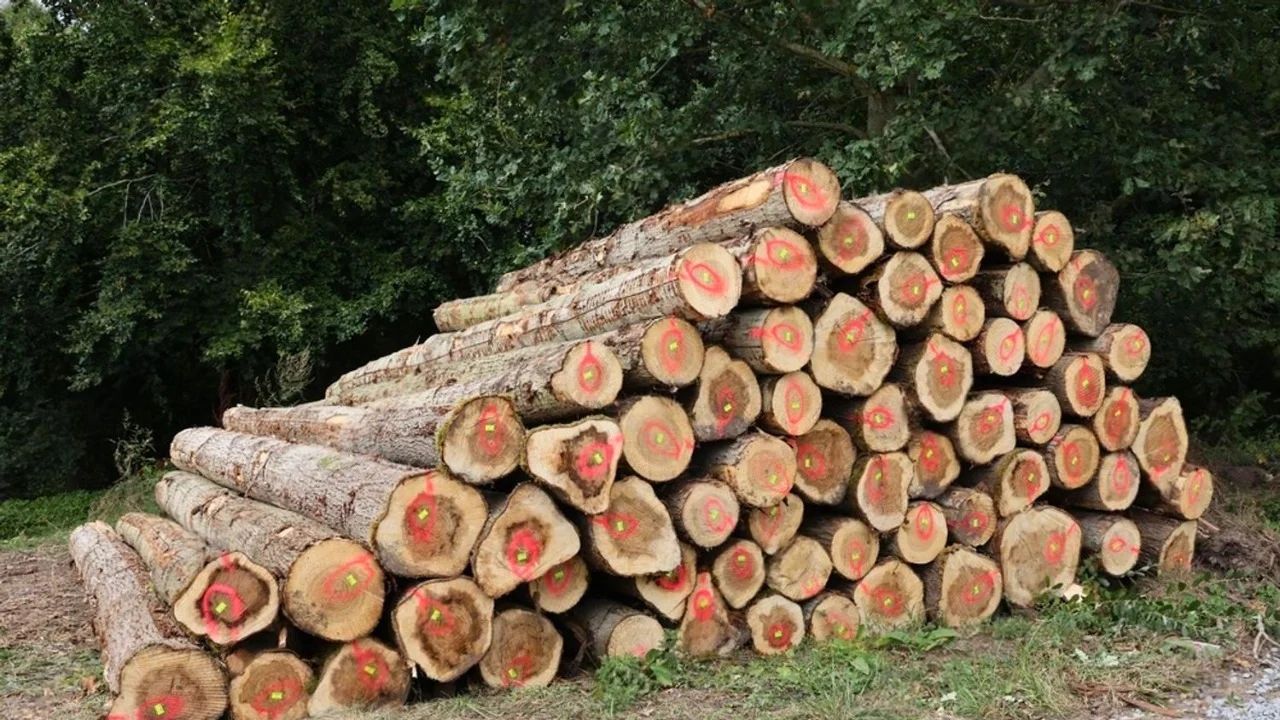
Someone offers “a cord” and you picture a neat stack, then a loose pile shows up that looks big until you start stacking it. A real cord is 128 cubic feet stacked, not tossed in a heap. If you pay by the load, you need dimensions, not hand waving.
Before you buy, ask for the truck bed size and how high it’s piled, and confirm the length of the splits. When it arrives, stack it right away so you can see what you actually got. If it’s short, deal with it once, then find a better seller.
2. Burning Wood That Isn’t Dry
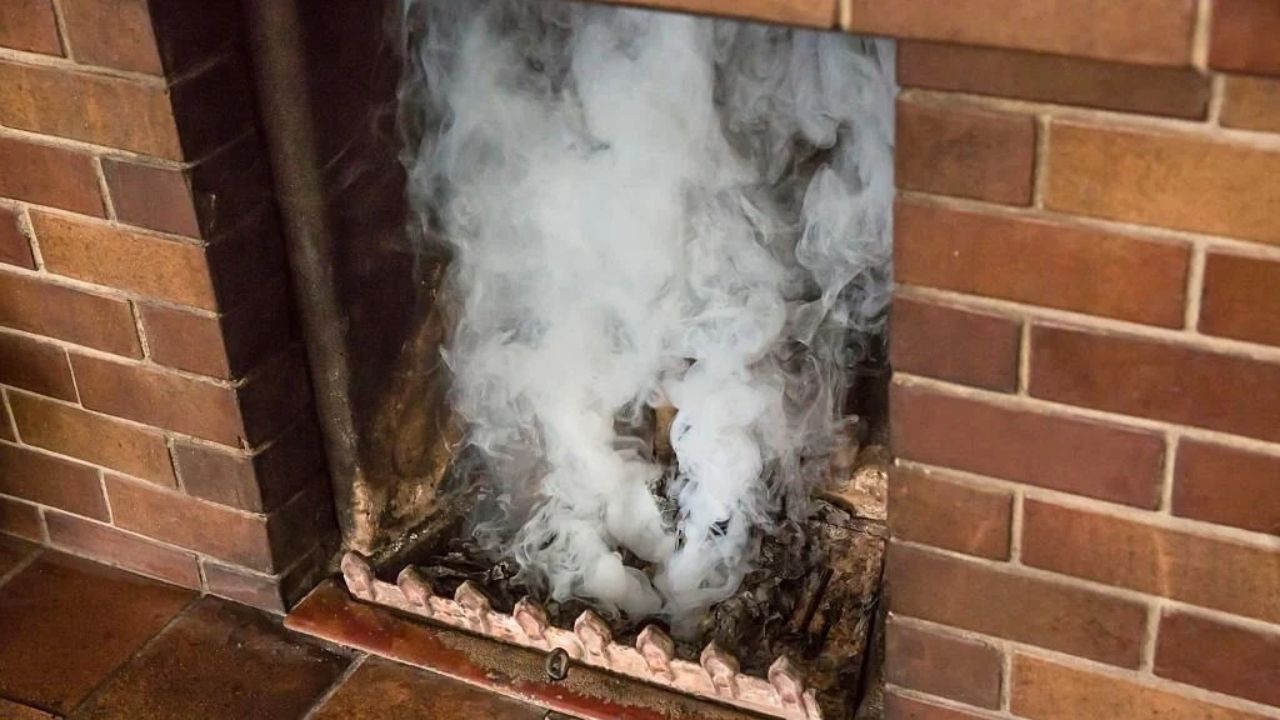
Wet wood hisses, smolders, and makes you think the stove “won’t draw.” You get less heat, more smoke, and a glass door that turns black fast. The worst part is what you can’t see, creosote building up quicker in the flue.
Skip the guesswork and buy a cheap moisture meter. Split a piece and test the fresh face, not the outside, and aim for around 20 percent or less. If you’re stuck with green wood, mix in truly dry pieces, burn smaller loads, and plan a year ahead for next season.
3. Stacking Firewood Right Against The House
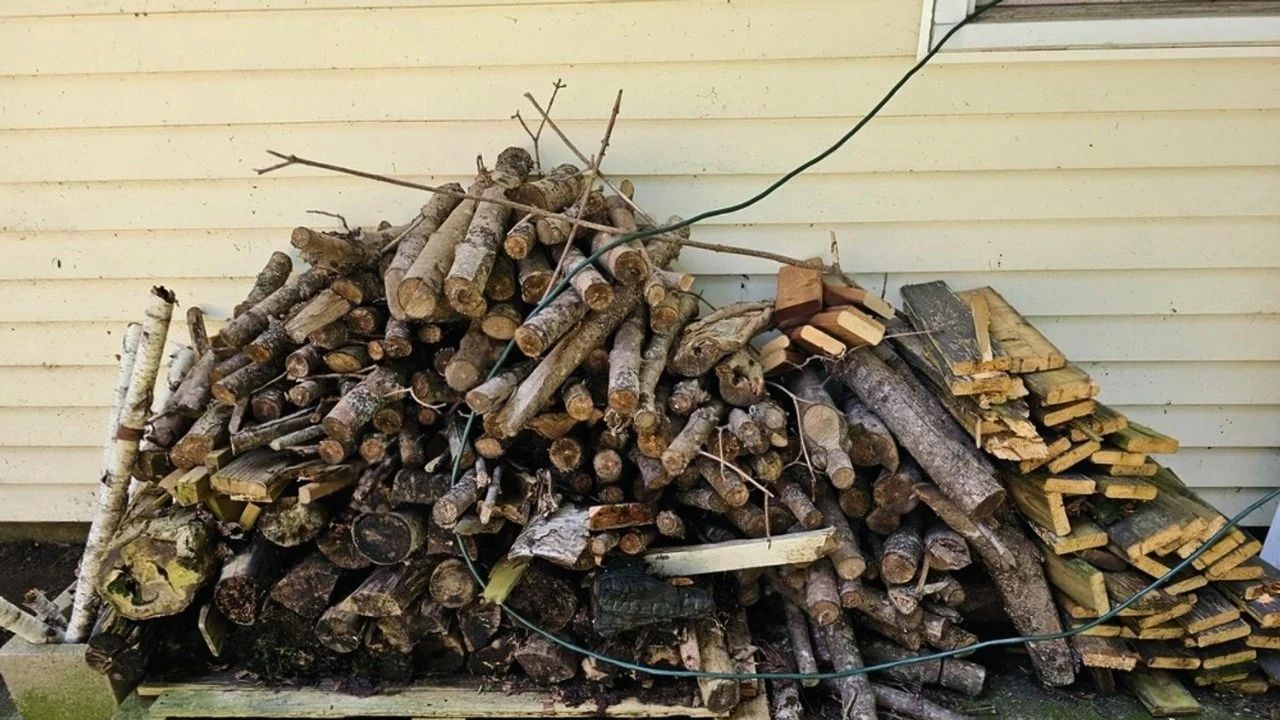
It feels tidy to keep wood by the back door, especially when the snow comes. Then you find ants, termites, mice, and damp siding. You also make it easy for sparks and embers to find something they like.
Keep the main stack away from the house, off the ground, and with air moving through it. A small “working pile” near the door is fine, but only a few days’ worth. If bugs are already showing up, move the pile and clean the area instead of spraying and hoping.
4. Skipping The Moisture And Ash Routine
A stove runs best when you do a couple boring chores on a schedule. Without them, you chase problems that feel mysterious, like poor heat and smoky starts, when it’s just a choked firebox or a damp load.
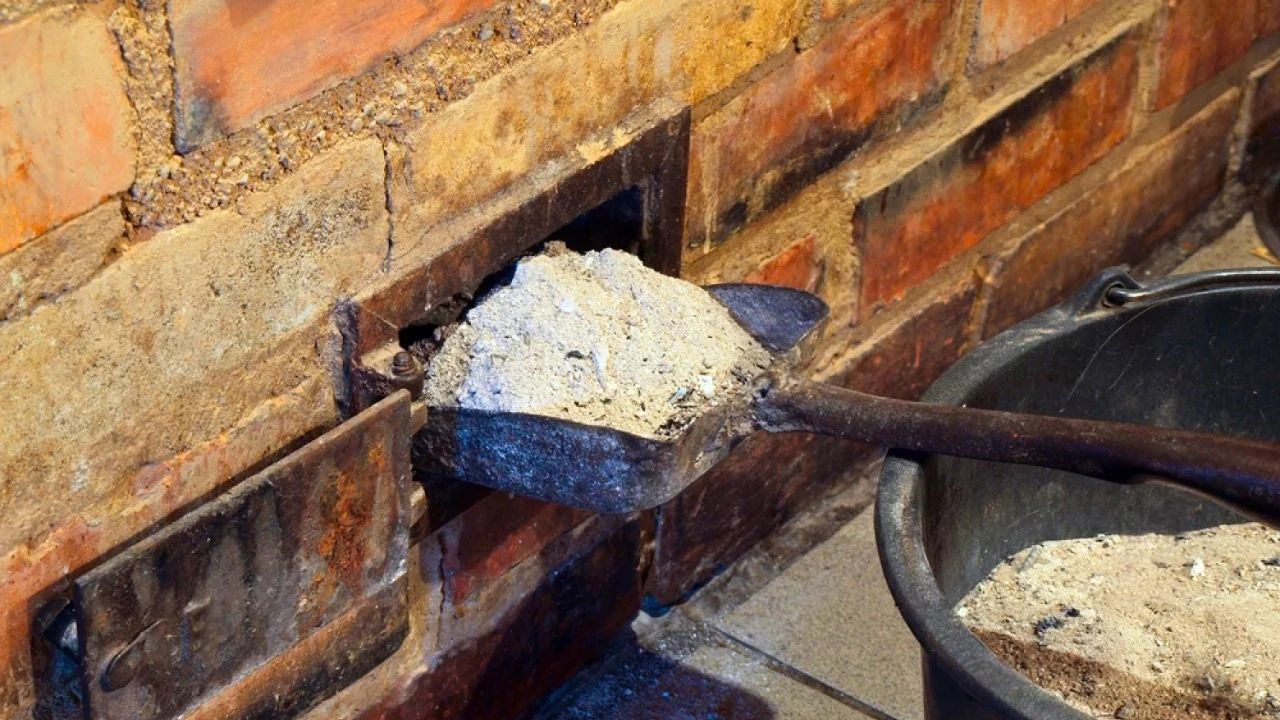
Keep a covered metal ash bucket with a tight lid, and empty before ash piles up to the bottom of the door opening. Ash can hold live coals for a long time, so that bucket belongs on a noncombustible surface, not a wood porch. And keep that moisture meter where you can grab it fast, because guessing wrong gets old.
5. Learning Draft The Hard Way
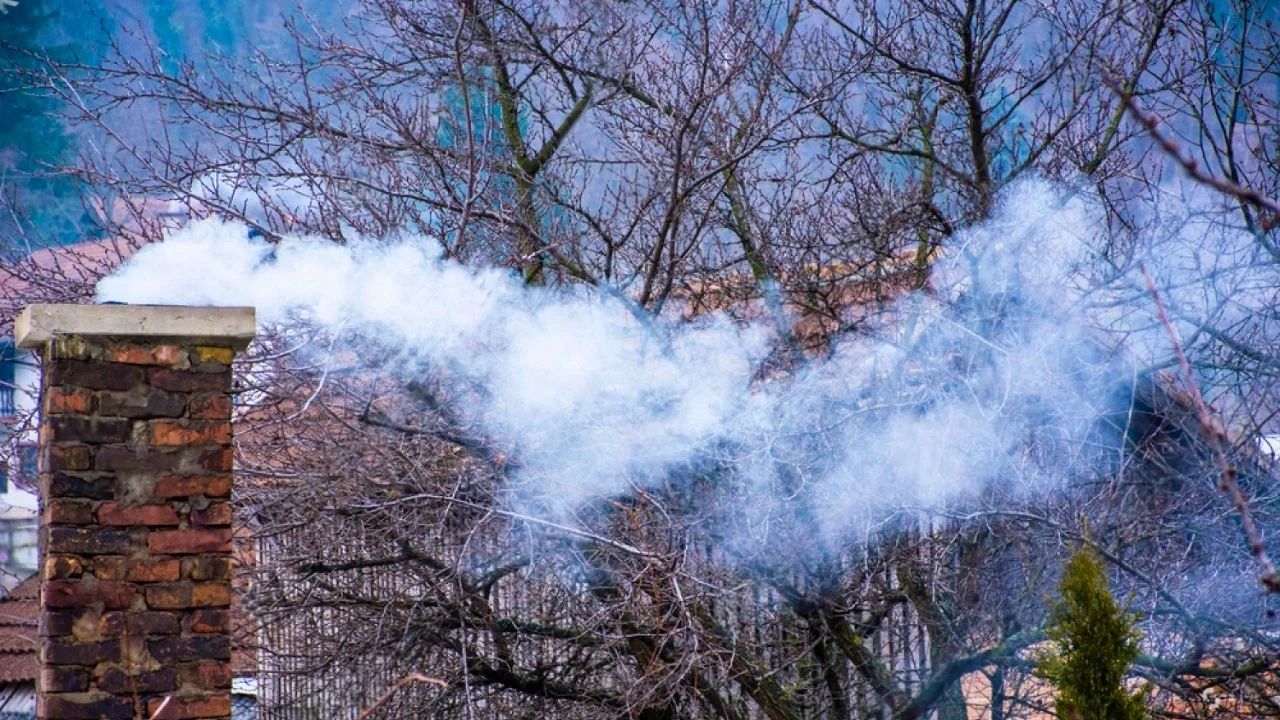
The first cold snap hits and suddenly the stove backpuffs smoke when you crack the door. Or the fire seems lazy unless you leave the air wide open. Draft depends on chimney height, temperature difference, house pressure, and wind, and it changes day to day.
Start fires with smaller, hotter kindling loads and preheat the flue if the house and chimney are cold. A rolled newspaper torch held near the flue path for a minute can help, but keep it controlled and stay right there. If smoke issues keep happening, get a pro to look at chimney height, cap, and liner sizing, because random tweaks rarely fix a draft problem.
6. Using The Wrong Tool For Ash
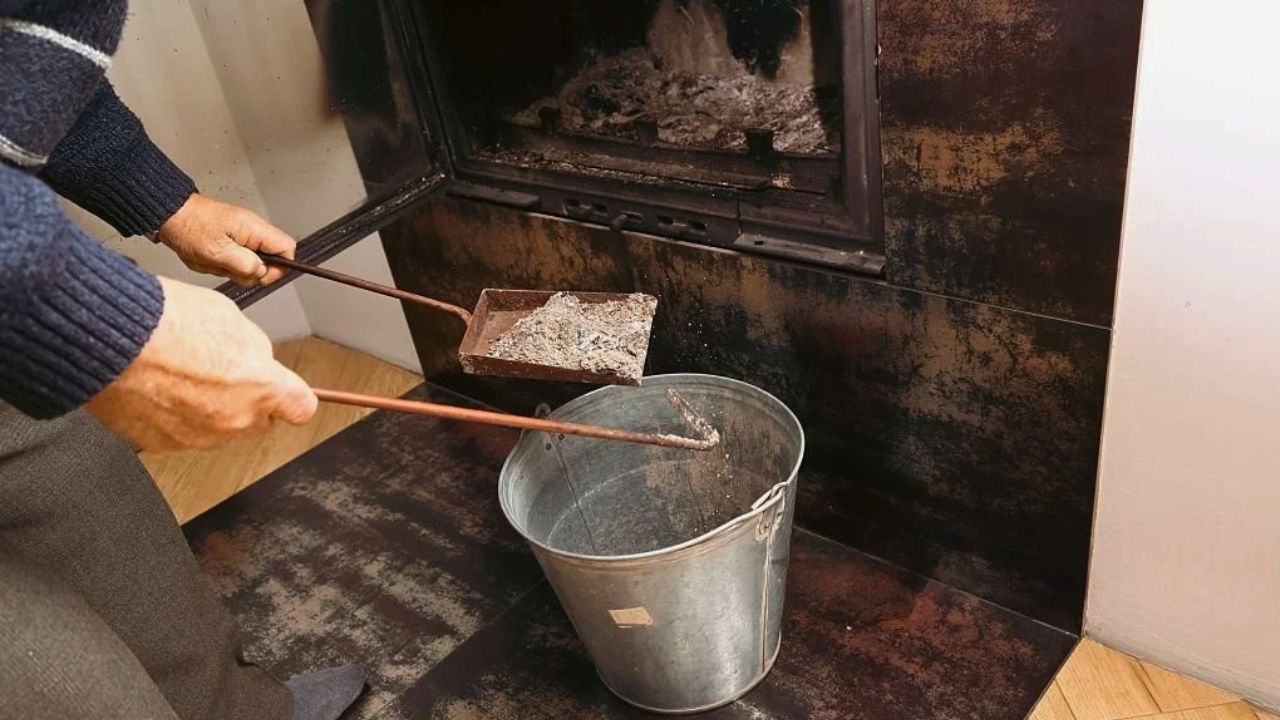
A shop vac looks like the easy button, right up until you smell hot dust and wonder what just got sucked into the motor. Ash is fine, floats everywhere, and hides coals. It will also destroy filters and can start a fire if you vacuum too soon.
Use a small metal shovel and a metal bucket for daily ash. If you want a vacuum, buy an ash vacuum meant for fine ash and still only use it on dead, cold ash. When in doubt, wait a full day.
7. Not Buying A Real Stove Thermometer
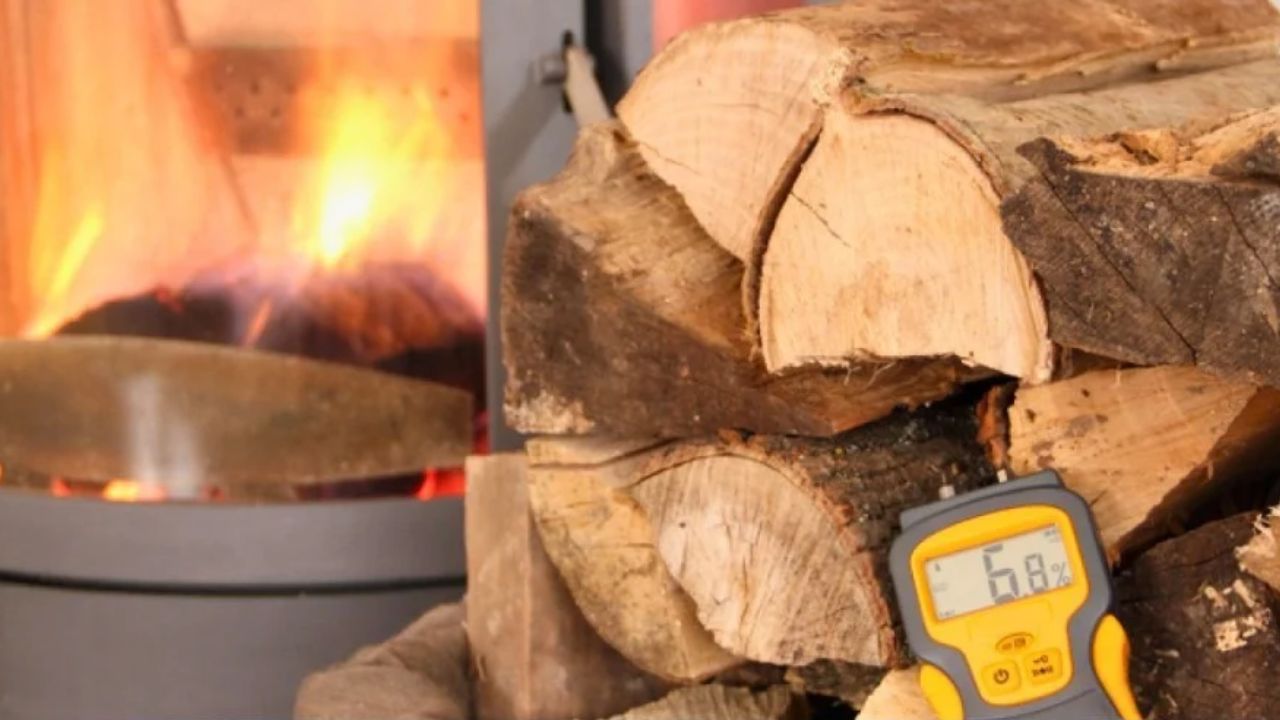
New owners run by “feel,” and it leads to two bad habits, smoldering too low or overfiring because the stove “doesn’t feel hot yet.” The paint smell comes back, stove parts ping, and the flue gets dirtier than it should.
A simple magnetic stovetop thermometer or a probe thermometer for single wall pipe takes out the guessing. You learn where your stove likes to cruise, and you stop chasing the air control every five minutes. Cheap ones are usually fine for this, the fancy digital stuff is not required.
8. Thinking More Air Always Means More Heat
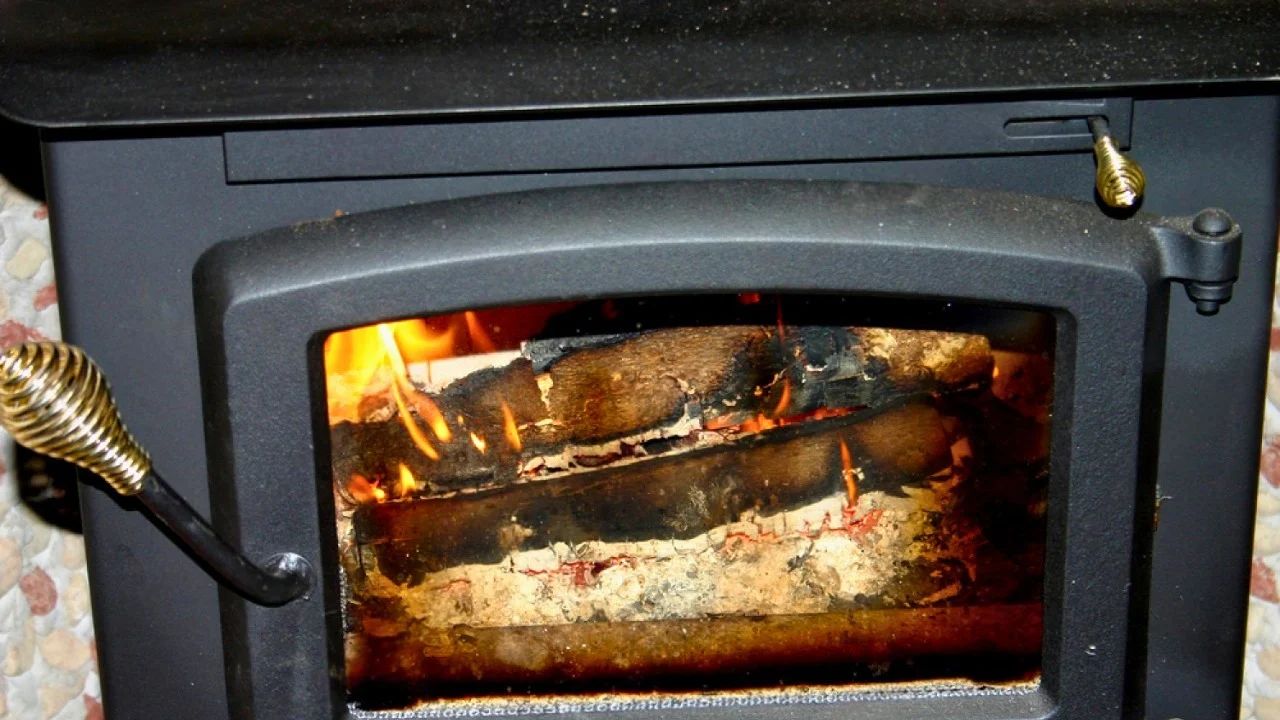
Air control is not a gas pedal. Wide open air can send a bunch of heat up the chimney and burn a load too fast, and then you’re cold again in two hours. Close it too far and you get a smoky, creosote making mess.
Once the load is burning well and the flue is hot, step the air down in small moves and wait a few minutes between adjustments. Watch the flame, not just the thermometer. If you can’t get stable burns without constant fiddling, the wood, draft, or gasket seal is usually the real problem.
9. Ignoring Door Gaskets Until They Fail
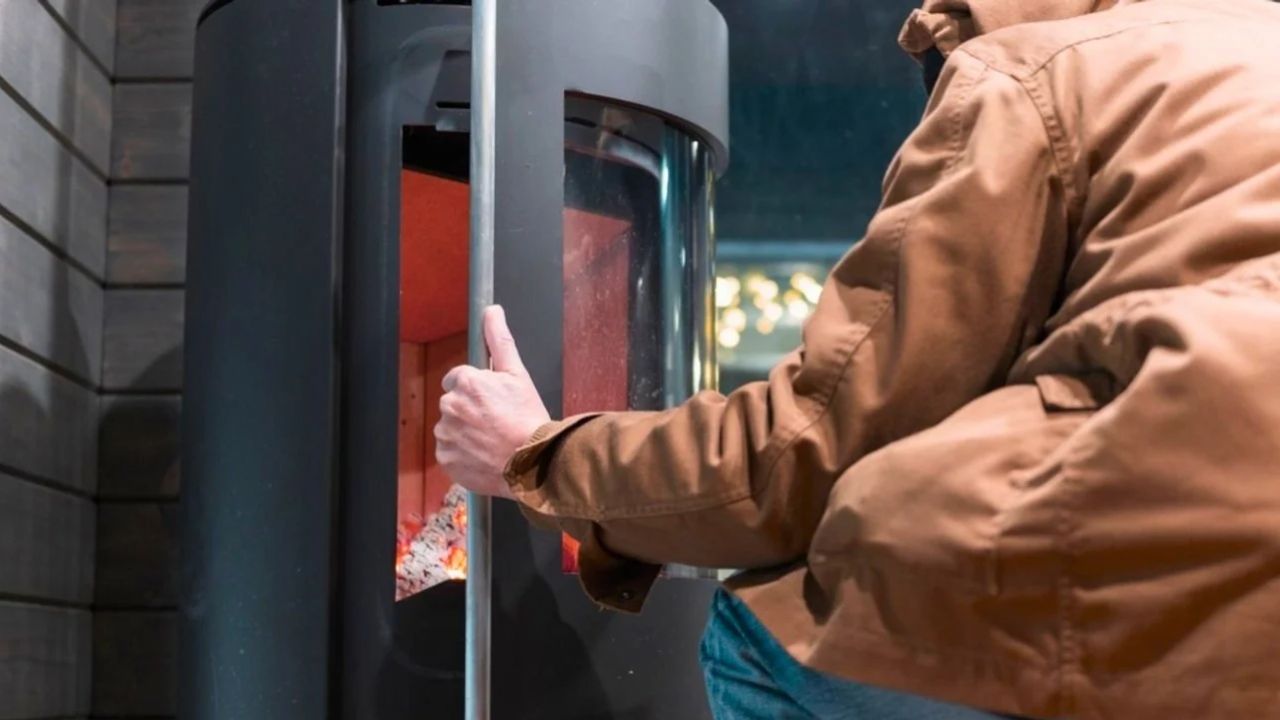
One day the stove won’t hold a long burn and you blame the wood. The next day you notice the air control “does nothing.” Often it’s a door gasket that’s flattened or frayed, letting air leak in around the door.
Do the dollar bill test, shut the door on a bill and pull. If it slides out easily in spots, it’s time. Replacing gasket rope is a doable DIY job with the right size rope and gasket cement, but take your time cleaning the channel so it seats right.
10. Waiting Too Long To Sweep The Chimney
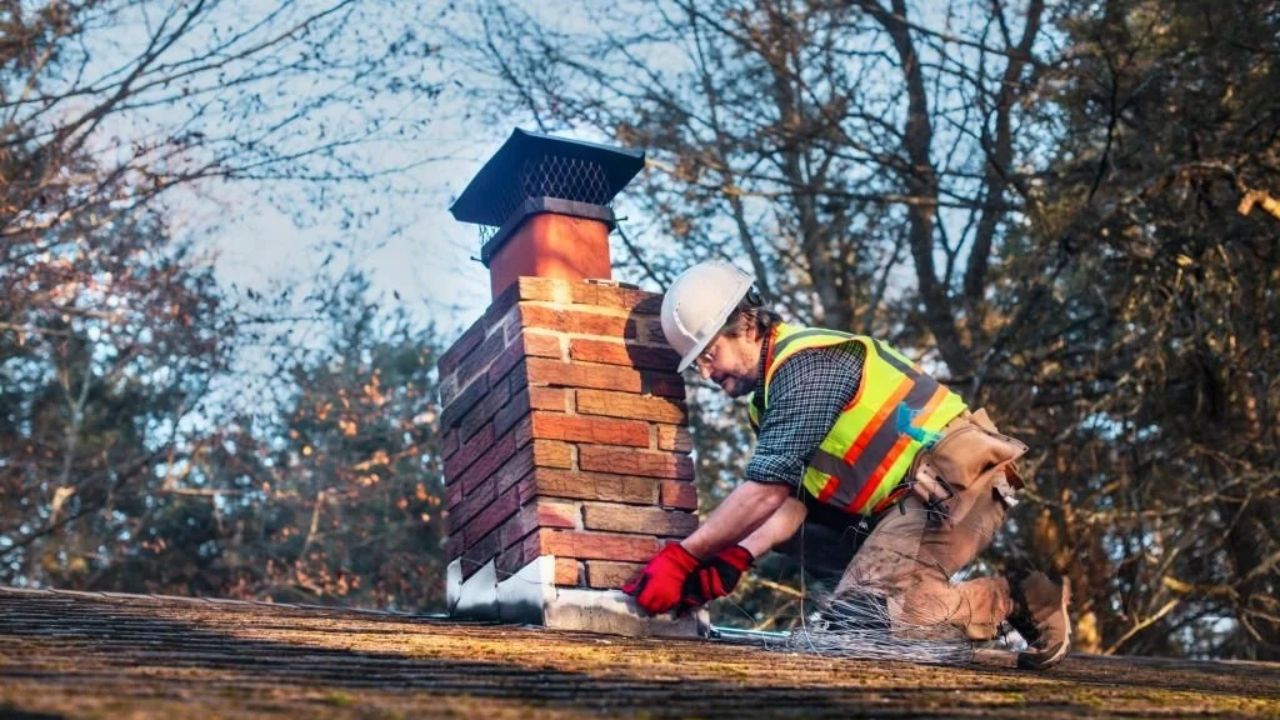
That soft, crunchy sound in the pipe when you tap it is not something to admire. Creosote builds faster with wet wood, low burns, and shoulder season fires. A chimney fire is loud and scary, and it can damage the flue even if the house doesn’t burn.
Get the chimney inspected and cleaned at least before the first season, and then on a schedule that matches how you burn. If you burn daily, plan on checking midseason the first year so you learn your rate. If you’re climbing on a steep roof or dealing with a tall stack, pay a pro, it’s money well spent.
11. Forgetting About Makeup Air In Tight
Houses
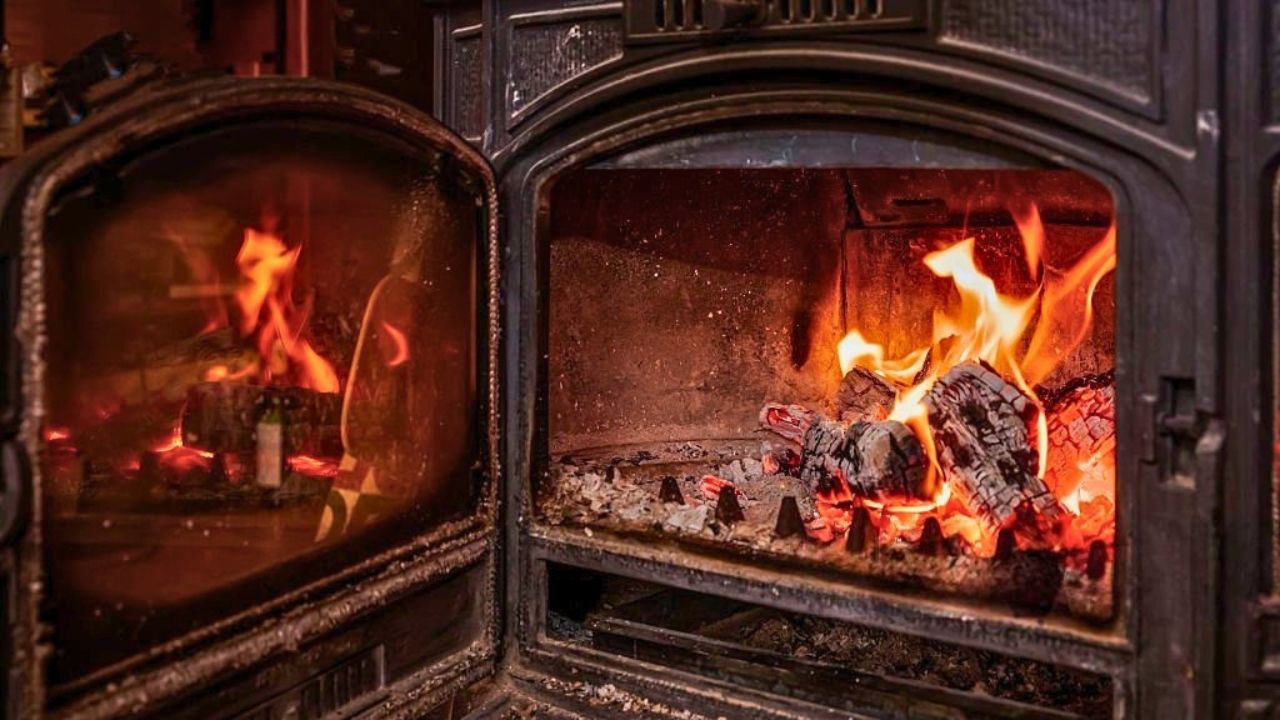
Do you run the stove and the kitchen hood at the same time and suddenly the fire acts weird? In a tight house, fans and dryers can pull air out faster than it leaks back in. The stove fights for air and the room can get smoky when you open the door.
Try cracking a nearby window an inch during startups or when exhaust fans are running. If that fixes it, look into a dedicated outside air kit if your stove supports one, and follow local codes. If you’re dealing with serious negative pressure or a new construction house, this is a good time to bring in an installer who understands airflow.
12. Underestimating The Mess Around The Stove
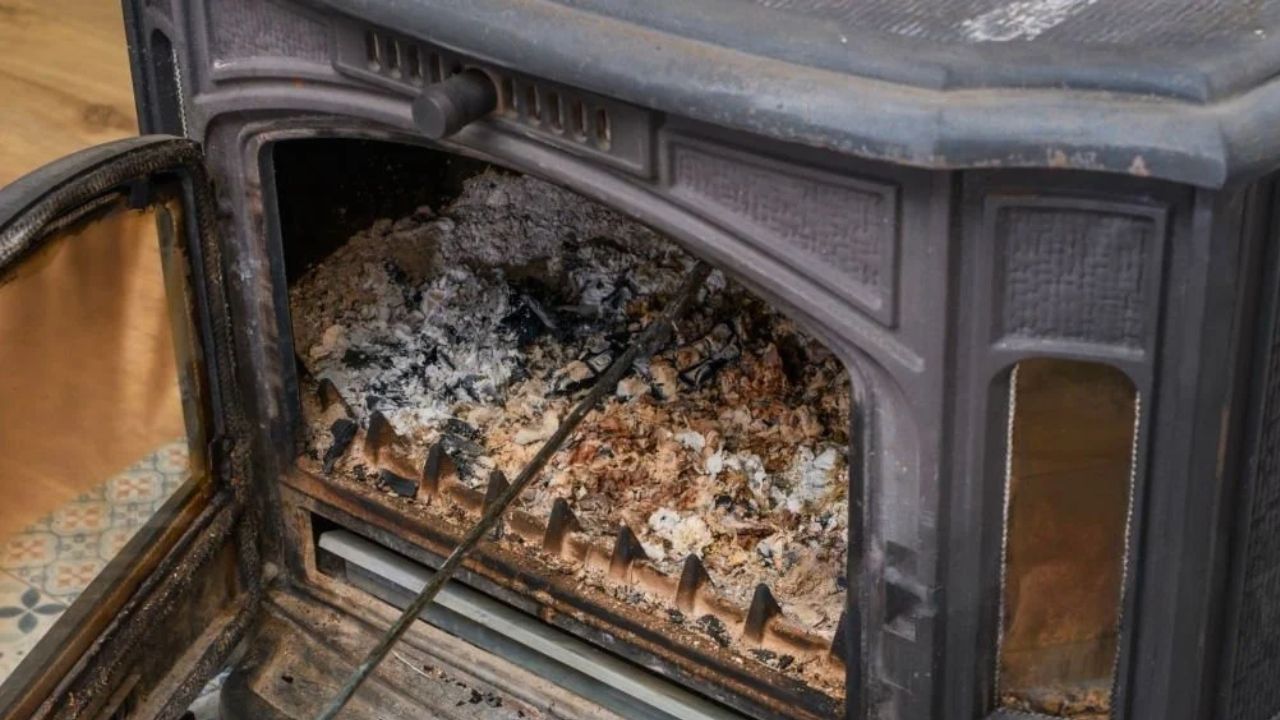
Bark falls off. Ash drifts. Snow melts off boots and turns into grit that gets tracked right to the hearth. The stove itself is clean, but the area around it takes a beating.
Put down a real hearth pad sized for how you live, not just the minimum in the manual. Keep a small broom, ash scoop, and a lidded metal can right there so cleanup takes two minutes instead of becoming a Saturday project. If you have kids or pets, a simple barrier gate around the stove saves a lot of stress.
After a season or two, the stove stops feeling like a finicky machine and starts acting like a steady tool. Keep your wood dry, your chimney clean, and your habits boring, and most of the drama goes away. The rest is just learning how your house breathes in winter.
Like Fix It Homestead’s content? Be sure to follow us.