15 States Where Venomous Snakes Show Up in Yards Most
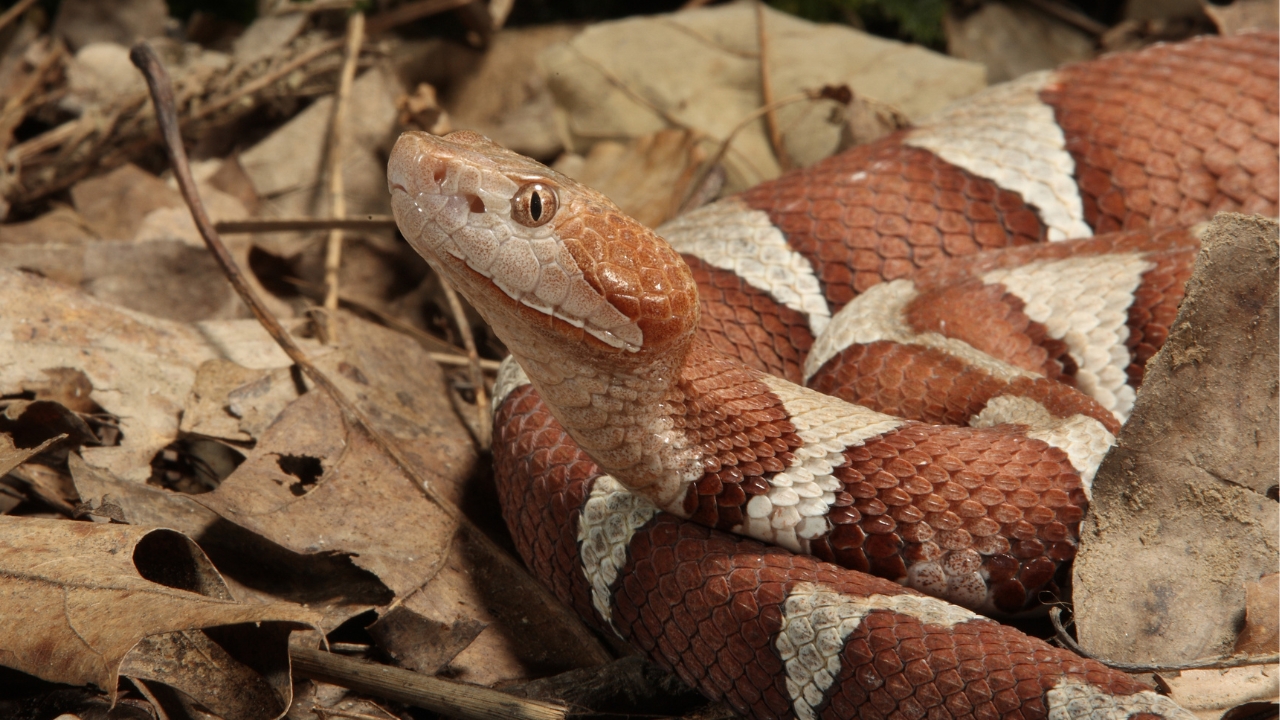
Photo credit: Dennis W Donohue/Shutterstock.com
You can do everything “right” and still spot a snake where you least want it, by the hose bib, under the kids’ swing, or curled beside the foundation. Venomous species don’t need much, a little cover, a little water, and something to eat. If you live in the wrong place and your yard gives them those basics, they’ll show up.
1. Texas Brush Piles And Rock Edges
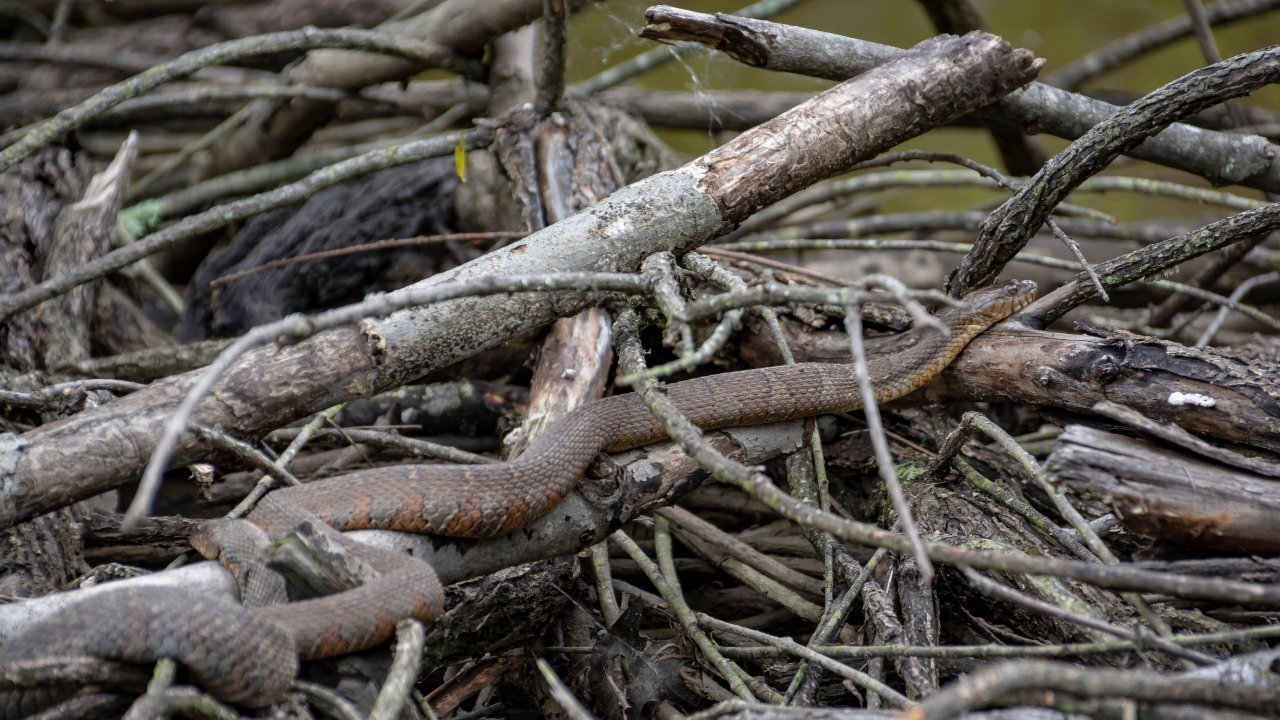
Texas yards offer a buffet of habitat, from brushy fence lines to limestone edging and stacked firewood. Rattlesnakes, copperheads, and cottonmouths all have footholds here, and suburban growth keeps pushing people closer to their cover. The most common “yard invite” is the nice, tidy pile of limbs you swear you’ll haul off later.
Fix it by getting ruthless about clutter. Cut grass short along fences, keep shrubs lifted off the ground, and don’t store lumber or sheet goods flat on the soil. If you like the look of rock borders, set them tight and keep weeds out, loose rock with gaps turns into a perfect snake motel.
2. Florida Water Features And Thick Landscaping
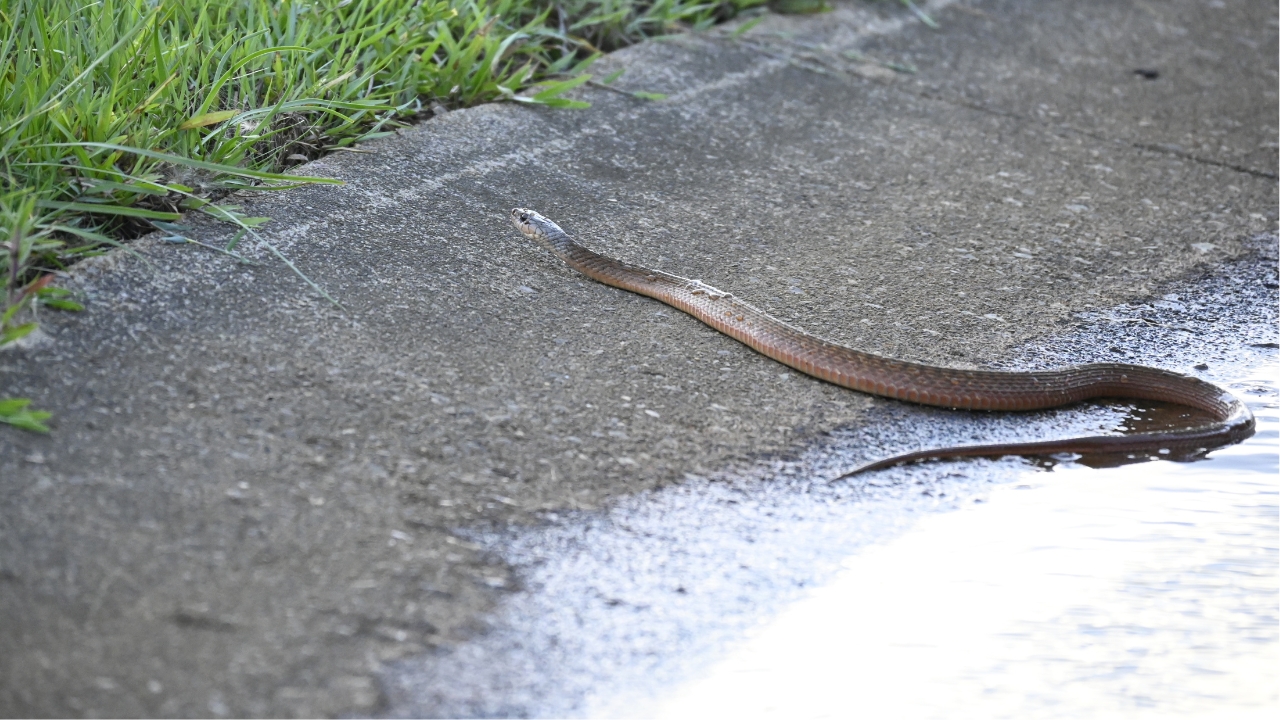
In Florida, water is never far away, and that matters for cottonmouths. Retention ponds, canals, soggy ditches, and even a leaky irrigation zone can turn your back corner into a travel lane. Add dense tropical plantings and you’ve built shade and cover that stays cool all day.
Start with drainage and visibility. Fix sprinkler leaks, keep ditch banks trimmed, and thin out groundcover right against the house. If you’re on a canal or pond, keep a clean strip you can see, and don’t toss palm fronds and yard waste down the slope.
3. Arizona Block Walls And Desert Shade
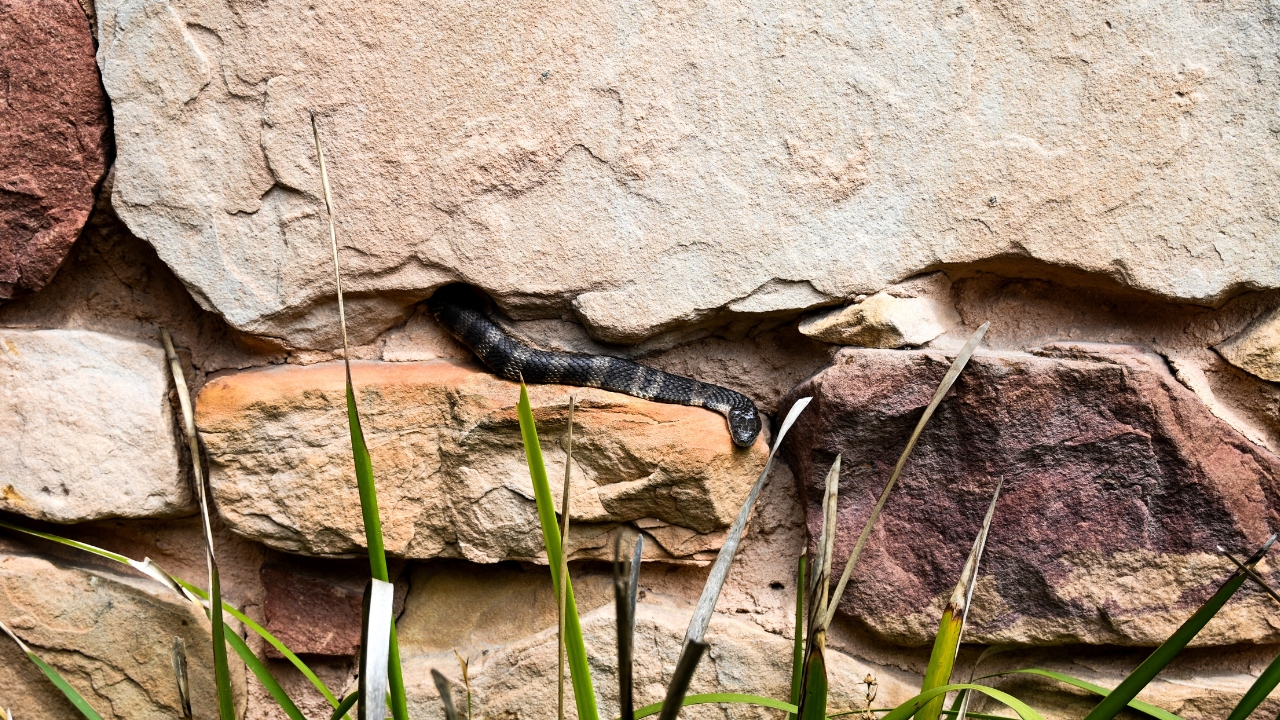
Block walls, decorative boulders, and deep shade under desert shrubs give rattlesnakes exactly what they want, cool hiding spots near lizards and mice. In the shoulder seasons, snakes move more, mornings and evenings feel nice, and you’re outside more too. A lot of bites happen when someone steps over a low wall or reaches into a dark nook.
Seal and screen gaps where block walls meet the ground, and don’t let weeds and debris pile along the base. Keep desert landscaping “open,” with space under shrubs, and avoid stacking pavers or tile right on soil. If you need to move rocks or clean out a corner, use a long tool and wear boots, not sandals.
4. Georgia Woodpiles And Damp Backyards
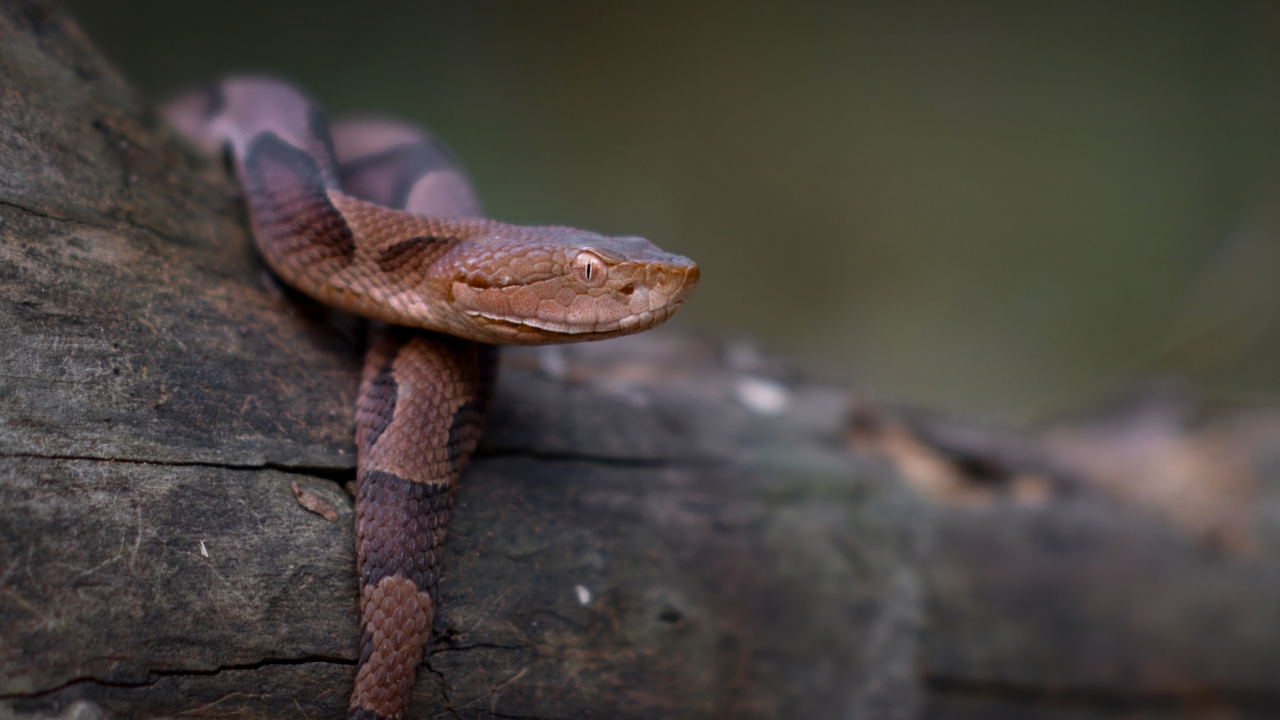
Georgia has copperheads and cottonmouths, and both do well around clutter and moisture. Shady yards with leaf litter, old landscape timbers, and stacked firewood stay cool and damp through summer. If you’ve got frogs, mice, and chipmunks, you’ve got snake groceries.
Store firewood up on a rack, not directly on the ground, and keep it away from doors and patios. Clear leaves from under decks and around HVAC pads, because that mat holds moisture and hides movement. If a corner stays soggy, fix grading or downspouts, it’s cheaper than living with constant surprises.
5. Alabama Creek Lines And Tall Grass
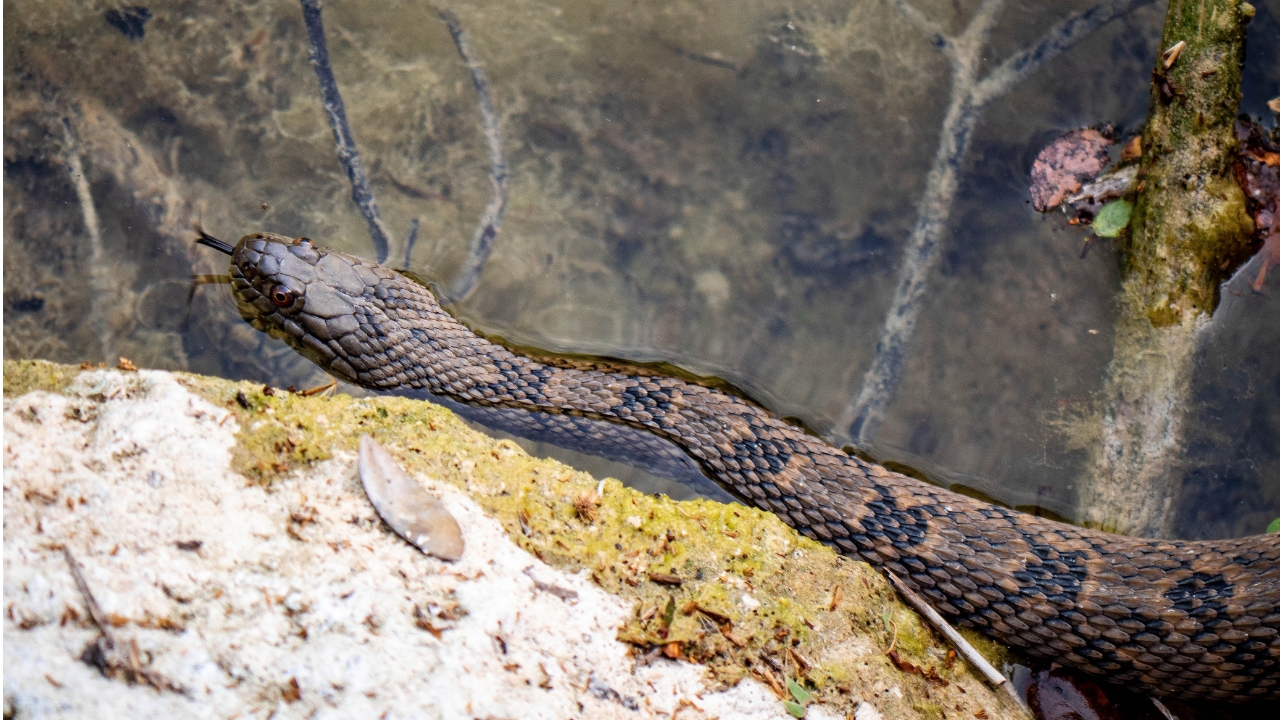
Alabama yards that back up to creeks, wet woods, or drainage swales see more traffic. Cottonmouths like water edges, and copperheads blend into leaf litter so well you can stare right at one and not know it. The problem usually isn’t the creek, it’s the tall, unmowed buffer you let grow because it’s “natural.”
Keep a short, clean strip along the parts you use, the path to the shed, the dog run, the play area. If you want a wild zone, keep it fenced or clearly separated so you’re not wandering in with flip-flops and a flashlight. For dense brush removal near water, hiring it out for a day can be money well spent.
6. North Carolina Leaf Litter And Stone Walls
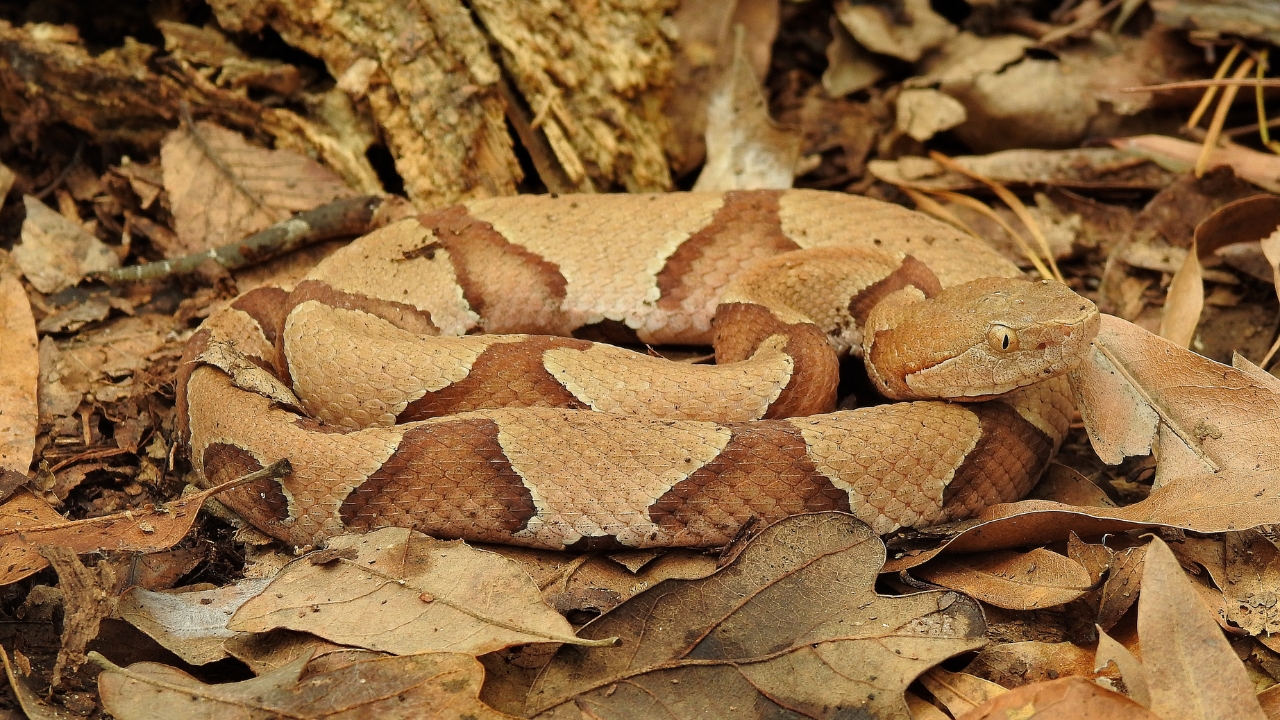
In North Carolina, copperheads are the yard regular, and they love what your trees drop. Oak leaves and pine straw pile into a dry, crunchy blanket that hides everything. Stone walls and old landscape rock hold warmth after sunset, so snakes hang around longer into the evening.
Rake and blow leaf litter back from walkways and steps, especially in fall and early spring. If you use pine straw as mulch, keep it thin near the house and refresh it instead of letting it build for years. Lighting helps too, a simple motion light near gates and trash cans cuts down on blind stepping.
7. Oklahoma Rodents Around Feed And Trash
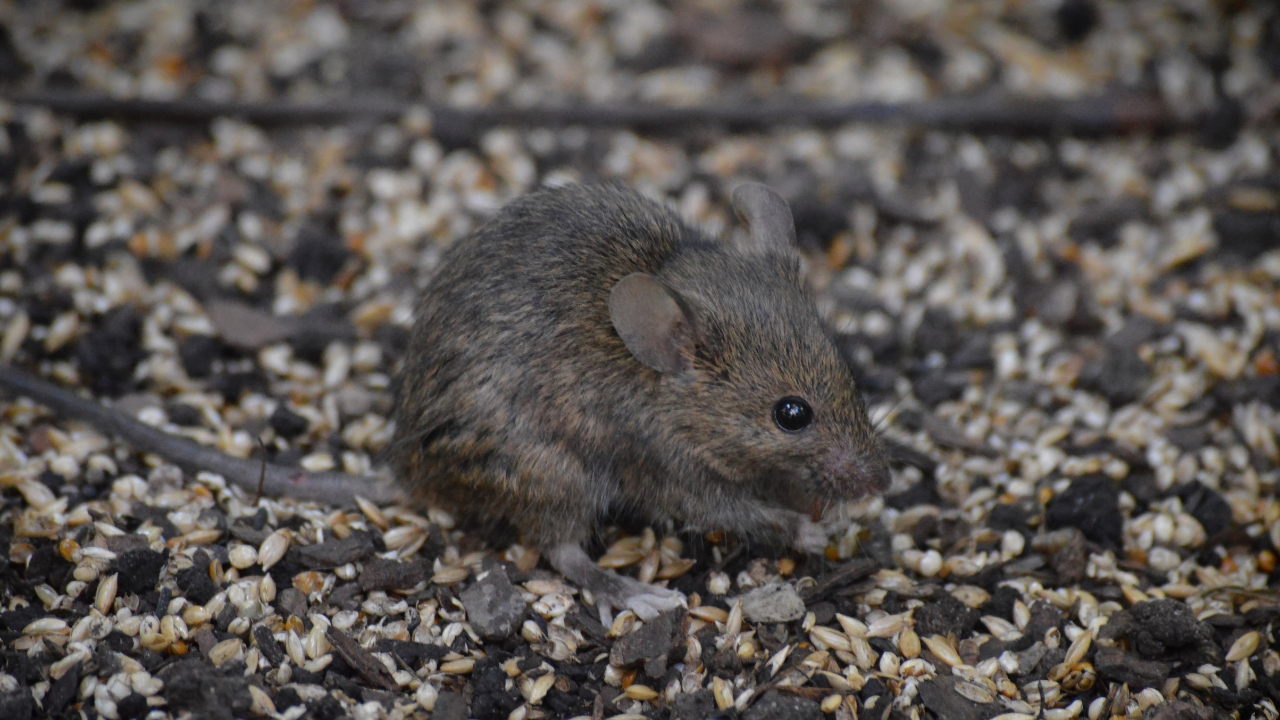
Oklahoma yards get rattlesnakes and copperheads, but the driver is often rodents. Bird feeders spilling seed, open compost, and dog food left out turn your place into a mouse stop. Snakes follow the food chain, and you do not want to be the next link.
Switch to a cleaner feeding setup, use trays that catch seed, and move feeders away from brush and fences. Put pet food up at night and use tight-lid trash cans, the kind raccoons can’t pop open. If you’re storing livestock feed, keep it in sealed bins and sweep spills right then, not “tomorrow.”
8. Louisiana Ditches And Flood Debris
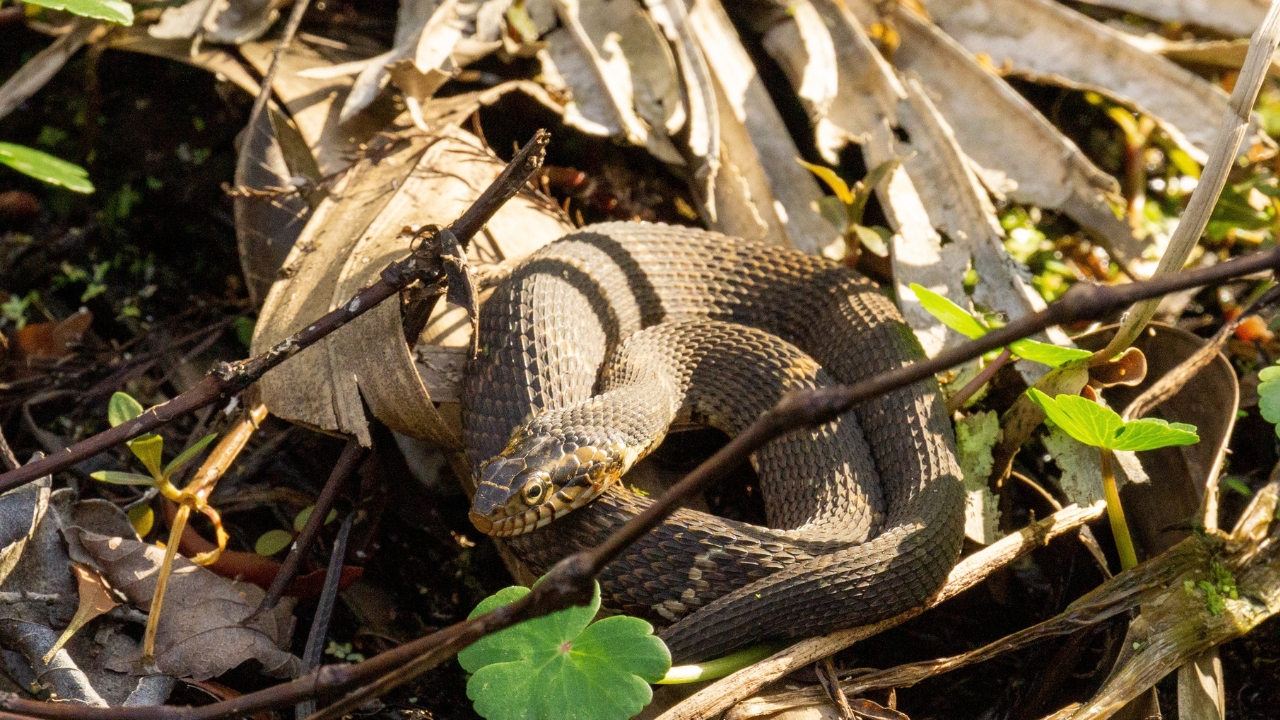
In Louisiana, water and cover show up fast, especially after heavy rain or a storm. Flood debris lines, downed limbs, and soggy piles of leaves create instant hiding spots, and cottonmouths are comfortable in that mess. When the water drops, snakes don’t disappear, they spread out.
After big rain, do a quick yard walk in daylight and clear debris before it dries into a permanent pile. Keep ditch edges cut back and remove trashy tangles of vines along fences. If you’re cleaning after a flood, wear thick gloves and boots, and move material with a rake or shovel first, hands come last.
9. Mississippi Porch Skirting And Crawlspaces
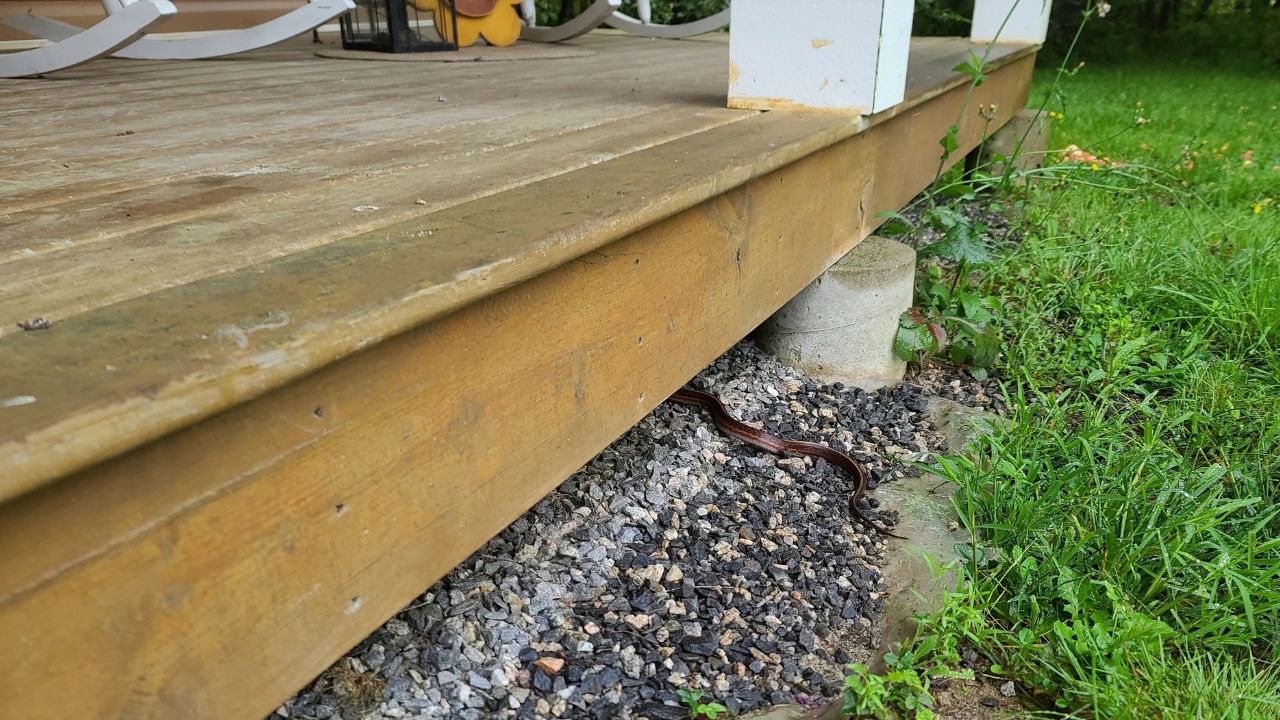
Old skirting, loose lattice, and sagging crawlspace doors are invitations. Mississippi has cottonmouths and copperheads, and both will use a cool, sheltered crawlspace edge as a daytime hideout. The first sign is often a shed skin on a sill plate or a musky smell in a corner.
Repair or replace broken vents and skirting, and close gaps where pipes and lines enter the house. If your crawlspace is a mess of plastic, scraps, and old insulation, clean it up, rodents love it, then snakes show up for the rodents. Any crawlspace work calls for a bright headlamp, gloves, and a buddy nearby, because you’re working in blind spots.
10. South Carolina Mulch Beds And Pavers
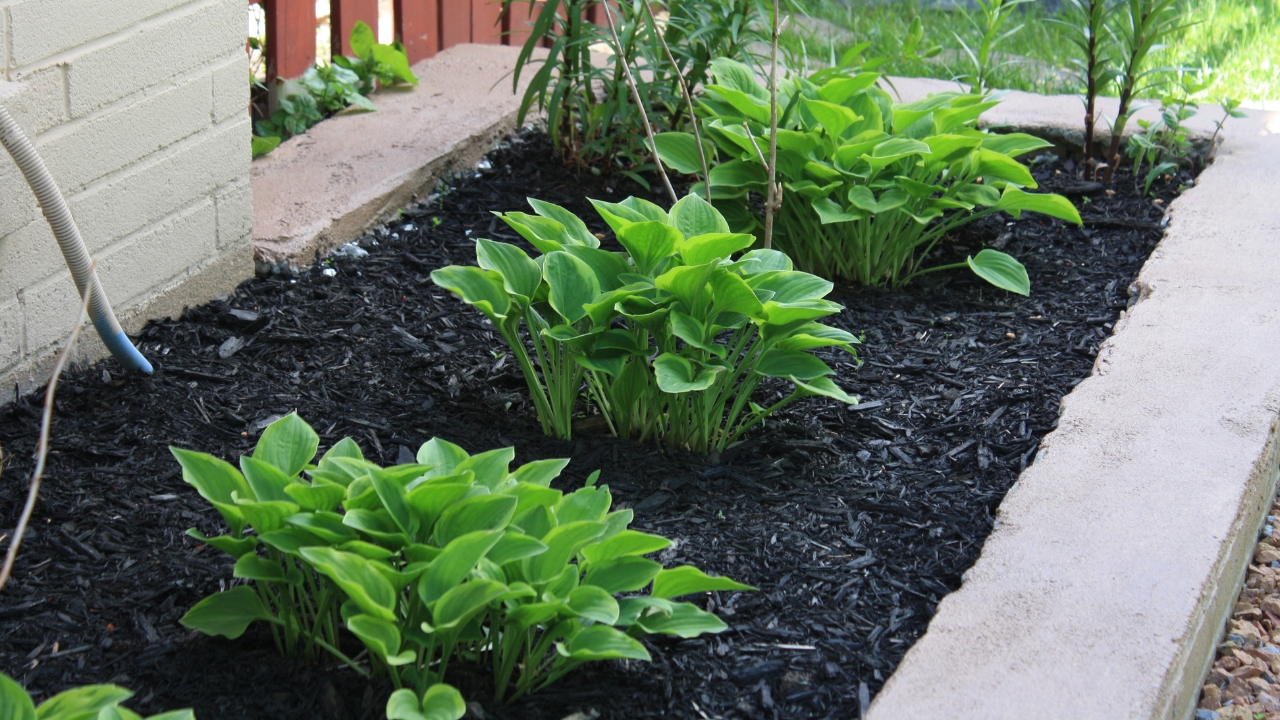
People love thick mulch because it looks finished and cuts weeds. In South Carolina, that same deep, damp layer cools the soil and holds insects and small prey, so copperheads settle in. Paver patios with gaps and a loose edge course add more hideouts right where you walk barefoot.
Keep mulch a couple inches deep, not a sponge layer, and don’t pile it against the foundation. Sweep paver joints and keep edging tight, then top joints with polymeric sand if the patio design allows. The cheap option is fine here, plain wood mulch works if you keep it thin and dry near the house.
11. Tennessee Hillsides And Timber Piles
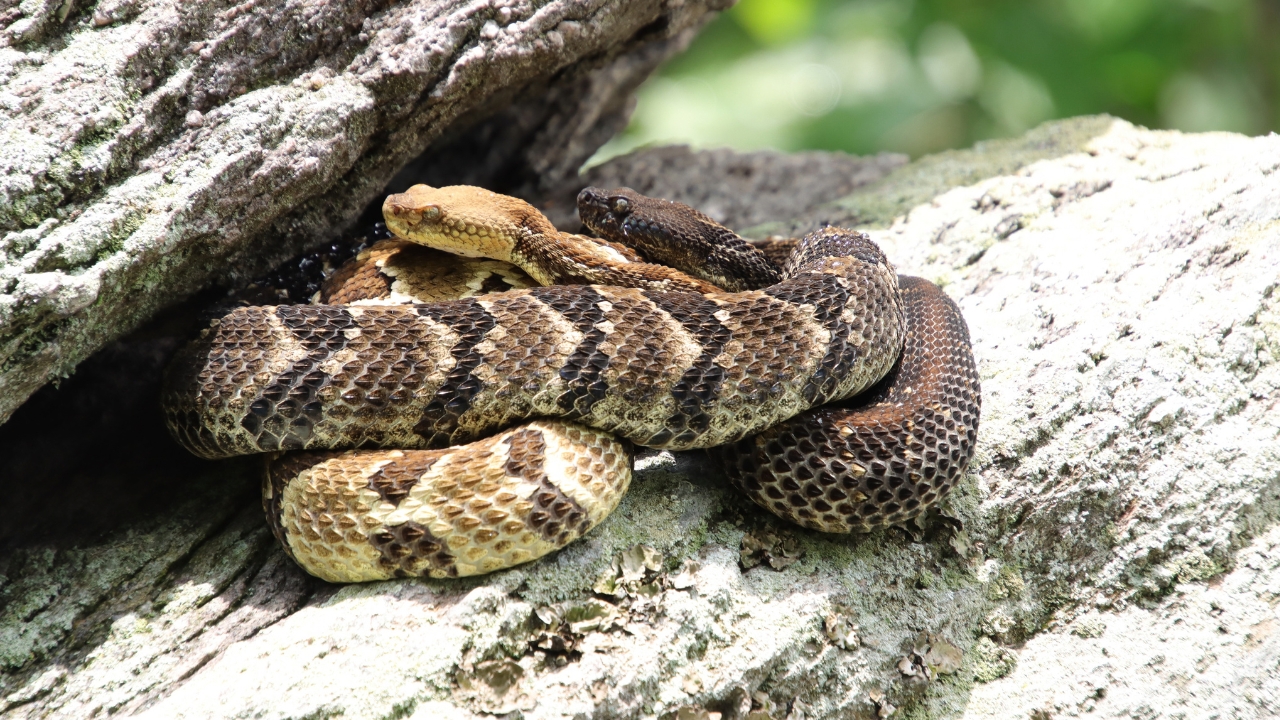
Tennessee yards often blend into woods, rocky slopes, and brushy hollows. Copperheads and timber rattlesnakes use those edges, especially where homeowners toss cut logs “to deal with later.” The bad habit is creating a log pile in shade and forgetting it all season.
Stack wood neatly on a rack in a sunny spot if you can, and keep the area around it mowed. Don’t build “habitat walls” with old railroad ties or stacked boards along a hill, they rot, gap, and become permanent shelter. If you need erosion control, use approved fabric and rock done right, not scrap lumber.
12. Virginia Suburban Greenbelts And Sheds
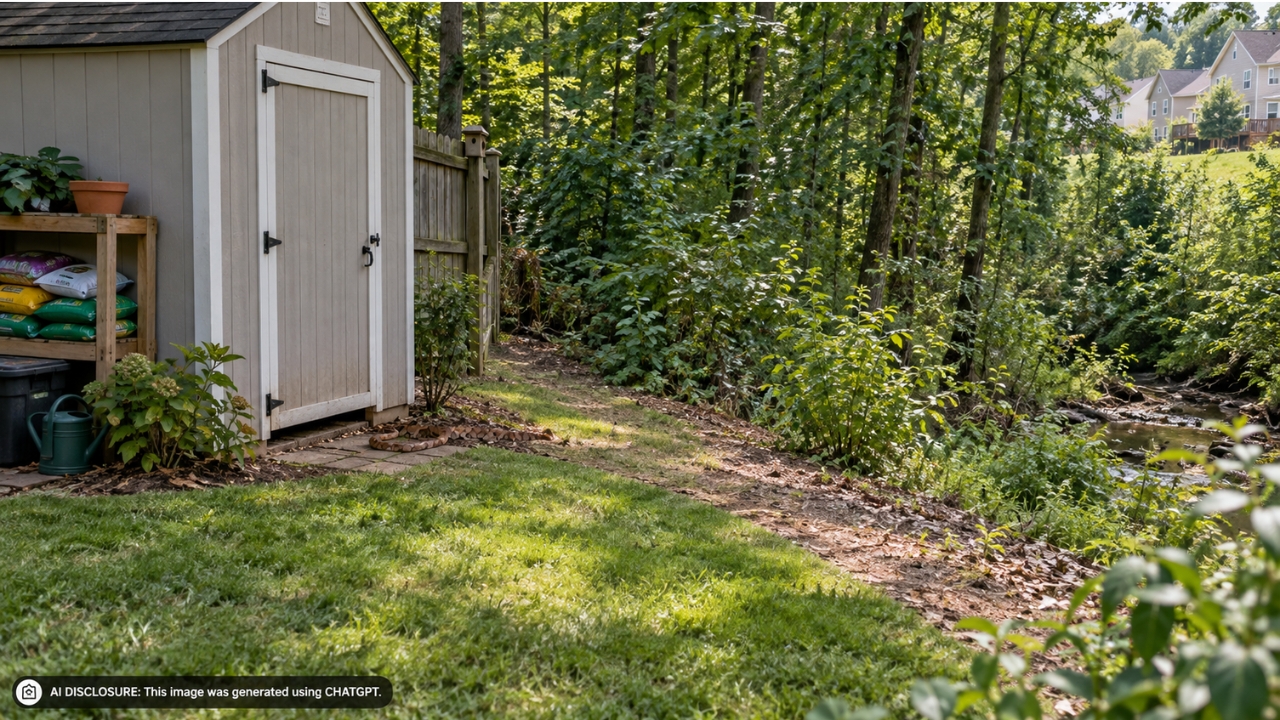
In parts of Virginia, copperheads do well in suburban greenbelts, creek corridors, and overgrown common areas. You can have a tidy front yard and still get visitors in the back where the HOA woods start. Sheds with gaps under the door and piles of potting soil bags become an easy stop.
Seal the shed, add a door sweep, and store bags on shelves or a pallet. Keep a clear line along the edge of the greenbelt so you can see what you’re stepping into when you retrieve a ball or check a fence. If your neighbor’s lot is a jungle, keep your side extra clean, it’s the buffer you control.
13. Arkansas Chicken Coops And Barn Corners
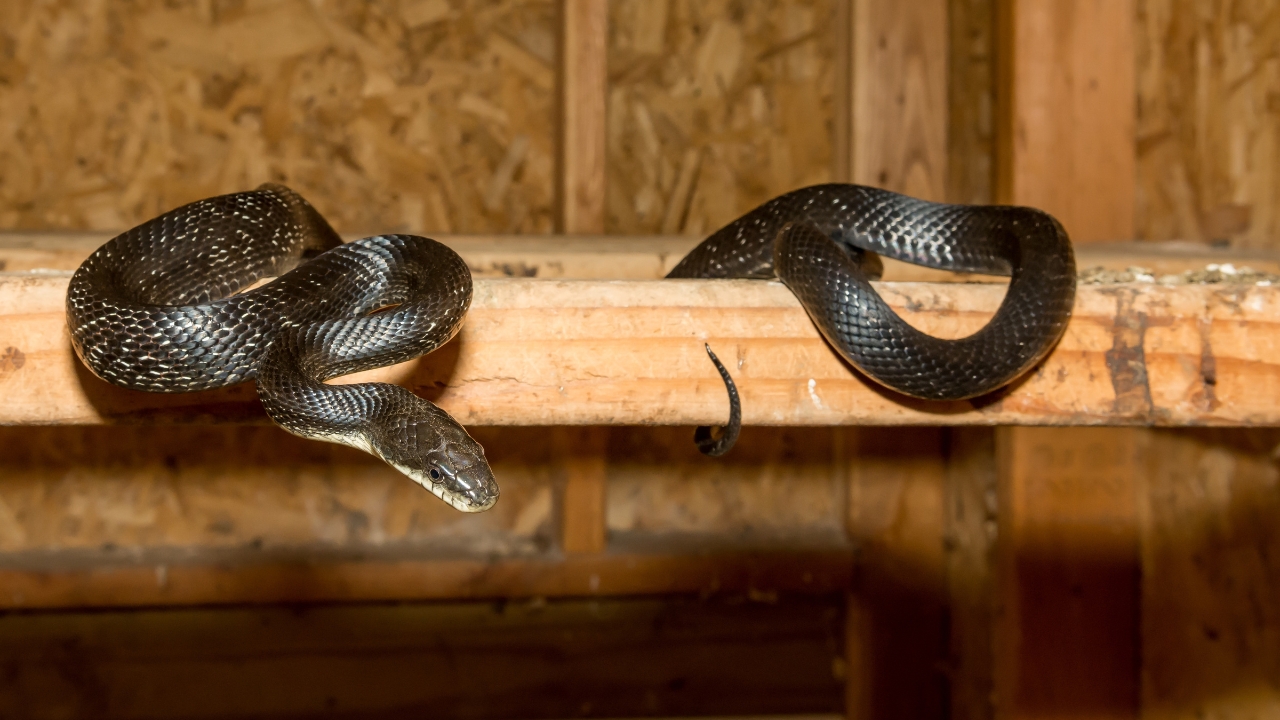
Small livestock changes the whole yard. Feed attracts rodents, rodents attract snakes, and barn corners stay cool even on hot days. In Arkansas, that can mean copperheads and rattlesnakes around coops, tack rooms, and stacked hay.
Use rodent-resistant feed cans, keep waterers from leaking, and clean up spilled scratch right away. Raise the coop a bit, keep vegetation trimmed around it, and don’t store nesting material in open piles on the floor. If you’re grabbing eggs at dusk, bring a light and wear real shoes, not crocs.
14. New Mexico Irrigation Lines And Rock Gardens
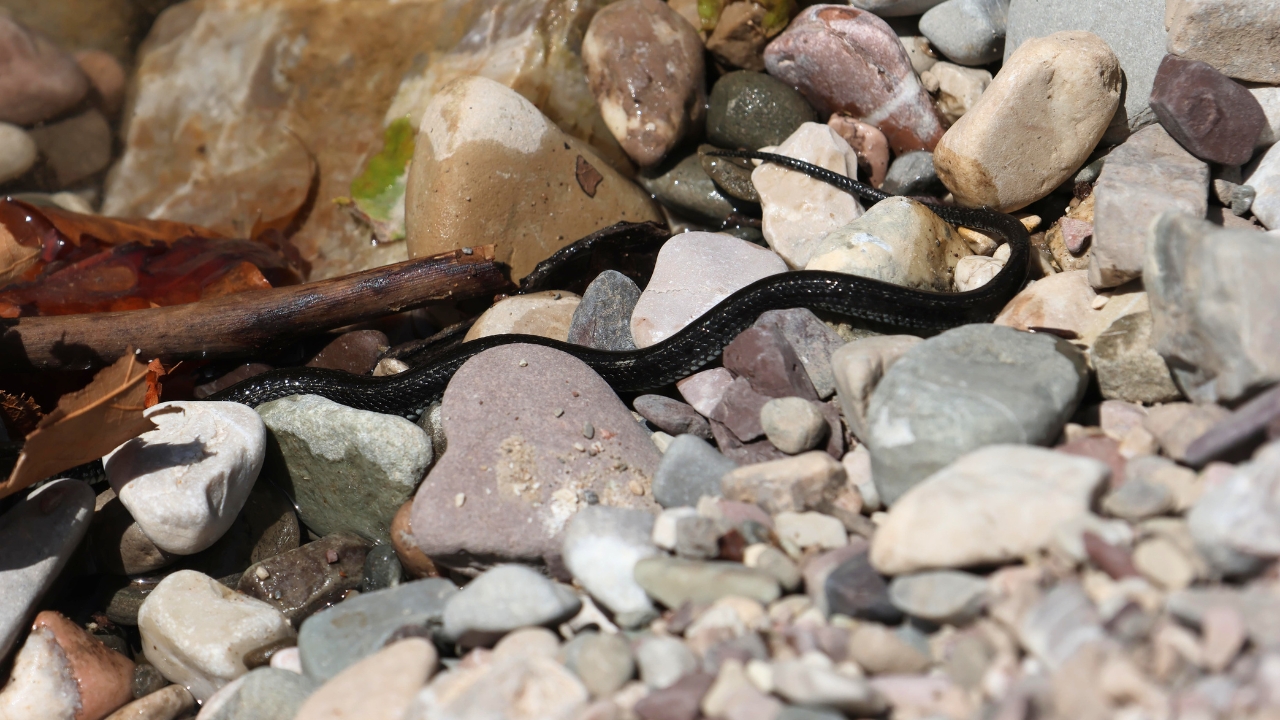
New Mexico surprises people because the yard can look “too dry” for snakes. But drip irrigation, shaded stucco walls, and rock gardens create cool corridors, and rattlesnakes take advantage. The sneaky problem is the constant damp strip under a leaky emitter line.
Walk your drip system a couple times each season and fix leaks the day you find them. If you love rock mulch, keep it uniform and avoid big, loose cobble piles with voids. Under patios and steps, close gaps with backer rod or hardware cloth where practical, those dark slots stay cooler than you think.
15. Nevada Perimeter Clutter And Packrat Nests
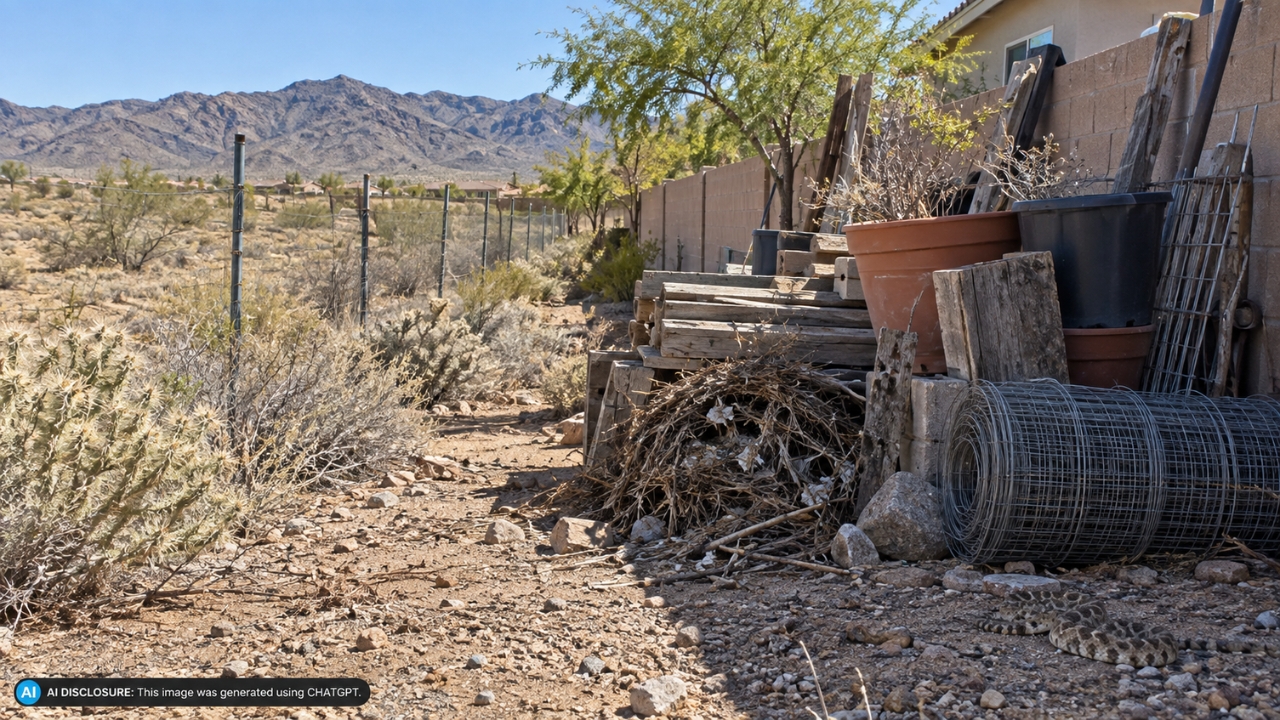
Nevada yards often back up to open land, and the perimeter becomes a storage zone. Old planters, scrap lumber, and rolled fencing sit out “until the weekend,” and packrats move in. Rattlesnakes go where the rodents are, and a packrat nest is a built-in food source.
Clean the edges first, not last. Store materials in sealed bins or on shelving, and keep at least a couple feet of bare, visible ground along walls and fences so you can spot movement. If you already have packrats, deal with them before you worry about snakes, taking away the groceries changes everything.
If you’re seeing venomous snakes more than once, treat it like any other home problem, remove cover, cut off food, and clean up water issues. When a snake is actually in the living space or you keep finding them in the same spot, call local wildlife control or a qualified pro and get eyes on the situation. A tidy yard won’t make you snake-proof, but it makes you far less interesting.
Like Fix It Homestead’s content? Be sure to follow us.