
10 Signs Deer Have Started Bedding Down on Your Property
Photo credit: Paul Roedding/Shutterstock.com
You can live next to deer for years and barely notice them, then one season they start acting like they own the place. Bedding deer change the daily rhythm of your yard, your gardens, and even how your dog behaves. Catch it early and you can nudge them back toward the woods without turning your property into a fortress.
1. Flattened Ovals In Tall Grass
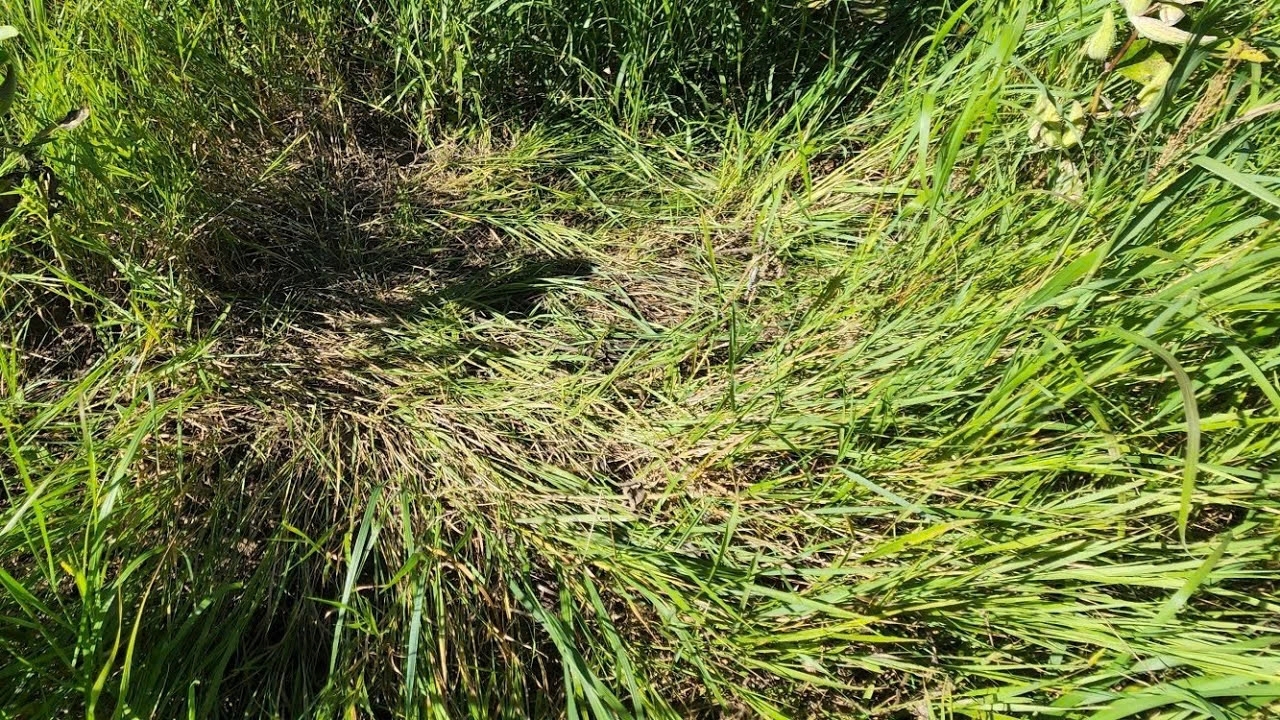
A bedding spot looks like somebody laid a heavy bag down overnight, again and again. You’ll see an oval or kidney-shaped patch of pressed grass, usually 3 to 4 feet long, with the stems bent in one direction and a little “rim” of taller grass around it.
Walk the edge, don’t stomp through the middle. If you keep finding fresh flattening in the same cluster, rotate pressure back on them by mowing that area shorter, trimming brush, and opening up sight lines. Deer pick beds where they can hide and still see trouble coming.
2. Strong Musky Smell Near Cover

Sometimes you smell them before you see them. In still weather, bedding areas can have a warm, musky, barny odor, especially where leaves stay damp and air doesn’t move much. It’s easiest to notice at dawn or right after a rain when scents lift.
If the smell is near your shed line or back fence, look for the cover doing them favors. Cut back invasive shrubs, limb up low branches, and clear deadfall that makes a perfect hideout. You don’t need to clear-cut, you just need to make it feel exposed.
3. Hair Tufts On Low Branches
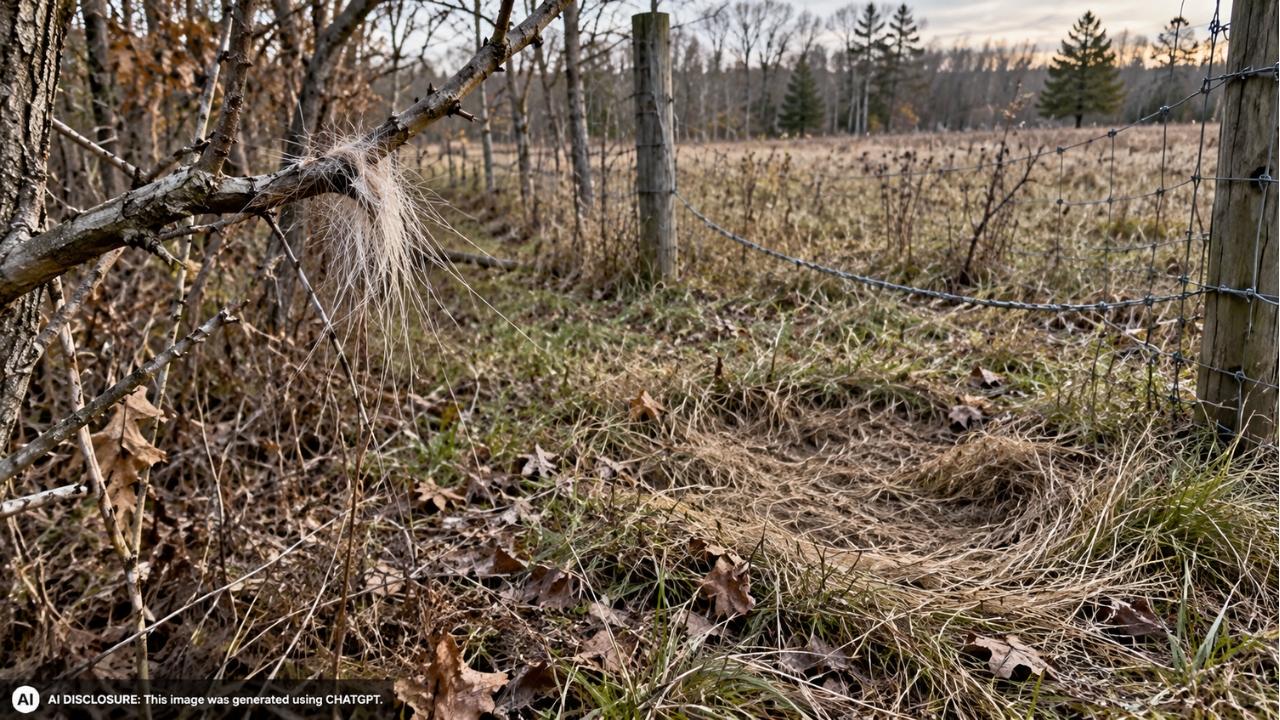
Deer hair isn’t like dog hair. It’s hollow, stiff, and breaks off in short, pale pieces that snag on rough bark, wire, or thorny stems. When deer rise from a bed and brush out, they leave little clumps at knee to waist height.
Mark the spot and look for a matching bed within a few yards. If it’s along a fence, fix the “easy entry” problem, a sagging strand, a low corner, or a spot where snow drifted up last winter and created a ramp. Tightening wire and adding a simple top strand can change their travel lane fast.
4. Multiple Trails Converging Like Spokes

Feeding trails are one thing. Bedding trails look like a small hub and spoke system, several narrow paths that all pinch into the same protected pocket. You’ll notice the ground getting bare and packed, with leaves scuffed away down to soil.
This one matters for timing. Once trails are set, deer will use them even when food changes, and they’ll bring ticks with them. Block the trails close to the bed area with brush piles, fallen limbs, or temporary fencing, and then improve the “outside route” by keeping your main paths open and sunny.
5. Droppings Piled In One Zone
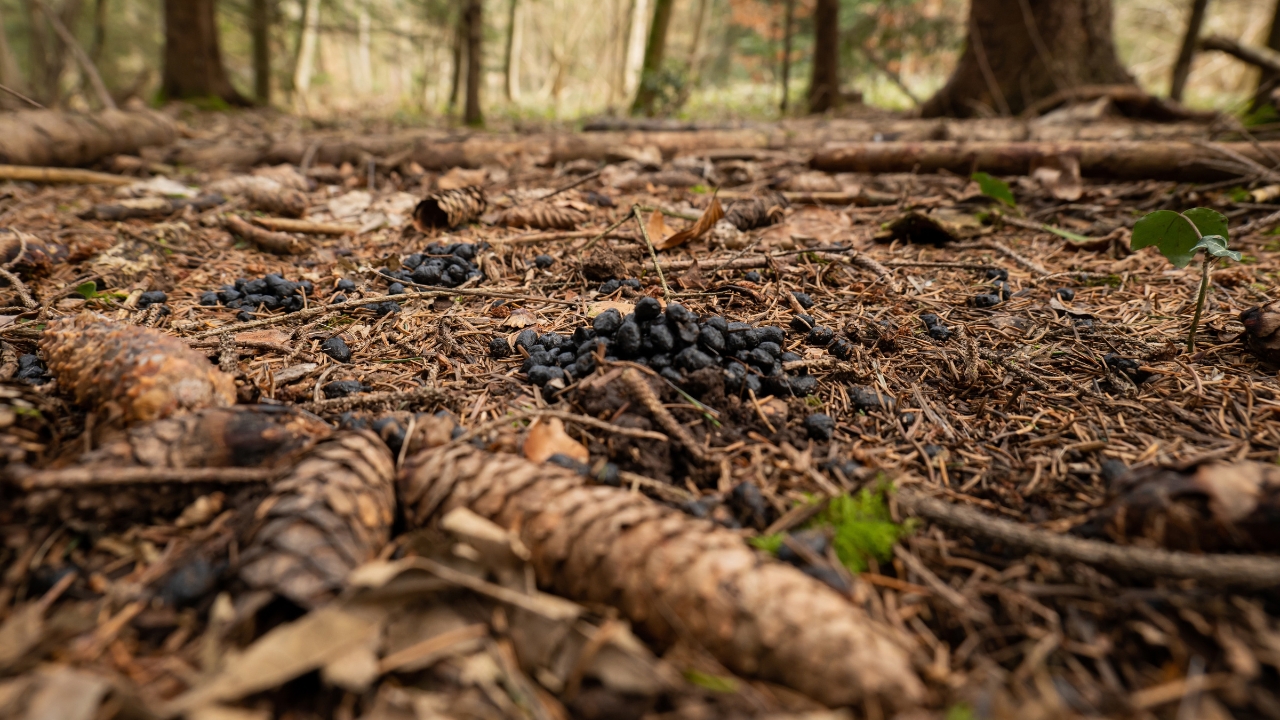
Scattered pellets happen anywhere deer pass through. Bedding zones get repeat deposits in a tight area, and you’ll find pellets in different stages, from shiny and dark to dry and crumbly. That mix tells you they’re spending time there, not just walking through.
Don’t rake it into your compost pile. If it’s near a play area or garden path, scoop and bag it, then wash up and keep pets from nosing around. The fix is habitat pressure, less cover, fewer easy snacks, and less “quiet corner” space.
6. Repeated Browsing At Bed Height

When deer bed down close, they browse like they’re eating off a counter. You’ll see nipped hostas, brambles, and saplings clipped at about 18 to 48 inches, with ragged ends where teeth tore instead of a clean cut like pruners make.
Skip the fancy sprays if you’re already at the bedding stage, most get washed off and you’ll spend all season reapplying. Put money into a real barrier around the plants you care about, even temporary welded wire rings staked tight can buy you a season. The honest exception is a small container garden on a porch, a basic smell-based repellent can be fine there because it’s sheltered from rain and deer pressure is usually lower.
7. Deer Standing Up At Midday

If you bump deer in the afternoon and they stand up slow, stretch, and look annoyed, you’re too close to their bedroom. Deer that are just passing through tend to bolt. Bedding deer often linger, then ease off into cover like they’ve done it a hundred times.
Change your routine for a week. Stop walking the same back-edge trail every day and quit tossing kitchen scraps or cracked corn anywhere on the property, even “for the birds.” You want your place to feel unpredictable and unrewarding.
8. Bark Rubs On Small Trees Nearby
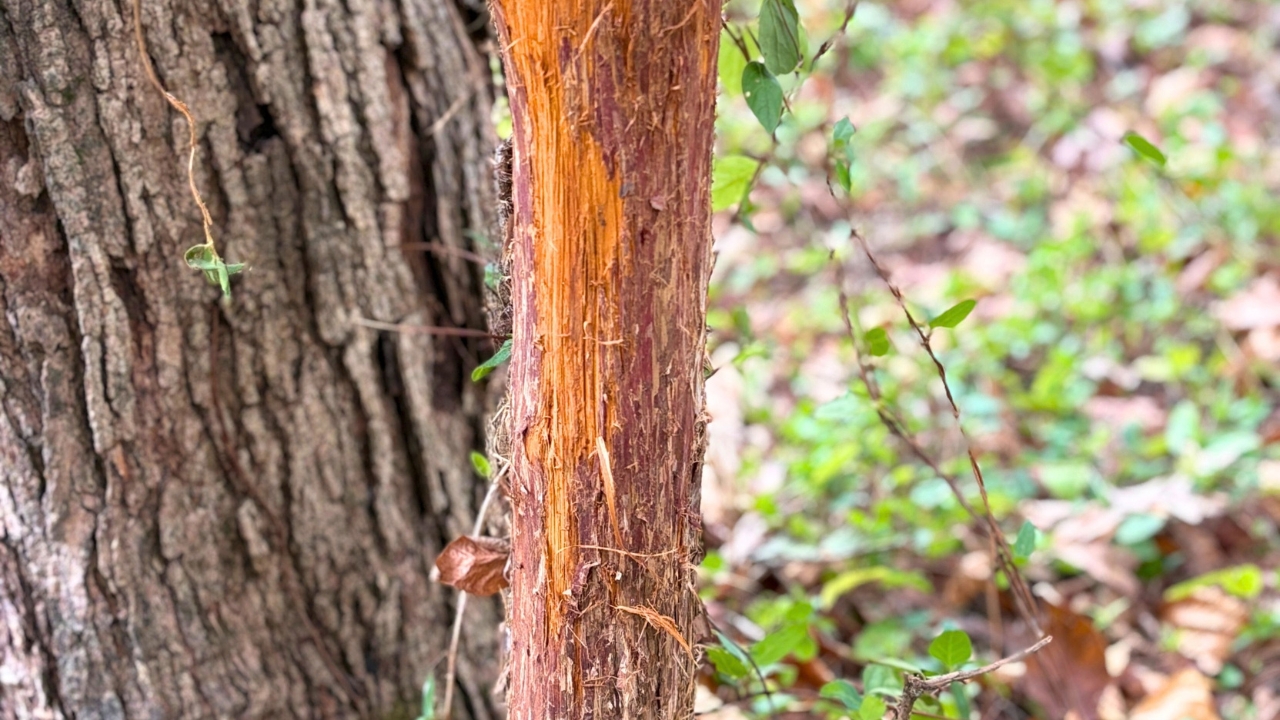
Rubs are not a bed by themselves, but they’re a big clue when they show up close to thick cover. You’ll see bark scraped off saplings, often 1 to 4 inches thick, with exposed light wood and shredded fibers hanging. Fresh rubs look wet and bright, older ones turn gray.
Protect young trees you want to keep with simple tubes or hardware cloth guards, leaving room for growth. If rubs are clustered near the same pocket of brush, treat that pocket as the problem. Thin it, clean it, and keep it from turning into a permanent screen.
9. Dog Fixates On One Patch

Your dog will tell you a lot if you pay attention. When a dog keeps circling one clump of sumac or a corner of the fence, nose down, tail stiff, that’s often where deer are bedding or staging. Some dogs will even refuse to go past it on a leash.
Don’t let the dog “handle” it. That’s how dogs get hurt and how deer learn to move beds deeper into your property. Keep the dog leashed for a bit, then address the spot with mowing, trimming, and blocking access routes.
10. Snow Depressions With Clean Edges
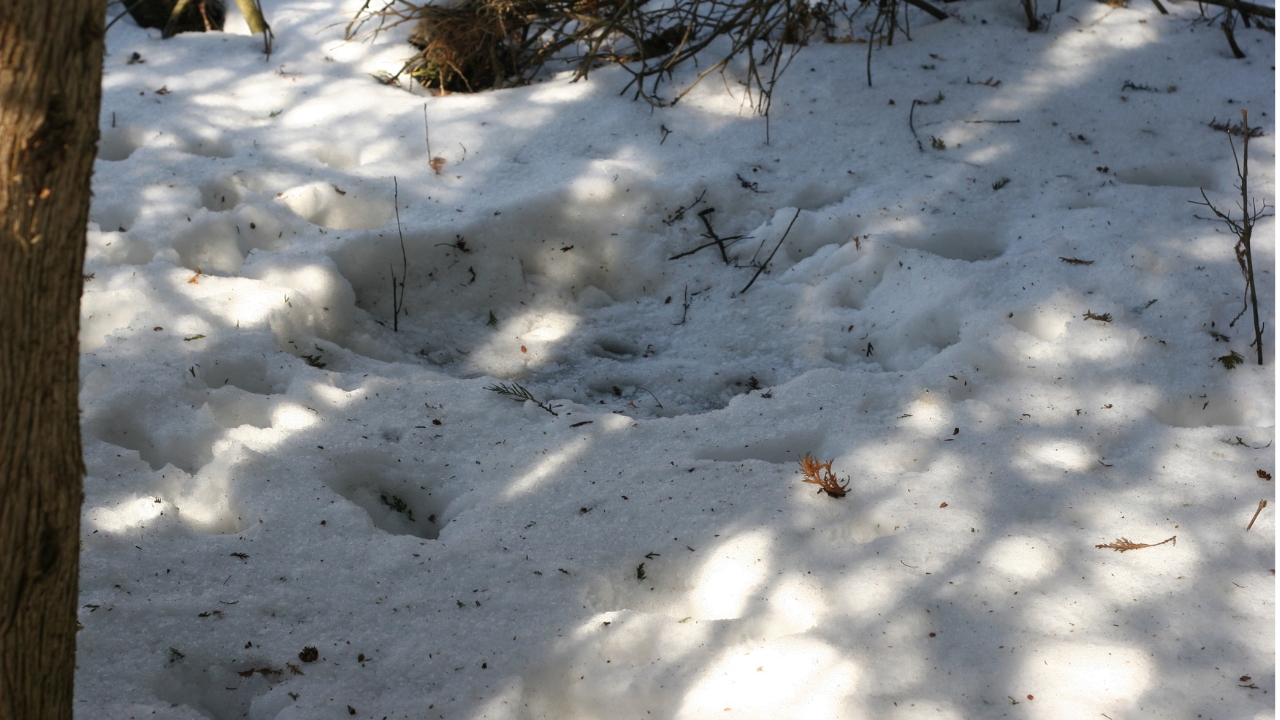
Winter makes bedding obvious. After a light snow, beds show up as shallow bowls with crisp edges, sometimes with a few pellets and a melted patch where body heat warmed the ground. In thicker snow, you’ll see a packed oval with a little trench where they got up and left.
This is a wear-and-tear issue for your land. Repeated winter bedding compacts soil and breaks young shrubs, then spring runoff follows those depressions and cuts small channels. Use late winter to prune and thin cover while plants are dormant, and plan any new fencing or plant protection before green-up when deer pressure spikes.
If deer have picked a sleeping spot, you won’t “solve” it in a weekend. You can, however, make the bed less comfortable and your favorite areas harder to reach, then keep things that way for a season so they form a new habit somewhere else.
Like Fix It Homestead’s content? Be sure to follow us.