Homeowner Pays for a Full Resurvey After the Neighbor Rips Out the Property Stakes — Then He Destroys the New Ones Too and Builds a “Privacy” Wall Three Feet Onto the Land
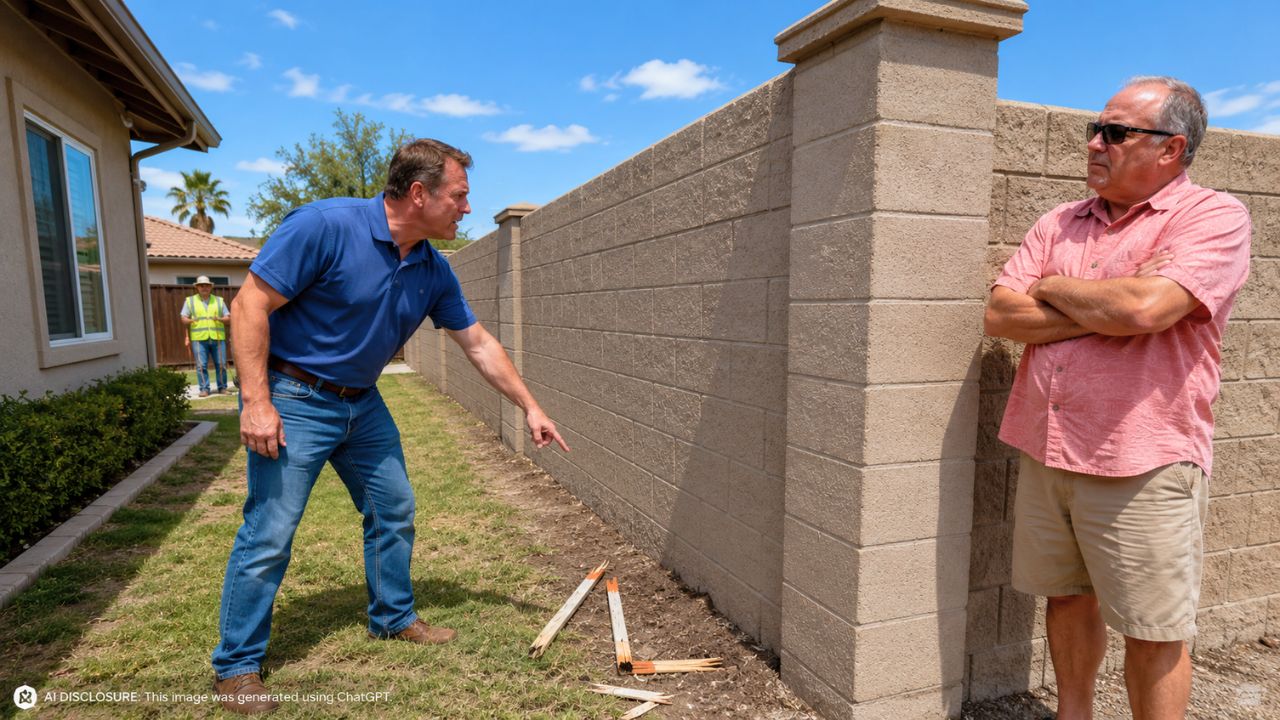
Photo credit: AI-generated image created using ChatGPT. Illustrative only.
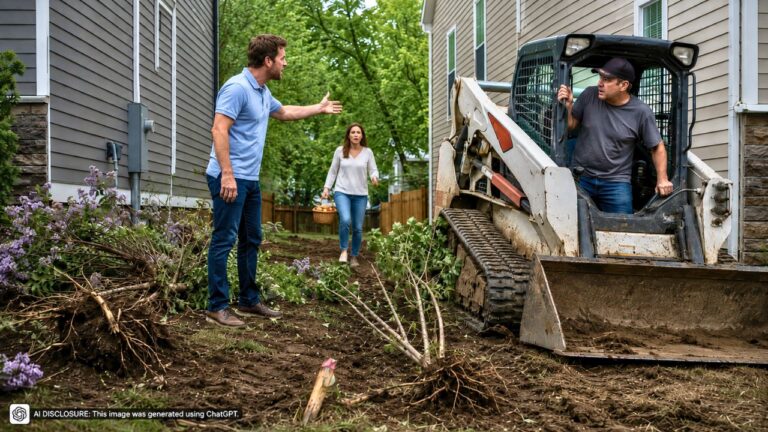
Property lines are one of those things most homeowners don’t think about until someone starts acting like your yard is theirs. For one homeowner, it started with a missing survey stake and spiraled into a neighbor tearing out markers, creeping onto the land with vehicles, and even throwing up a “privacy” wall a few feet past where it belonged.
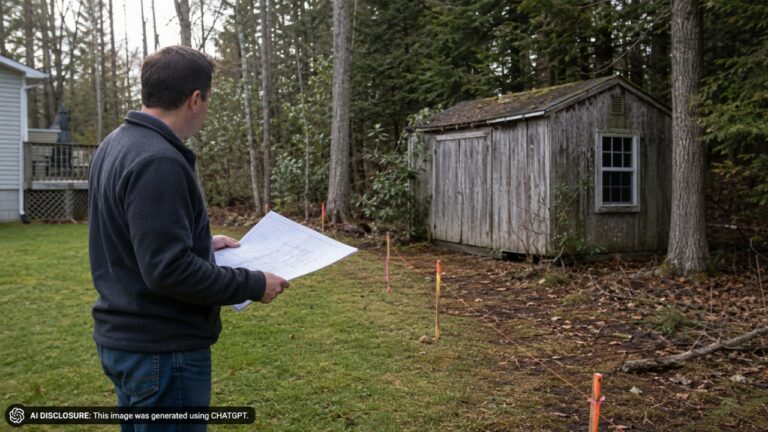
In the original post, the homeowner describes paying for a full resurvey after noticing a stake had been removed. The surveyors replaced the markers—only for the neighbor to “bust up those new stakes” too, turning a clear boundary into a moving target.
The first sign was a stake that disappeared
The homeowner didn’t start out looking for a fight. A property stake was gone, and rather than guess where the line was, they did what a lot of people would do when they want certainty: they paid to have the property resurveyed.
That should have been the end of it. Instead, after the survey team placed new stakes, those markers didn’t last long. The homeowner says the neighbor destroyed the replacements as well, even after multiple conversations and being physically shown where the line ran.
When someone is willing to remove or damage the very thing that’s supposed to settle a boundary question, it changes the vibe from “misunderstanding” to “this is going to be a problem.”
Then the neighbor started using the yard like it was theirs
The homeowner’s description isn’t just about missing stakes. It’s about behavior that kept signaling entitlement to the space—especially the neighbor riding a small lawn mower outside their fenced-in backyard to cut grass on the homeowner’s side.
Not a little bit, either. The homeowner says the neighbor was mowing a good 10 feet over the line. That kind of thing can seem almost petty from the outside, but on the ground it’s unsettling: it’s someone repeatedly crossing into your property and acting like it’s normal.
What made it more confusing is that the previous owners had already installed a fence right on the line. So the boundary wasn’t just theoretical. There was a physical reference point, and the neighbor still treated the area beyond their fence as if it were part of their routine.
A fence estimate turned into an unwanted reality check
Eventually, the homeowner started getting quotes for a fence—something more definitive, something that would end the weekly mower creep and the slow-motion encroachment.
But even that process came with a gut punch. According to the homeowner, the first thing the fence guy said, before even running the measuring wheel, was: “they’re on your property.” The contractor was reluctant to measure at all, which says a lot about how obvious the issue looked to an outsider—and how messy it might get once it was put in writing and set in posts.
The homeowner also pointed out other items sitting over the line, including junk cars and a “privacy” wall built about 2–3 feet onto their property. Once stuff like that goes up, it stops being a neighborly annoyance and starts becoming an access and liability headache.
The “privacy” wall and junk cars made it feel permanent
A mower cutting too far can be brushed off as sloppy. A wall is different. The homeowner describes a wooden plant wall used as a privacy feature that was sitting over the property line, along with a vehicle positioned so far into their space that it became part of the dispute.
At that point, the homeowner wasn’t just protecting grass. They were protecting the right to use their own property without navigating someone else’s structures and storage. It’s also the kind of encroachment that can snowball if it goes unchallenged—especially when the neighbor is already willing to destroy boundary markers.
And hanging over everything was the next worry: if the neighbor is tearing up survey stakes, what happens when a brand-new fence goes up? The homeowner’s biggest concern became potential vandalism once a real barrier was installed.
They put up the fence anyway—and documented everything
In an update, the homeowner said they went ahead and installed the fence. It wasn’t just a “set it and forget it” weekend project, though. It was more like a coordinated push to reclaim space and lock down proof.
The neighbor moved a car that had been over the line. The homeowner even suggested, in plain terms, to “throw it in neutral and push that baby back a foot.” The wooden plant wall came down, and the neighbor reportedly told them he didn’t want the wood or anything from it.
But the homeowner didn’t rely on a friendly moment as insurance. They recorded the conversation and took photos showing what had been over the line—again. They also bought “no trespassing” signs and two Wiseeye trail cameras, a pretty telling move from someone who expects the next chapter could involve nighttime antics or deniable damage.
Most people seeing this focused on proof and deterrence
When property lines get contested, the practical crowd tends to rally around two themes: document everything and reduce opportunities for bad behavior. This homeowner’s actions line up with that mindset—photos, recorded conversations, clear signage, and cameras aimed at the areas most likely to be targeted.
There’s a reason people lean hard into documentation in disputes like this. A missing stake turns into “I never saw it.” A crushed stake turns into “it must have been a weed trimmer.” A fence panel gets damaged and suddenly it’s “kids” or “weather.” The more a homeowner can show a timeline—what was there, when it moved, and who was notified—the harder it is for a repeat offender to hide behind confusion.
Trail cams are also a very particular choice: they’re made to sit quietly, run for long periods, and capture motion without someone needing to babysit the yard. In other words, they’re built for the exact kind of low-level, repeated boundary pushing described here.
For now, the fence is up and the over-the-line items described in the update have been addressed. But the tension hasn’t magically disappeared. When someone has already destroyed survey stakes twice, a homeowner doesn’t get the luxury of assuming the boundary will suddenly be respected—so they did the one thing that tends to bring order back to chaos: they made the line visible, and they made it provable.
Like Fix It Homestead’s content? Be sure to follow us.