Homeowner Offers to Pay for Trimming Three Boundary-Line Sassafras Trees to Save Them — Then Catches the Neighbor Bringing in a Tree Service to Discuss Removal Anyway
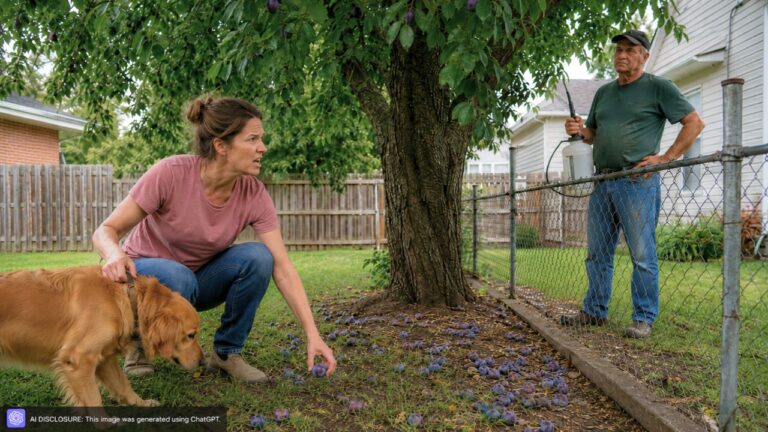
Photo credit: AI-generated image created using ChatGPT. Illustrative only.
The homeowner thought they had the neighbor situation under control: three mature sassafras trees straddling the property line, plenty of shade, plenty of privacy, and—most importantly—plenty of reasons not to lose them. The neighbor had been bringing up removal for about a year, and each time the answer was the same: they’re boundary-line trees, and the homeowner doesn’t consent.
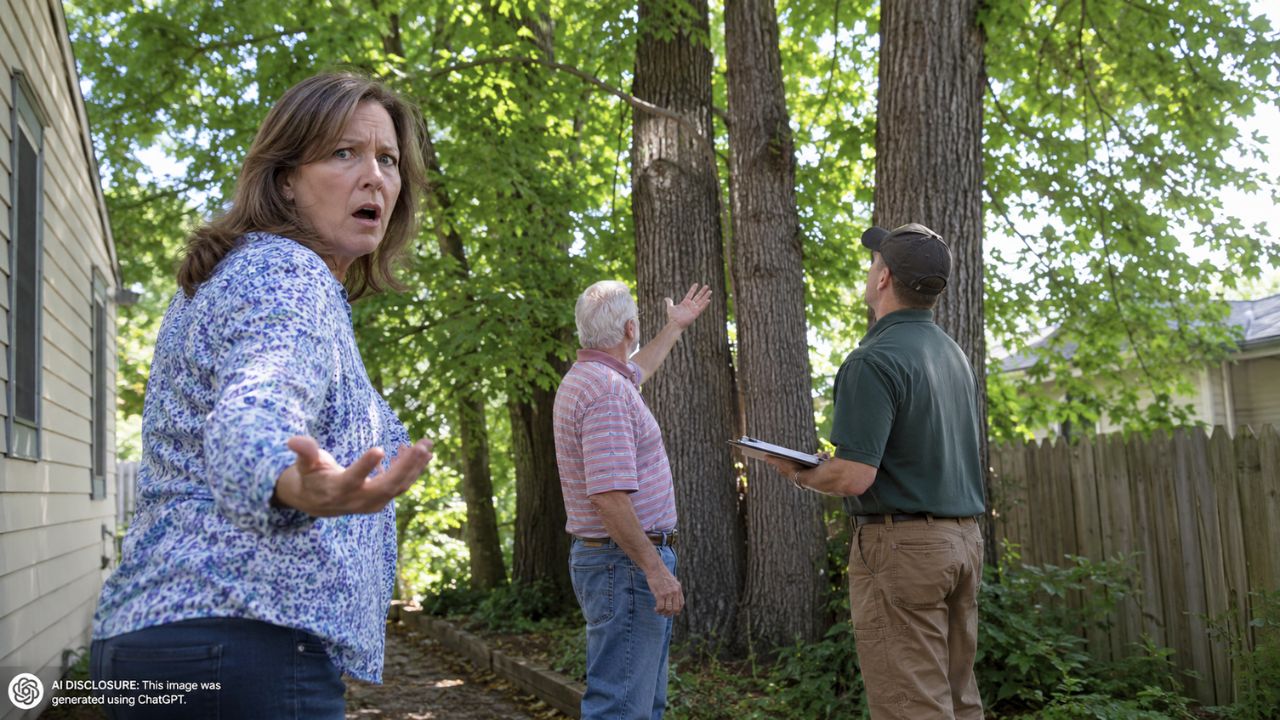
Then came the moment that makes your stomach drop. While heading out, the homeowner spotted a tree service on the neighbor’s side, standing around the very trees they’d promised not to touch. And from what the homeowner could hear, the conversation wasn’t about a trim. It was about taking them down. The details were shared in the original post, along with the homeowner’s question: what do you do when someone seems determined to cut anyway—especially if you aren’t home when it happens?
They tried to compromise before it turned into a fight
This wasn’t a case of someone refusing to maintain trees and daring the neighbor to deal with it. The homeowner says they’d already offered an olive branch: they’d pay to have the trees trimmed when they scheduled their other trees in the fall. That’s not a small offer when you’re talking about “very large” trees.
But trimming wasn’t what the neighbor wanted. The neighbor had been pushing for removal more than once over the past year, and every time the homeowner reminded them the trees sit on the property line and they didn’t want them cut down.
Those details matter because it shows this wasn’t an accidental misunderstanding where someone thought, “My yard, my tree.” The neighbor had heard “no” repeatedly—just not in writing, and not with a crew already on-site.
The moment it got real: a tree crew in the driveway
Seeing a tree service “examining the trees” is different than hearing your neighbor complain over the fence. Once a crew is there, the next step can be a chainsaw starting up—and by the time you run outside, the damage is already done.
The homeowner could hear removal being discussed, which kicked the anxiety into a different gear: What if they come back tomorrow? What if they show up when no one’s home? What if they drop a tree into the wrong yard and the “oops” becomes a giant hole in the canopy that can’t be replaced for decades?
Beyond the emotional part, the homeowner put real value on these trees. They live in town, and the trees provide privacy and shade—exactly the kind of features that can make a property feel like a refuge instead of a fishbowl. The homeowner says trees were a big selling point when they bought the house, and losing them would devalue the place “in my eyes.”
Property lines, half-on/half-off trees, and the fear of being away
The homeowner is in West Virginia and believes boundary-line trees can’t be removed without both owners agreeing. The detail that the trees are “more on my neighbor’s side than ours” is what kept nagging at them.
If you’ve ever paced your yard trying to picture where the survey stakes really sit, you know how this spirals. “On the line” can feel obvious until someone starts insisting the trunk is mostly over here, the canopy is mostly over there, and therefore they can do what they want.
That’s why the homeowner’s question focused on timing and enforcement: what do you do if the crew shows up to cut, and what do you do if you’re at work when it happens? Because with trees, “I’ll handle it later” can mean “it’s already gone.”
An unexpected ally: the tree company hit the brakes
The most practical twist in the story is that the tree service didn’t just shrug and say, “Not our problem.” The homeowner added an update after speaking with the company owner, who came out to give an estimate on taking down a Bradford pear—separate work the homeowner was actually planning.
Before the homeowner even raised the boundary-line issue, the company owner brought up the sassafras trees and said he wanted to give a heads up that the neighbor was planning to have them cut. That’s a contractor noticing the tension and choosing to surface it instead of pretending not to see it.
The homeowner showed the owner that the trees sit on the property line. The owner’s reaction was direct: “yeah they are, I didn’t realize that, we will put the breaks on this and let him know we can’t cut them without your permission.”
That single sentence changes everything—because it means at least one professional crew isn’t willing to touch boundary trees without clear approval from both sides. It also suggests the neighbor may have presented the trees as fully theirs, or at least didn’t emphasize that the trunks are on the line.
What people told the homeowner to do next: proof first, feelings second
The original post was a plea for immediate, practical steps—how to stop a crew if they show up and how to protect the trees if you’re away. The most common kind of advice that comes up in these disputes is about documentation and clarity, not arguing over the fence.
When a neighbor is “determined,” the soft approach can run out of road fast. Homeowners in these kinds of standoffs typically focus on: verifying the property line (often with a survey if there’s any doubt), making sure the neighbor and any contractor know the trees are shared, and getting communication into a form that’s harder to deny later.
Even without turning it into a feud, people tend to recommend creating a paper trail because tree work happens quickly. A crew may show up at 8 a.m., and by 9 a.m. your privacy screen is on a truck. If the homeowner’s biggest fear is “what if I’m not home,” that’s really a fear of something irreversible happening before anyone asks permission.
The tension doesn’t go away just because the saw didn’t start today
This story had a small win: the tree company backed off once they realized the trees are on the property line. But the pressure point remains. The neighbor still wants the trees gone, and now they also know the homeowner is paying attention.
That can go a few different directions. The neighbor could drop it. Or they could shop for a different company that asks fewer questions. Or they could keep pushing until the homeowner feels forced to get more formal—something the homeowner clearly wants to avoid because they don’t want a long-term neighbor war.
For now, the three sassafras trees are still standing, still throwing shade, still doing the everyday work that made the house feel like home in the first place. But after watching a removal conversation happen in real time, the homeowner isn’t looking at those trunks the same way anymore. They’re not just trees. They’re a boundary line you might have to defend.
Like Fix It Homestead’s content? Be sure to follow us.