Texas Ranchers Watch More Than a Dozen of the Neighbor’s Cattle Wander Onto Their Leased Row Crops for Weeks — Then He Offers No Compensation for the Damage
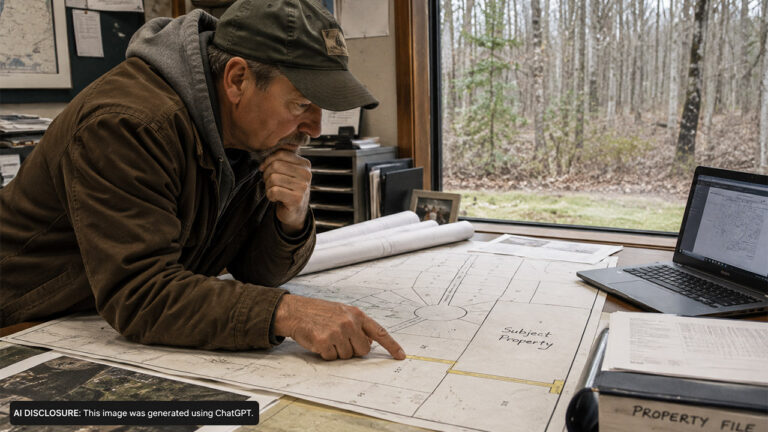
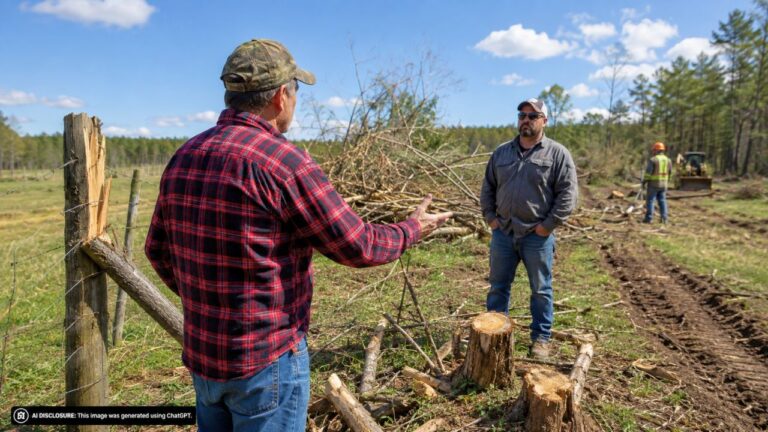
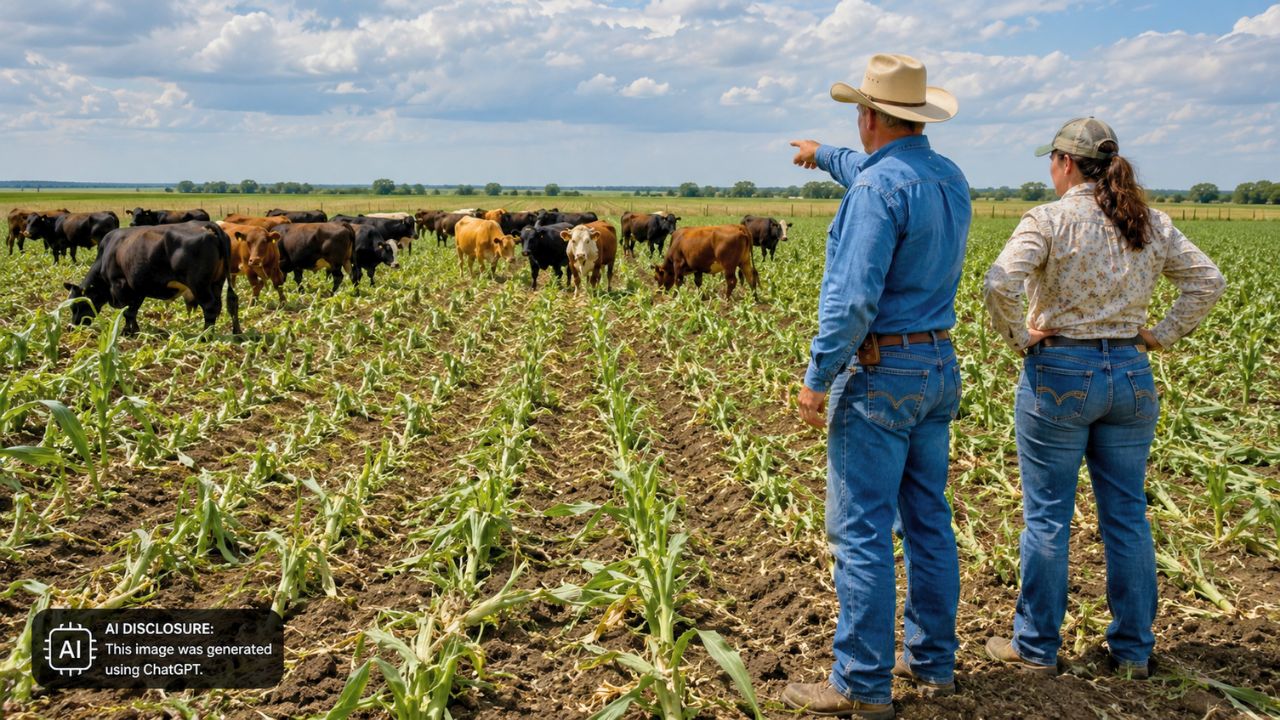
Photo credit: AI-generated image created using ChatGPT. Illustrative only.
It starts as an annoyance you think you can handle: a few head of cattle where they don’t belong, a sagging stretch of fence, a neighbor who’s “probably just busy.” But for one Texas land lessee, it kept happening—until it wasn’t just grass getting nibbled. It was row crops getting flattened, deer feeders knocked over, and a pond getting fouled.
In the original post, the landholder describes weeks of cattle repeatedly crossing a mile-long boundary where the neighboring place has “terrible fences.” The neighbor isn’t the one running the herd, either. They lease their land to a cattleman with a beef herd, and the cattle keep finding the weak spots and treating the poster’s property like an extension of their own.
A fence line that never really holds
The poster says they’re in Texas, but not in an open range county—meaning the expectation is that cattle owners keep their animals contained. In practice, that expectation can feel pretty thin when you’re the one watching other people’s livestock wander in and act like they pay rent.
Along roughly a mile of shared fence, the neighbor’s side is described as consistently in poor shape. The result is predictable: cattle drift through, and the poster ends up being the one dealing with it—spotting them, documenting them, and trying to get someone to come collect them.
And it isn’t just one adventurous cow. At one point, the poster says there were “more than a dozen cow calf pairs” standing in the row crops leased to a farmer on the poster’s land.
When the damage hits the leased crops, it gets personal fast
For nearly a month, the cattle stayed in those row crops “causing havoc,” according to the post. Anyone who’s ever tried to keep a garden intact knows what hooves and appetite can do in a short amount of time. Scale that up to row crops, and it becomes real money.
That’s where this kind of rural neighbor problem gets especially messy: it isn’t only about the landowner’s frustration. There’s a third party involved—the farmer leasing that ground—watching their work and their yield get trampled while waiting for someone else’s cows to finally be moved.
The poster says the cattle also fouled one of their ponds. Between crop damage and water contamination, it’s no longer an abstract “they got out again” story. It’s the kind of thing that can sour a lease relationship, strain goodwill, and create costs that never show up neatly on a receipt.
Finding the right person to deal with was its own battle
One of the most telling parts of the account is how long it took just to locate who was responsible. The neighbor owns the land but leases it out; the cattleman runs the herd. The poster describes “determination and detective work” to figure out who to contact, and only after notifying the right person did anyone come get the cattle.
That’s a familiar rural headache: you can see the problem plain as day, but responsibility is spread out like a shell game. By the time you’ve made the calls, tracked down the right number, and explained it for the third time, the damage is already done.
And then comes the awkward question nobody wants to ask out loud in a small community: if they didn’t respond quickly when the herd was in row crops for weeks, what are they going to do next time?
Token repairs, repeat invasions, and a neighbor who won’t engage
After the big crop episode, the poster says several people worked on the fence: the farmer leasing the row-crop ground, the poster themselves, and the cattleman. The frustration is that the poster and their tenant are doing repairs they don’t believe are their responsibility, while the cattleman’s repairs are described as “token” and inconsistent.
The poster even offered to split the cost of a new fence—despite believing the legal responsibility isn’t theirs. That’s not nothing. That’s a peacekeeping gesture, the kind people make when they’re trying hard not to turn a rural dispute into a full-blown feud.
But the summer dragged on, and the problems multiplied. The cattle started increasingly coming over, eating forage, knocking over deer feeders, and fouling the pond again. Each time, the poster would send photos. Each time, the replies got shorter, eventually turning into a flat “ok.”
What makes that kind of response sting is the implied message: not my problem, or at least not my priority. Meanwhile, the poster is left playing unpaid range hand—pushing other people’s animals off their land, protecting tenants’ crops, and patching holes that shouldn’t be theirs to patch.
The moment it shifted from cattle to trespassing fears
Then the cameras caught something new: strangers on the poster’s place. A vehicle and a person “walking around.” In rural living, that’s not just unsettling—it’s a safety issue, especially for someone who’s already dealt with poaching and trespassing.
The poster texted the cattleman asking whether the black Ford pickup was his. The answer: “don’t know, I’m in another state.” The poster wasn’t asking for a full investigation—just a basic confirmation of whether it was his crew or not.
That’s the point where frustration turns into something sharper. If the cattleman can’t (or won’t) keep his herd contained, and also won’t communicate clearly about who he’s sending onto the property, it leaves the landholder in a constant state of uncertainty. Every time a camera notification pops up, it could be cattle again… or it could be people.
How readers framed the “do nothing” response
The post lays out the two options the landholder already knows about—calling the sheriff to report estrays, or taking the cattleman to court for damages—and why they’re trying to avoid both. In a small town, they say, that kind of legal escalation can get you shunned, even if you’re technically in the right.
But the details they shared—cattle in row crops for nearly a month, repeated fence failures, no apology, no compensation, and minimal engagement—paint a picture of someone counting on that small-town reluctance. When a person’s responses shrink down to “ok,” it sends a message that they don’t feel pressure to change.
And that’s the trap in so many property-line disputes: the more reasonable party tries to stay calm, split costs, and keep the peace. The less responsive party learns they can delay, deflect, and let the other side do the work.
The poster ends where a lot of rural homeowners and lessees eventually end up—tired, watching the cameras, looking at the fence line, and weighing how much damage they’re supposed to swallow just to avoid being labeled “that neighbor.” The cattle keep coming, the repairs keep being partial, and the cost—crops, forage, water, and peace of mind—keeps landing on the same side of the fence.
Like Fix It Homestead’s content? Be sure to follow us.