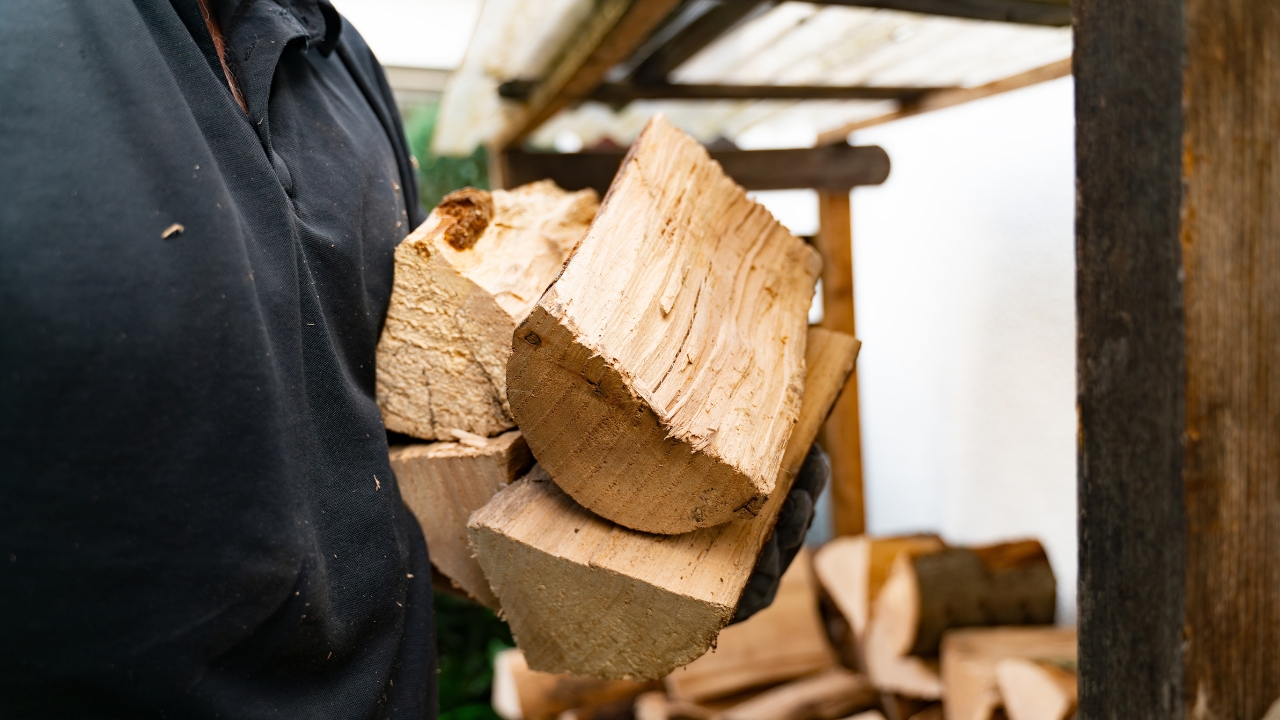
10 Signs Your Firewood Isn’t Actually Ready to Burn
Photo credit: Tanja Esser/Shutterstock.com
You can split, stack, and wait, then still end up with wood that fights you all night. Wet wood smokes, stinks, and leaves a mess in the stove and chimney. The annoying part is that it can look “seasoned” from the outside and still be holding water where it counts.
If your fires keep dying, the glass keeps sooting up, or the pile just never seems to shrink, start looking for these clues before you blame the stove.
1. Bark Still Tight And Glossy
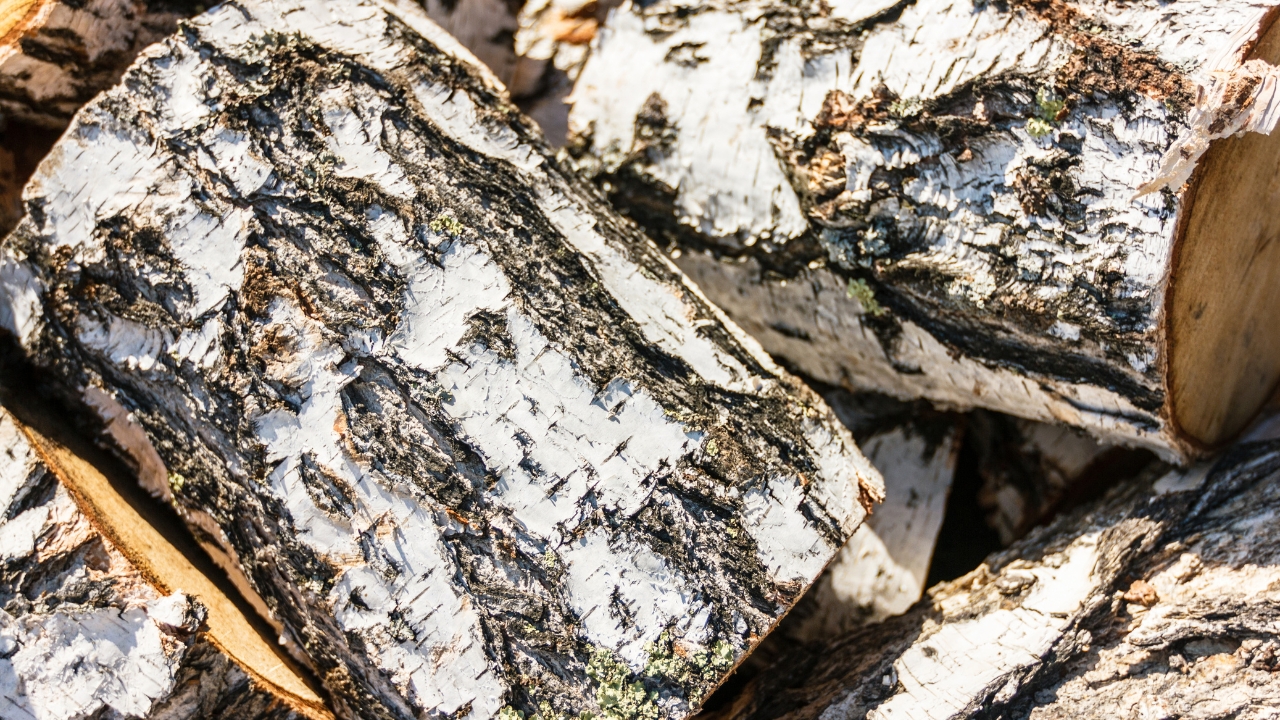
Wood that’s ready usually looks a little tired. The bark loosens, edges check, and the surface goes dull. If the bark is still tight like it was just cut, and the rounds still look “fresh,” you’re probably trying to burn water.
Don’t trust bark alone, because some species hang onto it. Use the bark clue as a reason to test a split piece, not as the final answer.
2. Ends Look Smooth With No Cracks
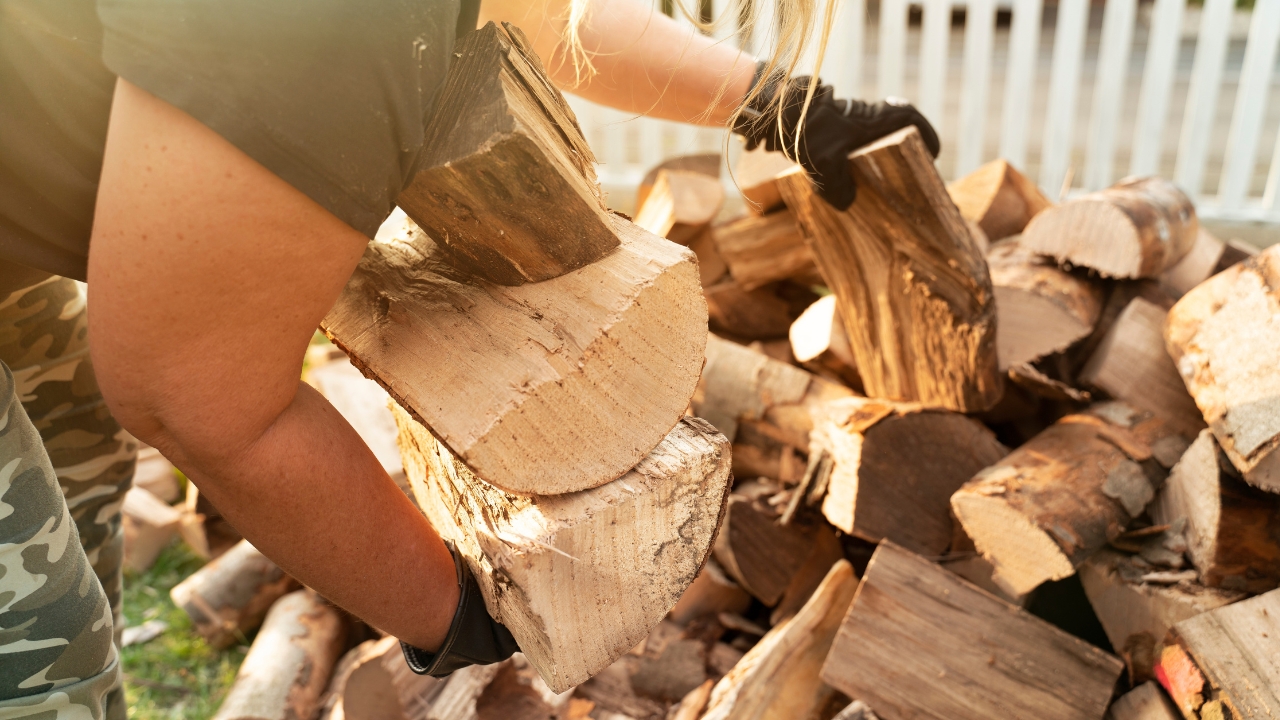
Checking on the end grain is one of the fastest visual tells. Seasoned firewood often has small radial cracks on the ends from shrinking as it dries. If the ends are smooth and waxy-looking, the moisture likely hasn’t left yet.
Cracks can fool you too, because wood can check early and still be wet inside. Take one split, look at the fresh face, and see if it feels cool and damp or smells like green sap.
3. It Hisses And Bubbles At The Cut
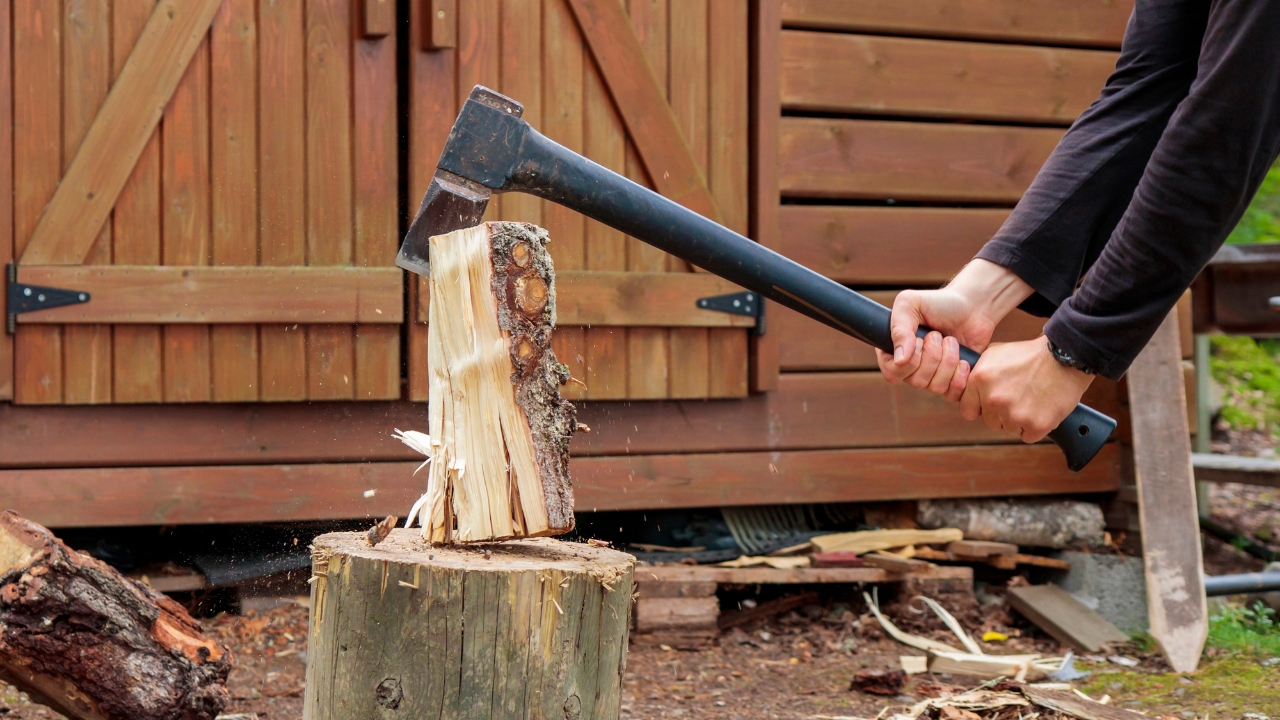
When a log hisses in the stove, that’s steam pushing out of the pores. Sometimes you’ll even see tiny bubbles at the ends or hear a faint sizzling, like a wet pan. That sound is wasted heat.
Stop feeding that piece and switch to smaller, drier splits to get the fire back. If you keep forcing wet wood, you’ll spend the night babysitting and you’ll paint your flue with creosote.
4. You Get Lazy Flames And Heavy Smoke
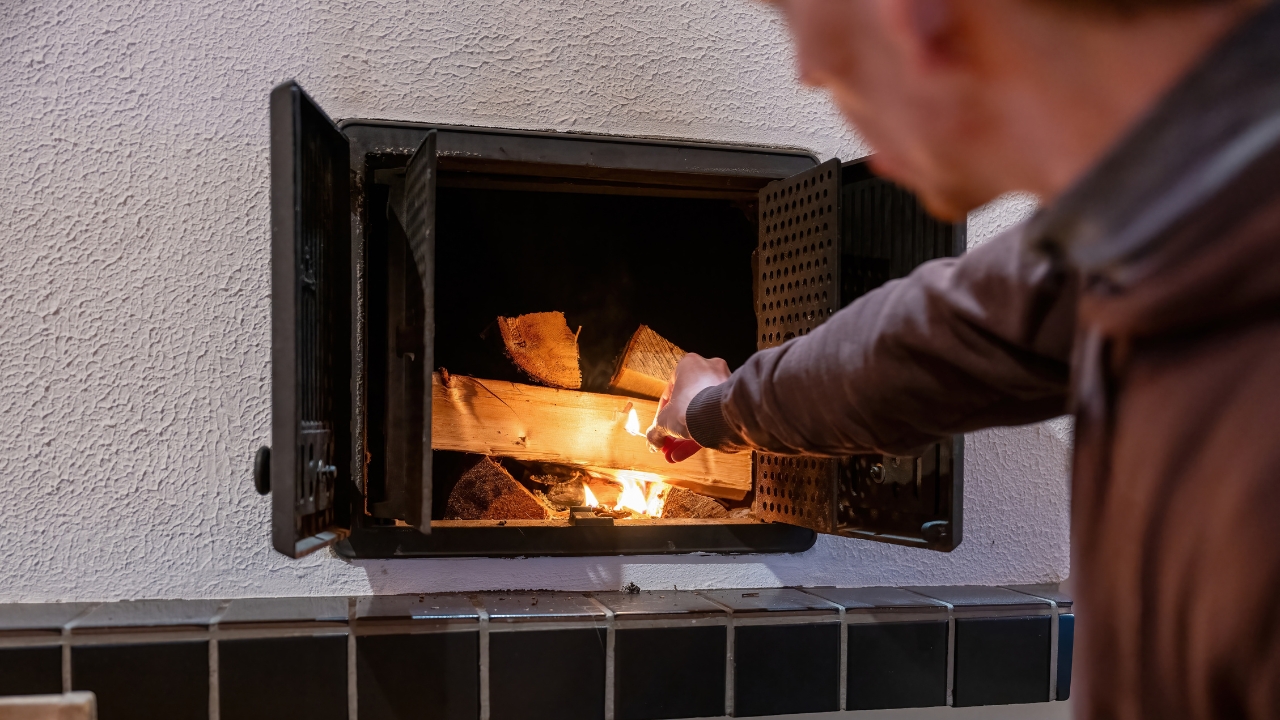
Wet wood makes a smoky fire with lazy, rolling flames that never seem to sharpen up. Outdoors, you’ll see a thick white plume that hangs low. Indoors, you may smell campfire in the room even with the door shut, especially on calm, damp days.
Good wood lights faster, burns brighter, and the smoke thins out after the stove comes up to temp. If you’re constantly cracking a window or fiddling with air controls just to keep it going, the fuel is a big suspect.
5. Stove Glass Soots Up In An Hour
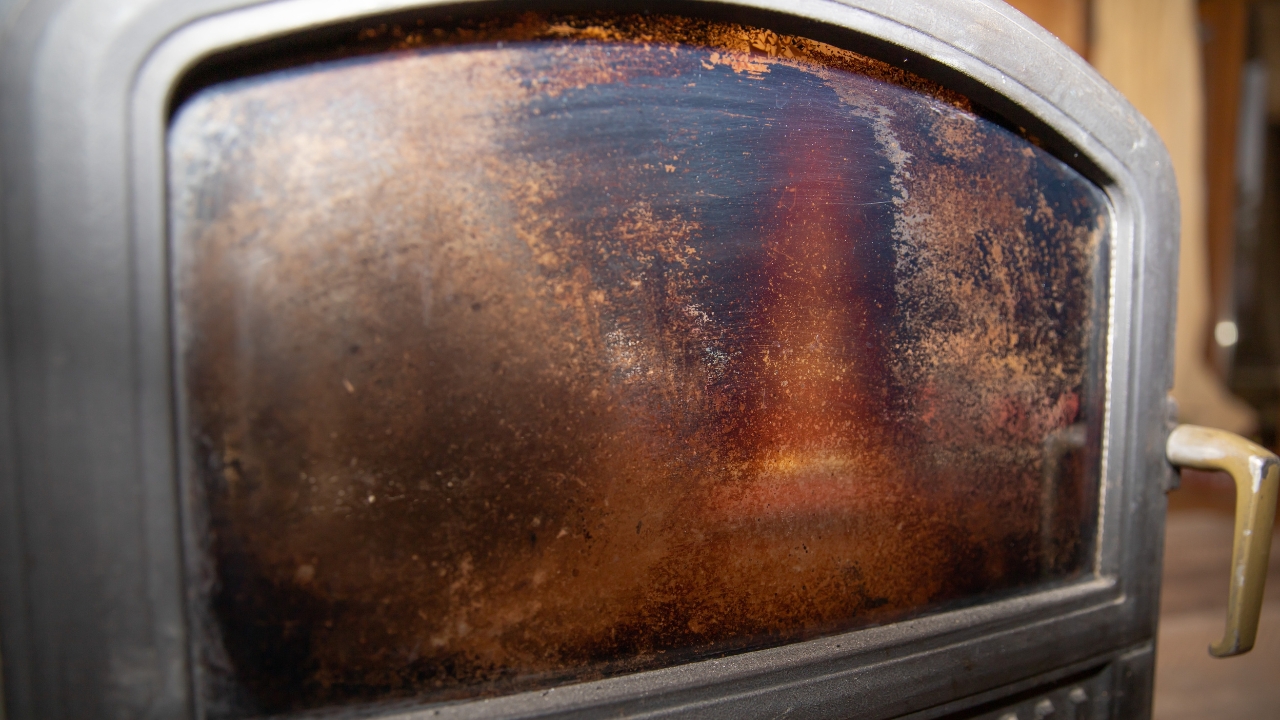
Black, sticky glass is often a fuel problem, not a “dirty stove” problem. Wet wood burns cool, and the unburned gasses condense on the glass and in the pipe. You can clean it, but you’ll be cleaning it again tomorrow.
Try one hot burn with known dry wood and kindling, and keep the air open until the firebox is fully engaged. If the glass stays clearer on that load, your regular pile isn’t as dry as it looks.
6. A Moisture Meter Reads High Inside
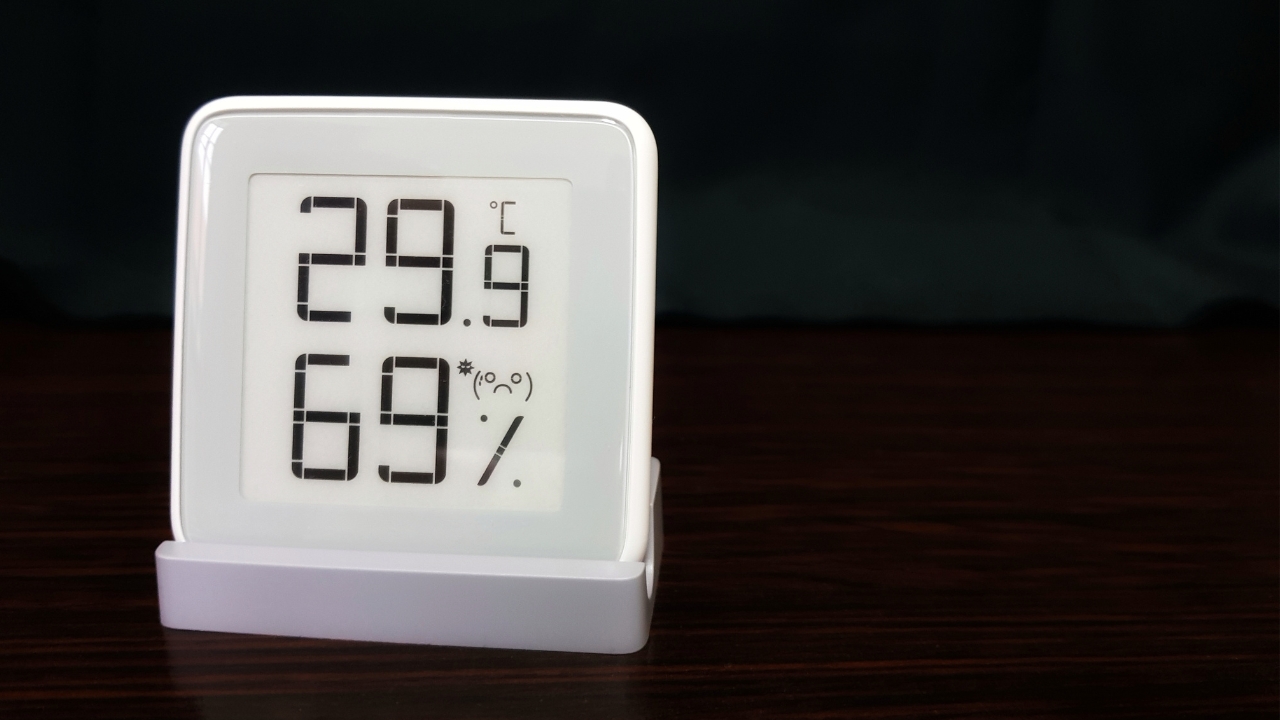
A $20 moisture meter settles arguments fast. The trick is using it right: split a piece and test the freshly exposed center face, not the weathered outside. For most stoves, wood around 20 percent moisture content or lower burns well.
If you don’t own a meter, borrow one from a neighbor or ask at a local hardware store. This is one of the few cheap tools that actually saves money because it keeps you from wasting time and heat.
7. The Splits Feel Heavy For Their Size
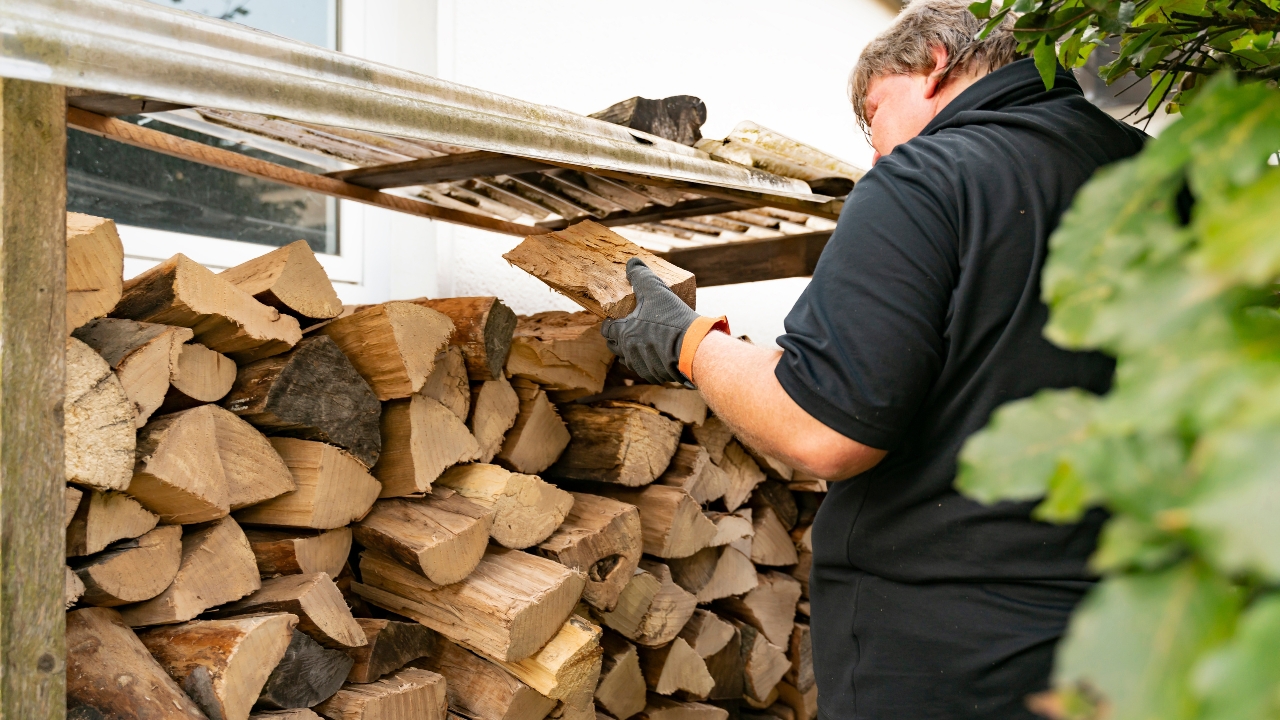
Pick up two similar splits of the same species and size. The wet one feels like it’s filled with lead. That extra weight is water you’re paying to haul, stack, and then boil off in your stove.
This shows up most when you bring in a new armload and it “sweats” as it warms near the stove. Move that batch back to the drying stack and grab older wood for tonight.
8. Your Stack Sits On Bare Ground
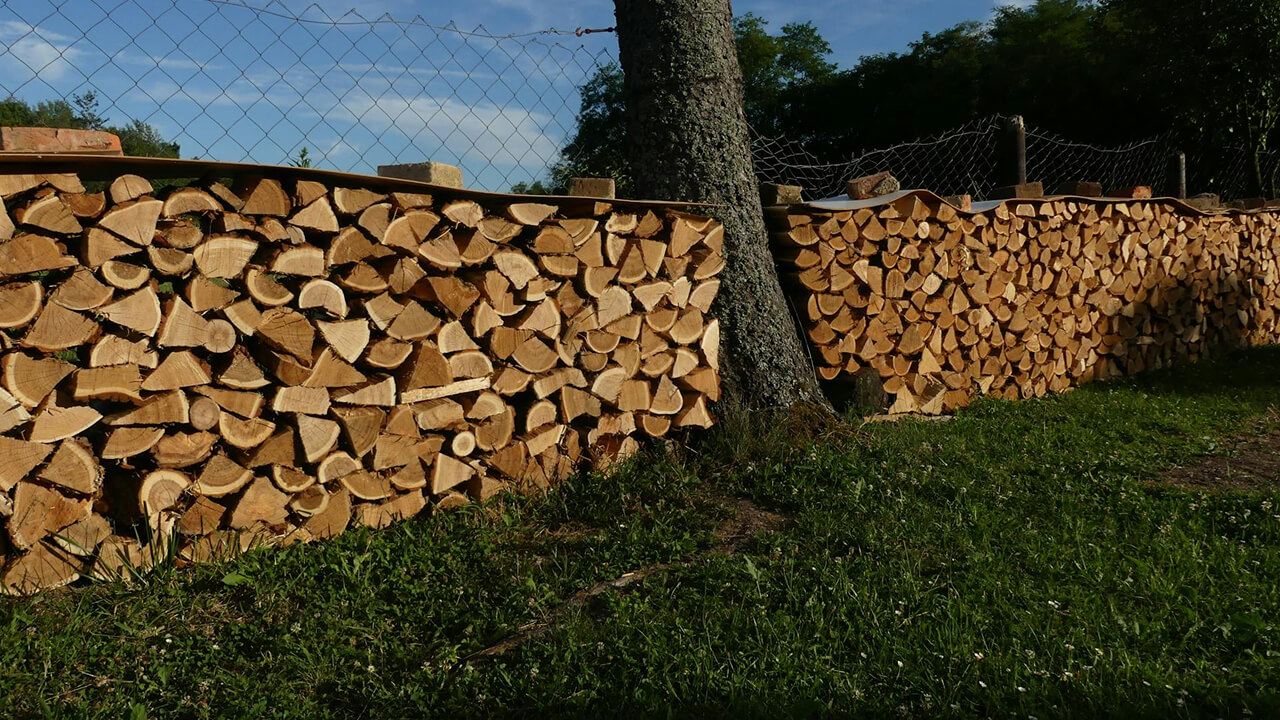
Ground contact keeps wood damp even in a dry summer. The bottom row wicks moisture, grows mildew, and becomes punky, which is a nice way of saying it’s starting to rot. Then you end up burning half-rotten wood that smolders.
Get the stack up on pallets, rails, scrap 4x4s, or a simple rack. Leave a little air gap under it and you’ll dry faster and lose less wood to decay.
9. It Was Covered Tight With A Tarp
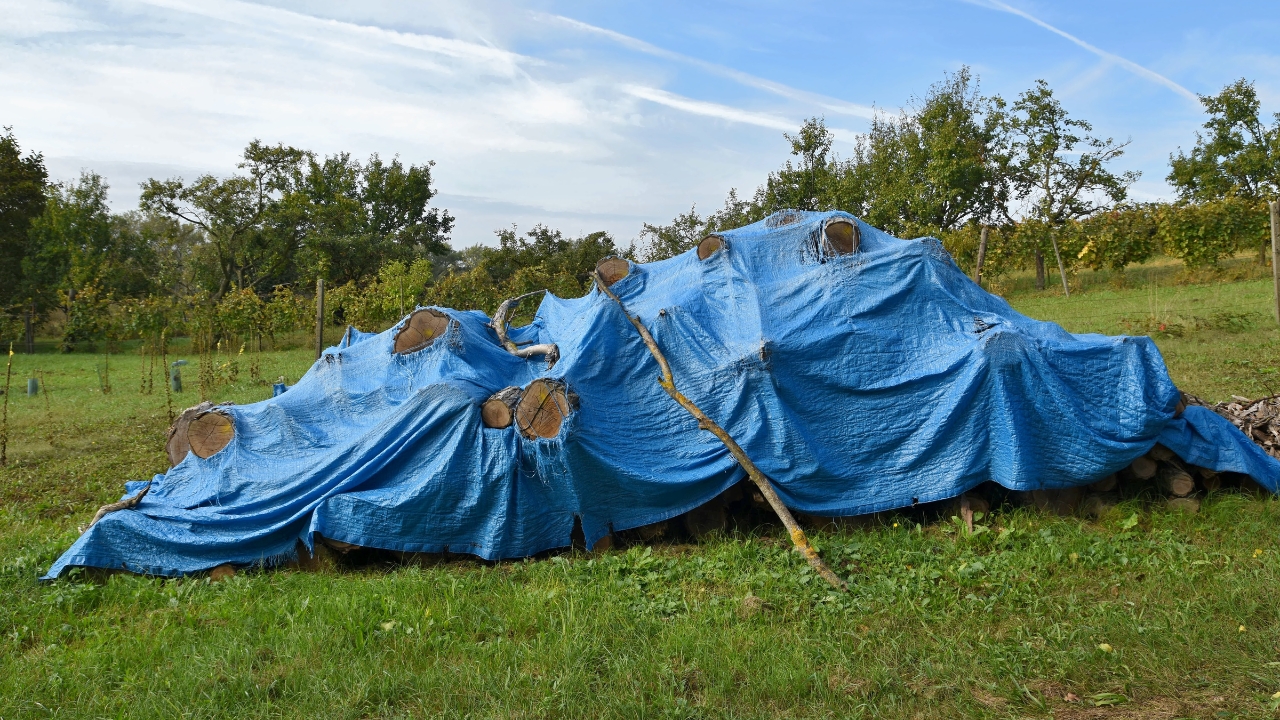
A tarp wrapped around a stack like shrink wrap is a moisture trap. Rain stays in, humidity can’t escape, and the whole pile goes sour. You’ll smell it when you pull a piece, kind of musty and sharp.
Covering the top is fine, and sometimes it’s the smart, cheap option. Lay the tarp like a roof, weigh it down, and leave the sides open so wind can do the work.
10. It Was Cut Too Late This Year

Timing is everything. If the tree was felled in late summer or fall and you’re trying to burn it in the first cold snap, it’s almost never ready, even if it’s split small. The outside dries first, the inside stays wet, and the stove tells on you.
Plan on cutting, splitting, and stacking a season ahead. If you’re stuck, mix in dry bought wood, kiln-dried bundles, or construction cutoffs like clean, untreated 2x lumber to carry the load while your pile catches up.
Once you get genuinely dry wood, you’ll notice the stove runs steadier, the chimney stays cleaner, and you stop feeding the fire like it’s a hungry pet. Drying takes space and time, but it’s cheaper than replacing stove parts early or paying for extra sweeping because the fuel never had a fair shot.
Like Fix It Homestead’s content? Be sure to follow us.
- Man Says He Found Out the Fence He Paid For Wasn’t Actually on His Property
- Woman Says Her Neighbor Started Taking Mulch From Her Delivery Pile Before She Could Even Spread It
- I made Joanna Gaines’s Friendsgiving casserole and here is what I would keep
- What Caliber Works Best for Groundhogs, Armadillos, and Other Digging Pests?