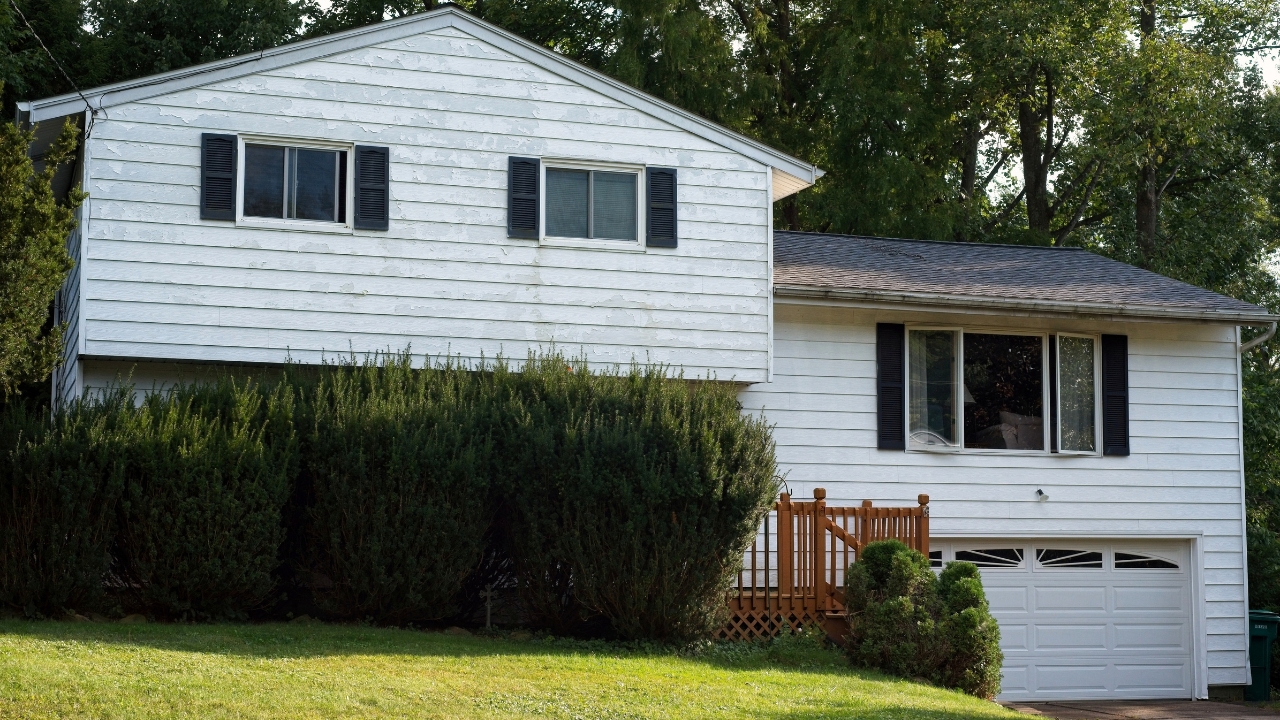
10 Things That Quietly Lower What a House Appraises For
Photo credit: Kenneth Sponsler/Shutterstock.com
You can keep a house clean and still lose value on paper. Appraisers notice the small stuff that hints at bigger costs, safety issues, or deferred maintenance. A few quiet problems can shave off thousands because they change the story your place tells.
1. Peeling Paint On Trim And Siding
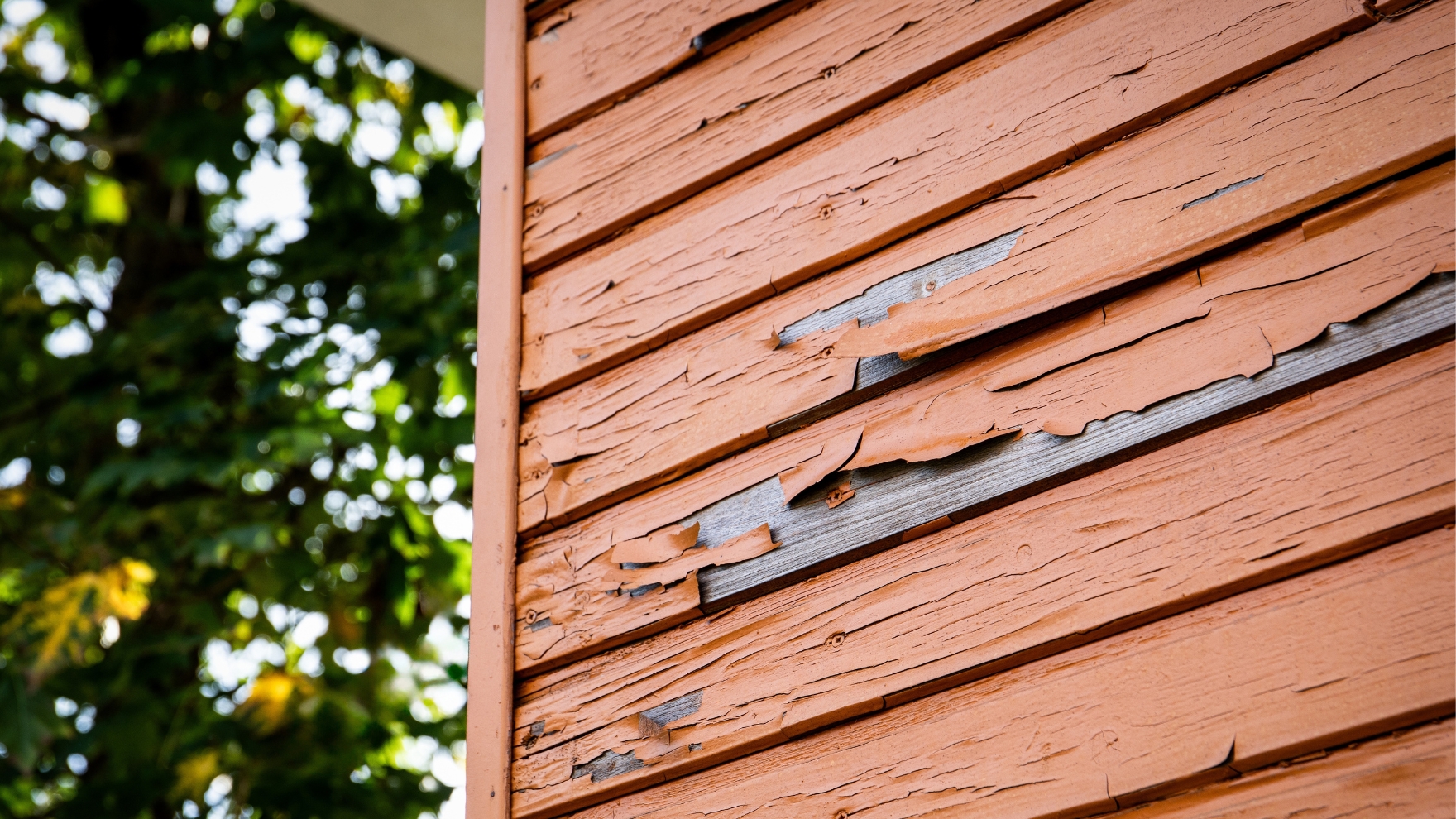
Sun-baked trim that’s flaking down to bare wood reads as neglect, even if the inside is spotless. On older homes, peeling exterior paint also raises questions about lead-safe rules and proper prep, which appraisers know adds time and cost.
Scrape loose paint, spot-prime, then topcoat on a dry stretch of weather. A weekend with a carbide scraper, sandpaper, and a decent exterior acrylic paint goes a long way. If the house predates 1978, treat paint dust like a real hazard and follow lead-safe practices.
2. Slow Drains And Soggy Yard Spots
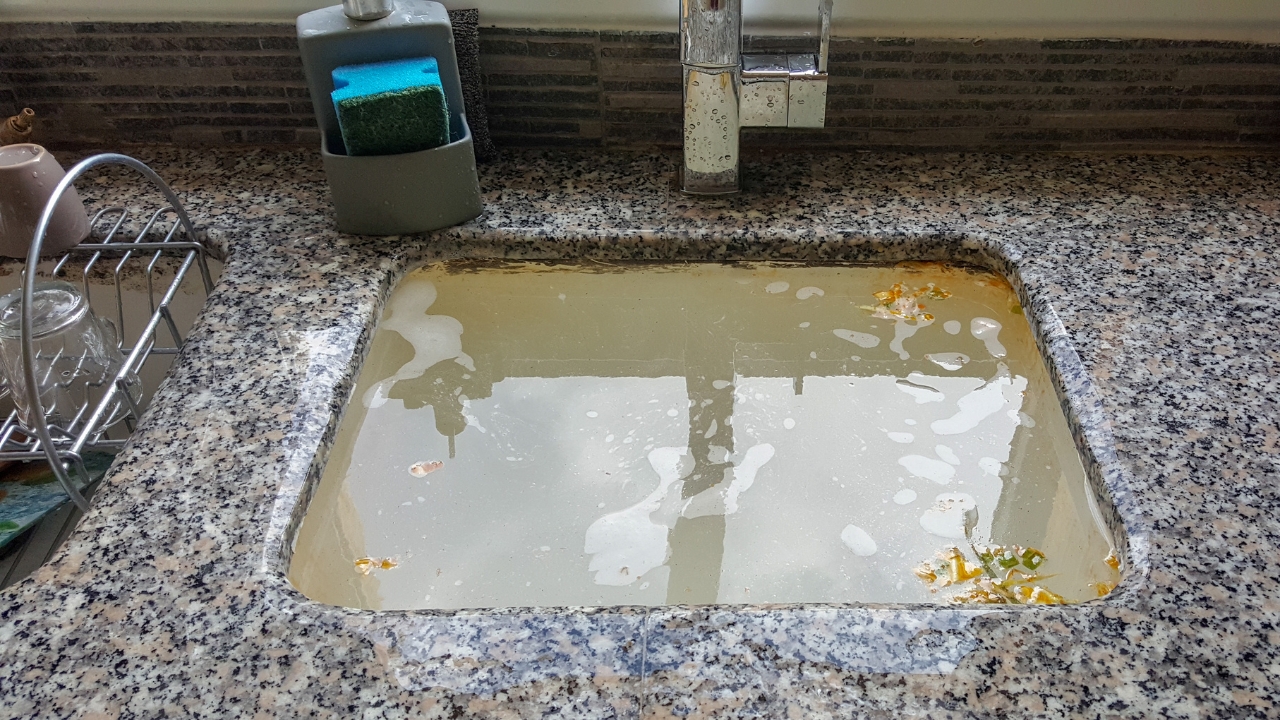
You get used to that corner of the yard that stays wet, or the tub that takes forever to empty. An appraiser sees drainage problems and thinks foundation movement, water in the crawlspace, or a future call to an excavator.
Start cheap: clean gutters, extend downspouts 6 to 10 feet, and slope soil away from the foundation. If you’re digging for a drain line or downspout pipe, call 811 for utility locate first. Standing water near a septic field or a persistently wet patch can signal a bigger issue, and that’s when a septic pro earns their money.
3. DIY Electrical That Looks Improvised
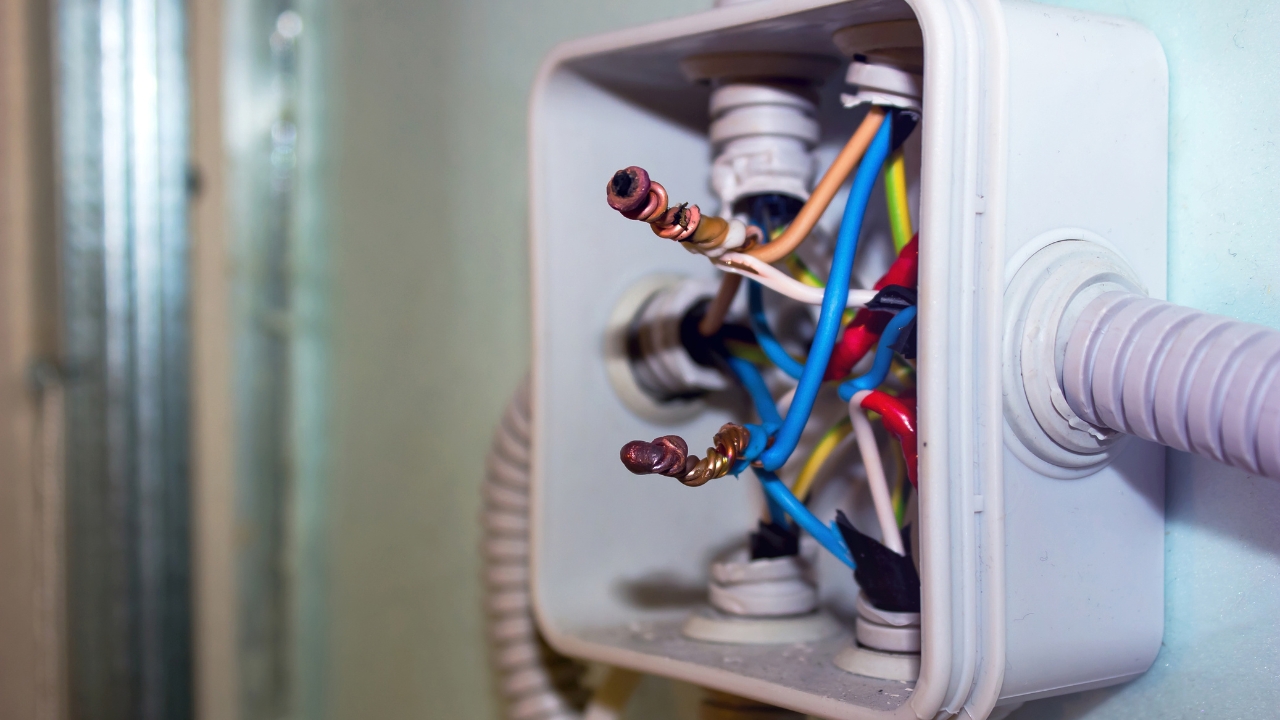
Open splices in a junction box, outlets that aren’t square, wire stapled like a craft project, or a panel cover with missing knockouts, it all screams risk. Even if nothing is actively failing, messy electrical work lowers confidence fast.
Simple fixes are worth doing: install proper covers, use correct clamps, label the panel, replace cracked devices, and make sure boxes are accessible. Anything involving the main panel, aluminum wiring, or a service upgrade is for a licensed electrician, and permits matter. Clean, code-looking work appraises better because it reads as safer and easier to insure.
4. Caulk Gaps Around Windows And Doors
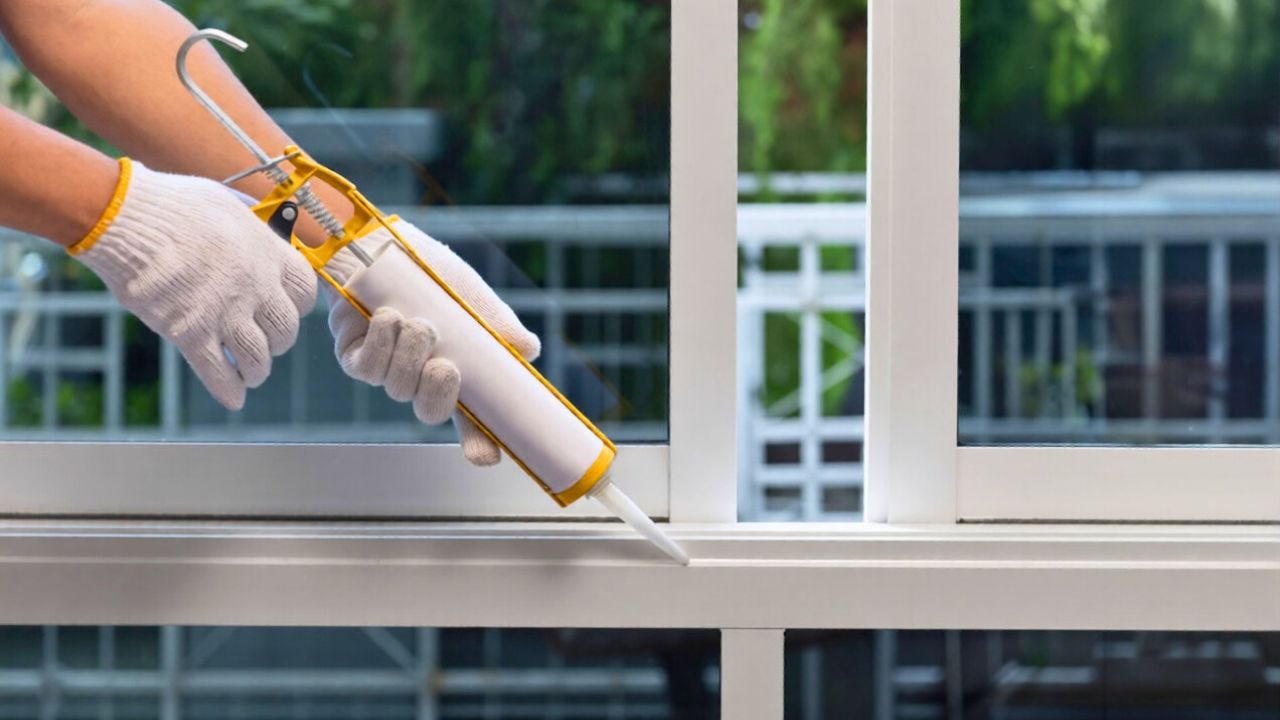
Those little daylight lines around trim and siding don’t seem like much until an appraiser spots them. Gaps hint at water intrusion, air leaks, and rot hiding under paint.
Pick the right tube for the job. Exterior needs a paintable, flexible sealant, not cheap interior latex caulk that shrinks and cracks. Cut out the loose stuff, clean the joint, and tool a smooth bead so water sheds instead of pooling.
5. Roof Wear You Can See From The Drive
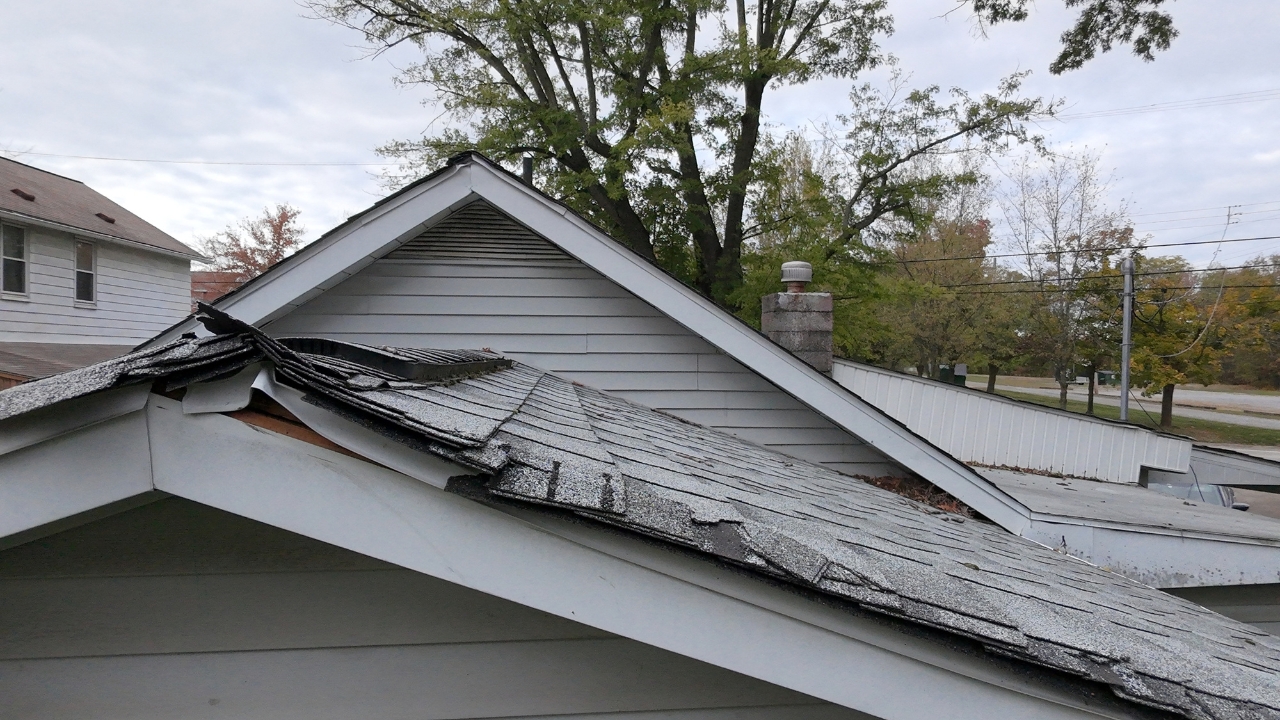
Curling shingles, missing tabs, dark streaks, or a sag line draws the eye even if there are no leaks today. A roof near end of life is a direct cost, and appraisers account for that because buyers do.
If it’s minor, replace a few shingles, fix popped nails, and get flashing repaired. Moss is worth removing carefully, but power washing shingles is often a bad move because it can strip granules. If the roof is truly shot, get quotes and consider replacement before listing, it’s one of the few big jobs that tends to show up clearly in value.
6. Musty Crawlspace Or Attic Smell
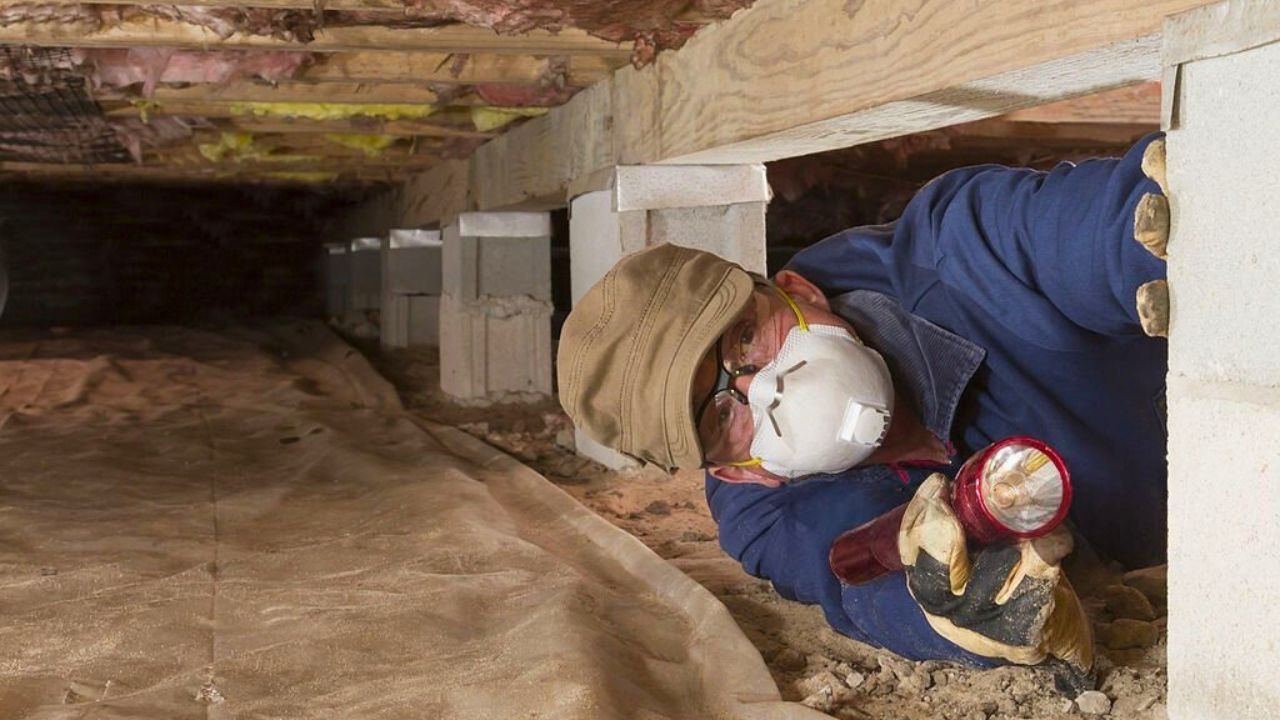
Odor is a clue. A musty crawlspace, a damp basement, or an attic that smells like old wet cardboard suggests moisture, poor venting, or past leaks, even if everything looks “fine” in photos.
Track the source instead of spraying scents. Fix bath fans that vent into the attic, repair dryer vents that leak lint and moisture, and replace missing crawlspace vapor barrier. If you see mold growth, soft framing, or standing water under the house, bring in a pro who does moisture and structural work, not just a fogging treatment.
7. Mixed Flooring Patches And Trip Edges
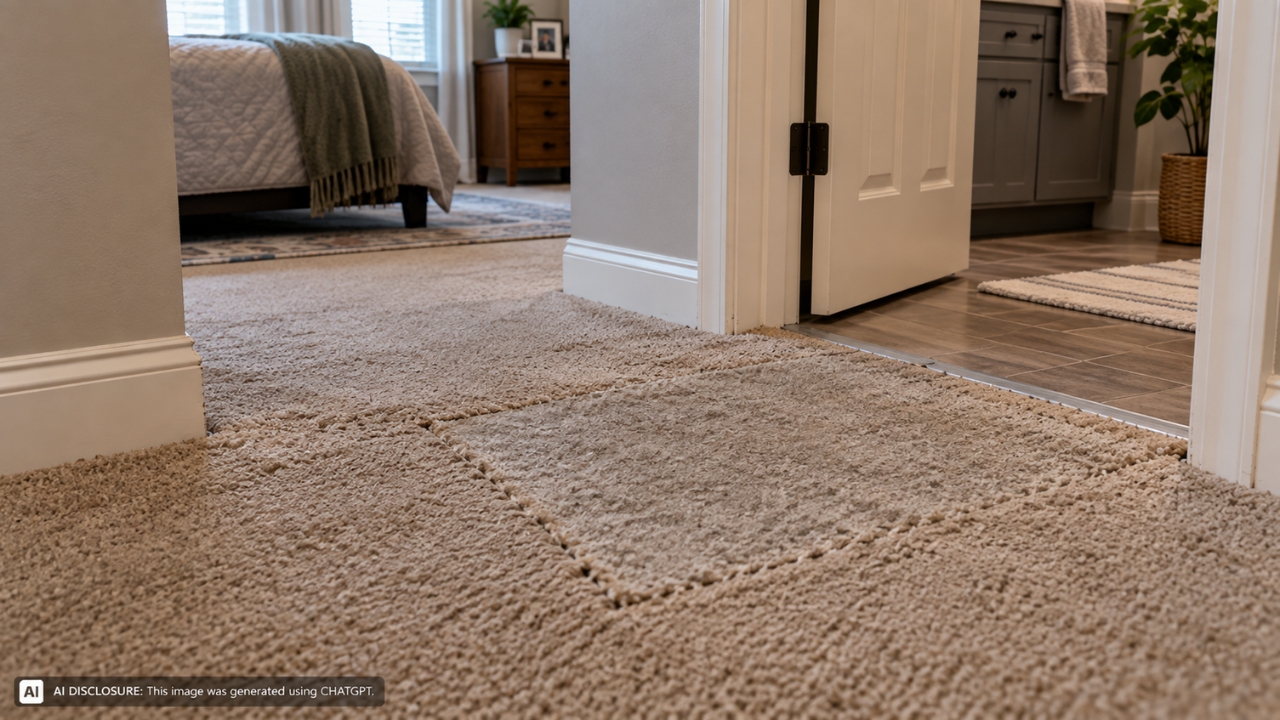
It’s easy to piece in leftover laminate, change tile styles mid-hallway, or patch a stained carpet spot with a remnant. Appraisers notice because it signals short-term fixes and it makes rooms feel smaller and choppy.
One clean, consistent floor through a main living area looks better than three “almost matches.” If budget is tight, a single run of decent sheet vinyl in a laundry room can be totally fine, it’s durable and easy to clean. What hurts value is sloppy transitions, lifting corners, and uneven height that creates a trip hazard.
8. Overgrown Shrubs Touching The House

Foundation plantings that press against siding trap moisture and hide problems. They also make it hard to inspect, and appraisers tend to assume the worst when they can’t see the wall.
Cut shrubs back so there’s air space, and keep branches off the roof. Pull volunteer trees before they get woody, especially near fences and sheds. Mulch is fine, just don’t pile it against wood siding where it holds water and invites bugs.
9. Old Smoke Detectors And Missing GFCIs
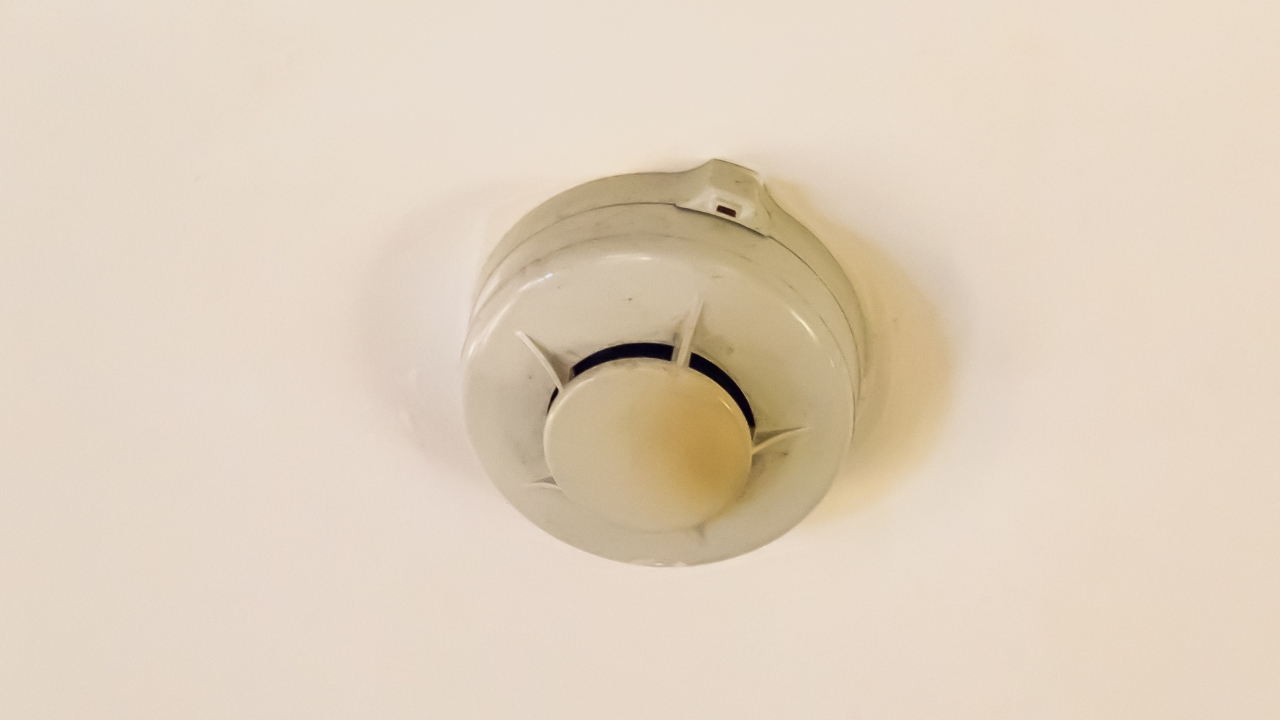
Safety items don’t feel like “value,” but they affect financing and buyer confidence. A missing GFCI near a sink or a smoke detector from two decades ago reads like the house hasn’t been kept up.
Replace detectors that are past their date or yellowed and brittle. Add GFCI protection in kitchens, baths, garages, unfinished basements, and exterior outlets where code calls for it. If you’re not comfortable working with wiring, pay an electrician for a short service call and get it done clean.
10. Unpermitted Rooms And Sketchy Conversions

A “bedroom” in the basement with no proper egress, a garage turned into living space without heat, or a porch closed in with bargain windows can backfire. Appraisers often can’t count space that isn’t permitted or doesn’t meet basic requirements, so you lose square footage where it hurts.
Before you spend another dime finishing, check with your local building department on permits and what qualifies as living area. Sometimes the fix is straightforward, like adding a proper egress window or bringing insulation and electrical up to code. Other times it’s cheaper to stop calling it a bedroom and stage it as a hobby room or office.
If you want the appraisal to reflect the care you’ve put in, tackle the things that signal risk first. Small repairs that look professional, shed water, and meet code often beat flashy upgrades that don’t fix underlying problems.
Like Fix It Homestead’s content? Be sure to follow us.
- Man Says He Found Out the Fence He Paid For Wasn’t Actually on His Property
- Woman Says Her Neighbor Started Taking Mulch From Her Delivery Pile Before She Could Even Spread It
- I made Joanna Gaines’s Friendsgiving casserole and here is what I would keep
- What Caliber Works Best for Groundhogs, Armadillos, and Other Digging Pests?