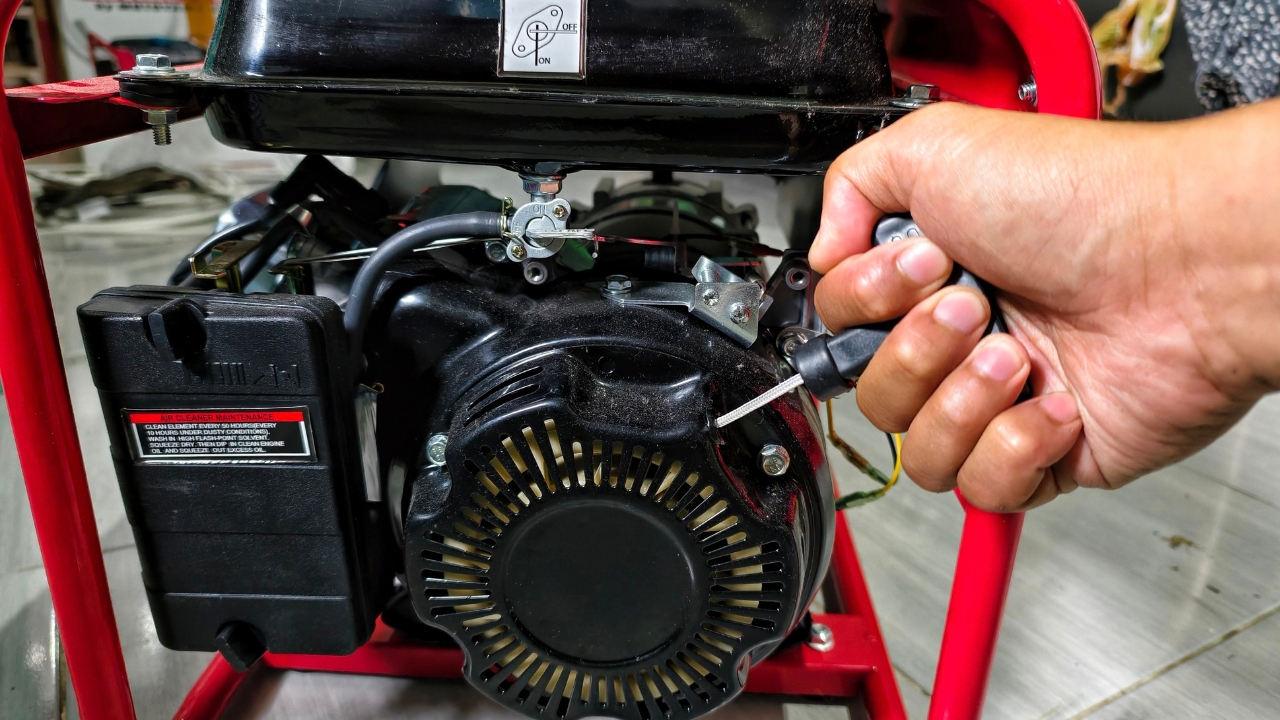
10 Reasons Your Generator Won’t Start When You Need It
Photo credit: Muchlas Abrar/Shutterstock.com
The power goes out, the fridge starts warming up, and you drag the generator into place. You pull the cord, and nothing happens, or it coughs once and dies. Most of the time it isn’t “bad luck.” It’s one small thing that sat all year and finally picked the worst moment to show itself.
1. Old Gas Turned To Varnish
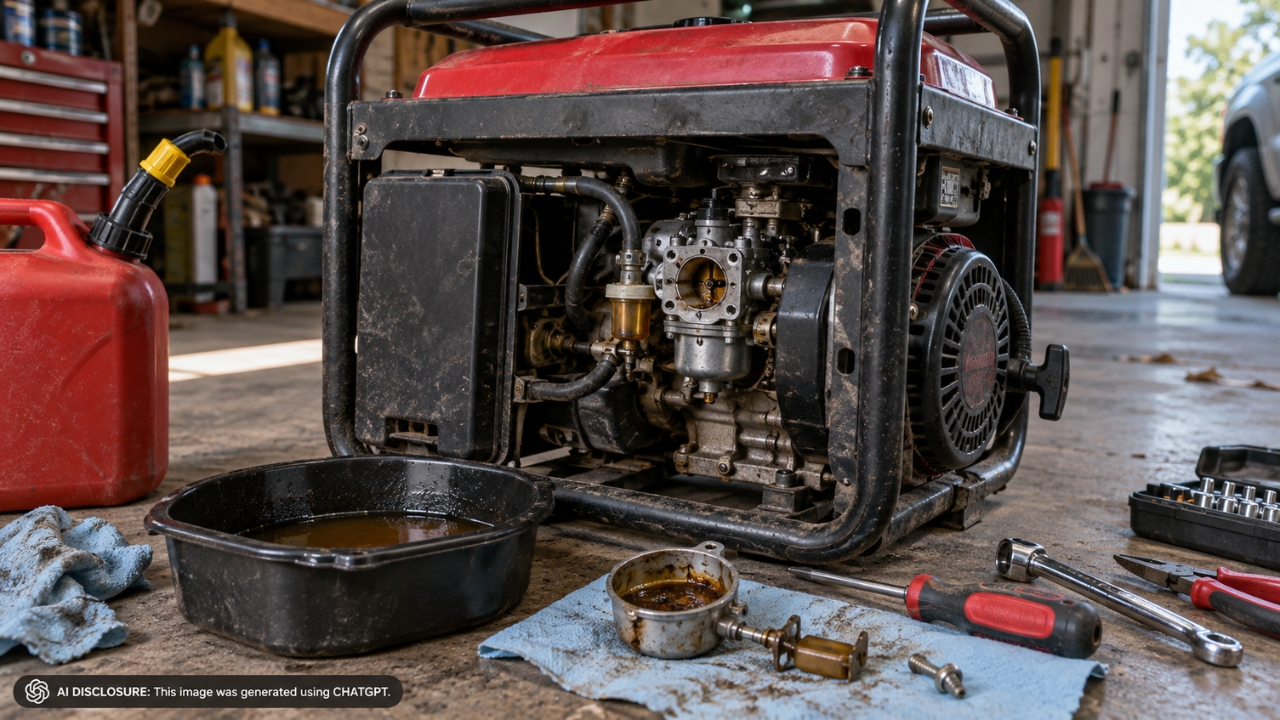
Gasoline doesn’t age like honey. After a few months, especially in heat, it starts breaking down and leaving sticky varnish in the carburetor. The generator will crank, sputter, and refuse to stay running, or it won’t fire at all.
Fix starts with draining the tank and the carb bowl if it has a drain screw. Refill with fresh fuel, then try again with the fuel valve on and choke set correctly. If it still won’t run, you’re into carb cleaning, which is doable with basic tools and carb cleaner, but don’t be surprised if a small carb rebuild kit is the real cure.
2. Fuel Shutoff Or Vent Left Closed
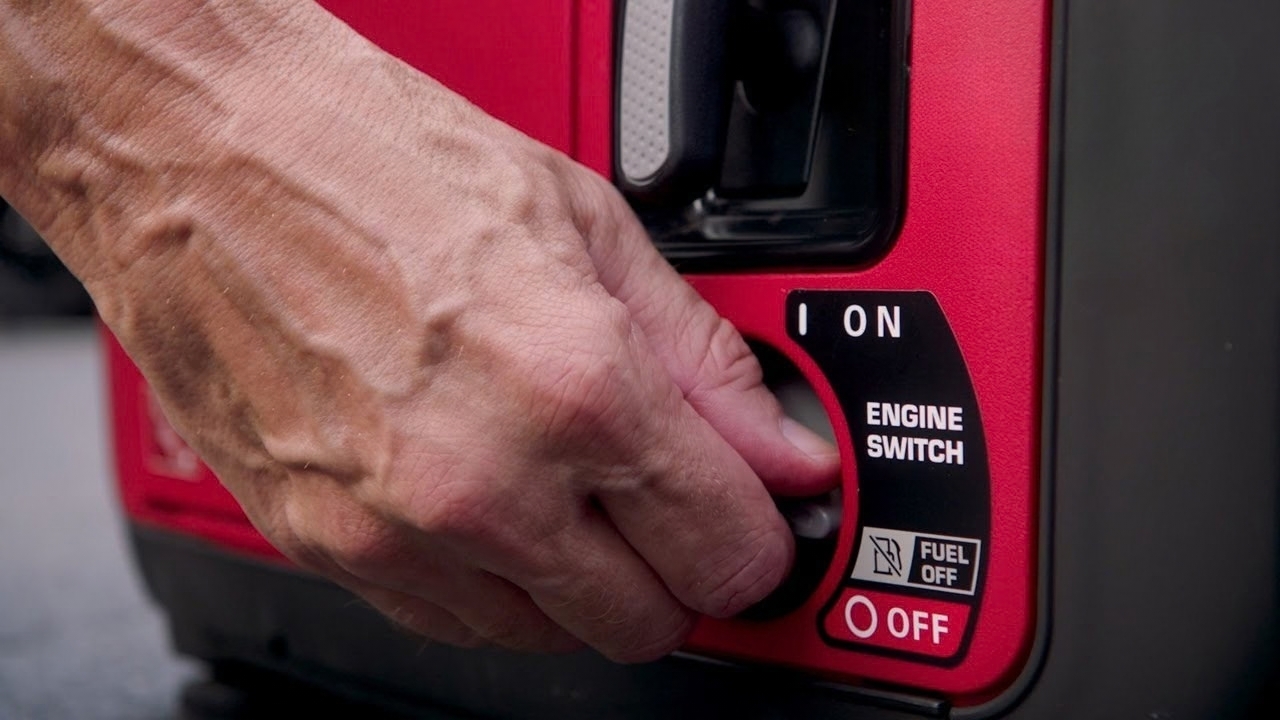
This one feels dumb, because it is. The fuel valve is off, the tank vent is closed, or the quick connect on a propane unit isn’t fully seated. The engine acts starved and dies as soon as it catches.
Slow down and follow the fuel path with your hand. Tank vent open, fuel valve on, hose tight, propane cylinder opened fully. If the generator ran for 10 seconds and quit, crack the gas cap briefly, a plugged vent can pull a vacuum and stop flow.
3. Choke And Throttle Set Wrong
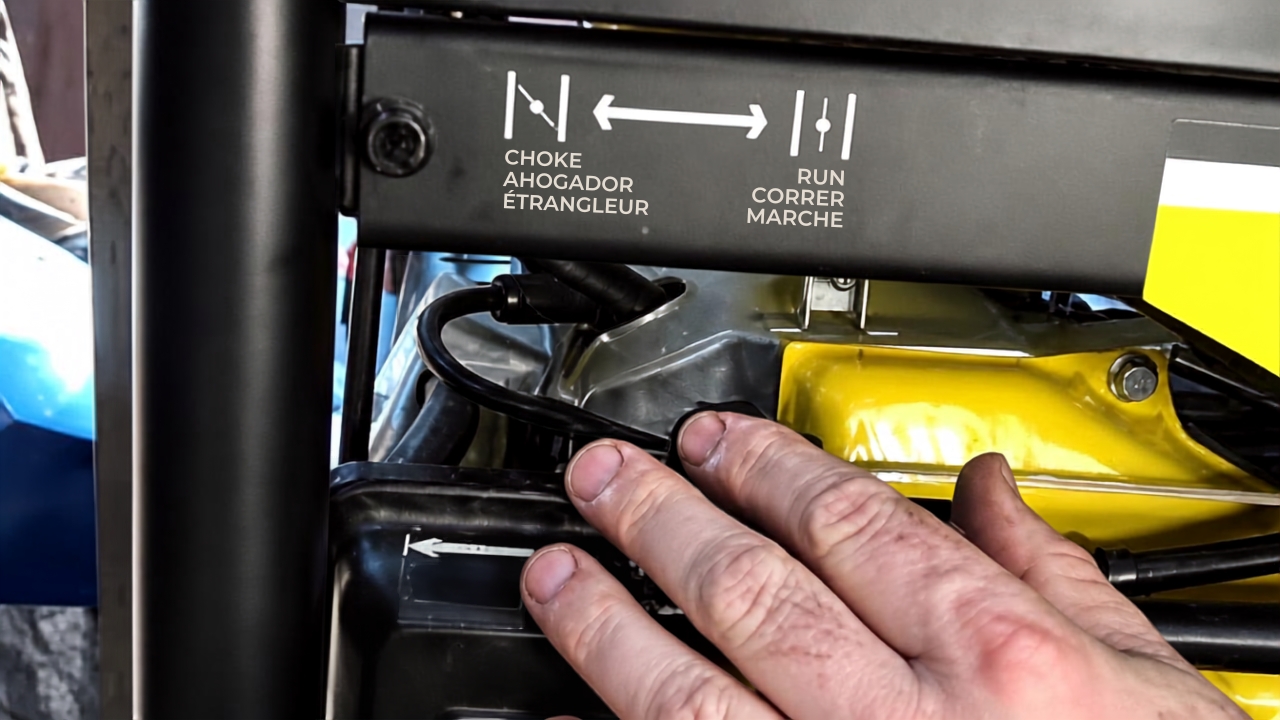
Cold engines need choke, warm engines usually don’t, and half-choke is often the sweet spot for the first 20 seconds. If you yank the cord with the choke off on a cold morning, you can pull until your shoulder complains. If you leave full choke on too long, it loads up and bogs.
Start with full choke for a cold start, then move toward run as it catches and smooths out. If it smells like raw gas and won’t start, open the choke, hold the throttle open, and give it a few pulls to clear it. On some inverter units, the “eco” switch can also make starting fussier, turn it off until it’s running.
4. Oil Level Sensor Blocking Ignition
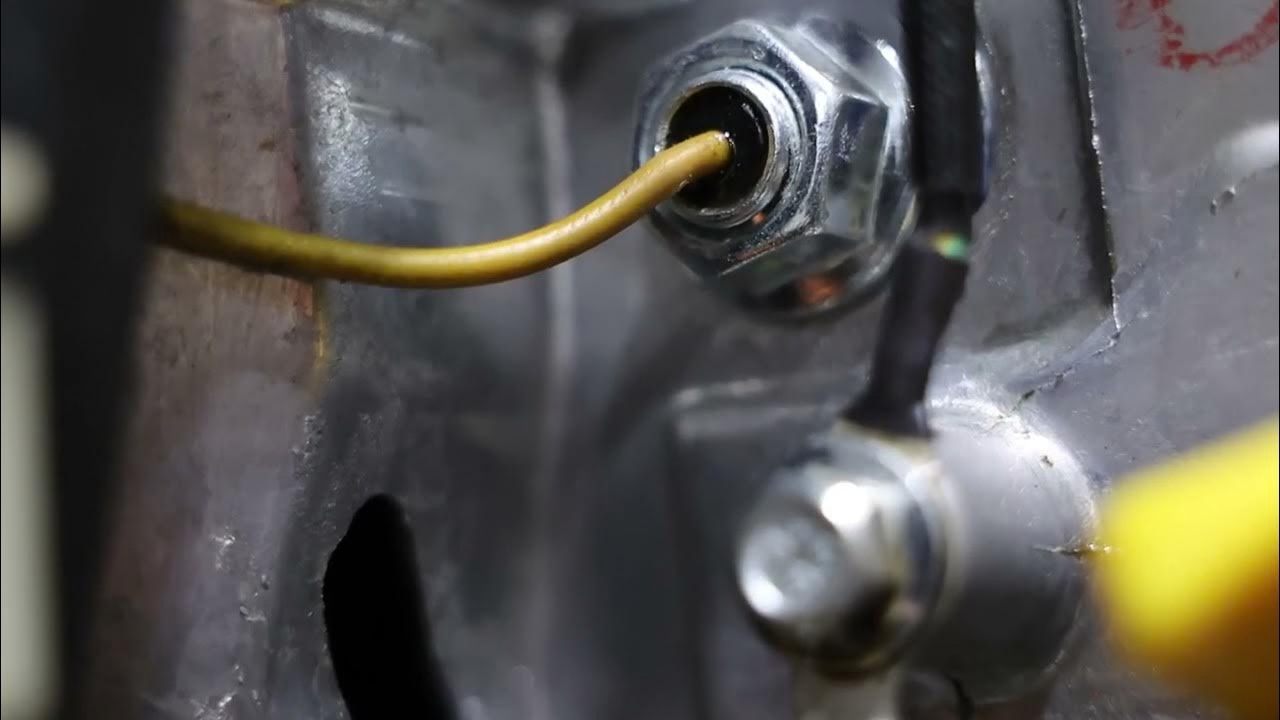
Many portable generators have a low-oil shutoff, and it can stop spark even when the oil looks “close enough.” Set the unit on uneven ground or a soft lawn, and the sensor reads low. You’ll get endless cranking with no fire.
Put it on a flat, solid spot, check the dipstick the way the manual says, and top off with the right weight oil. Don’t overfill, that can foam and cause smoking and hard starts. If the sensor seems flaky after correct filling, that’s a repair job, don’t bypass it.
5. Battery Too Weak For Electric Start
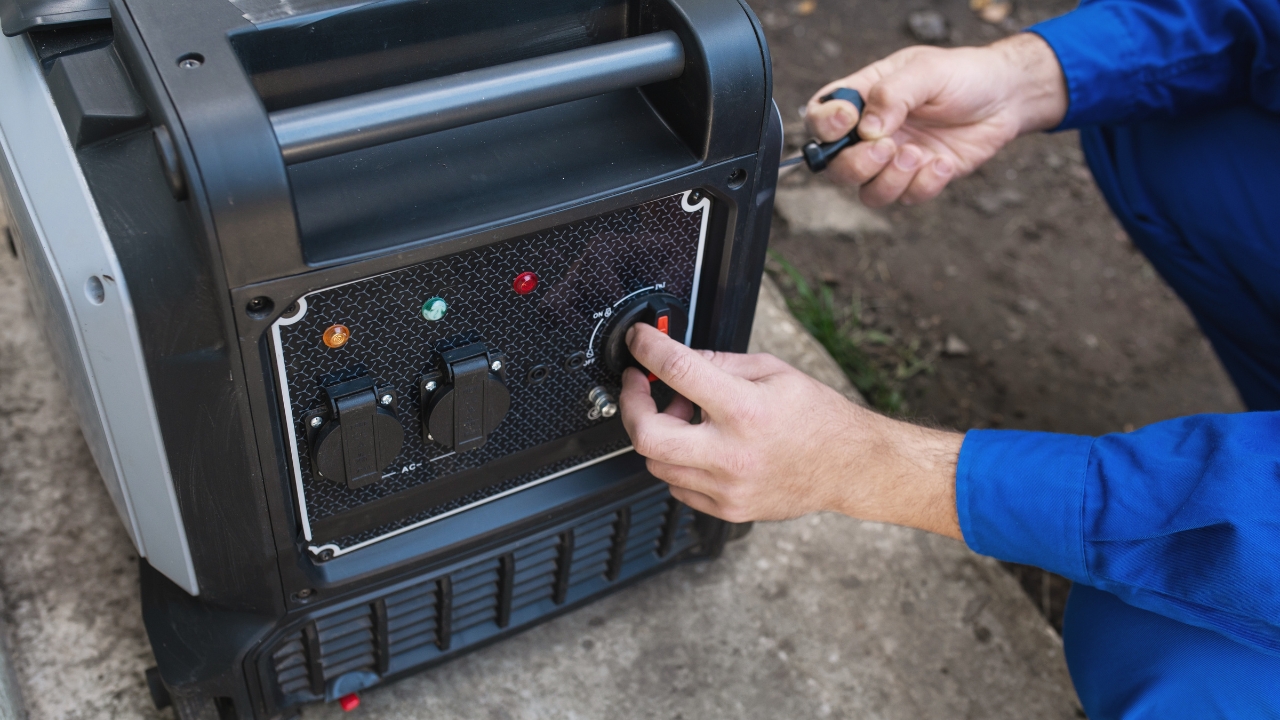
Electric start is great until the battery sits for a year and drops below useful. You’ll hear a click, a slow groan, or the starter won’t move at all. Pull-start models dodge this, but any unit with a key or button can still leave you stuck.
Charge the battery with a small automatic charger, or jump it using the correct voltage and proper cables. Clean the terminals first, white fuzz is corrosion and it chokes current. If the battery won’t hold a charge anymore, replace it and add a monthly top-up or a maintainer when it’s in storage.
6. Spark Plug Fouled Or Loose
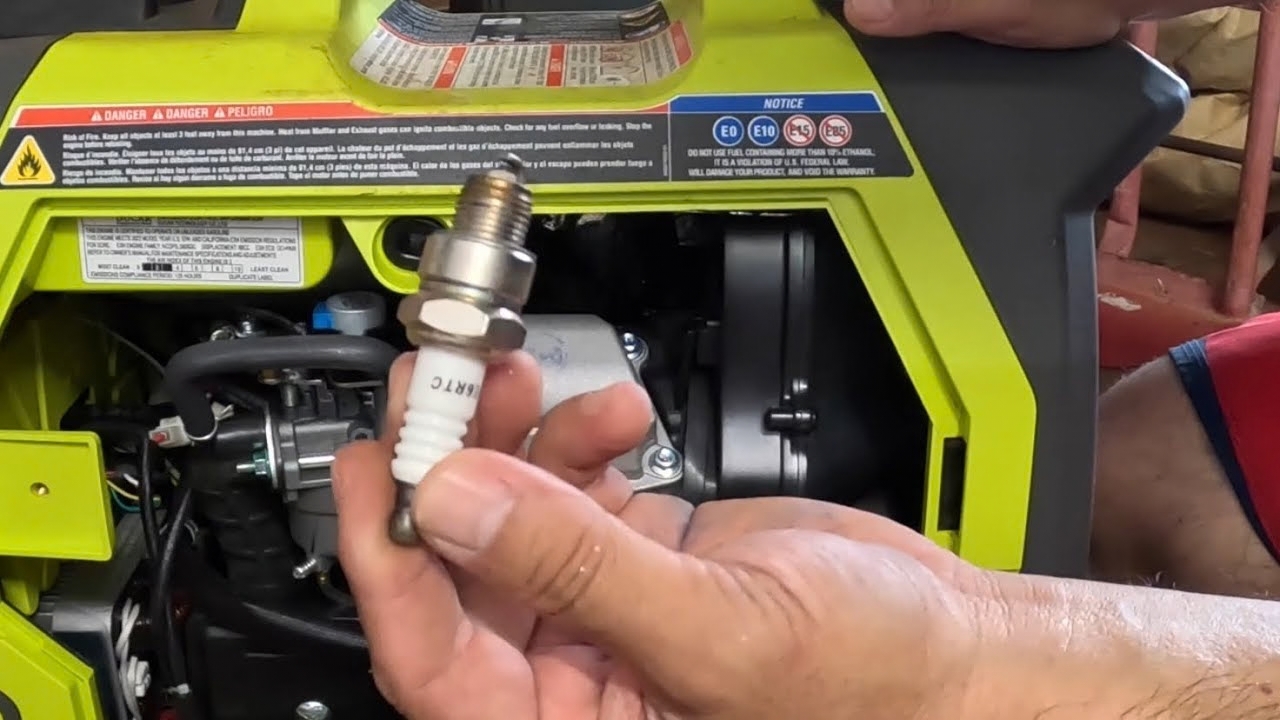
If it cranks and never even tries to catch, spark is high on the suspect list. A plug can foul from old fuel, too much choke, or lots of short run times. Sometimes it’s simpler, the plug boot isn’t snapped on, or the plug is finger-loose after vibration.
Pull the plug, look for heavy black carbon or wet fuel. Clean it with a wire brush in a pinch, but plugs are cheap and replacement saves time. Set the gap if you have a feeler gauge, then tighten it properly and push the boot on until it seats.
7. Air Filter Packed With Dust Or Oil
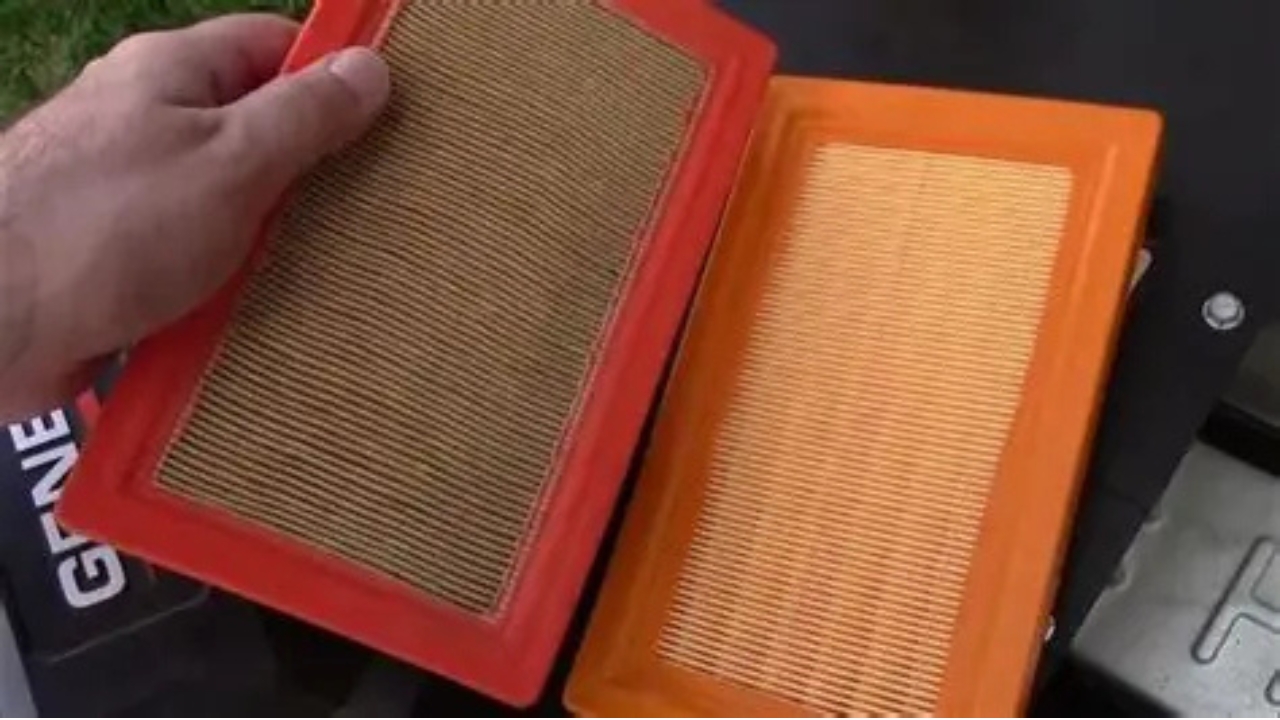
A generator that lived in a shed with feed dust, sawdust, or blown insulation can end up choking on its own air filter. Foam filters get gummy, paper filters plug up, and either one can make starting hard and running rough. In a storm, you don’t want to diagnose a “no start” that’s really “no air.”
Check the filter before you pull the carb apart. Tap out a paper filter and replace it if it’s dark and packed. For foam, wash, dry, and re-oil lightly if the design calls for it. There’s an honest exception here, a cheap paper filter is fine, but don’t “upgrade” to some high-flow gimmick that lets grit through, engines hate grit.
8. Breaker Tripped Or Loads Left Plugged In

Sometimes it starts, then dies, or it won’t start because it’s trying to spin up under load. Space heaters, well pumps, and battery chargers left plugged into the generator can drag it down right at startup. A tripped outlet breaker or GFCI can also make you think the generator is dead when it’s running fine.
Unplug everything, reset the generator’s breakers and GFCI, then start it with no loads. After it warms up for a minute, add loads one at a time, largest first. If you’re tying into a house with a transfer switch or interlock, that wiring is a permit and inspection situation in many areas, and a licensed electrician is money well spent.
9. Carburetor Jet Clogged From Storage
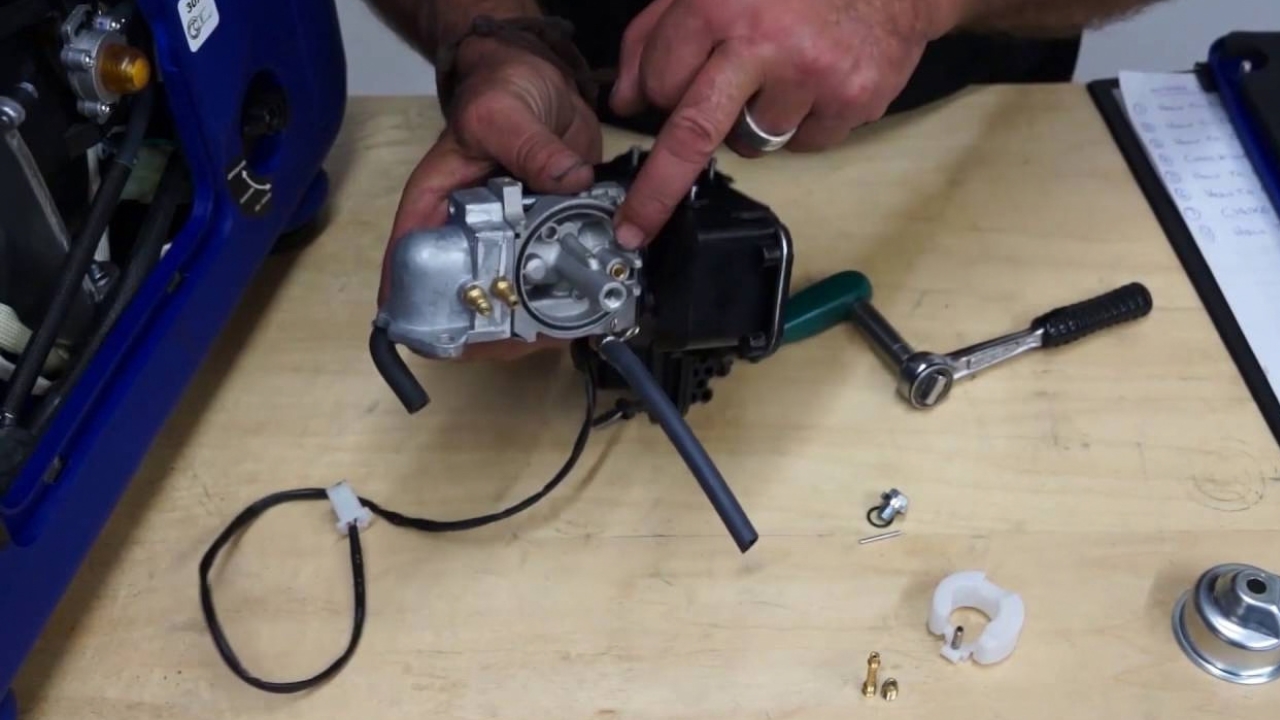
Old gas doesn’t just go stale, it leaves grit in tiny passages you can barely see. The engine will fire on starting fluid, then quit, or it will surge up and down and never settle. People blame the whole generator when it’s often one clogged main jet.
If fresh fuel didn’t fix it, you’re likely pulling the carb. Take photos as you go, work on a clean bench, and keep track of gaskets. A careful cleaning with carb spray and compressed air can bring it back, but if the carb body is corroded or the tiny passages won’t clear, replacing the carb is sometimes faster than fighting it for an hour in the dark.
10. Water In Fuel From Bad Storage
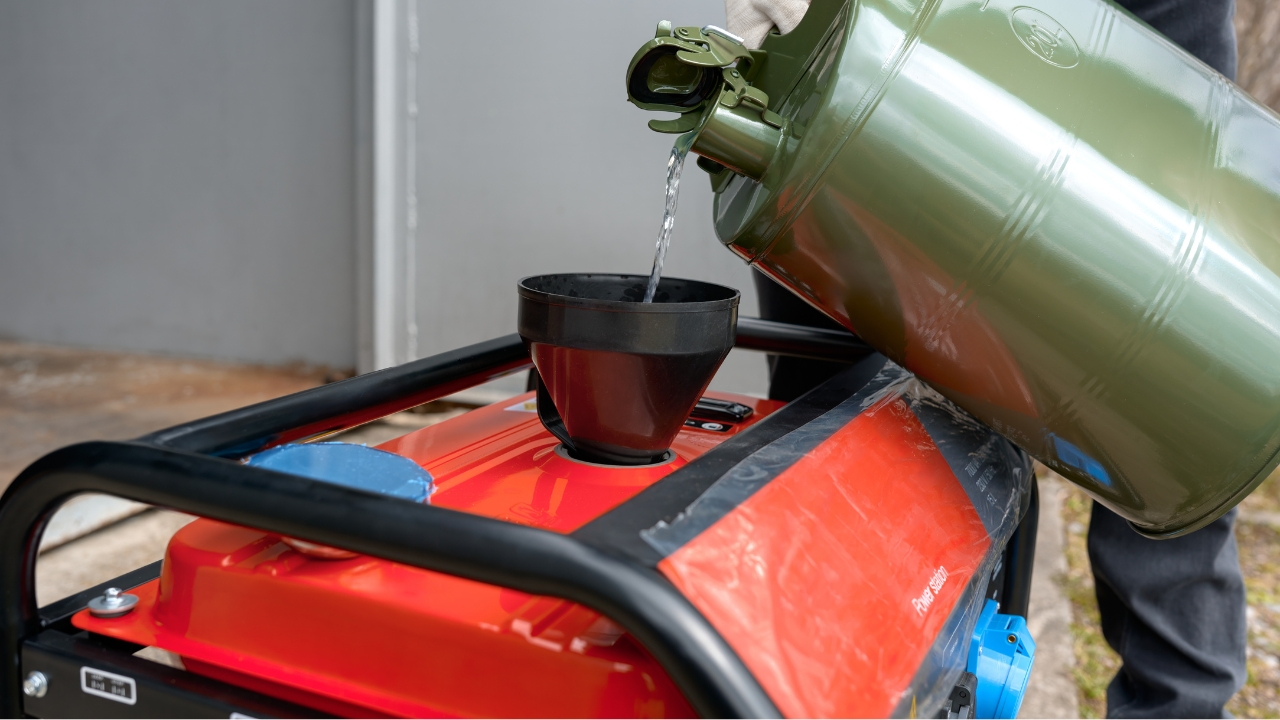
Rain finds a way. A loose gas cap, a cracked fuel can, or a vented tank stored outside can pull in moisture, then you end up trying to run on water and gas layered together. The generator will sputter, pop, and refuse to take throttle.
Drain the tank into a clear container and look for separated layers or beads of water. Dump questionable fuel into your waste fuel can for proper disposal, then refill with fresh. Store fuel cans sealed, off concrete, and out of big temperature swings, a shed that bakes in summer and freezes in winter makes condensation worse.
A generator that starts every time is mostly about boring habits done ahead of time. Run it under load a few times a year, keep fresh fuel on hand, and fix the small stuff before the weather forces your hand. When it won’t start anyway, you’ll at least know what to check first instead of yanking a cord until something breaks.
Like Fix It Homestead’s content? Be sure to follow us.