10 Things You Should Never Plug Into a Power Strip
Photo credit: New Africa/Shutterstock.com
Power strips feel like a quick fix, especially in old houses, workshops, and barns where outlets never land where you need them. The problem is a power strip is built for small loads, not for anything that makes heat, pulls hard, or needs a steady, clean supply. Plug the wrong thing in, and you get tripped breakers, melted plastic, ruined tools, or a fire that starts quiet and ugly.
1. Space Heaters And Baseboard Heaters
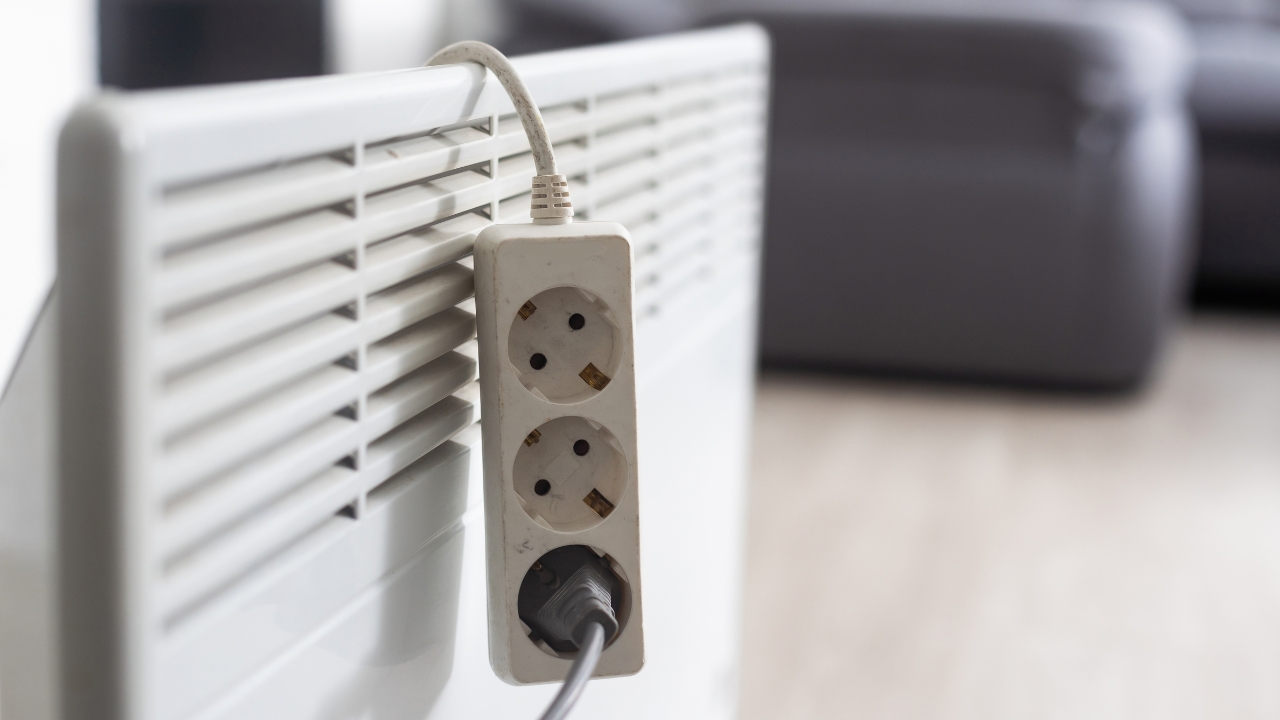
These are the classic troublemakers because they pull a lot of amps for long stretches. The strip and the plug ends get warm, then hot, and you might notice a faint hot plastic smell or a plug that looks a little browned. Sometimes the heater “works fine” right up until the moment the strip fails.
Plug heaters straight into a wall outlet on a dedicated circuit if you can. If the heater keeps tripping a breaker or dimming lights, stop and deal with the wiring, not with more strips. Adding circuits is a job for a licensed electrician, and it’s usually cheaper than replacing scorched gear after the fact.
2. Window Air Conditioners And Dehumidifiers
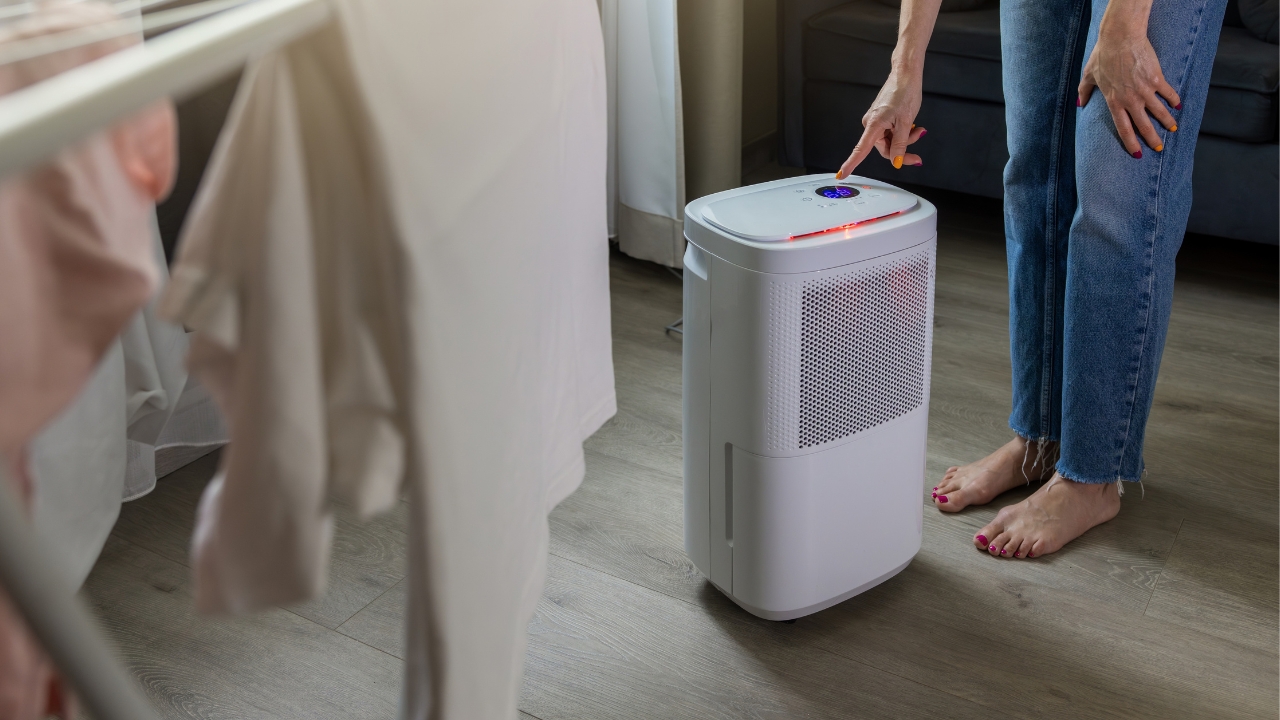
Motors hate voltage drop, and power strips create it. An AC or dehumidifier cycles on and off all day, and every start-up hit is rough on the strip and on the appliance. You’ll hear the compressor grunt, the lights flicker, or the unit shut off and restart like it’s confused.
Give these a real wall outlet, preferably one that’s not shared with other big loads. If the cord won’t reach, don’t “solve” it with a bargain strip. Use a heavy-duty extension cord rated for the appliance only as a temporary fix, and aim to move the outlet or the appliance before the humid season settles in.
3. Refrigerators And Chest Freezers
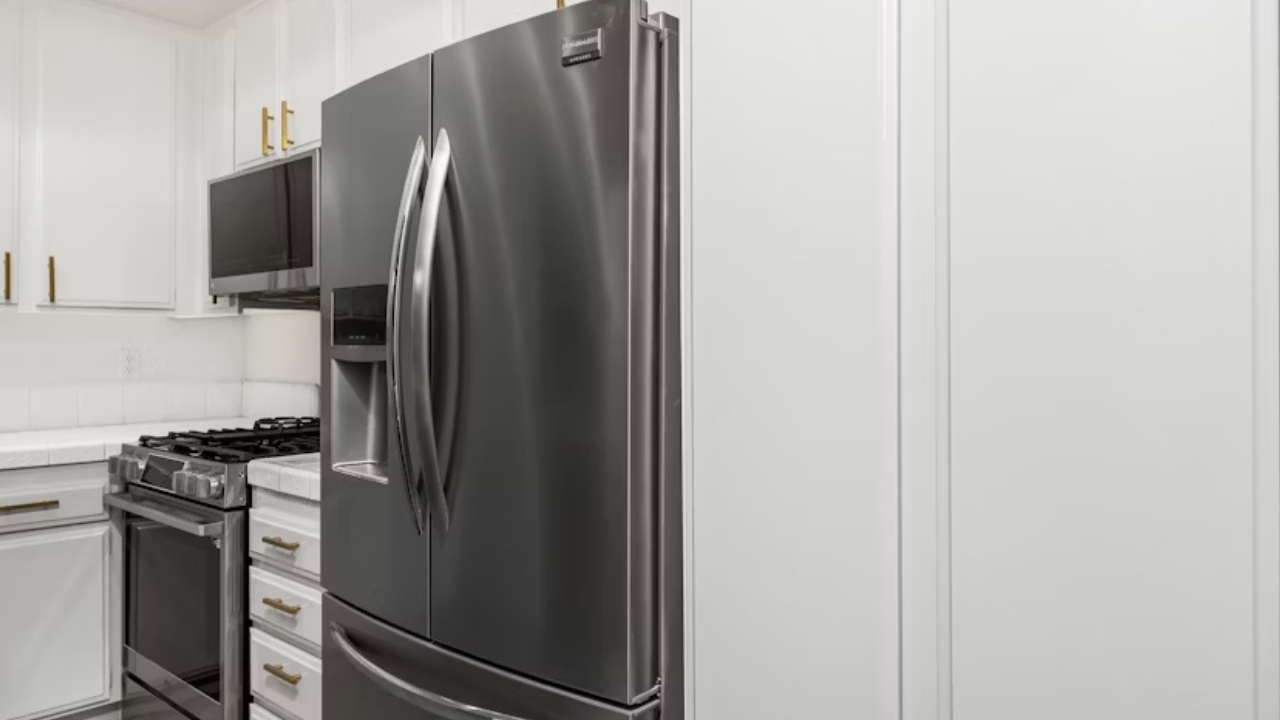
A fridge plugged into a strip is a slow-burn problem. The strip can get bumped, switched off, or loosened just enough to arc, and you won’t know until the milk is warm or the freezer thawed. If the strip has a little breaker, it can trip and stay tripped while you’re at work.
Plug cold storage directly into the wall, and keep the cord where it can’t be tugged by a broom or boot. If you need to protect food from outages, use an alarm made for freezers or a proper backup power plan, not a strip with a glowing light.
4. Microwaves And Countertop Ovens
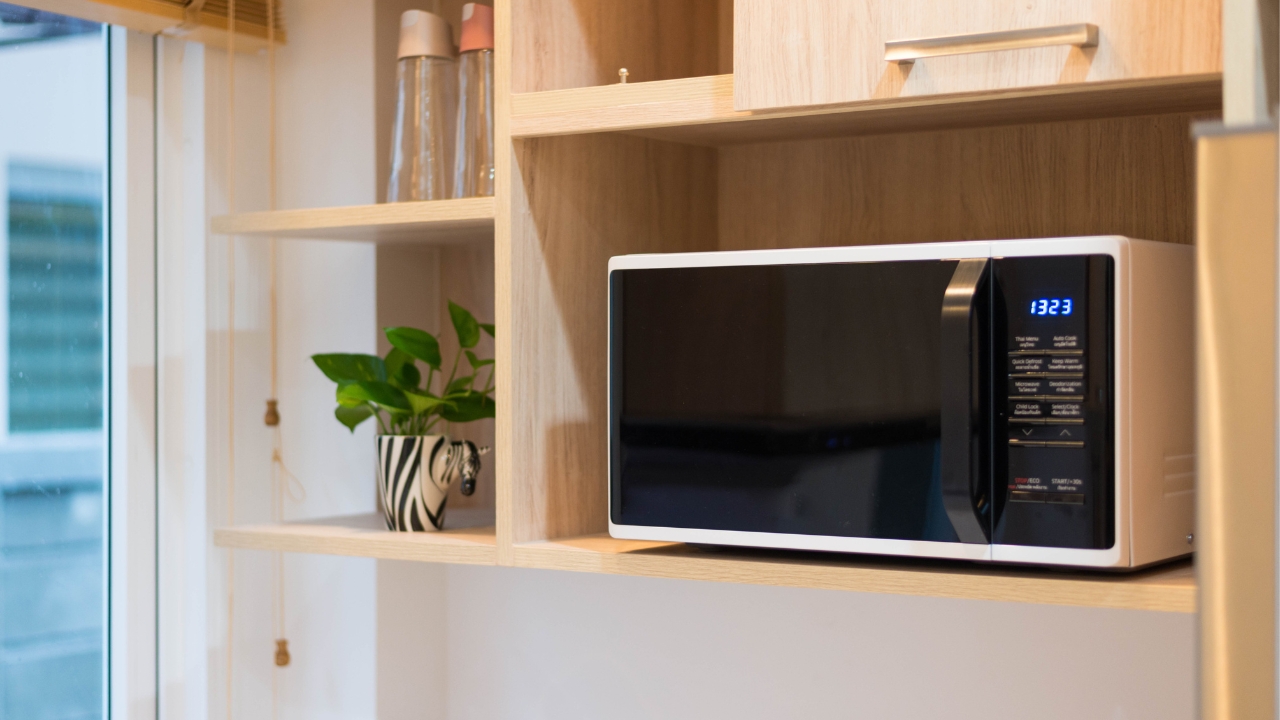
People do this in kitchens with too few outlets, then wonder why the strip gets hot or the microwave sounds strained. Microwaves pull hard in bursts, and toaster ovens pull hard for long periods. Either way, that strip is now a heater you didn’t plan on.
If you rent and can’t add an outlet, at least make the appliance the only thing on that circuit and plug it into the wall. If you own the place, adding a dedicated small-appliance circuit is money better spent than replacing cabinets after a scorched cord cooks the finish.
5. Hair Dryers, Curling Irons, And Hot Tools

Bathroom power strips are a bad habit, and hot tools are why. They’re high-wattage, they sit next to towels and paper, and they get used when you’re rushed. If the strip is near a sink or damp counter, the risk goes way up.
Use a GFCI wall outlet and keep cords off wet surfaces. If the bathroom doesn’t have GFCI protection, that’s not a weekend “creative wiring” project. Swap the receptacle properly or have an electrician do it so it meets local code.
6. Power Tools With Big Motors

Table saws, miter saws, shop vacs, air compressors, and larger pumps all hit hard when they start. A strip can cause a lazy start that sounds like the motor is groaning, and that heat goes into the tool windings and the strip contacts. You can also trip the strip’s internal breaker and think the tool is broken.
In a shop, set up one or two dedicated outlets where the big tools live. If you need reach, use a heavy-gauge extension cord rated for the load, and keep it short. A cheap strip belongs on the bench for chargers and a task light, not on the floor feeding a compressor.
7. Sump Pumps And Sewage Pumps
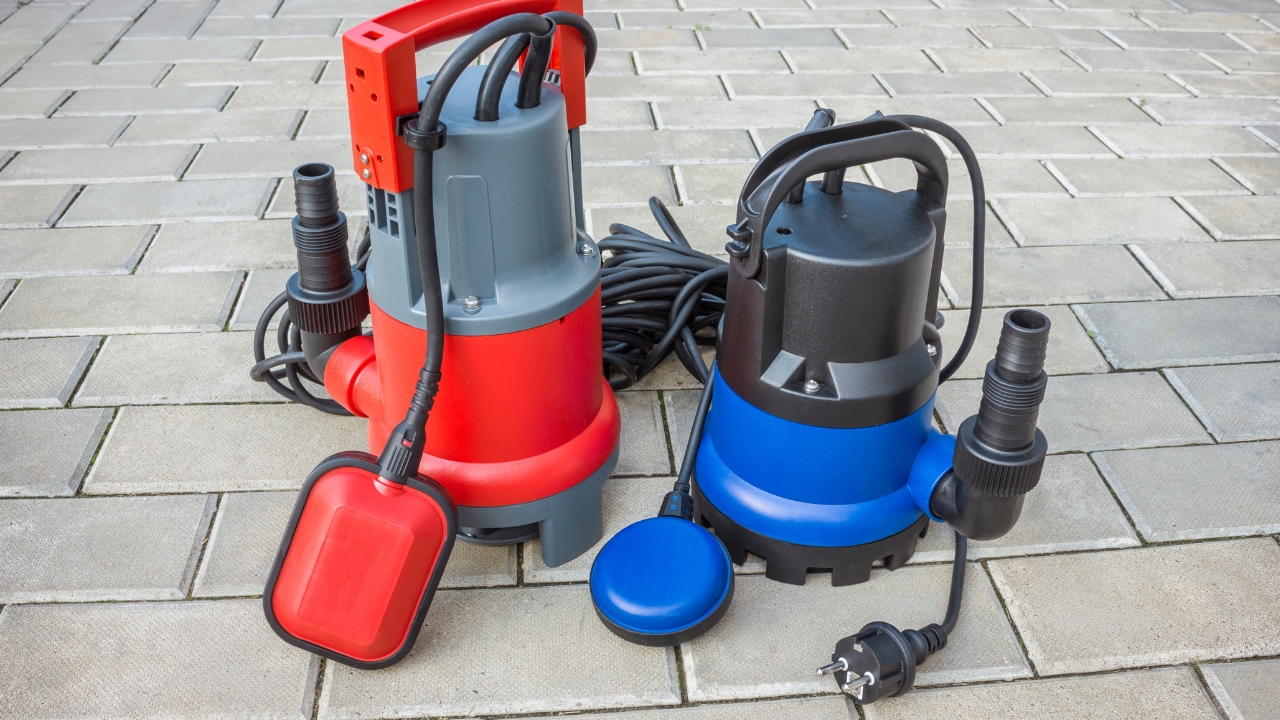
Storm season is when this mistake shows itself. The pump kicks on, the strip trips or the plug arcs, and then the pit fills until water finds the lowest spot in your basement. Even if it doesn’t flood, a loose strip connection can burn up a pump plug in one bad night.
Pumps should go straight into a proper receptacle, often a dedicated one, and many setups need GFCI protection depending on location and local rules. If you’re not sure what your code wants, call a licensed electrician. It’s a lot cheaper than tearing out wet drywall and warped flooring.
8. Anything With A Heating Element
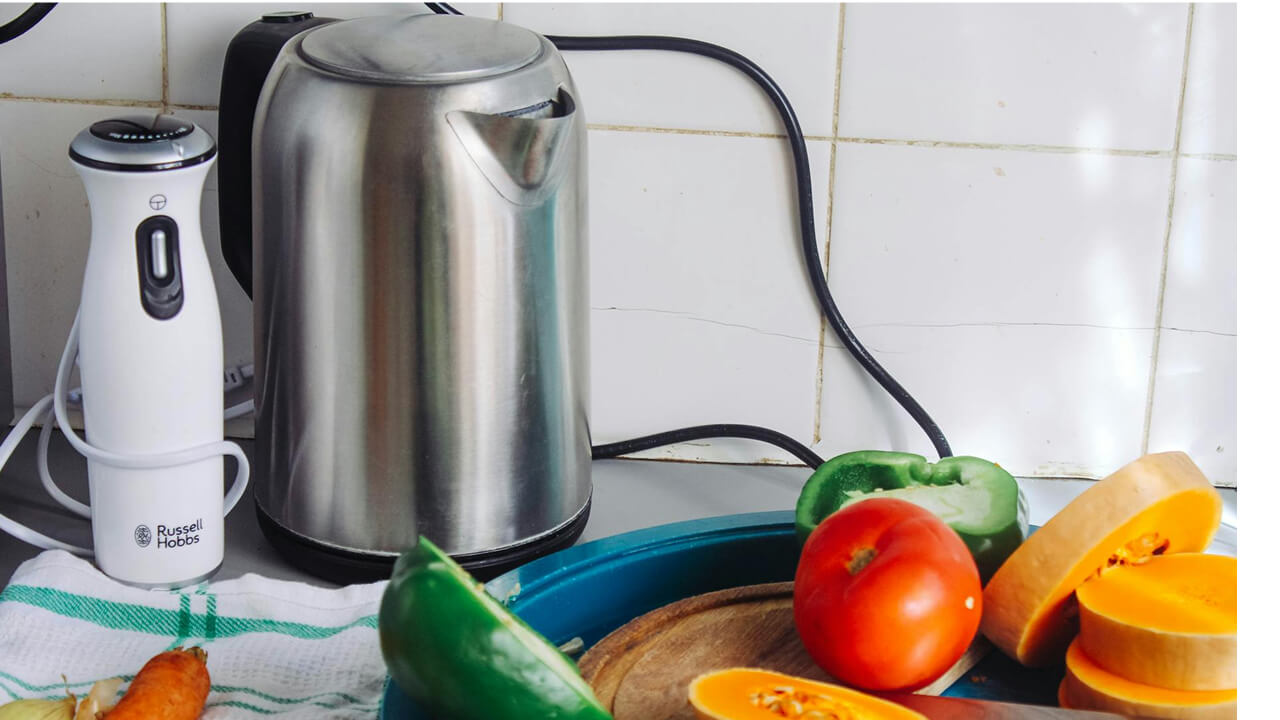
Hot plates, electric kettles, crock pots, griddles, oil-filled radiators, and even some coffee makers are all heavy loads. They don’t just pull power, they pull it for a long time, and that continuous heat is what makes plugs loosen and plastic get brittle. If a cord cap feels warm to the touch, that’s your warning.
Use the wall outlet, and keep the cord where it won’t be pinched behind appliances. If you’re running a canner, kettle, and toaster at the same time and the breaker trips, that’s not the strip’s fault. That’s the circuit telling you it’s maxed out.
9. Medical Devices And CPAP Machines
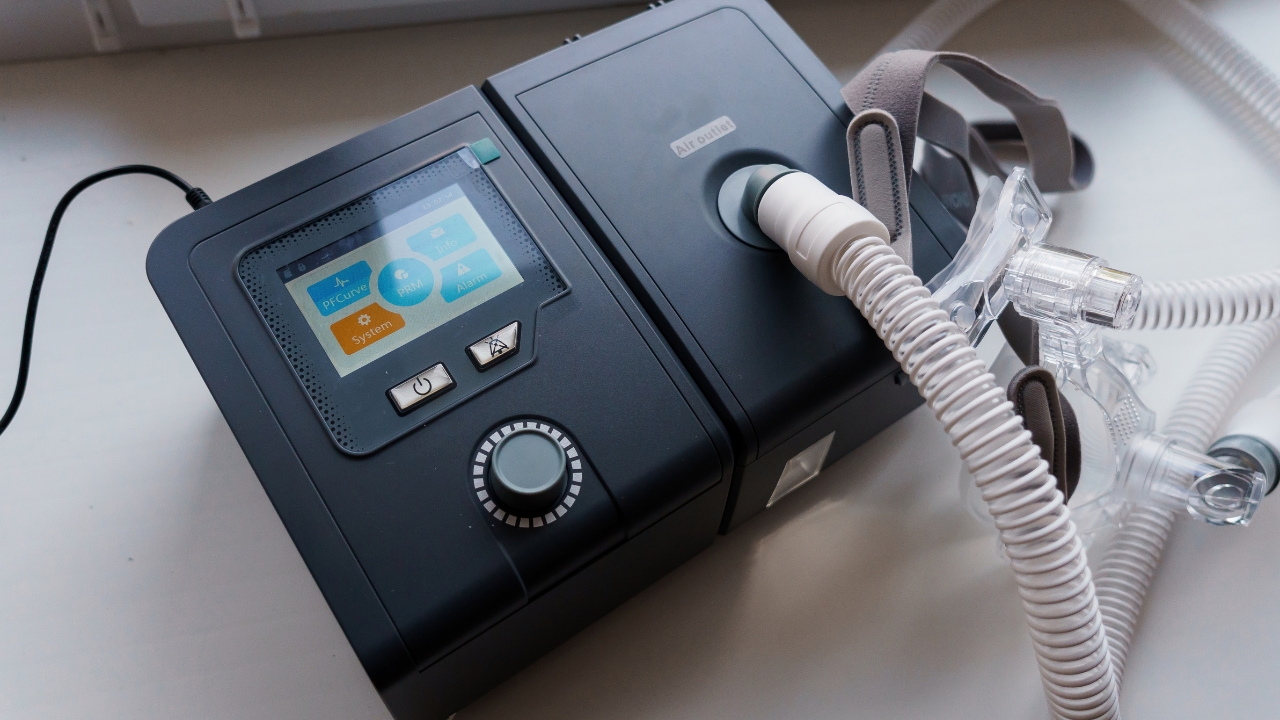
Some equipment needs steady, clean power, and a bargain strip can add noise, loose connections, and accidental shutoffs. The problem isn’t always fire, it’s reliability. A switch bumped by a foot in the dark is enough to stop a device that’s supposed to run all night.
If you need extra outlets near the bed, use a high-quality strip with a solid cord and no wobbly sockets, or better yet, add a wall outlet. Here’s the honest exception: plugging a CPAP into a good surge protector is often fine and even recommended by many manufacturers, as long as the strip is rated properly and not overloaded. Don’t stack strips, and don’t share it with space heaters or hot tools.
10. One Power Strip Into Another
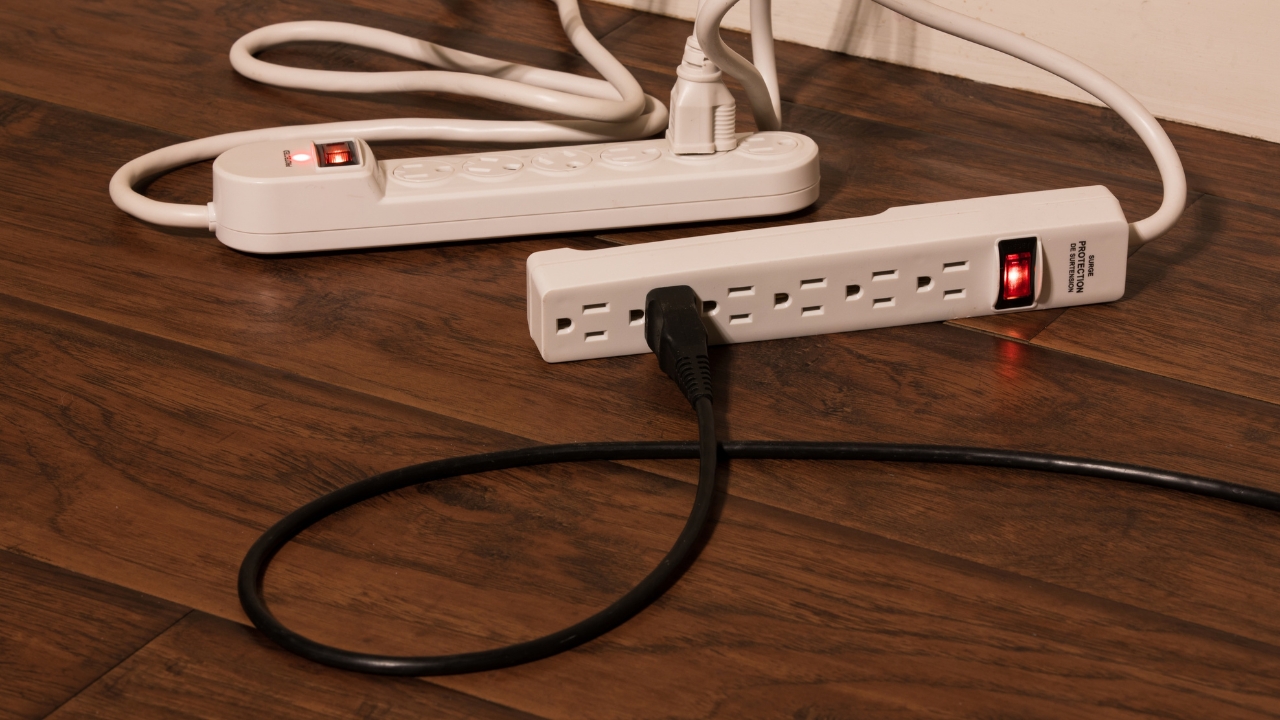
This is how “just for now” turns into a permanent tangle. Daisy-chaining strips makes it easy to overload the first strip while the last strip still looks like it has room. It also makes troubleshooting harder when something trips and you’re crawling behind a desk or workbench guessing which reset button matters.
If you’ve outgrown the outlets, fix the root problem. Add a receptacle, install more circuits, or set up a proper shop power drop with the right hardware. Until then, use one strip per wall outlet and keep the load light.
Before you plug something in, look for heat, motors, and long run times. If it hums, heats, or has a compressor, give it the wall and keep the strip for low-draw stuff like lamps, routers, and chargers. And if a strip ever feels warm, smells odd, or has a loose socket, toss it instead of trying to get one more season out of it.
Like Fix It Homestead’s content? Be sure to follow us.