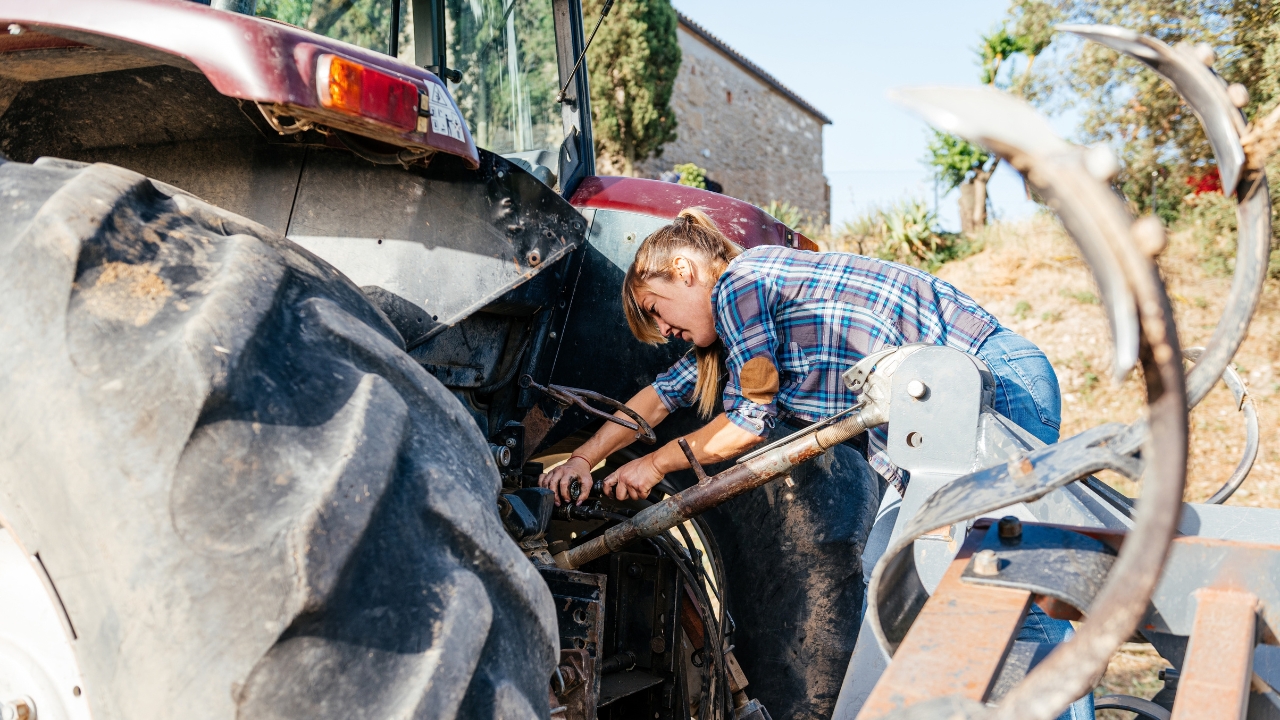
10 Tractor Habits That Quietly Lead to a Major Repair
Photo credit: Galdric PS/Shutterstock.com
You can baby a tractor and still get hit with a repair that feels like it came out of nowhere. Most of the time, it didn’t. The damage started months earlier with a habit that seemed harmless on a busy day.
1. Ignoring The Temperature Gauge

Overheating doesn’t usually announce itself with smoke. It starts with the needle creeping higher than normal when you’re mowing heavy grass or pulling a hill, and you keep going because “it’ll be fine.” Do that a few times and you can cook a head gasket, warp a head, or weaken hoses until one pops at the worst moment.
Blow out the radiator screen often, and don’t forget the radiator fins behind it. Chaff and seeds pack in tight, especially in late summer. If the gauge climbs, stop and idle down, then shut it off and let it cool, don’t just push through to “finish the pass.”
2. Running Low On Hydraulic Fluid
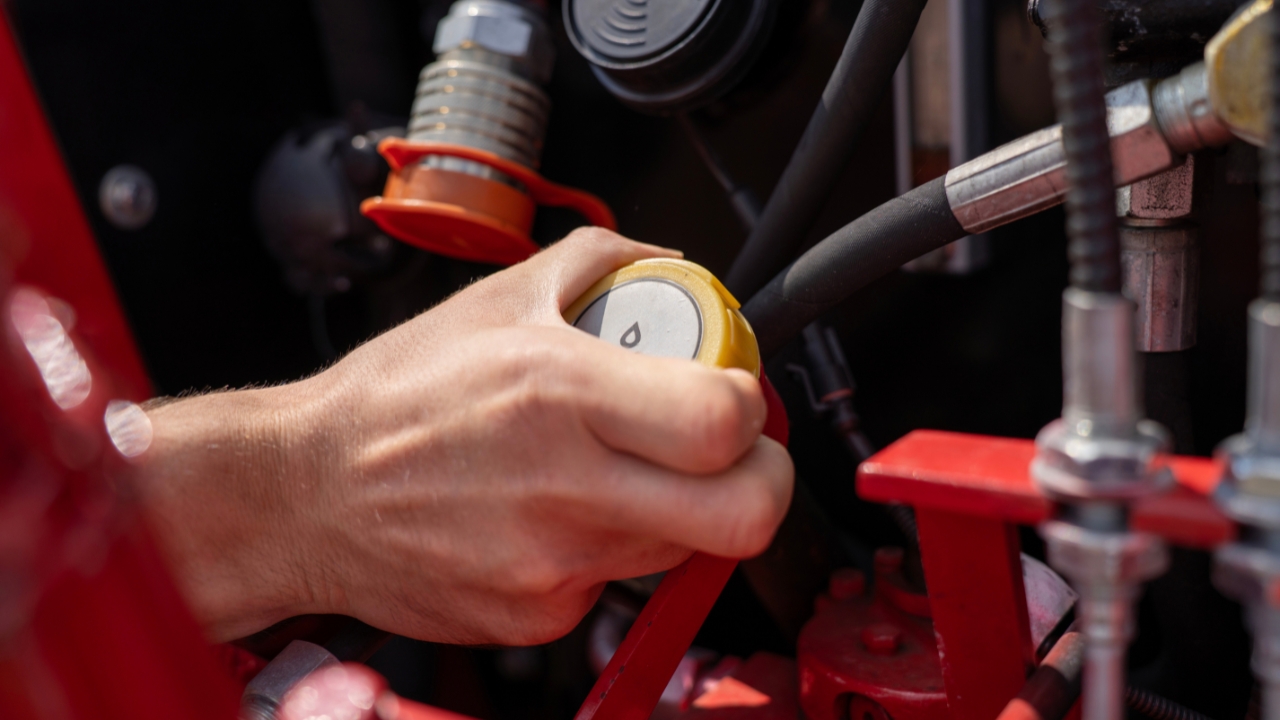
A loader that starts whining or a three-point hitch that feels jerky is your warning. Keep working with low hydraulic oil and you’re asking the pump to eat air, overheat, and wear fast. Once a pump starts shedding metal, the bill grows because the contamination spreads through valves and cylinders.
Check the level with the implements lowered, on level ground, the way your manual says. If you’re topping off often, find the leak, wet fittings, weeping cylinder seals, or a rubbed-through hose. Fixing a hose now costs a few bucks, fixing a pump later costs real money and downtime.
3. Revving A Cold Diesel To Work
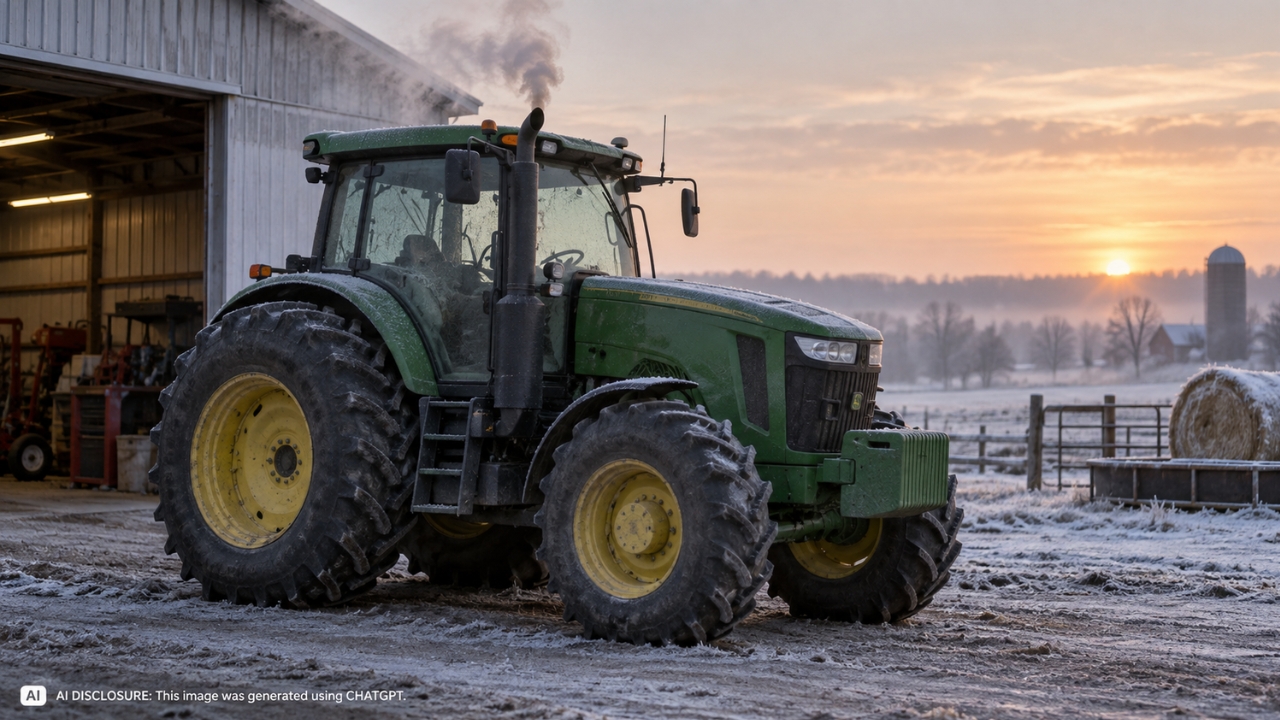
On a winter morning, it’s tempting to start it and bump the throttle so it “warms up faster.” That’s hard on bearings and turbochargers, and it can also wash fuel past the rings on some engines, thinning oil and making wear worse over time.
Start, let it settle at a fast idle for a short bit, then work it gently until the temp comes up. If you need faster warm-up, a block heater helps, and it’s a lot cheaper than chasing low oil pressure and noisy valvetrain later.
4. Skipping Grease Until It Squeaks

By the time a pivot squeaks, grit is already grinding away at the pin and bushing. Loader pins, steering joints, mower spindles, and driveline U-joints wear quietly, then one day you notice a sloppy bucket or a vibration that wasn’t there last season. That’s when the “simple grease job” turns into pins that won’t take grease and parts that need pressing out.
Keep a grease gun on the tractor or in the shop and hit the zerks on a schedule that matches your work. Wipe the fitting before you pump so you’re not injecting dirt. If a joint won’t take grease, don’t just lean harder on the gun, you can blow a seal. Pull the zerk, clean it, and check for a blocked passage.
5. Using The Loader As A Battering Ram
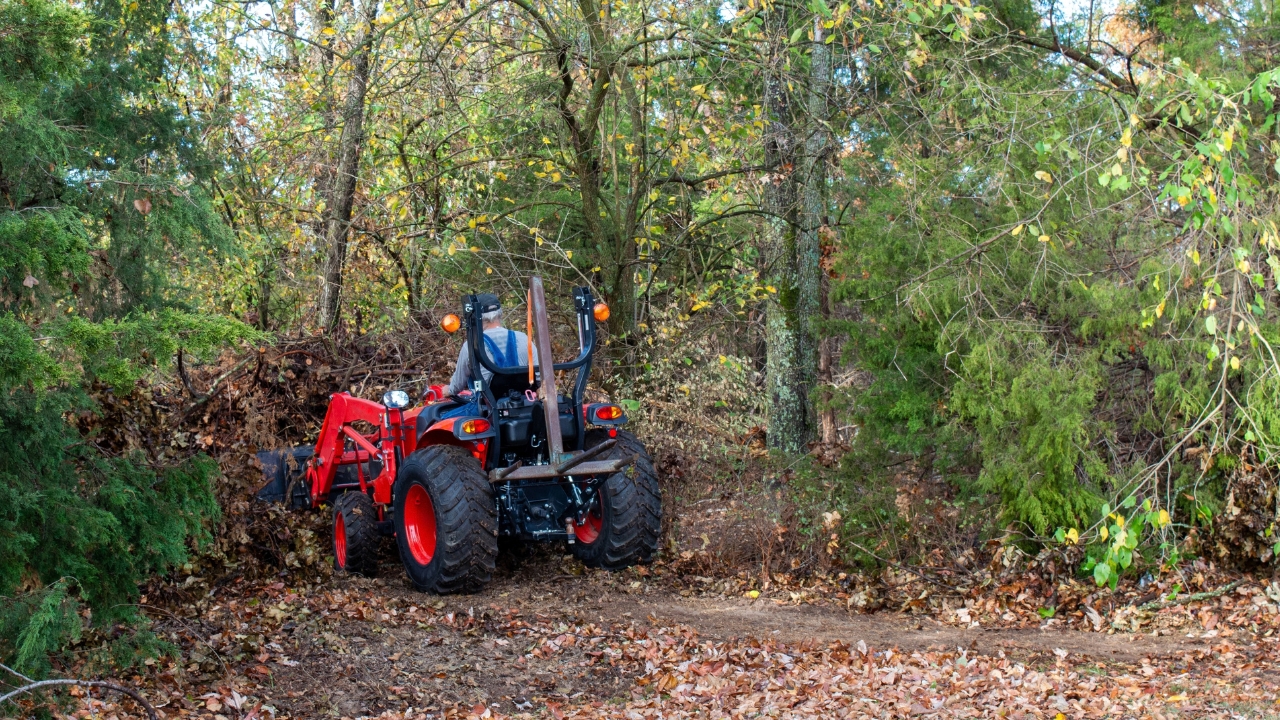
Ramming brush piles, stumps, or frozen manure with the bucket feels productive. It also shocks the loader frame, the front axle, and the steering components. The damage shows up later as cracked welds, loose pins, and front-end wobble that won’t align out.
If you need to break packed material, use the right attachment, a grapple, a tooth bar, or a dedicated manure fork, and take smaller bites. For stumps and rocks, a backhoe or excavator is the right tool. The cheap “just hit it harder” habit is how front ends get expensive.
6. Leaving Three-Point Implements Hanging
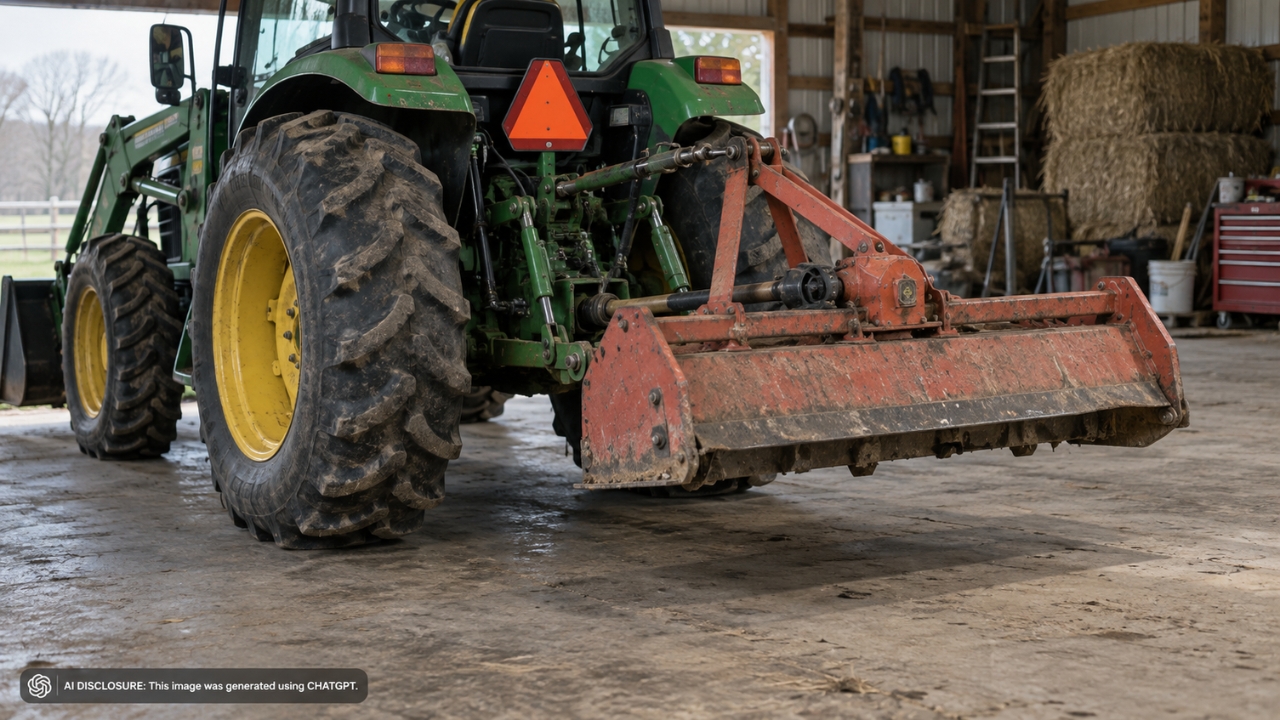
Parking with a heavy implement in the air loads the hydraulics the whole time it sits. Over a weekend, you may only notice a slow drop. Over a season, you can end up with tired seals, a hitch that drifts, and a system that always feels a little weak.
Drop the implement to the ground when you park, and relieve pressure on remotes. If you need it up for clearance in a tight shed, blocks or a stand under the implement beats holding it with hydraulic pressure alone.
7. Mixing Random Fluids Because They’re Handy
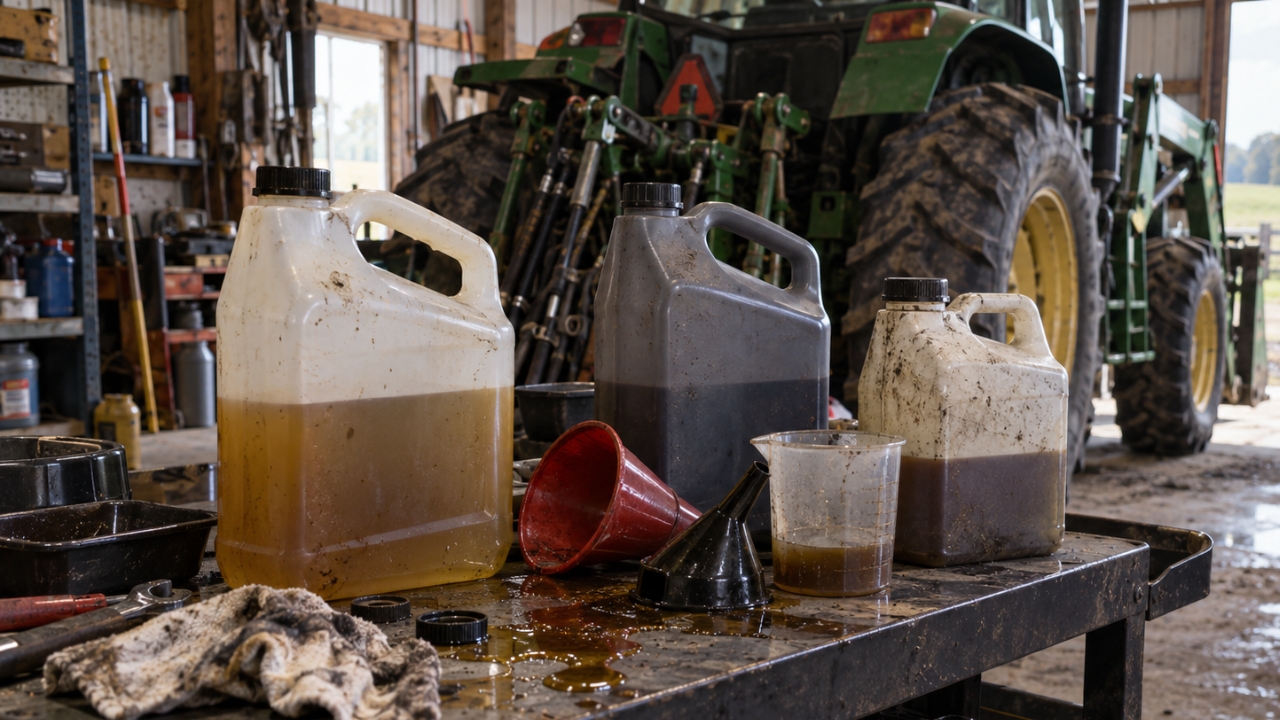
Half a jug of one hydraulic fluid, some “universal tractor fluid,” and a splash of something else, it happens when the store is closed and you just need to finish. Sometimes you get away with it. Sometimes you end up with foaming, noisy operation, and sticky valves because the additives don’t play nice together.
Pick one fluid that meets your tractor’s spec and stick with it, same for coolant and engine oil. Label your shop jugs and keep a sealed spare on the shelf. Honest exception, a small top-off with a compatible universal fluid is usually fine if it matches the spec on paper, but don’t turn “emergency” into your normal routine.
8. Letting The Air Filter Plug Up
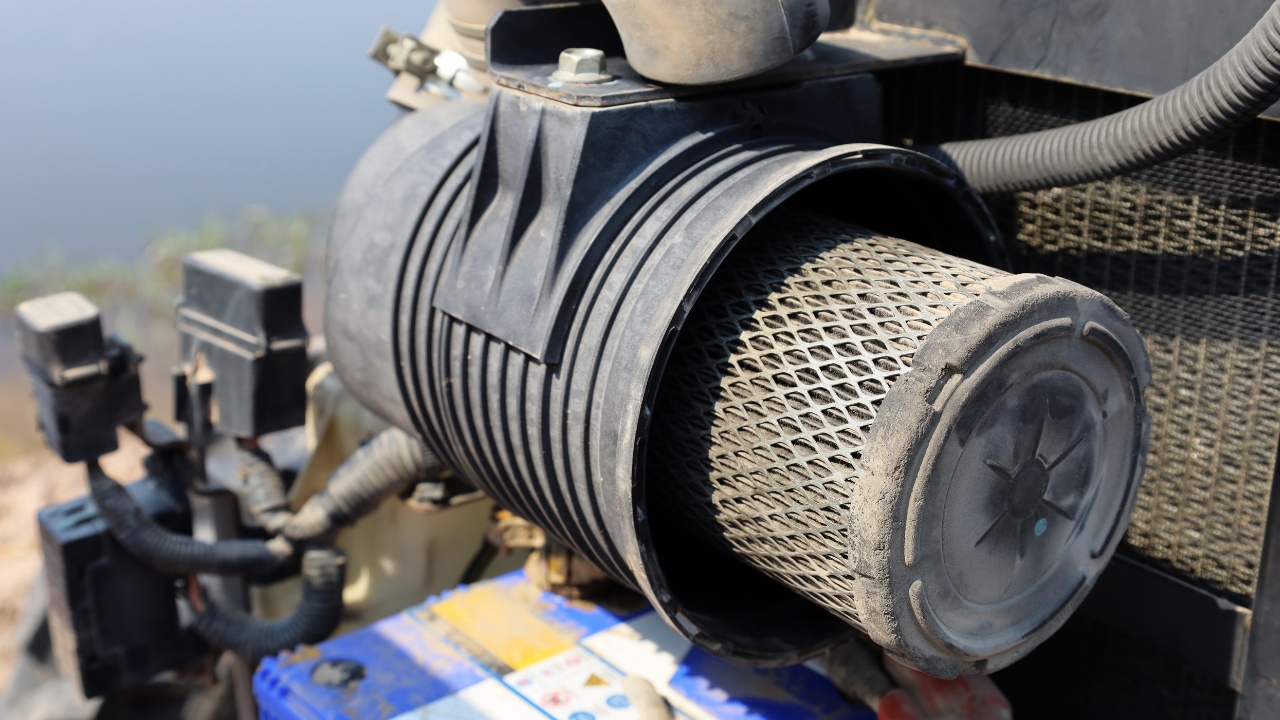
A dirty air filter steals power so slowly you get used to it. Meanwhile, the engine runs rich, smokes more, and soot builds where you don’t want it. The real killer is a torn or poorly seated filter that lets dust through, that can score cylinders and eat an engine.
Tap-cleaning a paper filter can damage it, and blasting it with high air pressure can open tiny holes you’ll never see. Replace the main element when it’s dirty, and make sure it seats cleanly in the housing. If your tractor has an outer and inner element, don’t ignore the inner one, it’s there for a reason.
9. Washing Then Parking It Wet
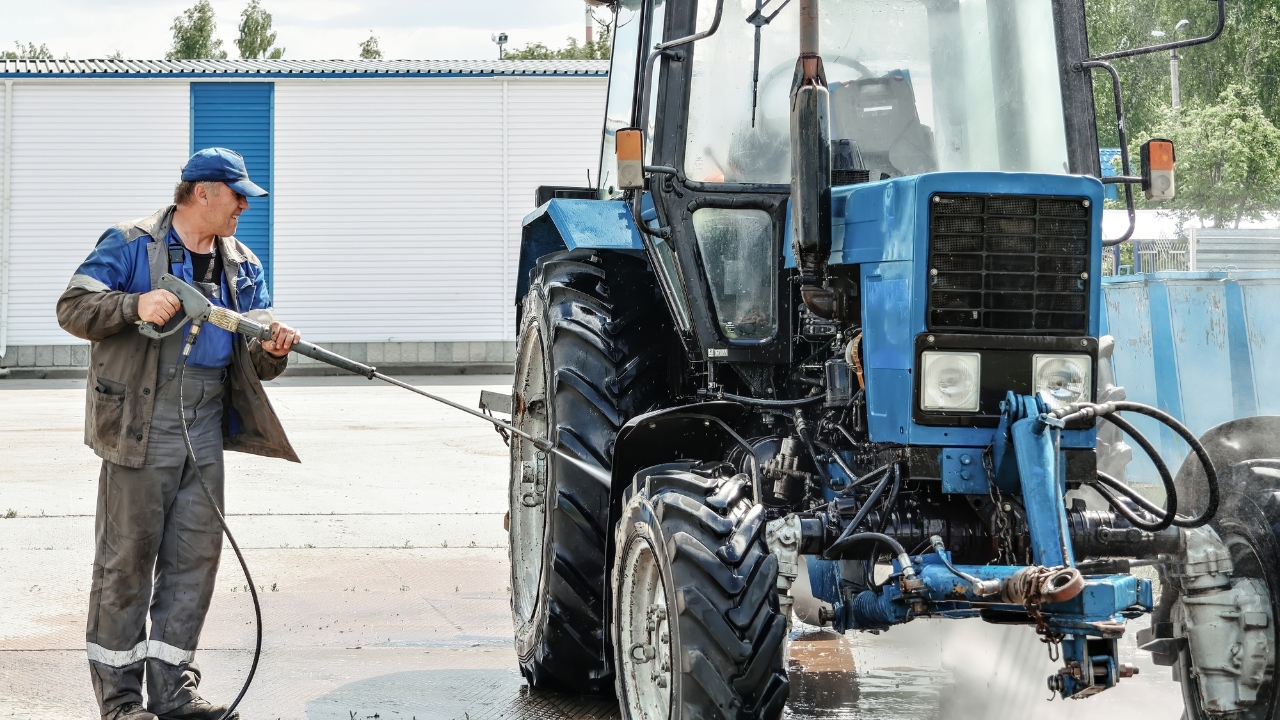
Spring cleanup feels good, you hose off the mud, shut the barn door, and call it done. The next time you start it, a connector acts up, the starter clicks, or a sensor throws a code. Water sits in places you can’t see, and it speeds up rust on linkages, brakes, and wiring.
If you wash, run it long enough to heat and dry things out, and blow off connectors and tight spots with gentle compressed air. Avoid aiming a pressure washer at bearings, seals, instrument panels, and electrical plugs. A garden hose and a brush take longer, but you won’t force water past seals.
10. Storing With A Half-Dead Battery
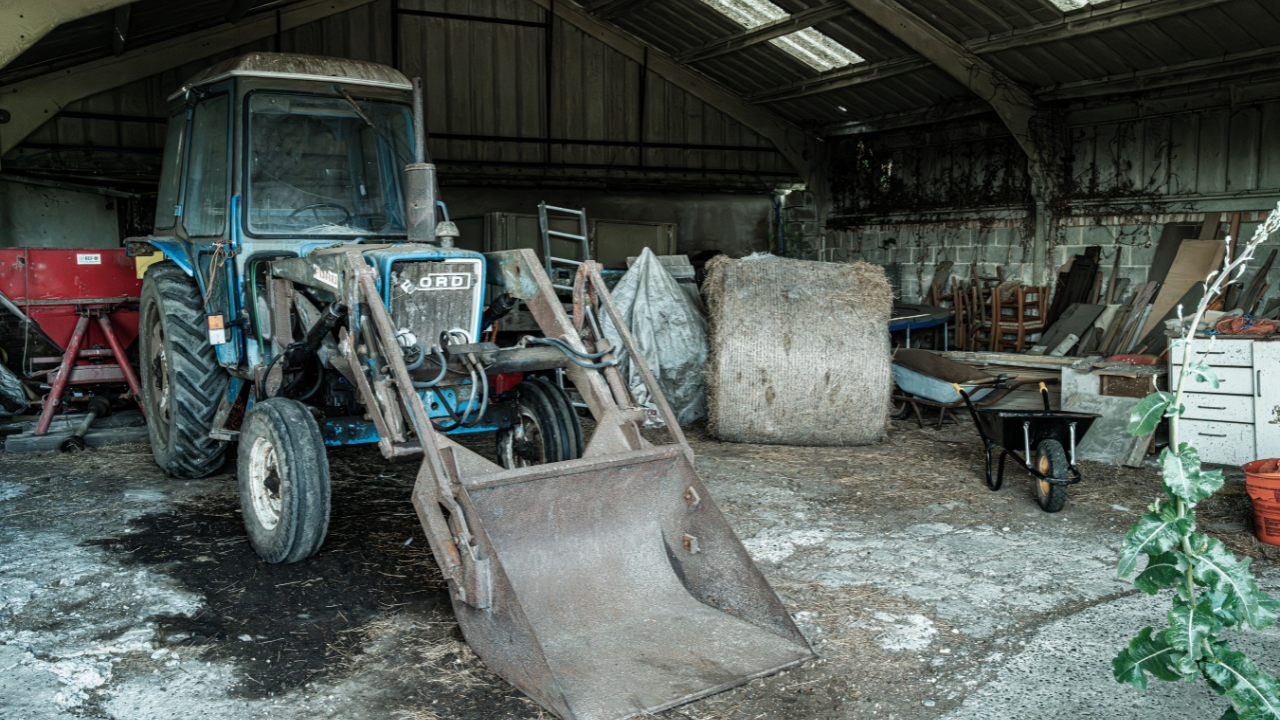
One weak start turns into a habit of “it’ll probably crank.” Then you get a no-start when you need to move snow or pull a trailer before work. Deep discharges shorten battery life, and repeated low voltage is rough on alternators and starters too.
Clean the terminals, check the hold-down so it can’t bounce, and put it on a smart maintainer if the tractor sits. If the battery is old and swells or leaks, replace it. Corrosion in the tray and cables is another repair nobody wants.
If you fix one of these habits this week, pick the one that matches how you actually use your tractor, not how you wish you used it. Small checks are boring, but they beat waiting on parts in the middle of hay season.
Like Fix It Homestead’s content? Be sure to follow us.