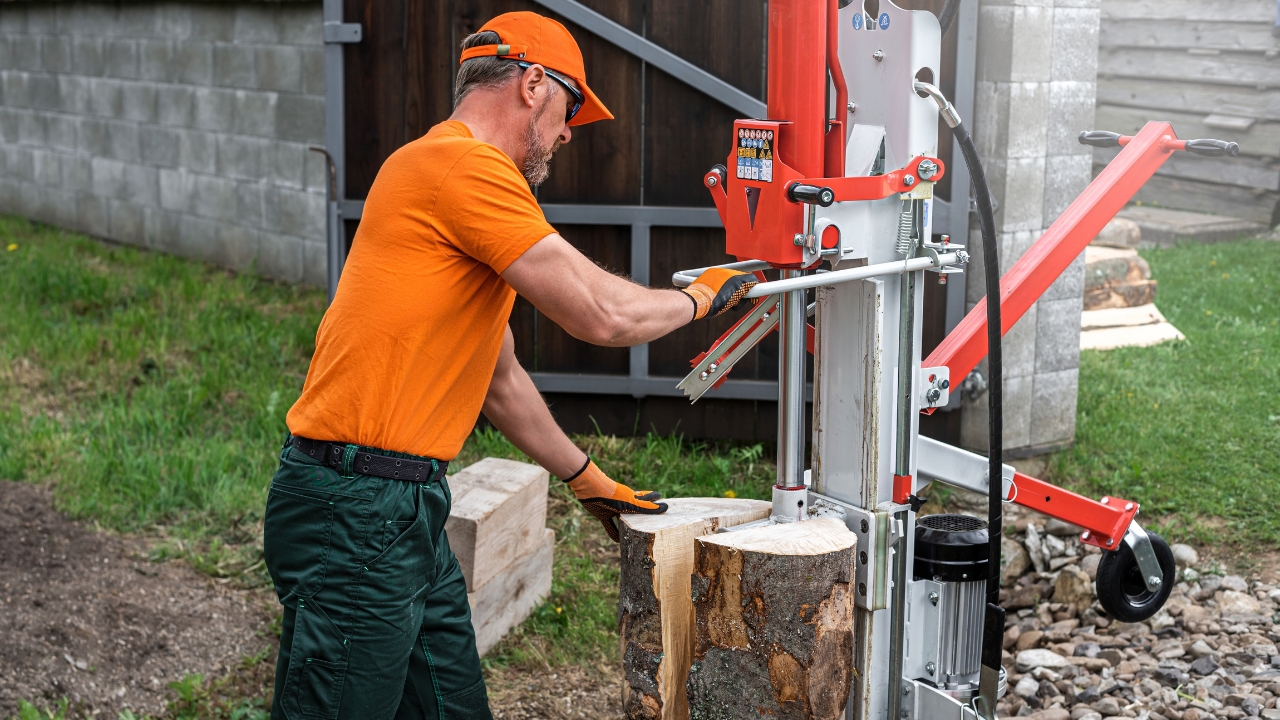
10 Things That Wreck a Log Splitter Faster Than Expected
Photo credit: Sabrewolf/Shutterstock.com
A log splitter feels like one of those tools that should run forever if you change the oil once in a while. Then it starts bogging down, leaking, or making a nasty whine right when the wood pile is at its worst. Most of the damage comes from a few habits that are easy to slip into on a cold Saturday.
1. Running Low Or Wrong Hydraulic Fluid
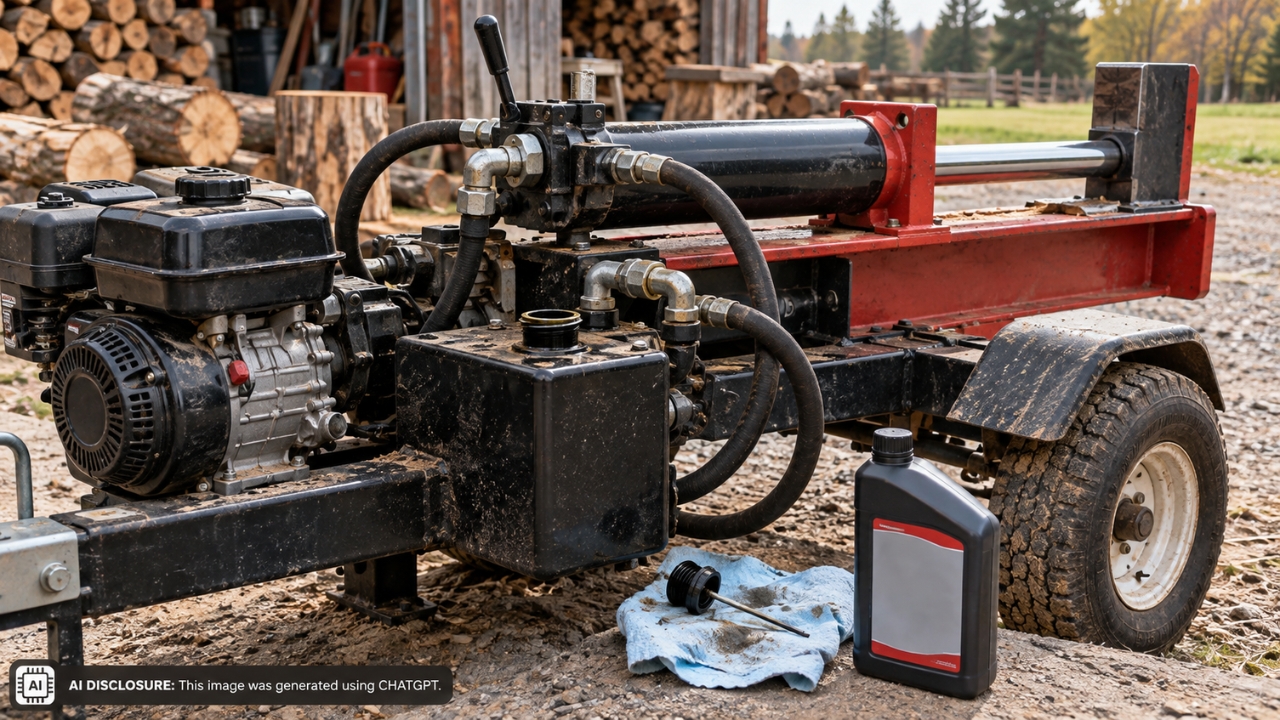
When the fluid level drops, the pump starts sucking air. You’ll hear it first, a higher-pitched whine or growl that wasn’t there last season, and the ram gets slow and jerky. Keep running it like that and you’re grinding the pump and heating the fluid, which hardens seals and turns small leaks into real ones.
Check the level with the cylinder retracted, on level ground, and follow the manual for the right fluid type. Cold weather often needs a different viscosity than summer, and mixing random jugs because they were on sale is how you end up with foaming and weak splitting force. A few bucks of the correct oil beats a pump replacement and a weekend lost.
2. Splitting Dirty Logs Full Of Grit
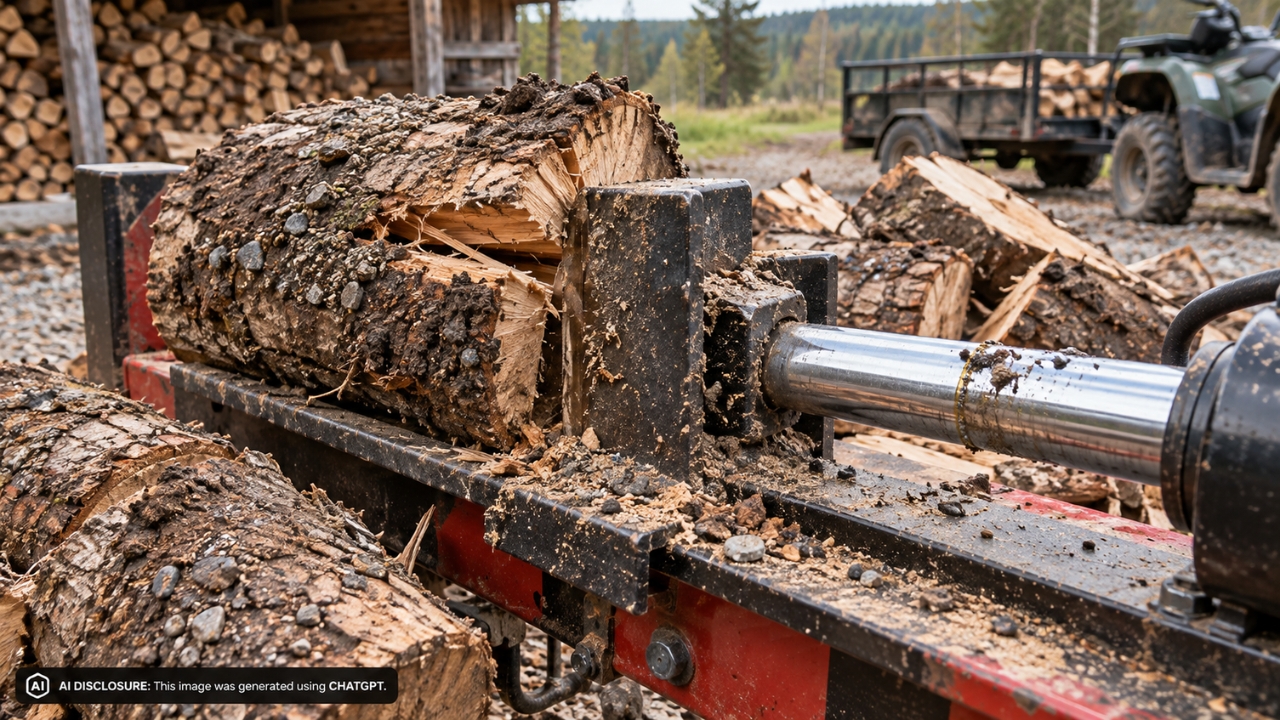
Wood that’s been dragged through mud or rolled in gravel works like sandpaper. That grit gets pressed into the wedge and beam, then it scrapes seals and scores the cylinder rod. Once that rod is scratched, it chews up the rod seal every cycle, and you’ll start seeing a wet, oily ring and collecting dust on it.
Knock the worst dirt off before you split. A stiff brush, a quick rinse, or just keeping rounds on pallets instead of bare ground makes a difference. If you split bark-on, that’s fine, but don’t feed the machine rocks and expect the chrome rod to stay smooth.
3. Letting The Engine Run Low On Oil
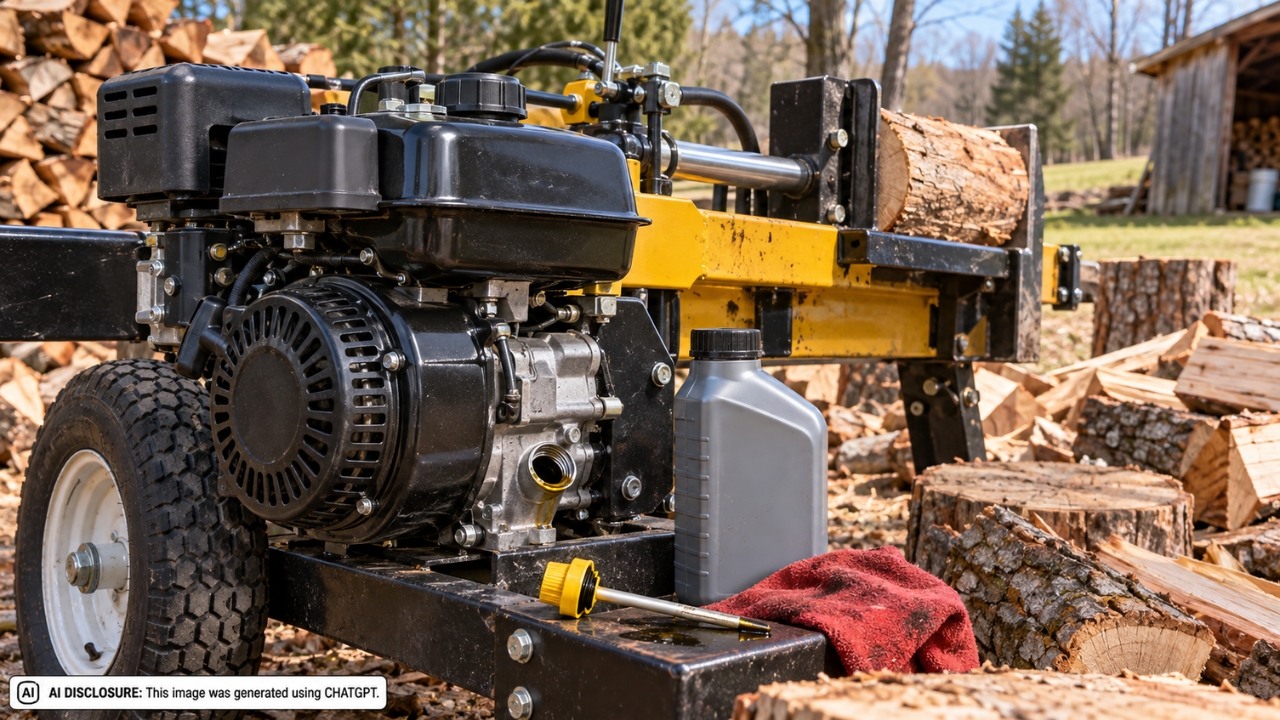
Small engines don’t give you much warning. They’ll run loud, then they’ll run hotter, then they’ll quit and never come back. A splitter engine that’s low on oil also tends to surge under load, which feels like weak hydraulics but is really the motor struggling.
Check the dipstick every workday when you’re splitting a lot, not once a season. If the unit sits on a slope in storage, oil can drain where it shouldn’t and fool you at the next start. Fresh oil and a clean filter are cheap compared to an engine swap.
4. Forcing Knots With Full Throttle Stalling
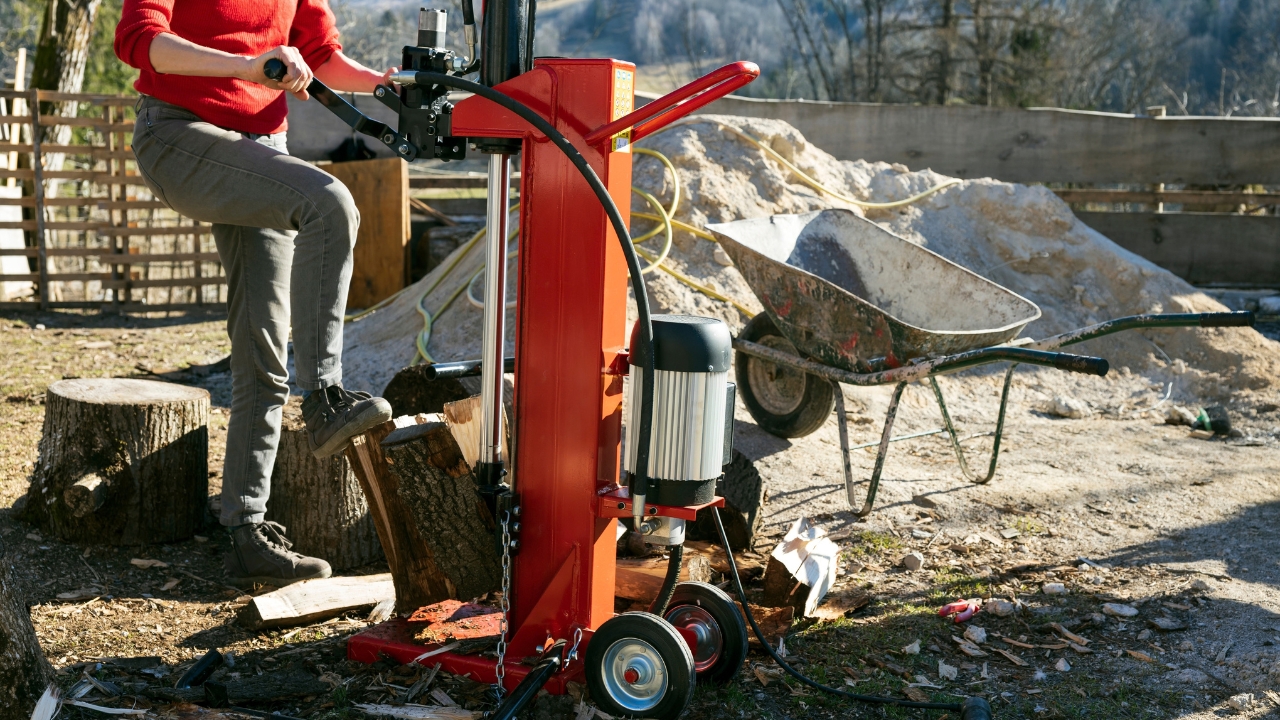
Some rounds are just mean, crotches, twisted grain, big knots. When you hold the lever and let the engine lug hard for long seconds, heat builds in the hydraulic oil fast. That heat thins the oil, which lowers pressure, which makes you push longer, and the cycle keeps getting worse.
Back off and reposition the round. Nibble it from the edge, rotate it, or split off slabs until the knot is smaller. If you keep meeting wood that’s oversized for the splitter, the fix is not more suffering, it’s renting a bigger machine for a day or having those pieces milled or cut down.
5. Using Extension Cords On Electric Splitters

Electric splitters die early from low voltage, and the main cause is a long, skinny cord. The motor pulls more amps to do the same work, the cord warms up, and the motor overheats. Sometimes you’ll notice the lights dim or the breaker gets warm, other times it just starts slower and slower until it won’t start under load.
Use the shortest cord you can, and go heavier gauge than you think you need. If you need 100 feet across the yard, you’re better off moving the work to a closer outlet or running a proper outdoor circuit installed by a licensed electrician and in line with local code. One honest exception: a short, heavy cord for a quick job is fine, especially if it’s winter and the load is light.
6. Leaving The Ram Rod Exposed Outside
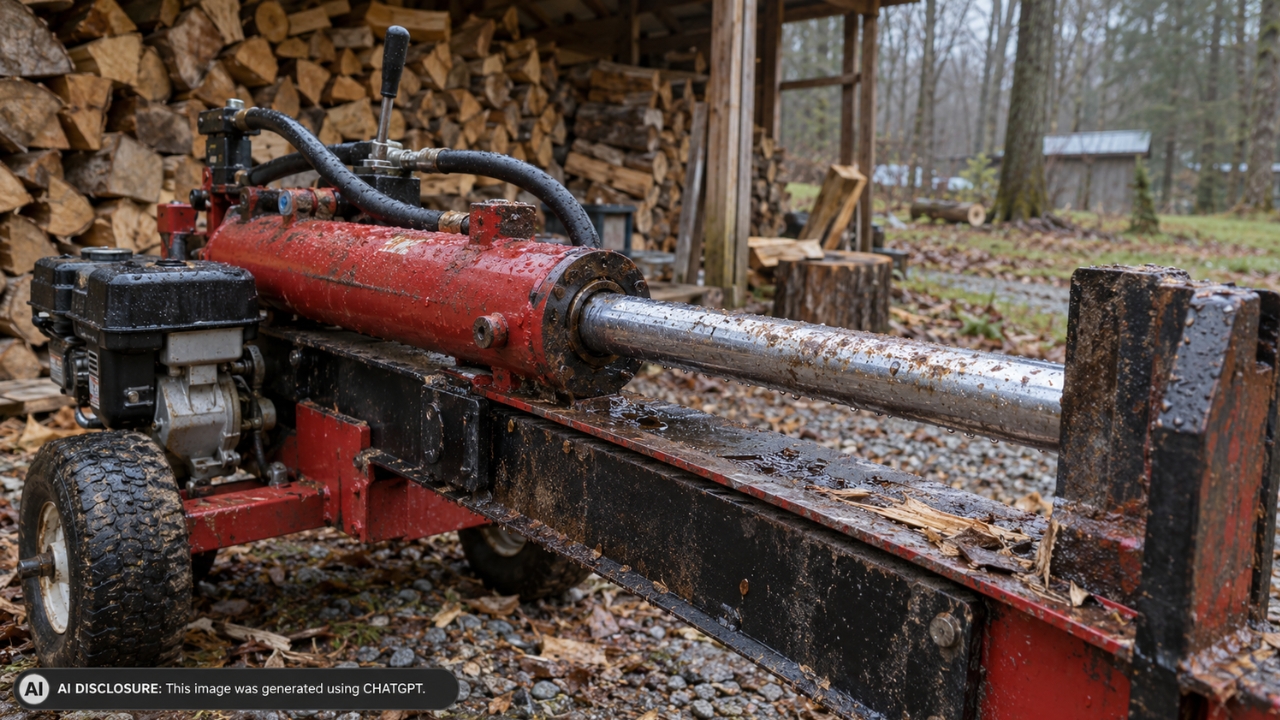
That shiny rod looks tough until it sits through rain, snow, and spring pollen. A tiny rust patch or pitting spot tears up the seal the next time the cylinder moves, and then you’ve got leaks and dirt sticking to everything. You’ll also see the rod look dull or feel rough when you wipe it.
Store the splitter with the cylinder retracted so the rod is protected. If it has to live under a lean-to, cover it so air can still move and water can’t pool, and wipe a light film of oil on the rod before long storage. A tarp wrapped tight like a burrito tends to trap moisture and make things worse.
7. Skipping Grease On Slides And Pivots
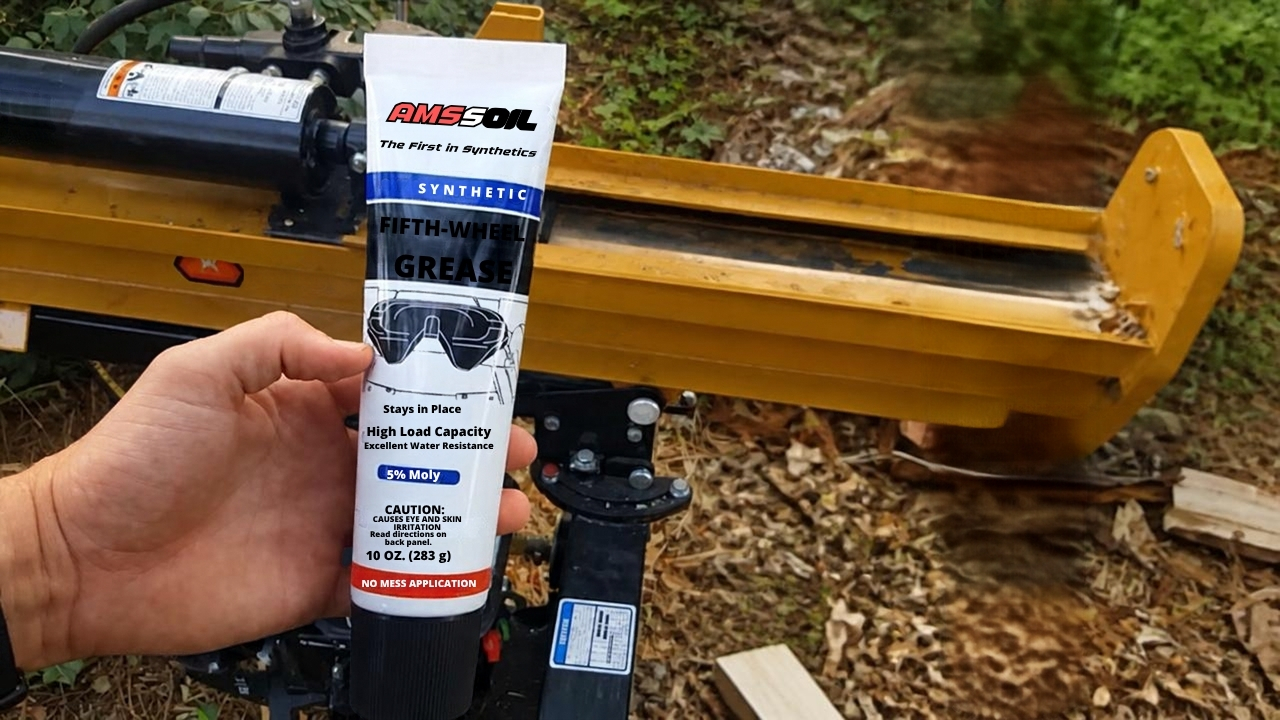
The beam and wedge area takes a beating, and dry metal-on-metal wear shows up as slop, binding, and odd noises. People blame the hydraulics when the real problem is the wedge shoe or slide pads dragging. Once it starts galling, it wears fast.
Hit the grease points on the schedule in the manual, and don’t forget the tongue pivot and axle points if you tow it. If there are no zerks, clean the sliding surfaces and use the lubricant the maker calls for. Too much sticky grease in a sawdust zone can turn into grinding paste, so wipe off the excess instead of letting it cake.
8. Towing With Flat Tires And Loose Lug Nuts
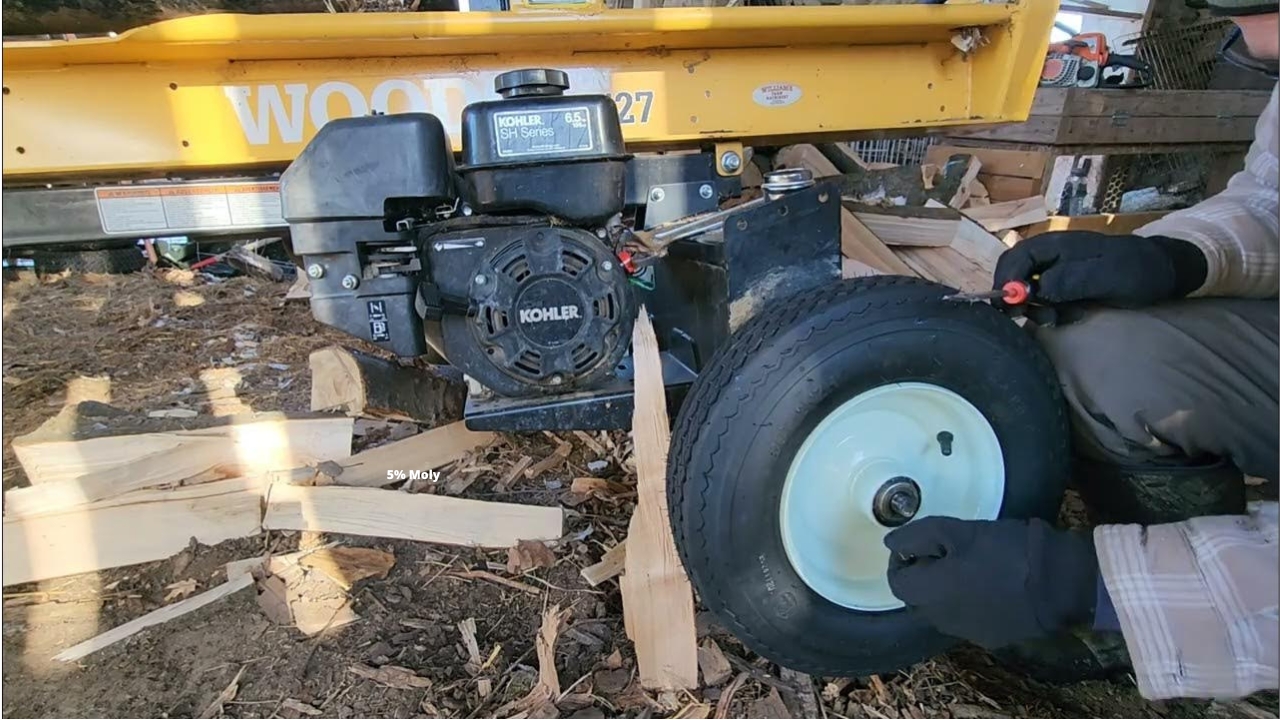
Road vibration kills more than tires. A splitter bounced down a gravel road with soft tires shakes fittings loose, cracks light brackets, and can even stress the hydraulic tank mounts. If a wheel wobbles, it’s working the studs back and forth, and that ends with a bad day on the shoulder.
Before towing, check tire pressure cold, look for sidewall cracks, and put a wrench on the lug nuts. Grease the coupler latch and make sure safety chains are crossed and not dragging. If you don’t tow it often, it’s still worth a quick walk-around because sitting is hard on tires too.
9. Letting Water Sit In The Fuel
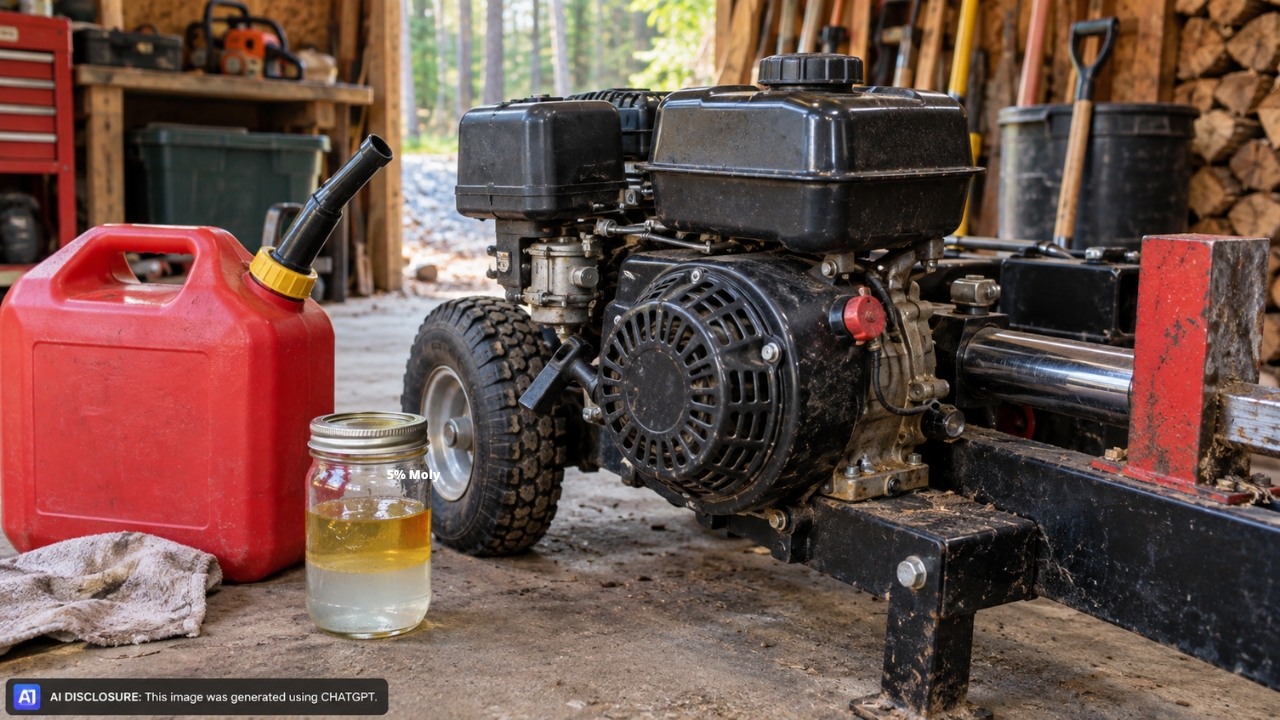
Gas cans sweat, vents breathe, and moisture sneaks in, especially in spring and fall when temps swing. Water in the fuel makes the engine hunt, sputter, and lose power, and it can rust the tank or gum up the carburetor. If it dies under load and then restarts after a minute, bad fuel is high on the list.
Use fresh fuel from a clean can, and don’t store a half-empty tank for months. A fuel shutoff and running the carb dry before storage helps on many engines. If you’re not comfortable cleaning a carburetor, this is one of those small-engine jobs that’s worth paying a shop for, because guessing gets expensive.
10. Chasing Leaks By Overtightening Fittings
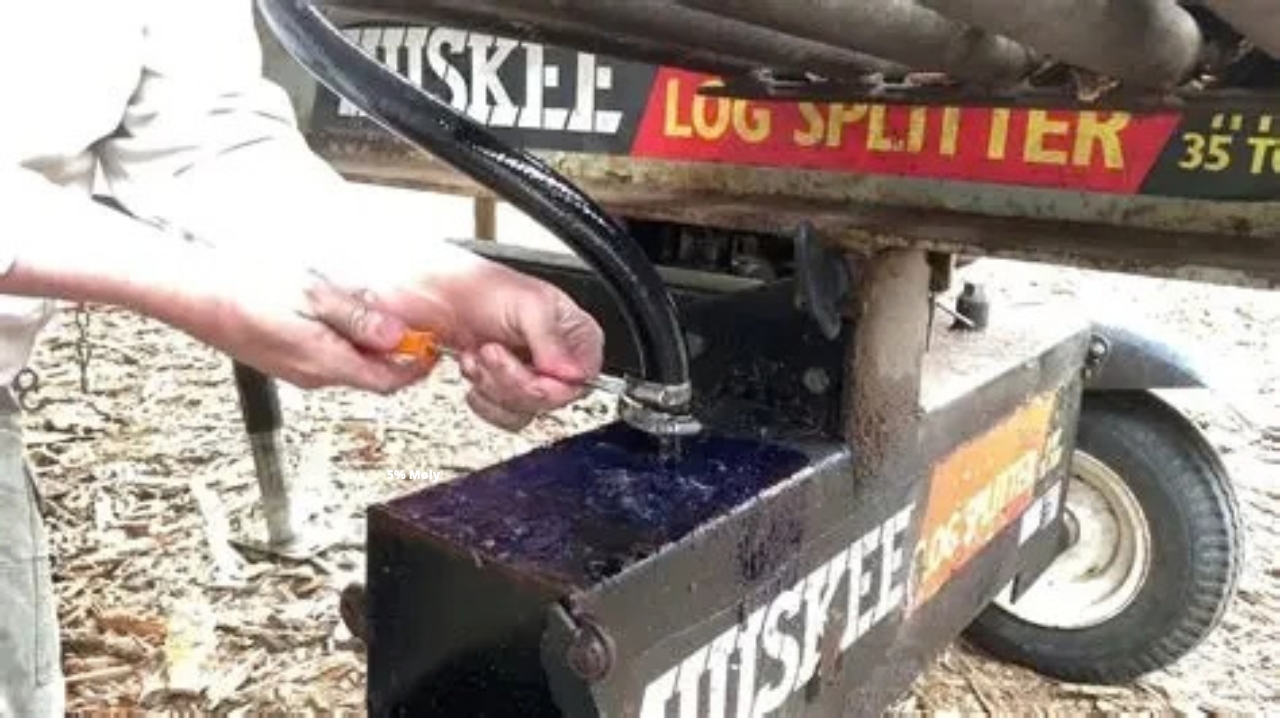
When you spot hydraulic oil on the beam, the first instinct is to crank down every fitting you can reach. That strips threads, cracks flare seats, and deforms O-rings, so the leak gets worse. It also makes the next repair harder because fittings seize and round off.
Clean the area first so you can see where it’s really coming from, then snug only the suspect connection to spec, not by feel alone. If a hose is sweating along its length or the outer jacket is cracked, replace it. Hydraulic oil under pressure can inject into skin, so treat leaks with respect and keep hands away from pinhole sprays.
Take a few minutes at the start of each season to look things over before the first round hits the wedge. A splitter that’s clean, lubricated, and stored right usually gives you warning before it quits. Ignoring those warnings is what turns an afternoon of firewood into a repair project.
Like Fix It Homestead’s content? Be sure to follow us.